




Construction billing is part of the financial and administrative of construction projects. This covers payment for material, labor, and other costs that are related to the amount of projects.
A proper construction billing system should clearly record all project expenses to maintain financial transparency. In this article, you will learn the importance of construction billing and how to optimize financial records properly.
 Key Takeaways
- Construction billing is the process of requesting, tracking, and managing payments to maintain accurate financial records.
- Common construction billing methods include lump sum, cost-plus, time & materials, unit price, progress billing, and guaranteed maximum price (GMP).
- The construction billing process involves reviewing contracts, tracking project progress, preparing invoices, and managing final payment approvals.
- ScaleOcean Construction Accounting Software helps Philippines construction companies streamline invoicing, budgeting, payment tracking, procurement, and financial reporting.

1. What is Billing in Construction?
Construction billing refers to the process of requesting, tracking, and managing payments for construction work. Also, it is related to preparing and submitting invoices requests based on agreed terms.
Construction billing is also closely related to contract compliance and financial accountability throughout the project. In the Philippines, contractors follow industry standards established by the CIAP to improve transparency and project management.
Additionally, effective billing management is an important part of construction accounting because it helps companies maintain accurate financial records, monitor cash flow, and improve project profitability.
2. Common Construction Billing Methods
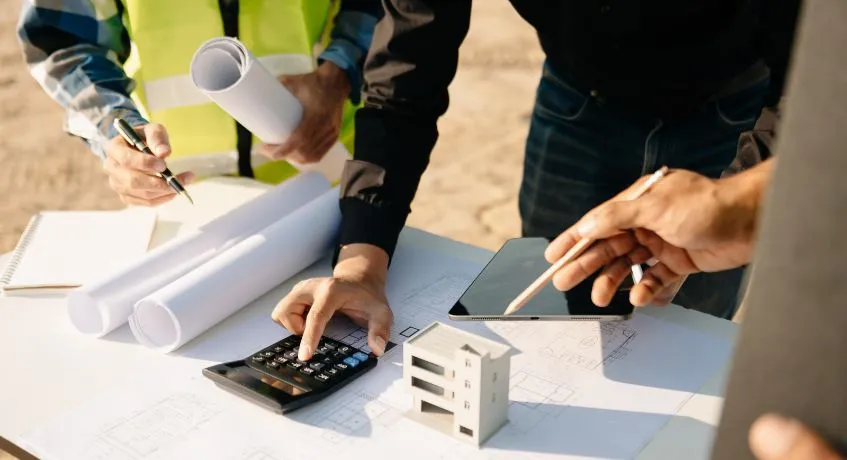
After understanding the meaning of construction billing, it is important to understand the methods to help organize the billing process. Each method has different structures which depend on project scope or contract agreements. Here are the methods:
a. Lump Sum (Fixed Price)
The first method here is lump sum or also known as fixed-price billing. It is a payment method where the contractor agrees to complete the project for a predetermined total amount. It means the project cost is estimated before the work starts.
b. Cost-Plus Billing
Another method that contractors usually use is cost-plus billing. This payment method allows contractors to charge the actual project costs plus an additional fee. Therefore, this method is useful when project scopes may change during construction.
c. Time & Materials (T&M)
The third payment method in construction is time & materials billing. This billing is based on the total labor hours, material costs, and equipment usage required during the project. It provides flexibility for projects with uncertain scopes or ongoing changes.
d. Unit Price Billing
Another billing method that is commonly used with contractors is price billing. This payment calculates project payments based on predetermined unit costs for specific tasks or materials. For example, it may change depending on the type of work.
e. Progress Billing
The next type of billing involves requesting payments as project milestones are met. This method, also known as progress billing, often includes retainage in construction, where a percentage of the payment is temporarily withheld until completed.
f. Guaranteed Maximum Price (GMP)
Another billing method in construction is the Guaranteed Maximum Price (GMP) method. This focus on a maximum total cost is agreed upon for the project. However, if the actual expenses exceed, the contractor is responsible for the additional costs.

3. The Construction Billing Process
Another element of finance in construction that project managers should understand is the construction billing process. This process is showing the billing stages to proceed with the cost invoices. Here are some of the process to streamline financial flows:
a. Review the Contract Agreement
The first step to do is to review the contract agreement carefully. In this step contractors and PM must understand project scope & retainage conditions before work begins. This is to reduce misunderstandings between each party regarding contract agreement.
b. Tracking Progress Regularly
The next step is to monitor project progress consistently to make sure billing is updated with the project progress. For this, many companies in the Philippines use digital tracking or a construction accounting system to improve project cost monitoring.
c. Invoice & Submit Payment
The third step in processing billing is contractors should prepare invoices based on project progress or billing agreements. The invoices should include supporting documents such as work reports, material records, and labor costs.
d. Approval & Final Invoicing
After invoices are reviewed and approved, payment is processed according to the agreement. At project completion, contractors usually submit final invoices to request remaining balances, including retained payments or additional approved charges.
Therefore, some companies may also apply accounting approaches such as the Completed Contract Method (CCM). This approach is to recognize project revenue after the construction work is fully done.
Meanwhile, the percentage of completion allows contractors to recognize revenue gradually based on the progress of the construction project. This approach helps companies monitor financial performance with accurate financial reports.
4. Best Practices in Construction Billing
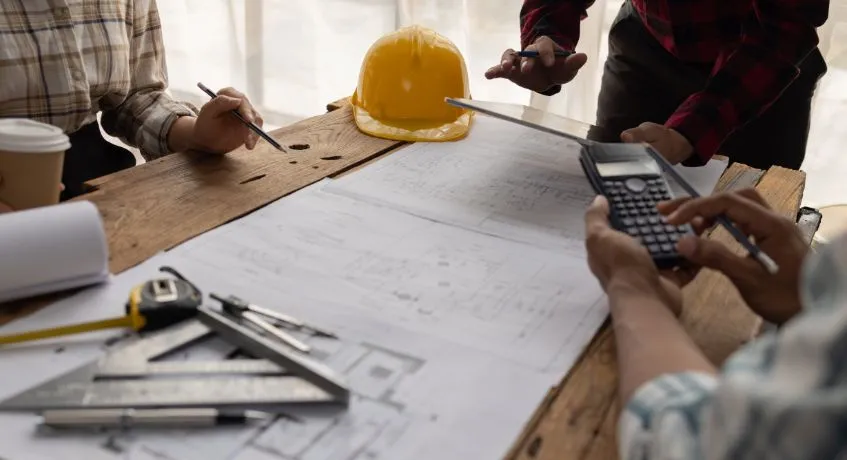
To maximize the financial process during construction, there are several techniques to do. With this, construction companies can improve billing clarity and reduce financial risks. Here are some of the steps to refine billing process:
a. Understand the Contract Terms
First, teams should understand billing schedules, retainage percentages, payment deadlines, and contract conditions before starting the project. This step helps avoid confusion and improves communication between contractors and project owners.
b. Manage Every Document Detail
Next, to enhance the cost accuracy, teams should organize the document. This is because accurate documentation is important to improve document clarity. Thus, contractors should organize invoices, work reports, and payment records properly.
c. Timely & Consistent Payment Track Records
Moreover, construction teams also have to manage accurate payment records. This is to support the monitoring process of invoices and cash flow. It also helps contractors prevent delayed payments and maintain financial stability during projects.
d. Communicate Proactively with Partners
After tracking payment records, teams must sustain clear communication with partners. Regular communication with subcontractors, suppliers, and project owners prevent misunderstandings and payment delays.
e. Utilize a Construction Accounting Software
In addition to maintaining payment records, project teams can use construction accounting software to automate invoicing & payment tracking. These systems enhance data visibility and reduce errors that could happen on manual tasks.
5. In Conclusion
Construction billing is an important process for construction companies to disclose project expenses. This billing management helps contractors optimize profit and costs during the project.
For construction companies in the Philippines, to enhance the profit and financial performance, try using construction accounting digital software. This software simplifies the process of financial management and helps in making cost expenses.
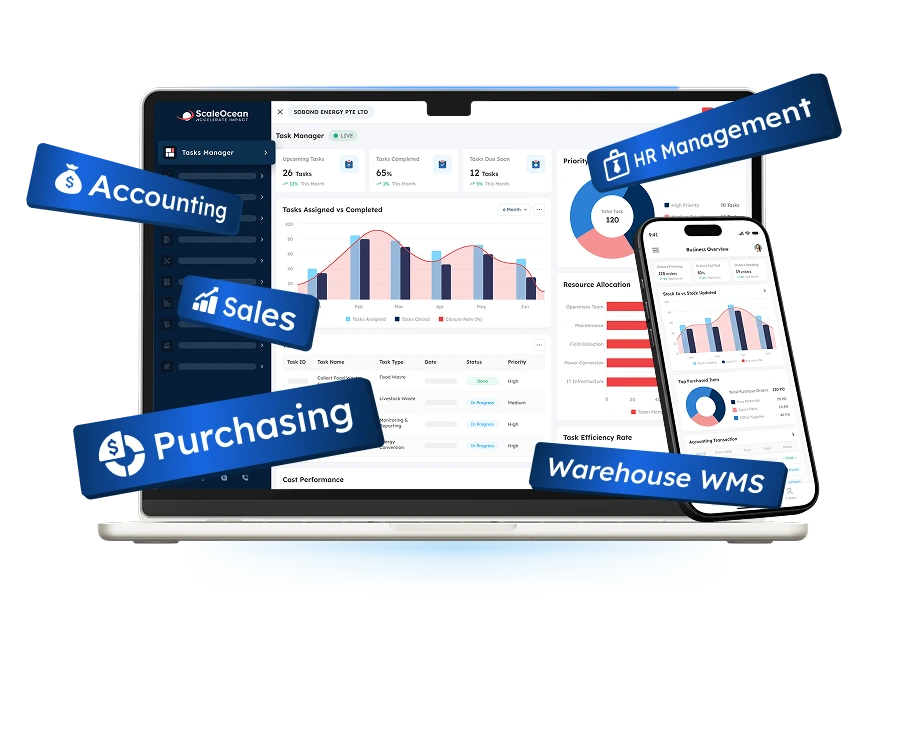
One of the best solutions for it is ScaleOcean Accounting Construction Software. This software can help streamline invoicing, budgeting, payment tracking, procurement, and financial reporting in one system.
You can also request a free demo to see how the software supports more efficient and accurate construction financial management.
FAQ:
1. How to bill for construction work?
Contractors create construction bills by tracking completed work, calculating costs, and submitting invoices based on project agreements.
2. How to make a bill of construction work?
To make a bill of construction work it should include work details, material costs, labor charges, payment terms, and the project schedule clearly.
3. How to bill as a contractor?
For this, contractors send invoices by listing services, total costs, invoice numbers, payment deadlines, and client information accurately.
















.png)