

Product traceability is the ability to track and trace products across every stage of the supply chain, from raw materials to final delivery. Today, businesses face rising pressure to ensure transparency while maintaining speed, accuracy, and operational efficiency across complex global networks.
Moreover, according to Fortune Business Insights, the global track and trace solutions market is projected to reach USD 31.49 billion by 2034, growing at a 14.90% CAGR, driven by rising product recalls, stricter regulations, and increasing demand for supply chain transparency.
However, many companies still struggle with fragmented systems, limited visibility, and inconsistent data tracking. As a result, they encounter delays, compliance risks, and costly errors. Without a reliable product traceability system, identifying issues quickly becomes difficult, disrupting overall supply chain performance.
Moreover, customers increasingly demand transparency regarding product origins, quality, and ethical sourcing. Consequently, businesses must provide accurate and real-time information. Failing to meet these expectations not only damages reputation but also significantly reduces customer trust and long-term brand loyalty.
Therefore, implementing strong product traceability is no longer optional but essential for modern operations. By improving visibility and control, companies can respond faster to disruptions, ensure compliance, and build trust, ultimately creating a more resilient and competitive supply chain.
So in this article, we will explore what product traceability is, why it matters for modern businesses, how it works across the supply chain, and how companies can implement it effectively to improve visibility, reduce risks, and enhance operational efficiency.
 Key Takeaways
- Product Traceability is the process of tracking a product’s journey across sourcing, production, storage, and distribution within the supply chain.
- Product Traceability is Important because it strengthens compliance, reduces risks, improves efficiency, and ensures better control across increasingly complex supply chains.
- Product Traceability Models help businesses track products at various stages, providing flexibility and improving visibility across diverse operational requirements.
- Product Traceability Works by combining identification systems, data capture, and centralized platforms to ensure accurate and real-time tracking throughout the supply chain.
- ScaleOcean ERP Software connects production, inventory, and distribution for integrated traceability, helping businesses improve visibility, reduce errors, and optimize operations.

What is Product Traceability?
Product traceability is the process of tracking a product’s journey through the entire supply chain, including sourcing, production, storage, and distribution. It enables businesses to efficiently record, monitor, and access detailed product information at every stage.
Additionally, traceability systems capture key data such as batch numbers, production dates, supplier information, and shipment records, helping businesses better understand what is product traceability in practical supply chain management operations. By organizing this data effectively, they can quickly identify a product’s origin and its journey throughout its lifecycle.
Furthermore, product traceability is enabled by technologies such as barcodes, RFID, and integrated software systems. These tools ensure accurate data collection and real-time updates, allowing businesses to maintain consistent visibility and minimize manual errors across operations.
Ultimately, product traceability provides a structured and reliable way to manage product information. It strengthens operational control while enabling faster decision-making, helping businesses maintain quality standards and respond effectively to potential issues within the supply chain.
Why is Product Traceability Important?
Product traceability plays a critical role in ensuring operational transparency and control across the supply chain. As businesses grow, they face increasing complexity, which makes it essential to track products accurately while maintaining visibility across sourcing, production, storage, and distribution processes.
Moreover, businesses must meet rising expectations for speed, accuracy, and accountability. Without proper traceability, they struggle to manage disruptions, identify product issues, and apply the product traceability definition in real scenarios. This often causes delays, compliance risks, and higher costs.
In addition, traceability supports better decision-making by providing real-time and historical data across operations. As a result, businesses can quickly identify inefficiencies, improve coordination between stakeholders, and ensure consistent product quality throughout increasingly complex and interconnected supply chain networks.
Product traceability boosts business by improving control, reducing risks, and increasing transparency. Moreover, Companies with effective product traceability systems operate more efficiently, stay compliant, and gain customer trust in competitive, regulated markets.
Recall Management
Effective recall management depends heavily on accurate product traceability. When issues arise, businesses must quickly identify affected products, locate them within the supply chain, and take immediate action to minimize risks and prevent further distribution to customers.
Without proper traceability, recalls become slow and inefficient, increasing financial losses and reputational damage. Therefore, having a reliable system ensures businesses can isolate problems quickly, reduce impact, and maintain customer safety with greater confidence and operational control.
Regulatory Compliance & Safety
Regulatory compliance requires businesses to maintain detailed records of product origins, handling, and distribution. Product traceability ensures that all required data is accurately documented, making it easier to meet industry regulations and avoid penalties or legal complications.
Moreover, traceability enhances product safety by enabling quick identification of non-compliant or defective items. As a result, businesses can take corrective action promptly, ensuring they meet safety standards and effectively protect both consumers and their operational credibility.
Risk Mitigation
Product traceability helps businesses identify potential risks early by providing full visibility into the supply chain. With accurate data, companies can detect disruptions, supplier issues, or quality inconsistencies before they escalate into larger operational problems.
Additionally, this visibility allows businesses to respond proactively rather than reactively. They can minimize financial losses, avoid delays, and maintain stable operations even when facing unexpected challenges within increasingly complex supply chain environments.
Brand Transparency and Trust
Consumers today expect clear and honest information about the products they purchase. Product traceability enables businesses to provide detailed insights into sourcing, production, and distribution, thereby increasing transparency and strengthening customer confidence in the brand.
Furthermore, transparency directly impacts brand trust and loyalty. When customers feel informed and assured about product quality and origin, they are more likely to engage with the brand consistently, leading to stronger relationships and improved long-term business performance.
Sustainability & Ethical Sourcing
Sustainability and ethical sourcing have become key priorities for modern businesses and consumers. Product traceability allows companies to verify the origins of materials and ensure suppliers follow ethical and environmental standards throughout the supply chain.
As a result, businesses can demonstrate accountability and support responsible practices. This not only helps meet regulatory and consumer expectations but also strengthens brand positioning in markets where sustainability plays a significant role in purchasing decisions.
Supply Chain Efficiency
Improving supply chain efficiency requires accurate data and seamless coordination across the value chain. Product traceability provides real-time visibility, allowing businesses to monitor inventory movement, reduce delays, and optimize processes more effectively across multiple locations and operational touchpoints.
Real-time and historical data allow faster decision-making. Furthermore, Businesses can identify inefficiencies, improve stakeholder coordination, prevent stock discrepancies, and optimize performance while maintaining accuracy in complex supply chains.
Key Types and Models of Product Traceability
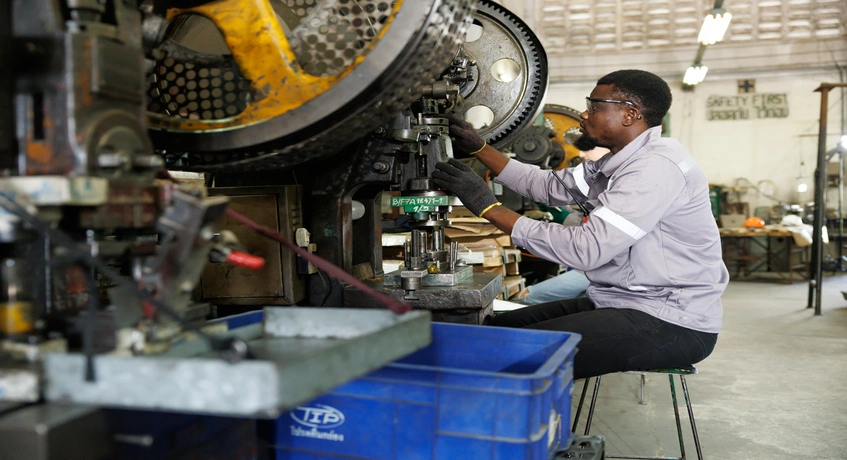
Product traceability includes several models that help businesses track products across different stages of the supply chain. Each model serves a specific purpose, allowing companies to monitor product movement, ensure accuracy, and maintain visibility across increasingly complex operational environments.
Moreover, businesses often combine multiple traceability models to achieve better control and flexibility. By integrating different approaches, they can track products from raw materials to final delivery, ensuring consistent data flow and minimizing errors throughout the supply chain lifecycle.
Additionally, selecting the right traceability model depends on business needs, industry requirements, and operational complexity. Therefore, companies must carefully evaluate their processes to implement a system that effectively supports compliance, improves efficiency, and enhances overall supply chain transparency.
Forward (Downstream) Traceability
Forward traceability focuses on tracking products as they move from production to distribution and ultimately to customers. This model enables businesses to monitor where products are sent, ensuring accurate delivery while maintaining visibility across all downstream supply chain activities.
As a result, businesses can quickly identify affected products during recalls and notify customers efficiently. Additionally, forward traceability improves customer service, enhances distribution accuracy, and ensures that products reach the correct destinations without delays or unnecessary disruptions.
Backward (Upstream) Traceability
Backward traceability tracks products from the final stage back to their origin, including raw materials and suppliers. This model allows businesses to identify the origins of components, ensuring better control over sourcing and supplier performance across the supply chain.
Consequently, companies can quickly investigate quality issues and identify the root cause of defects. Furthermore, backward traceability supports compliance requirements and strengthens supplier accountability, reinforcing the product traceability definition by ensuring full visibility into sourcing and supplier performance.
Internal Traceability
Internal traceability focuses on tracking products within a single organization, covering processes such as production, storage, and internal handling. This model helps businesses efficiently monitor how products move through different stages of their operations.
Additionally, internal traceability improves process control by providing detailed insights into production activities. As a result, businesses can identify inefficiencies, reduce waste, and maintain consistent quality while ensuring accurate recordkeeping across all internal operations and workflows.
External Traceability
External traceability tracks product movement across different organizations, including suppliers, manufacturers, distributors, and retailers. This model ensures that businesses can share and access consistent data across the entire supply chain, improving coordination between all involved parties.
Moreover, external traceability enhances collaboration by enabling better communication and data exchange. Consequently, businesses can reduce errors, improve transparency, and ensure that all stakeholders have access to accurate information, thereby supporting smoother, more efficient supply chain operations.
End-to-End Traceability
End-to-end traceability provides complete visibility across the entire supply chain, from raw materials to final customers. This model integrates multiple product traceability systems, allowing businesses to track every stage of a product’s lifecycle with accuracy and consistency.
As a result, companies can respond quickly to disruptions, improve decision-making, and ensure full compliance with industry regulations. Furthermore, end-to-end traceability strengthens transparency and operational visibility, enabling businesses to manage complex supply chains more effectively through improved supply chain execution processes.
Batch-Level Traceability
Batch-level traceability tracks products in groups or batches rather than individually. This model allows businesses to monitor production lots, making it easier to manage inventory, identify issues, and perform recalls efficiently when problems affect specific batches.
Additionally, batch-level traceability reduces complexity compared to item-level tracking while still providing sufficient visibility. Therefore, businesses can balance efficiency and accuracy, ensuring they maintain control over product quality without significantly increasing operational costs.
Item-Level Traceability
Item-level traceability tracks each product using unique identifiers such as serial numbers or barcodes. This model provides the highest level of detail, allowing businesses to monitor each item throughout its entire lifecycle within the supply chain.
Consequently, companies gain precise visibility and control, enabling faster issue identification and improved customer service. Additionally, item-level traceability supports advanced analytics and personalization, helping businesses enhance operational performance and effectively meet evolving customer expectations.
Chain of Custody Traceability
Chain of custody traceability records every transfer of a product as it moves between parties within the supply chain. This model ensures accountability by documenting who handled the product at each stage of its journey. It also strengthens supply chain network design by improving visibility, reducing risks, and enabling organizations to build more transparent and reliable supply chain processes.
Moreover, this approach is essential for industries that require strict verification of product origin and handling. As a result, businesses can ensure compliance, maintain integrity, and build trust by providing transparent and verifiable records of product movement.
How Product Traceability Works
Product traceability works by capturing, recording, and tracking data at every stage of the supply chain. Businesses use structured systems to monitor product movement, ensuring that information remains accurate, accessible, and consistent across sourcing, production, storage, and distribution activities.
Moreover, traceability relies on integrating identification methods, data collection tools, and centralized platforms. By connecting these components, companies create a continuous data flow that improves visibility, reduces errors, and supports real-time monitoring, demonstrating what is product traceability in real-world supply chain systems.
Additionally, businesses must ensure that traceability processes remain consistent and well-maintained over time. Therefore, they need standardized procedures, regular system updates, and proper data management practices to ensure long-term reliability and effectiveness within the entire supply chain network.
Unique Identification
Unique identification assigns a distinct code to each product, batch, or component using tools such as barcodes, QR codes, or RFID tags. This approach allows businesses to track products accurately across different stages of the supply chain without confusion or duplication.
As a result, companies can quickly access product information, reduce manual errors, and improve tracking precision. Furthermore, unique identification ensures that every item remains distinguishable, supporting better inventory management and enabling faster response to issues such as recalls or discrepancies.
Centralized Platforms
Centralized platforms collect and store traceability data from various sources into a single system. This approach enables businesses to access consistent and real-time information, ensuring better coordination across departments and stakeholders within the supply chain.
Additionally, centralized systems improve data accuracy by reducing duplication and inconsistencies. As a result, businesses can streamline operations, enhance visibility, and make faster decisions based on reliable information while maintaining control over complex and interconnected processes.
Scientific Verification
Scientific verification uses testing methods such as chemical analysis, DNA tracing, or isotopic testing to confirm product origin and authenticity. This approach is crucial in industries like chemicals, where the best ERP for chemical manufacturing verifies material composition and maintains strict quality standards.
Consequently, businesses can detect fraud, ensure product integrity, and validate supplier claims effectively. Moreover, scientific verification strengthens traceability systems by adding a layer of accuracy, helping companies maintain trust and meet strict regulatory and industry standards.
Maintaining Traceability
Maintaining traceability requires continuous monitoring, data updates, and system maintenance to ensure accuracy over time. Businesses must regularly review processes, update records, and ensure that all data points remain consistent throughout the entire product lifecycle.
Furthermore, employee training and standardized procedures play a crucial role in sustaining traceability. As a result, companies can minimize errors, improve compliance, and ensure that their traceability systems remain reliable and effective across evolving operational and regulatory requirements.
Implementation Steps of Product Traceability

Implementing product traceability requires a structured approach to ensure accuracy, consistency, and scalability. Businesses must carefully design processes that align with their operational needs while ensuring seamless data flow across all stages of the supply chain.
Moreover, successful implementation depends on integrating technology, defining clear procedures, and maintaining consistent data management practices. By following a systematic approach, companies can reduce errors, improve visibility, and ensure that traceability systems deliver long-term operational value.
Additionally, businesses must continuously evaluate and refine their traceability processes. Therefore, regular testing, validation, and system improvements are essential to maintain effectiveness, support compliance, and adapt to changing business environments and supply chain complexities.
Define Scope
Defining scope involves identifying which products, processes, and supply chain stages require traceability. Businesses must determine the level of detail required to ensure the system captures relevant data without introducing unnecessary complexity or operational inefficiencies.
As a result, companies can focus resources effectively and design a traceability system that aligns with their goals. Furthermore, a clearly defined scope supports production planning and control, ensuring better planning, smoother implementation, and improved consistency across all tracking and monitoring activities.
Assign Identification
Assigning identification involves creating unique codes for products, batches, or components to enable accurate tracking. Businesses must select appropriate identification methods to ensure that each item can be consistently monitored throughout the supply chain.
Consequently, this step ensures data accuracy and prevents duplication or confusion during tracking processes. Additionally, proper identification facilitates integration with other systems, enabling businesses to maintain consistent, reliable traceability across operations.
Data Capture
Data capture involves collecting relevant information at each stage of the product lifecycle, including production, storage, and distribution. Businesses must ensure that data collection methods are accurate, consistent, and capable of supporting real-time product traceability requirements.
Moreover, automated data capture tools such as scanners and sensors improve efficiency and reduce manual errors. As a result, companies can maintain high-quality data, enabling better visibility, improved decision-making, and stronger overall traceability performance.
Centralized Management
Centralized management involves storing and organizing all traceability data within a unified system. This approach allows businesses to access accurate, real-time information, ensuring consistency and improving coordination across departments and stakeholders.
Additionally, centralized management reduces data silos and enhances visibility across the supply chain. Consequently, companies can streamline operations, improve data accuracy, and ensure that all relevant information remains accessible for monitoring, reporting, and compliance purposes.
Implement Technology
Implementing technology involves selecting and deploying tools such as the best ERP software, barcode systems, and RFID solutions. Businesses must ensure that these technologies integrate seamlessly with existing systems to support efficient data flow and real-time tracking.
Furthermore, the right technology improves automation and reduces reliance on manual processes. As a result, companies can enhance accuracy, increase operational efficiency, and build a scalable traceability system that supports long-term business growth and evolving supply chain demands.
Test and Validate
Testing and validation ensure that the traceability system functions accurately and consistently before full implementation. Businesses must verify that data flows correctly, identification methods work properly, and all processes align with operational and product traceability requirements.
Additionally, regular validation helps identify gaps and areas for improvement. Consequently, companies can refine their systems, reduce risks, and ensure that their traceability processes remain reliable, effective, and capable of supporting ongoing operational needs.
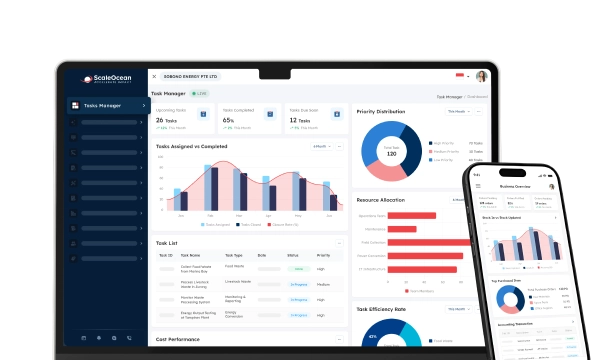
As examples in today’s industry, businesses need supply chain management software that integrates production, inventory, and distribution data for better efficiency and visibility. Luckily, ScaleOcean Supply Chain Management Software offers end-to-end traceability, helping companies track materials, monitor processes, and ensure accuracy at every stage.
Moreover, with integrated tracking, real-time data updates, and centralized management, ScaleOcean enables businesses to reduce errors, improve compliance, and respond quickly to disruptions. Start optimizing your traceability processes today with ScaleOcean and request a free demo today.
Product vs. Material Traceability
Product traceability focuses on tracking finished goods throughout the supply chain, from production to final delivery. In contrast, material traceability tracks raw materials and components from their origin, ensuring that businesses understand where inputs come from before the supply chain begins.
Moreover, material traceability plays a critical role in quality control and supplier management. By tracing materials upstream, businesses can verify sourcing, ensure compliance, and prevent defects from entering production processes, which ultimately supports better product consistency and operational reliability.
Additionally, product traceability becomes essential after manufacturing, as it tracks distribution and customer delivery. Therefore, combining both approaches allows businesses to achieve full visibility, ensuring control from raw materials to finished goods across the entire supply chain lifecycle.
Traceability vs. Tracking
Traceability and tracking are closely related concepts, but they serve different purposes within supply chain management, especially when businesses try to understand what product traceability is compared to simple shipment tracking.
Tracking focuses on the real-time location of products, while traceability provides a complete historical record of a product’s journey, including its origin and transformations.
Furthermore, tracking helps businesses monitor shipments and improve delivery accuracy. However, it does not provide detailed insights into production processes or sourcing. As a result, tracking alone cannot effectively support compliance, quality control, or root cause analysis.
Therefore, businesses need both tracking and traceability to achieve full visibility. By combining real-time location data with historical records, companies can improve decision-making, enhance operational efficiency, and ensure better control across increasingly complex supply chain environments.
Complete Traceability & Product Tracing
Complete traceability is the ability to track products across every stage of the supply chain, from raw materials to end customers. This approach integrates multiple traceability models to provide full visibility and ensure consistent data flow across all operations.
Moreover, product tracing focuses on identifying a product’s origin and movement. It enables businesses to analyze how products move through the supply chain, enabling them to quickly investigate issues and maintain control over quality, compliance, and product traceability requirements.
Additionally, achieving complete traceability requires strong system integration and standardized processes. Therefore, businesses must ensure that data remains accurate, accessible, and consistent, aligning with the product traceability definition, enabling effective responses to disruptions, and maintaining transparency across operations.
Common Challenges of Product Traceability
Product traceability offers significant benefits, but businesses often face challenges when implementing and maintaining effective systems. These challenges typically arise from data management issues, operational complexity, and the need to coordinate across multiple stakeholders within the supply chain.
Moreover, as supply chains become more global and interconnected, maintaining consistent traceability becomes increasingly difficult. Therefore, businesses must address these challenges proactively to guarantee their traceability systems stay accurate, reliable, and able to support long-term operational objectives.
Additionally, overcoming these obstacles requires a combination of technology, standardized processes, and strong collaboration. As a result, companies that invest in the right strategies can improve traceability performance while minimizing risks and inefficiencies across their operations.
Data Fragmentation
Data fragmentation occurs when information is stored across multiple systems without proper integration. This lack of connectivity makes it difficult for businesses to access complete and consistent data, reducing visibility and limiting the effectiveness of product traceability efforts.
As a result, companies struggle to track products accurately and respond quickly to issues. Therefore, integrating systems and centralizing data becomes essential to ensure seamless information flow and improve overall traceability performance across the supply chain.
Data Standardization
Data standardization involves ensuring that all traceability data follows consistent formats and structures across systems. Without standardization, businesses face difficulties in sharing, interpreting, and analyzing data, which can lead to errors and inefficiencies in traceability processes.
Consequently, companies must establish clear data standards and guidelines. By doing so, they can improve data quality, enable better system integration, and ensure that traceability information remains accurate and usable across different platforms and stakeholders.
Multi-Tier Complexity & Adoption Costs
Multi-tier supply chains involve multiple suppliers, manufacturers, and distributors, making traceability more complex. As the number of stakeholders increases, businesses face challenges in maintaining consistent data and ensuring all parties adhere to the same traceability standards.
Additionally, implementing traceability systems can require significant investment in technology and training. Therefore, businesses must carefully plan adoption strategies to balance costs while ensuring that the system delivers long-term value and supports operational scalability.
Fraud & Privacy Concerns
Fraud and privacy concerns pose significant challenges to product traceability, especially when data is shared among multiple stakeholders. Businesses must ensure that information remains secure while maintaining transparency throughout the supply chain.
Moreover, protecting sensitive data requires strong security measures and clear access controls. As a result, companies can prevent unauthorized access, reduce fraud risks, and maintain trust while ensuring compliance with data protection regulations and industry standards.
Examples of Product Treceability Across Industries
Product traceability in industries plays a vital role by ensuring visibility, quality control, and compliance. Different sectors apply traceability in unique ways, depending on their processes, regulatory requirements, and the level of detail needed for tracking products.
Moreover, as industries face increasing pressure for transparency and accountability, product traceability becomes essential for maintaining trust and operational efficiency. Therefore, businesses must adapt traceability practices to suit their specific needs while ensuring consistency across their supply chain operations.
Additionally, implementing traceability across industries helps businesses respond quickly to disruptions, improve product quality, and meet regulatory standards. As a result, companies can enhance performance while ensuring that their products remain safe, reliable, and fully traceable from origin to delivery.
Food & Beverage
In the food and beverage industry, product traceability ensures that ingredients can be tracked from farm to table. Businesses often rely on the best food industry ERP software to monitor sourcing, processing, and distribution, ensuring food safety and compliance with strict regulatory requirements across global markets.
As a result, companies can quickly respond to contamination issues and perform targeted recalls when necessary. Moreover, traceability improves consumer confidence by providing transparency about product origins, helping brands maintain trust while ensuring consistent quality and safety standards.
Automotive Manufacturing
Automotive manufacturing relies on traceability to track components and parts throughout the production process. This approach ensures that each part meets quality standards and can be traced back to its supplier in case of defects or performance issues.
Consequently, manufacturers can identify faulty components quickly and reduce the impact of recalls. Additionally, traceability supports compliance with industry regulations while improving production efficiency, ensuring that vehicles meet safety requirements and maintain consistent performance standards.
Pharmaceuticals
In the pharmaceutical industry, product traceability is essential for ensuring drug safety and regulatory compliance. Companies often use ERP software in the medical device industry to track raw materials, production batches, and distribution channels, ensuring that products meet strict quality and safety standards at every stage.
Moreover, traceability helps prevent counterfeit products from entering the market. As a result, pharmaceutical companies can protect patient safety, maintain regulatory compliance, and ensure that all products remain authentic, effective, and properly monitored throughout the supply chain.
Cotton Manufacturing
Cotton manufacturing uses traceability to track raw cotton from farms through processing and textile production. This approach ensures that materials meet quality standards while allowing businesses to verify sourcing practices and maintain transparency across the supply chain.
Additionally, traceability supports sustainability initiatives by confirming that cotton is sourced responsibly. As a result, companies can meet consumer expectations for ethical products while improving supply chain visibility and ensuring consistent quality throughout the production process.
Coffee Manufacturing
In coffee manufacturing, traceability enables businesses to track beans from origin farms to final packaging. This system helps ensure product quality while allowing companies to verify sourcing practices and maintain transparency with consumers who value ethical and sustainable production.
Furthermore, traceability supports fair trade practices by providing clear records of supplier relationships. Consequently, businesses can build stronger partnerships, improve product consistency, and enhance brand reputation by offering verified and responsibly sourced coffee products.
Red Meat Manufacturing
Red meat manufacturing requires strict traceability to monitor livestock, processing, and distribution. Businesses track animals from farms to processing facilities, ensuring compliance with food safety regulations and maintaining accurate records throughout the production lifecycle.
As a result, companies can respond quickly to health concerns and perform targeted recalls when necessary. Moreover, traceability improves transparency and accountability, helping businesses ensure product safety while maintaining trust with regulators and consumers alike.
Dairy Manufacturing
Dairy manufacturing relies on traceability to track milk from farms through processing and distribution. This approach ensures product safety, quality control, and regulatory compliance, which are critical to maintaining consistent standards across dairy supply chains.
Additionally, traceability allows businesses to monitor production conditions and identify potential issues early. Consequently, companies can maintain product quality, reduce risks, and ensure that dairy products remain safe and reliable for consumers at all times.
Traceability for Other Industries
Other sectors for product traceability in industries, such as electronics, chemicals, and consumer goods, also benefit from product traceability. These sectors use traceability systems to monitor materials, production processes, and distribution, ensuring quality control and compliance with industry standards.
Moreover, traceability helps businesses improve operational efficiency and reduce risks across complex supply chains. As a result, companies can enhance visibility, maintain consistency, and ensure that products meet both regulatory requirements and customer expectations effectively.
Easy and Integrated Product Traceability Using ScaleOcean
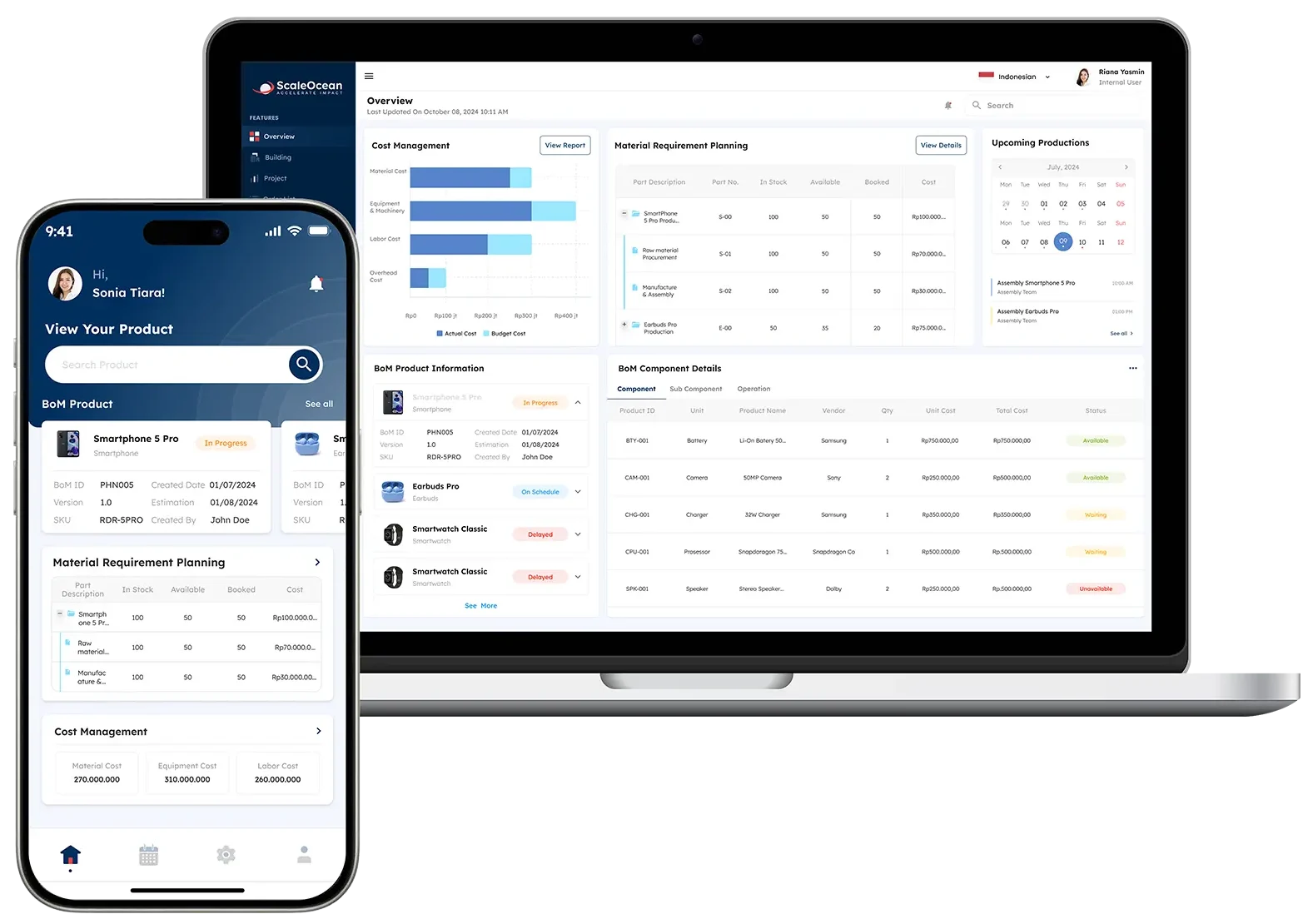
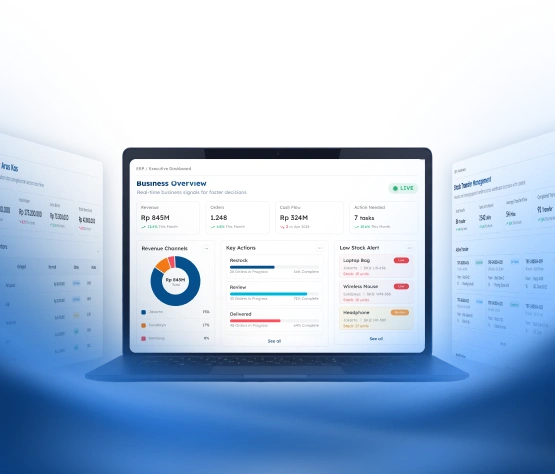
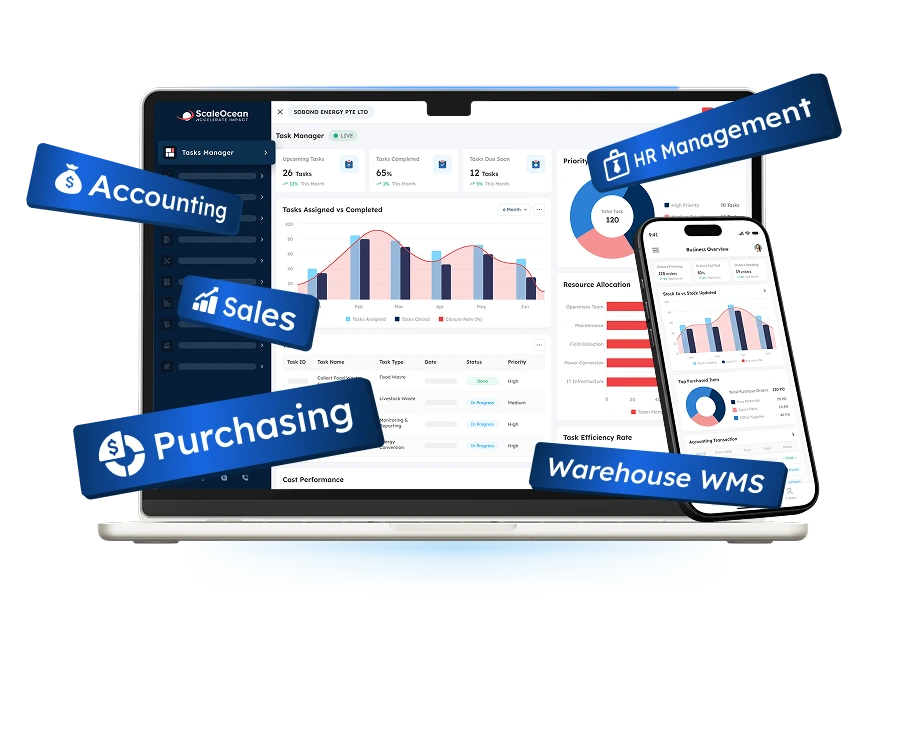
ScaleOcean Supply Chain Management Software is an all-in-one system that integrates purchasing, inventory, production, quality control, and distribution for end-to-end traceability. As businesses improve product traceability, they need a system that connects every process without complexity, and ScaleOcean provides exactly that.
Moreover, ScaleOcean uses proven industry best practices, letting businesses implement traceability quickly without building systems from scratch. It remains flexible and customizable, enabling companies to adapt workflows, configure features for each division, and create dashboards based on operational needs.
Additionally, ScaleOcean simplifies adoption with transparent flat pricing and unlimited users, ensuring scalability without unexpected costs. It also supports eligibility for CTC grant requirements up to 70%, helping businesses reduce implementation costs while upgrading to a more advanced and reliable traceability system.
With its integrated approach, ScaleOcean helps businesses eliminate data silos, improve visibility, and maintain accurate tracking across the entire supply chain. As a result, companies can enhance efficiency, ensure compliance, and build a more transparent and resilient operational ecosystem. Request a free demo to get this solution for your business.
Key Features of ScaleOcean Manufacturing ERP Software:
- IIoT integration: Enables real-time tracking of production batches, machine conditions, and processing times, allowing businesses to monitor operations closely while improving accuracy, efficiency, and traceability across manufacturing environments.
- Cross-Module & Branch Integration: Allows seamless product movement across warehouses, factories, and branches while maintaining consistent batch tracking, ensuring synchronized data flow, and eliminating silos across all operational units.
- Lot/Batch Tracking: Tracks products by batch or lot numbers and records movement history from procurement and purchasing through distribution and shipping, ensuring full visibility and accurate traceability throughout the product lifecycle.
- AI Reporting & Real-Time Analytics: Provides real-time insights into product history, batch performance, and distribution flow using AI-powered analytics, enabling faster decision-making and continuous improvement across supply chain operations.
Conclusion
Product traceability enables businesses to track products throughout the supply chain, ensuring transparency, quality control, and compliance. By implementing the right systems and models, companies can improve visibility, reduce risks, and enhance overall efficiency in increasingly complex operational environments.
As businesses move toward more integrated traceability, they need a solution that connects processes seamlessly. ScaleOcean ERP Software provides end-to-end visibility by integrating purchasing, inventory, production, and distribution, helping companies maintain accurate tracking while improving efficiency and operational control.
Moreover, with flexible customization, real-time analytics, and built-in best practices, ScaleOcean allows businesses to scale without complexity. Request a free demo today to see how ScaleOcean can simplify your traceability processes and support a more transparent, efficient, and reliable supply chain.
FAQ:
1. How to do product traceability?
Product traceability is achieved by grouping products into batches based on shared attributes such as production date, material source, or processing method. This grouping simplifies tracking and managing products across the supply chain.
2. What is an example of traceability?
Businesses use various technologies to maintain traceability by capturing and accessing product information at every stage of the supply chain. Common tools include barcodes, RFID tags, and warehouse management systems, all of which enhance inventory management and control.
3. What are the six important elements of traceability?
The six essential components of traceability are identification, documentation, tracking, linking, verification, and reporting. These elements collectively guarantee transparency, accountability, and the ability to track products, parts, or processes throughout their lifecycle.
4. What is the main purpose of traceability?
The primary goal of traceability is to create transparency within the supply chain by enabling smooth information flow. This transparency is vital for minimizing production risks, addressing quality control challenges, and enhancing accountability.




















.png)