

In today’s fast-paced markets, just reacting to problems in procurement isn’t enough anymore. Without a solid procurement strategy, businesses often get hit with surprise costs and missed chances, making it much harder to keep everything running efficiently and on budget.
According to PWC, the digital target for procurement in the Asia Pacific is 63% by 2027, versus 70% globally. This shows how vital it is to have a clear strategy that matches your daily needs with your big, long-term business goals to stay ahead of the curve.
In this article, we’ll explore what a procurement strategy definition is, a procurement strategy example, and how to build one that actually works step by step. You will learn the best steps to create a solid plan, the benefits it brings, and how to easily handle the common challenges that might pop up along the way.
 Key Takeaways
- A procurement strategy is a comprehensive plan for how a company acquires the goods, services, or both it needs to align purchasing with overall business goals.
- Following the steps to create a procurement strategy, such as conducting a Current State Analysis (CSA), determining specific company needs, and so on.
- Key components included in a procurement strategy are clear KPIs, timeframes, tools, tactical plans to support execution, and more.
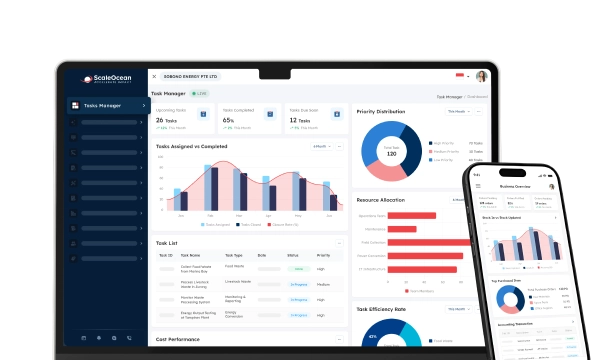
- ScaleOcean procurement software is a flexible, all-in-one hub that fits your specific workflows and rules. Also, its customizable tools link up perfectly with your current setup.
What is a Procurement Strategy?
A procurement strategy is a long-term, practical plan that aligns an organization’s purchasing activities with its broader business objectives to optimize value, minimize costs, and manage supplier risks. It includes analyzing expenditures, categorizing suppliers, and implementing sourcing techniques (e.g., dual sourcing, tendering) to ensure the efficient acquisition of goods and services over a 2–5 year period.
But procurement isn’t just about placing orders. A good strategy helps keep things steady when it comes to supplier selection and contract handling, which can be surprisingly complex once you scale up.
With different types of procurement strategies that can be applied depending on your company’s needs, managing supplier relationships and procurement processes can be made so smooth and with no errors.
Why Does Business Need a Procurement Strategy?
When there’s no real strategy in place, procurement tends to turn into a last-minute scramble, and that’s usually when budgets take a hit. Without direction, teams often make quick decisions that don’t line up with long-term goals or cost controls.
Especially now, with markets shifting all the time, companies really don’t have the luxury of being reactive. A procurement strategy makes it easier to plan, branch out across suppliers, and walk into negotiations with a bit more confidence and clarity.
According to ProcureCon Asia, it also uncovered that the biggest challenge for procurement professionals is the need to reduce operational budgets (55%), alongside reducing inventory costs (52%) and improving asset performance (42%). So it’s important that A well-defined strategy directly addresses these challenges.
12 Steps to Develop a Procurement Strategy

Creating an effective procurement strategy is key to simplifying your processes, cutting down costs, and aligning your operations with the bigger goals of the business. When you follow these 12 steps, your organization can strengthen procurement functions, improve alignment across teams, and support growth.
Now, let’s take a closer look at each step in detail:
1. Conduct a Current State Analysis (CSA)
A CSA helps you understand your current procurement setup by identifying what is working well and where improvements are needed. This process gives you a clear starting point to address inefficiencies and gaps.
By analyzing your existing processes, you can spot bottlenecks and prioritize which areas need immediate attention. This will help you allocate resources more effectively and create a roadmap for improvement.
2. Determine Specific Company Needs
Every company has its own unique procurement needs based on its size and industry. What works perfectly for one business might not be the right fit for another, so it’s all about finding the specific strategy that actually makes sense for your particular goals.
When your procurement plan truly matches your company’s needs, everything starts to run much more smoothly. By tailoring your approach to fit your unique setup, your system functions better and creates a solid foundation for your business to grow over the long term.
3. Engage Stakeholders
Getting input from teams like HR, IT, and finance is a must. Procurement shouldn’t be a solo mission since it touches so many parts of the business. By talking to other departments, you ensure the decisions you make actually support the whole company’s goals.
Bringing stakeholders in early helps you avoid nasty surprises later on. Working together leads to better choices and makes executing your strategy much smoother, simply because you have included all the right perspectives from the very beginning.
4. Align Strategy with Company Goals
Procurement should always mirror your company’s bigger goals. Whether you are focusing on saving money, going green, or boosting speed, your buying strategy needs to back up what the business wants to achieve. Keeping these aligned ensures your efforts truly matter.
If sustainability is your main goal, procurement must focus on ethical sourcing and clear supplier habits. When you align your buying strategy with company targets, it keeps the whole team on the same page and helps move the entire business forward together.
5. Determine Procurement Policies
Setting clear procurement policies is a must to keep things orderly. They act as helpful guidelines for who can buy what, how to handle approvals, and which vendors to trust. Having these rules in place ensures everyone stays on the same page and keeps spending in check.
Without solid policies, it’s far too easy for confusion and mess to creep in. Simple, straightforward rules help your team avoid common mistakes and ensure every purchase follows the right path, creating a much more organized and stress-free work environment for everyone.
6. Adopt New Tools
If you’re still stuck with old methods like spreadsheets, you’re likely slowing your team down. Switching to modern procurement tools automates the boring stuff and makes everything run much more smoothly, freeing you up to focus on what actually matters for your business.
These tools give you much better visibility, so you don’t have to hunt through scattered files to make a choice. So tools like ScaleOcean software help you streamline the whole process, cut down on mistakes, and keep your team working together perfectly to hit those company goals.
7. Determine Procurement Priorities
It is vital to decide what matters most to your business right from the start. Whether you are chasing the lowest costs, the fastest shipping, or the most reliable partners, knowing your main goals helps you stay on track and ensures you are focusing on the right targets.
Setting these priorities helps you pick the right vendors and judge their work fairly. Once you truly understand what your company needs most, you can make much smarter, more focused decisions that lead to better results for everyone involved in the process.
8. Develop an Appropriate Procurement Strategy
Once you’ve gathered all your info, it’s time to build a strategy that actually fits your business. This might mean choosing a centralized or decentralized setup, whichever makes the most sense for your specific structure and helps your team stay organized.
Your strategy should truly reflect how your company works and makes choices. Whether you want centralized control or decentralized flexibility, the goal is to create a plan that aligns perfectly with your team’s natural workflow and everyday habits.
9. Determine Success Measures
To see if your procurement strategy is actually working, you need clear targets like total savings, supplier scores, and compliance rates. These metrics act as your compass, showing you exactly how well your team is performing and where your money is going every month.
Without these measures, it’s hard to know what’s working or failing. Setting up success criteria keeps you on track and makes it obvious what needs fixing. It brings much-needed clarity to your operations, ensuring you always know your next move to improve the business.
10. Implementing the Procurement Strategy to its Full Potential
Having a great strategy is one thing, but making it work is where the real effort starts. It’s best to roll it out in stages and give your teams the training they need, so they can follow through with confidence and get the job done right.
Doing implementation the right way ensures your strategy actually brings long-term results. This step is vital because, without a steady effort, even the most brilliant plans can easily fall short when it’s time to put them into action.
11. Measuring and Refining the Strategy
Think of your procurement strategy as a living document. As the world and your goals shift, your plan needs to grow with them. Measuring and refining your approach ensures you stay on track and keep your business moving forward in a way that feels natural and effective.
Regular check-ins and quick adjustments help keep your strategy fresh and relevant. By focusing on continuous improvement, you make sure your procurement process adapts to the latest market trends and always stays perfectly aligned with what your company wants to achieve.
12. Invest In Procurement Software Solutions
Managing procurement by hand is a slow process that’s way too easy to mess up. Using software can automate those boring, repetitive tasks, like tracking compliance or managing vendors, saving your team a ton of valuable time so you can focus on bigger things.
These tools provide greater control as your business expands. ScaleOcean’s procurement software supports the complete Procure to Pay (P2P) cycle, helping teams streamline purchasing, manage multiple suppliers, and make procurement strategies more efficient.

What to Include in a Procurement Strategy
A procurement strategy is essential for streamlining your company’s purchasing and sourcing processes. It helps ensure that operations run smoothly and align with your broader business goals. Having a clear strategy also supports cost-effectiveness and efficiency.
Here are the key components to consider in your procurement strategy:
Strategy Statement
Think of this as the guiding light for your procurement efforts. It’s a brief explanation of the goals of your procurement strategy and how they tie into the broader objectives of the business. It needs to provide clarity but also leave room for changes if needed.
The strategy statement helps everyone involved understand the bigger picture and why each decision is important. It ensures that all teams are working toward the same goal and creates a unified approach to procurement.
Desired Results
It’s important to clearly define what you want to accomplish with your procurement strategy. Whether it’s reducing costs, improving vendor performance, or making the procurement process more efficient, your goals should be specific. Make sure they are measurable so you can track your progress.
By establishing your desired results early on, you set expectations for success and help everyone stay focused. As you achieve these goals, it gives you the opportunity to reassess and improve your strategy as you go.
Time Frame
Having a time frame helps you separate short-term goals from long-term objectives. It gives you the ability to plan out immediate actions while keeping an eye on larger, ongoing improvements.
Connecting your time frame with your overall company strategy ensures everything is in sync. It helps align procurement goals with the bigger business picture and provides clear timelines for execution, keeping everyone on track.
Tactical Plan
The tactical plan outlines the specific steps that need to be taken to bring the strategy to life. This includes deciding on sourcing strategies, how to negotiate with suppliers, and ensuring compliance throughout the process.
With a clear tactical plan, everyone knows exactly what actions to take and when. This roadmap ensures your strategy is executed smoothly and efficiently, without confusion or unnecessary delays.
Measures
To see how well your strategy is working, you need to set key metrics that you can track. These could be things like how quickly purchases are made, how reliable your suppliers are, or how much money you’ve saved.
These measures help keep the strategy focused and ensure that you can identify what’s working and where there might be room for improvement. They also provide accountability, making it easier to adjust your approach as needed.
Dedicated Tools and Resources
Having the right tools and resources in place is critical to executing your procurement strategy. This could involve software, training your team, or having the right equipment to manage the process effectively.
Without these resources, even the best-planned strategy may struggle to succeed. By identifying the tools and support you need, you ensure that your strategy is well-equipped to achieve your goals and deliver results.
Benefits of an Appropriate Procurement Strategy
A solid procurement strategy cuts down on surprise costs and supplier headaches. It stops you from wasting time on frantic, last-minute buys and long approval loops, making the whole process much smoother while saving your team valuable hours every single week.
With a clear plan, everything becomes more transparent, giving your team a better view of all buying activities. This visibility makes it easy to make informed choices, which leads to better business results and much smoother operations across every department.
A good strategy also keeps you compliant and supports ethical sourcing, which is huge for businesses today. It makes you more agile, letting your team pivot quickly when the market changes so you can stay ahead of the competition and keep your edge.
Procurement Strategy Challenges
One big hurdle in procurement is when teams aren’t on the same page. Without shared goals, departments often pull in different directions, causing confusion and making it much harder to keep the organization running smoothly and efficiently.
Clinging to old tools like manual spreadsheets slows everyone down and invites mistakes, especially as your team grows. These bottlenecks can cause major delays that ripple through your entire procurement life cycle, making it hard to stay on track.
Keeping an eye on supplier risks is also a tough job. Without the right visibility, issues like late deliveries or contract errors can pop up out of nowhere and cause real headaches. That is why proactive planning is so vital for your long-term success.
How Does ScaleOcean Offer the Best Solution for an Effective Procurement Strategy?
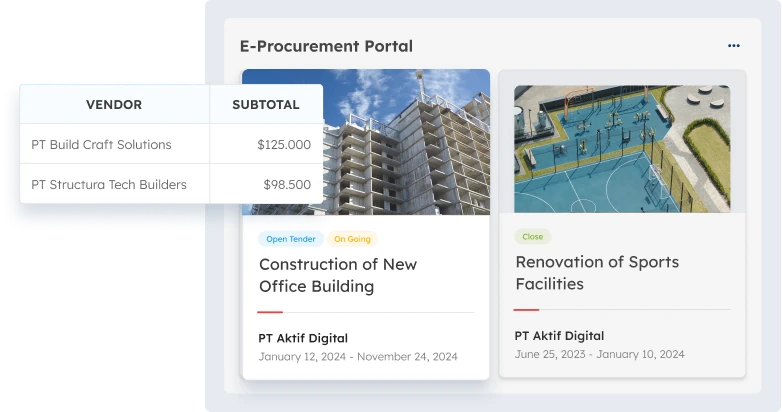
ScaleOcean procurement software is a flexible, all-in-one hub that fits your specific workflows and rules. Whether you are in retail or manufacturing, its customizable tools link up perfectly with your current setup, making your entire buying process much more efficient.
With both cloud and hybrid options, you get the flexibility you need. Choose the Cloud for easy access from anywhere, or go On-Premise for total control over your data. This lets you tailor your procurement system to fit your unique business and operational needs.
ScaleOcean’s pricing is built for growing companies, offering a flat fee with no extra costs per user. It is perfect for Singapore businesses scaling up without high fees. Plus, ScaleOcean supports the CTC Grant, making it a smart, affordable investment for your expansion.
Here are the key features of ScaleOcean e-procurement software:
- Vendor Management and Negotiation: Efficiently manage your supplier relationships and negotiate terms directly within the system.
- Real-Time Workflow Automation: Streamline the entire procurement process from purchase requests to purchase orders, automating every step in real-time.
- Budget Control: Stay on top of procurement costs with built-in budget tracking to ensure your spending stays within the limits.
- Visibility for Procurement Strategy Process: Get full visibility into the status of procurement and goods receipt processes, ensuring transparency at every stage.
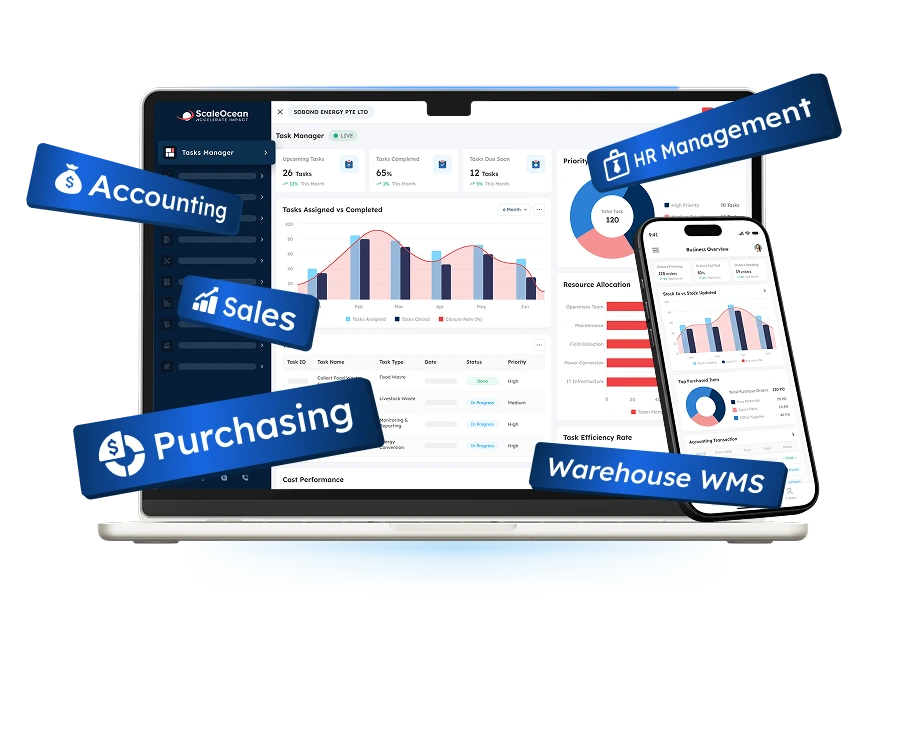
- Multimodule Integration for Supply Chain Efficiency: Integrates inventory, accounting, and e-signature modules to improve supply chain performance and coordination.
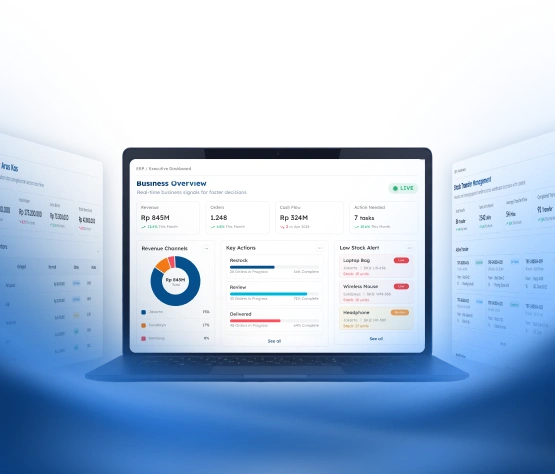
ScaleOcean has even more amazing features that go beyond what we’ve covered, such as advanced reporting tools and customizable dashboards. These features work together to provide a complete solution for improving your procurement process. To see these features in action, schedule a ScaleOcean free demo today!
Conclusion
A procurement strategy isn’t just a document. It’s a framework that keeps your operations resilient, cost-effective, and forward-looking. We’ve walked through the core elements, from aligning goals to engaging stakeholders and tracking KPIs.
It’s not always a smooth ride, but refining your procurement process pays off in long-term value and stability. The truth is, no business can afford to be reactive when it comes to procurement.
With the right strategy in place and the right tools like ScaleOcean’s e-procurement software, you’re not just making smarter purchases, you’re building a smarter business. In today’s unpredictable market, that’s more than just a smart choice. It’s a crucial one. So, ScaleOcean also offers a free demo, so you can try it firsthand today!
FAQ:
1. What are the three main procurement strategies?
1. Strategic sourcing: Focuses on developing long-term relationships with suppliers to create mutual value.
2. Tactical sourcing: Involves structured approaches to meet immediate procurement needs.
3. Operational sourcing: Handles everyday purchasing to support ongoing business operations.
2. What does a procurement strategy look like?
A procurement strategy is a well-defined, long-term approach to sourcing goods and services that align with a company’s overall business objectives. It outlines supplier selection, risk management, cost control, and delivery schedules to ensure consistent performance.
3. What is an example of strategic procurement?
An example of strategic procurement is selecting a group of trusted suppliers for critical materials, focusing on factors like quality, dependability, and future capacity. This creates long-term partnerships that improve value, reduce risk, and support cost-effective sourcing.
4. What is the best procurement strategy?
The best procurement strategy integrates procurement processes with business goals, ensuring a balance between cost control, supplier reliability, and risk management. It helps businesses adapt to market changes, providing quality goods and services to drive consistent growth.



















.png)