

Procurement is about how organizations transform intentions into actions. Proper procurement planning will enable controlled spending and maintain focused objectives.
Inefficient procurement planning would result in missed deadlines, scope creep, and wasted funds. Organizations have to improve their procurement by first understanding the concept.
Public procurement increases these risks at the national level. According to the data we found from GovInsider, Singapore spends close to $20 billion every year on construction and goods.
If not managed correctly, misallocation of funds could hinder projects, reduce impact, and affect the government’s ability to implement.
In this article, I am going to demonstrate why a good procurement plan matters. What is a procurement plan, the key elements involved to ensure controlled spending, and how to construct one that enables organizations to achieve the optimal results in decision-making?
 Key Takeaways
- A procurement plan is your roadmap to acquiring everything you need for your business.
- The key roles include the procurement manager, department heads, and financial analysts
- To create a procurement plan should include assessing project needs, conducting market research, assigning roles, defining requirements, and selecting suppliers.
- ScaleOcean’s e-procurement software integrates sales, purchasing, and CRM to ensure procurement is managed from a sales lead to actual delivery of goods.
What is a Procurement Plan?
Essentially, a procurement plan is a document that serves as a guide or roadmap for a company or organization in acquiring goods and services.
It basically explains what resources will be used, who will look for potential suppliers, and when purchases will be made to stay perfectly aligned with business goals.
When managed effectively, it enables the entire supply chain management process. The plan keeps everything transparent, trackable (as every penny spent is accountable), and ensures that all procurement activities comply with regulations.
More importantly, it ensures the quality of the purchased items is of the required standards.
Why is a Procurement Plan Important?
Think of an effective procurement plan as your roadmap to steady supplies. It ensures that organizations get exactly what they need and avoids any annoying delays or disruptions.
Timely and proper planning of what to buy, when, and at what quality keeps teams on the same page and projects progressing as expected.
Based on the data we found from the International Trade Administration, close to 30%, approximately SGD 1B, is intended for Government Commercial Cloud apps.
It is essential for such a large procurement volume that is intended for cloud projects to be strategically planned and executed to obtain optimal results from a tight budget.
With the right plan, organizations can also anticipate and fix possible problems before they appear. Identifying potential material shortages and the possible hikes in costs enables organizations to remain proactive and minimize interruptions that could eventually pose a disruption to operations.
When to Make the Procurement Plan?

A procurement plan should be drawn up at the start of any project or business venture involving procurement. The business will then be well-prepared to make informed purchasing, budgeting, and supplier selection decisions. Key decisions to consider when preparing your plan include:
- Early involvement in procurement: Including procurement in the earliest possible phase of a project ensures potential issues are addressed, resources are synchronized, and adequate time is allowed for proper negotiation and selection to ensure better prices while avoiding delays in project implementation.
- Strategic alignment with business objectives: A procurement plan must align with organizational goals to ensure that all goods and services procured contribute to achieving long-term business objectives. This alignment not only enhances overall business success but also allows for an increase in operating efficiency as well as overall cost-effectiveness.
- Planning for long-term projects or contracts: Businesses often need to lock in contract prices for future projects or to provide for long-term service delivery needs, and planning such a plan enables businesses to not only consider future needs but also to negotiate favorable terms and rates while at the same time minimizing risk.
Procurement Plan Core Benefits
A procurement plan for your business will help your purchasing operations be efficient enough to encourage growth in your business.
It will assist businesses in making sure they are not wasting resources or putting hidden risks in place, and also assist in retaining robust control over vendors. Analyze the advantages of having a structured procurement process for your organization:
Optimizes Cost Efficiency
Businesses utilizing a well-defined procurement plan can make better bargains in terms of purchasing, can amalgamate orders and avail purchasing power for larger volume deals, thereby trimming away superfluous expenses and maximizing departmental budget efficiency.
From studying previous purchase patterns and vendor functionality, businesses can discover ways to curb costs. With a strategic sourcing process, it becomes possible for businesses to ensure every procurement they undertake contributes to business goals for sustained fiscal strength.
Guarantees Regulatory Compliance
Procurement plans create processes that are in tandem with regulatory and legal policies. Businesses can maintain their supplier connections while eliminating all risks, fines, penalties, and legal troubles by abiding by these processes.
Internal audits and compliance check systems implemented in a procurement plan assist in scrutinizing compliance with regional and international norms for full transparency and reduced risk, fostering trust with both stakeholders and government.
Reduces Operational Friction
The presence of a clear, codified process removes all doubts and confusion that may arise between teams and vendors regarding the role of each party, its rights, and deadlines, thereby creating a better workflow for order fulfillment processes to be rapid.
It’s possible to bring down lag and errors in the purchasing process through the automation of parts of the system and the adoption of pre-defined procedures.
Through an integrated Procure to Pay (P2P) process, teams can work more cohesively and focus on strategic decisions instead of handling immediate operational issues.
Who Makes the Procurement Plan?
The procurement plan is drafted by the procurement manager, but it is essential that a high degree of input is sought from all levels of the organization, including the top management, finance department, and department heads, so as to ensure that the objectives are fully met within the budget.
All departments must identify all potential constraints or limitations associated with procurement, which, when working closely, ensures all key stakeholders are informed and on the same page. Therefore, key roles involved in planning are:
- Procurement Manager: It is the primary responsibility of the procurement manager to formulate and develop a procurement plan. The manager should ensure that all procurement processes are aligned with the overall objectives, cost-efficient, and meet all organizational needs while also supervising the supplier selection and contract negotiation process.
- Department Heads: The departmental heads will provide detailed input regarding specific organizational needs and preferences to ensure the procurement plan accommodates every department’s particular needs, thus enabling greater operational efficiency and the accomplishment of departmental objectives.
- Financial Analysts: The financial analysts evaluate the cost implications of procurement decisions and assist in developing detailed budget forecasts. This role is crucial to ensure that all the expenditures involved in procurement are kept within the budgetary constraints.
What are the Important Things to Do Before Preparing a Procurement Plan?
Before drafting your procurement plan, it’s important to first outline exactly what you require and what you aim to achieve with it. A thorough approach will prevent it from falling out of line with your business objectives, while also minimizing unforeseen roadblocks. Here are your initial steps:
Establish a Clear Submission Timeline
The preparation of a timeline ensures that all concerned individuals are kept up-to-date. The preparation of a time limit facilitates the smooth movement of the procurement process in its entirety and assures you that all your responsibilities are finalized as and when required.
The provision of deadlines will assist you in avoiding all such issues as delays, thereby assuring your project proceeds without a hitch and your business runs efficiently towards achieving your target.
Anticipate Rigorous Stakeholder Inquiries
The best course of action is to anticipate ample queries from your stakeholders concerning the plan, as you will know that once your plan is presented, it is likely to be accompanied by such queries.
By being well-prepared, you provide them with confidence and ensure a faster, smoother flow of decision-making.
Discussing the proposed plan in advance enables you to predict risks and ensure every possible requirement is included, thereby making sure your procurement plan works for everyone concerned and has a significantly low chance of meeting any tedious obstacles at a later stage in the procurement process.
Use Data Analytics to Drive Your Planning
You will be able to forecast demand and discover trends prior to their development when using Data Analytics as a planning tool, thereby alleviating the need for guesswork and assisting you in identifying your vendors more easily and refining your strategy.
ScaleOcean ERP, building on this, can provide you with automatic procurement data preparation, thereby alleviating manual errors.

What Should Be Included in a Procurement Plan?
To guarantee your business maintains optimum operation, a properly written procurement plan is required. A properly drafted plan shall contain specific objectives, reasonable timelines, and a reasonable budget. The following are the elements that make for an effective procurement plan:
Procurement Objectives
Procurement objectives refer to all the individual targets that are to be met during the course of purchasing your requirement.
The main purpose of having a clearly defined target is to ensure that your procurement plan always conforms to the strategy you employ for your business, and every single penny you spend serves a definitive purpose.
Procurement objectives allow you to select the optimal vendors and guide you towards what is important, which consequently, you save money and meet your targets consistently.
Scope of Procurement Process
This denotes the exact boundaries of your purchasing process, highlighting the items that are required and when they need to be delivered, what is considered within scope, and what isn’t.
The procurement scope clearly delineates what precisely must be achieved, thereby minimizing pointless or unauthorized purchases and making certain that funds are utilized effectively.
Procurement Techniques & Methodology
The techniques and methods utilized determine how a certain product is procured. The technique could range from putting the order up for competitive bidding to outright purchasing from a seller directly or even outsourcing it to a third party.
Choosing an effective methodology for selecting the right vendors ensures the selection process is quick and fair and that potential risks associated with a large-scale buying transaction are substantially reduced.
Supplier Selection Management
Choosing the correct suppliers is critical to a well-thought-out procurement plan. Potential vendors must be thoroughly assessed and ranked based on factors like fairness of prices, reliability, and quality.
Supplier management helps you ascertain if your vendors actually meet expectations by monitoring their progress and maintaining appropriate relationships.
Procurement Timeline & Schedule
A procurement plan schedule serves as a detailed representation of when your items must be acquired. When specific milestones are set in place for each delivery, you guarantee that the acquisition process can progress without a hitch and your business remains unaffected.
A structured timeline is your most important resource when you are trying to avoid last-minute rushing and stressed sourcing, and thus, an efficiently managed procurement process goes without saying.
Cost Estimates and Budget
Knowing exactly how much you’re spending is what makes your budget realistic. Ensure you’ve allotted funds to cover every aspect of the process, and you won’t be surprised when something needs paying for later.
With good cost estimates, you can tell quickly if a quote from a supplier is something you can afford. This will allow you to make more appropriate decisions based on the value of each offer and whether your company can afford them.
Vendor Management
The key to vendor management is fostering good relationships with your suppliers in order to receive quality goods and on-time deliveries. Regularly assessing their performance will help you avoid potential problems arising and quickly fix small hiccups before they become issues.
Using good vendor management processes helps to simplify the entire process and to minimize problems such as the provision of poor-quality goods or delays in supply.
Procurement Risk Management Plan
Risk management planning is about identifying risks before they occur, such as the reliability of the supplier, fluctuations in prices, or legal challenges that may arise.
Through the early identification of the problem, mitigation strategies are then developed to deal with whatever arises from the market.
A prepared business can ensure there are minimal issues encountered within the supply chain and can minimize large financial outlays and disruptions to work by having a strategy to deal with any event that arises.
Roles and Responsibilities
Ensuring every person has a responsibility clearly assigned ensures there is no ambiguity. This will involve identifying who is responsible for approving purchases, who has the ability to negotiate terms with a supplier, and who is in charge of the final payment.
When people know their roles and responsibilities, they communicate more effectively, and this results in efficient handling of the entire procurement process.
Contract Management Plan
This is all about documenting and maintaining contracts with suppliers throughout the buying process. From initial negotiations and clauses to the conditions of use and resolution, all the finer details are addressed to prevent disputes in the future.
Using a good contract management plan will ensure all parties involved stick to their agreements throughout the contract life cycle, as all parties are aware of the terms and conditions.
What Goes Into a Procurement Plan?
The contents of a good procurement plan need to include information about the project, the procurement methods, contract information, risks, and so on.
These aspects ensure the plan is well organized and has a purpose of achieving desired outcomes. Let’s see the content of a procurement plan:
Key Project Information
Key project information is essential. It generally sums up the purpose of the purchase, required resources, and objectives of the procurement, which essentially provides the backbone to your entire procurement plan.
It also allows for seamless communication and provides a baseline upon which stakeholders’ opinions and decisions will be made. When stakeholders clearly understand the purpose, they are able to better facilitate the buying process.
Method of Sourcing
The method of sourcing is concerned with identifying a particular approach by which the desired goods will be acquired from a supplier. This may include open competitive bidding, directly negotiated buying, sole sourcing, and many other approaches.
Fair and efficient competition is key in the selection of a supplier, and using an effective procurement method will also contribute towards an optimal supply relationship where neither company profits unfairly from the other.
Contract Details
This is where details such as the time of delivery, the agreed price, payment conditions, and penalties in case of contract breach, among others, are documented. This makes the contract clearer between both the buyer and supplier, hence enhancing professionalism.
A clear definition of the terms and conditions ensures both parties understand what is expected of them. By defining roles clearly, you enhance smoother operation during the purchasing process and can easily resolve issues.
Risks Involved in the Project
Risks in the procurement process can range from suppliers’ failure to deliver, price inflation, and legal issues, among other potential drawbacks. Identifying such risks upfront allows a robust business continuity strategy.
In such scenarios, being prepared will ensure smoother operation of the business without many issues impacting it significantly. Dealing with a problem quickly when identifying it early avoids expensive mistakes later on.
Timeline
This includes how every step is going to be tackled from the supplier selection stage until the goods are delivered. Establishing a clear schedule would make the process much more efficient and would make sure that individuals do not end up rushing at the last minute.
Good planning would minimize the chance of missing a deadline, and early detection of delays can prevent larger problems that could ultimately affect the budget or business operations.
Regulations
The law may influence the procurement process in numerous ways, from governmental policies to industry regulations. Awareness and compliance with all applicable rules ensure you carry out the entire process with confidence.
Compliance with the procurement process ensures your business remains on the right side of the law. The right steps taken throughout this stage of the business are enough to prevent legalities that might later cause financial harm.
How to Create a Procurement Plan?

An effective procurement plan requires careful consideration of your project, the market, and relevant business parties so that you may achieve a more coherent and efficient purchasing process. Follow the steps to learn how to write a procurement plan:
Step 1: Explain the Procurement Process
Describe how to spot an opportunity, select a supplier, procure items, and accept items and services offered to meet needs identified. The steps in procurement need to be well-documented for efficient management and to avoid any pitfalls.
An understanding of the steps involved will improve workflow and reduce risk. You may also be guided to follow company policies or the regulations of your relevant industry.
Step 2: Conduct Market Research
Market research can identify potential suppliers, pricing structures, and the current market situation of the relevant goods. Information from market research can allow you to negotiate appropriate contracts, as well as save funds.
An extensive market survey would secure favorable deals. It is also crucial in assisting you in negotiating the terms of the contract effectively with your suppliers and making certain it meets your business needs.
Step 3: Identify the Roles and Responsibilities Clearly
Well-defined roles help avoid delays caused by confusion in the process. It is important to specify who approves the supply, negotiates the deal, and makes the payments so that the entire process does not halt.
Assigning roles ensures the entire process runs smoothly. Mapping of tasks ensures that each stakeholder is aware of his/her responsibilities and that the entire procurement process functions well and is accountable.
Step 4: Identity Procurement Needs and Requirements
Identifying requirements simply means considering what a company truly requires to operate. It means pinpointing precisely which goods or services need to be sourced in the product life cycle to avoid looking into the irrelevant things.
By having knowledge of requirements, the plan remains focused and concise. Identifying requirements avoids buying “extras” that consume budget and instead focuses only on things that matter to the business.
Step 5: Selecting Vendors
The selection of vendors helps obtain quality and reliability at an appropriate cost. A company should evaluate the vendors for their track record, reliability, and financial stability to engage in long-term contracts.
Choosing the correct vendors is crucial for creating value partnerships. The selection process helps establish meaningful associations and ensures one gets the best from his/her money spent.
Step 6: Define Change Approval Processes
The change approval process makes sure that a planned process does not change without the consideration of concerned parties, and every party is made aware of the proposed changes to the procurement strategy.
For instance, a procurement strategy example would include multiple approvals needed before any changes occur.
This makes sure that unforeseen circumstances are manageable with ease. This process facilitates organized and rapid action to the changing situation so that the risk of confusion and extra costs associated with it is minimized.
Step 7: Identify Vendor Techniques
Knowing the strengths and methods your vendor uses for manufacturing, quality, and shipment will allow you to understand how capable they really are.
Also, knowing how your vendors perform allows you to make more appropriate and considered choices to find the best-suited vendor for your needs.
Step 8: Allocate the Procurement Budget
Allocation of funds is about getting the money flowing where you need it to go, which is about setting aside amounts for invoices, shipment fees, and taxes so that your entire purchasing journey is financially prepared.
A sound budget is crucial for healthy procurement and makes for a realistic, sustainable project.
Step 9: Define the Project Timeline
Setting dates for all of your buying activities will help you make sure that goods and services will arrive when they need to, keeping your entire transaction running to schedule.
This will also ensure that the correct products or services get to where they are needed at precisely the right time.
Step 10: Define a Legal Jurisdiction
Legal jurisdiction defines all of the terms of the contract, ensuring that either you or your vendor knows what laws govern the deal when, if ever, a disagreement is to arise.
This protects both parties and removes the chance for confusing and financially draining litigation, should such circumstances occur.
Step 11: Identify Payment Methods
Understanding when you are going to pay your vendors allows you to be financially ready for the transaction so that there is a clear cash flow path that you can rely on.
Keeping payment terms clear will also lead to more organized and predictable business relations.
Step 12: Manage Procurement Risk Management Process
Management of the procurement risks involved helps the buyer to overcome any issues with purchasing in a seamless manner, keeping you prepared and alert for any unexpected bumps along the way.
Identifying and mitigating risks will minimize disruptions in the purchasing of goods and services.
Step 13: Monitoring and Reviewing Procurement Performance
Measuring what has been done with the money spent on procurement ensures that the money invested in the purchasing activity actually brings you what you are paying for.
ScaleOcean’s e-procurement software has a step-by-step guide to ensure that a suitable procurement plan is being followed, and allows the buyer to carry out a variety of actions to keep each transaction running efficiently by assigning specific roles to tasks and market research as part of the step-by-step guide to constructing a sound procurement plan.
Who Needs a Procurement Plan?
If an organization is buying items for their business and wants a clearer, more organized approach to making purchases that meets purchasing requirements efficiently, saves costs, ensures on-time delivery, and overall keeps their budgeting balanced, they need a procurement plan.
This plan applies to organizations of all sizes, such as small businesses, large corporations, and even government agencies.
Example of a Strategic Procurement Plan
The strategic procurement plan works to combine your purchasing activity with your firm’s overall future strategy. Aligning each purchasing act with the greater strategy of the company allows you to make decisions that contribute to the continued success of your firm.
Scenario: A Manufacturing Company’s Shift to Sustainable Materials
The manufacturing company’s objective over the course of five years is to transition towards sustainable raw materials in order to achieve its long-term environmental objectives.
This change calls for the identification of suitable sources for goods and services, securing materials that are sustainable in nature, and the implementation of sustainable production practices. In response to these objectives, the following purchasing plan may be developed:
- Choosing the Right Suppliers: Finding suppliers who meet sustainability standards and are committed to eco-friendly practices.
- Working with Vendors: Building strong relationships with suppliers to ensure the switch to sustainable materials happens smoothly and doesn’t disrupt production.
- Tracking Supplier Performance: Keeping an eye on how well suppliers meet sustainability targets, making adjustments when needed.
- Leveraging Technology: Using technology to streamline the process of sourcing and monitoring sustainable materials throughout the supply chain.
How ScaleOcean Effectively Optimizes Procurement Plans?
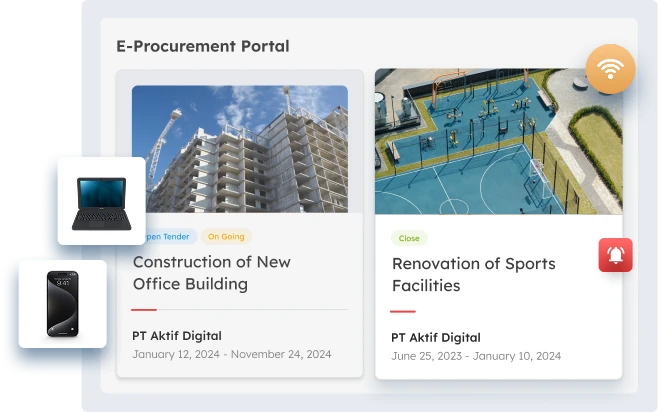
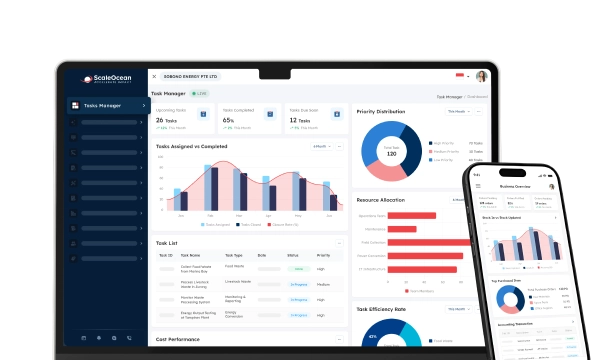
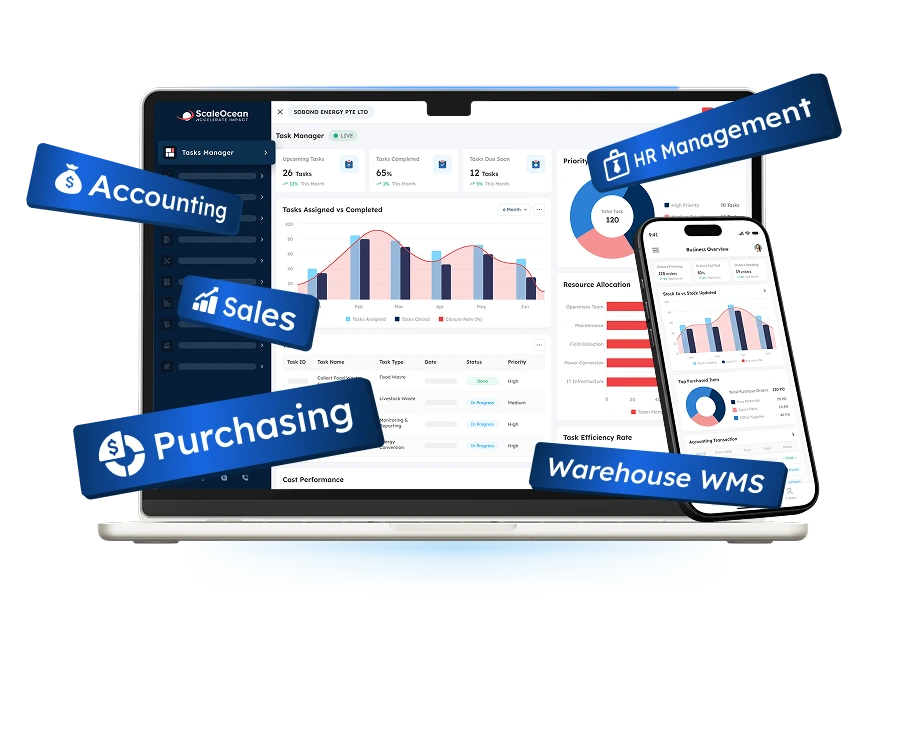
ScaleOcean’s e-procurement software helps you to synchronize the process of obtaining goods and services with your company’s sales, purchases, and CRM systems, enabling the entire purchasing function from analyzing a sales trend to final delivery.
The software can also be adjusted to each sector, such as those working within logistics or manufacturing, thereby maximizing a company’s ROI, and it qualifies for CTC grants, enabling your organization to access government funds and resources.
With real-time information at your disposal, better management of vendors, reduction of costs, and a streamlined purchasing process, ScaleOcean provides its users with more efficiency.
ScaleOcean provides additional features such as:
- Stock Optimization & Automatic Reordering: Automatically tracks inventory levels and triggers reordering to ensure stock availability without overstocking.
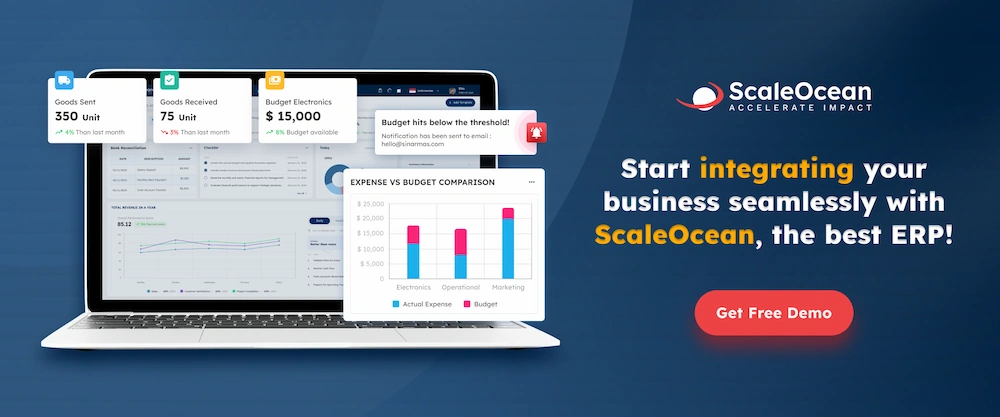
- Budget Control: Efficiently manage procurement budgets by setting limits and monitoring expenditures to stay within financial constraints.
- Centralized Vendor Management & Negotiation: Streamline vendor relationships and negotiations through a centralized platform, ensuring better terms and supplier consistency.
- Cross-Branch Integration: Seamlessly integrates procurement processes across multiple branches, ensuring data consistency and improving communication between departments.
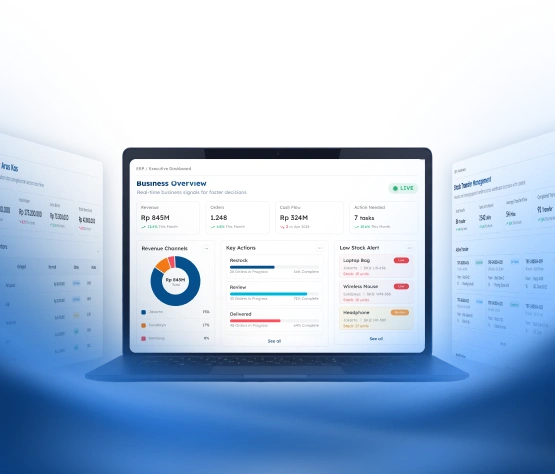
- Customizable Dashboards: Tailor the dashboard to meet business-specific needs, providing easy access to key procurement metrics and improving decision-making.
These highly adaptable characteristics make ScaleOcean a key player in solving the various business challenges related to procuring resources, ensuring effective supplier negotiations, and strengthening inventory management.
Conclusion
A strong procurement plan is essential for a business’s success in acquiring necessary resources on time, within its stipulated budget, and to an exceptional standard.
It essentially acts as a navigational map that lays out all the steps and resources needed for the successful functioning of your business operations and strategy.
ScaleOcean offers e-procurement software that centralizes your purchasing and budgeting capabilities, offering you a user-friendly interface to streamline your entire procurement process.
You can obtain the full functionality of ScaleOcean software by signing up for a free demo, an action that you can perform without any commitment.
FAQ:
1. What are the three types of procurement plans?
The three main types of procurement plans are strategic, tactical, and operational. Strategic plans focus on long‑term sourcing goals, tactical plans address medium‑term purchasing needs, and operational plans handle daily procurement tasks.
2. How to do a procurement plan template?
1. Define the objectives of the project and procurement.
2. Outline the steps and timeline for the procurement process.
3. Specify the types of contracts and sourcing strategies.
4. Evaluate potential risks and include mitigation plans.
5. Assign roles, responsibilities, and criteria for evaluation.
3. What is the standard procurement plan?
A standard procurement plan is a formal document that outlines how a company plans to acquire goods and services, including defining goals, timelines, budgets, procurement methods, and responsibilities, ensuring alignment with business objectives and regulatory compliance.
4. How do you develop a procurement plan?
To create a procurement plan, begin by identifying the required goods and services, estimating costs and timelines, selecting sourcing strategies, designating responsibilities, and developing risk management plans to ensure an effective and efficient procurement process.





















.png)