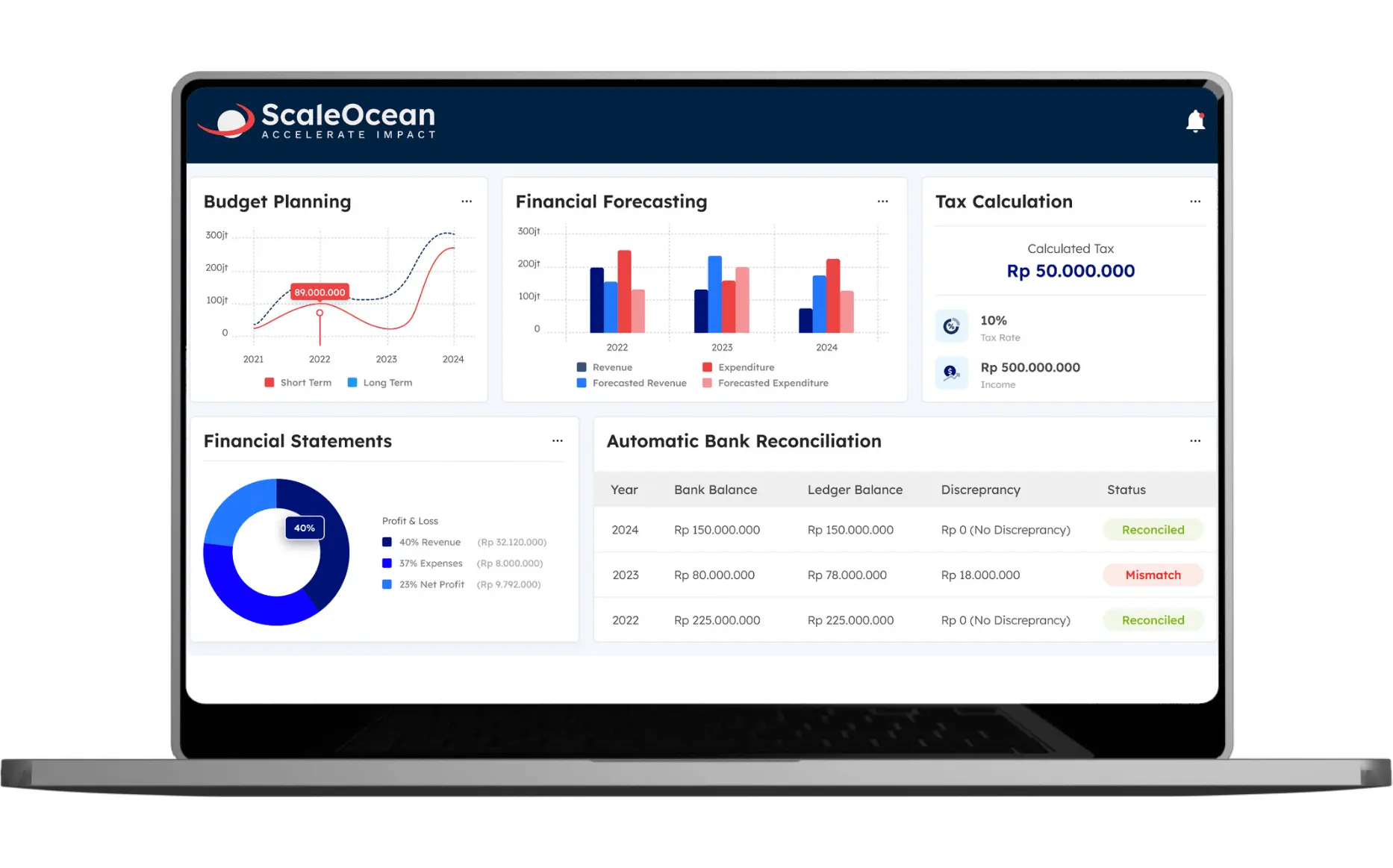
Spend management refers to the strategic framework for overseeing, evaluating, and refining a company’s buying habits to boost value and cut unnecessary costs. While many businesses rely on it daily, small inefficiencies in procurement and expense tracking quickly add up to significant operational hurdles.
Many organizations struggle with fragmented data and manual tracking, leading to “shadow spending” and budget leakages that erode the bottom line. To solve these challenges, companies are adopting automated systems that provide real-time visibility, replacing slow manual processes with streamlined digital workflows that ensure accuracy and control.
Based on data collected by our team from Research and Markets, the spend analysis software market is expected to grow from $3.29 billion in 2025 to $3.84 billion in 2026. This rapid expansion is driven by complex procurement needs and a higher demand for cost control, showing that companies now prioritize digital tools and real-time data to stay strong in a changing global economy.
This article provides a complete guide to understanding what spend management is, covering everything from the core spend management meaning, various types, the key performance metrics you need to track, and effective ways to optimize this strategy that will be crucial for organizations seeking to maintain a competitive edge and ensure financial stability.
Key Takeaways
Spend management is the strategic process of controlling a company’s purchases to maximize value and reduce costs.
Spend management types are direct, indirect, maverick spend, tail spend, capital expenses (CapEx), and operating expenses (OpEx).
Spend management is the strategic process of controlling and analyzing a company’s purchase process to maximize value and reduce costs. It covers the entire source-to-pay lifecycle from procurement to employee expenses by using automated tools to enforce policy compliance. It integrates invoice handling and enforcement to ensure total payment accuracy and efficiency across the organization.
Rather than just cutting costs, modern spend management moves away from restrictive traditional policies toward a unified view of financial data. This clarity allows leaders to create more accurate budgets and forecasts, which leads to smarter decisions for long-term growth.
Key Benefits of Spend Management
Spend management can help business operations to be more efficient, resilient, and competitive. By improving workflows and data visibility, the benefits spread across every department, from making workflows smoother to managing risks better.
The impact of this approach helps employees by giving them clear guidelines, provides finance teams with crucial visibility, and gives leadership the data needed to steer the company with confidence. When these advantages are linked together, improving one area often creates a cycle of continuous operational improvement throughout the organization.
Time and Cost Savings
A primary advantage of a structured strategy is its capacity to reduce operational costs by centralizing procurement and strengthening negotiation power. Organizations can identify consolidation opportunities and eliminate duplicate purchases, with research from CPO Rising showing that enterprises realize savings of 6% to 12% on every new dollar spent.
Beyond direct financial gains, the implementation of automated platforms introduces a massive shift in time efficiency. Automating repetitive tasks like purchase order creation and invoice processing allows finance teams to move away from manual entry toward strategic initiatives that boost productivity and business growth.
Improved Compliance
Compliance is vital for any business, and a solid system helps enforce internal policies and external regulations automatically. This drastically cuts down the risk of non-compliant or fraudulent spending, which often carries heavy financial and legal penalties if left unmanaged.
The system also provides a transparent, tamper-proof audit trail from the initial request to the final payment. Having all documentation centralized and easily accessible minimizes stress during periodic audits and provides leadership with peace of mind regarding established governance guidelines.
Enhanced Supplier Relationships
Effective management shifts the focus from aggressive cost-cutting toward building mutually beneficial, strategic partnerships. Through clear visibility into spending data, companies can identify top-performing key suppliers and focus on developing long-term collaborations that often unlock tiered pricing and higher service levels.
Furthermore, a streamlined system ensures timely payments, which is a critical factor in maintaining a company’s reputation as a credible business partner. Suppliers who feel valued are more likely to be flexible during supply chain disruptions, strengthening the company’s position as a preferred customer in the marketplace.
Data-Driven Decision-Making
In the digital economy, data is a strategic asset that allows business leaders to act with greater agility and precision. Spend management systems serve as a source of business intelligence, capturing every transaction in real time to provide deep insights into departmental spending patterns and vendor performance.
These insights allow organizations to detect budget variances or inefficient trends before they escalate into major issues. The ability to analyze data dynamically is crucial for strategic planning, allowing management to move away from subjective estimation toward decisions backed by validated data.
Stronger Financial Controls
The ultimate goal is to provide total control over company cash flow through rigorous, automated approval mechanisms. Proactive authorization prevents unauthorized spending before the funds actually leave the company, which is far more effective than traditional retrospective expense reviews.
Implementing budget limits directly within the software allows finance teams to maintain liquidity with high precision. This visibility facilitates more accurate financial forecasting and tighter budget management, building a stronger financial foundation for both daily operations and long-term expansion.
Greater Risk Mitigation
Every business deals with risks such as supply chain issues or internal fraud, and a solid process helps mitigate these threats effectively. Centralizing supplier data allows for better checks on vendor stability, helping companies spread out their supply base to avoid relying too heavily on a single source.
The transparency offered by these systems makes it significantly harder for fraudulent activities to go unnoticed. Automated checks and clear audit trails act as a powerful deterrent, protecting the company’s financial health and reputation to ensure sustainable growth.
Streamlined Procurement Process
Modern platforms simplify the entire procurement cycle by accelerating the procurement of goods and services. This automation ensures that every business unit receives the resources they need quickly, without being blocked by manual bureaucracy or administrative obstacles that slow down team productivity.
To make your business processes more effective, you can use expense management software that will optimize your financial strategy, such as ScaleOcean. This system is designed as a long-term solution to be used for the next 20 years, providing a complete guide to mastering spend management from basic concepts to advanced optimization to help your organization maintain financial stability and a competitive edge.
Types of Spend Management
Spend management involves controlling an organization’s expenditures through some key types, mainly categorized by how the spending impacts business operations. The key types are direct spend (production materials) and indirect spend (operational, non-production costs). Other critical types include tail spend (unmanaged, infrequent purchases) and maverick spend (unauthorized, off-contract buying).
By segmenting these categories, organizations gain deeper insights into their financial health and identify specific areas for cost optimization. These are the key types of spend management:
Direct Spend
Direct spend includes all purchases of goods and services directly tied to creating your company’s core products, such as raw materials and components. Because these expenses impact revenue and product quality directly, they require reliable supply chain management.
The main goal here is to ensure a steady production flow while maintaining high-quality standards through optimized vendor pricing. Any disruption in this category can immediately hinder your company’s ability to operate and generate income.
Indirect Spend
Indirect spend refers to the goods and services required to maintain daily operations that are not part of the final product, such as marketing or office supplies. Managing these through a unified system offers a massive opportunity for cost reduction through centralization.
Historically, this category has been difficult to track due to its decentralized nature across various departments. By bringing these expenses under a single platform, organizations achieve better operational efficiency and a clearer view of total overhead costs.
Maverick Spend
Maverick spend, or what some call rogue spend, describes any purchase made completely outside of a company’s established procurement processes and policies. It typically happens when an employee sidesteps the approved channels, maybe for convenience or just because they aren’t aware of the correct procedure.
This behavior causes the company to miss out on volume discounts and increases the risk of financial non-compliance. Addressing maverick spend is a key objective of management, requiring improved automated systems and better employee education.
Tail Spend
Tail spend represents a high volume of small, infrequent purchases that are often ignored because they seem minor individually. Collectively, however, these transactions can account for up to 20% of a company’s indirect spend, making them a prime target for savings.
Because these purchases lack established contracts, they often carry higher costs than necessary and slip under the radar of finance teams. Implementing automated tools or virtual cards is an effective way to gain visibility into this hidden spend and unlock annual savings.
Capital Expenses (CapEx)
Capital expenses involve significant investments in long-term assets, such as property, machinery, or major technology upgrades, that provide value for more than one year. These are typically large, one-time purchases that are critical for building the company’s infrastructure.
Due to the massive financial commitment involved, CapEx requires careful planning and executive-level approval. Effective spend management provides the discipline and oversight necessary to ensure these high-stakes investments align with strategic business goals.
Operating Expenses (OpEx)
Operating expenses are the ongoing, daily costs required to keep a business functional, such as salaries, rent, and utilities. Unlike CapEx, these are recurring expenses consumed within a single fiscal year and constitute the majority of regular cash outflow.
Managing OpEx effectively is vital for maintaining consistent profitability and preventing daily costs from spiraling out of control. Analyzing these expense ratios helps management measure efficiency and identify specific areas where operational improvements can be made.
Key Focus Areas of Spend Management
Key focus areas of spend management include centralizing company-wide expenditure data, automating procurement processes, and controlling employee expenses through strict policy enforcement. By performing advanced data analytics for strategic cost savings, organizations can transform the finance department into a strategic driver of growth.
Strengthening these pillars through automation gives the organization the agility needed to thrive in competitive markets. This focus involves optimizing vendor relationships, managing cash flow through precise payment timing, and ensuring compliance while managing supplier risks. Organizations must adopt this holistic approach to ensure every dollar spent is strategic and fully aligned with internal regulations.
Procurement and Purchasing
Procurement is the start of the spend lifecycle, where a company identifies its needs and selects the right vendors. This stage acts as the frontline of control, covering everything from negotiating contracts to issuing purchase orders for essential goods and services.
Centralizing this process is a practical way to leverage buying power and secure better deals with suppliers. By setting up clear workflows for requisitions and approvals, organizations can prevent unauthorized purchases and ensure every transaction is cost-effective.
Expense Management and Controls
This area focuses on employee-initiated spending, such as business travel, entertainment, and software subscriptions. Since these indirect costs can be difficult to track, having a solid expense management system is critical for maintaining overall financial oversight and control.
Establishing strong controls involves using automated tools to enforce clear spending policies and streamline reimbursements. This reduces the administrative burden on finance teams while providing granular data to help refine corporate policies over time.
Budget Tracking and Analysis
Budget tracking moves an organization from looking at past spending to a proactive, forward-looking stance. By setting clear limits for departments and projects, managers can monitor expenditures in real time to ensure they align with the company’s financial goals.
Modern digital dashboards provide instant visibility into your financial standing, allowing for quick adjustments if a department nears its limit. This continuous analysis provides the essential data needed for more accurate forecasting and planning in future budget cycles.
Payment Processing and Cash Flow
The final stage of the lifecycle involves processing payments efficiently to maintain healthy vendor relationships and optimize working capital. Automating the Accounts Payable workflow reduces costs and eliminates the risks of manual errors or duplicate payments.
Streamlined systems also allow companies to capture early-payment discounts, leading to significant annual savings. Better visibility into upcoming obligations helps finance teams manage liquidity effectively and reinforces the company’s reputation as a reliable partner.
Compliance and Audit Readiness
Ensuring every transaction follows internal policies and external regulations is a non-negotiable part of spend management. By weaving compliance checks into daily workflows, organizations can automatically flag or block non-compliant spending to prevent fraud.
A centralized platform keeps all transaction data and approval histories in one secure location for perpetual audit readiness. This level of organization makes both internal and external audits much less disruptive, saving valuable time for the finance and legal departments.
What is the Difference Between Spend Management and Expense Management?
Although often used interchangeably, spend management and expense management are distinct concepts with different operational scopes. Spend management means the comprehensive “big picture” strategy, covering every capital outflow from initial procurement and supplier negotiations to final payments.
In contrast, expense management is a specific subset focused strictly on employee-incurred costs, such as travel, business meals, and client entertainment. The primary focus here is the internal process of submitting and approving expense reports to facilitate reimbursements. This creates a much narrower area of focus compared to the total financial picture of the organization.
Distinguishing these two functions allows companies to better allocate resources and implement specific controls for different types of spending. While employee expenses require efficient reporting tools, managing total spend demands strategic sourcing and robust accounts payable workflows.
Ultimately, integrating both functions into a unified financial ecosystem ensures that every dollar is accounted for and optimized. This holistic approach prevents data silos and allows for more accurate budgeting and forecasting across all departments. By mastering both areas, an organization builds a stronger foundation for sustainable business growth and long-term financial health.
Feature
Spend Management
Expense Management
Primary Scope
Covers all organizational outflows, including procurement, payroll, and vendor contracts.
Focuses specifically on employee-initiated costs and reimbursements.
Core Objectives
Aims for total financial optimization and strategic business growth.
Focuses on tracking individual claims and ensuring policy compliance.
Typical Timing
Proactive and real-time, occurring before and during the purchase.
Retrospective, occurring after the money has already been spent.
Proactive vs. Reactive
Proactive, setting budgets and vendor terms to reduce waste.
Reactive, ensuring compliance after an employee submits a receipt.
Internal Stakeholders
Procurement teams, executive leadership, and supply chain managers.
Individual employees, department managers, and HR payroll teams.
What is the Difference Between Spend Management and Spend Analysis?
Spend management and spend analysis are often confused, yet they represent different stages of the financial process. The primary distinction is that one is a broad, overarching framework while the other is a vital component within it. While you need strong analysis to manage spending effectively, the difference is essentially centered on action versus insight.
Spend management is the end-to-end journey of controlling and optimizing every bit of company expenditure. This involves hands-on work like setting policies, creating workflows, and implementing software to ensure every dollar aligns with business goals. It is the active management of procurement and payments across the entire organization.
Spend analysis, in contrast, is the process of diving into expenditure data by collecting, cleaning, and classifying it. Its purpose is to provide the intelligence needed to make better decisions within the broader management framework. This investigative step helps identify top suppliers and uncovers hidden opportunities for cost savings.
Ultimately, spend analysis acts as the engine that powers strategic spend management by providing visibility into emerging trends. Without this data-driven foundation, management efforts would rely on mere assumptions rather than hard facts. Using these insights allows leaders to make informed choices that protect the company’s bottom line.
Feature
Spend Management
Spend Analysis
Purpose
determines what will happen (strategic control)
determines what happened (diagnostic)
Core Goal
To control costs and ensure policy compliance across the board.
To identify patterns and find opportunities for savings.
Primary Focus
Action and execution of financial workflows.
Investigation and interpretation of expenditure data.
Timing
backward-looking, reviewing past expenditures.
forward-looking and continuous.
Outcome
Actionable intelligence and better decision-making data.
Actionable intelligence and better decision-making data.
How to Improve Your Spend Management Process?
Improving your process requires a strategic focus on centralizing data and automating manual workflows. By consistently auditing performance and refining internal rules, businesses can successfully eliminate wasteful spending and strengthen overall cash flow.
So, let’s look at some practical steps for enhancing your spend management process:
Implement Clear Spending Policies
The foundation of a robust system is the establishment of clear, accessible spending policies that outline rules for all corporate expenditures. These guidelines prevent employees from guessing and ensure that all purchases align strictly with corporate financial targets.
Policies must be well documented and practical rather than overly restrictive to ensure they are actually followed. Striking this balance provides staff with the resources they need while maintaining the necessary financial control to meet business goals.
Automate Manual Processes
Manual and paper-based workflows are slow and prone to error, making them a major hindrance to effective financial oversight. Automating tasks like purchase requisitions and invoice processing is the most effective way to gain immediate visibility into company spending as it happens.
Adopting a modern platform digitizes the entire lifecycle and significantly reduces the workload for the finance department. Selecting the best expense management software can transform your operational control and provide a much higher level of financial oversight.
Centralize Spending Data
Effective management requires all purchase data to be visible in one centralized location rather than spread across various spreadsheets. When information is fragmented, it is nearly impossible to gain a true understanding of the organization’s financial health.
A centralized system serves as the definitive source of truth, making it simpler to track budgets and analyze patterns. This unified view is vital for uncovering saving opportunities that are often hidden within disconnected departmental data silos.
Use Virtual Corporate Cards for Better Control
Traditional corporate cards often lack the proactive controls needed for modern business, whereas virtual cards offer a secure and complex alternative. Finance teams can issue cards for specific purchases with preset limits, providing immediate oversight for every transaction.
This method gives employees the freedom to make necessary purchases while ensuring they stay within the established budget. It also removes the need for complex reimbursement processes, making the reconciliation process much faster and more accurate.
Leverage Real-Time Analytics
Relying on end-of-month reports is a reactive approach that prevents companies from being truly agile. Access to live dashboards is a non-negotiable requirement for modern leaders to monitor company outflows and manage budgets proactively.
Real-time analytics allow managers to identify budget overruns and unusual patterns before they become significant issues. This capability shifts the finance function from basic record-keeping to becoming a strategic partner in the company’s success.
Build Strategic Vendor Relationships
Supplier connections should be treated as strategic partnerships rather than simple one-off transactions. By analyzing data, companies can identify high-volume suppliers and work toward long-term collaborations that create value beyond just the lowest price.
Consolidating spend with a smaller group of strategic vendors typically results in better pricing and increased reliability. These strong partnerships also lead to opportunities for innovation and process improvements that benefit both parties.
Spend Forecasting and Optimization
Once an organization has control over current spending, it can use historical data to predict future needs. Spend forecasting is vital for creating accurate budgets and managing liquidity with greater precision as the company grows.
Optimization is a continuous cycle of looking for ways to improve efficiency and reduce costs through data analysis. This might include renegotiating contracts or finding alternative suppliers to ensure the highest return on every dollar spent.
Reporting and Continuous Improvement
Effective management requires a commitment to regular reporting and tracking key performance indicators (KPIs). These metrics provide a clear view of the program’s health and highlight specific areas where further refinement is needed.
Reviewing these reports with stakeholders ensures everyone remains accountable for the business’s financial goals. This feedback loop is essential for updating policies and workflows to ensure they remain aligned with long-term objectives.
What are the Spend Management Challenges and How to Overcome Them?
Spend management challenges include manual and error-prone tracking alongside a lack of real-time visibility and maverick spending, which often lead to significant overspending. Overcoming these obstacles requires centralizing financial data and automating approval workflows through the use of dedicated spend management software.
Implementing these strategic steps will enhance policy compliance and reduce operational costs while significantly improving overall budgetary control across the organization:
Manual Expense Processing
Relying on paper-based workflows and manual data entry is slow and highly susceptible to human error. This traditional approach consumes valuable time and creates financial discrepancies that are difficult to reconcile.
How to Solve:
To overcome this, organizations should implement modern platforms that digitize receipt capture and automate policy checks. This reduces the administrative burden and significantly improves data accuracy across the company.
Employee Experience and Adoption
Even the most perfect system will fail to deliver value if the workforce does not adopt it. When a financial process is overly complex or time-consuming, employees often seek shortcuts, which leads to unmanaged maverick spending. A poor user experience serves as a major barrier to successful adoption and can undermine the integrity of the entire spend management strategy.
How to Solve:
Organizations must prioritize intuitive and mobile-friendly software that simplifies purchase requests. When the system is easy to use and paired with proper training, employees are much more likely to adopt the new workflows.
Poor Data Accuracy
Manual data entry inevitably leads to mistakes such as incorrect coding, duplicate entries, or missing information. These errors distort the spending picture of the company and make it difficult to trust the financial records. Poor data quality prevents meaningful analysis and renders reporting and forecasting efforts unreliable and ineffective for strategic planning.
How to Solve:
Automation solves this by using optical character recognition (OCR) to extract data directly from receipts and classify expenses. Syncing this information with accounting software ensures that the data is clean, accurate, and ready for high-level analysis.
Supplier Management Gaps
Lacking a centralized location for supplier details leads to disorganized vendor relationships and missed opportunities for better terms. Without a single source of truth, it becomes difficult to track performance, manage contracts, or maintain an approved vendor list.
How to Solve:
To resolve this, organizations should implement a system with a centralized supplier portal. This allows for all vendor information, contracts, and performance data to be stored in one accessible location. Centralization streamlines the onboarding process for new vendors and provides the visibility needed to manage supplier relationships more strategically.
Lack of Visibility
A lack of real-time visibility is one of the most common issues facing finance teams today. When spending data is only available weeks or months after the fact, then it is impossible to be proactive about financial management. This reactive approach leaves leadership constantly addressing problems that have already occurred, which results in a lack of control over cash flow.
How to Solve:
Switching to a unified spend management platform with real-time dashboards and analytics provides the necessary visibility. This setup allows finance leaders to monitor spending as it happens, track budgets, and catch potential issues immediately. Moving from a retrospective view to a real-time perspective is transformative for effective financial oversight.
Time-Consuming Workflows
Complex and drawn-out approval processes can hinder organizational productivity. When a simple purchase request takes days or weeks to be approved, it creates significant obstacles and frustration among employees. This often leads staff to bypass the formal system entirely and ultimately jeopardizes the security of the procurement process.
How to Solve:
The solution is to automate and streamline approval chains based on the specific department or expense type. Using mobile approval options and automated notifications ensures that requests are handled quickly so the business can move forward without delays.
Policy Enforcement and Compliance
Manually checking every expense report against company policy is a nearly impossible task for any finance team. Consequently, out-of-policy spending often goes unnoticed, which leads to budget overruns and increased compliance risks. Inconsistent enforcement undermines the purpose of having corporate policies and can lead to a culture of financial neglect.
How to Solve:
Integrating policies directly into the software allows the system to automatically flag or block transactions that violate established rules. This ensures total compliance and protects the budget without requiring constant manual intervention from the finance team.
Budget Misalignment
Overspending often occurs because department managers lack an immediate view of their remaining budget at the point of purchase. This disconnect between finance targets and actual spending decisions can lead to a general misalignment with company goals.
How to Solve:
Closing this gap requires providing managers with real-time budget to actual reporting. A spend management system with integrated budgeting features gives every budget owner an up-to-the-minute look at their team’s expenditures. This simple step empowers managers to take ownership of their budgets and make much more responsible and informed spending decisions.
How to Implement a Spend Management Framework
Implementing a spend management framework requires a total overhaul of how the organization manages financial outflows rather than a simple technical update. Taking a structured, step-by-step approach is essential for ensuring a smooth transition and high adoption across all departments.
This journey requires teamwork between finance, IT, and HR to ensure all expenditures align with company objectives. By following a clear six-step process, leadership can effectively analyze spending and strengthen the business’s financial foundation.
1. Evaluate Current Spending
The process begins with a deep dive into organizational expenditures to understand where capital is currently allocated. By pulling data from existing reports, you can create a comprehensive baseline for your new framework and identify who is responsible for each transaction.
This evaluation is essential for pinpointing major pain points, such as departments that consistently exceed their budgets. Understanding these issues allows you to prioritize your efforts and build a strong business case for systemic change.
2. Set Clear Goals and KPIs
Defining success for the new framework requires setting SMART goals that are specific, measurable, and time-bound. For instance, you might aim to reduce procurement costs by a certain percentage or decrease the time required to process expense claims.
It is also vital to establish Key Performance Indicators (KPIs) to monitor progress over time and demonstrate the system’s value. Having clear targets ensures that all departments remain aligned and move toward the same financial objectives.
3. Create Scalable Policies and Workflows
With goals in place, you must design the policies and automated workflows that will serve as the foundation for the process. The objective is to build standardized rules for purchase requests that work today while remaining scalable enough for future growth.
Involving stakeholders from different departments during this phase ensures that the new workflows are practical for daily use. Policies should be fair and easy to follow to reduce friction and encourage employee compliance during the rollout.
4. Automate Reporting and System Integration
Selecting a platform that centralizes data and integrates with your existing ERP or accounting system is crucial for a smooth flow of information. Technology acts as the backbone of the framework, providing the oversight and efficiency that modern businesses require.
This integration eliminates manual data entry and ensures that financial records are always accurate and up to date. Robust reporting tools provide the real-time insights needed for strategic management and more effective financial oversight.
5. Train Teams and Encourage Adoption
A successful rollout depends on the people using the technology, making it necessary to invest time in role-specific training. Whether a staff member is submitting an expense or a manager is approving a request, they must understand the new system clearly.
Beyond formal training, a strong change management plan is needed to communicate the benefits and offer consistent support. Celebrating small victories early on helps overcome resistance and demonstrates how the new workflows make daily tasks easier.
6. Review and Improve Continuously
Implementing a spend management framework means a continuous commitment rather than a one-time project. As your business evolves, your financial processes must keep pace to remain effective and relevant. Establishing a regular rhythm for checking KPIs and gathering user feedback allows you to identify new opportunities for further optimization.
This dedication to improvement ensures that the system delivers long-term value and adapts to new challenges. By constantly monitoring and refining your processes, you can consistently optimize spending to achieve the best possible financial results.
The Future of Spend Management
The future of spend management is shifting from reactive and manual expense tracking to proactive and AI-driven spend orchestration that provides real-time visibility and predictive insights. Based on data from Gartner, by 2027, as much as 90% of finance analytics will be automated while leveraging AI to handle invoice processing and policy compliance as well as fraud detection without human intervention.
Staying ahead means embracing automated tools that integrate deeply into daily operations to transform finance into a source of competitive advantage. Companies that leverage these smarter systems will be in a much better position to thrive and achieve strategic growth.
AI and Predictive Analytics in Spend Management
Artificial intelligence (AI) is set to transform management by shifting focus from historical reporting to proactive orchestration. These tools can analyze past data to identify hidden patterns and suggest superior suppliers or flag overpriced purchases before they happen.
Predictive analytics also allows for more accurate budgeting by helping companies anticipate resource needs and allocate capital effectively. This level of intelligence moves the finance function into a predictive discipline that supports long-term strategic planning.
Integration and Automation at Scale
While automation is currently a key financial component, the future points toward “hyper-automation,” where most transactions become completely touchless. This shift eliminates the administrative burden of procurement and payments, allowing finance teams to focus entirely on high-value strategic initiatives rather than routine tasks.
Furthermore, deep integration will see spend management systems connecting seamlessly with HR, project management, and supply chain tools. This creates a holistic view of the business and cross-functional workflows. Such connectivity ensures that financial data remains consistent and accurate across every department in the organization.
Unified Platforms
The trend toward consolidation is accelerating as companies move away from using separate, disconnected systems for invoicing, procurement, and expenses. A unified platform serves as a single source of truth, eliminating the information silos that previously hindered financial oversight. This modern approach provides unprecedented levels of visibility and control over all company outflows.
By bringing all financial activities together, businesses provide a more intuitive experience that improves employee adoption and policy compliance. This consolidation simplifies the technology stack and streamlines daily operations, representing a major competitive advantage. Ultimately, a unified strategy is the future of professional financial management for growth-oriented organizations.
How to Automate Spend Management with ScaleOcean?
Spend management can be automated using an expense management system; one of the best vendors for this is ScaleOcean. This is where ScaleOcean’s Expense Management Software becomes a strategic necessity, providing the clear path needed for a more efficient and controlled way of doing business. This system offers a unified platform that eliminates fragmented spreadsheets while providing an unlimited user and flat price model to ensure your operational costs stay predictable.
Furthermore, our solution is a strategic investment that matches CTC grant requirements with grant support of up to 70%, making it the ideal choice for businesses looking to modernize their financial infrastructure. Transform your financial operations today by seeing how our technology can revolutionize your workflows and drive long-term growth. Do not miss the opportunity to gain total control over your business capital and experience the full power of our system by booking a free demo with our experts now.
ScaleOcean offers several specialized features to streamline and optimize your corporate spending:
Real Time Spend Visibility: Provides instant cash flow reports and cost breakdowns, which are perfectly suited for enterprise needs requiring strict financial control.
AI Automation and Accuracy: Utilizes artificial intelligence technology to process invoices and claims automatically to reduce the risk of manual errors in expenditure recording.
Budget Management and Control: Compare planned budgets with actual spending in real-time. This proactive control minimizes the risk of overspending and helps maintain the financial balance of the company across all projects.
Procurement Integration: Connects directly with purchasing modules to ensure every cent spent has clear authorization and documentation.
Centralized Financial Report: Generate profit and loss statements, balance sheets, and cash flow reports that comply with accounting standards like PSAK. This empowers management to make strategic, data-driven decisions for long-term cost savings.
Multi-Branch Integration: Link all subsidiary companies and branches into a single, unified platform. This enables centralized oversight and control of expenditures across all locations from a primary headquarters.
Purchasing & RFQ Automation: Automatically convert Requests for Quotation (RFQ) into Purchase Orders (PO). This automation increases procurement efficiency and reduces manual errors that often lead to unnecessary operational waste.
Conclusion
Spend management is the strategic process of controlling, analyzing, and optimizing the purchasing activities of an organization to maximize value while reducing unnecessary costs. It involves managing the entire source-to-pay lifecycle from procurement and vendor relationships to employee expenses by using automated platforms to strictly enforce policy compliance. This shift from simple cost-cutting to a strategic discipline allows businesses to transform tactical tasks into a powerful advantage for sustainable growth.
The challenges of manual tracking are effectively solved by embracing modern technology that builds a more resilient and agile organization through data-driven insights. Selecting a dedicated expense management software is the most fundamental step in this transformation to ensure every transaction is optimized for financial health. Experience how our solution can streamline your workflows and provide the real-time intelligence you need to succeed by booking a free demo with our team today.
FAQ:
1. What is the meaning of spend management?
Spend management is the strategic process of managing and analyzing all supplier relationships and company purchasing to maximize value while reducing unnecessary costs.
2. What is the difference between ERP and spend management?
ERP modules primarily handle general transactional reporting, whereas spend management software offers real-time visibility into organizational spending to transform data into actionable insights. This specialized technology allows businesses to monitor vendor and employee expenses dynamically, optimizing multiple budgets and supporting strategic, cost-conscious decision-making.
3. What are the 5 levels of spend management?
Planning, budgeting, requisition processing, sourcing, and contract management are essential elements of definitive spend management.













 Key Takeaways