

The importance of knowing about expense ratios cannot be overemphasized when it comes to selecting appropriate mutual funds. Expense ratios are important because they determine the net returns on investment, which means that everyone who invests should understand how to compute them.
According to the data we came across from Anrev shows Global ODCE’s TGER was flat at 0.82% of GAV in 2024, but the NAV-based ratio increased to 1.21%. “This is a stark reminder to investors to pay close attention to these ratios and how they may be affecting their bottom-line returns.”
This article breaks down everything you need to know about expense ratios. We’ll explain the formula, look at different fund types, and share practical tips to help you optimize your financial strategy for much better long-term success.
 Key Takeaways
- An expense ratio is the percentage of a fund’s assets used for its annual operating expenses, covering management and admin fees.
- Expense ratios are calculated by dividing a fund’s annual costs by its total assets (Expense Ratio = Total Fund Costs ÷ Total Fund Assets).
- A good expense ratio is generally below 0.30% for index funds/ETFs and ranges between 0.50%-1.50% for active equity funds, reflecting the level of management required.
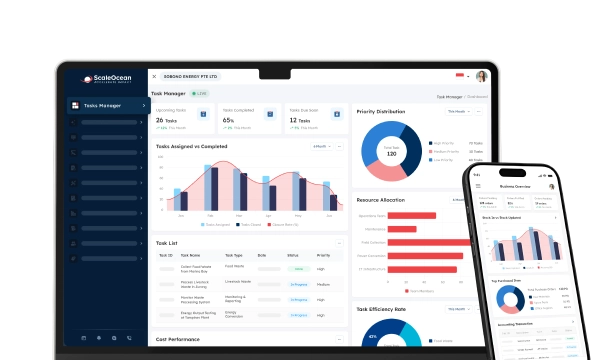
- ScaleOcean expense software offers a great way to optimize your expense ratios through easy integration.
What Is an Expense Ratio?
The expense ratio is the proportion of a fund’s assets that goes towards paying its operating costs for the year. It’s an important indicator of the efficiency of a fund’s management. This annual fee, expressed as a percentage of the fund’s average assets, directly reduces investor returns.
Since this ratio is taken directly from the fund’s assets, it actually lowers your returns. Generally, a lower ratio means a more cost-efficient fund, so it’s vital to check this when guessing your potential profit over time.
In business, a good expense ratio means you’re managing costs effectively relative to your revenue. In Singapore, it’s a popular way to measure how well a company handles its daily spending compared to the money it brings in.
Why Is Expense Ratio Important?
Expense ratios are important since they affect you directly in your pocket. With high expense ratios, you can be sure that they will eat into your returns. Learning about these expenses allows you to make informed choices that can help increase profitability.
Watching expense ratios helps in making comparisons among various mutual funds easy. Selecting a fund that is affordable and economical will allow you to get the most out of your investment, which is essential when it comes to increasing your wealth.
How Does an Expense Ratio Work?

The Expense Ratio is a system whereby a small percentage of the total assets of the fund is set aside to finance its day-to-day expenses. It reduces the total asset value of the fund, hence why it is an important concept for investors who wish to maximize their gains.
The expense ratio includes expenses such as management, administration, and distribution fees. In simple terms, a lower expense ratio means that the amount used to cover administrative costs will be reduced, hence more funds will remain invested.
How Is Expense Ratio Calculated?
This formula takes a fund’s annual costs and divides them by its total assets. The resulting percentage shows how efficiently the fund is managed relative to its size. You can calculate the Expense Ratio as:
Expense Ratio = Total Fund Costs ÷ Total Fund Assets
Total costs cover things like management and admin fees, usually found in the fund’s annual report. Total assets represent the average value of everything under management. You can easily find both figures in the fund’s financial statements.
For example, say a fund has $10 million in assets and $100k in annual costs, and that’s a 1% expense ratio. In simple terms, for every $1,000 you invest, $10 goes toward running the fund. It’s a really clear way to see exactly how much of your money is being spent on fees.
Types of Expense Ratios Across Fund Categories
Not all funds have the same expense ratio, and therefore, it is essential to know the difference between them in order to invest wisely. The following paragraphs will discuss in detail various fund categories and associated expenses:
1. Mutual Funds
Mutual funds usually command slightly higher charges compared to ETFs due to their active nature. This is because active funds require professional analysis, management of the portfolio, and other administrative activities.
Active funds generally incur higher expenses since the managers involved are highly mobile. They buy and sell assets continually in order to make maximum gains, and this process requires greater energy, which in turn translates into higher costs.
2. Exchange-Traded Funds (ETFs)
ETFs cost less in terms of expense ratios compared to mutual funds. They passively track an index instead of actively selecting stocks, which helps keep their costs low. This management style reduces expenses, making ETFs more affordable.
Due to their lower cost of operation, ETFs are a very suitable choice for long-term investments. This is a good choice since they provide market exposure at a relatively low cost.
3. Niche Funds (Sector-Specific)
The niche mutual funds, for example, those focused on sectors such as technology and health care, are always associated with high expense ratios due to the fact that such funds employ very specialized approaches and focus on relatively small market segments.
Despite the high expenses, investing in such funds may pay off in case there is growth in the concerned sector. The high returns associated with such funds are enough to make the high expenses more acceptable for some investors.
What is a Good Expense Ratio?
The ideal expense ratio would be indicative of the perfect balance that exists between costs and revenues. In Singapore, firms utilize the measure in order to determine the effectiveness of their expense management with respect to earnings generated.
The lower the expense ratio, the better, since it indicates efficiency in cost management. Consequently, profitability and margins are protected, making it possible for a firm to continue investing in its growth without compromising on quality. The criteria for a “good” expense ratio are the following:
- Index Fund / ETF: Below 0.30% annually. These investment vehicles are passively managed, which makes them operate at lower costs due to their low transaction rate and limited number of management decisions.
- Equity Fund (Active Stock Fund): 0.50% to 1.50% annually. Management decisions in active stock funds are ongoing activities that result in higher operating costs compared to index funds.
- Bond Fund: 0.30% to 1.00% annually. Managers find these funds relatively easy to manage because they consist only of fixed-income investments. As a result, they expect the management cost to be lower than that of equity funds.
- Money Market Fund: Below 0.50% annually. These funds mainly consist of deposits and short-term government securities, which makes them relatively cheap because of little to no management.
- Lower Compared to Similar Funds: The fund must be operating at relatively lower expense ratios compared to other similar funds with comparable strategies.
- Aligned with Historical Performance and Consistent Returns: Fund expense ratio is supposed to mirror its historical performance and consistent returns. If the expense ratio is low, it must reflect a consistent return.
- No Hidden Fees: There are no other costs that are not included in the overall fund cost, including sales loads and redemption fees.
The ScaleOcean ERP system will ensure that you maintain consistent expense ratios through real-time monitoring and analysis of expenditures. It does this by simplifying the process of managing costs and providing insightful information to guarantee cost efficiency.

Components of an Expense Ratio
Expense ratios have several important components, which include the management fee, operational fee, and distribution fee. The three mentioned above account for all the expenditures that need to be met regularly while ensuring efficient operation of the fund in the background.
Understanding what constitutes those expenditures will allow you to make better-informed decisions when investing your money. In particular, the management fee accounts for the largest portion of the overall cost, especially for active funds.
Is the Expense Ratio the Same for All Funds?
Actually, expense ratios aren’t the same across the board. They vary based on the fund type, for instance, actively managed funds usually cost more than passive options like ETFs because of the extra research and hands-on management involved.
A fund’s unique structure also plays a big role in its price tag. If you’re looking at niche or sector-specific funds, you’ll likely see higher fees. This is simply because their specialized focus requires more expertise to manage well.
Expense Ratios of Passive vs. Active Funds
Passive funds, such as ETFs, usually come with lower fees because they simply follow market indices. Since they don’t need constant hands-on management, their operational costs stay low, which is great for keeping your expenses down.
Active funds are different because they need constant expert decision-making, which drives up the cost. When you invest in these, you’re paying for a manager’s expertise and active strategy, which naturally leads to a higher expense ratio.
How Expense Ratios Can Affect Returns
Expense ratios have a direct impact on your returns. A higher ratio means more of your money goes toward operating costs, which eats into your total profit. Over time, this can really slow down the growth of your investments and compounding power.
Even a tiny difference in costs can lead to very different results over the years. It’s easy to overlook a small ratio at first, but you should always factor it in when checking a fund’s performance. It becomes much more impactful as time goes on.
For example, think about a 1% fee versus 0.5%. It sounds small, but over 20 years, the gap is huge. The fund with the higher ratio will leave you with noticeably less money, showing how much those extra costs can hurt your long-term wealth building.
Strategies for Minimizing Expense Ratio Impact
To prevent high expenses from reducing your profits, here are some sensible actions that you can take. Choosing low-fee index mutual funds or direct investments is a wise step to reduce fees. Now, let’s look at some easy ways to manage the effect of these ratios:
1. Prioritize Low-Cost Index Funds (ETFs)
Index funds, particularly ETFs, typically have much lower fees. They passively manage and track the market, providing you with broad exposure to various stocks without the high costs associated with active management.
Choosing low-cost index funds is one of the smartest ways to keep fees from eating your profits. It allows you to earn solid market returns while making sure you keep as much of your hard-earned money as possible.
2. Opt for Direct Plans
Choosing direct plans lets you skip the middleman, cutting out those extra fees from brokers or distributors. By going direct, you get to keep a bigger slice of your returns for yourself instead of handing them over in commissions.
Direct plans are a huge win for long-term investors. Since you aren’t paying those recurring fees, the savings really start to snowball over the years, leaving you with a much larger nest egg in the end.
3. Avoid Funds with Unnecessary Fees
It’s crucial to avoid funds that add high management or distribution fees. Many of these funds charge a premium that their performance doesn’t justify, which can cost you more than the value they offer.
By taking a close look at expense ratios, you can steer clear of funds that don’t offer good value. This simple check helps you avoid overpaying for poor results and puts you in a much better position to boost your long-term returns.
4. Consolidate Investments on Low-Fee Platform
Putting all of your investments on one cheap platform could potentially help you save lots of money in the long run. In fact, some newer platforms have made it possible for users to invest their money affordably.
If you’re also looking to manage your expenses efficiently, finding the best expense management software in Singapore can help streamline your financial planning alongside your investments.
By picking the right platform, you can cut out those unnecessary expenses. It’s a great way to keep your costs down while still enjoying the benefits of a well-managed, balanced portfolio that works hard for your future.
5. Assess Performance Relative to Cost
The performance of a fund needs to be considered along with its expense ratio. Often, a fund that performs well but charges a little extra will still offer more value compared to a low-cost fund that underperforms.
For example, based on the data we found from PWC, despite global AUM growing by 12%, with Singapore’s asset management industry advancing 10% to S$5.4 trillion, net inflows sharply dropped from S$435 billion to S$193 billion.
This highlights the importance of evaluating returns relative to costs to ensure you’re getting optimal value.
6. Invest for the Long Term
Investing for the long haul helps soften the blow of expense ratios. As the years go by, the initial weight of those fees feels much smaller, especially if your fund is bringing in strong, steady returns that keep your portfolio growing.
Staying invested long-term also lets you fully benefit from compounding. This powerful growth can help balance out some of the costs from higher expense ratios, giving your wealth a better chance to build up over time despite the fees.
7. Use Expense Management Tools
Expense management tools are a lifesaver for tracking fees across your portfolios. This enables you to easily see how effectively your funds are being used and areas where some extra savings can be made.
Through automation, you are able to keep an eye on your expenditure continuously. This allows you to stick to the budget and avoid unnecessary expenses. In doing so, you will eliminate hidden costs and make more informed decisions, which ultimately result in good returns on your portfolio.
8. Monitor Portfolio Annually
It is necessary to assess your portfolio and fees each year in order to be on the right path. When you examine your expenses every year, you can determine whether you are paying too much for underperforming funds, thus saving yourself some money and improving your efficiency.
The annual assessment is the best opportunity to reassess your investment strategy. Through performance and fee assessment, you will be able to determine whether you should continue with the same or choose alternatives with lower fees.
ScaleOcean’s Solutions for Consistent Expense Ratios
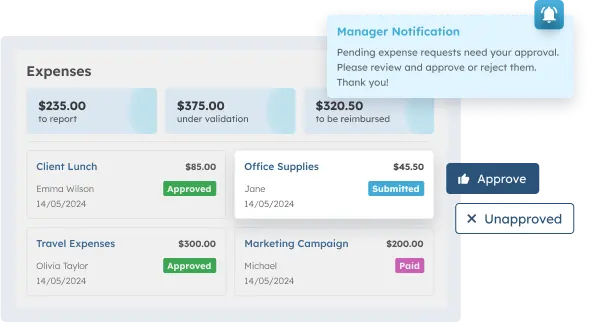
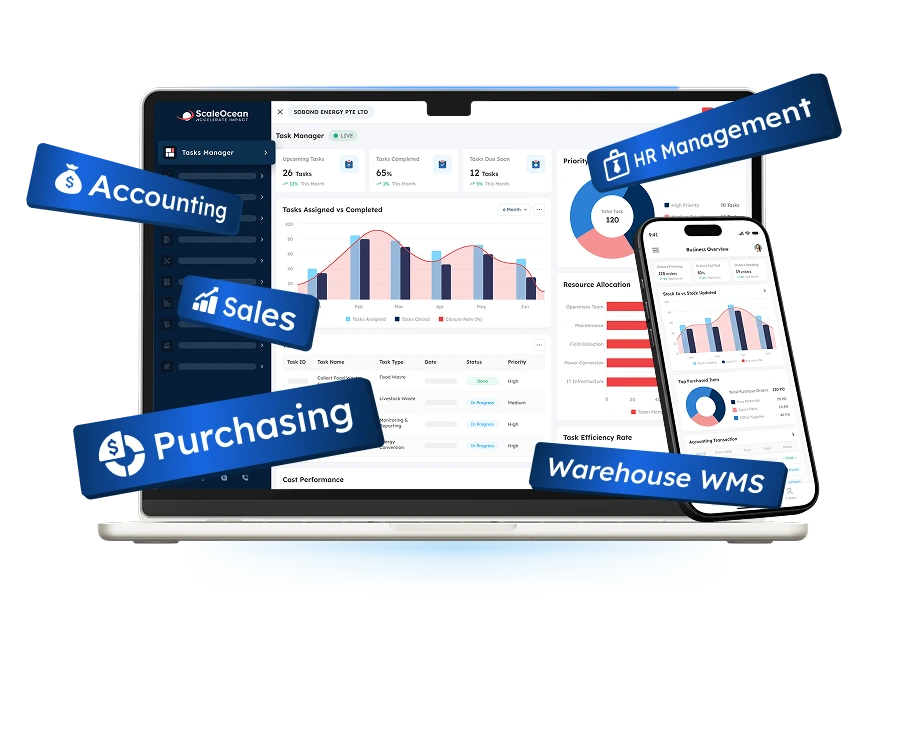
ScaleOcean expense software offers a great way to optimize your expense ratios through easy integration. The software helps you track spending in real-time, making it much simpler to make smart decisions and keep your financial management truly cost-effective.
Plus, ScaleOcean’s software is eligible for CTC grants, making it a very smart choice for businesses. It is perfectly compatible with your existing system to optimize how you manage your expenses without compromising on your organization and earning maximum profits.
Here are some of the core features of our software from ScaleOcean:
- Automated Data Input and Duplication Detection: This feature automatically enters data and removes any possible duplication to ensure accurate record-keeping.
- Real-Time Budget Control: You can view the expenses in real-time, avoiding any risk of exceeding the budget and maintaining optimal budget monitoring.
- AI-Driven Expense Analysis: This uses artificial intelligence to study your expenditure patterns and provide suggestions to save money.
- Customizable Expense Policy Enforcement: It automates the enforcement of expense policies by blocking any unnecessary expenditure to keep it within the budget.
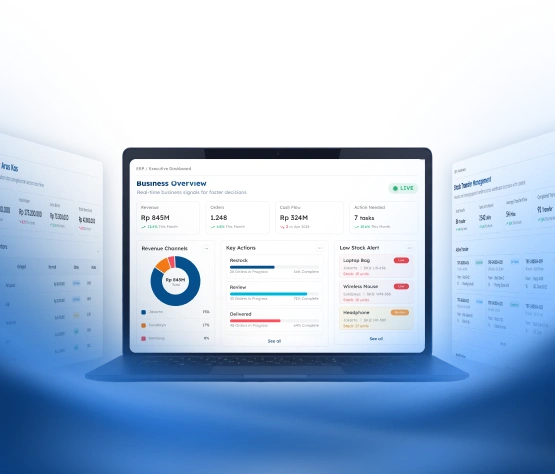
- Dashboard for Tracking Trends: Provides an intuitive dashboard to track spending trends, making it easy to monitor financial health and adjust strategies.
Expense ratio management will be easy for you with ScaleOcean, as it provides real-time expense management and AI-based insights on your expenses.
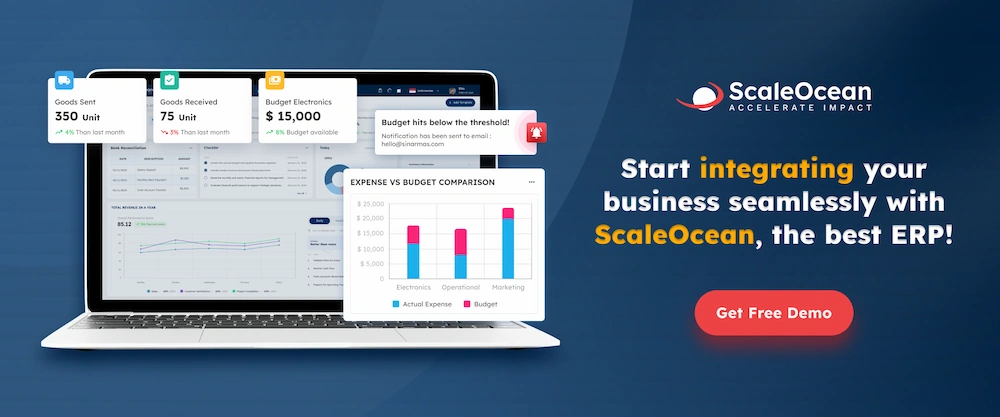
ScaleOcean integrates seamlessly with your existing workflow and helps you make better financial decisions. Additionally, there is also a free demo available at ScaleOcean.
Conclusion
Being mindful of the expense ratio is essential to ensure that you maximize your gains from your investments. When you get the hang of where these expenses are coming from, it becomes simpler to choose which funds you should invest in.
ScaleOcean makes tracking your spending simple with real-time updates and automation. It cleans up your financial workflow and helps you manage expenses better. You can even try a free demo to see exactly how it works for your team!
FAQ:
1. What does a 0.75 expense ratio mean?
A 0.75% expense ratio indicates that for every $1,000 invested, $7.50 is charged annually to cover operational expenses, such as management and administrative fees. This is a moderate fee, especially for actively managed funds, compared to passive funds.
2. Is a 0.9 expense ratio good?
A 0.9% expense ratio is on the higher end, especially when compared to low-cost index funds or ETFs. It may be acceptable for actively managed funds if their performance justifies the cost, but typically, a lower ratio is more desirable.
3. Is a .03 expense ratio good?
A 0.03% expense ratio is excellent because it remains extremely low. Large passive index funds or ETFs typically offer this ratio, meaning they charge minimal fees, which allows your money to grow without high costs reducing your returns.
4. Is the expense ratio charged every day?
The expense ratio appears as an annual percentage, but the fund deducts it daily from the NAV. This spreads the cost across the year, slightly reducing the fund’s value each day instead of applying it all at once at the end of the year.





















.png)