

Inventory accounting is a vital process for businesses, and ignoring it can lead to specific risks such as inaccurate stock levels, poor cash flow management, and increased operational costs. Without proper tracking, businesses struggle to understand their inventory needs accurately.
According to IMDA Singapore, the refreshed Retail Industry Digital Plan (IDP), launched on November 9, 2023, aims to help businesses optimize operations, including inventory management, through digital tools. This highlights the need for businesses to adopt digital inventory accounting solutions.
Because of this, inventory accounting is essential for business success. It helps companies avoid costly mistakes like overstocking or stockouts, while also ensuring smooth operations, accurate financial records, and informed decisions that keep the business running smoothly.
So, in this article, we will discuss the definition and importance of inventory accounting in overcoming business challenges. It covers how accurate inventory tracking aids decision-making, boosts profitability, and streamlines operations. The article also highlights inventory valuation methods and automation benefits.
 Key Takeaways
- Inventory accounting is the process of valuing stock for financial reporting, ensuring that the value of goods is accurately tracked across all stages of production.
- Common inventory valuation methods, such as FIFO, LIFO, weighted average cost, and specific identification, significantly impact financial statements and tax liabilities.
- Best practices for inventory accounting include regular audits, real-time tracking, and integrating inventory data with financial systems to enhance accuracy and decision-making.
- ScaleOcean’s Inventory Management Software automates inventory tracking, integrates with financial systems, and ensures accurate, real-time reporting to support informed business decisions.
What Is Inventory Accounting?
Any procedure used to inventory a stock is called inventory accounting. It is a process of valuing the stock for financial reporting purposes with the object of being able to trace the value of the goods from the raw material, WIP, and finished goods.
This is instrumental in determining profits and making a correct tax calculation. It delegates to a business a pretty good idea of what it is doing financially in all the reports that it carries.
The Role of GAAP in Inventory Accounting
The accounting of inventory is important because inventory is kept in the business, and GAAP (Generally Accepted Accounting Principles) is used for this accounting because it gives a set of sensible guidelines that help make financial statements easily understandable and consistent. Such ideas are applied to compute, allocate, and report the inventories at the proper value to the company.
When dealing with inventory, companies can opt to change from one method to another when applying GAAP, such as FIFO, LIFO, and weighted average cost. This will not only ensure proper bookkeeping of profits but also that standards are adhered to,o which will boost transparency and trust in financial reports.
Common Inventory Valuation Methods
An accurate estimation of the value of the inventory is important in assessing the state of affairs of a business unit. It can impact the financials of a company, like the balance sheet and income statement, and the tax liabilities of the company.
Different methods have an effect on inventory valuation, on the recognition of costs, and so on, which in turn affects the profit margin, taxable income, and business performance. Here are the prime inventory valuation methods:
FIFO (First In, First Out)
This goes on the premise that the initial products bought will be the initial ones sold. FIFO can be used for industries with short-life products in stock, such as perishables, and/or where the value of the stock increases with time.
This is a good thing because under this strategy, the old stock will be sold first, reducing the potential risk associated with the old stock being the cost on the red ink (loss on the old stock), thus the inventory available will be sold at a more recent market price.
LIFO (Last In, First Out)
GoBusiness Singapore stated that the system of Inventory Management and Sales Management receives support from Enterprise Singapore, and will provide a maximum of 50% support for SMEs. This solution is good for any business to optimize its stock and sales.
LIFO can be used by industries requiring that the last item bought should be the first item sold, such as the oil industry, the gas industry, or a building materials company, etc. It can be useful during periods of inflation since there is a chance to sell inventory at a higher price, which might lead to lower income reporting.
Weighted Average Cost
In this way, the actual cost of each inventory item is tracked, with the actual cost being assigned when the item is sold. It’s typically used by companies when it comes to high-value, or one-of-a-kind items, like vehicles, real estate, or custom items.
This is the most accurate way to reflect the cost, however can be more complicated to systemize and not apply to a company that has substantial inventories.
Specific Identification
This is an average pricing method where the average cost is calculated for the overall amount of stock-keeping units, irrespective of the date of acquisition. The selling price of each unit is then based on this ‘average’.
It is commonly used in industries where objects are not easily distinguishable, like in bulk products. Using this method, and the price of the average product, will help to smooth the volatility of product costs as well as inventory monitoring costs.
The Importance of Inventory Accounting in Financial Performance
Inventory accounting is essential when evaluating a company’s financial health. Key metrics, such as inventory turnover and days sales of inventory (DSI), help professionals assess how effectively a company manages its stock and its impact on overall performance.
Let’s explore two key metrics for evaluating inventory performance:
- Inventory Turnover Ratio: This ratio shows how frequently a company sells and replaces its inventory within a specific time frame. A high turnover rate is often a sign of effective inventory management, while a low rate could indicate that the company is holding too much stock or dealing with slow-moving items.
- Days Sales of Inventory: DSI or days sales of inventory calculates the average number of days it takes for a company to sell its inventory. A lower DSI means faster turnover, which helps improve cash flow, while a higher DSI suggests slower movement, potentially leading to cash flow issues.
These metrics are most useful when viewed in context. Comparing them to similar companies or tracking them over time offers a more accurate picture of how well a company is managing its inventory and contributing to financial success.
Additionally, understanding how to define financial instruments can help provide further insight into how inventory-related investments impact overall financial performance.
Inventory Accounting Systems: Manual vs. Automated

In the early stages, many businesses rely on manual inventory accounting. While this works at first, as operations grow, it becomes prone to human errors and inefficiencies. Manual tracking can lead to mistakes and delays in managing inventory, making it harder to keep things accurate.
As companies scale, automated inventory accounting systems become a game-changer. These systems provide real-time updates, reduce errors, and improve efficiency. With automation, businesses can get quicker insights and make informed decisions, ensuring inventory values are accurately reflected in financial records.
ScaleOcean SG’s inventory software simplifies this process by integrating real-time data with financial records. This automation minimizes manual errors and helps businesses make data-driven decisions, ultimately ensuring smoother operations and more accurate financial tracking.
Main Benefits of Effective Inventory Accounting
Having the correct products at the right time can be aided by the use of effective inventory accounting practices, where inventory will be more accurate. This, in turn, will optimize decision-making and help avoid overstocking and thereby lower storage costs and losses.
Not only that, but improving inventory can also assist businesses in controlling expenses and boosting their profitability. It also helps cash flow to happen more efficiently by enabling the business to use the stock optimally and also minimizing excessive stock ordering,g which can be held up in stock with money tied up in it.
There are difficulties in the proper accounting of inventories, however. Stockouts, overstocking,g and inventory anomalies are common and can cause significant disruptions to business and impact the business’s economic management.
Challenges in Inventory Accounting
Effective inventory accounting is not without obstacles. Businesses frequently encounter stockouts, overstocking, and inventory anomalies, all of which can dramatically interrupt operations and affect the financial control of the business.
The nature and extent of the problems in such cases may differ from one enterprise to another and the size of the operations, but are similar in nature and degree in most enterprises. A few of the most frequent issues a company might encounter in inventory accounting, and how to act to resolve each of them, are presented below:
Stockouts
Stockouts occur when a business does not have the popular and/or desired products on hand, resulting in lost sales opportunities. But it doesn’t end there – with the lost revenue. When the brand becomes sluggish in delivering orders on time or fails to deliver the required item, their faith in the brand is eroded.
This, over time, can also impact customer loyalty and ultimately result in fewer sales. If losing business to a competitor in any way due to a stockout, it will seriously affect the company’s reputation and will make it a hard task to regain stock with the competitor. To alleviate stockouts, companies can use automated stock systems, which can more accurately keep track of their stock and apply better financial forecasting.
Overstocking
If the business has excessive stocks, then it’s over-stocking, which will generally be related to the mistakes a business can make in forecasting and inventory control. Although it seems like a good idea to load your tank so that objects will always be available, it’s actually a bad way to use up valuable resources such as money.
Apart from this, the absence of the required stocks may also lead to product obsolescence and increased costs of product storage. Some responses to overstocking are models based on demand, JIT inventory systems, and control measures like “safety stock” and “audits.”
Inventory Discrepancies
Accurate inventory management is extremely important as it can be a significant headache in a company’s financial management, and cause the company to lose money and experience incorrect bookkeeping.
Sometimes these problems occur when what is physically in the inventory does not match up with what is documented, because of human error, stealing, or bad inventory control.
Best Practices for Effective Inventory Accounting
Effective inventory accounting is critical for organizations to keep accurate financial records, maximize cash flow, and ensure operational efficiency. By following best practices, organizations can reduce typical inventory difficulties and ensure proper valuation, which has a direct impact on the company’s financial health.
Additionally, implementing methods such as accrual accounting ensures that inventory costs are matched with the revenues they generate, further enhancing financial accuracy and decision-making. Listed below are many recommended practices that organizations should implement to improve their inventory accounting operations:
Regular Inventory Audits and Reconciliations
Frequent inventory audits and reconciliations are critical for detecting inconsistencies early and ensuring that inventory records match actual stock. This technique helps detect issues like misplaced items, theft, and data entry errors, which affect financial reporting accuracy.
Similarly, performing regular bank reconciliation ensures that cash records are aligned with bank statements, preventing discrepancies in financial reporting. Regular audits, such as monthly, quarterly, or annual, can help businesses maintain accurate inventory records, minimize errors, and resolve discrepancies quickly.
Implement Inventory Control Measures
Implementing effective inventory control systems is critical for aligning stock levels with actual demand. Businesses can use technology and forecasting methodologies to better plan inventory levels, lowering the risk of overstocking or stockouts.
By optimizing inventory management, companies can work toward achieving their financial goals in business, ensuring that resources are used efficiently and capital is not tied up in excess inventory.
Demand forecasting software, safety stock levels, and reorder points help refill inventory on time, avoiding excess stock. Proper inventory control streamlines operations, reduces storage costs, and boosts cash flow by aligning stock with sales.
Leverage Technology
Integrating automated solutions into inventory management is a highly effective technique to eliminate errors while increasing performance. Automated systems give real-time data, allowing firms to monitor stock levels, perform financial audits, track orders, and manage inventory in numerous locations.
These solutions reduce manual errors, accelerate procedures, and provide vital insights to improve decision-making. Businesses that automate typical processes can optimize workflows, obtain improved inventory control, and increase reporting and financial management accuracy.
ScaleOcean SG’s Solutions for Inventory Accounting
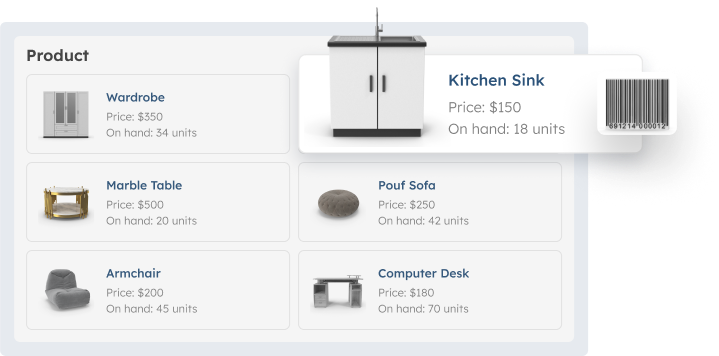
ScaleOcean SG provides a comprehensive software solution designed specifically for inventory management, such as inventory accounting. It enables organizations to streamline processes and have greater control over operations.
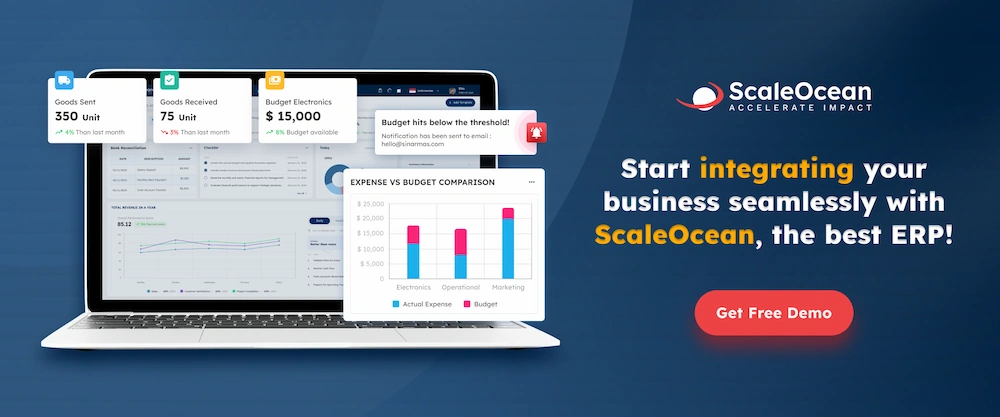
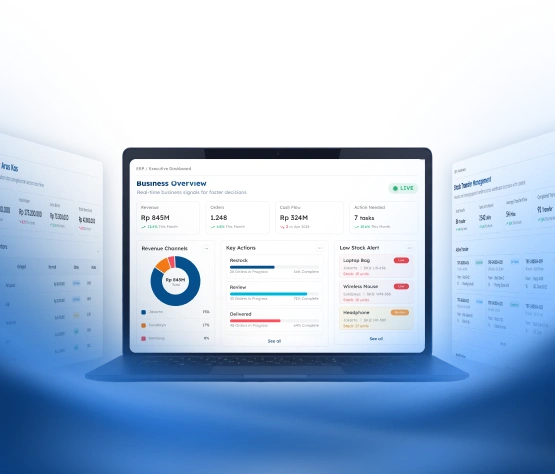
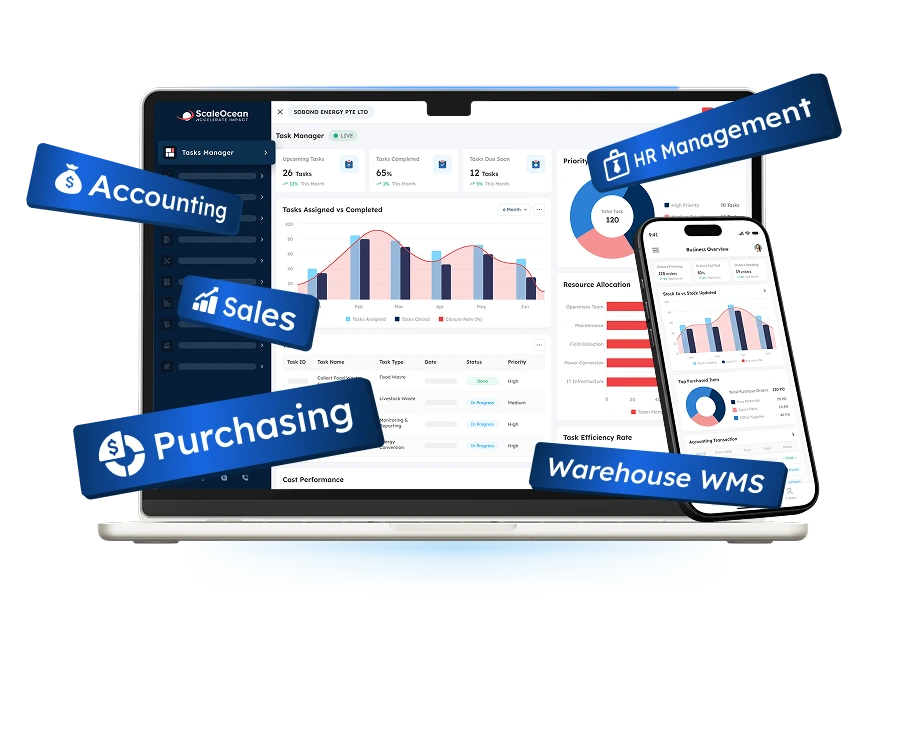
ScaleOcean offers an all-in-one platform that combines inventory accounting, sales, procurement, and accounting. This improves efficiency, lowers errors, and ensures accurate financial reporting.
The platform provides real-time tracking, automated adjustments, and seamless connections, allowing firms to eliminate stock discrepancies and optimize cash flow. For Singapore enterprises, this technology improves inventory management and decision-making.
Many Singaporean firms have benefited from ScaleOcean’s inventory management services. Companies such as PT Sinarmas and Dekkson have reported increased inventory accuracy, efficiency, and cost savings.
Businesses can also use government funds, such as the CTC Grant, to help cover ERP implementation costs. ScaleOcean provides a free demo, allowing organizations to test the platform and evaluate if it meets their needs.
Below are the key features of ScaleOcean’s software:
- Integrated Accounting & Inventory Management: ScaleOcean integrates inventory with accounting for precise product values and stock valuation across periods.
- Real-time Financial Insights on Inventory: Real-time stock updates provide instant financial impact tracking, improving reporting accuracy and decision-making.
- Automated Stock Valuation Adjustments: ScaleOcean automates inventory valuation adjustments, ensuring accurate financial reflections without manual input.
- Accurate Cost of Goods Sold (COGS) Calculation: Integrated inventory and accounting provide real-time COGS calculations, ensuring precise profit margins and projections.
- Comprehensive Lot and Barcode Tracking for Accurate Accounting: Barcode and lot tracking ensure accurate inventory management, reducing discrepancies in asset valuation and costs.
- Automated Financial Reconciliation with Inventory Data: ScaleOcean streamlines inventory reconciliation with financial records, resolving discrepancies for accurate financial closes.
Conclusion
Inventory accounting is critical to business success. Accurate inventory tracking and management improve cash flow and profitability. As businesses grow, effective inventory accounting becomes even more important. It impacts decisions across departments and affects the bottom line. With proper inventory management, businesses can reduce discrepancies, improve financial reporting, and make informed decisions.
To stay competitive, businesses must adopt best practices and embrace automation. Modern inventory management technologies can streamline procedures and eliminate errors. Automation tools that incorporate inventory accounting enhance data accuracy and decision-making. Contact ScaleOcean’s accounting software to schedule a consultation or learn more about our solutions and how they can benefit your business.
FAQ:
1. How do you record inventory in accounting?
You record inventory purchases on the operating account using the Inventory object code. When sales happen, record them on the operating account with the correct sales object code. You then use a cost-of-goods-sold transaction to transfer the cost.
2. How to calculate COGS with the FIFO method?
1. Identify the Oldest Stock: Start with the earliest purchased inventory.
2. Multiply by Units Sold: Calculate the total cost based on the quantity sold.
3. Calculate Ending Inventory: Subtract the units sold from the oldest stock and determine the remaining inventory.
3. Which is better, LIFO or FIFO?
FIFO and LIFO are two distinct inventory valuation methods. FIFO gives a more accurate representation of inventory, especially for perishable items, while LIFO can provide tax benefits during inflation but may not show the actual flow of inventory.
4. How to calculate COGS with stock opname?
To calculate COGS, use the formula COGS = Beginning Inventory + Net Purchases – Ending Inventory. If you know the ending inventory through a stock opname (physical count), this formula helps you accurately determine the cost of goods sold.





















.png)