

Construction projects frequently struggle with cost overruns, delays, and poor coordination that really derail schedules and budgets. Effective construction project management solves this by organizing tasks, communicating priorities clearly, and ensuring all goals are hit successfully.
According to Imarc, Singapore’s construction market was valued at USD 39.21 billion in 2024 and is projected to reach USD 56.68 billion by 2033, showing strong growth. This boom is driven by high demand for infrastructure and redevelopment projects across the sector.
This article will dive into construction project management, covering team roles, processes, the five stages, essential tools, current trends, challenges, best practices, contracts, and delivery methods, explaining how they lead to success.
 Key Takeaways
- Construction project management is simply the process of overseeing the entire lifecycle of any construction project, from planning to coordination.
- Construction project management processes start with construction project initiation, construction project planning, construction project execution, and more.
- The 5 stages of construction project management include design, preconstruction, procurement, construction, and post-construction, which ensure successful project execution.
- ScaleOcean’s construction software offers fantastic integration across financing, e-procurement, warehouse management, and compliance.

What Is Construction Project Management?
Construction project management is simply the process of overseeing the entire lifecycle of any construction project, from planning to coordination. This means expertly managing resources, sticking to schedules and budgets, and handling stakeholder communications to hit all project goals successfully.
This discipline includes defining clear project goals, constantly monitoring progress, and ensuring strict compliance with all regulations. It involves multiple fields, from initial planning to post-construction work, all dedicated to delivering the project smoothly and successfully.
Construction Project Management Team
A successful construction project really needs great construction site management and coordination among several key roles. The project management team involves diverse stakeholders responsible for different parts of the project’s lifecycle. These roles ensure smooth operation from start to finish:
1. Project Owner
The project owner oversees the entire project. They make high-level decisions, secure necessary funding, and ensure the project aligns with the core strategic goals. While tasks can be delegated, the owner remains ultimately responsible for the project’s success and outcome.
The owner collaborates closely with the architect, project manager, and contractors to ensure the project moves ahead as planned. Their strong leadership is essential for making critical decisions and effectively resolving disputes that arise during the construction process.
2. Architect and Engineer
The architect designs the project, making sure it aligns perfectly with the owner’s vision. They create blueprints, plan layouts, and focus on aesthetics and function. Engineers then focus on the technical details, ensuring the entire design is structurally sound and secure.
Collaboration between architects and engineers is absolutely critical for success. They work together to ensure the design is feasible, safe, and adheres strictly to all necessary building codes and regulations before construction can begin.
3. Construction Project Manager
The construction project manager is responsible for handling all day-to-day operations seamlessly. They make sure every aspect of the project, like timelines, budgets, and resources, is managed effectively to keep things running smoothly and efficiently.
They are the key leader who guides teams, actively mitigate risks, and quickly solve problems as they arise. Their role is pivotal in keeping the project on track and making sure all stakeholders are aligned with the ultimate project goals.
4. Contractor General Manager
The contractor general manager expertly oversees the contractor team and all subcontractors. They handle the workforce, resources, and schedule, making sure every construction phase is executed efficiently and on track.
Their expertise in daily construction scheduling management is essential to project success. They work closely with the project manager to align schedules and resolve issues promptly throughout the construction process.
5. Construction Estimator
The estimator provides highly accurate cost forecasts based on the project’s exact specifications. They meticulously assess material quantities, labor costs, and other variables to develop a comprehensive, realistic budget for the work ahead.
Their estimates are critical for avoiding costly overruns and ensuring that the financial planning is spot on. They also collaborate closely with the team to continuously track expenses from the start of the project right through to completion.
6. Construction Manager
The construction manager is deeply involved in the implementation phase of the project. They supervise the workers, strictly enforce safety standards, and closely liaise with the project manager to keep timelines and deliverables perfectly aligned.
This crucial role primarily focuses on maintaining strong efficiency right there on the construction site. They also ensure that all the work strictly complies with both the initial design specifications and all necessary construction site safety regulations, protecting the project.
7. Construction Subcontractors
Subcontractors are specialized workers hired to complete specific tasks, like electrical or plumbing work. They bring crucial expertise in their field and are essential to the successful and high-quality execution of the overall construction project.
Subcontractors need to collaborate very closely with the main contractor and project manager. This partnership ensures that all specific aspects of the project are completed right on time and exactly according to the necessary specifications for quality.
Construction Project Management Processes
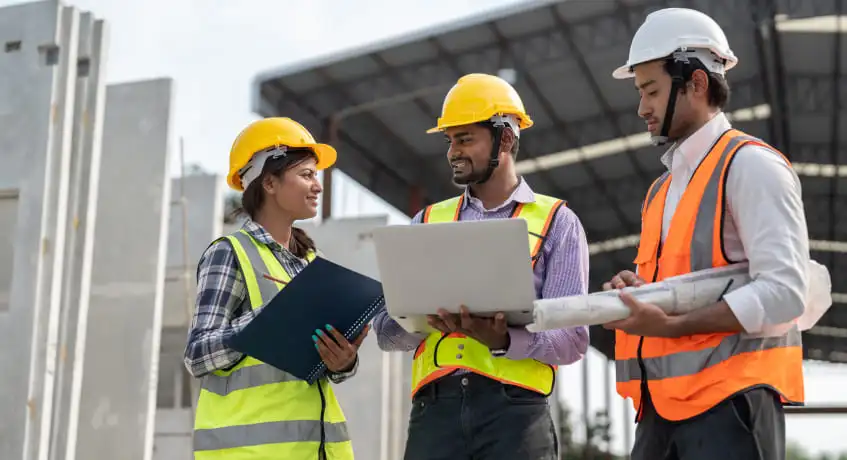
The construction project management process includes several key phases crucial for successfully finishing any project. These processes require meticulous planning, tight coordination, and careful management to make sure all project goals are met efficiently.
1. Construction Project Initiation
This phase marks the official start of any project! It involves clearly defining the scope, identifying all key stakeholders, and establishing the initial budget and timeline. It sets the stage for everything that follows.
The initiation phase truly sets the groundwork for project success by carefully identifying potential risks right away. This also ensures that resources are perfectly aligned and ready for the subsequent, more intensive phases of the project lifecycle.
2. Construction Project Planning
In this crucial phase, detailed plans are developed to guide the entire project execution. This includes creating realistic schedules, carefully selecting the right contractors, and finalizing all necessary design plans before physical work begins.
Effective planning guarantees the project follows a structured, logical approach. It also involves clearly defining roles and responsibilities, securing all needed materials, and proactively assessing potential risks that might impact the timeline or budget.
3. Construction Project Execution
During the execution phase, the project team finally starts the physical construction work. This involves the actual building process, including tight coordination among all contractors, subcontractors, and suppliers to keep things moving smoothly.
Close monitoring ensures that every task is completed exactly as planned, and any challenges are swiftly addressed. Maintaining clear, consistent communication with all stakeholders remains absolutely vital throughout this entire phase.
4. Construction Project Monitoring and Control
This phase is all about carefully tracking progress against the project schedule, budget, and scope. It requires regular updates and assessments to constantly ensure your project stays right on track and aligns with the original plan.
Control measures are vital for addressing issues immediately, such as unexpected cost overruns or delays. Continuous monitoring, along with effective Construction Asset Management (CAM), allows you to make necessary adjustments quickly, proactively avoiding major project risks before they arise.
The 5 Stages of Construction Project Management
Every construction project follows a structured process that includes several clear stages. These phases are essential for successfully planning, executing, and finalizing construction projects, ensuring they meet all quality standards.
1. Design
The design phase centers on creating detailed architectural plans and getting all necessary approvals. Its main goal is to successfully translate the initial vision into functional, executable designs that meet all technical requirements precisely.
Close collaboration among architects, various engineers, and the clients is absolutely key to this phase. Working together ensures the project’s specifications are clearly defined and agreed upon by everyone involved from the start.
2. Preconstruction
Preconstruction involves vital steps like prepping the site, getting all the necessary permits, and selecting the right contractors. This stage is crucial as it solidifies the entire foundation for the upcoming construction process before any physical work begins.
Proper preconstruction planning is key because it ensures you won’t face any frustrating delays once the actual building work finally kicks off. Taking this time up front saves significant time and costs down the road.
3. Procurement
During the construction procurement process, all necessary materials and resources are carefully sourced. Contracts are then signed with key suppliers and subcontractors to ensure all of the project’s specific requirements can be successfully fulfilled on time.
Effective procurement is key because it ensures that all materials arrive exactly when they are needed, stay within budget, and always meet the strict quality standards. This process helps keep the entire construction project running smoothly.
4. Construction
The construction phase focuses on executing the project precisely according to the approved design. This includes thorough site preparation, the actual building process, and the installation of all necessary systems. This is where the plans become reality.
Careful monitoring of progress and maintaining open, clear communication with all involved parties is essential. This collaborative effort ensures the smooth, efficient execution of the entire project from start to finish without major hitches.
5. Post-Construction
This final stage focuses on conducting thorough inspections, securing all necessary approvals, and handling any final touch-ups. Once all this is completed, the entire project is officially handed over to the owner, marking completion.
Post-construction primarily involves ensuring that all essential documentation is fully in place and that the project is completely operational for the client’s use. It’s the final, crucial step to full project closure.
Types of Construction Management Contracts
Different construction projects require various types of management contracts, each offering distinct benefits based on size, complexity, and risk tolerance. According to the International Trade Administration, from Development Plan Surveys, Singapore’s total construction demand is projected to range between $36 – $41 billion, up from $34 billion in 2024.
Some of the most common contract types include fixed-price, cost-plus, and time and material contracts. Understanding each one is key to choosing the right approach for effectively managing project costs and timelines from the very start.
Construction Project Delivery Methods
The project delivery method you choose significantly impacts the timeline, budget, and how team members collaborate. Common methods include design-bid-build, design-build, and construction manager at risk, each with its own advantages.
Selecting the appropriate delivery method is key to ensuring your project meets deadlines and stays within budget. It also plays a vital role in fostering smooth and effective collaboration among all involved stakeholders, which is crucial for success.
Construction Project Management Tools
Construction project management tools are essential for effortlessly organizing, tracking, and analyzing crucial project data. These tools are incredibly helpful for managing timelines, allocating resources efficiently, and keeping budgets strictly under control:
1. Gantt Charts
Gantt charts are great for easily visualizing project timelines, accurately tracking progress, and efficiently assigning specific tasks. This tool truly simplifies your scheduling process and significantly boosts overall project management efficiency for the whole team.
Gantt charts empower managers to quickly identify critical project milestones and spot potential delays in real time. This crucial visibility allows for immediate action and proactive adjustments to keep your project moving forward smoothly.
2. Tasklists
Task lists are fantastic for organizing individual responsibilities and specific tasks, making sure every team member clearly knows their role. They are truly crucial for ensuring all project tasks get completed right on time and keep the schedule moving forward.
You can easily share these tasklists with the entire team, giving everyone clear visibility into the workflow and promoting strong accountability. This ensures that the responsible person properly tracks and manages every piece of work.
3. Construction Project Dashboards
Dashboards offer fantastic, real-time insights into exactly how your project is performing. They clearly display key metrics like progress status, current costs, and critical timelines so you always know where things stand at a glance.
Dashboards serve as a crucial, centralized location for easily monitoring and effectively controlling all ongoing project activities. This means you get a single point of truth for making fast, informed decisions about the project’s direction.
4. Resource Management
Resource management tools are vital for tracking the careful allocation of labor, necessary equipment, and building materials. They are incredibly helpful in ensuring all resources are used efficiently and effectively throughout the entire construction timeline.
Proper, focused resource management helps your team actively avoid critical issues like material shortages, costly delays, or unexpected budget overruns. This discipline is key to maintaining a smooth, reliable project flow.
5. Timesheets
Timesheets are crucial for recording the hours put in by employees and subcontractors. They are absolutely critical for accurately tracking labor costs and effectively managing your entire payroll process without hassle.
Keeping accurate timesheets helps guarantee that all your workers are paid correctly and allows for precise tracking of labor expenses. This simple practice prevents payment disputes and ensures financial transparency within the project.
6. Reports
Project reports neatly summarize all progress, budgets, and any arising issues. They are essential for keeping stakeholders well-informed and ensuring strong accountability across the entire project team effectively.
These reports provide detailed, reliable data vital for informed decision-making and are key to spotting any areas that quickly need extra attention. This ensures management can proactively address challenges and maintain project momentum.
Construction Project Management Trends and Technologies
The construction industry is rapidly evolving thanks to exciting new trends and cutting-edge technologies, including Singapore’s ERP for a construction company that streamline operations, enhance collaboration, and improve project management efficiency.
These innovations are significantly improving project management efficiency and leading to far better outcomes across all building work:
1. Construction Project Management Software
This type of software streamlines project management, offering fantastic tools for scheduling, budgeting, and team collaboration. It integrates smoothly with other systems, giving you one unified, clear view of exactly where your project stands at all times.
Construction project management software helps with real-time scheduling, budget tracking, and seamless communication, ensuring that every phase of your construction project runs smoothly from start to finish. It provides a comprehensive solution to tackle common industry challenges, making the entire process more efficient and transparent.
2. Building Information Modeling (BIM)
BIM (Building Information Modeling) creates essential 3D models that help teams visualize designs and simulate the entire construction process. This technology significantly enhances collaboration and greatly reduces the risk of expensive errors later on.
By offering a highly accurate and always up-to-date model, BIM ensures that everyone involved in the project is fully aligned and completely informed. This consistency is key to smooth execution and avoiding costly communication gaps.
3. AI for Construction Project Management
AI is fantastic for optimizing scheduling, cost estimation, and risk management in projects. It analyzes complex data to improve the quality of decision-making and ensures better overall project outcomes every single time.
AI significantly enhances project management by expertly predicting potential challenges and offering practical, actionable insights. This kind of proactive approach is key to substantially improving operational efficiency across the entire project.
4. Scheduling Tools
Advanced scheduling tools are fantastic for tracking key project milestones, assigning necessary tasks, and dynamically adjusting schedules as needed in real time. They keep everyone on the same page.
These smart tools are key to managing time effectively, helping significantly reduce common delays and ensuring that the entire project stays on course without any unnecessary hiccups or surprises.
5. Collaboration and Communication Platforms
Collaboration platforms make communication seamless among teams, contractors, and clients. They provide real-time updates, making it much easier to track progress and discuss issues the moment they arise. This really fosters better collaboration and enhances decision-making overall.
Effective communication is key to ensuring everyone involved in the project stays informed, significantly reducing any misunderstandings or miscommunications. By keeping all parties fully aligned, these platforms support smoother operations and more successful project outcomes.
6. Cost Estimation Integration
Cost estimation tools are a huge help for construction managers, creating accurate budget forecasts and tracking expenses in real time. These tools integrate seamlessly with other software, ensuring tight financial control throughout the project, similar to Singapore’s construction cost management solutions, to avoid cost overruns.
Managing cost estimation effectively is crucial for controlling a construction project’s finances. By closely monitoring costs and using real-time tracking, managers can make informed decisions and ensure they meet all financial goals.
7. Field Management Software
Field management software is key for coordinating on-site activities, tracking work progress, and ensuring tasks finish on schedule. It allows for real-time reporting, making it much easier to spot issues on-site and resolve them quickly before they become big problems.
This software significantly boosts communication between field teams and project managers, ensuring any challenges encountered are addressed right away. By improving on-site coordination, field management software helps keep construction projects running incredibly smoothly and efficiently.
8. Document Management System
Document management systems organize and securely store your vital project files for easy access. By cutting down on risks from lost or outdated info, they truly help streamline your entire workflow across the project lifecycle.
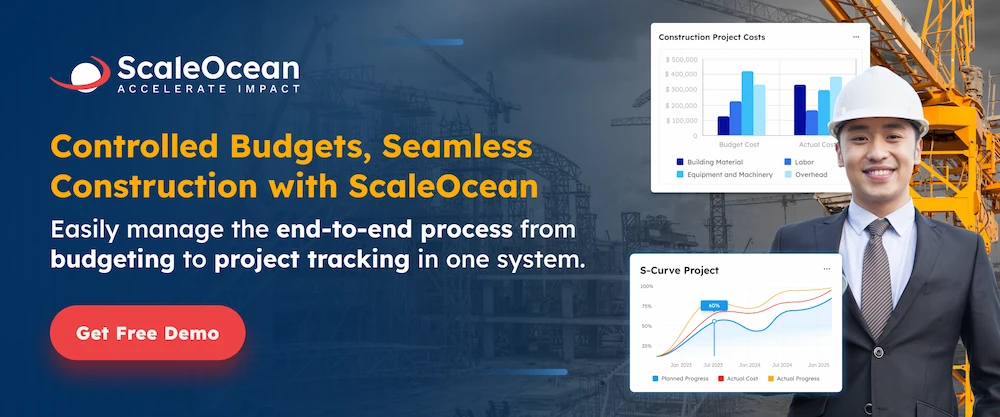
Centralizing documents makes info easy to find for better decisions. ScaleOcean’s construction management software enhances this with seamless integration and live updates, keeping you organized and compliant at all times.
Challenges of Construction Project Management
Construction project management often faces several major challenges, including budget overruns, delays, and poor communication. These obstacles can truly hinder progress, affect satisfaction, and cause significant financial losses. Addressing them is vital for success.
Smart planning, adopting the right technology, and building strong collaboration are crucial strategies for overcoming these issues. By using proper risk management and ensuring consistent communication, teams can stay on track and deliver high-quality results.
Best Practices for Effective Construction Project Management
Clear communication among all stakeholders is key to successful construction project management. Making sure everyone, from contractors to clients, is aligned minimizes misunderstandings and encourages great teamwork. It also helps resolve any conflicts efficiently.
Risk management and smart resource allocation are also super critical practices. By proactively identifying and tackling potential risks, teams can avoid delays and stay within budget. Optimizing resources maximizes productivity for smooth execution.
ScaleOcean’s Software for Successful Construction Project Management
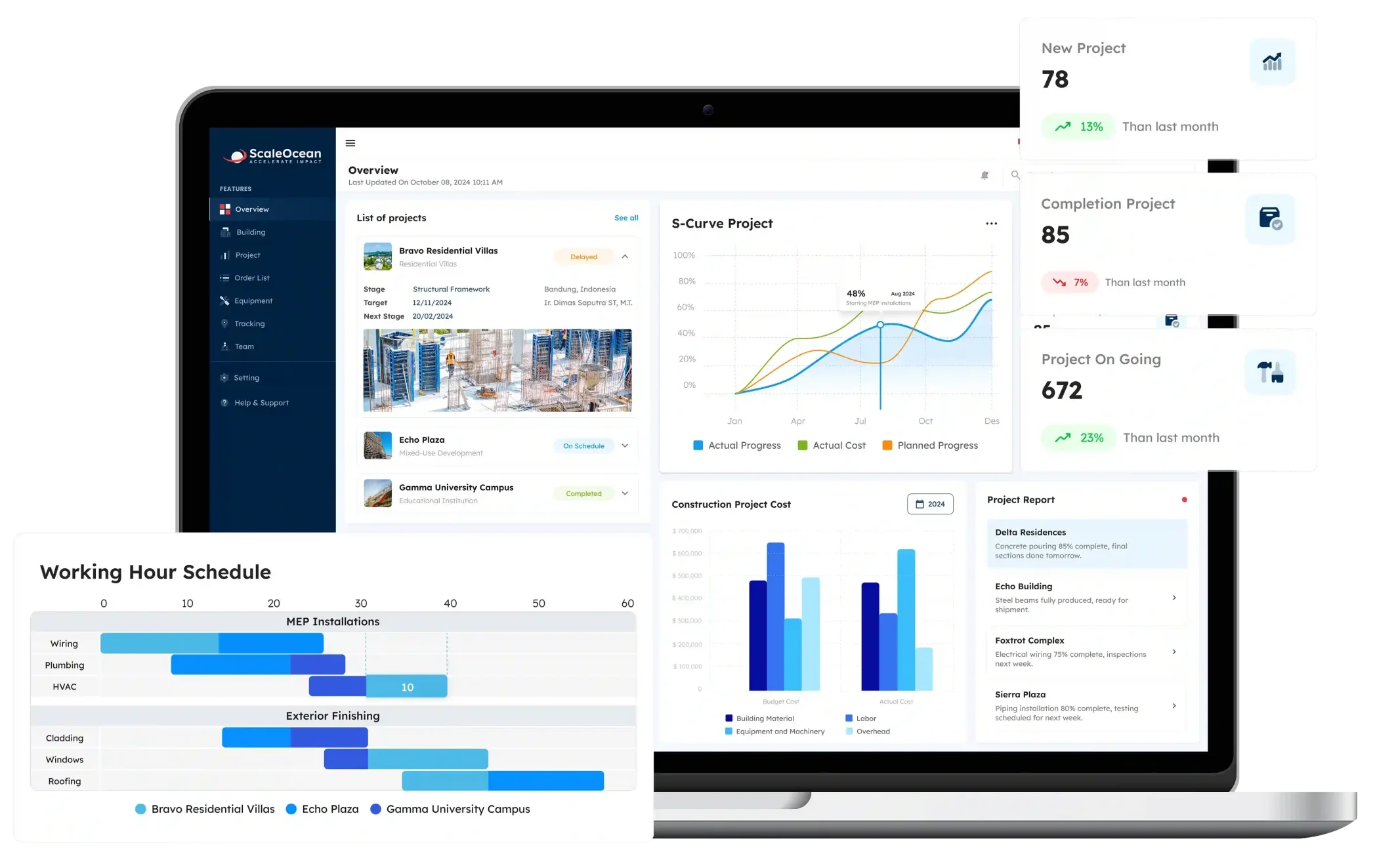
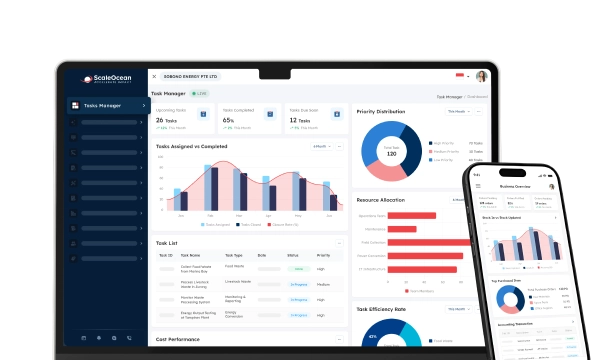
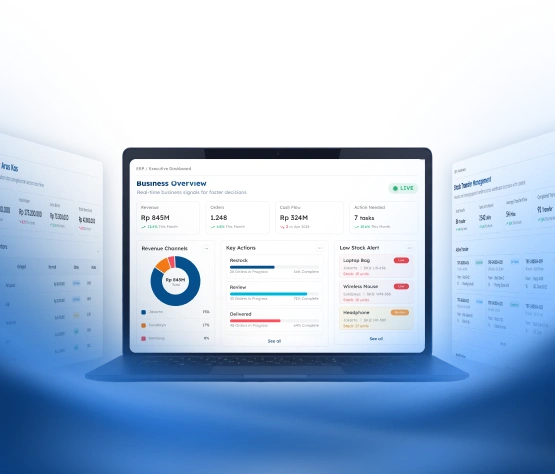
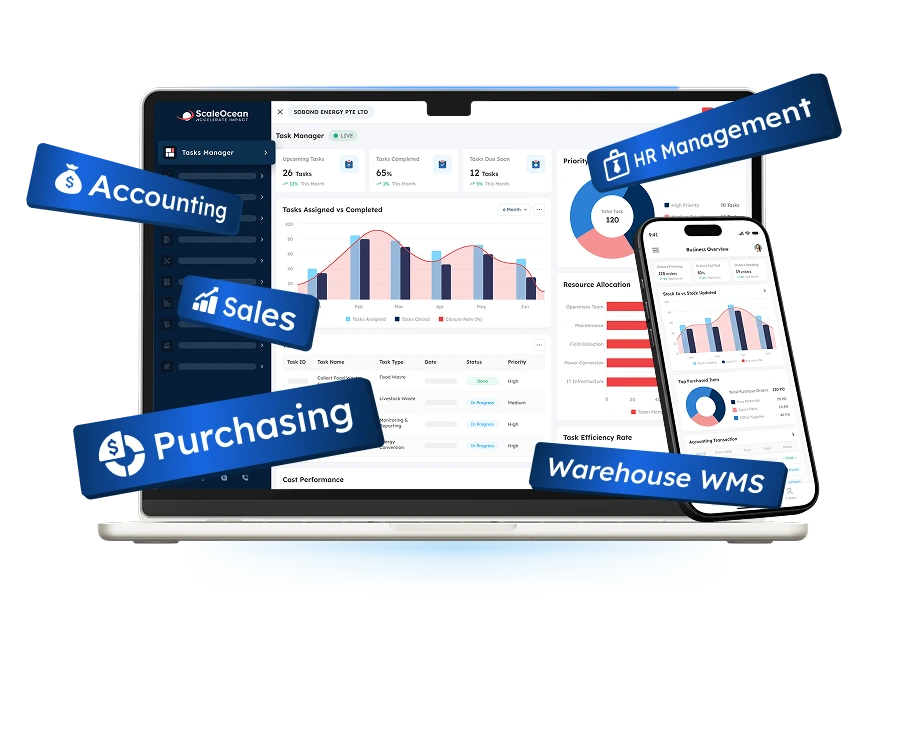
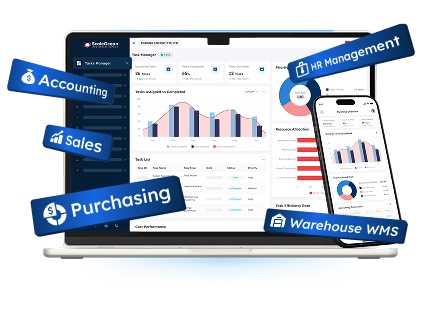
ScaleOcean’s construction software offers fantastic integration across financing, e-procurement, warehouse management, and compliance. With real-time data on all devices (even mobile for site teams) and unlimited users at no extra cost, it guarantees smooth, efficient team coordination.
ScaleOcean aligns perfectly with CTC grant requirements, offering powerful tools to streamline your entire project management process. Its advanced features help construction firms efficiently manage budgets, timelines, and compliance.
Here are the key features for ScaleOcean’s software:
- Real-Time Data Access: Ensures real-time updates across all devices, including mobile, enabling teams to coordinate seamlessly from site to office.
- Comprehensive Project Management: Offers powerful tools to manage every aspect of construction projects, from budgeting and scheduling to task allocation, all in one platform.
- Seamless Integration: Integrates various aspects of construction management, such as procurement, warehouse management, and compliance, into a unified workflow for maximum efficiency.
- Advanced Budgeting Tools: Helps construction firms efficiently track and control project budgets, ensuring costs stay on track and reducing the risk of overrun.
- Enhanced Team Collaboration: Facilitates smooth collaboration between team members with real-time updates, ensuring everyone stays aligned and informed throughout the project.
Conclusion
Construction project management deals with various challenges, from budget overruns to delays, demanding super-efficient planning and coordination. The key to overcoming these obstacles is using technology and fostering strong, open communication among all stakeholders for smooth execution.
For those seeking a truly comprehensive solution, ScaleOcean offers robust construction software that streamlines project management. It integrates key functions like procurement, budgeting, and compliance tracking. Plus, they offer a free demo to experience its benefits firsthand.
FAQ:
1. What is meant by project in construction?
A construction project involves the entire process of planning, designing, and building structures or infrastructure. It requires organizing resources, managing budgets, creating schedules, and adhering to legal and safety regulations to ensure the project’s successful completion.
2. What is an example of a construction project?
A typical construction project could be the building of a new office complex. This includes all phases, from planning and design to construction and finishing, ensuring that safety, environmental, and regulatory standards are fully met throughout.
3. What do engineers do on a construction project?
Engineers play a key role in designing, planning, and overseeing the construction of buildings and infrastructure. They ensure the safety and stability of designs, supervise construction processes, and ensure that the project stays within budget, meets deadlines, and follows safety guidelines.
4. What are the 5 C’s of project management?
1. Communication
2. Coordination
3. Collaboration
4. Control
5. Commitment





















.png)