The food industry, which requires handling of process-sensitive products that need to be kept under specific temperature conditions throughout the production and delivery processes, is one field in which cold chain logistics is particularly significant.
Products like foods, pharmaceuticals, chemicals, and vaccines may rapidly deteriorate in quality, become unsafe, or no longer meet regulatory criteria without adequate temperature control.
Where the product is regulated and/or competitive, the slightest temperature change can result in substantial losses and tarnish reputations. Complete control is necessary to comply with regulations, prevent spoilageand, retain customer confidence. A robust cold chain management system assists in preventing costly disruptions and aids business accomplishment.
The necessary cold chain safety requirements for consistency with the temperature monitoring, visibility, and compliance are no longer negotiable as it’s getting more complex in today’s world. Small companies require planned cold chain operations to preserve the quality and safety of the product and guarantee effectiveness and traceability during transport and storage.
We will discuss the meaning of the term, the working of cold chain logistics, its importance among various industries, and the future (technologies) of cold chain logistics. We will also discuss how the integrated systems will support businesses in more effectively managing cold chains in real time.
Key Takeaways
Cold Chain Logistics is a temperature-controlled supply chain system designed to preserve the quality, safety, and integrity of sensitive products during storage and transportation.
Cold Chain Logistics Industries, such as food, pharmaceuticals, chemicals, and healthcare, rely on validated temperature ranges to maintain product stability and extend shelf life.
Cold Chain Logistics trends like micro-fulfillment centers, pharmaceutical precision, sustainable packaging, and Cold Chain as a Service are reshaping industry competitiveness.
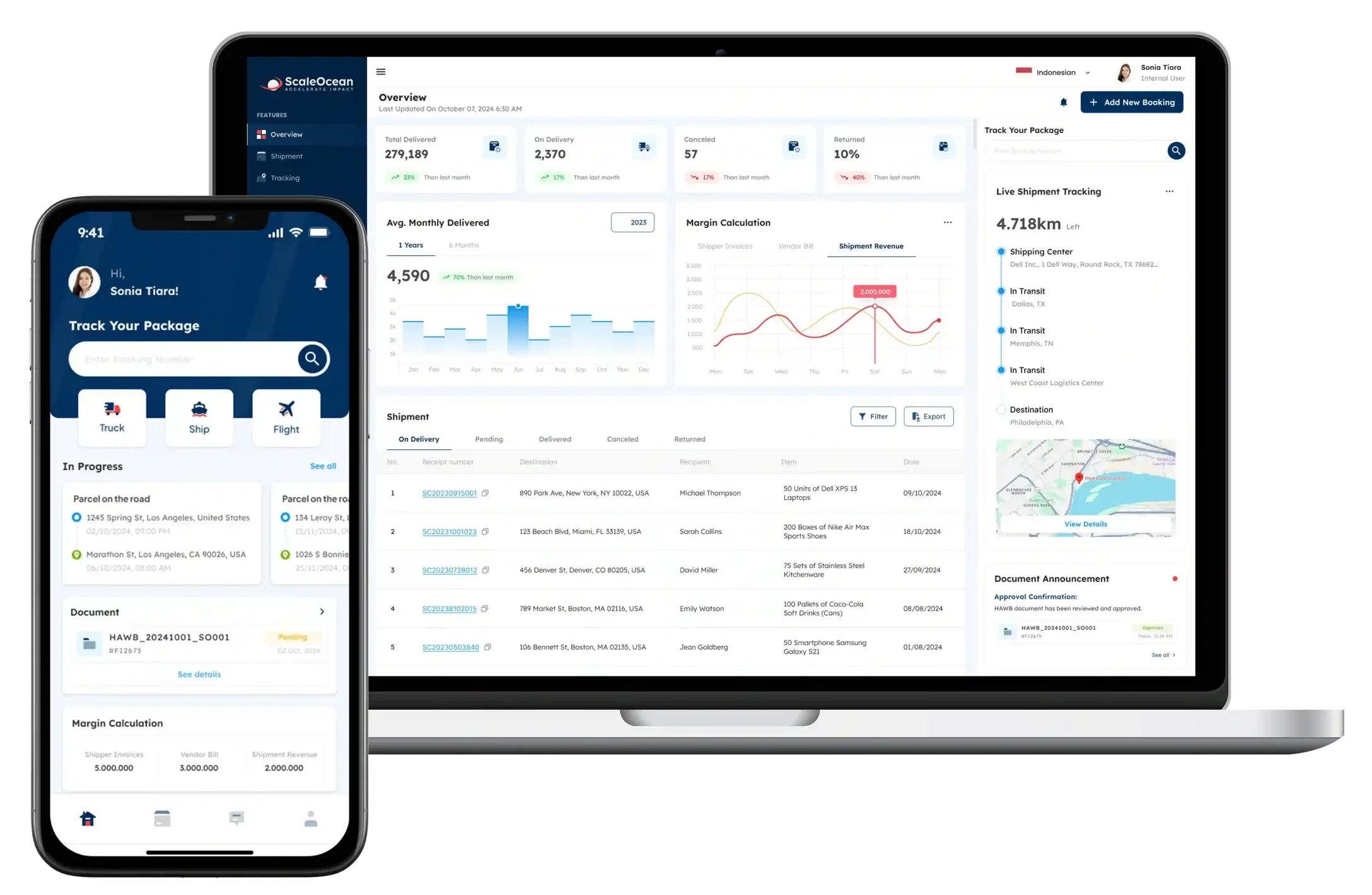
ScaleOcean logistics ERP software helps businesses manage cold chain logistics in real time through integrated modules, automated monitoring, and centralized visibility across the entire supply chain.
The end-to-end process of keeping, moving, and handling temperature-sensitive products in a controlled environment is known as cold chain logistics. In simple terms, the cold chain logistics meaning encompasses the control of temperature ranges, starting from the beginning to the final destination, where it is maintained or preserved to ensure the goodness or safety of the product.
It generally emphasizes refrigerated storage, temperature-controlled transportation, real-time tracking, and handling practices. Cold chain logistics service is offered to companies that utilize the service to eliminate spoilage, contamination, or product degradation throughout the transport procedure, such as pharmaceuticals, food and beverage, and chemical products.
How Does Cold Chain Logistics Work?
The supply chain cold chain logistics is implemented through the whole logistics processof keeping a continuous and unbroken cold chain environment. There’s also a simple chain of logistics for cold chain logistics.
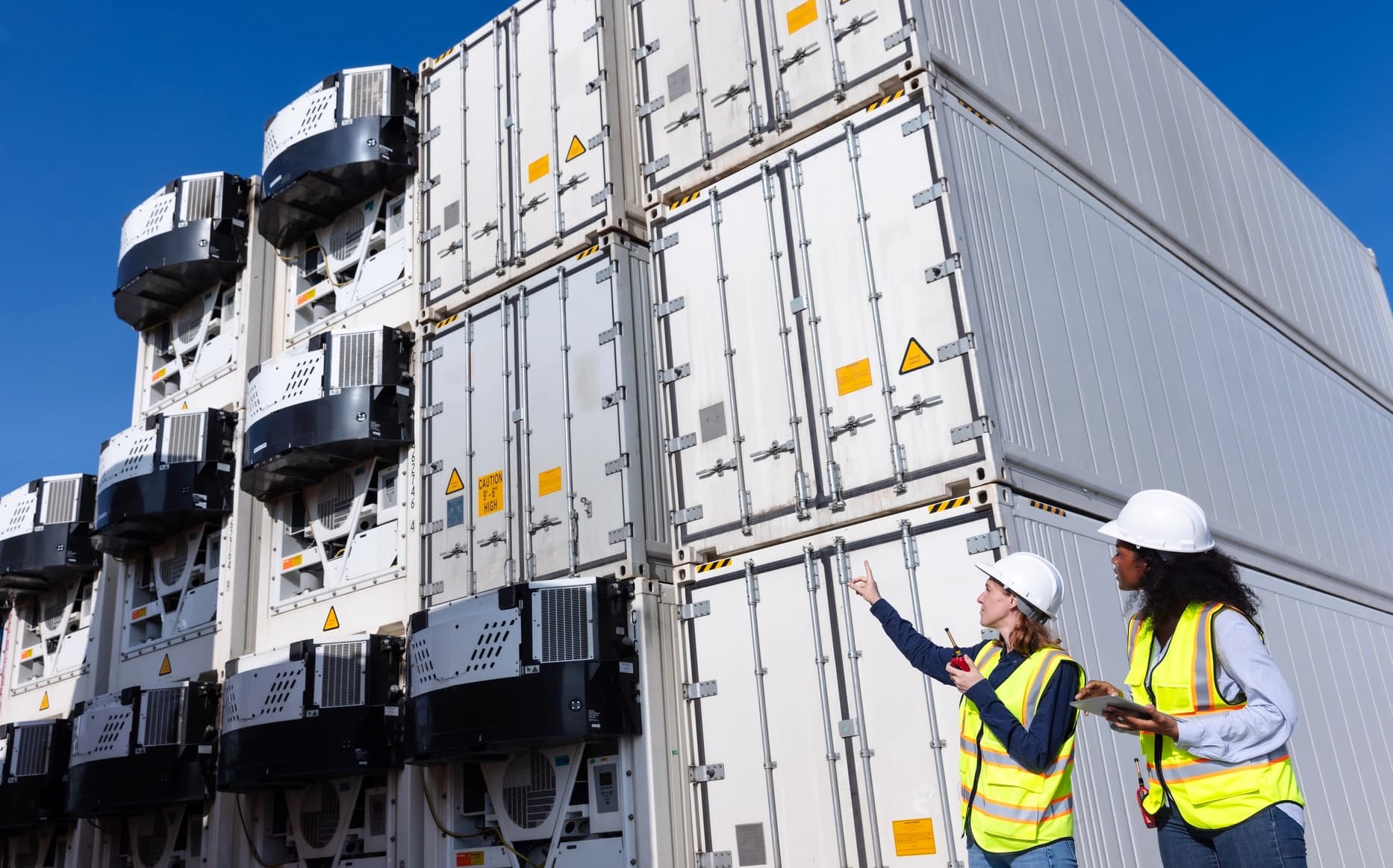
It starts at production, where the goods are kept in cooled production warehouses and then loaded and transported in refrigerated trucks, containers, refrigerated aircraft, etc., equipped to keep the conditions under strict control.
In very high-tech cold chain logistics solutions, IoT sensors coupled with GPS tracking and automatic alerts can monitor temperature changes as they happen. Should there be deviations, operators can take action in real-time to avoid damage to the product.
Furthermore, businesses need to be mindful of compliance with local safety and quality standards in areas that have strict laws and regulations, like cold chain logistics in Singapore.
How Important Is Cold Chain Logistics for the Industry?
Cold chain logistics is crucial for many industries like food, pharmaceutical, and healthcare, as the quality of its product is directly related to the safety and compliance requirements and profits.
An effective cold chain keeps the cold chain moving above and beyond. It not only protects the brand’s reputation but also contributes to regulatory compliance and product quality and safety for consumers.
Maintaining the Quality Control
Thermosensitive products require a controlled environment to maintain their chemical structure, nutritional content, and/or medicinal properties. The keeping quality of the product is kept within the specified temperature zones in the proper cold chain to guarantee the quality level and keep the product constant.
Optimizing Operational Efficiency
Structured cold chain systems can offer several advantages, such as improved coordination between the storage and transport teams, ensuring handling safety and minimizing handling errors and delays. Having automated real-time monitoring and centralized visibility provides businesses with the tools to maximize operations and minimize disruption caused by temperature-related incidents.
Compliance with Regulations
Throughout different sectors such as the pharmaceuticals industry and food distribution, specific regulations exist that must be adhered to in terms of storage and transport of goods for regulatory purposes. A cold chain system can give businesses a way to boost the safety of their food, prevent penalties and food recalls, as well as meet document and inspection requirements.
Improving Safety
For foods, faulty temperature control can lead to contamination, or for medicines and chemical products, it can lead to failure. One of the ways to minimise this risk is through a well-managed cold chain, by which the conditions throughout the chain can be well controlled, and there is traceability of the chain.
Reducing Waste
Spoilage and disposal of products are often caused by temperature. Without stable conditions and continuous monitoring of the shipments, a good amount of product waste and loss of funds can be experienced.
Increasing Customer Satisfaction
The customers must have safe and suitable quality products with promised cold chain delivery. A successful cold chain allows the timely delivery of the products, along with ensuring product integrity, and consequently builds the confidence of customers and favorable prospects of good relationships.
Reduced Product Loss
When temperature control is inadequate, there is the potential to incur substantial loss of product across a huge surface area, especially with high-dollar pharmaceutical or biotech products. Efficient risk monitoring and risk management procedures in the cold chain can manage this risk.
Extended Shelf Life
Consistent temperature management slows down product degradation and extends usable shelf life. This allows businesses to manage inventory more effectively and reduce urgency-driven losses in distribution networks.
Components of Cold Chain Logistics
To ensure temperature-sensitive goods remain stable throughout the supply chain, cold chain logistics relies on several interconnected components. Each element plays a specific role in maintaining consistent environmental conditions, preventing disruptions, and ensuring compliance.
When these components work together seamlessly, businessescan minimize risk while maintaining product integrity from origin to destination.
Cold Storage Rooms and Warehouses
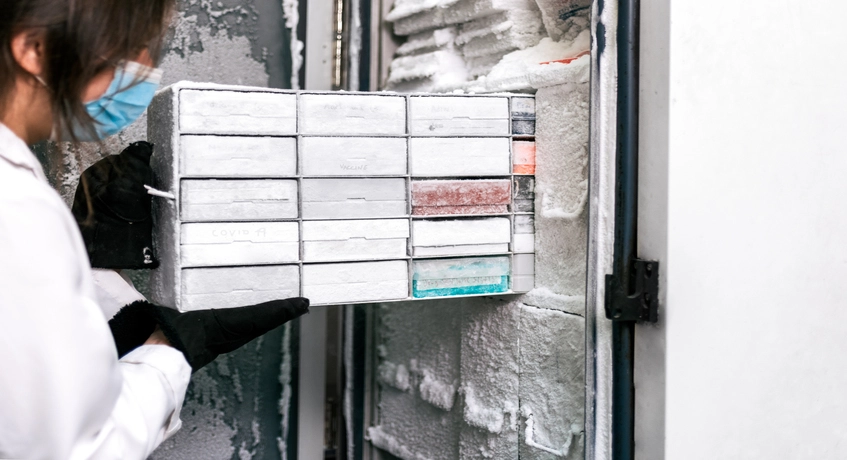
Cold storage facilities form the foundation of any cold chain system. These temperature-controlled warehouses are designed to maintain specific climate ranges depending on the product requirements, whether chilled, frozen, or ultra-low temperature.
In cross-border operations, temperature-controlled facilities may also operate as a Bonded warehouse, allowing goods to be stored under customs control while maintaining strict environmental standards.
Moreover, modern cold storage rooms are often equipped with backup power systems, humidity control, and automated monitoring tools. This ensures product safety even during unexpected disruptions, such as power outages or equipment failures.
Temperature-Controlled Packaging
Beyond storage facilities, packaging plays a critical role in preserving temperature stability during transit. Insulated containers, gel packs, dry ice, and phase-change materials are commonly used to maintain internal temperatures for extended periods.
Moreover, advanced packaging solutions now include embedded temperature indicators or smart labels. These allow handlers to verify whether products have remained within the required temperature range throughout transportation.
Transportation Modes with Cooling Units
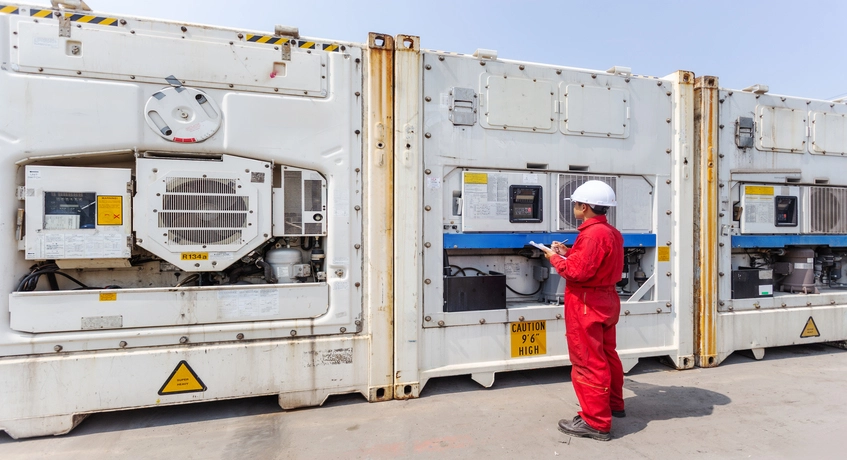
Equally important is the transportation stage. Refrigerated trucks, temperature-controlled shipping containers, and air freight units with cooling systems ensure products remain stable while moving between locations.
Furthermore, specialized vehicles are often equipped with real-time tracking systems that monitor temperature and location simultaneously. This added visibility allows operators to intervene quickly if any deviations occur.
Regulations
Compliance is another critical component of cold chain logistics. Industries such as pharmaceuticals and food distribution must follow strict guidelines governing storage temperatures, handling procedures, and documentation standards.
In highly regulated markets like cold chain logistics in Singapore, companies must adhere to national safety and quality standards to avoid penalties or operational suspensions. Effective cross-docking processes can help maintain product handling efficiency by reducing storage time and ensuring temperature-sensitive goods move quickly through the supply chain.
Quality Assurance
To maintain reliability, quality assurance processes are implemented at every stage of the cold chain. This includes routine equipment inspections, calibration of temperature sensors, and verification of storage conditions.
Additionally, documented procedures and standardized operating protocols help ensure consistency, reduce human error, and maintain accountability throughout the supply chain.
Monitoring
Finally, continuous monitoring ties the entire system together. IoT sensors, GPS tracking devices, and cloud-based dashboards provide real-time visibility into temperature fluctuations and shipment status.
As a result, businesses can identify potential risks early, respond proactively, and prevent product spoilage. Without proper monitoring, even well-designed cold chain systems, including processes involving transshipment, remain vulnerable to unnoticed failures that can impact product quality.
Industries and Products That Need Cold Chain Logistics
Not all industries require temperature control. However, for certain sectors, it is essential. Cold chain logistics supports industries where product stability directly impacts safety, compliance, and financial performance.
Food and Beverage
The food and beverage industry heavily depends on cold chain logistics because many products are highly perishable and sensitive to bacterial growth. Consistent temperature control helps preserve freshness, nutritional value, and overall product safety during storage and distribution.
Below are cold chain logistics examples of temperature-sensitive products:
Fresh fruits and vegetables (0°C to 5°C)
Milk, cheese, yogurt, and other dairy products (1°C to 4°C)
Fresh meat and poultry (0°C to 2°C)
Fresh seafood and shellfish (0°C to 2°C)
Frozen meat, seafood, and ready-to-eat meals (below -18°C)
Ice cream and frozen desserts (-18°C to -25°C)
Without reliable cold chain logistics services, businesses risk foodborne illnesses, regulatory penalties, and product recalls. Even minor temperature deviations can accelerate microbial growth and shorten shelf life. Therefore, temperature control is both a safety requirement and a competitive necessity.
Pharmaceutical
The pharmaceutical industry requires strict temperature management because product stability directly affects patient safety and treatment effectiveness. Many medicines contain sensitive biological components that degrade when exposed to improper storage conditions.
Below are examples of temperature-sensitive products:
Vaccines and insulin (2°C to 8°C)
Biologics and monoclonal antibodies (2°C to 8°C)
Certain specialty drugs (-20°C)
mRNA vaccines and advanced biologics (-70°C ultra-low storage)
Blood plasma and certain injectable therapies (-18°C or colder)
According to Polaris Market Research, the demand in this industry is particularly strong in the Asia Pacific, where the pharmaceutical sector is expanding rapidly and driving significant growth in cold chain infrastructure.
Any deviation outside validated ranges can permanently damage potency, often without visible signs. Consequently, pharmaceutical cold chain systems require continuous monitoring, validated packaging, and strict regulatory compliance.
Chemical or Industrial High-Tech Goods
Certain chemicals and high-tech industrial materials require stable environmental conditions to maintain performance and safety. Even minor temperature fluctuations can alter composition or reduce effectiveness.
Below are examples of temperature-sensitive products:
Laboratory reagents and enzymes (2°C to 8°C)
Diagnostic chemicals (2°C to 8°C)
Specialty adhesives and coatings (15°C to 25°C)
Semiconductor materials and precision compounds (controlled room temperature 15°C to 25°C)
Temperature excursions may trigger reactions, reduce effectiveness, or create safety hazards. For high-value materials, even minor instability can result in financial losses, making temperature-controlled logistics critical.
Oil and Gas
The oil and gas sector also relies on temperature control for specific materials and chemical compounds. Stability is important to prevent degradation, viscosity changes, or separation during storage and transport.
Below are examples of temperature-sensitive products:
Core Samples (Geological): (2°C to 8°C).
Organic Peroxide Catalysts: (Below 10°C).
Drilling Fluid Polymers: (15°C to 25°C).
Laboratory Fluid Samples: (4°C).
Specialized Lubricants & Greases: (-10°C to 20°C).
Proper temperature management is essential to maintain the quality and reliability of sensitive materials in the oil and gas industry. It ensures smooth operations throughout storage, transport, and use. This careful control supports efficiency and consistency across complex supply chains, protecting both products and processes.
Military
Military logistics involves transporting sensitive supplies across demanding environments. Temperature control is necessary to maintain readiness and ensure critical materials remain usable when needed.
Below are examples of temperature-sensitive products:
Field vaccines and medical supplies (2°C to 8°C)
Blood plasma and emergency transfusion units (-18°C or colder)
Specialized rations and frozen meal packs (below -18°C)
Temperature-sensitive diagnostic kits (2°C to 8°C)
Maintaining proper temperature control is essential in military logistics to preserve the quality and effectiveness of sensitive supplies. This ensures that vital medical materials and rations are ready for use, supporting operational readiness in demanding environments.
Cosmetics and Healthcare
Cosmetics and certain healthcare products depend on stable storage conditions to maintain chemical integrity and product quality. Heat exposure can accelerate oxidation and reduce the effectiveness of the products.
Below are examples of temperature-sensitive products:
Retinol-based skincare products (2°C to 8°C)
Vitamin C serums and antioxidant formulations (2°C to 8°C)
Dermatological treatments and specialty creams (15°C to 25°C)
Probiotic supplements and certain healthcare formulations (2°C to 8°C)
Exposure to heat can cause separation or ingredient breakdown. So, having the proper cold chain logistics preserves product stability, reduces returns, and protects brand reputation.
Cold chain logistics is crucial across industriesto ensure safety, compliance, and product quality. Maintaining controlled temperatures for perishables, medicines, chemicals, and sensitive goods prevents losses and protects users. Nowadays, investing in reliable cold chain systems is key to consistency, risk reduction, and operational excellence.
Cold Chain Temperature Regulation and Standard
Strict adherence to international standards and agency guidelines, such as those set by the FDA and WHO, is essential to ensure compliance and safety. These frameworks define requirements for storage validation, transport procedures, monitoring, and documentation.
Temperature regulation is the foundation of cold chain logistics. Without following clear standards, businesses cannot protect product quality, safety, or even customers’ trust. Even small temperature fluctuations can cause spoilage, reduce effectiveness, or lead to product rejection.
By aligning with these standards, businesses not only reduce regulatory risks but also enhance their reputation for reliability and quality assurance. Compliance helps avoid costly penalties, product recalls, and shipment rejections that can damage brand trust.
Moreover, adhering to recognized guidelines facilitates smoother inspections and audits, streamlining operations across the supply chain. This commitment to rigorous standards ultimately supports customer confidence and strengthens long-term partnerships in temperature-sensitive industries.
What Businesses Need to Compete in Cold Chain Logistics?
Businesses need to compete in cold chain logistics and have the proper strategies for efficiency, transparency, compliance, and sustainability, which are essential market differentiators. Success requires going beyond basic refrigeration and investing in strategic improvements to enhance operations and adapt to future industry changes.
To stay ahead, companies should focus on strengthening operational capabilities like the ones below:
Enhance End-to-End Visibility with Technology
First, end-to-end visibility is essential. Businesses must implement digital monitoring systems that provide real-time tracking of temperature, shipment location, and handling conditions.
With IoT sensors, GPS tracking, and cloud-based dashboards, companies can detect deviations early, prevent theft of cargo, and respond proactively. This not only reduces product loss but also builds trust with partners and customers who demand transparency throughout the supply chain.
Utilize Shared Cold Chain Resources
Again, the share of cold chain between different lots can significantly reduce expenses. The business can have lower costs and save by using shared facilities such as shared warehouses, distribution centres, and transport.
This practice helps the SMEs, particularly those new businesses or new corridors, such as a cold chain logistics services company in Singapore, where the infrastructure is often very costly. Cooperative business activities can guarantee the quality of the product and services, and can optimize the cost of business.
Comply with Regulations and Stay Informed
Regulatory compliance continues to be a very important competitive edge. Firms should stay abreast of continually evolving regulations and practices related to food, drugs, and shipping.
By staying on top of these changes, businesses can quickly adjust, ensure compliance with regulations and standards, and maintain their certifications for regulated industries. Besides, proactive compliance earns understanding and will be good for long-term relationships.
Make plans to ensure long-term and sustainable growth.
Strategize for Long-Term and Sustainable Growth
Incorporating sustainability into cold chain logistics business strategy can reduce operational costs, comply with regulations, and align with worldwide environmental standards. This targeted approach helps safeguard margins and boosts brand reputation over the years in a competitive environment.
By integrating sustainability into cold chain logistics strategy, businesses can lower operational costs, meet regulatory expectations, and align with global environmental standards. Over time, this strategic focus not only protects margins but also strengthens brand reputation in a competitive marketplace.
Technologies for Cold Chain Logistics
As cold chain logistics become more complex, technology plays a central role in maintaining temperature stability, visibility, and compliance. Modern systems reduce human error, improve traceability, and strengthen operational resilience.
Furthermore, the implementation of digital innovation provides companies with the opportunity to conquer the current paradigm of problem-solving and adopt the strategy of proactive risk prevention. Advanced technologies are influencing the growth of reliable and scalable cold chain logistics services in the coming years.
Software Logistics
Logistics software serves as the operational backbone of cold chain management. It integrates inventory tracking, route planning, warehouse coordination, and compliance documentation into a single system.
More importantly, real-time dashboards enable managers to track shipments, temperature logs, and delivery performance in real-time. This will enhance traceability in all parts of the chain and allow businesses to quickly respond to temperature deviations, achieve minimal disruption, and keep compliance.
IoT Sensors
IoT sensors continuously monitor temperature, humidity, and environmental conditions throughout transportation and storage. These devices transmit real-time data to centralized platforms for immediate analysis.
Automated alerts warn operators if temperature changes so that product quality is not affected. This early intervention can help to drastically decrease the chance of spoilage. Therefore, IoT technology enhances accountability and also validates that sensitive goods are within acceptable ranges.
Blockchain for Traceability
Blockchain technology enhances transparency by creating tamper-proof digital records of every transaction and temperature reading. Each data entry is securely stored and cannot be altered retroactively.
For example, in the food and pharmaceuticals industries, traceability is a crucial element in safety audits and recall actions. With blockchain, trust is increased among suppliers, regulators, consumers, and, more importantly, all three parties, as it offers a verifiable proof of product integrity.
AI for Predictive Analytics
Artificial intelligence enables predictive analytics by analyzing historical shipment data, weather patterns, and operational performance. Instead of reacting to failures, businesses can anticipate potential risks in advance.
For example, AI can identify routes prone to delays or predict equipment failure before it occurs. This reduces unexpected breakdowns and temperature excursions. Over time, predictive systems help optimize planning, lower operational costs, and enhance cold chain reliability.
Multi-Sensor Trackers
Multi-sensor trackers combine temperature, humidity, light exposure, shock, and location tracking into a single device. This provides a comprehensive view of shipment conditions. For high-value or fragile goods, monitoring more than just temperature is essential. Physical impact or unauthorized access can also compromise product safety.
By collecting multiple data points simultaneously, businesses gain deeper insights and stronger quality assurance. This detailed monitoring enables proactive responses to potential issues, helping maintain product integrity and meet regulatory requirements throughout transit.
Advanced Packaging & Cooling
Innovative packaging solutions, such as phase change materials (PCM), vacuum-insulated panels (VIP), and active cooling containers, extend temperature control during transit. These systems are particularly useful for long-haul shipments or cross-border transport where environmental conditions vary significantly.
In addition, advanced packaging reduces reliance on constant external refrigeration, improving efficiency and lowering energy consumption. These technologies help maintain stable temperatures despite external fluctuations, safeguarding sensitive products and reducing overall logistics costs.
Automated Storage and Retrieval Systems (AS/RS)
Automated Storage and Retrieval Systems improve warehouse efficiency by using robotics and controlled environments to manage inventory movement. These systems reduce human exposure to extreme cold conditions while maintaining precise temperature zoning within facilities.
Ultimately, AS/RS enhances speed, accuracy, and consistency in cold storage operations, supporting scalable and compliant cold chain logistics management. Automation minimizes errors and labor costs while preserving product quality and extending shelf life for temperature-sensitive goods.
Moreover, to leverage IoT, AI, and blockchain effectively, businesses need a centralized system like ScaleOcean logistics ERP software that integrates sensors, analytics, inventory, and compliance data for seamless cold chain coordination.
ScaleOcean delivers real-time visibility, automated reporting, and full operational control, helping businesses reduce risk, improve responsiveness, and ensure consistent performance in temperature-sensitive supply chains.
Cold Chain Logistics Trends to Watch for 2026
As global demand for temperature-sensitive products continues to grow, cold chain logistics is evolving rapidly. Rising consumer expectations, stricter regulations, and technological advancements are reshaping how businesses manage storage and distribution.
Mordor Intelligence estimates the market is currently valued at USD 383.46 billion and is expected to reach USD 515.79 billion by 2031, growing at 6.12% CAGR. This growth is driven by increasing pharmaceutical demand, e-commerce expansion, and stricter food safety regulations.
Looking ahead, companies must prepare for operational shifts that prioritize speed, precision, sustainability, and service flexibility. The following trends are expected to define the next phase of cold chain development.
Urban Micro-Fulfillment Centers for Quick
One major shift is the rise of urban micro-fulfillment centers located closer to end consumers. These smaller, strategically placed cold storage facilities reduce delivery distance and improve response times.
As e-commerce grocery and pharmaceutical delivery expand, businesses are investing in decentralized storage models. This approach shortens delivery windows while maintaining required temperature ranges.
Last-Mile Delivery of Fresh/Frozen Products
Last-mile delivery remains one of the most vulnerable stages in cold chain logistics. Temperature deviations are more likely to happen during final delivery due to traffic delays, handling transitions, and environmental exposure.
To address this, companies are adopting insulated delivery containers, electric refrigerated vehicles, and real-time tracking solutions. These improvements help ensure fresh and frozen products maintain stable conditions until they reach the customer.
Modernizing Aging Facilities
Many cold storage facilities were built decades ago and are no longer optimized for today’s demand levels. Outdated refrigeration systems consume more energy and increase operational risks.
As a result, businesses are investing in energy-efficient cooling systems, automated storage solutions, and digital monitoring upgrades. Modernization improves reliability while reducing long-term operational costs.
Cold Chain as a Service (CaaS)
Cold Chain as a Service (CaaS) is emerging as a flexible model for companies that prefer outsourcing infrastructure. Instead of investing heavily in warehouses and fleet systems, businesses can leverage third-party cold chain providers.
This model allows organizations to scale quickly, reduce capital expenditure, and access specialized expertise. For growing companies entering markets like cold chain logistics in Singapore, CaaS offers operational agility without major upfront investment.
Pharmaceutical Precision
Pharmaceutical logistics is becoming increasingly specialized. With the rise of biologics, personalized medicine, and advanced vaccines, temperature tolerances are becoming narrower and more strictly monitored.
Consequently, precision monitoring, validated packaging, and detailed compliance documentation are now mandatory. Businesses operating in healthcare supply chains must prioritize accuracy and audit readiness at every stage.
Sustainable Packaging
Sustainability is also becoming a central focus in cold chain logistics. Traditional packaging materials, including excessive foam and dry ice, contribute to environmental concerns.
In response, companies are adopting recyclable insulation, reusable containers, and phase-change materials that reduce waste. Sustainable packaging not only lowers environmental impact but also aligns with regulatory and consumer expectations for responsible operations.
Manage Cold Chain Logistics Integrately and In Real-Time with ScaleOcean
ScaleOcean’s logistics ERP softwareallows for unified and comprehensive management of cold chain logistics. It brings all Inventory, Warehouse, Fleet Management, and Supply Chain modules into one system, integrates isolated data, and streamlines the coordination between departments.
Multi-Warehouse Management combines all the management needs of a company at a single point to keep the company updated with real-time information on its stock, distribution routes, and storage facilities. The clear visibility enables operations teams to track movements and detect risks in advance and have better control over temperature-sensitive goods.
The system is also extremely modular and can be adapted to various industries (food & beverages, pharmaceuticals, cosmetics), structures, and business processes. The user-friendly interface makes it easy for it to be used across teams with unlimited user access.
Implementation was ensured with ScaleOcean’s TÜV SÜD Certified Consultant certification, which meets the requirements of the CTCs (grant). Efficiently navigating the complexities of the cold chain, its logistics ERP enables businesses to enhance control, mitigate risk, and optimize efficiency, all while linking the entire growth chain.
It helps businesses bridge the gaps and improve efficiency with its support in operational integration, real-time monitoring, and compliance-ready infrastructure across the cold chain.
Key Features:
Real-Time Temperature Monitoring: Integrated with IoT sensors that transmit temperature data directly into the system, allowing businesses to monitor cold goods at every supply chain point and receive instant alerts if deviations occur.
First-Expiry-First-Out (FEFO) with Batch Tracking: The system automatically prioritizes items nearing expiration rather than simply following FIFO logic. Batch tracking also simplifies product recalls in case of contamination.
Regulatory Compliance & Digital Logs: Automated, tamper-proof digital temperature logs support audit requirements for SFA and HSA, while compliance reports are generated automatically for regulatory submission.
Last-Mile Delivery Management: Includes route optimization and electronic Proof of Delivery (e-POD) with temperature records. Drivers can capture product condition photos, and the system automatically logs temperature data at handover.
Real-Time Visibility & Tracking: Track each product unit from warehouse to end customer with live monitoring, enabling operations teams to act immediately if delays or temperature risks arise.
With its ability to provide real-time monitoring, compliance automation, and end-to-end operational visibility, ScaleOcean logistics ERP solutions empower enterprises to oversee cold chain logistics with confidence and control. Request a free demo today and find out how ScaleOcean can revolutionize your cold chain processes.
Conclusion
The application of cold chain logistics is of great significance to industries that need strict temperature control to ensure the quality and safety of their products. Through stable conditions, less waste is generated, thus fostering customer confidence among sectors. These days, it is imperative to be regulated, technologically sound, and highly visible to be competitive.
To conquer these challenges, enterprises need a unified system that provides real-time monitoring, multi-warehouse coordination, and complete supply chain control. Provide one platform to manage inventory, fleet, warehouse, and compliance to maximize visibility and quickly respond to temperature issues with ScaleOcean logistics ERP.
Consider a real-time integrated system for better control and efficiency of cold chain logistics. Learn how ScaleOcean can lead your cold chain strategy and continue your growth. Request a free demo of ScaleOcean today and discover how it can enhance your cold chain strategy and support long-term growth.
FAQ:
1. What should businesses prepare before shipping goods from Singapore?
Businesses should prepare product details, destination information, required temperature range, packaging requirements, and shipping documents to ensure smoother delivery and regulatory compliance.
2. What types of products can be shipped in Singapore?
Businesses in Singapore can ship various products, including retail goods, food items, pharmaceuticals, electronics, industrial supplies, and temperature-sensitive products, depending on handling and compliance requirements.
3. What temperature ranges are needed for cold chain shipping?
Temperature requirements depend on the goods being shipped. Chilled items usually need 2°C to 8°C, frozen products may require -18°C or below, while some pharmaceuticals need controlled room temperature.
4. How do I choose the right shipping method for my goods?
Start by identifying the product type, destination, delivery timeline, and storage conditions. This helps determine whether standard, express, cold chain, or specialised logistics is the best fit.












 Key Takeaways