


A payroll cycle is just a timetable that companies have, which assists them in ensuring that their workers receive their paychecks promptly. It is important to establish a routine to maintain your finances and make sure that all of the team is getting their proper payments.
This can be very risky, resulting in a reduction in morale or legal problems. According to the data we have gathered from the Ministry of Manpower, employers are obliged to pay wages at least monthly on a monthly basis within 7 days after the end of the wage period, according to the Employment Act.
That’s why it’s crucial to follow a structured payroll cycle and avoid costly payroll mistakes. It ensures smooth and clear business operations, maintains employee motivation, and safeguards your brand reputation.
So, because of that, this article delves into important areas of payroll cycle management in Singapore, such as compliance requirements and best practices. It talks about payroll contribution, Skills Development Levy, taxes, types of payroll cycles, and HR’s responsibility in handling payroll.
 Key Takeaways
- A payroll cycle is the fixed, recurring schedule that a company follows to calculate and distribute wages to its team. Whether it runs weekly or monthly, this cycle ensures every employee receives their pay on a predictable date.
- Payroll cycle types, including bi-weekly, weekly, semi-monthly, and monthly, should be chosen based on business needs and employee preferences to optimize efficiency and satisfaction.
- Key payroll components, such as employee salaries, deductions, employer contributions, and taxes, are essential for accurate payroll management and compliance with legal standards.
- ScaleOcean HRIS software automates payroll cycle management, reducing administrative errors, ensuring timely and compliant payroll processing, and improving data security.

What is a Payroll Cycle?
A payroll cycle can also be referred to as a pay cycle, which is really just a recurrence of an exact period in time that companies use for their wage and salary calculations and distribution to employees. This may be done weekly or at a monthly time frame, but it helps them know when to expect their pay.
This is essential for ensuring that an individual’s financial situation is maintained correctly and that the tax authorities are adhered to. It identifies a particular timeframe for measuring/tracking work, enabling the finance team to process deductions and benefits accurately.
Having a regular payroll cycle besides administrative work establishes invaluable trust in the working environment. It offers your workers financial stability to help them in their personal lives and, in the long run, aids retention.
Common Types of Payroll Cycle Frequencies
One of the important choices that can influence the company’s cash flow as well as employee satisfaction is the frequency of payments. It is important to find the right balance for the administration so that it is not overwhelming and provides for your staff’s needs. Companies usually opt for one of the following basic payment schedules:
- Biweekly Payroll (26 times/year): These payments occur every two weeks, forming a regular payment schedule that is great for numerous monthly budgets.
- Weekly Payroll (52 times/year): This is the most common payroll schedule, which helps hourly employees to get paid on a weekly basis.
- Semi-Monthly Payroll (24 times/year): This is the most common payroll schedule, which helps hourly employees to get paid on a weekly basis.
- Monthly Payroll (12 times/year): The monthly payment system cuts down on the administrative workload of the payroll team and ensures that dealing with payroll costs are kept low.
Main Components of a Payroll Cycle

Various essential elements come into play for Payroll Management, and they are the factors that make it fair. There are some important elements that play a key role in Payroll Management that ensure the employees are well paid, within the legal framework.
Knowing these components is essential for companies to make sure that payroll goes smoothly and they achieve accurate results. A few factors that every company would need to bear in mind when dealing with payroll:
1. Salary Elements
All the parts that add up to an employee’s compensation, including overtime, bonuses, commission, and base pay, are salary elements. Correctly categorizing and calculating these components is important to arrive at a pay for the part periods, as well as the prorated salary for the whole period.
Other factors, like local union laws and job agreements, may affect these salary aspects. Adequately reflecting these factors will help keep payroll consistent and fair and will ensure that employees are receiving their pay in accordance with what has been agreed.
2. Payroll Management
Payroll management refers to the management of every aspect of the payroll process, starting from data collection to paying out. Multi-country payroll software is used by global companies that need it. This makes sure that employees receive their pay in the proper time frame and that any necessary deductions or adjustments are made.
Managing payroll involves being vigilant about detail minutiae as well as complying with legal obligations. Payroll software can simplify and streamline this process, minimising the risk of errors and making payroll management more effective.
3. Payment Frequency
Another term for payment frequency is the number of times employees get paid. Commonly used times are every week, bi-weekly, and semi-monthly, as well as monthly. The optimal payment schedule will help assure employee non-resistance and will comply with local labor law.
The payment frequency also impacts cash flow management within the company. Whether paying weekly or monthly, companies need to plan to ensure sufficient funds are available to meet payroll requirements on time.
4. Tax Obligations
Payroll relates to collecting and remitting federal, state, and local income taxes, social security tax, and Medicare. From the data we have gathered from IRAS, all AIS employees should submit data electronically for employment income by 1st March of every year, or else they will face breaches.
Complying with tax obligations requires accurate withholding and timely payment. Payroll systems help manage these taxes by calculating deductions and ensuring that all required tax filings are submitted to the appropriate authorities.
Singapore Payroll Compliance and Legal Requirements in 2026
To ensure a compliant and reputable business, it is vital for all involved to better understand Singapore’s changing work laws. Keeping abreast of these statutory requirements can help to prevent your company from potential legal liabilities and ensure equitable treatment of everyone.
Employers will have to take a very keen approach to these operational pillars to ensure full adherence to the latest 2026 regulations:
CPF Contribution Requirements
All local employees who are eligible for CPF contribution should be contributing to CPF by the 14th of every month, paid by the employer. There is a wage ceiling of $7,400, and different contribution rates for different age groups.
Timely CPF submissions are essential to avoid penalties and ensure employee benefits remain intact. Proper tracking of contributions also supports compliance and improves financial accuracy within payroll operations.
Salary Disbursement Timeline
Basic salaries should be paid within 7 days of the end of salary periods. Paying out overtime in line with the regulatory standard is 14 days.
Following these timelines ensures employees receive wages promptly and reduces disputes. It also reflects a company’s commitment to fair labor practices and compliance with Singapore employment laws.
Detailed Payslip Requirements
This includes basic pay, overtime, allowances, deductions, and other compensation components. Employers must give their workers “itemized payslips“ which accurately display salary breakdowns. This includes basic wages, overtime, allowances, deductions, and other parts of wage allowances for compensation.
Transparent payslips improve employee understanding of their earnings and deductions. They also help businesses maintain proper documentation and meet compliance standards set by regulatory authorities.
Auto-Inclusion Scheme (AIS) Compliance
This applies to the Auto-Inclusion Scheme for companies with an employee count of 5 or more. This means that employee income data has to be submitted electronically to IRAS by 1 March of each year.
AIS simplifies tax reporting for both employers and employees. It reduces manual errors and ensures that income information is accurately reflected in annual tax assessments.
Foreign Workforce Payroll Obligations
All employers are required to pay the levy quote and pay quotas for foreign workers. This entails paying the Foreign Worker Levy and processing the tax clearance arrangements with the IR21 Forms.
Proper management of foreign worker payroll ensures compliance with immigration and labor laws. It also prevents disruptions in workforce planning and avoids potential financial penalties.
Mandatory Statutory Levies
The Skills Development Levy applies to the pay of employees, and businesses are responsible for paying this fee. The rate will be 0.75% of wages, capped at a minimum and maximum level.
This levy supports workforce development and skills upgrading initiatives. Accurate calculation and timely payment are necessary to maintain compliance and support national training programs.
Retirement and Re-employment Policies
The definition of statutory retirement age will be 64 from 1st July 2026. In addition, employers must provide re-employment opportunities up to the age of 69 to workers who are qualified.
These policies support workforce sustainability and extend employment opportunities. Companies must adjust HR and payroll systems to accommodate these updated age requirements while ensuring accurate tracking of employee compensation components, including gross income, benefits, and payroll calculations.
Progressive Wage Model (PWM) Updates
In 2026, the Progressive Wage Model is continuing to grow to other sectors. There are strict wage provisions and regulations for industries like cleaning, security, and landscaping.
PWM ensures fair wage growth and skill development across industries. Employers must align salary structures with mandated wage floors and related compensation components, including the annual wage supplement, to remain compliant with employment regulations.
Non-Compliance Penalties
Significant penalties can arise for a failure to abide by rules and regulations for payroll. Fines of $10,000 and/or the consequences may be aggravated for second offense/sequent offenses.
Compliance ensures businesses steer clear of legal pitfalls and monetary repercussions. It also helps safeguard the company’s image and provides continuous effective running.
Payroll Data Protection Requirements
Under the Personal Data Protection Act (PDPA), payroll systems should adhere to data protection laws. Sensitive employee information such as NRIC, Banking information, etc shall be in safe hands.
Good data security measures can lessen the chance of breaches and unwanted access. Companies need secure systems to ensure employee data is safeguarded and to comply with regulations.
What is the Most Common Payroll Cycle?
Generally, the monthly cycle is Singapore’s most common payroll cycle, as it is easy to understand and consistent. It is in line with CPF and tax schedules within which the businesses must comply, and provides regular and predictable payments to their employees.
This will help to meet the requirements of employment and financial reporting regulations. Businesses can enjoy a better payroll process, less confusion, and structured processes that comply with government needs and in-house policies.
In the financial aspects, payroll induces monthly workflow management, which enables businesses to perform better cash flow planning. Fewer payroll cycles will mean less paperwork involved and will allow teams to concentrate on accuracy and efficiency, as opposed to more pay cycles, meaning more time will be needed to process.
How to Choose the Right Payroll Cycle?
Finally, the frequency of pay will be determined by a consideration of the various cost/employee satisfaction/legal considerations. Careful choosing of an appropriate cycle gives efficient cash flow and a happy and productive workforce. When having a close look at your business and determining what the best scheduling would be, you will want to keep these eight points in mind:
- Check the Local Employment Rules: implement measures that safeguard cash flow and keep cash flow sustainable, such as creating a foreign worker levy.
- Process Payroll costs and Cash flow: It has process fees per pay run. While often there may be a positive effect of the common loop on morale, the impact on other income expenses, as well as the monthly income shortfall of your income reserves, may be more of a negative one.
- Analyze Industry Competition: Research the “ Going Rate” that is typical of various industry firms to remain competitive in employment and recruitment for the best staff.
- Look at Employee Needs: Your staff will need to be able to pay their bills on time. Discover the right balance, a balance between productivity and financial stability for the employees.
- Administrative Burden: More data entry and approvals are needed with frequent cycles. Decide as a group if they can maintain the pace while minimizing errors and fatigue.
- Managing Cash Flow: Plan your payment dates so that they dovetail in with your revenue cycles, so you never have to miss out on paying people their wages.
- Considering Employee Preferences: Also take into account yourstaff’sf preferences; often, more frequent payments can aid them in managing their personal bills.
- Ensuring Legal Compliance: Be sure to review local labor laws to ensure legal compliance with your chosen schedule (i.e., if the minimum is twice a week, choose that schedule).
What Are the Key Steps of the Payroll Cycle?
It’s crucial to grasp how a salary schedule works to help maintain the accuracy and legality of a company’s finances. When it suits, there is a seamless process that ensures payments occur on time and accurately, resulting in team trust and goodwill with regard to the paperwork.
The following steps list all the essential considerations that must be made when running a payment successfully and without issues:
1. Collecting Payroll Data
The initial step of the payroll process is to collect all of the information from the employees. Salary rates, adjustments, hours worked, overtime, and bonuses are included. Any such data must be accurate when paying an employee the appropriate amount.
Also, you’ll have to get data on staff benefits withholding, changes in employment status, and much more. Errors can occur early, and they can cause a certain slowdown in the payroll procedure if they are not sorted out right from the initial stages.
2. Calculating Gross Pay
After all data is collected, gross pay will have to be determined. If you are among the hourly workers, it is imperative to keep a record of your precise working hours and the applicable pay spread. The process would be simpler if the employees were on a salary basis, but extra bonuses and other monetary forms of payment would have to be taken into account.
This is important in the interests of fair compensation to all staff for their labours. These calculations must be accurate as they will impact how payments are allocated, which will lead to frustration or delays if they are incorrect.
3. Managing Deductions & Withholdings
You’re now ready to figure out how much you made, but you need to subtract taxes and withholdings. This may be for taxes, retirement plans, benefits, health insurance, and other charges related to these. There is always ensures that there is compliance when each deduction is tracked.
Employees might derive various deductions per their selection in deduction and/or enterprise benefits. These differences should be taken into consideration when designing the payroll system, ensuring that all paychecks are accurate and without surprises for employees.
4. Verification and Approval Process
The next step is to verify all the aspects prior to making payments. In general, it’s the HR, finance department, or payroll administrator who will check the accuracy of the data. It’s a great time to get everything ready, so it’s in order before getting started.
Once all the data is reviewed, it’s approved by the necessary team members. This step is useful to detect if there were any mistakes that fell through prior to ensuring that all of the data is exact prior to staff earning wages.
5. Distributing Payments
Having completed some of the final checks, they were passed the remainder, and the next step will be the disbursement of the funds. There are several options to cover the payment, such as check, direct deposit, or other ways. Making payments in a timely fashion is a defining aspect of good team relations.
Pay stubs that show a breakdown of gross, deduct, and net pay should be issued as well. This provides transparency and will help your staff to know how they are being paid, which will establish trust in the payroll system.
6. Reporting and Remitting Taxes
Reporting and paying taxes is the last step in the payroll process. This involves making tax support statements, paying the payroll tax, and keeping up to date with all tax policies for all state and federal governments.
In addition to running the taxes, there may be other mandatory payments, such as social security contributions and unemployment insurance. These remittances are due on time and accurate, keeping your business from penalties or fines.
Best Practices for Payroll Cycle Management
By following high standards with your payroll, you can ensure that each employee receives the correct payroll and can bepaid inn a timelymannery. These practices eliminate unnecessary hassle and risk to your business from legal or financial elements. To get the most efficient and secure payment flow, it is important to have these strategic core actions:
- Fly Payroll Processes: Automated processes reduce manual data entry, lessen human mistakes, streamline salary runs to ensure uniformity in calculations, and save your group time.
- Keep Up with Regulatory Updates: Regularly review and monitor labor law and tax updates. This prevents high legal fines and up-to-date rates.
- Maintain Accurate Payroll Records: Effective records are important for audits and reporting. Clear records give a good track record and help answer any staff enquiries/disputes that may arise.
- Strengthen Payroll Data Security: Ensure that a security breach is prevented by encrypting sensitive data for staff and restricting access to such data to prevent abuse.
- Outsource Payroll for Efficiency: By taking advantage of external payroll providers, companies can lessen the difficulty of payroll-related duties, enabling their in-house staff to concentrate on company expansion rather than on complex technical considerations like local compliance.
Off-Cycle Payroll vs. On-Cycle Payroll
On-cycle payroll refers to the regular payroll procedure that happens weekly/bi-weekly/monthly or whatever cycle you set. It’s predictable and allows staff members to have their pay processed according to their usual work schedule and agreement.
However, off-cycle payroll occurs during a time when payroll is not required. This is generally applied in exceptional cases, including bonuses, changes of contracts, corrections of earlier payments, or payments made late that require a special process.
The two are different mainly with regard to time and usage. On-cycle payroll means regular payroll, whereas off-cycle payroll encompasses all payroll-related adjustments and exceptions. Both of them are essential in ensuring the accurate and timely payment of employee compensation.
Other Types of Payroll Cycles
Some businesses may choose alternate payment cycles, such as quarterly or customized pay periods. Enterprises that require greater flexibility in their payroll processes often adopt these cycles.
However, they are not common in Singapore and tend to be very effective in one mode or in one type of work. Businesses, especially those that have seasonal activities and/or seasons which affect their operations, can benefit from these cycles.
Though not commonly used by businesses, custom pay periods offer flexibility and efficiency for businesses to ensure workers are appropriately paid for work outside of the typical pay period.
The Role of HR in Managing Payroll Cycles
HR is necessary to ensure absolute payroll cycle success, to track the working hours of employees, their overtime payments, and the verification of employees’ leave records, etc. HR also figures out all things, such as wages and deductions, correctly to make sure they don’t end up in conflict.
They work together collaboratively, thereby ensuring timely and efficient payroll processing. HR provides services in addition to payment processing, such as maintaining required compliance.
This includes making sure of payroll cycle calendar consistency with legal dates, timely CPF contribution, and adherence to tax regulations. HR also takes care of managing the problems and inconsistencies related to the payroll to ensure workers are paid appropriately and the guidelines of the business are properly followed.
What Can HR Leaders Do to Maintain a Functioning Payroll Cycle?
Payroll convergence of technology, compliance regulations, and the complexities of payroll require HR to step up and manage the accuracy, timelines, and adherence to constantly evolving compliance regulations. Having a policy on oversight can enable employees to be satisfied and avoid costly errors in judgment.
These four are the primary ways in which management ought to focus itself for the smooth and dependable payments process:
Regular Training
HR leaders must keep up to date with the recent amendments in the rules of payroll and payroll policy to ensure that the payroll cycle runs smoothly. This regular training of the team will ensure that team members are not left in the dark on new requirements, as well as help minimise the risk of errors having an impact on compliance.
Continuous learning likewise assists HR with working with payroll with greater self-assurance and accuracy. When your team is up-to-date on their knowledge, they will be able to respond faster, solve problems early, and make the payroll process a bit easier.
Use Payroll Software
Usingmakes the payroll cycle easier to manage and less prone to errors. Automation helps HR process calculations faster, keep payments on time, and reduce manual work that often leads to small, avoidable mistakes.
When the system is connected with HR and finance data, the process becomes much more reliable. Better visibility and clearer reports also help HR leaders make informed decisions while keeping payroll accurate and consistent.
HR and payroll software in Singapore yields several advantages and benefits when it comes to streamlining the payroll procedure and reducing the opportunity for manual mistakes. Automation helps HR with the calculations, timely payment, and less manual efforts that leads to fewer avoidable errors in calculation.
With (HR data, finance data) connected, the process is really reliable. Moreover, when the HR decision makers stand with increased visibility and greater clarity, they do not have to depend on a guess; there is information available (and therefore a better ability to make the right decision), and the payroll needs are accurate and consistent, which ultimately proves to be a great advantage.
Communication with Finance
Having human resources and the financial department operating on a wing and a prayer is a significant element in the right handling of payroll. If both sides are on the same side, payroll information can assist in the financial planning process and be documented clearly in the company’s reports.
This lets you have control over the budget and assists in planning your cash flow before the next pay date. There will be constant communication, which will help HR and finance departments to detect problems quickly and help them to ensure that their payroll process is running smoothly.
Audit Payroll
Payroll audits come in handy to ensure all calculations are done in the correct manner and are still compliant with the present payroll laws. Ensuring that minor issues are identified and resolved from time to time is important to make sure that they won’t grow into major issues when it comes to payroll.
Another benefit of an audit is that it helps to minimize the risk of fines, since any errors will be caught early and corrected quickly. For HR leaders, regular audits can be a way to be sure that payroll is accurate, compliant, and the payroll cycle is smooth.
Optimizing Payroll Cycle Management with HRIS Software ScaleOcean
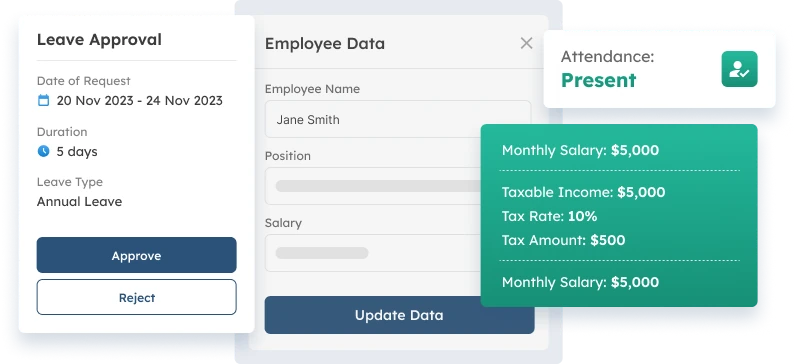
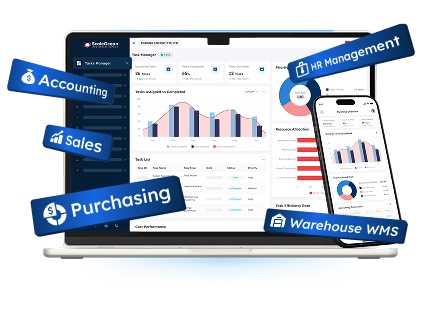
ScaleOcean is an optimum payroll cycle management solution that proposes all internal HR software in one solution. You’ll get a streamlined payroll process as the tasks are automated, thus avoiding errors and administrative burden.
The program offers benefits like accurate payroll calculation, seamless system integration, and enhanced data security, ensuring timely and compliant payroll processing while enhancing efficiency for the team.
To allow our users to experience the benefits for themselves, our Software has a free demo available. ScaleOcean is also approved by the CTC (Care and Training) grant and is eligible for monetary aid when making an effort to enhance its human resources aspects.
The main capabilities of ScaleOcean’s software are:
- Automated Payroll Processing: Automates payroll calculations, reducing errors and improving accuracy.
- Seamless Integration: Integrates with other business functions, ensuring real-time data synchronization.
- Employee Self-Service Portal: Provides employees with access to payroll info and personal updates, reducing HR workload.
- Real-Time Attendance and Overtime Management: Syncs attendance and overtime directly with payroll for accurate calculations.
- Compliance with Labor Regulations: Ensures payroll processes meet legal requirements, minimizing compliance risks.
Conclusion
Managing payroll cycles effectively is essential to ensure proper payment processing, compliance with regulations, and smooth business operations. By working efficiently in the payroll cycle, companies can save time and money and ensure their employees stay happy.
Choosing the right payroll cycle and the right technologies will help determine how to minimize errors, optimize processes, and meet local laws. ScaleOcean offers end-to-end solutions to ensure that businesses enjoy a seamless payroll process, such as HRIS software that streamlines payroll processes.
In fact, ScaleOcean’s software can streamline payroll processes, communicate with the rest of the corporation’s systems, and stay in step with regulatory obligations, making it an outstanding asset for any corporation aiming to boost payroll management
FAQ:
1. Is it 26 or 27 pay periods?
A biweekly payroll schedule usually creates 26 pay periods in one year because employees are paid once every two weeks. Still, in certain rare calendar years, companies may end up with 27 pay periods instead of the usual 26.
2. How long is 2 pay cycles?
Two pay cycles on a biweekly schedule cover a total of four weeks. Since employees are paid every two weeks under this system, completing two payroll cycles means a full 28 days have passed between the first and third paydays.
3. What is meant by 4 weekly payments?
A 4-weekly payment means an employee is paid once every four weeks rather than on a fixed monthly date. Because pay is based on workdays, the amount can vary between pay periods even though the daily pay rate stays consistent.
4. What are the legal pay frequency requirements in Singapore?
In Singapore, salaries must be paid at least once a month, with payment due within 7 days after the salary period ends. Overtime pay should be provided within 14 days after the salary period concludes, ensuring timely compensation for employees.






















.png)