ERP for Professional Services is a bespoke solution that integrates project management, timesheets, and billing into one system. It streamlines processes and allows businesses to handle their workforce and deliverables more accurately.
For those without such systems, there is a possibility of disjointed information and profit loss. According to data we found from Imarc Group, the ERP market in Singapore will hit US$218 million in 2023 and will grow to US$586 million by 2032, indicating an important move towards technology solutions.
With growing needs, ERP becomes indispensable in mitigating any risks of error and protecting profits. By adopting ERP, your business will be able to benefit from automated billing and resource optimization.
So, for this reason, this article will examine the importance of the best ERP professional service industry, like ScaleOcean, Striven, Scoro, Odoo, and Microsoft Dynamics 365, also concentrating on benefits such as providing operational visibility, financial control, and scalability. Learn more here!
Key Takeaways
ERP software for the professional service industry streamlines workflows, providing operational visibility, financial control, scalability, and enhanced customer service for better service delivery and growth.
Choosing the right ERP for your service business involves focusing on industry-specific needs, scalability, integration, and cost-effectiveness, ensuring long-term growth and efficiency.
Scaleocean’s Professional Service ERP Software is an all-in-one ERP solution for service companies, offering integration, scalability, automation, and real-time insights to streamline operations.
It is a type of business that involves the trading of the skills and time of professionals to increase the efficiency of their clients. Through its emphasis on intangibility, it enables the improvement of the client’s performance in the future.
In continuation of this trade, the industry encompasses a wide range of fields, such as education and entertainment. In today’s world, several organizations have adopted ERP software for the banking sector in order to deal with large data sets efficiently.
Due to the difficulty of the process involved, it becomes crucial for service providers to incorporate technology. It is through technology that organizations can minimize mistakes and maximize customer success.
How Does ERP Software Benefit the Service Industry?
This ERP software connects all the workflows scattered across various apps and performs them in one place to enhance efficiency in all workflows throughout your organization. Data aggregation, on top of that, benefits service companies in smartly utilizing their resources and improving their service delivery.
Let’s take a look at a few advantages that this technology offers your business, which will demonstrate how this technology will alter the way you carry out your business every day:
Enhanced Operational Visibility
In the service sector, real-time information is key to a good ERP and enables them to “get a front row seat” to current operations. The transparency enables managers to identify opportunities for improvement and provides the basis for informed and timely decision-making to ensure operations can be conducted efficiently.
This also ensures that there is enhanced communication between departments and thereby promotes teamwork. When everyone wants the same bottom line, the resources of a business can be more easily streamlined, it can keep a better track of what it’s doing, and can proactively take steps to deal with the problems before they get to the point where they’d like to escalate.
Streamlined Financial Reporting
ERP software can streamline the financial reporting process and even eliminate manual tasks, making financial management effortless. This allows the service-based business to receive its financial information in a timely fashion and with a high degree of accuracy, allowing it to more quickly make sound decisions.
In addition to consolidating business financial information, an ERP system can simplify the process of reporting and complying with mandates. Financial operations continue without any disruption, and businesses can generate more detailed reports and easily track budgets and expenses.
Scalability and Adaptability
The needs and requirements of the service companies evolve, and ERP software can easily adapt to them. The modular and flexible nature of ERP software enables organisations to continue to expand functionality, modules, or even locations without interruption.
The ERP systems contribute to increasing flexibility, such as entering into new markets or otherwise adapting to trends in the industry. The flexibility enables businesses to remain agile in case of market and/or operational changes.
Improved Client Experience
With the ERP software, staff are always able to effortlessly view the latest information on customers, making it simple to offer tailored service. Customers can receive their previous information and preferences, which means they will experience a smoother and more hassle-free process.
Another advantage of ERP systems is that they make the process of delivering services more streamlined and helpful. Companies provide prompt responses to queries and requests from customers. This leads to quicker response, effective communication, and better customer satisfaction, and ultimately to customer loyalty.
Enhanced Project Management
ERP systems have the required tools to facilitate project planning, resource allocation, and time tracking so that professional service companies can manage projects effectively. All ERP systems for any given industry are meant to give nurtured working methods and superior project releases.
As the projects move forward and resources are deployed, real-time information regarding resource utilization, project progression, etc., allows businesses to keep their projects on time and budget, reduce their client’s expectations, and sustain maximum profitability.
How Your Professional Service Business Industry Struggles Without ERP
Running without integrated software means that you have disjointed processes that suck up your business’s timeand energy. Inefficiencies mean unseen costs and lost opportunities, preventing you from achieving long-term scalability.
Running without a single integrated system can pose the following critical issues to your business operations:
Poor Decision-Making
In the absence of ERP software, the business cannot get proper and reliable information. The management works on obsolete information and hence makes decisions late or fails to respond appropriately to market trends.
The absence of information can cost the organization dearly in terms of lost chances and costly errors. Without having everything integrated under one system, the decision makers find themselves working with contradictory information.
Disjointed Processes
In the absence of ERP, departments often work in silos, which creates gaps in communication and causes delays. Teams may not have access to the same information at the same time, leading to inefficient workflows and missed opportunities.
The lack of integration will mean that the processes cannot operate effectively, thus causing delays and duplication of efforts. This means that employees have to manually transfer data from one system to another, thus making mistakes possible and diverting attention away from what is essential.
Inefficient Financial Management
An organization that does not have an ERP will face problems managing its finances. An organization may use manual methods and spreadsheets to manage its finances, which would make the process very difficult.
The inefficiency in the financial processes comes because there is no automation in place. The organization will not have the ability to automate invoicing, payments, and reconciliation processes.
Reliance on Multiple Software
Many businesses rely on a range of different software tools to manage various functions, from accounting to customer relationships. This scattered approach creates inefficiencies since the systems often don’t talk to each other or integrate well.
Constantly switching between different platforms means employees have to duplicate data entry, which wastes time. The lack of cohesion also makes it difficult to get a clear, overall view of the business, leading to confusion and unnecessary complexity.
Unreliable Inventory Tracking
Without the best ERP for the professional industry, inventory tracking becomes a real challenge. Businesses may rely on manual processes or multiple systems, which often lead to errors in stock levels, causing issues like stockouts or overstocking.
Inventory discrepanciesare time-consuming and costly to fix. Without real-time visibility, businesses can’t manage stock levels properly or forecast demand, which results in higher operational costs and disruptions that could have been easily avoided.
Fluctuating Cash Flow
Without an integrated ERP system, cash flow management becomes unpredictable. Businesses often struggle to track cash inflows and outflows, leading to unexpected shortfalls and difficulties covering costs when needed.
With financial data scattered across different departments and systems, businesses can’t get a clear picture of their cash flow. This lack of insight makes it hard to plan and can result in unnecessary debt or scrambling to cover expenses.
Key Features of ERP for Professional Service Companies
Service companies face unique challenges in managing projects, resources, and customer relationships. An ERP system tailored for service companies provides a comprehensive solution, integrating essential functions like project management, financial tracking, CRM, and reporting.
These features of ERP for professional service industries can streamline operations and enhance efficiency across various departments. The following are features that must be present in ERP software for service companies, including:
1. Project and Resource Management
ERP systems enable service companies to plan and manage projects from start to finish. Choosing the best ERP for professional industry needs ensures efficient resource allocation, timely project delivery, and improved team collaboration throughout the project lifecycle.
The system allocates resources effectively, tracks progress, and monitors billable hours, ensuring projects stay within scope, on schedule, and under budget. This integration helps optimize resource utilization and increase project profitability.
2. Financial and Accounting
By implementing ERP software, service companies can centralize financial operations, simplifying cost management, invoicing, and financial reporting. ERP professional industry tools also help streamline these processes, reducing errors and improving financial visibility.
The system provides real-time visibility into project costs, helping businesses track expenses, manage cash flow, and ensure timely and accurate billing. This leads to better financial decision-making and improved profitability.
3. Client Relationship Management (CRM)
ERP systems integrate CRM functionalities to help service companies track customer interactions and manage sales leads. So, the best ERP for the professional industry needs to enhance customer insights, streamline communication, and improve client satisfaction and retention.
By centralizing client data, businesses can improve customer service, enhance communication, and streamline sales processes, ultimately strengthening client relationships and increasing customer retention.
4. Time and Expense Tracking
ERP systems automate the tracking of employee time and project expenses, reducing administrative burdens. This feature allows for accurate billing and ensures that companies can track labor costs and project expenses in real-time.
The systems also help service businesses control costs, stay within budgets, and improve project profitability. The best ERP for the professional industry enables accurate time tracking, seamless expense management, and ensures that projects remain on budget and profitable.
5. Business Intelligence and Reporting
ERP systems provide real-time business intelligence, offering insights into project profitability and company performance. With ERP professional industry tools, businesses can make informed decisions, track key metrics, and improve overall efficiency.
Dashboards and detailed reports allow decision-makers to analyze key metrics, assess project outcomes, and identify areas for improvement. This helps professional service industries make data-driven decisions to drive growth and optimize operations.
15 Best ERP Software for the Professional Service Industry in Singapore
Choosing the correct ERP professional industry is critical for service firms that want to remain efficient, cost-effective, and competitive. While there are several solutions on the market, it is critical to choose a system that is customized to your company’s specific requirements.
Here is the comparison of the best ERP for service companies and industry, including:
ERP Vendor
Best For
Pricing (Based on G2.com)
ScaleOcean ERP
best for medium to large professional service industries that need seamless integration and a flexible system tailored to various business processes and industries.
The pricing is flat with no hidden costs, and it is adjusted based on the scope and complexity of the implementation
Odoo
Flexible modular ERP for service and operations
Tiered pricing; Free plan & per‑user options
Striven
SMB service orgs & professional services
Custom Pricing
Scoro
Service businesses needing project & resource management
$19.90 per user/month
Microsoft Dynamics 365
Mid‑to‑large service organizations (project & finance)
Starts around $70–$100/user/month
SAP ERP
Enterprise‑level service firms needing a broad ERP scope
Large service enterprises requiring an integrated ERP
Custom Pricing
Sage Intacct
Financial management & service accounting
Custom Pricing
Epicor ERP
Project‑based service ops & manufacturing, and hybrid use
Custom Pricing
Ramco ERP
Global service firms (HR, finance, project)
Custom Pricing
Bitrix24
Small service businesses & CRM‑centric operations
Custom Pricing
Acumatica
Scalable ERP for services with strong project & financial modules
Custom Pricing
Syspro ERP
Service & operations for mid‑market companies
Custom Pricing
For professional service companies, robust ERP solutions consist of ScaleOcean, Striven, Scoro, Odoo, Microsoft Dynamics 365, and BQE Core, all presenting distinct advantages in aspects such as project management, automation, and financial oversight.
After understanding the comparison in full, here is an explanation of each example of the best ERP vendor for the service industry, starting from its features, pros, and cons. Here are the recommendations of ERP for service companies:
1. ScaleOcean ERP
ScaleOcean’s professional services ERP software is designed for service companies seeking an integrated, adaptable solution to streamline operations. It helps manage core processes like CRM, project tracking, and reporting, improving efficiency and enabling data-driven decisions.
The system supports financial management and performance, scales with your business, and offers automation and real-time insights to help companies adapt and thrive in a dynamic market.
Scaleocean ERP software is flexible to use by companies in Singapore to manage operations such as HR, payroll, project tracking, and financials, enhancing efficiency and streamlining processes.
To experience the benefits firsthand, we offer a free demo to show how Scaleocean can transform your business. Additionally, Scaleocean supports businesses in Singapore by helping them leverage the CTC grant, which can reduce the cost of implementing ERP solutions.
Project Management: Track project timelines, resource allocation, and profitability.
Resource Scheduling: Schedule staff based on availability and skillset to optimize productivity.
Time Tracking: Monitor billable hours and project costs for efficient billing.
Invoicing and Billing: Automate the invoicing process and reduce administrative time.
Reporting and Analytics: Gain real-time insights into KPIs for data-driven decisions.
Pros
Cons
Unlimited users without additional costs
Comprehensive solution with 200+ modules
Built on industry best practices
Customizable to match your business workflow
The implementation time varies depending on the package selected
Requires some training for new users
Best For: ScaleOcean is best for medium to large professional services companies that need seamless integration and a flexible system tailored to various business processes and industries.
Price: The pricing is flat with no hidden costs, and it is adjusted based on the scope and complexity of the implementation, making it transparent and fair for businesses of all sizes.
Odoo is an all-in-one ERP solution designed for service companies looking to streamline their operations. With a suite of integrated apps covering everything from CRM to project management and inventory, Odoo’s open-source platform allows businesses to manage both front and back-office tasks efficiently.
Key Features
Integrated financial management tools.
Flexible CRM and sales management.
Easy customization with a modular architecture.
Pros
Cons
Affordable and open-source
Highly customizable for small businesses
Easy to integrate with other tools
Lacks advanced features for larger enterprises
Requires technical knowledge for full customization
May need third-party apps for full functionality
Best For: Odoo is ideal for businesses looking for a flexible, modular ERP system suitable for service and operations, providing tailored solutions for a wide range of industries.
Price: Odoo offers tiered pricing with a free plan and per-user options, allowing businesses to select the best plan based on their specific needs and budget constraints.
Striven offers a comprehensive ERP solution ideal for service companies seeking to optimize their operations. With integrated modules for accounting, CRM, project management, HR, and more, Striven streamlines both front and back-office functions, helping businesses manage key tasks more efficiently.
Key Features
Financial management and accounting tools.
Customer relationship management (CRM) is integrated with sales functions.
Cloud-based architecture, ensuring scalability and flexibility.
Pros
Cons
Scalable and flexible
Strong financial management tools
Cloud-based solution
High implementation cost
Requires time to adjust to the interface
Complex for smaller businesses
Best For: Striven is best suited for SMB service organizations and professional services, providing a comprehensive and customizable ERP solution that grows with the business.
Price: The pricing is custom, ensuring that the system is tailored to meet the unique requirements of each business, making it a flexible and affordable choice for SMBs.
Scoro is the best ERP for professional service industries, particularly agencies and consultancies, looking to streamline their operations. With a strong focus on project management, resource allocation, and financial management, Scoro helps businesses efficiently manage key processes across their entire workflow.
Key Features
Financial management with multi-currency and multi-taxation support.
Strong project accounting and resource management.
Integration with third-party tools to extend functionality.
Pros
Cons
Cloud-based and scalable
Easy integration with third-party tools
Strong automation capabilities
Complex for smaller businesses
Can have performance issues
Limited reporting compared to larger systems
Best For: Scoro is ideal for service businesses that require effective project and resource management tools, offering a streamlined approach to managing work and collaboration.
Price: Scoro is priced at $19.90 per user per month, making it an affordable and accessible option for service businesses looking to improve their project management and resource allocation.
Microsoft Dynamics 365 is a powerful ERP solution designed to streamline service company operations. By combining sales, customer service, operations, finance, and project automation into one platform, Microsoft Dynamics 365 enhances user experience and enables seamless integration of various business functions.
Key Features
Financial management, including accounting and budgeting.
Customer relationship management (CRM) and sales tools.
Seamless integration with Microsoft Office and other Microsoft tools.
Pros
Cons
Seamless integration with Microsoft products
User-friendly interface
Flexible and adaptable for various industries
May become expensive with additional modules
Some features require dedicated IT resources
Initial setup can be time-consuming
Best For: Microsoft Dynamics 365 is best for mid-to-large service organizations focused on project and finance management, providing a scalable and integrated ERP solution.
Price: Pricing starts around $70–$100 per user per month, offering a flexible and scalable option for businesses looking to optimize their project and financial management operations.
SAP ERP is a market-leading software solution developed by SAP SE, designed to integrate key business functions. With its modular capabilities, SAP ERP streamlines operations for service companies, offering features for finance, HR, and project management, all while enhancing automation and reporting.
Key Features
Real-time analytics and business intelligence.
Comprehensive financial management, including forecasting and planning.
Scalable for large, multinational enterprises.
Pros
Cons
Real-time data processing
Highly secure and scalable
Comprehensive business management tools
Expensive and requires a significant investment
Requires dedicated IT teams for management
Complex implementation and training
Best For: SAP ERP is ideal for enterprise-level service firms needing a broad ERP solution that covers all aspects of business operations across large organizations.
Price: Pricing is custom, tailored to the specific needs and complexity of the organization, making SAP ERP suitable for businesses with complex operational structures and large-scale requirements.
BQE Core is an ERP for professional service companies looking to automate time and expense tracking. With its comprehensive features, BQE Core enhances project management and billing processes, making it the best ERP for professional services seeking improved operational efficiency.
Key Features
Comprehensive HR management and employee data.
Financial management with forecasting tools.
Real-time data insights and analytics.
Pros
Cons
Strong focus on human resources and financial management
Cloud-based with real-time data insights
Modern, user-friendly interface
High implementation costs
May require time to learn for new users
It can be expensive for small businesses
Best For: BQE Core is designed for project-centric services such as architecture, engineering, and consulting, offering specialized tools for managing projects and financials.
Price: The pricing is custom, offering flexible solutions that cater to businesses with unique project-based needs, ensuring that it fits well with a variety of service-focused industries.
Deltek VantagePoint is a powerful ERP solution tailored for service companies in industries like architecture, engineering, and consulting. With its specialized features, Deltek VantagePoint helps streamline project management, finance, and resource allocation, making it an excellent fit for professional firms.
Key Features
Project-based financial management and resource tracking.
Time and billing features tailored to service industries.
Strong project management tools with resource allocation capabilities.
Pros
Cons
Tailored for project-based service industries
Strong project management and resource tracking
Excellent time tracking and billing features
Expensive for small companies
Too specialized for non-project-based services
Setup and customization can be time-consuming
Best For: Deltek VantagePoint is the best ERP for professional services and project-based businesses, offering a comprehensive solution to manage projects, resources, and finances effectively.
Price: Custom pricing ensures the system is tailored to each business’s specific needs, providing flexibility for project-based companies in a variety of industries.
Oracle Cloud Enterprise Resource Planning offers a comprehensive cloud-based solution for service companies looking to optimize their operations.
With features that cover accounting, financial management, project management, and procurement, Oracle is one of the best ERPs for service companies, streamlining business processes for improved efficiency and decision-making.
Key Features
Cloud-based financial management and accounting.
Real-time analytics and reporting capabilities.
Scalable project management tools.
Pros
Cons
Cloud-based and scalable
Real-time reporting and analytics
Integrates well with other Oracle solutions
High upfront costs
Requires dedicated resources for implementation
Can be complex to use for non-technical teams
Best For: Oracle Cloud ERP is ideal for large service enterprises requiring an integrated system that connects all aspects of operations, from finance to HR and project management.
Price: Pricing is custom, offering a scalable solution that adapts to the needs of large organizations with complex operational structures, ensuring flexibility and scalability as the business grows.
Sage Intacct is a top ERP solution designed specifically for Small and Medium-sized Businesses (SMBs) seeking streamlined operations. With its user-friendly tools and insightful reporting, Sage Intacct helps service companies efficiently manage their financials, operations, and business performance.
Its cloud-based technology aids companies in streamlining their financial operations. Because of Sage Intacct’s adaptability, companies can further optimize their operations by integrating it with additional technologies.
Key Features
Advanced financial reporting and forecasting.
Multi-currency and multi-entity accounting.
Strong integration with other business tools and systems.
Pros
Cons
Strong financial management capabilities
Excellent for financial reporting
Cloud-based with strong automation
Lacks some project management features
Not as flexible for non-financial industries
Expensive for small businesses
Best For: Sage Intacct is perfect for businesses looking for a robust financial management and service accounting solution, with tools to manage finances, billing, and reporting.
Price: Custom pricing is available, ensuring businesses get a tailored solution for financial management and accounting that aligns with their specific business needs and industry requirements.
Epicor ERP is also designed for service companies that need specialized solutions for supply chain management, project management, and financial management might benefit from Epicor ERP. Because of its adaptability, organizations can modify the system to meet their own operational requirements.
It offers resources for improving workflow effectiveness and monitoring important performance indicators across sectors. Additionally, Epicor provides robust support for businesses with several locations, allowing for unified control across them.
Key Features
Project management and tracking tools.
Supply chain management and logistics support.
Advanced reporting and business intelligence tools.
Pros
Cons
Highly customizable for different industries
Robust reporting and business intelligence
Strong project management capabilities
Steep learning curve for new users
Can take a long time to implement
May require extensive training
Best For: Epicor ERP is best for project-based service operations and hybrid businesses, offering a solution that supports both service and manufacturing processes with flexibility.
Price: Pricing is custom, providing businesses with a scalable ERP system that adapts to both project and manufacturing needs, ensuring comprehensive support for diverse operations.
Ramco is the best ERP for service companies in Singapore, a solid choice for companies that focus on service-oriented needs. It provides an adaptable ERP solution. It assists companies in managing intricate procedures like project accounting, human resources, and resource management, thanks to capabilities tailored for project-based operations.
Businesses with specialized operational requirements will especially benefit from this solution. IFS also offers industry-specific templates to assist companies in deploying the system more quickly and efficiently.
Key Features
Project-based financial management.
Advanced HR and resource management tools.
Industry-specific functionalities for sectors like aerospace and service industries.
Pros
Cons
Strong focus on project-based industries
Highly customizable for complex operations
Robust supply chain management tools
Expensive to implement and maintain
Complex setup and integration
Not suitable for smaller businesses
Best For: Ramco ERP is designed for global service firms with diverse needs in HR, finance, and project management, offering a unified system for large enterprises.
Price: Custom pricing ensures that the solution is tailored to the specific needs of global organizations, providing scalability and flexibility as businesses expand across regions.
Bitrix24 provides a free online platform equipped with task management tools. It offers a variety of capabilities for project, inventory, CRM, and financial management. Small to mid-sized organizations that want an affordable yet adaptable solution would especially benefit from it.
Because Bitrix24 is open-source, companies can customize the system to meet their own requirements. Its cloud-based version also facilitates remote operations management for businesses.
Key Features
Comprehensive accounting and financial management.
CRM, inventory, and project management tools.
Open-source, offering full customization flexibility.
Pros
Cons
Open-source and cost-effective
Highly customizable for small businesses
Flexible and cloud-based
Lacks the advanced features of enterprise-level systems
Requires technical knowledge for customization
Limited support for large-scale operations
Best For: Bitrix24 is best for small service businesses and CRM-centric operations, offering a user-friendly solution for customer relationship management and team collaboration.
Price: Custom pricing allows small businesses to choose a plan that fits their needs and budget, providing an affordable yet comprehensive ERP solution for growing companies.
Acumatica is recognized for offering highly customizable cloud ERP solutions. As part of the broader category of enterprise software, Businesses can successfully manage their finances, procurement, and projects with the help of its industry-specific solutions.
Both small and large enterprises can use this technology because it is scalable. By anticipating patterns and automating processes, Acumatica’s artificial intelligence integration aids companies in streamlining their operations.
Key Features
Industry-specific modules for healthcare, manufacturing, and retail.
Financial management, procurement, and project management tools.
Cloud-based architecture with scalability.
Pros
Cons
Cloud-based and highly scalable
Tailored for industry-specific needs
Strong supply chain management tools
High implementation costs
Can be difficult to customize for smaller businesses
May require significant training for users
Best For: Acumatica is a scalable ERP for service businesses with strong project and financial modules, ideal for companies looking to grow while maintaining operational efficiency.
Price: Custom pricing ensures that businesses can select the right package based on their size and needs, offering flexible solutions for growing service-oriented companies.
Syspro ERP is appropriate for service businesses in industries like manufacturing, distribution, and logistics since it offers solutions for managing operations, inventory, and finances.
It helps companies enhance departmental efficiency and streamline workflows by integrating multiple business processes. Because of Syspro’s adaptability, companies can also apply modifications according to their particular operating requirements.
Key Features
Inventory management and operational workflow tools.
Strong financial and accounting functionalities.
Robust business intelligence and reporting features.
Pros
Cons
Strong in manufacturing and service industries
Excellent reporting and business intelligence tools
Highly customizable for operational processes
Less suitable for purely service-based companies
Complex interface that may take time to learn
May lack some advanced features for service-based businesses
Best For: Syspro ERP is ideal for service and operations businesses in the mid-market segment, offering an integrated solution to streamline operations and manage resources effectively.
Price: Custom pricing ensures businesses can choose a tailored solution that meets their unique needs, offering a flexible and affordable ERP system for mid-market service companies.
Selecting the right ERP is essential for optimizing service operations and efficiency. To achieve this, you can also try ScaleOcean ERP, which offers the seamless integration and flexibility needed for medium to large organizations.
Key Criteria for Choosing the Right ERP Software for the Service Industry
It is not guesswork choosing the right ERP. Begin with understanding your business at a level much deeper than you think, and observe how your people actually work on an everyday basis, understand the patterns & focus where you want to take the business. You want something that brings it all together and removes the friction you naturally experience in your everyday work.
So, what matters when you’re picking one? Here’s what to keep an eye on:
Industry-Specific Needs
Don’t settle for a dull ERP loaded with features you’ll never use. Focus on what really drives your service business. Choose software that includes built-in features such as robust project management, easy scheduling, and ways to improve customer service.
Choose the appropriate system, and you’ll spend less time correcting errors, your team will work more efficiently, and your customers will notice the difference. When your program fits well, everything functions better.
Customization and Flexibility
Every service business has its own way of doing things, and your ERP must keep current. Perhaps you’re launching a new service or changing the way you work, so that your system should make these adjustments simple, not difficult. Look for anything that can be tweaked without having to go through hoops.
Flexibility isn’t just a buzzword because it’s what everyone’s after these days. For example, according to a report that we found from CIO Dive, over four out of five small firms are using AI, and nearly half plan to integrate even more AI apps in the next year. So make sure your ERP can keep pace with whatever’s around the corner.
Cloud-Based vs. On-Premise
This selection makes a significant difference. With cloud-based ERPs, you can log in from anywhere, without having to spend a lot of money up front, and it’s easy to scale up as your business grows. That’s a significant advantage if you want to keep things flexible and easy to move about.
However, if you want complete control over your data and security, on-premise software is difficult to beat. Just be aware that it incurs additional fees and maintenance issues that you cannot avoid.
Scalability
You don’t want an ERP that struggles as your firm grows. The right system keeps up, regardless of how many users join, how many services you provide, or how many new locations you open. And it should not force you to pay extra or go through tedious upgrades every time you expand.
As your company grows, whether you’re taking on new clients or opening new offices, your software must adapt and keep things running smoothly. This allows you to stay focused on what is important rather than chasing down IT issues.
Integration Capabilities
When it comes to integrating your ERP software with existing software programs like CRM, accounting programs, and customer service programs, you have to consider ease of integration. A seamless connection between your programs is ideal, so you get maximum benefit from all of them.
When your systems are seamlessly integrated, it cuts back on time spent entering information multiple times. Additionally, data accuracy increases, and day-to-day work is completed in a shorter period. If the integration is good, you will get the information you need to work in real-time, enabling faster decision-making and operation of your business without interruption.
Evaluate Customer Support
Let’s face it, when you invest in ERP software, reliable customer support is non-negotiable. You’ll need a vendor who’s quick to respond and can resolve issues seamlessly so that your company isn’t forced to grind to a halt when unexpected hiccups occur.
To this end, you’ll want to choose a service that provides access to training materials, helpful tutorials, and regular software updates, empowering your team to truly master the software’s functionality. A supportive team can mean the difference between smooth operations and a constant stream of frustrations.
Assess Cost-Effectiveness
While price is undoubtedly a key factor in any ERP software purchase, your focus shouldn’t solely be on the sticker price. Ultimately, you need a solution that meets your business goals while also respecting your budget, and that means striking a delicate balance between value and cost.
Don’t get lost in the sticker shock. Instead, take into account the long-term advantages, such as optimized workflows, reduced errors, and better quality data. A well-chosen ERP solution is an investment that will save your company money and time in the years to come.
Conclusion
If you’re interested in picking the top ERP system for your service business in Singapore, you have to know and understand what you need and in what direction you want to go. Do it right, and the way things work will improve significantly: applications of the resources, services, etc., will improve. It’s an actual revolution in business – for any service-based business.
Seeing the right ERP that works for your business means you’re prepared to remain ahead of a market that is ever-evolving. If you need something more flexible, yet at the same time robust, Scaleocean’s Professional Services ERP Software is everything you need to efficiently manage any type of professional services needs.
Easy to operate, user-defined options can be altered and extended where necessary. If you want to view for yourself, feel free to read our free demo! You will get to experience for yourself just how easy it is to implement this solution into your operations, how efficient it makes your operation, and how you will become truly successful with it.
ERP for Professional Service Industry FAQ:
1. What are the applications of ERP in the service industry?
ERP in the service industry enhances efficiency by streamlining operations like project, HR, and finance management. It offers cloud access and industry-specific tools to optimize resources, automate workflows, and improve overall performance.
2. Is ERP used in the service sector?
ERP for the service industry provides advantages like improved operational efficiency, streamlined service management, industry-tailored features, and cloud access. These capabilities help optimize resources, automate intricate business processes, and enhance overall business performance.
3. Is ERP suitable for small businesses?
ERPs offer essential features to streamline and modernize small business operations, such as centralized data: a single repository for financials, inventory, sales, and operations, and automated workflows: handling order processing, billing, reporting, and other routine tasks without manual effort.
4. Is ERP a product or service?
ERP is a category of business software that automates and integrates core processes across departments like accounting, sales, HR, and supply chain. While it’s a product, it also includes services like implementation and support, offering both software and essential services for business efficiency and control.













 Key Takeaways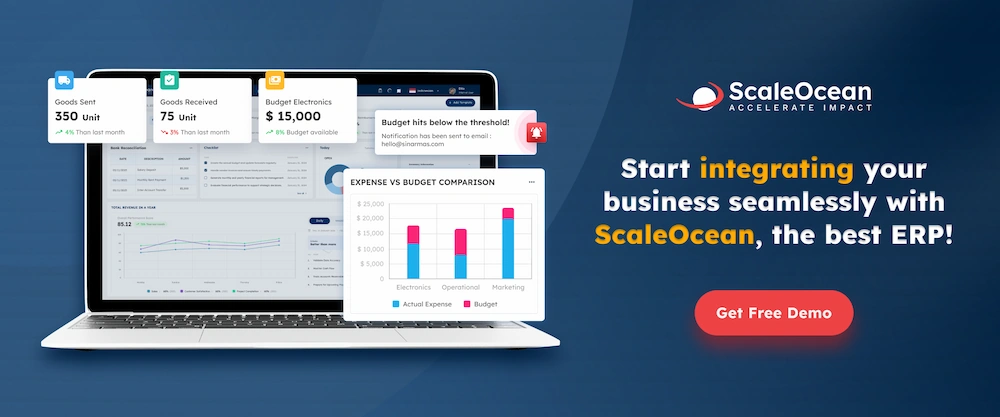
 Service companies face unique challenges in managing projects, resources, and customer relationships. An ERP system tailored for service companies provides a comprehensive solution, integrating essential functions like project management, financial tracking, CRM, and reporting.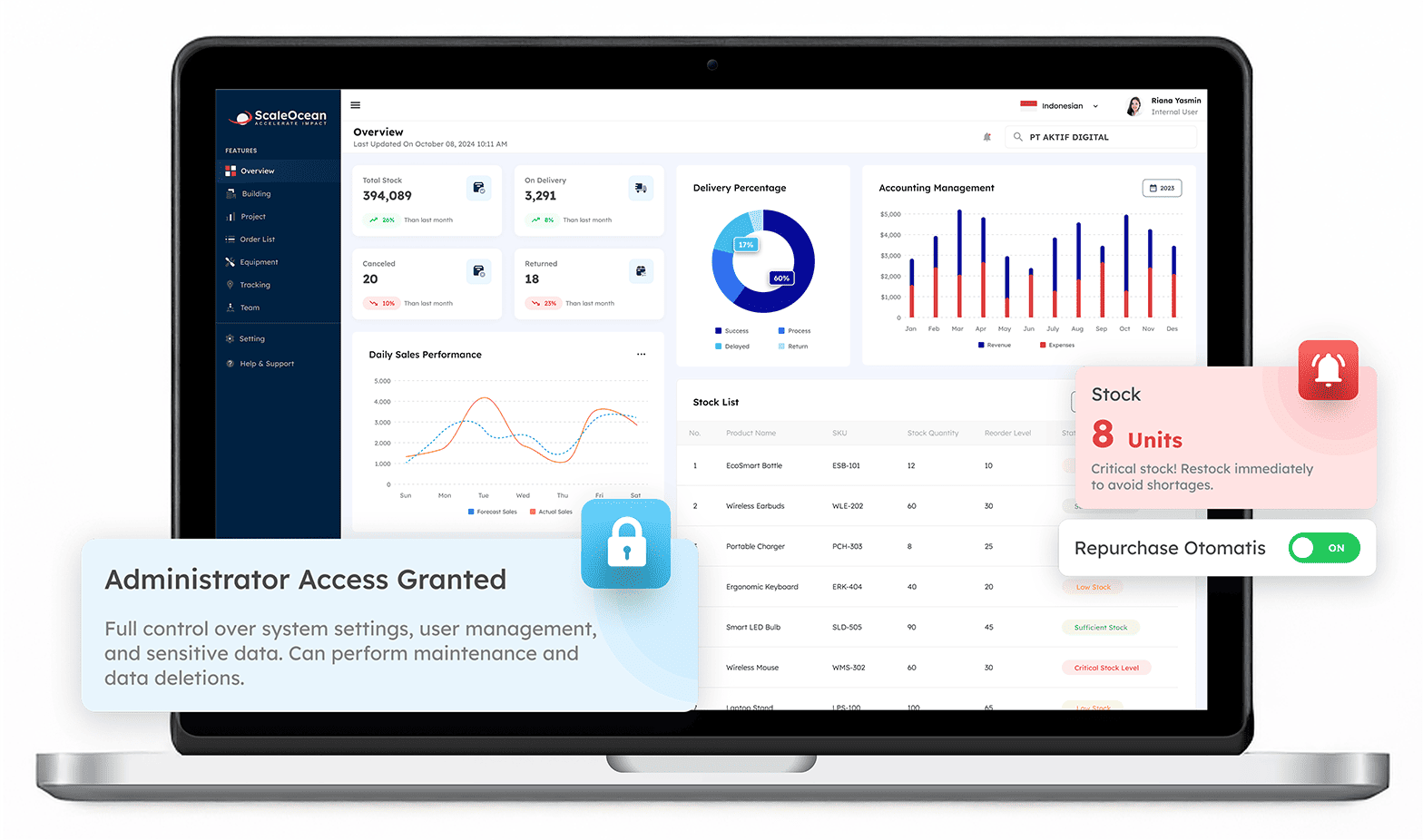
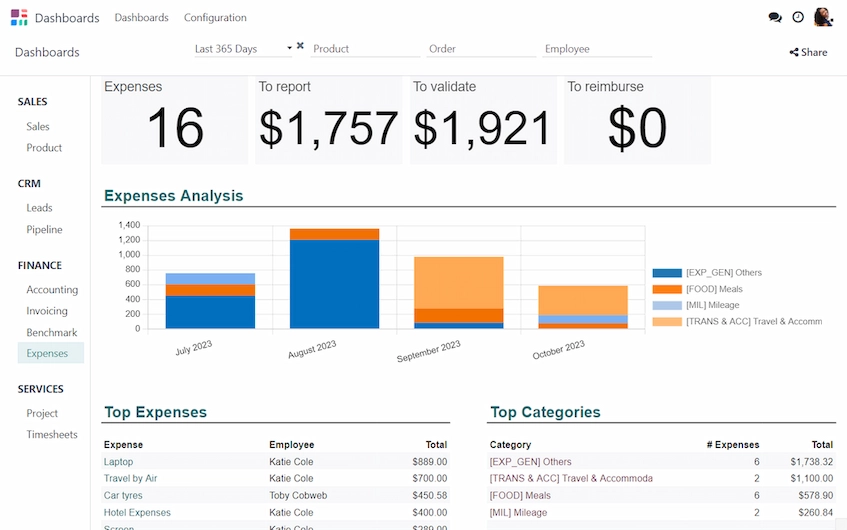 Odoo is an all-in-one ERP solution designed for service companies looking to streamline their operations. With a suite of integrated apps covering everything from CRM to project management and inventory, Odoo’s open-source platform allows businesses to manage both front and back-office tasks efficiently.
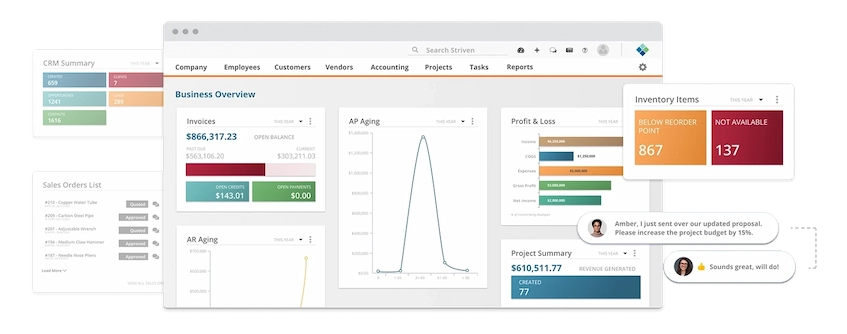 Striven offers a comprehensive ERP solution ideal for service companies seeking to optimize their operations. With integrated modules for accounting, CRM, project management, HR, and more, Striven streamlines both front and back-office functions, helping businesses manage key tasks more efficiently.
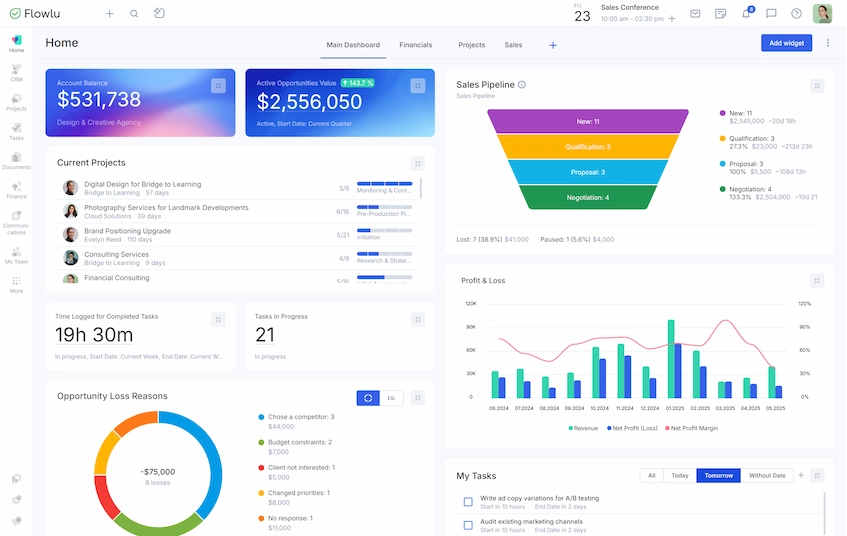 Scoro is the best ERP for professional service industries, particularly agencies and consultancies, looking to streamline their operations. With a strong focus on project management, resource allocation, and financial management, Scoro helps businesses efficiently manage key processes across their entire workflow.
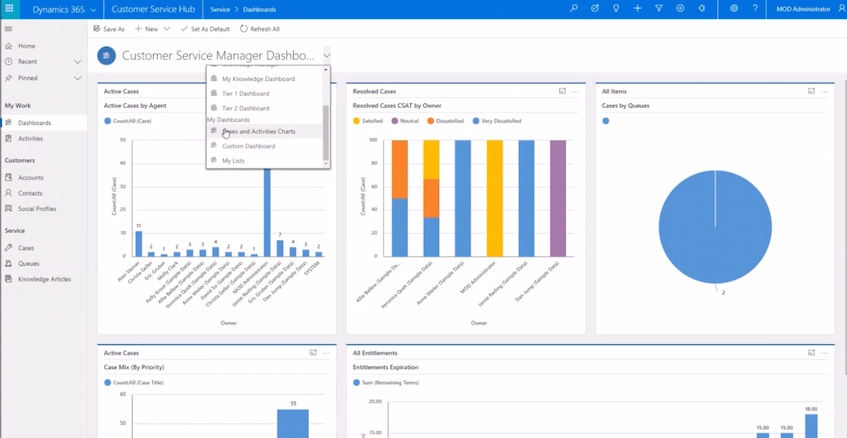 Microsoft Dynamics 365 is a powerful ERP solution designed to streamline service company operations. By combining sales, customer service, operations, finance, and project automation into one platform, Microsoft Dynamics 365 enhances user experience and enables seamless integration of various business functions.
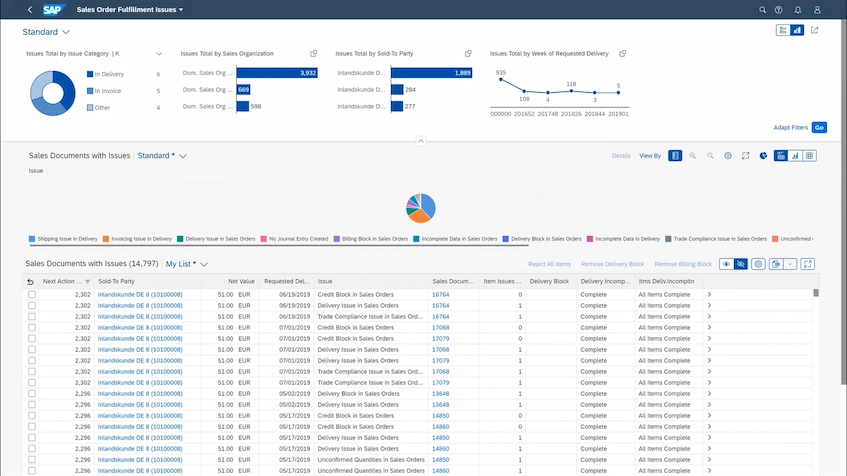 SAP ERP is a market-leading software solution developed by SAP SE, designed to integrate key business functions. With its modular capabilities, SAP ERP streamlines operations for service companies, offering features for finance, HR, and project management, all while enhancing automation and reporting.
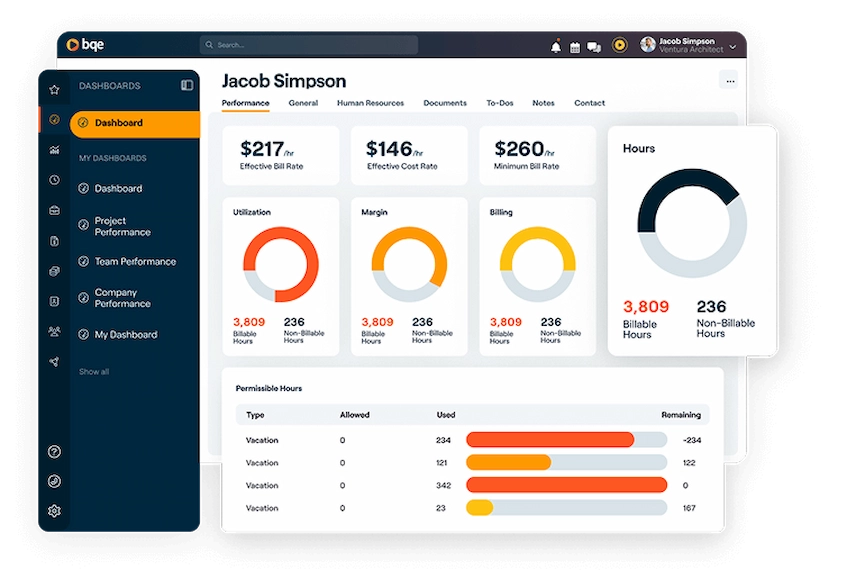 BQE Core is an ERP for professional service companies looking to automate time and expense tracking. With its comprehensive features, BQE Core enhances project management and billing processes, making it the best ERP for professional services seeking improved operational efficiency.
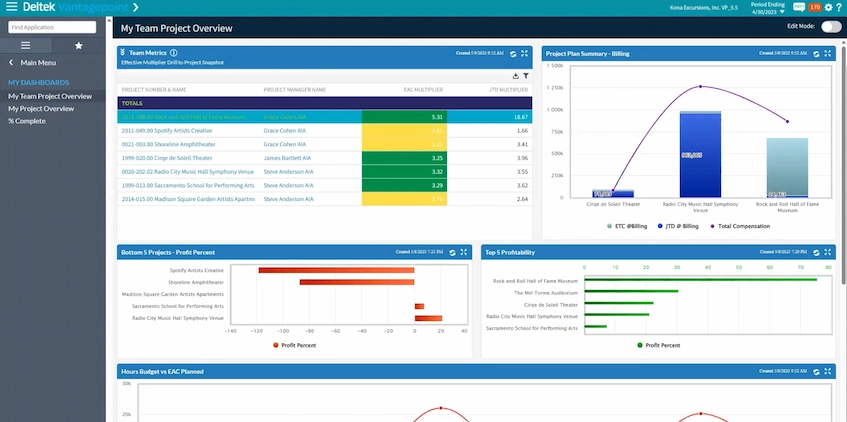 Deltek VantagePoint is a powerful ERP solution tailored for service companies in industries like architecture, engineering, and consulting. With its specialized features, Deltek VantagePoint helps streamline project management, finance, and resource allocation, making it an excellent fit for professional firms.
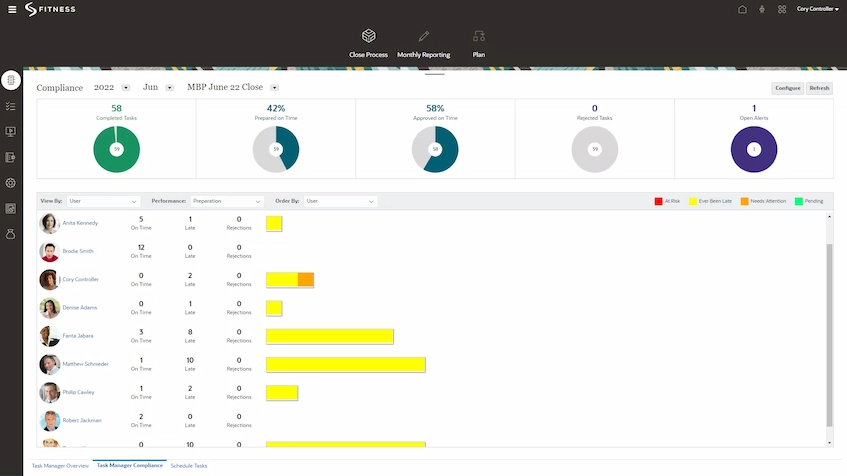 Oracle Cloud Enterprise Resource Planning offers a comprehensive cloud-based solution for service companies looking to optimize their operations.
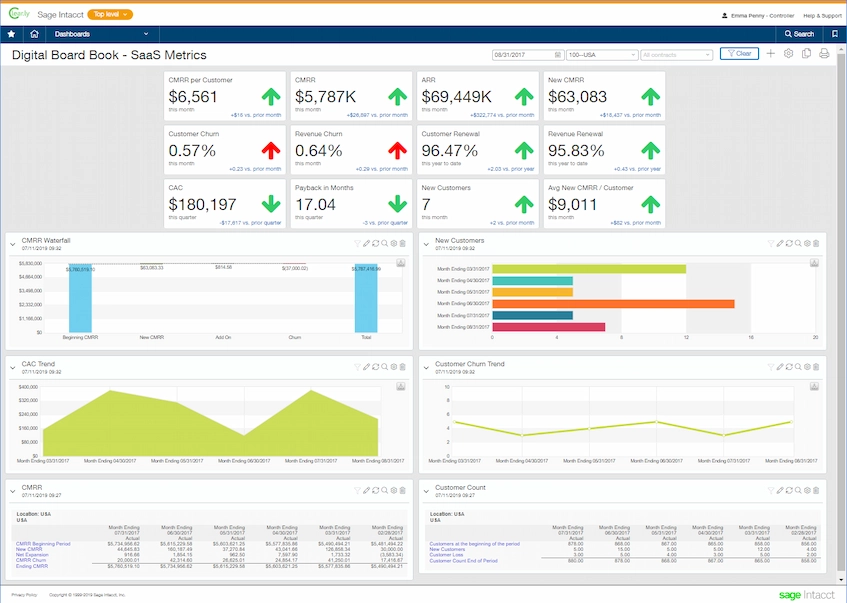 Sage Intacct is a top ERP solution designed specifically for Small and Medium-sized Businesses (SMBs) seeking streamlined operations. With its user-friendly tools and insightful reporting, Sage Intacct helps service companies efficiently manage their financials, operations, and business performance.
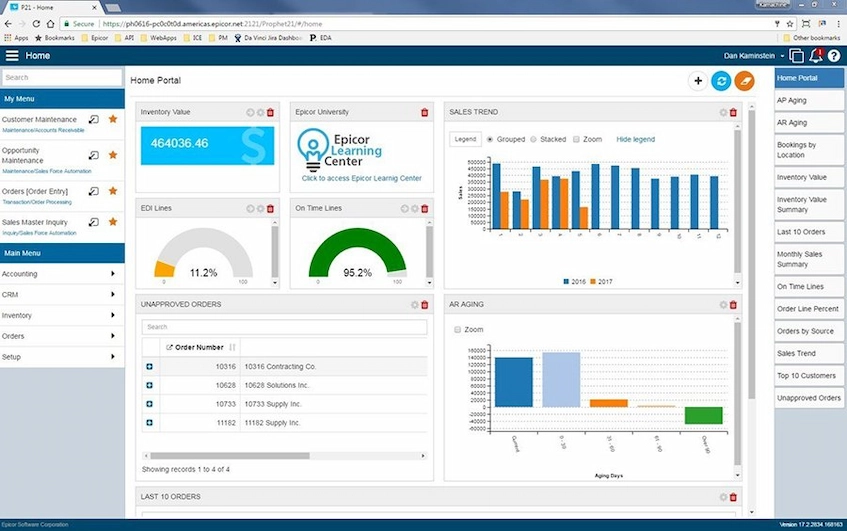 Epicor ERP is also designed for service companies that need specialized solutions for supply chain management, project management, and financial management might benefit from Epicor ERP. Because of its adaptability, organizations can modify the system to meet their own operational requirements.
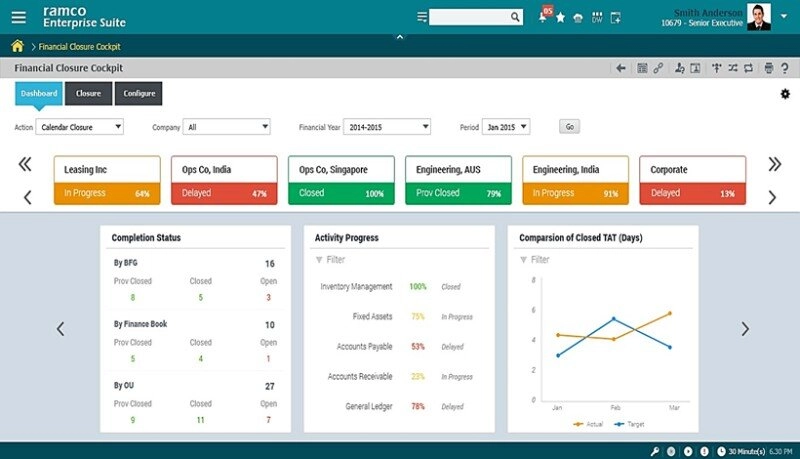 Ramco is the best ERP for service companies in Singapore, a solid choice for companies that focus on service-oriented needs. It provides an adaptable ERP solution. It assists companies in managing intricate procedures like project accounting, human resources, and resource management, thanks to capabilities tailored for project-based operations.
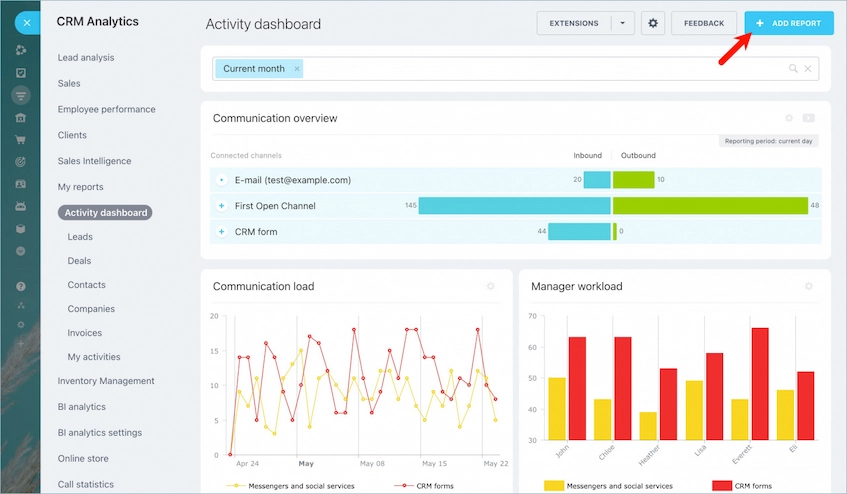 Bitrix24 provides a free online platform equipped with task management tools. It offers a variety of capabilities for project, inventory, CRM, and financial management. Small to mid-sized organizations that want an affordable yet adaptable solution would especially benefit from it.
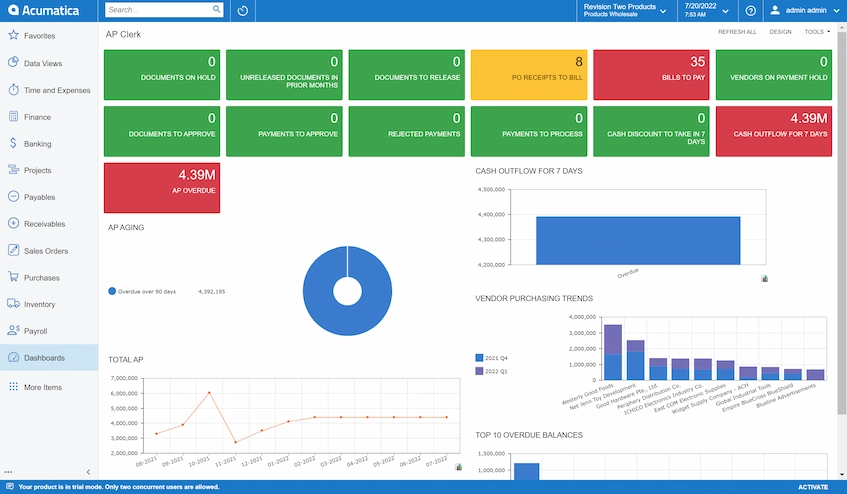 Acumatica is recognized for offering highly customizable cloud ERP solutions. As part of the broader category of enterprise software, Businesses can successfully manage their finances, procurement, and projects with the help of its industry-specific solutions.
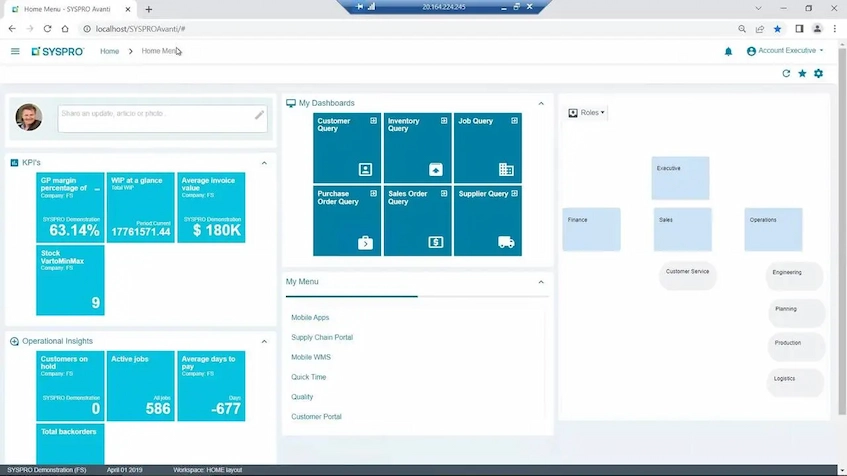 Syspro ERP is appropriate for service businesses in industries like manufacturing, distribution, and logistics since it offers solutions for managing operations, inventory, and finances.