



It is important to continuously ensure that the policies, procedures, and workplace practices of a company are in compliance with local, regional, and national labor law.
HR compliance has been defined as the continuous effort by which companies strive to maintain a healthy work environment by being in compliance with national, local, and federal labor laws and regulations. It is to protect the company as well as the employees from legalities and discrimination.
Navigating HR laws in the professional services is more than a legal process, which is an important tactic in keeping your business stable.
It provides support for managing people and keeping all your processes in sync with labor laws. The consequences of non-compliance may lead to a wide variety of complications, which are crucial for all businesses to be aware of.
The data we found from the MOM states that since April 1st, 2016, all Singapore businesses must keep employee records for all those covered by the Employment Act, or face significant penalties such as heavy fines and substantial disruptions to operations.
Thus, following such legislation is necessary to protect one’s company. A responsible and legal business reputation is a powerful element in any firm’s success.
It assures that the company and its stakeholders operate within legal limits, hence promoting both a fair and productive atmosphere at the workplace, leading to a more positive workplace experience.
In this article, we discuss the meaning of HR compliance, the importance of it in a business, issues that require attention in HR compliance, and ways in which a firm can go about dealing with HR compliance. Read on to know more.
 Key Takeaways
- HR compliance is the ongoing effort to ensure that the policies, procedures, and workplace practices of an organization are aligned with national, regional, and local labor law and regulations.
- The main areas of HR regulations in Singapore address aspects of labor laws such as working hours, wage structuring, employee benefits, and terminating employees.
- HR compliance is very important because of the need for a firm to comply legally, protect its reputation, and foster an efficient working environment.
- ScaleOcean’s HRIS software will facilitate and ensure HR compliance by automating all major HR processes like personnel records, payroll, and benefits Management system.

What is HR Compliance?
HR compliance is referred to as the continual practice by a firm of ensuring that it is meeting all applicable human resources laws and standards in the region or the country where it is operating.
It also requires a firm to always work within its employment law and regulations, not just by keeping its HR policies and procedures correct, but by consistently managing personnel within that set framework, in order to keep both the employee and employer from unnecessary lawsuits.
HR Laws of Singapore are necessary to maintain consistent standards for daily procedures, such as payroll and working hours. This helps companies meet labor laws as stated in the country’s regulations in order to avoid substantial fines issued by the MOM.
Overall, HR legislation works as a method to have a more protected, secure, and steady work environment where your firm can thrive.
Key Areas of HR Regulations in Singapore
 Navigating HR laws in Singapore requires firms and their human resources departments to keep up to date with regulations related to worker protection.
Ensuring that firms’ policies and practices adhere to these principles, key aspects of HR laws must be carefully implemented and adhered to in order to maintain a fair workplace.
To cultivate a stable and safe working atmosphere, the following Employment Act rules must be prioritized in every business:
Working Hours and Overtime Regulations
The Employment Act is used to govern and administer hourly and weekly laws. This states that an employer can expect each employee working under this law to work 44 hours.
This is enforced by mandating that all employers pay their employees an additional 1.5 times their base hourly wage for working overtime to promote a fair wage and good work-life balance.
Salary Structure and Deductions
Human resource management processes of a company in Singapore must create transparent salary structures. Employers must explain wages, including their basic salaries and any overtime pay, and provide clear pay slips that detail the breakdown of each worker’s wage.
Employers are responsible for deducting income tax, Central Provident Fund payments, and other relevant statutory deductions from an employee’s wage.
Coverage under the Employment Act
A major role of the Employment Act is to provide employees with healthy and secure working conditions as well as adequate protection that is inclusive of everything, such as working hours, days off, annual and public holidays.
Employees may include managers and executives who can be slightly restricted. Employees must receive benefits that are specified under this act, including payment for sickness or maternity.
Termination Procedures and Notice Period
In Singapore, the human resource planning process has specific procedures when ending the contract with their workers, be it from resignation, dismissal, or redundancy.
The procedures are to ensure that employees and employers are treated fairly in regard to their end-of-contract relationship. Employees typically give their employers a notice of one to two weeks; employers provide the same notice to the employees.
Equal Opportunity
When recruiting employees and also providing an equal working environment within the firm, race, age, religion, gender, and physical ability must not be discriminatory. These laws and rules within each region, state, or country ensure all workers are treated with utmost respect and fairness.
Importance of HR Compliance
For any organization, HR compliance is important in order to successfully meet legal standards as well as to maintain an efficient and strong firm. By adhering to employment laws, companies safeguard their business and employee relations. Some factors why HR compliance is a vital concern are:
Ensures Legal Compliance and Avoids Penalties
The legal side of your firm, like corporate tax regulations, should also have HR compliance policies implemented. This is crucial for avoiding penalties and also lawsuits that could be costly to both the company and its employees.
Keeping your business legal and complying with HR laws is just as important in establishing a stable business where workers are comfortable, and there is trust from employees, partners, and customers.
Protects Company Reputation
Adhering to all HR Laws by each company is vital to maintaining a good reputation for treating the workforce well, as customers are more likely to favor businesses that they consider ethical and respectable.
The positive perception a firm obtains from being trustworthy is vital in attracting the correct kind of people to join the workforce and to build a loyal clientele.
Enhances Employee Retention
When the employees of a business recognize that their employer treats their staff with high standards, they tend to continue working for such a company longer.
A satisfied workforce means the firm has less need to hire and train new workers, saving both money and resources.
Fosters Fair Treatment and Equity
The main purpose of HR regulations is to guarantee that all employees receive the same treatment regardless of their social status. They help to make decisions based on capabilities, ensuring the hiring and promotion decisions are impartial.
Following HR regulations contributes to creating a work environment where everyone has an equal chance of progressing and leads to a more productive work environment, happier employees, and an overall better-performing business.
Mitigates Operational Risks
Following HR regulations to the letter will prevent business organizations from falling into legal disputes and time-consuming litigation.
Having strict regulations will allow them to manage all potential problems prior to them evolving into full-fledged crises, thereby running their business without disruptions.
Staying proactive in managing these regulations minimizes the risks of workplace conflicts and, hence, will result in the efficient operation of the business, offering employees and employers alike peace of mind and making for a much more enjoyable workplace.
Standardizes Workplace Safety
HR regulations provide safety and health for their employees. Implementing safety regulations can prevent various accidents and injuries from occurring and hence protect the company’s financial resources and also the employees themselves.
When regulations are properly defined, employees will know how to work safely, avoiding accidents and taking precautions. This helps employees and employers maintain trust and focus on their work without worrying about accidents.
Promotes Data Privacy and Security
HR regulations will help protect all employees’ data by observing all privacy laws. They allow companies to process sensitive employee information with absolute security and maintain trust and compliance with privacy regulations like GDPR.
Business organizations that care about the privacy of their employees’ data build trust, avoid problems resulting from a data breach, and create a safe and secure working environment.
How to Ensure HR Compliance Practices
To follow strict labor laws, you will need a forward approach where clear rules and modern technology are intertwined.
Complying with the regulations helps the business and employees avoid issues that could affect them. The steps below will allow your firm to be well-equipped:
Create Clear Policies
Written policies of HR will help employees and managers maintain clarity and expectations around their workplace. These policies may include guidelines for employee conduct, workplace harassment policy, benefit guidelines, and workplace safety guidelines.
Documented policies enable consistency in HR decisions, and the ability to align those decisions with the law and with legal policies will also give organizations a legal document to refer to in case of employee disputes and non-compliance.
Conduct Regular Audits
The auditing of HR compliance, regulations, and laws is important in helping organizations recognize areas where they do not comply with labor laws and regulations.
By conducting regular audits in HR processes such as the payment of employees, personnel records, and workplace safety guidelines, companies can help address problems before they cause major financial or legal disputes for the business and its employees.
Stay Informed
It is crucial to stay up to date on all the HR compliance rules and regulations because they can be changed by the governing bodies in the field of labor.
If your business can subscribe to newsletters, participate in workshops, and work closely with labor attorneys, your organization will be up to date on everything happening in the field and how best to comply.
Invest in Training
Employee training is essential in keeping HR compliant with existing laws and regulations. Training for HR employees and managers should be provided to educate them on how best to approach and abide by HR regulations.
With training, employees can become aware of key compliance areas and how to follow regulations without violation.
Use Technology
The proper use of HR technology can help business manage their compliance tasks efficiently and effectively. Automated time clocks, payroll systems, and online systems to track HR compliance documents can help streamline all tasks and help with errors.
Technology can also aid organizations in keeping up with changes that happen with the regulations to address issues immediately.
Handle Complaints Promptly
Ensuring employees are heard when they file complaints about potential legal problems will improve employees’ opinions of your workplace and show that the business is fair.
If an employee files a complaint regarding discrimination or harassment and the company responds quickly by investigating and following a clear complaint resolution protocol, there will be fewer legal issues, and employees will feel better cared for in the workplace.
What Key Legislation Should Be Followed in HR Regulations?
Compliance in Singapore relies upon knowledgeable employees and employers with respect to laws that protect the workforce. The listed acts are responsible for defining all of HR law and regulation, making the workforce and the business feel safe.
To be efficient with labor law in Singapore, organizations must understand the following fundamental legal aspects:
Employment Act
It is a piece of legislation that is very significant in HR and protects employees with statutory rights under working hours, overtime, and annual leave, etc.
To promote fair working practices within businesses and provide the employees with what they are entitled to. The working class may be guaranteed statutory benefits such as paid maternity and sick leave under this law.
Employment of Foreign Manpower Act (EFMA)
EFMA governs the use of foreign workers by organizations, particularly how these workers may be hired, where, and when they can be employed.
The regulations laid down in this act for foreign workers ensure that the workforce is safe, fairly compensated, and also receive the same treatment as local workers at all times to protect the firm and the employees from legal disputes and fines.
Retirement and Re-employment Act (RRA)
The Retirement and Re-employment Act (RRA) is legislation that makes provisions for employees who are above the age of 62. They may be given the chance to continue working until they reach the age of 67.
Employers have to offer a continuation of service or an alternative form of employment or a retirement benefit package according to this law, thus protecting older employees with financial security and value for a longer term in the workplace.
Work Injury Compensation Act (WICA)
The WICA is a law to provide for compensation to workers with injuries sustained during work, in terms of medical expenses incurred, as well as wages lost and permanent disability. The act provides a safety net for the workers with injured in their line of duty.
From the data we collected from the Ministry of Manpower in 2025, it is observed that workplace safety and health performance (WSH) in Singapore had achieved a record low Workplace fatal injury rate of 0.96 per 100,000 workers, which in effect confirms that protecting workers against such risks is of high importance
Guide on HR Compliance
The regulation of HR compliance in Singapore is concerned with many elements in an organization’s work life, from the beginning stage of recruitment to the final decision regarding dismissal of an employee.
These rules and regulations help protect the employees and the employer, ensuring fair play and transparency. As a rule for HR in Singapore, knowing what’s going on in the laws surrounding labor will make sure your organization has no problems with the law.
The main piece of HR legislation you must know is The Employment Act because this contains basic rights for every working employee, including limits for working hours and days off in a week and working hours, among others.
Furthermore, organizations should align their performance evaluation based on HR KPIs, thus following their HR regulation requirements while promoting a workplace with equality and fairness for all employees.
Are the Companies Responsible for HR Regulations with Local Laws?
Yes, all organizations are responsible for complying with local law when handling HR responsibilities. In Singapore, all organizations are accountable under the Employment Act to protect their workers.
The law can help avoid a dispute between an employer and employee, which would be beneficial for the company, as no time and money will be spent on trying to solve the issue. Not abiding by local rules can result in severe fines and can also affect the business license of an organization.
The management of a company needs to be up to date with any news on this topic and update all internal rules based on it so that they are not illegally operating at any time.
Compliance with local rules guarantees employee respect and trust and can allow more people to join the organization and work towards their goals.
HR Compliance and Law Topics Every Company in Singapore Should Know
As an HR practitioner, it is important to be aware of the laws to comply with both local and international employment laws. Staying informed about HR laws helps to prevent legal issues and develop an organization with a culture of fairness and equality.
Keeping up-to-date with current HR trends is an advantage, as you would know about current human resources laws, policies, and procedures. Here are a few relevant legal & HR compliance topics that all organizations should be aware of:
Workplace Discrimination Laws
The laws in Singapore prohibit unfair treatment in hiring, promotions, or dismissals based on a person’s race, religion, gender, or disability.
HR needs to maintain non-discriminatory recruitment and equal career advancement opportunities for employees. A non-discriminatory and inclusive workplace is necessary to maintain legal compliance and improve job satisfaction.
Wage and Hour Laws
HR needs to observe labor laws with regard to work hours, overtime payment, and the disbursal of wages, ensuring a fair payment of all employees, including overtime.
Proper monitoring of work hours is critical, and it’s necessary to comply with minimum wage laws to avoid potential legal issues. Providing an easy-to-understand payslip format also ensures fairness in wage calculation.
Employee Benefits Laws
Human resources strategy should administer employee benefits such as holidays, sick leave, and maternity leave according to regulations and legal obligations.
Correct management of allowances is important to meet legal compliance and provide for the compensation of workers. A Human Resource Management System can help in simplifying this process.
Immigration Laws
All organizations should ensure that they comply with laws regarding immigration policies when employing foreigners by ensuring that the latter have appropriate work permits.
HR is responsible for managing the relevant documentation, adhering to immigration law, and ensuring that foreign employees meet all employment conditions.
What are the Most Common HR Regulations Issues?
Although rules are very clear, businesses in Singapore are often troubled when trying to be fully compliant with the Ministry of Manpower (MOM) standard. Often this is due to manual tracking errors or failure to grasp some ever-changing legal principles.
Here are 5 of the most common HR regulations issues that many organizations run into:
Inaccurate Calculation of Overtime Pay
One of the most common issues found in HR regulations is having incorrect calculations for overtime pay. Typically, this is due to companies not using the correct overtime rate or paying less for extra working hours.
Getting overtime pay right is one of the key factors to employee happiness and also ensuring that there is a lack of issues that would cost the company time and money, or the organization’s reputation.
Improper Maintenance of Employment Records
Another common mistake in HR regulations is improper maintenance of records. Companies are required to have updated information on work hours, pay rates, and a number of other details.
Although many firms acknowledge that it is a requirement, there are times when this can get forgotten or overlooked.
If records are not kept, then they can easily cause problems in terms of keeping current with laws, as well as if there are any issues with employees. They need to make sure they keep these up-to-date to prevent problems in the future.
Misclassification of Employee Status
An easy error to make in HR is the misclassification of employee status. This involves incorrectly classifying people as independent contractors when they actually have the right benefits of an employee. It could also be in reverse, and classifying employees as contract workers when it is not justified.
Making sure that workers are properly classified ensures they receive the legal rights and benefits. When an employer fails to comply, they run into issues and claims that would affect their reputation.
Failure to Issue Key Employment Terms (KETs)
When it comes to HR issues, failure to issue the right information is an ongoing problem. This problem is to do with employees not receiving written terms that outline exactly what the role is, along with pay, working hours, and other essential job-related information.
When a company fails to give the employee the KETs, they can feel uncertain of their role in the company as well as what is expected of them. This can then lead to disagreements between employees and the business, and can be prevented by simply taking the steps to give the information.
Non-Compliant Termination Procedures
Finally, non-compliant termination procedures are a recurring issue with HR rules. An employer needs to go through certain protocols in order to dismiss someone, which is sometimes neglected, and leads to a claim of unfair dismissal.
Firms must have up-to-date employment contracts and follow all procedures when making anyone redundant. Not doing so can cause claims of wrongful termination and impact the firm.
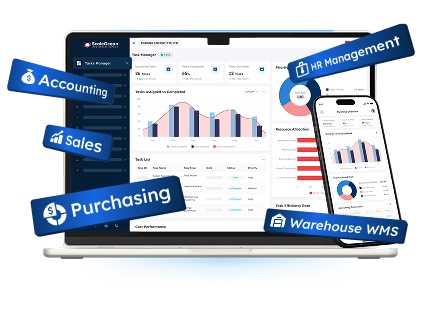
Keep up with HR Compliance with HRIS Software ScaleOcean
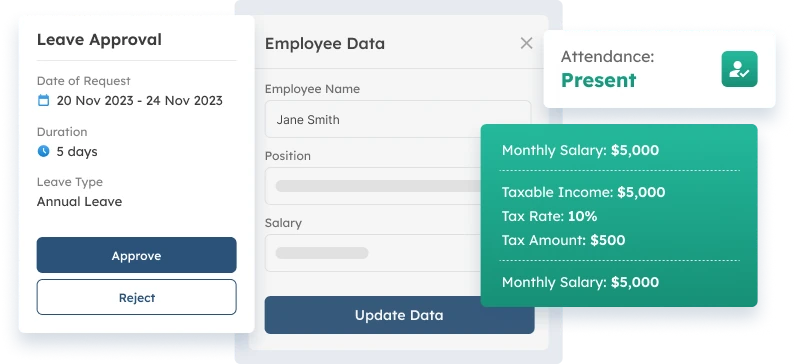
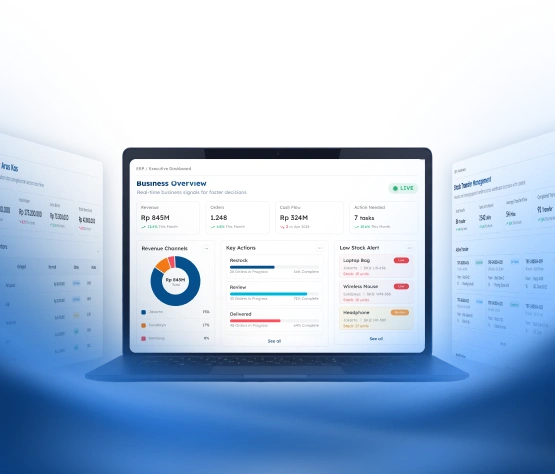
ScaleOcean HRIS Software helps firms in Singapore make sure all employees are compensated and treated correctly. They focus on ensuring your business stays up-to-date with Singapore’s HR laws, from payroll to benefits.
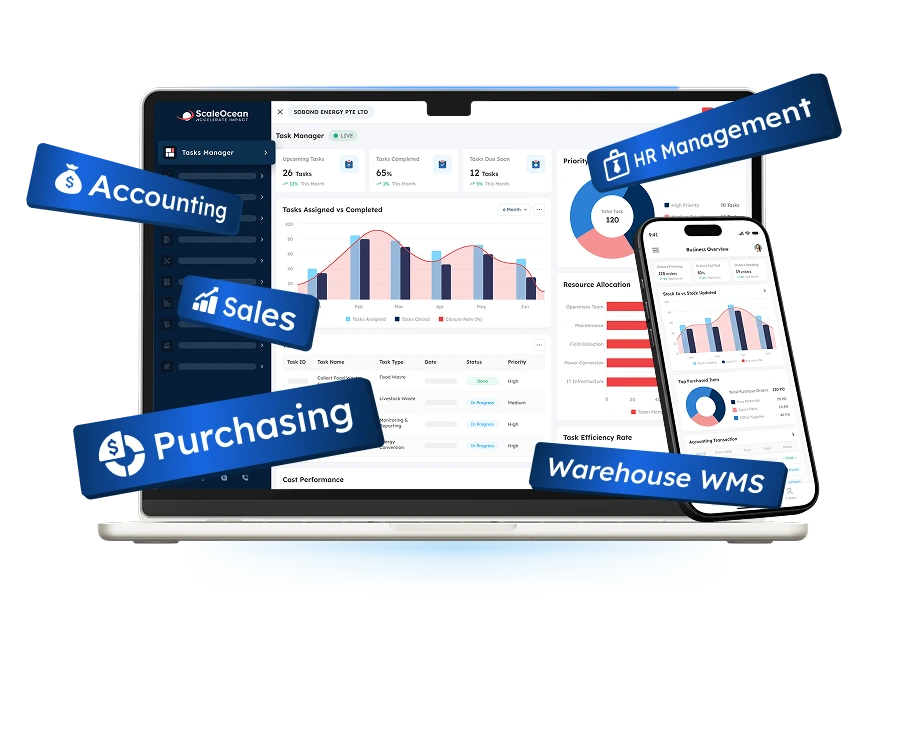
ScaleOcean reduces errors and manual work. Automated tasks streamline HR management to keep businesses on the right path. For those firms that are looking to see what our software has to offer, ScaleOcean also gives away a free demo that showcases all our features.
For organizations that sign up with ScaleOcean, they also qualify for the CTC (Cost-to-Company) grant, which covers 70% of the payment for integrating accounting and HR technology. Some other useful features ScaleOcean provides are listed below:
- Regulatory Compliance Automation: Ensure compliance with local labor laws, minimizing risk of non-compliance.
- Error-Free Payroll: Automates payroll to reduce manual errors and ensure accurate, timely payments.
- Centralized Data Management: Stores all employee information in one platform for easy access and compliance reporting.
- Real-Time Compliance Tracking: Continuously monitors and updates processes to stay aligned with changing regulations.
- Employee Self-Service Portal: Allows employees to access personal data, pay slips, and leave records, enhancing transparency and reducing admin work.
Conclusion
As it is crucial to create a fair working environment, organizations must stay up-to-date on the necessary HR regulations to avoid conflicts.
By being fully informed on anti-discrimination laws, employee benefits, and other relevant terms, businesses can not only prevent claims against them but also make for a smoother, happier work environment.
Successful firms rely on their HR practices to operate correctly, and ScaleOcean is here to help. Our bespoke solution, ScaleOcean HRIS Software, automates and streamlines your business processes to ensure you remain compliant and are working to the best of your ability.
This solution is the ideal choice for organizations looking to simplify their HR functions while ensuring a fully legal and efficient workspace.
FAQ:
1. What are the three most important HR laws?
The three key HR laws in Singapore are the Employment Act, which sets out basic employment conditions, the Workplace Safety and Health Act for maintaining a safe environment, and the CPF Act, which requires employers to contribute to employees’ retirement savings.
2. What are the HR policies?
HR policies are rules and guidelines that organizations implement to manage their workforce. These policies cover areas like recruitment, leave, performance management, and workplace safety. They ensure fairness and consistency in handling employee matters and maintaining legal compliance.
3. What is section 14 of the Employment Act in Singapore?
Section 14 of Singapore’s Employment Act regulates working hours, overtime pay, and rest days for employees. It ensures that employees’ work schedules are fair, setting limits on working hours and guaranteeing compensation for overtime in accordance with the law.
4. What’s the difference between HR and compliance?
HR deals with managing the workforce, including hiring, benefits, and employee relations. Compliance, on the other hand, ensures that the company follows legal and regulatory standards. While HR focuses on people management, compliance ensures the company adheres to relevant laws and regulations.





















.png)