



Running a fleet is tough when you’re juggling vehicles, routes, and rules. Without the right tools, tracking fuel or driver habits becomes a mess, leading to high costs and risks. That is why fleet management software is so vital for keeping your business running smoothly.
According to Ken Research, Singapore’s EV Fleet market is worth USD 240 million. As this grows, companies see that tech is key to staying ahead. Good software tracks performance, fixes routes, and cuts downtime, making it much easier to stay compliant and efficient.
Because of these shifts, this article covers everything you need to know about fleet tech. We will explain how it works, review the top picks of fleet management software in Singapore like ScaleOcean, Samsara, and Fleetio, and share some helpful tips on picking the right software to fit your specific business needs.
 Key Takeaways
- Fleet management software is a tool that helps businesses easily keep track of their vehicles, and with rising fuel prices and stricter regulations, fleet management software has become a must-have.
- Key components of a fleet system include maintenance tracking, fuel usage, driver analytics, and seamless data integration across platforms.
- Each fleet management software provider includes ScaleOcean, Samsara, Fleetio, and the other serves different strengths, allowing businesses to choose based on their unique priorities.
- ScaleOcean’s fleet management software is an all-in-one solution designed to easily integrate with other business platforms like ERP, CRM, warehouse management, logistics, and accounting.
What Makes Fleet Management Software Important?
Fleet management software is a tool that helps businesses easily keep track of their vehicles. It brings all the data related to vehicle maintenance, costs, and performance into one place, making it easier to stay organized and make informed decisions.
With rising fuel prices and stricter regulations, fleet management software has become a must-have. It helps businesses track vehicle usage, monitor performance, and avoid unnecessary costs, ensuring everything runs smoothly and stays compliant.
According to Data Bridge Market Research, the Singapore Fleet Management Market is expected to reach USD 644.34 million by 2032, growing at a CAGR of 15.24% from 2025 to 2032. This highlights how businesses are increasingly relying on fleet management technology to stay ahead.
And so today’s fleet management systems go beyond just tracking vehicles. They include features like fuel management, driver performance monitoring, and route optimization. These tools help businesses cut costs, stay compliant, and improve efficiency, making the software a key part of daily operations.
Key Features
Fleet management software comes with essential features that help businesses run smoothly. These tools make it easier to track vehicles, stay on top of maintenance, ensure compliance, and streamline operations to save time and money, and they can work hand in hand with a Transportation Management System (TMS).
Below are the key features that fleet management software must have:
- Live GPS tracking and vehicle data monitoring: GPS tracking gives real-time insights into where vehicles are and how they’re performing. This helps managers make quick decisions, improve routes, and keep the fleet running efficiently.
- Automated service scheduling and data-driven forecasting: Automated scheduling ensures timely vehicle maintenance, while predictive tools forecast future needs, reducing downtime and extending the lifespan of fleet vehicles.
- AI-driven route planning and dispatch management: AI optimizes routes to cut down on fuel costs and improve delivery speed. Automated dispatch management makes sure resources are allocated properly, keeping operations smooth and effective.
- Complete regulatory compliance and ELD integration: Fleet software helps ensure compliance with industry regulations by using ELD integration. This reduces the risk of fines and ensures accurate tracking of driver logs and vehicle inspections.
- Sophisticated fuel tracking and expense management: Fuel tracking helps businesses monitor consumption and identify inefficiencies. The software also tracks all expenses, providing better control over fuel usage and maintenance costs.
- Powerful API support and third-party system connectivity: API support allows fleet management software to integrate smoothly with business tools like accounting and logistics platforms, ensuring seamless data flow and customization to meet specific business needs.
- Mobile app support and streamlined digital workflows: The mobile app keeps managers and drivers connected, while digital workflows streamline tasks like updates, reporting, and document sharing, enhancing communication and overall efficiency.
- Geofencing capabilities and personalized notifications: Geofencing tracks when vehicles enter or exit designated areas, sending real-time alerts. Custom notifications keep businesses updated on important events like maintenance schedules or route changes.
What Things Should Be Included in Fleet Management Software?

Fleet management software is essential for businesses looking to streamline operations, cut costs, and ensure safety. With a variety of features, it helps manage vehicles, track performance, and maintain efficiency. Some key features make a big difference in how smoothly the system runs.
Below are the essential features that should be included in fleet management software:
- Manage vehicle and equipment inventory: Fleet management software should track both vehicles and equipment, ensuring assets are well-maintained and efficiently used to prevent waste and maximize value across the fleet.
- Dispatch vehicles and optimize routes: The software should help dispatch vehicles and optimize routes in real-time, reducing fuel costs and delivery times while keeping the entire process organized for better efficiency.
- Track vehicles using telematics: Telematics provides real-time data on vehicle locations and performance, helping businesses make smarter decisions, ensure efficient operations, and keep vehicles running safely on the road.
- Enable in-app communication and updates: Fleet software should include communication tools for real-time updates between drivers and managers, ensuring smooth coordination, fewer delays, and improved efficiency across operations.
- Include fleet maintenance features: Maintenance tools within the software help schedule services and track vehicle health, reducing breakdowns and minimizing unexpected repair costs while extending vehicle lifespan.
- Monitor and optimize fuel usage: Fuel tracking helps monitor consumption and identify inefficiencies. Optimizing fuel usage reduces costs, boosts efficiency, and encourages sustainable driving practices to help the bottom line.
- Track employee progress and performance: The software tracks driver performance metrics, such as speed and idle time, encouraging safer driving, improving productivity, and ensuring employees meet company safety and efficiency standards.
- Accident and Incident Reporting Tools: Incident reporting tools let businesses document accidents in real-time, simplifying claims, providing safety data, and allowing fleet managers to respond quickly to any situation with proper documentation.
Comparison Table of Fleet Management Software
Selecting the right fleet management software is crucial for streamlining operations and boosting efficiency. With so many choices out there, it’s important to evaluate key features, pricing, and the specific needs of your business to find the perfect fit.
Here’s a comparison table of fleet management software in Singapore to help you choose the best one for your business:
| Vendor | Best For | Price |
|---|---|---|
| ScaleOcean | Best for medium to large enterprises needing a customizable, all-in-one fleet management system. | Flat price with no hidden costs, and the price varies based on customization needs. |
| Samsara | Best for medium to large logistics and transportation companies needing telematics and real-time safety tools. | Typically, $27 to $50 per vehicle per month, hardware costs range from $99 to $148 per vehicle. |
| Fleetio | Best for small to medium businesses looking for a mobile-friendly, simple fleet management solution. | $4 to $10 per vehicle per month, depending on the tier. |
| Motive | Best for large trucking fleets needing ELD compliance, safety features, and real-time alerts. | $25 to $45+ per vehicle per month, requiring a minimum 2-year contract. |
| Lytx | Best for industries with high safety standards needing AI-driven video telematics and driver monitoring. | Starts at $500+ per vehicle, pricing is customized based on fleet size and needs. |
| Azuga Fleet | Best for small to medium-sized businesses focusing on driver behavior, engagement, and cost control. | Starts at $25 per vehicle per month, with specialized options available at higher costs. |
| Geotab | Best for large fleets needing customizable reporting, EV fleet support, and advanced data insights. | $20 to $40 per vehicle per month, typically requiring a 1-year contract. |
| ClearPathGPS | Best for small to medium-sized service-based businesses needing simple vehicle tracking and route optimization. | $20 to $25 per vehicle per month, with no long-term contracts. |
| Matrack | Best for small to mid-sized businesses looking for affordable, straightforward GPS tracking and compliance. | Starts at $11.95 per vehicle per month. |
| IntelliShift | Best for large businesses needing a customizable system with AI-driven safety, maintenance, and predictive tools. | $15 to $50 per vehicle per month, with competitive pricing for fleet management solutions. |
10 Best Fleet Management Software Providers
Choosing the right fleet management software is essential for optimizing operations, ensuring safety, and maintaining compliance. The right system can simplify complex tasks and offer the flexibility needed to grow with your business.
Below are the 10 best fleet management software providers:
1. ScaleOcean Fleet Management System Software
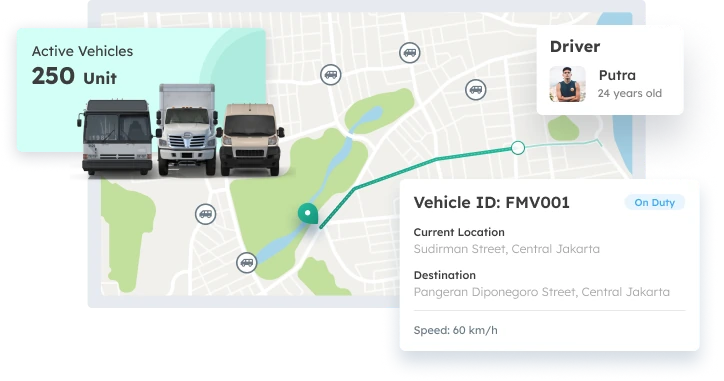
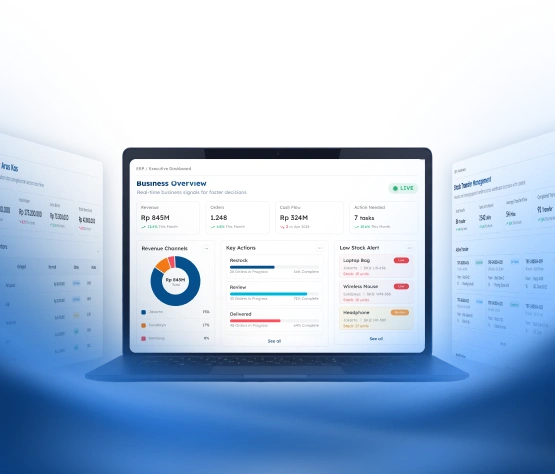
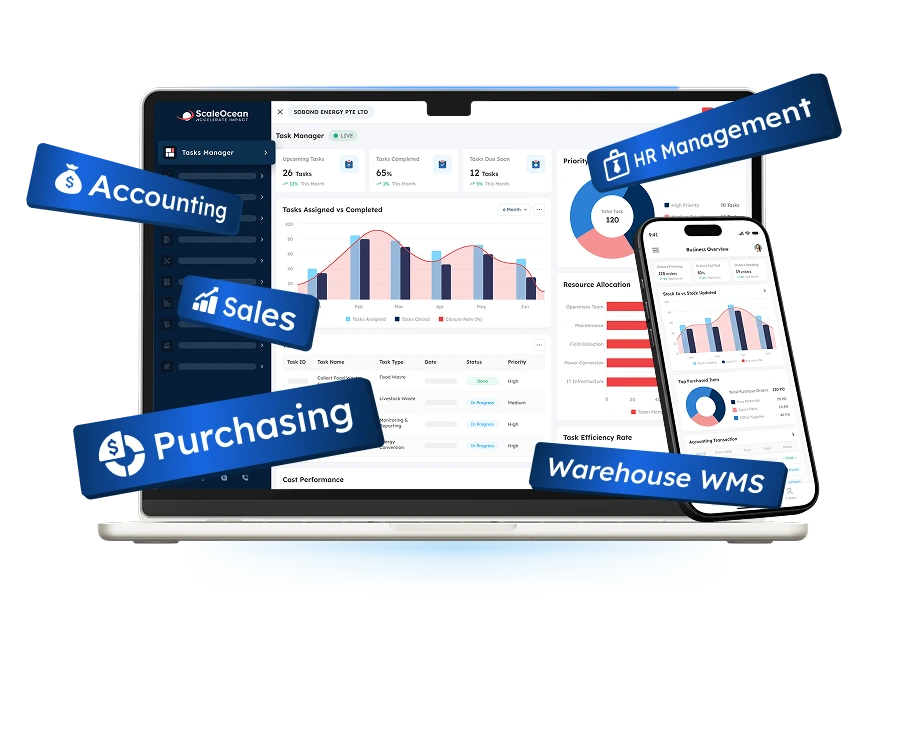
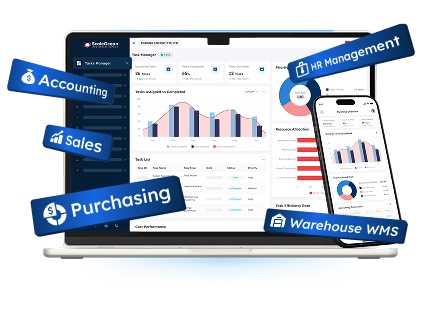
ScaleOcean’s best fleet management software is an all-in-one solution designed to easily integrate with other business platforms like ERP, CRM, warehouse management, logistics, and accounting. This integration makes it easier for businesses to keep track of fleet performance, from vehicle conditions to delivery statuses, all from a single platform.
With ScaleOcean, managing your fleet has never been simpler. The system covers everything from scheduling maintenance and tracking vehicle usage to managing fuel consumption, driver performance, downtime, and route optimization. It helps streamline fleet operations and keeps costs in check.
ScaleOcean’s fleet management system is fully customizable to meet your unique business needs and is a great option for businesses looking to claim CTC grants of up to 70%. Plus, ScaleOcean offers a free demo so you can try out the system and see how it can improve your fleet management firsthand.
Key Features:
- AI Fleet Management Software: Uses historical data analysis to optimize routes, monitor vehicle performance, and automate fleet scheduling and usage planning.
- Predictive Maintenance: Machine learning algorithms predict when vehicles need maintenance, reducing downtime and improving fleet longevity.
- Driver Behavior Monitoring: Tracks real-time driving behaviors like speed and sudden braking, helping to improve safety and reduce risk.
- Integrated Business Process Automation: Streamlines and automates various fleet management processes, improving efficiency and reducing manual work.
- IoT Integration and Advanced Analytics: Leverages IoT connectivity for real-time data collection and provides in-depth reporting and analysis for better decision-making.
| Pros | Cons |
|---|---|
|
|
Best For: ScaleOcean is ideal for medium to large enterprises looking for a highly customizable fleet management solution. Its flexibility allows it to integrate seamlessly into any industry and tailor its features to suit unique business processes, optimizing operations and improving efficiency.
2. Samsara Fleet Management Software
Samsara leans into IoT pretty heavily, offering features like dash cams, live diagnostics, and sensor data that’s constantly feeding into the system. For logistics-heavy companies, it’s a practical option that doesn’t lag when things scale fast.
Their API plays well with other systems, too, which helps if you’ve already got tools in place. Telematics and safety tools are clearly where they’ve put a lot of focus.
Key Features:
- Real-time GPS tracking
- Dash cams for video monitoring
- Live diagnostics and sensor data
- Fleet safety tools and telematics
- Seamless integration with third-party systems
| Pros | Cons |
|---|---|
|
|
Best For: Samsara is best suited for medium to large logistics and transportation companies that rely on real-time tracking and need robust telematics and safety features. It’s ideal for businesses looking to scale quickly while maintaining high efficiency and safety standards.
3. Fleetio Fleet Management System
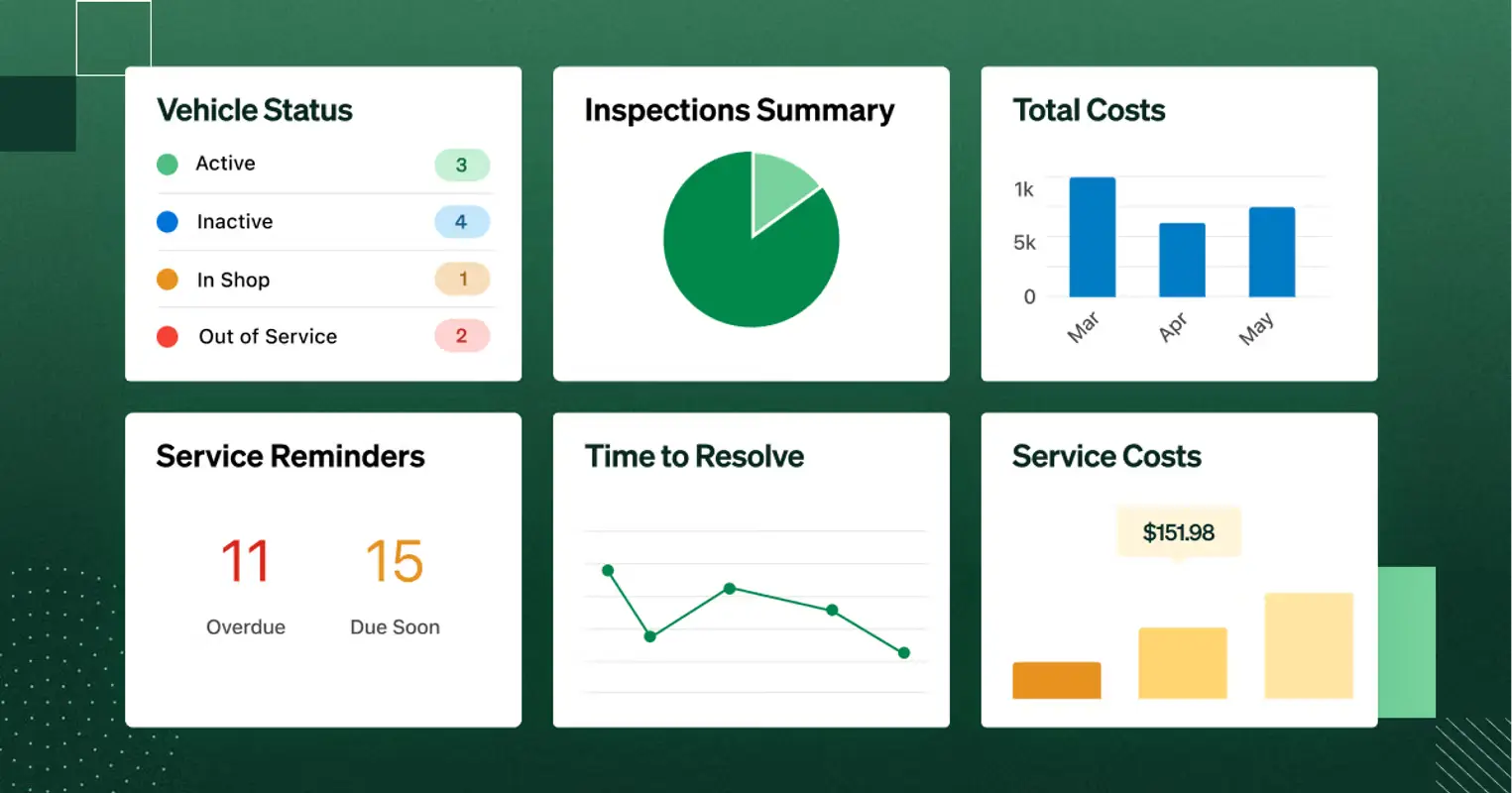
Fleetio is mobile-first, which works well for teams that are constantly on the road or split across locations. It makes basic stuff like inspections and fuel logs feel less like admin work.
What’s useful is how it automates reminders and connects with fuel cards, so there’s less chasing. Flexibility and ease of use are definitely part of the appeal here.
Key Features:
- Mobile-first platform
- Automated reminders for vehicle maintenance
- Real-time fuel management
- Integration with fuel cards
- Customizable fleet reporting
| Pros | Cons |
|---|---|
|
|
Best For: Fleetio is ideal for small to medium-sized businesses looking for a simple, mobile-friendly solution to manage vehicle maintenance, fuel logs, and automated reminders. It is well-suited for businesses that value ease of use over complex analytics.
4. Motive Fleet Management Platform
Motive, which used to be KeepTruckin, is well-known for helping trucking fleets stay compliant, especially with ELD and HOS regulations across different states. It’s not flashy, but it solves a specific need well.
Their AI-powered cameras and real-time alerts help catch issues early, before they turn into bigger problems. Safety and compliance are baked into how the system works.
Key Features:
- ELD and HOS compliance
- AI-powered cameras for driver monitoring
- Real-time alerts for safety and compliance
- Fleet performance analytics
- Integration with other business tools
| Pros | Cons |
|---|---|
|
|
Best For: Motive is best for large trucking companies and fleet operators who need to stay compliant with ELD and HOS regulations. It is ideal for businesses prioritizing safety, compliance, and real-time issue detection through advanced technology.
5. Lytx Fleet Management Solution
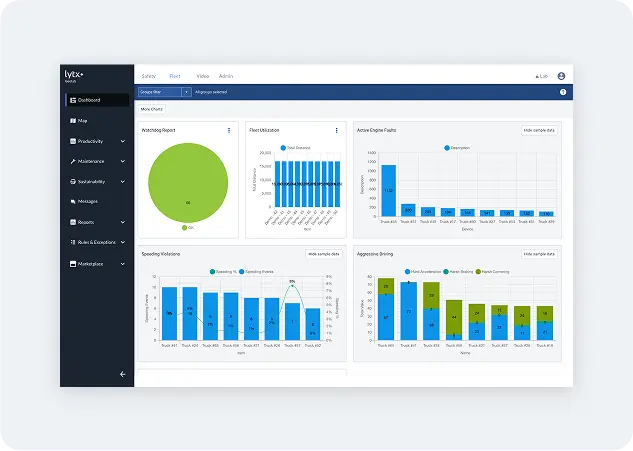
Lytx really focuses on safety through video telematics, using AI to flag risky driving before it escalates. Industries that deal with strict safety standards seem to turn to it often.
The system pulls in a lot of data from cameras and sensors to build a full picture of what’s happening on the road. Driver coaching and safety analytics are key pieces of the platform.
Key Features:
- Video telematics for driver safety
- AI-powered event detection
- Real-time monitoring for risky driving behaviors
- Driver coaching tools
- Fleet performance analytics
| Pros | Cons |
|---|---|
|
|
Best For: Lytx is best for businesses in industries with high safety standards, such as logistics, construction, or delivery services. It works well for medium to large fleets looking to improve driver safety and reduce risky driving behaviors through video telematics.
6. Azuga Fleet Software
Azuga blends GPS tracking with tools to encourage better driving, things like driver rewards and diagnostics, all built into one interface. It strikes a balance between cost control and keeping drivers engaged.
They even use gamification to motivate drivers, which not every platform attempts. Cost-efficiency and engagement feel like the main goals here.
Key Features:
- GPS tracking and route optimization
- Driver rewards program
- Fuel management integration
- Real-time diagnostics
- Gamification features for driver engagement
| Pros | Cons |
|---|---|
|
|
Best For: Azuga is best for small to medium-sized businesses that want a simple and affordable fleet management solution with a focus on driver behavior, engagement, and cost control. It’s a good choice for businesses that value incentives and tracking without complex analytics.
7. Geotab Fleet Management System
Geotab gives companies a lot of freedom to tweak reports and dashboards to suit their own structure. It’s often seen in larger fleets where customization is a must.
It’s also ahead of the curve with EV support, which is starting to matter more in the fleet world. Data-driven insights and flexibility make it a good fit for evolving needs.
Key Features:
- Customizable reports and dashboards
- EV fleet management support
- Advanced analytics and data insights
- Flexible integration with other systems
- Real-time GPS tracking
| Pros | Cons |
|---|---|
|
|
Best For: Geotab is ideal for large fleets, especially those looking to incorporate electric vehicles and require customizable reporting and advanced analytics. It’s a strong choice for businesses that need flexibility and scalability in their fleet management systems.
8. ClearPathGPS Fleet System
ClearPathGPS is built for quick visibility, knowing where your vehicles are and how to reroute efficiently. It’s usually a go-to for service-based businesses like HVAC or plumbing.
The app is simple and doesn’t take much to set up, which helps for teams that need something that just works. Simplicity and live tracking are what make it stand out.
Key Features:
- Real-time vehicle tracking
- Simple setup and user-friendly interface
- Route optimization and re-routing
- Mobile app for easy access
- Basic fleet management features
| Pros | Cons |
|---|---|
|
|
Best For: ClearPathGPS is best for small to medium-sized service-based businesses like HVAC or plumbing that need a simple, easy-to-use fleet management system with a focus on real-time vehicle tracking and route optimization.
9. Matrack Fleet Solution
Matrack offers practical solutions for small to mid-sized fleets, especially if you’re watching your budget. You can go with plug-and-play or hardwired devices, depending on what suits your setup.
The system leans more toward basic GPS and compliance rather than deep analytics, but it covers the essentials. Affordability and ease of setup are what people usually look for here.
Key Features:
- Basic GPS tracking
- Compliance tracking for small fleets
- Plug-and-play or hardwired device options
- Simple setup process
- Basic maintenance tracking
| Pros | Cons |
|---|---|
|
|
Best For: Matrack is best for small to mid-sized businesses that need an affordable, straightforward fleet management solution with basic GPS tracking and compliance features. It’s ideal for companies that don’t need advanced analytics or additional features.
10. IntelliShift Fleet Management Tools
IntelliShift tries to bring together safety, operations, and data into one dashboard, which works best for larger teams that need flexibility. The ability to customize workflows makes it more adaptable than most.
They also use AI to spot maintenance risks or unsafe driving behavior before they cause downtime. Custom configuration and predictive tools are the real selling points.
Key Features:
- Customizable dashboards
- AI-powered safety and maintenance alerts
- Predictive analytics for fleet performance
- Real-time vehicle and driver monitoring
- Flexible configuration for large teams
| Pros | Cons |
|---|---|
|
|
Best For: IntelliShift is best for larger businesses that need a highly customizable fleet management system. It works well for companies that prioritize safety, AI-driven insights, and predictive tools to manage complex fleet operations efficiently.
If you’re feeling unsure about which fleet management software to choose, you can always check out ScaleOcean. Known for its flexibility, its logistics software is a great example of how seamlessly it adapts to different operational needs, making fleet management easier and more efficient for companies of all sizes.
How to Choose the Best Fleet Management Software for Your Business
Selecting the right fleet management software is essential for boosting efficiency and optimizing operations. The best solution depends on your company’s size, specific needs, and budget. Make sure to weigh the features and consider how well the software integrates with your current systems.
Here are the key factors to think about when choosing fleet management software for your business:
- Company scale: Your company’s size can impact the type of fleet management software you should choose. Larger companies might need more advanced features and scalability, while smaller businesses may find simpler, more budget-friendly options to be a better fit.
- Current systems and technology: Take into account the software and technology your business already uses. The fleet management system should work well with your existing platforms like ERP, CRM, and accounting software to ensure smooth operations and avoid disruptions.
- Financial resources: Your budget is a big factor in choosing the right fleet management software. Be sure to review the pricing structure carefully, considering any potential hidden fees, to make sure the software fits within your financial limits.
- Fleet size and complexity: The number of vehicles and the complexity of your fleet operations determine the features you’ll need. Larger, more complex fleets might need advanced analytics, real-time tracking, and customizable reports to meet their unique needs.
- Regulatory compliance requirements: Depending on your industry and location, your fleet may need to follow specific regulations like ELD compliance, safety standards, or environmental rules. Make sure the software you choose can handle these compliance needs easily.
Conclusion
Fleet management software isn’t a luxury anymore because it’s become a necessity for businesses that rely on transportation daily. Between rising operational costs, tighter compliance regulations, and customer demand for faster service, the margin for error is shrinking. What makes or breaks a system is how well it fits your team’s workflow.
Some businesses may need deep analytics, while others need simplicity and real-time updates. The key is finding a platform that adapts to your needs without adding friction. With the options out there, doing a bit of homework now saves a lot of headaches later.
For businesses in Singapore or anywhere juggling multiple vehicles, maintenance schedules, and drivers, solutions like ScaleOcean’s fleet management software can be the operational glue that holds everything together quietly, efficiently, and reliably, and ScaleOcean offers a free demo as well, so you can try the features firsthand.
FAQ:
1. What is fleet management software?
Fleet management software is a digital tool that helps businesses efficiently manage their fleet operations. It allows for real-time tracking, maintenance scheduling, and performance monitoring, all from one platform. By using GPS and telematics, this software streamlines processes, boosts safety, and enhances decision-making.
2. What are the 5 pillars of fleet management?
The 5 pillars of fleet management are:
1. Vehicle tracking and monitoring
2. Fuel management and cost control
3. Maintenance and vehicle health management
4. Driver performance and safety
5. Compliance with regulations and reporting
3. How much does fleet software cost?
The cost of fleet management software varies based on factors like fleet size, features, and vendor. Typically, businesses pay for subscriptions, hardware, telematics devices, and customer support. Larger fleets with more complex needs often face higher fees due to advanced features.
4. What is ERP in fleet management?
ERP in fleet management integrates all fleet-related activities with other business functions like accounting, billing, and maintenance. It consolidates data into one system, making processes smoother, more efficient, and providing better insights to drive decisions across the business.



















.png)