A vendor management system (VMS) is software that centralizes supplier information, contracts, performance, compliance, and payments across business operations. For Singapore enterprises, managing numerous vendors manually can quickly create costly visibility gaps.
As supplier networks expand, procurement teams often struggle to monitor vendor performance, risks, contracts, and obligations consistently. Consequently, fragmented records can delay decisions, increase compliance exposure, and create unexpected operational costs.
Moreover, manual procurement processes become increasingly difficult when businesses manage multiple branches, departments, and high transaction volumes. Without centralized controls, teams may duplicate work, overlook contract terms, or lose important supplier information.
Integrating a vendor management system with ERP software helps enterprises establish transparent, measurable procurement processes. Businesses can connect supplier data with purchasing, inventory, finance, and reporting workflows while maintaining stronger operational visibility.
Key Takeaways
A Vendor Management System (VMS) is software designed to manage the complete vendor lifecycle, from supplier onboarding and qualification through contracts, performance, payments, and offboarding
Core VMS components include vendor qualification, risk assessment, contract management, performance management, financial management, and relationship offboarding.
Successful vendor management requires centralized data, vendor tiering, clear SLAs, collaborative relationships, exit strategies, and appropriate technology for sustainable oversight.
The 10 popular vendor management software tools offer different capabilities for procurement, suppliers, contracts, payments, workforce management, technology spending, and third-party risk.
A Vendor Management System (VMS) is a software designed to manage the complete vendor lifecycle, from supplier onboarding and qualification through contracts, performance, payments, and offboarding. It centralizes essential vendor information within one controlled platform.
Additionally, VMS software helps procurement teams standardize supplier processes and monitor important operational indicators. When integrated with ERP, it can connect vendor management with purchasing, inventory, accounting, approvals, and financial reporting.
How Does the Vendor Management System Journey Work?
A vendor management journey typically follows several connected stages that establish, monitor, and eventually conclude supplier relationships. Each stage helps businesses maintain accurate information while controlling operational, financial, and compliance risks.
Furthermore, VMS software can automate repetitive activities throughout this journey, reducing manual coordination between procurement, finance, and other departments. This structured approach gives teams clearer responsibilities and more consistent supplier governance.
1. Onboarding (Signing Up)
Vendor onboarding begins when a company collects supplier information, registration documents, banking details, certifications, and other required records. The procurement team can then review submitted information before approving the vendor.
Additionally, automated workflows can route onboarding requests to responsible departments for verification and approval. This approach reduces duplicate data entry while helping businesses build complete, reliable vendor profiles from the start.
2. Contract Management
After onboarding, businesses establish contracts that define pricing, service levels, delivery requirements, payment terms, responsibilities, and expiration dates. A VMS centralizes these agreements, making important contractual information easier to access.
Automated reminders can also notify teams about upcoming renewals, expirations, or required reviews. As a result, procurement teams can address contractual obligations earlier and reduce the risk of missed deadlines or unfavorable renewals.
3. Performance Tracking
Once vendors begin supplying goods or services, businesses can monitor performance against agreed expectations. Teams may evaluate delivery accuracy, quality, responsiveness, pricing consistency, service levels, and other relevant performance indicators.
Moreover, centralized performance records allow procurement managers to compare suppliers using consistent criteria. This visibility helps organizations identify reliable vendors, address recurring issues, and support more informed sourcing decisions.
4. Invoicing and Payments
VMS processes can connect vendor information with purchasing documents, invoices, approvals, and payment activities. Finance teams can therefore verify transactions against relevant records before processing supplier payments.
Additionally, integration with accounting or ERP systems can reduce manual reconciliation between procurement and finance. This connection improves transaction visibility while helping businesses identify discrepancies, duplicate invoices, or unusual payment patterns.
5. Offboarding
Vendor offboarding occurs when a supplier relationship ends because of contract expiration, replacement, performance concerns, or other business decisions. Teams must close outstanding transactions while preserving relevant records for future reference.
Furthermore, structured offboarding workflows can revoke access, complete final payments, recover company assets, and document closure activities. This process helps businesses maintain stronger governance while preventing unresolved obligations from remaining after termination.
Why Do Companies Use VMS? Core Functions
Companies use VMS software to organize vendor information and standardize supplier-related activities across procurement, finance, operations, and compliance teams. As a result, organizations can replace fragmented processes with more controlled, measurable workflows.
Beyond administration, VMS provides greater visibility into supplier performance, spending, contracts, and risks. When connected with ERP software, these capabilities can support broader operational decisions using consistent business data.
1. Centralized Database
A centralized database stores supplier profiles, contact information, contracts, certifications, banking details, and performance records in one accessible location. Procurement teams can therefore retrieve current vendor information without searching across disconnected spreadsheets.
Moreover, centralized records help organizations maintain consistent supplier data across departments and branches. This structure reduces duplicate entries, improves information accuracy, and supports faster decision-making when teams evaluate vendors.
2. Lifecycle Automation
Procurement lifecycle automation coordinates recurring vendor activities from onboarding through contract management, performance reviews, and offboarding. Instead of relying entirely on manual follow-ups, teams can establish standardized workflows and approval sequences.
Automation can also trigger reminders, assign tasks, and route requests to responsible users. As a result, procurement teams spend less time coordinating routine activities and more time managing supplier relationships strategically.
3. Performance Tracking
Performance tracking allows organizations to evaluate suppliers against measurable indicators such as delivery times, product quality, service responsiveness, and contract compliance. Teams can use these metrics to identify performance trends over time.
Furthermore, standardized vendor evaluations create a stronger basis for supplier comparisons and improvement discussions. Managers can therefore recognize high-performing vendors while addressing recurring problems before they affect wider business operations.
4. Risk and Compliance Management
VMS helps businesses organize vendor certifications, compliance documents, assessments, and risk information throughout supplier relationships to have a good procurement risk management. Procurement teams can use these records to monitor requirements and identify vendors requiring additional review.
As a result, organizations gain better control over supplier-related compliance obligations and operational risks. When teams receive timely reminders for expiring documents, they can address potential gaps before those issues disrupt procurement activities.
5. Total Visibility in Procurement
A VMS provides broader visibility by connecting supplier information with procurement activities, contracts, purchase orders, invoices, and performance records. Managers can consequently understand supplier activity without relying on separate departmental procurement reports.
Moreover, ERP integration can connect procurement information with inventory and financial data. This broader view helps decision-makers assess supplier relationships alongside operational requirements, costs, and business performance.
6. Time Savings
VMS reduces administrative workloads by automating repetitive activities such as data collection, approval routing, document reminders, and vendor updates. Procurement teams can therefore complete routine processes with fewer manual interventions.
Additionally, centralized information minimizes time spent searching for supplier records across different systems. This efficiency allows employees to focus more attention on sourcing strategies, negotiations, performance improvement, and supplier relationships.
7. Smarter Spending
VMS gives organizations clearer information about supplier pricing, purchasing activity, contracts, and spending patterns. Procurement teams can consequently identify consolidation opportunities, monitor negotiated terms, and detect unnecessary or inconsistent expenditure.
Furthermore, integrating vendor data with ERP purchasing and accounting records creates stronger spending visibility. Businesses can use these insights to improve sourcing decisions, control costs, and allocate procurement budgets more effectively.
6 Core Components of a Vendor Management System
A complete vendor management system combines several components that support supplier governance throughout the relationship lifecycle. These components help businesses manage qualification, compliance, contracts, performance, financial transactions, and relationship closure systematically.
Each component provides different controls while sharing information through a centralized platform. When businesses integrate these capabilities with ERP, procurement teams can connect vendor management with broader operational and financial workflows.
1. Vendor Selection and Qualification
Vendor selection and qualification processes help businesses evaluate suppliers before establishing formal relationships. Teams can assess capabilities, pricing, experience, certifications, capacity, and other requirements against predefined procurement criteria.
Additionally, structured qualification workflows create consistent standards across supplier evaluations. This approach helps procurement teams compare candidates objectively while ensuring selected vendors meet the organization’s operational and commercial expectations.
2. Risk Assessment and Compliance
Risk assessment and compliance capabilities help organizations evaluate supplier risks and maintain relevant documentation. Teams can record certifications, regulatory information, insurance documents, assessments, and other evidence required for vendor approval.
Automated alerts can also flag approaching document expirations or required reviews. Consequently, procurement teams can address compliance gaps earlier and maintain stronger oversight of suppliers throughout their active relationships.
3. Contract Management
Contract management centralizes agreements, terms, renewal dates, pricing conditions, service levels, and other contractual information. Procurement teams can therefore access important obligations without relying on scattered files or individual employee records.
Moreover, automated reminders support timely contract reviews and renewals. By maintaining stronger control over agreements, businesses can reduce missed obligations, improve negotiation preparation, and manage supplier commitments more effectively.
4. Performance Management
Performance management measures vendor outcomes against agreed standards and business expectations. Organizations can monitor delivery reliability, quality, responsiveness, service levels, and other indicators relevant to their supplier relationships.
Additionally, performance histories help managers identify recurring problems and recognize dependable suppliers. These insights can support corrective actions, supplier development initiatives, and more informed decisions about future procurement opportunities.
5. Financial and Invoice Management
Financial and invoice management connects vendor transactions with purchase orders, invoices, approvals, and payment information. This structure helps finance and procurement teams maintain clearer records while reviewing supplier-related financial activities.
Furthermore, ERP integration can improve reconciliation between purchasing and accounting records. Businesses can consequently reduce manual checking, identify transaction discrepancies earlier, and gain stronger visibility into outstanding vendor payments.
6. Relationship and Offboarding Management
Relationship management supports ongoing communication, reviews, issue resolution, and collaboration between businesses and their vendors. Meanwhile, offboarding processes help organizations formally close relationships when contracts end, or suppliers no longer meet requirements.
Consequently, businesses can maintain supplier histories even after relationships conclude, supporting future evaluations and audits. Structured closure workflows also help teams complete outstanding obligations while protecting business information and access.
Vendor Management vs. Supplier Management
Vendor management and supplier management both support procurement operations, but they focus on different aspects of external business relationships. Understanding these distinctions helps companies assign appropriate strategies, processes, and performance measurements.
Generally, vendor management covers the broader relationship lifecycle, including services, contracts, risks, and payments. Supplier management focuses more specifically on organizations that provide materials, products, or resources supporting production and operations.
Aspect
Vendor Management
Supplier Management
Primary Focus
Managing the overall relationship with external vendors
Managing suppliers that provide goods, materials, or resources
Scope
Covers contracts, services, performance, risks, invoices, and lifecycle activities
Focuses on sourcing, quality, delivery, pricing, and supply continuity
Relationship Type
Can involve service providers, contractors, consultants, and suppliers
Primarily involves product and material providers
Main Objective
Improve vendor relationships, compliance, performance, and operational control
Ensure reliable supply, product quality, competitive costs, and timely delivery
Key Stakeholders
Procurement, finance, operations, legal, and compliance teams
Procurement, supply chain, inventory, and production teams
Typical Metrics
SLA compliance, service quality, risk levels, contract performance
Delivery performance, product quality, lead times, and pricing
However, both practices often overlap because suppliers are also vendors within a broader procurement ecosystem. Therefore, integrated management systems can connect relationship data with purchasing, inventory, finance, and operational processes.
Common Challenges in Vendor Management System Process
Vendor management processes can become increasingly complex as businesses expand their supplier networks, transaction volumes, and operational locations. Without structured systems, organizations may struggle to maintain accurate records and consistent oversight.
Challenges often include technology limitations, communication gaps, financial risks, compliance requirements, and administrative workloads. Addressing these issues requires standardized processes that connect vendor information with broader procurement and business operations.
A Forbes Business Council article described how large businesses managing multiple staffing agencies can struggle with different contracts, contacts, payment arrangements, standards, and communication methods. These fragmented relationships can create operational gaps and limited performance visibility.
The article explains that a vendor management system can centralize agency relationships, compliance checks, onboarding, performance tracking, and spending information. Consequently, businesses gain clearer insights for selecting agencies and allocating resources more effectively.
1. Data and Technology Hurdles
Many organizations store vendor information across spreadsheets, emails, procurement platforms, and departmental systems. Consequently, fragmented technology environments can create duplicate records, inconsistent information, and difficulties accessing current supplier data.
Moreover, legacy systems may not integrate effectively with purchasing, finance, or operational applications. This limitation forces employees to transfer information manually, increasing administrative workloads and the likelihood of costly data errors.
2. People and Communication Roadblocks
Vendor relationships often involve procurement, finance, operations, legal, and external stakeholders with different responsibilities. Without clear communication processes, important updates may remain isolated within individual departments or employees.
Furthermore, unclear ownership can delay approvals, issue resolution, and performance reviews. Organizations need defined responsibilities and communication channels to ensure teams and vendors respond consistently throughout the relationship lifecycle.
3. Risk and Financial Blindspots
Companies may struggle to identify financial, operational, cybersecurity, or supply-relatedrisks across large vendor networks. When risk information remains fragmented, decision-makers can overlook warning signs that affect business continuity.
Additionally, limited spending visibility makes it difficult to evaluate vendor costs against budgets and contractual terms. Organizations may therefore experience duplicate purchases, unexpected expenses, or missed opportunities to improve procurement efficiency.
4. Limited Visibility into Vendor Performance
Without centralized performance tracking, companies may rely on subjective feedback or incomplete reports when evaluating vendors. This approach makes it difficult to identify recurring service issues or compare suppliers objectively.
Moreover, inconsistent metrics prevent managers from understanding whether vendors meet agreed contractual expectations. Standardized KPIs and performance records provide clearer insights that support improvement discussions and future sourcing decisions.
5. Compliance and Regulatory Requirements
Businesses must manage vendor documentation while meeting industry regulations, contractual obligations, and internal governance requirements. Missing certifications or outdated records can increase compliance exposure and disrupt important supplier relationships.
Furthermore, companies operating across Singapore and international markets may face different regulatory expectations. Centralized compliance workflows help teams monitor required documentation, review obligations, and respond to changes more systematically.
6. Scaling Vendor Programs Globally
Managing vendors across multiple countries introduces additional complexity involving currencies, languages, regulations, and operational practices. As organizations expand, inconsistent local processes can make centralized governance increasingly difficult to maintain.
Additionally, global teams may use different systems and performance standards for similar vendor relationships. Businesses need scalable frameworks that maintain centralized visibility while accommodating necessary regional and operational requirements.
7. Administrative Workload
Manual vendor management requires employees to collect documents, update records, chase approvals, monitor contracts, and prepare reports. These repetitive activities consume valuable time that procurement teams could spend on strategic sourcing.
Consequently, growing vendor networks can create disproportionate administrative pressure without automation and standardized workflows, which can usually be countered using AI in procurement. Businesses can reduce this burden by centralizing information and automating routine lifecycle activities.
Best Practices for Successful Vendor Management
Successful vendor management requires more than maintaining supplier records because organizations must actively monitor relationships, risks, performance, and contractual responsibilities. Clear processes help teams manage vendors consistently across departments and locations.
Furthermore, businesses should combine structured governance with collaborative relationships and appropriate technology. These practices improve visibility, reduce administrative complexity, and support stronger procurement decisions throughout the complete vendor lifecycle.
1. Build a Centralized “Source of Truth”
Businesses should maintain vendor information within one centralized system that authorized teams can access consistently. This source should include profiles, contracts, documents, performance records, risk assessments, and financial information.
Additionally, centralized data reduces conflicting information between procurement, finance, operations, and compliance departments. Teams can therefore make decisions using current records rather than relying on disconnected spreadsheets or outdated communications.
2. Tier Your Vendors by Risk and Criticality
Not every vendor creates the same operational impact, so businesses should classify relationships based on risk and criticality. Strategic vendors may require closer monitoring because disruptions could significantly affect revenue or operations.
Furthermore, vendor tiering helps organizations allocate management resources more efficiently across large supplier networks. High-risk relationships can receive frequent reviews while lower-risk vendors follow simplified monitoring and approval processes.
3. Create Clear, Two-Way SLA Report Cards
Companies should establish clear service level agreements that define measurable expectations for both internal teams and vendors. These agreements can cover delivery, quality, responsiveness, availability, communication, and issue resolution requirements.
Moreover, two-way report cards encourage accountability from both parties rather than placing responsibility entirely on vendors. Regular performance discussions help organizations identify problems, align expectations, and develop practical improvement plans collaboratively.
4. Treat Top Vendors Like Teammates
Strategic vendors often contribute directly to operational continuity, innovation, and customer outcomes, making collaboration increasingly important. Companies should therefore build transparent relationships instead of interacting only during negotiations or problems.
Additionally, regular communication helps businesses share forecasts, requirements, challenges, and improvement opportunities with important vendors. This collaborative approach can strengthen trust while helping both parties prepare for operational changes together.
5. Design a Complete Exit Strategy
Every vendor relationship should include a structured exit strategy before significant operational problems occur. Companies should define termination conditions, data handling requirements, final payments, transition responsibilities, and access revocation procedures.
Furthermore, a complete offboarding process reduces disruption when businesses replace vendors or contracts expire unexpectedly. Teams can transfer responsibilities systematically while preserving records and ensuring unresolved obligations receive appropriate attention.
6. Use the Best Vendor Management System Tools
Technology can simplify vendor management by centralizing information, automating workflows, and connecting supplier activities across business departments. Companies should select systems that support their operational complexity and long-term procurement requirements.
Moreover, an integrated ERP-based vendor management system can connect procurement with finance, inventory, contracts, and reporting. This unified approach helps Singapore enterprises maintain stronger visibility while building scalable and measurable vendor management processes.
10 Popular Vendor Management Software Tools
Businesses can choose from various vendor management software tools designed to improve supplier visibility, procurement workflows, contract control, and financial oversight. Each solution offers different capabilities for organizations with varying operational requirements.
However, the best option depends on integration needs, vendor complexity, scalability, compliance requirements, and existing business systems. The following software solutions provide different approaches for managing vendor relationships and procurement activities.
1. ScaleOcean
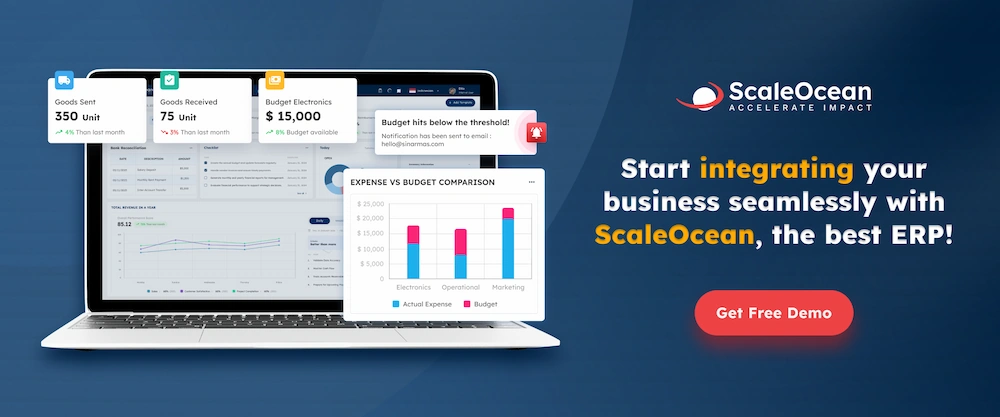
ScaleOcean e-Procurement Software helps Singapore enterprises manage suppliers strategically through centralized vendor data, performance tracking, compliance monitoring, and procurement visibility within one integrated ERP platform. Teams can evaluate relationships beyond routine administrative activities.
Additionally, its flagship platform, ScaleOcean Atlas, automates procurement workflows, including supplier portal activities, purchase requests, RFQs, purchase orders, approvals, and vendor comparisons. Real-time transaction data and spend analytics help businesses optimize purchasing decisions while maintaining stronger governance.
Furthermore, ScaleOcean connects vendor management with finance, inventory, warehouse, and operational data while providing AI-powered procurement insights through ScaleMind. Schedule a consultation with our experts to explore how ScaleOcean can strengthen enterprise supplier visibility and procurement control.
Key Features of ScaleOcean Procurement Software:
Vendor Performance Management and Scorecards: Tracks supplier performance against quality standards, delivery expectations, service levels, and predefined business KPIs.
Vendor Compliance and Document Management: Centralizes certifications, contracts, supporting documents, and compliance records to support stronger audit readiness and governance.
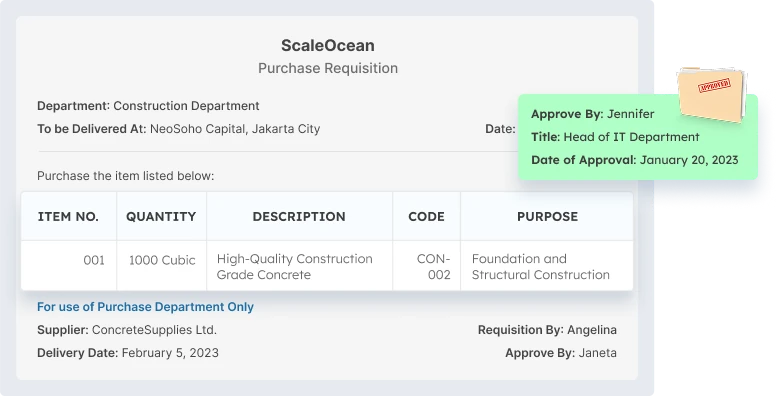
Automated Procurement Workflows: Streamlines supplier onboarding, purchase requests, RFQs, approvals, purchase orders, and other procurement activities through configurable workflows.
Vendor Comparison and Selection: Enables procurement teams to compare suppliers based on quotations, pricing, performance, and relevant purchasing criteria before making decisions.
Spend Analytics: Provides visibility into purchasing patterns, supplier expenditure, and procurement activities to help businesses identify cost optimization opportunities.
Pros
Cons
Consultative implementation focused on business outcomes.
Broad ERP ecosystem beyond manufacturing.
Highly configurable workflows and reports.
Modular pricing tailored to actual business needs.
Phased module deployment supports controlled digital transformation.
Prioritizes system fit and operational readiness over standardized implementation timelines.
Pricing is tailored to your business requirements, so you must consult with our experts first.
Best For: Singapore-based medium to large enterprises that need an integrated vendor management solution to centralize supplier data, automate procurement workflows, monitor vendor performance and compliance, analyze spending, and connect procurement activities with finance, inventory, warehouse, and other ERP operations.
ℹ️ Why Choose ScaleOcean?
ScaleOcean offers enterprises a unified ERP-based approach to vendor management by combining supplier visibility, automated procurement workflows, performance monitoring, compliance controls, spend analytics, and ScaleMind AI insights within one connected business platform.
2. SAP Fieldglass
SAP Fieldglass vendor management software supports organizations managing external workers, service providers, and related supplier relationships. It helps businesses organize workforce procurement, supplier activities, and contingent labor processes through one platform.
Additionally, the software provides tools for supplier onboarding, qualification, evaluation, and spend analysis. It mainly supports organizations managing complex external workforce and services procurement programs across multiple locations.
Key Features of SAP Fieldglass:
Supplier onboarding and qualification
Contingent workforce management
Services procurement workflows
Supplier performance evaluation
Pros
Cons
Supports complex workforce programs
Includes supplier management tools
Provides spend visibility
Can be complex for smaller teams
Primarily focuses on external workforce management
Implementation may require significant planning
Best For: Large enterprises and multinational organizations managing contingent workers, service providers, and complex external workforce procurement across multiple business units or geographical locations.
ℹ️ Why Choose SAP Fieldglass for Vendor Management System?
SAP Fieldglass may suit businesses that need structured supplier management alongside contingent workforce and services procurement processes within a large enterprise environment.
3. Coupa
Coupa vendor management software capabilities support supplier interactions as part of a broader business spend management platform. It helps organizations manage procurement activities, supplier information, sourcing, purchasing, and transaction processes.
Furthermore, suppliers can use its portal to access purchase orders, submit invoices, manage catalogs, and track transactions. The platform therefore supports communication and collaboration between procurement teams and external suppliers.
Key Features of Coupa:
Supplier portal
Purchase order management
Strategic sourcing tools
Invoice and transaction tracking
Pros
Cons
Broad procurement capabilities
Supports supplier collaboration
Centralizes spending activities
May offer more features than smaller businesses need
Configuration can require planning
Costs may vary by implementation scope
Best For: Mid-sized and large enterprises seeking a broader business spend management platform that combines supplier interactions with procurement, sourcing, purchasing, and financial processes.
ℹ️ Why Choose Coupa for Vendor Management System?
Coupa may suit organizations looking to manage supplier activities within a wider spend management and procurement ecosystem rather than using a standalone vendor tool.
4. Workday VMS
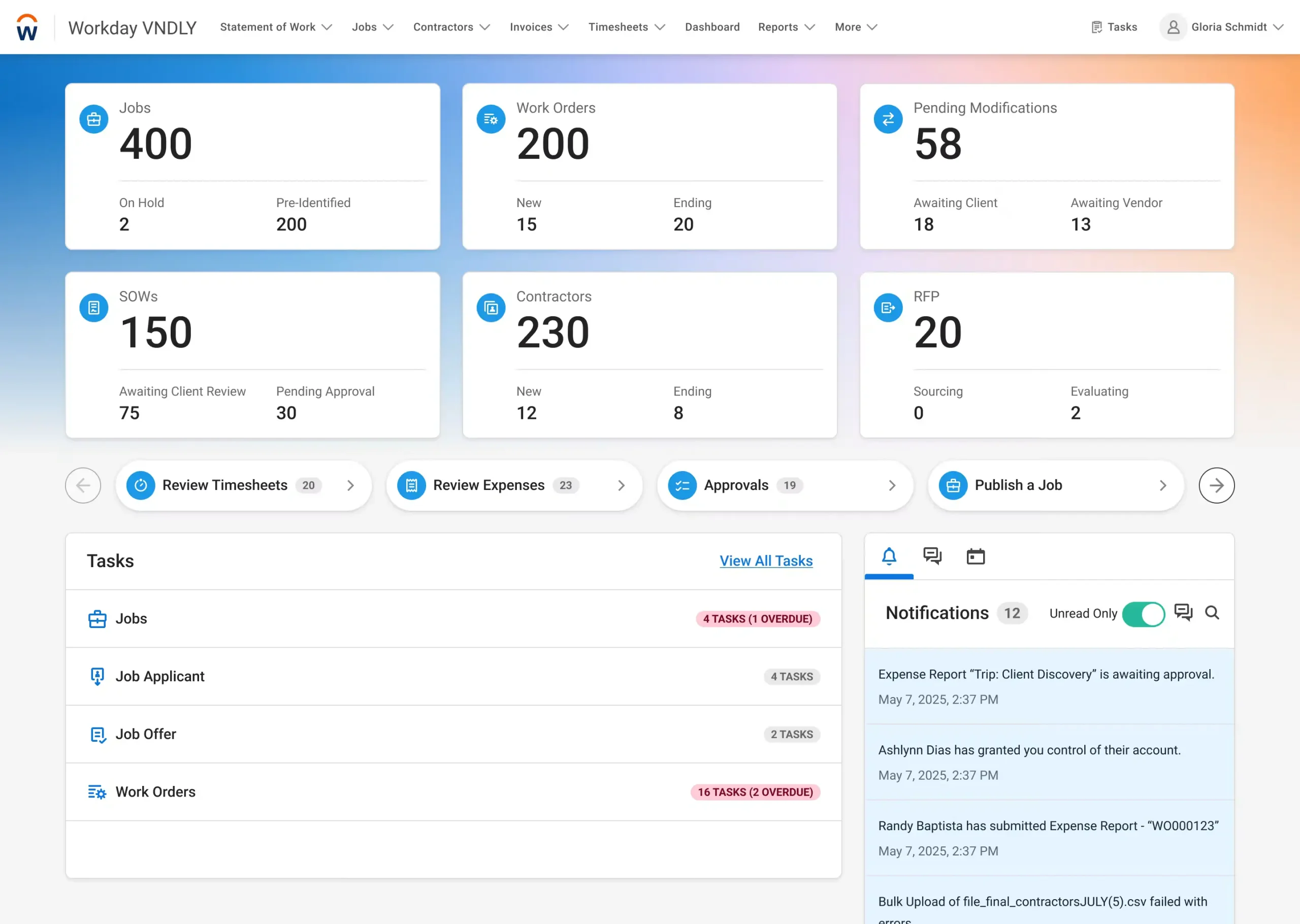
Workday VMS supports organizations managing contingent workers, external service providers, and workforce-related procurement activities. It helps companies organize worker requests, supplier relationships, approvals, and external workforce data.
Additionally, the platform connects workforce management processes with broader business and financial operations. This approach can help organizations gain more structured visibility into temporary labor and external service spending.
Key Features of Workday VMS:
Contingent workforce management
Supplier relationship tracking
Workforce request workflows
Spend and workforce reporting
Pros
Cons
Cloud-based access
Simple production management
Supports multi-location inventory
Advanced functions depend on plan
Costs increase with additional users
May require integrations for broader ERP needs
Best For: Mid-sized and large organizations that manage significant numbers of contingent workers, contractors, and service providers alongside broader workforce management operations.
ℹ️ Why Choose Workday VMS for Vendor Management System?
Workday VMS may be suitable for businesses prioritizing external workforce visibility and supplier coordination within a connected workforce management environment.
5. CloudEagle
CloudEagle vendor management software focuses on managing SaaS vendors, software subscriptions, contracts, and technology spending. It helps businesses organize software-related vendor information and monitor usage across their technology ecosystem.
Moreover, the platform supports teams managing numerous SaaS applications and recurring subscriptions. Companies can use centralized information to review contracts, renewals, spending, and software utilization more systematically.
Key Features of CloudEagle:
SaaS vendor management
Contract and renewal tracking
Software spend visibility
Application usage monitoring
Pros
Cons
Focuses on SaaS management
Helps monitor software spending
Supports renewal tracking
Primarily targets software vendors
May not suit physical supplier management
Scope can be limited for broader procurement
Best For: Mid-sized and large companies with extensive SaaS portfolios that need better visibility into software vendors, subscriptions, contract renewals, and technology-related spending.
ℹ️ Why Choose CloudEagle for Vendor Management System?
CloudEagle may suit organizations primarily focused on controlling SaaS subscriptions, software vendor relationships, and recurring technology expenses.
6. Stampli
Stampli vendor management software connects vendor information with accounts payable, invoice processing, onboarding, and payment workflows. It helps finance teams centralize vendor records and reduce manual communication surrounding invoices and payments.
Additionally, vendors can provide information through self-service tools while businesses maintain review and approval controls. The platform also supports document collection, compliance tracking, and communication within finance-related workflows.
Key Features of Stampli:
Vendor onboarding workflows
Self-service vendor portal
Document compliance tracking
Invoice and payment integration
Pros
Cons
Connects vendor management with accounts payable
Reduces manual vendor communication
Supports self-service processes
Primarily focuses on finance workflows
May not cover all procurement functions
Advanced capabilities may require additional options
Best For: Small to large businesses seeking to connect vendor onboarding, documentation, invoices, payments, and communication within accounts payable and finance operations.
ℹ️ Why Choose Stampli for Vendor Management System?
Stampli may be useful for organizations prioritizing vendor management processes that closely connect with invoice processing, payment workflows, and accounts payable activities.
7. Gatekeeper
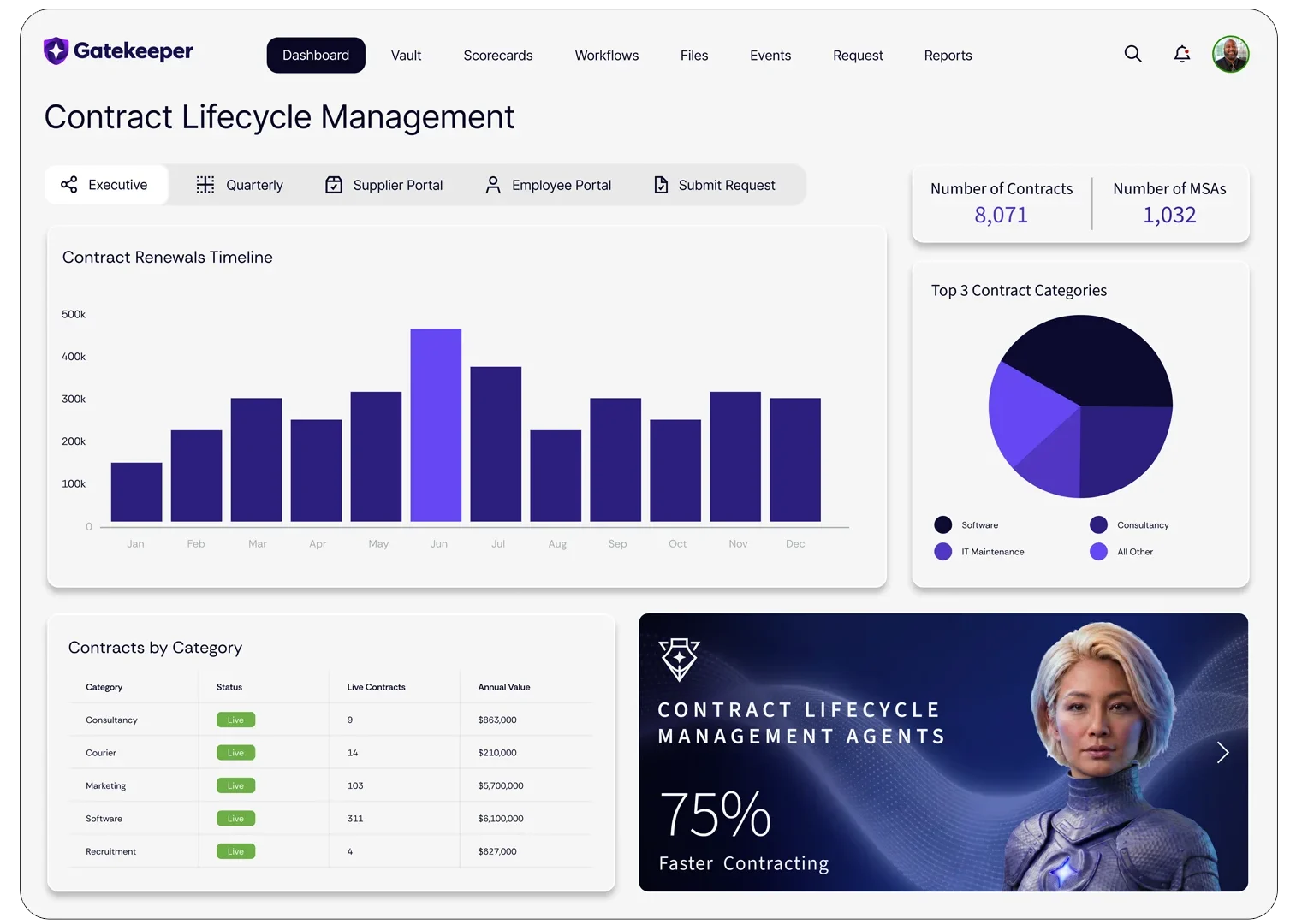
Gatekeeper vendor management software focuses on managing vendors, contracts, relationships, and third-party information through centralized workflows. It helps organizations organize vendor records and monitor important activities throughout the relationship lifecycle.
Furthermore, the platform supports contract tracking, vendor onboarding, risk processes, and workflow automation. Businesses can use these tools to improve visibility over third-party relationships and administrative responsibilities.
Key Features of Gatekeeper:
Vendor and contract repository
Workflow automation
Vendor onboarding
Third-party risk management
Pros
Cons
Combines vendor and contract management
Supports automated workflows
Provides centralized records
Configuration may require setup time
Advanced workflows can increase complexity
Some features may exceed basic needs
Best For: Mid-sized and large organizations that need centralized management for vendor relationships, contracts, third-party information, and structured approval workflows across multiple departments.
ℹ️ Why Choose Gatekeeper for Vendor Management System?
Gatekeeper may suit businesses looking to combine vendor relationship management with contract oversight and automated lifecycle workflows.
8. Tipalti
Tipalti vendor management software supports supplier onboarding, accounts payable, invoice processing, and global payment activities. It helps finance teams centralize supplier information while connecting vendor records with payment and financial workflows.
Moreover, suppliers can access payment information and manage selected details through self-service capabilities. The platform also integrates supplier data with ERP systems to support more connected financial and procurement processes.
Key Features of Tipalti:
Supplier onboarding
Global payment management
Invoice processing
ERP data integration
Pros
Cons
Supports global payment processes
Connects supplier management with finance
Provides supplier self-service tools
Primarily focuses on finance operations
May exceed requirements for smaller businesses
Global capabilities can add implementation complexity
Best For: Mid-sized and large companies managing international suppliers that need connected onboarding, accounts payable, payment processing, and financial visibility across multiple currencies or regions.
ℹ️ Why Choose Tipalti for Vendor Management System?
Tipalti may be suitable for businesses prioritizing supplier management alongside global accounts payable and payment operations.
9. Vertice
Vertice vendor management system helps organizations centralize vendor data, contracts, risk information, tasks, and communications. It focuses particularly on improving visibility into technology vendors and commercial relationships across the business.
Additionally, the platform provides insights for vendor requests, renewals, pricing, and risk reviews. Businesses can use centralized information to manage ongoing relationships and support more structured vendor-related decisions.
Key Features of Vertice:
Centralized vendor records
Contract and renewal tracking
Vendor risk monitoring
AI-powered vendor insights
Pros
Cons
Provides centralized vendor visibility
Supports contract renewals
Includes vendor risk information
Strongly oriented toward technology spending
May not cover all traditional procurement needs
Some features may require organizational maturity
Best For: Mid-sized and large organizations managing substantial technology spending that need better visibility into software vendors, contracts, renewals, pricing, and vendor-related risks.
ℹ️ Why Choose Vertice for Vendor Management System?
Vertice may suit companies focused on managing technology vendors and improving visibility into software contracts, spending, renewals, and commercial relationships.
10. Venminder
Venminder vendor management system focuses on third-party risk management and oversight throughout the vendor lifecycle. It helps organizations assess vendors, manage due diligence, monitor risks, and organize compliance-related activities.
Furthermore, the platform supports onboarding, ongoing monitoring, contract management, risk assessments, and offboarding processes. This approach helps businesses maintain structured oversight of vendors that create operational or regulatory risks.
Key Features of Venminder:
Third-party risk assessments
Vendor lifecycle management
Contract management
Continuous risk monitoring
Pros
Cons
Strong focus on third-party risk
Supports the complete vendor lifecycle
Provides compliance-related oversight
May be more specialized for risk management
Can exceed basic vendor management requirements
Risk programs may require dedicated resources
Best For: Mid-sized and large organizations operating in regulated industries that require structured third-party risk management, due diligence, compliance monitoring, and vendor oversight.
ℹ️ Why Choose Venminder for Vendor Management System?
Venminder may suit organizations prioritizing vendor risk assessments, regulatory oversight, due diligence, and structured third-party lifecycle management.
Core Features of Modern Vendor Management Systems to Consider
Modern vendor management systems provide connected tools that help businesses manage supplier information, workflows, contracts, performance, and risks more efficiently. Selecting appropriate features helps organizations build scalable and controlled vendor management processes.
Additionally, the most effective systems should integrate with broader business operations rather than operate independently. Companies can therefore connect vendor activities with procurement, finance, inventory, compliance, and reporting through a centralized platform.
1. Centralized Vendor Database
A centralized vendor database stores supplier profiles, contact details, certifications, contracts, banking information, and performance records in one location. Teams can access consistent information without searching across disconnected systems or spreadsheets.
Moreover, centralized records improve data accuracy by reducing duplicate entries and conflicting information between departments. Procurement teams can therefore make faster decisions while maintaining a clearer overview of every active vendor relationship.
2. Automated Onboarding Workflows
Automated onboarding workflows standardize how businesses collect, verify, approve, and store vendor information before establishing relationships. The system can route tasks automatically, ensuring responsible teams complete required checks efficiently.
Additionally, workflow automation reduces repetitive administrative work and minimizes delays caused by manual follow-ups. Companies can onboard qualified vendors faster while maintaining consistent approval procedures and complete documentation across every supplier.
3. Contract Lifecycle Management
Contract lifecycle management helps organizations create, store, monitor, renew, and review vendor agreements systematically. Teams can track important terms, obligations, pricing conditions, service levels, and expiration dates through centralized records.
Furthermore, automated notifications can alert responsible employees about approaching deadlines and renewal requirements. This visibility helps businesses prevent missed obligations while preparing negotiations and contract decisions with more accurate information.
4. Real-Time Performance Monitoring
Real-time performance monitoring allows businesses to evaluate vendors using current operational data and predefined performance indicators. Teams can track delivery reliability, quality, responsiveness, service levels, and other relevant metrics consistently.
Moreover, timely performance insights help managers identify emerging problems before they significantly affect operations. Organizations can then address issues earlier, improve vendor accountability, and make better sourcing decisions based on measurable results.
5. Security Measures
Vendor management systems should protect sensitive information such as banking details, contracts, compliance documents, and business records. Strong security measures help organizations control access and reduce unauthorized exposure across vendor-related processes.
Additionally, role-based permissions and audit trails improve accountability when multiple departments access supplier information. Businesses can monitor system activities while supporting stronger data governance and internal control requirements.
6. Mobile Accessibility
Mobile accessibility allows authorized employees to review vendor information, approve requests, and monitor activities without remaining at fixed workstations. This flexibility supports faster decision-making when managers or procurement teams work remotely.
Mobile access can also reduce approval delays by allowing responsible users to respond quickly. Businesses should still implement appropriate authentication controls to maintain security across devices and external networks.
How to Choose the Best Vendor Management Software for Your Business
Businesses should evaluate vendor management software based on operational requirements, supplier complexity, integration capabilities, and long-term growth plans. The right system should solve current procurement challenges without creating unnecessary implementation complexity.
Identify Inefficiencies & Visibility Gaps: Companies should first pinpoint which vendor processes create the greatest risks, inefficiencies, or visibility gaps. This initial assessment helps decision-makers prioritize essential capabilities over extensive feature lists.
Evaluate ERP & System Integration: Businesses need to assess how seamlessly the software connects with existing ERP, accounting, procurement, and inventory platforms. Integrated systems minimize manual data transfers and ensure consistent operational and financial visibility.
Assess Scalability, Security & Support: Organizations must evaluate scalability, security standards, customization options, user accessibility, and vendor support before committing. The ideal platform should easily adapt to evolving supplier networks while maintaining controlled processes as the business grows.
Conclusion
A vendor management system helps businesses centralize supplier data, automate procurement, monitor performance, manage compliance, and improve spending visibility. Consequently, enterprises can manage vendor relationships consistently while reducing manual processes and operational risks.
ScaleOcean e-Procurement Software supports these needs through centralized vendor management, automated workflows, performance tracking, compliance monitoring, and spend analytics. Its ERP integration connects procurement with finance, inventory, and operations, while ScaleMind provides AI insights.
For Singapore enterprises seeking stronger supplier control and data-driven procurement, ScaleOcean provides an integrated vendor management approach. Schedule a consultation with our experts to discuss your requirements and discover how ScaleOcean can support procurement.
FAQ Vendor Management System:
1. Do I need a Vendor Management System for a specific project or my entire company?
A VMS can support both individual projects and company-wide vendor management. However, enterprises with multiple suppliers, departments, or branches typically gain greater value from centralized, organization-wide implementation.
2. Can a Vendor Management System integrate with existing ERP and procurement software?
Yes. Many VMS platforms can integrate with ERP and procurement systems to synchronize vendor, purchasing, invoice, and financial data, reducing duplicate entry and improving end-to-end procurement visibility.
3. How long does it take to implement a Vendor Management System?
Implementation time varies based on vendor volume, system complexity, integrations, customization, and data migration. A basic setup may take weeks, while larger enterprise implementations can require several months.
4. Is a Vendor Management System suitable for companies with multiple branches or entities in Singapore?
Yes. A VMS can centralize vendor information across branches or entities while maintaining appropriate workflows, approvals, and access controls. Integration with ERP systems can further improve group-wide procurement visibility.










 Key Takeaways