

Supplier Relationship Management (SRM) is a strategic approach that helps businesses manage supplier collaboration, performance, and long-term value. As Singapore enterprises expand globally, stronger supplier relationships become increasingly essential for operational resilience.
However, many enterprises still struggle with supplier concentration, trade documentation, and delivery reliability across international supply chains. Consequently, these issues increase disruption risks, delay procurement activities, and reduce overall business responsiveness.
Moreover, growing compliance requirements, sustainability expectations, and third-party risks require businesses to strengthen supplier governance beyond transactional purchasing. Therefore, organizations increasingly prioritize structured supplier relationship management to improve visibility, collaboration, and risk mitigation.
Ultimately, supplier relationship management enables enterprises to transform suppliers into strategic partners instead of simple vendors. By establishing what supplier relationship management is, businesses improve resilience, optimize procurement decisions, and create sustainable competitive advantages across complex supply networks.
 Key Takeaways
- Supplier Relationship Management (SRM) is a structured business approach that manages interactions with suppliers throughout their lifecycle.
- Supplier relationship management key processes include supplier segmentation, supplier strategy development, relationship building, and strategy execution
- Supplier relationship management is important for preferential treatment, lower costs, stronger resilience, improved supplier responsiveness, and greater value throughout the entire supply chain.
- SRM real-world implementations demonstrate that strategic supplier collaboration improves operational visibility, resilience, and business performance across diverse industries.
- ScaleOcean streamlines supplier management through integrated workflows, improving procurement visibility, collaboration, and enterprise-wide operational efficiency.
What is Supplier Relationship Management (SRM)?
Supplier Relationship Management (SRM) is a structured business approach that manages interactions with suppliers throughout their lifecycle. It focuses on collaboration, performance improvement, strategic sourcing, and long-term value chain creation instead of transactional purchasing.
Unlike traditional procurement, SRM emphasizes mutual business growth through communication, performance monitoring, innovation, and continuous improvement. As a result, organizations reduce supply risks while strengthening operational stability and supplier commitment.
Supplier Relationship Management (SRM) vs. Supplier Management
Although both approaches involve supplier oversight, Supplier Management primarily handles operational activities such as onboarding, contracts, and compliance. Meanwhile, SRM (Supplier Relationship Management) emphasizes strategic collaboration that strengthens supplier performance and long-term partnerships.
Therefore, Supplier Management ensures suppliers meet operational requirements, whereas the supplier relationship management framework develops trusted partnerships supporting innovation, resilience, and business growth. Many mature Singapore enterprises combine both approaches to maximize procurement effectiveness and supplier value.
| Aspect | Supplier Relationship Management (SRM) | Supplier Management |
|---|---|---|
| Primary Focus | Builds long-term strategic partnerships that maximize supplier value, innovation, and business resilience. | Manages day-to-day supplier administration, compliance, and procurement operations. |
| Objective | Improve collaboration, supplier performance, risk management, and continuous improvement. | Ensure suppliers meet operational, contractual, and regulatory requirements. |
| Relationship Style | Collaborative and partnership-oriented with shared business goals. | Transactional and process-oriented with limited strategic engagement. |
| Time Horizon | Long-term supplier development and strategic value creation. | Short to medium-term operational management and procurement execution. |
| Supplier Scope | Prioritizes strategic and high-value suppliers requiring close collaboration. | Covers all approved suppliers regardless of strategic importance. |
| Key Activities | Supplier segmentation, relationship development, performance improvement, joint innovation, and strategic planning. | Supplier onboarding, qualification, contract management, purchase order support, and compliance monitoring. |
| Performance Measurement | Uses balanced scorecards covering quality, delivery, innovation, sustainability, responsiveness, and risk. | Measures operational KPIs such as delivery performance, quality, pricing, and compliance. |
Key Processes of Supplier Relationship Management
Effective Supplier Relationship Management is carried out through clear processes that consistently utilize supplier capabilities in line with organizational needs. In turn, each process enhances cooperation while increasing transparency, supplier effectiveness, and the firm’s business sustainability.
1. Supplier Segmentation
Classifying suppliers by strategic importance, spend, supply risks, and impact on the business allows organizations to manage resources efficiently and focus more attention on key suppliers. This approach also supports better decision-making within supply chain network design by helping businesses align supplier strategies with operational goals, risk management, and long-term supply chain performance.
Moreover, most firms categorize strategic, preferred, transactional, and bottleneck suppliers using the same set of assessment criteria. Such systematic classification allows for more effective supplier management and better purchase decisions.
2. Supplier Strategy Development
Once segmented, the company then draws up a customized engagement strategy based on the supplier’s value and the business risk associated with it. Therefore, strategic suppliers are engaged through a collaborative approach while transactional suppliers are managed through a more administrative approach.
Supplier strategies also define quantifiable goals for innovation, sustainability, quality enhancement, delivery, and costs. They provide a structured framework for aligning suppliers’ objectives with broader organizational procurement and operations goals.
3. Relationship Building
For things to work well, buyers need to develop transparency, trust, and shared understanding through collaborative communication with strategic suppliers through more frequent interaction. As a result, operational problems get solved more efficiently, and opportunities for mutual enhancement are uncovered.
In addition, executive meetings, business reviews, and joint planning enhance the supplier’s long-term commitment and responsibility. The strength of the relationship improves responses to market disruptions, shortages, or other supply chain management surprises.
4. Strategy Execution
Supply strategies are carried out through the implementation of agreed actions, governance arrangements, ongoing performance assessments, and joint process improvement initiatives. Thus, supplier goals are translated into quantifiable actions that represent support for procurement and operational effectiveness.
Furthermore, the procurement team interacts with other functional groups within the enterprise, such as finance, logistics, quality, and production, during execution activities. Such cross-functional efforts ensure that implemented supplier strategies align with overall business goals and deliver operational excellence.
5. Supplier Monitoring
There is ongoing supplier monitoring of delivery performance, quality of the supplied product, compliance, response,e and financial stability measures. Thus, the risks are pinpointed before actual shutdowns.
In addition, performance scorecards offer objective evidence that can assist in supplier reviews, corrective actions, and future sourcing decisions. Regular monitoring also promotes accountability and ensures ongoing adherence to consistent standards.
6. Feedback and Continuous Improvement
Frequent feedback meetings help suppliers to understand the required level of performance and opportunities for operational improvements. Consequently, both organizations work together to manage periodically occurring issues proactively to prevent them from developing into major business risks.
In addition, they provide continuous improvement frameworks that reinforce innovativeness, efficiency, sustainable operations, and suppliers’ long-term competitiveness through measurable development programs. Such collaborative endeavors promote closer relations and sustained strategic value.
The Goals and the Importance of Supplier Relationship Management

Supplier relationship management promotes cooperation, enabling enterprises to go beyond procurement transactions to optimize supplier performance. As a result, businesses enhance their operating resilience, minimize risks, and develop sustainable competitive advantages along their supply chains.
1. Preferential Treatment
Having close supplier relationships improves the chance of getting priority production capacity, inventory allocation, and delivery scheduling. This helps the business avoid disruptions caused by shortages, market turmoil, or unpredictable demand changes.
Moreover, loyal clients tend to receive priority access to new product and service offerings, innovations, and tailored commercial offers. This strengthens competitiveness and supports future purchasing power by improving customer relationships, demand visibility, and strategic planning within Supply Chain Execution (SCE) processes.
2. Cost Efficiency
All suppliers are willing to collaborate with their clients to implement cost reduction programs, design improvements, ts and operational efficiencies in the procurement process. Consequently, firms can reduce their total cost of ownership by more than just negotiating the purchase price.
In addition, better forecasting, less waste, and effective inventory planning reduce upstream and downstream costs, resulting in lower operational costs. This, in turn, supports a viable business operating model with more stable profit margins.
3. Risk Resilience
Supplier relationship management enables better insight into supplier performance, financial health, compliance, and operational risks before any disruption happens. This results in an organization that is more agile in responding to market shifts and supply uncertainties.
Furthermore, proactive cooperation allows both suppliers and buyers to collaboratively pre-empt strategies to counter possible disruption, enhancing the resilience of their enterprise to political, economic, and operational risks.
4. Closer Relationships with Suppliers
Regular interaction helps strengthen the partnership, creating a relationship that promotes openness, cooperation, and common business goals between the two organizations. In turn, the suppliers evolve as trusted business partners rather than just order-takers.
In addition, deeper relationships lead to more effective conflict resolution, faster decision-making, and better sustained cooperation over several procurement projects, benefiting all partners in the long term.
5. Reduced Supplier Risk
Periodic supplier evaluations uncover operational deficiencies, regulatory problems, financial instability, and quality concerns before significant issues arise. As a result, organizations minimize supply disruptions and safeguard business continuity.
In addition, formal supplier development programs enhance supplier capabilities, governance, and operational performance through collaborative improvement programs. Stronger suppliers lead to more resilient enterprise supply chains.
6. Better Supplier Responsiveness
Business-to-business relationships foster a positive attitude among suppliers, who are motivated to respond more rapidly to rushed requests, production changes, and unforeseen operational needs. Hence, the firm maintains increased flexibility as it adapts to changing customer requirements.
Furthermore, well-defined communication channels improve response times and facilitate better coordination between procurement, logistics, and production activities. Faster response times ensure customer satisfaction and operational efficiencies.
7. Optimised Value Chain
Supplier relationship management integrates procurement, logistics, production, finance, and quality functions through closer supplier cooperation and defined common objectives. As a result, companies can eliminate inefficiencies and improve overall operational performance.
Furthermore, integrated supplier relationships promote innovation, sustainable growth, and the ongoing creation of value across the whole supply chain. This, in turn, enhances enterprise competitiveness in Singapore’s increasingly competitive business climate.
Common Issues in Supplier Relationship Management
Although SRM provides multiple advantages, many companies still experience operational and strategic adoption problems. The result of these unresolved supplier issues is a decline in procurement efficiency, an escalation of the risks faced by the company, and the degradation of overall long-term business effectiveness.
1. Lack of Supplier Diversity
Many organizations depend heavily on a few suppliers for crucial materials, products, and services throughout the business. As a result, when financial, geopolitical, or operational issues affect critical suppliers, supplier concentration also increases the risk of disruption.
In addition, limited supplier diversity constrains the ability to innovate, compete on pricing, and source flexibly in a fluctuating market environment. Increasing the number of qualified suppliers enhances flexibility and reduces reliance on a specific supplier.
2. Misalignment
Goals that vary from the supplier, whether contradictory or incompatible, can adversely affect communication, comprehension, and overall operational efficiency. For example, suppliers’ goals can sometimes conflict with the organization’s goals concerning quality, delivery expectations, sustainability, or cost management.
In addition, ineffective communication can slow problem-solving and disrupt collaborative decision-making between buyers and suppliers. Using joint performance targets creates high levels of alignment and commitment to a long-term, mutually beneficial relationship.
3. Risk and Sustainability Barriers
Organizations must increasingly monitor supplier compliance, responsible sourcing, green practices, and business sustainability, due to growing laws and regulations. As a result, managing global supply networks becomes increasingly complex.
In addition, lack of supplier transparency makes it much more difficult to identify Environmental, Social & Governance (ESG) risks. Engaged supplier assessments enhance compliance and foster sustainable procurement practices.
4. Visibility Challenges
Many organizations still store supplier data in various systems, spreadsheets, and paper-based processes. This results in a lack of integrated data, hinders decision-making, and limits visibility into operations across the procurement function.
Furthermore, a lack of real-time supplier information hampers procurement teams’ performance measurement, risk assessment, and forecasting. Integrated supplier data enhances collaboration and makes it easier for businesses to make speedy decisions.
Real Case Study of Supplier Relationship Management in Industries
Supplier Relationship Management adds measurable value across industries by establishing supplier partnering, increasing resilience, and enabling operational excellence. As a result, numerous organizations establish formal SRM practices to manage procurement issues specific to their industry.
As an example from the healthcare industry, Beckers Hospital reported that following the supply chain disruptions experienced during COVID-19, many healthcare providers shifted from transactional purchasing to strategic supplier relationships.
Hospital supply leaders now work more closely with distributors, manufacturers, and alternative sourcing partners to improve resilience, reduce shortages, and strengthen long-term procurement planning.
Instead of relying on a single supplier, healthcare organizations increasingly diversify supplier networks while sharing demand forecasts, coordinating inventory planning, and improving information exchange across procurement systems. This collaborative approach enables faster responses to disruptions and supports more reliable patient care during periods of supply uncertainty.
1. Healthcare
Healthcare organizations build partnerships with medical suppliers to source medication, equipment, and supplies promptly and without service interruption. Better supplier partnerships lead to better patient care and regulatory adherence.
Monitoring supplier quality certifications, delivery reliability, and backup capabilities. These practices mitigate operational risks and bolster resilience in response to crises and care capacity fluctuations.
2. Retail
Retail companies rely on supplier collaboration to ensure stock availability, support season planning, and enable promotional product launches across multiple channels. Strong supplier relationships improve forecast accuracy and reduce stockouts.
Additionally, retailers and strategic suppliers exchange demand forecasts and sales information to facilitate replenishment planning. Collaboration achieves customer satisfaction.
3. Manufacturing
Suppliers, through which the original producers procure production materials, consumables used during production processes, and specific support services that enable the smooth running of production processes. Thus, effective cooperation with the suppliers is essential to decrease production delays.
In addition, manufacturers often evaluate suppliers’ performance on quality, delivery, cost, and innovation. Ongoing collaboration enhances competitiveness in increasingly complex manufacturing supply networks.
4. Energy
Energy suppliers are responsible for providing services such as exploration, infrastructure maintenance, engineering services, and equipment procurement under strict regulations. Hence, supplier dependability directly impacts operational continuity and project execution.
Furthermore, when companies make strategic decisions to purchase components, they review suppliers’ safety, environmental, and financial records to minimize risks.
5. Transportation
The transportation companies work with suppliers of vehicles, spare parts, maintenance, fuels, and equipment for logistics support. They also work with suppliers of logistics informatics. Therefore, supplier performance will have an important impact on operational reliability and the quality of customer service.
Additionally, transport suppliers monitor supplier performance to reduce maintenance delays and avoid operational issues. Therefore, good supplier relations can improve overall fleet availability and service reliability.
6. Construction
Construction companies work with suppliers who deliver building materials, heavy machinery, subcontractor services, or engineering expertise during various stages of the projects. Hence, the performance of the suppliers has a vital impact on theproject’ss profit and schedule.
Furthermore, construction firms seek effective supplier communication to respond to frequent changes in project scope and unforeseen circumstances at the site. Good supplier collaboration results in fewer delays and better project performance.
Things to Consider in Choosing the Best SRM System

When selecting a Supplier Relationship Management system for your business, you need to assess not only your current operational requirements but also the potential expansion of your business. As a result, you should focus on identifying platforms that facilitate collaboration, provide visibility and automation features, and allow for scalable supplier management.
1. Evaluate Core Software Features and Functionality
Choosing an SRM platform requires evaluating capabilities supporting supplier collaboration, governance, operational efficiency, and long-term scalability. Consider these essential features before making implementation decisions.
- Unified Supplier Data Management: Combines all supplier-related information, such as profiles, contracts, certifications, performance history, and dialogue, into a single source-of-truth database. Enhances data accuracy and supports quick responses to company-wide procurement needs.
- Supplier Lifecycle Management: Streamlines and manages the various stages involved in supplier relationships, including onboarding, qualification and evaluation, development, renewal, and offboarding, by applying common workflows to this process. It helps reduce the administrative overhead and assists governance.
- Performance Scoring: Evaluates supplier quality, reliability of delivery, responsiveness, compliance, and cost performance via common scorecards to facilitate an objective performance assessment leading to ongoing supplier enhancement programs.
- Risk and Compliance Tracking: Proactively monitors suppliers’ certifications, financial viability, regulatory compliance, sustainability needs, and third-party risks to help the organization avert operational disruptions and compliance violations.
- Collaboration & Communication Tools: Provides document sharing, supplier portals, messaging capabilities, task management, and collaborative planning among companies and suppliers, enhancing transparency and accelerating problem-solving.
- Scalability & Flexibility: This feature enables you to add more suppliers for the product you intend to buy and supports multi-organization needs at any time, without requiring multiple users to change the core software.
- Process Automation & Efficiency: Streamlines approvals, supplier onboarding, documents, notifications, and review processes, minimizing manual tasks and enhancing procurement speed, precision, and efficiency.
2. Assess Technical Integration and Architecture
A good SRM system must be able to be linked to purchasing, ERP, inventory, financial, quality, and logistics systems. As a result, correlated processes increase visibility to suppliers and avoid data duplication between departments.
Assess other factors such as ease of API access, cloud deployment, security level, data synchronization, and future extension. The most flexible architecture enables different operational conditions to be served without any remarkable technical restriction.
3. Analyze User Experience and Adoption Factors
An intuitive interface attracts procurement teams, managers, and suppliers to use the system with limited guidance. Hence, easy-to-use navigation enhances efficiency and helps the system gain acceptance during the digital transition process.
Also consider mobile access, flexible dashboards, and self-service functionality for suppliers when choosing an SRM platform. Improved user experience promotes ongoing usage and improved supplier data.
4. Review Financial & Operational Impact
Companies need to consider total implementation costs in addition to tangible operating benefits rather than simple software prices. As a result, they know the long-term benefits of automation, lean operations, and better suppliers.
They also analyze licensing options, implementation services, maintenance requirements, scaling expenses, and anticipated productivity improvements before investment. A thorough financial analysis helps ensure the digital transformation is sustainable and benefits the business long-term.
Modern SRM vs. Traditional Supplier Management Approaches
Traditional supplier management primarily focuses on purchasing transactions, supplier records, and operational compliance through manual processes. Meanwhile, modern SRM emphasizes collaboration, automation, predictive insights, and strategic supplier partnerships.
Modern SRM platforms also integrate procurement, finance, logistics, inventory, quality management, and risk monitoring into one connected ecosystem. Consequently, organizations improve supplier visibility, strengthen resilience, and generate greater long-term business value than traditional approaches alone.
Best Recommendation of SRM Software Platform
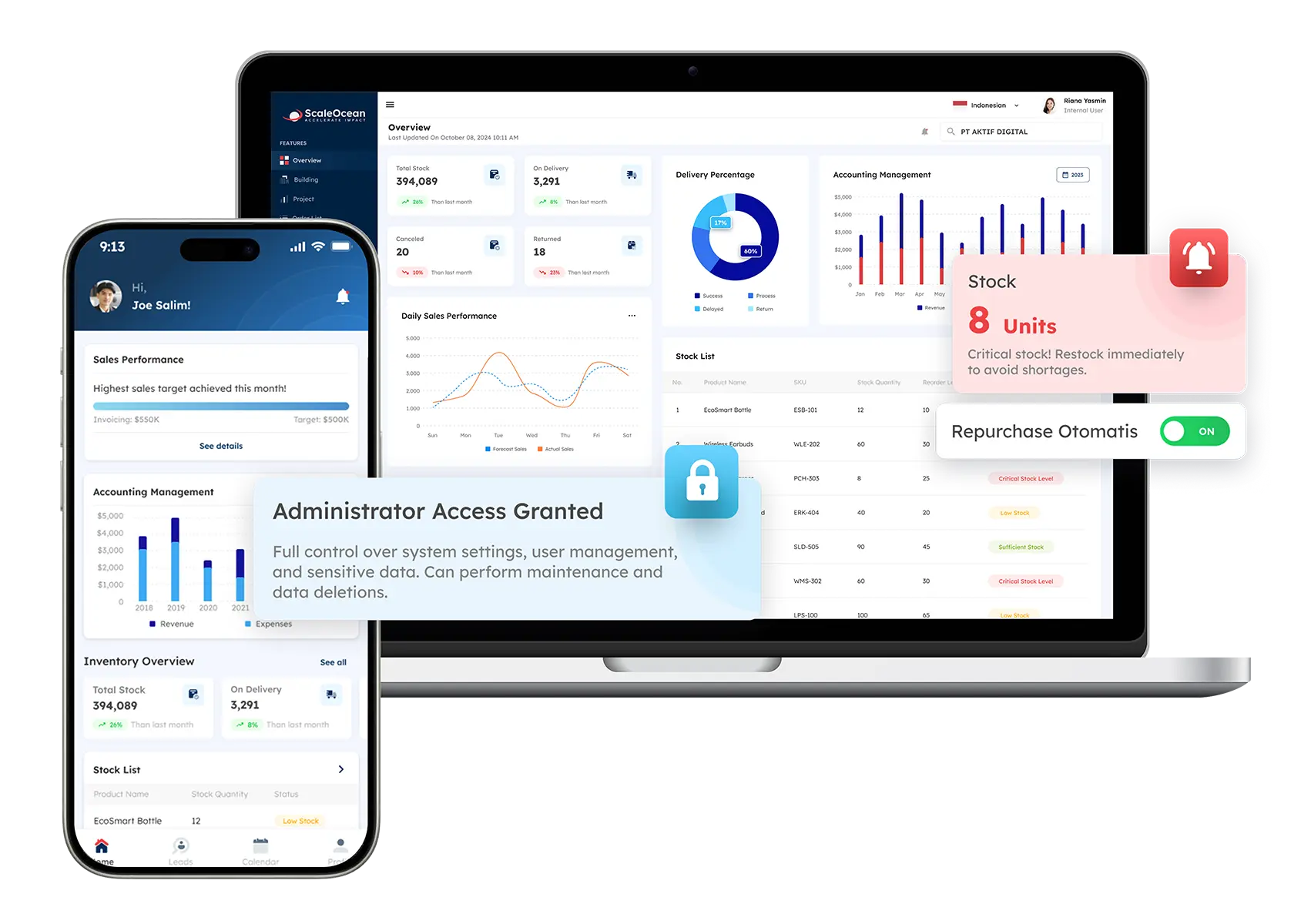
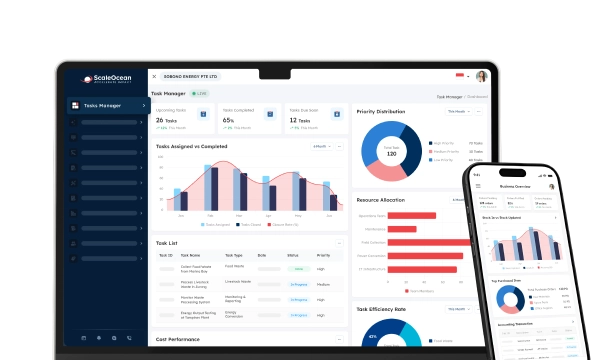
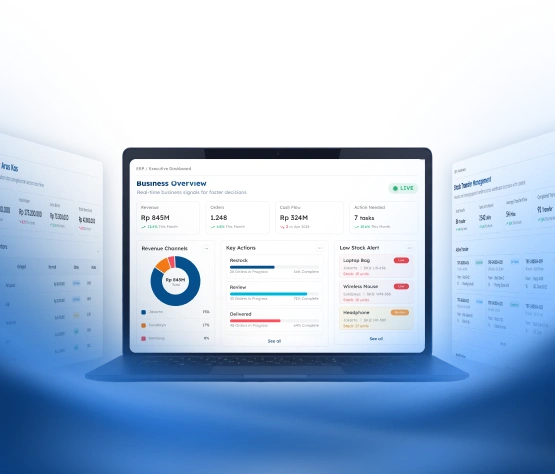
Among enterprise SRM solutions, ScaleOcean stands out by connecting the entire supplier lifecycle. The platform unifies supplier onboarding, sourcing, contracts, procurement, goods receipt, quality management, invoicing, supplier evaluation, and risk monitoring within one operational workflow, giving enterprises complete visibility across supplier activities.
A major advantage is its adaptable enterprise architecture. Rather than forcing standardized processes, ScaleOcean’s flagship platform, ScaleOcean Atlas, allows organizations to configure approval hierarchies, supplier categories, procurement policies, and workflows according to each subsidiary, business unit, or operational structure.
Embedded ScaleMind AI further strengthens decision-making by analyzing supplier performance, identifying potential risks, generating forecasts, and providing intelligent alerts before operational issues escalate.
This integrated approach improves visibility across subsidiaries, warehouses, and business units while supporting enterprise governance through role-based access, multi-level approvals, audit trails, and configurable workflows.
Key Features of ScaleOcean for SRM:
- Centralized Supplier Master: Maintains supplier profiles, banking details, contracts, certifications, transaction history, and supporting documents within one trusted database.
- Supplier Performance Scorecard: Measures delivery reliability, product quality, lead time, pricing, and supplier responsiveness through standardized scorecards.
- Supplier Risk & Smart Alerts: Monitors expiring contracts, certificate validity, supplier performance declines, pricing changes, compliance issues, and operational risks automatically.
- Quality & CAPA Management: Connects supplier defects, rejected materials, root-cause analysis, corrective actions, and quality evaluations into one coordinated process.
As a great example of ScaleOcean implementation in SRM, Sobono Group, a Singapore-based clean energy company, manages more than 150 new projects every week and processes over 10,000 operational requests every month.
As operations expanded, coordinating procurement, inventory, project execution, delivery scheduling, budgeting, and finance across multiple departments became increasingly challenging.
Before implementing ScaleOcean, operational information remained fragmented across separate systems. Inventory visibility was limited, delivery schedules were difficult to coordinate with project milestones, financial reporting required significant manual effort, and management lacked complete operational visibility for timely decision-making.
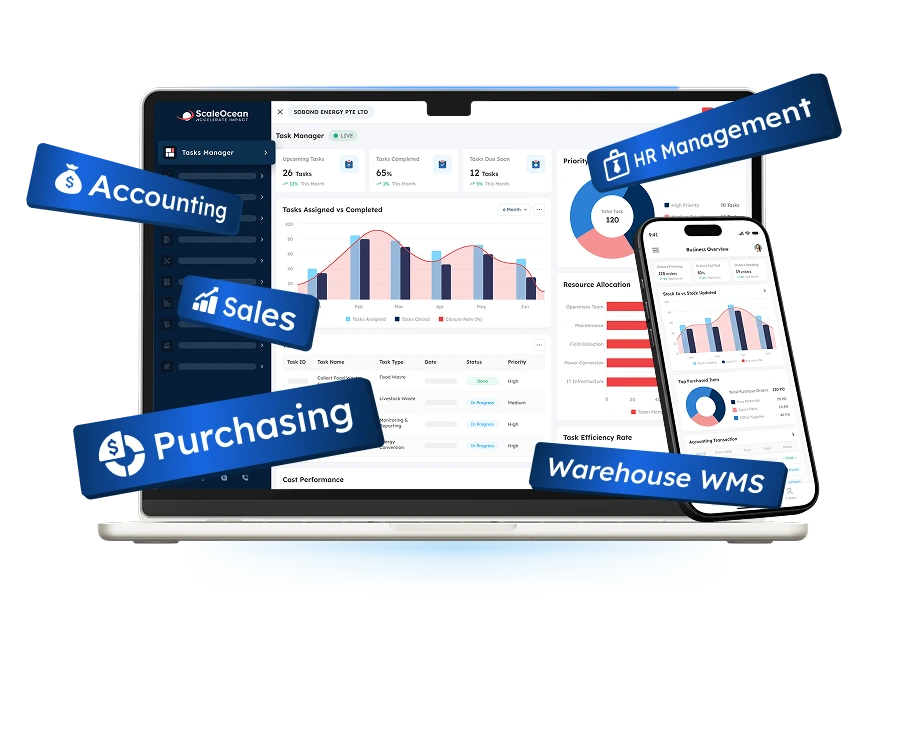
After adopting ScaleOcean Atlas, Sobono Group connected procurement, inventory, project management, budgeting, delivery scheduling, and finance through one integrated operational platform. Employees now access consistent supplier, inventory, project, and financial information without transferring data manually between disconnected applications, enabling faster coordination across departments.
The implementation of ScaleOcean for Sobono Group delivered measurable business outcomes, including an 87% increase in profitability and automated financial reports generated in approximately 10 seconds. Sobono Group’s Founder and Managing Director, Wee Khoon OH, explained how the platform improved daily operational visibility:
“In the time we have been using ScaleOcean, managing our stock, milestones, and budgets has become much quicker and more accurate. The team were also very responsive during the set-up, which meant the transition was very smooth.”
To learn more about Sobono Group’s implementation journey, you can explore this story:

For Singapore enterprises seeking a scalable SRM platform, ScaleOcean provides more than supplier record management. It delivers an integrated supplier relationship management solution that unifies supplier lifecycle management, procurement, contracts, quality, finance, and risk management within one connected enterprise ecosystem.
With embedded ScaleMind AI, configurable workflows, unlimited users, and deployment options across cloud or on-premises environments, businesses can strengthen supplier collaboration while improving operational visibility and governance.
The platform also offers PDPA-compliant governance along with compliance with local financial reporting standards. Eligible projects are available to be structured along the requirements of EDG and CTC Grant as determined by evaluation, where appropriate.
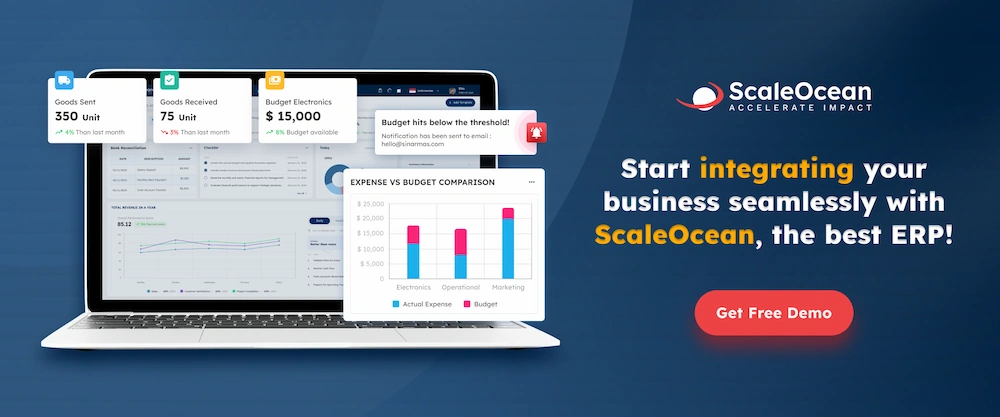
Schedule a consultation to see how ScaleOcean can eliminate manual cross-team coordination while facilitating transparency and management oversight, just as it did with Sobono Group’s story with ScaleOcean.
Conclusion
Supplier relationship management helps organizations build stronger supplier partnerships, reduce procurement risks, improve operational visibility, and increase long-term business value. Through structured collaboration, enterprises strengthen resilience while optimizing procurement performance across increasingly complex supply chains.
ScaleOcean Atlas delivers enterprise supplier relationship management by connecting supplier onboarding, sourcing, contracts, procurement, quality, finance, and performance management within one integrated operational platform. With embedded ScaleMind AI, configurable workflows, multi-entity visibility, and enterprise-grade governance, ScaleOcean supports smarter supplier decisions and sustainable growth.
If your organization wants to modernize supplier management while improving procurement efficiency and operational visibility, schedule a consultation with our experts today and explore how ScaleOcean can support your enterprise transformation journey.
FAQ Supplier Relationship Management:
1. How does supplier relationship management improve procurement performance?
SRM improves procurement by strengthening supplier collaboration, reducing risks, improving delivery reliability, and increasing quality and cost efficiency. It also enables better forecasting, faster issue resolution, and continuous supplier improvement through performance monitoring.
2. What are the best practices for supplier relationship management in Singapore?
Singapore businesses should segment strategic suppliers, monitor KPIs regularly, ensure regulatory compliance, encourage transparent communication, manage supplier risks proactively, and integrate SRM with ERP and procurement systems for complete operational visibility.
3. Can supplier relationship management software integrate with procurement, inventory, and accounting systems?
Yes. Modern SRM software like ScaleOcean integrates with procurement, inventory, ERP, finance, and accounting systems, allowing supplier data, purchase orders, inventory, invoices, contracts, and performance metrics to flow through one connected platform.
4. What KPIs should companies use to evaluate supplier performance?
Key supplier KPIs include on-time delivery, product quality, defect rate, lead time, cost competitiveness, responsiveness, compliance, supplier risk, sustainability performance, CAPA completion, and overall supplier scorecard ratings.




















.png)