

Dropshipping is a fulfillment model that can help online sellers overcome the competitive retail sector in Singapore, whereby products do not arrive in the online seller’s inventory before the customers’ orders are placed. The bad news for the traditional retailer is that he will have to invest thousands of dollars in inventory and still have it languishing in the warehouse while the cash flow dries up.
Dropshipping, however, allows entrepreneurs to bypass these barriers entirely. Instead of managing inventory, the seller purchases the item from a third party, like a manufacturer or wholesaler, and has it shipped directly to the customer as part of the order fulfillment process.
This means you can launch a fully functional online store without ever paying for storage or touching a single product. The model eliminates the heavy upfront capital that stops most entrepreneurs, shifting the risk away from you and allowing you to focus purely on selling.
This article will explore the complete fundamentals of what dropshipping is, the mechanics of dropshipping, weigh the pros and cons for local entrepreneurs, and provide a step-by-step roadmap for launching a profitable, scalable dropshipping business.
 Key Takeaways
- What is Dropshipping? This retail fulfillment method allows Singaporean entrepreneurs to sell products online without keeping physical inventory, acting as a middleman between shoppers and suppliers.
- How Does Dropshipping Work: The process involves a six-step automated workflow where the retailer forwards customer orders to suppliers who then deliver products directly to the buyer.
- To begin a dropshipping company effectively in 2026, it’s essential to select an income-generating specialty, research reliable dropship suppliers, and register your business completely for local legal compliance.
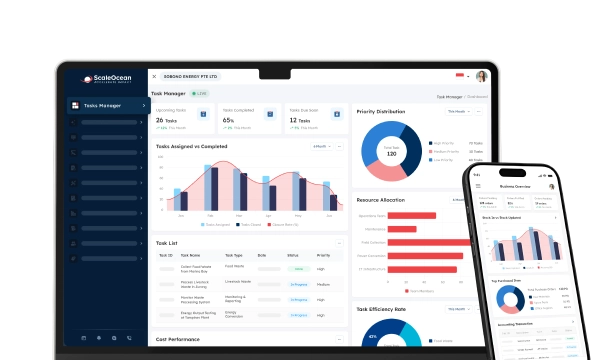
- The Retail Integrated System from ScaleOcean alleviates the complexity faced by retail companies with integrated inventory management for multiple channels, thereby optimizing your business’s profitability.
What is Dropshipping?
Dropshipping is a retail fulfillment method where the seller (retailer) does not physically keep the goods it sells in stock. The core dropshipping meaning is when a customer places an order, the retailer purchases the item from a third party, usually a wholesaler, manufacturer, or another retailer, and has it shipped directly to the customer.
So, the dropshipper acts as a middleman. They manage the sales and marketing, while the supplier handles the product, storage, packaging, and shipping. The profit comes from the difference between the price the customer pays the retailer and the price the retailer pays the supplier.
This model is particularly appealing in the e-commerce and retail industries because it drastically reduces the financial and logistical barriers to entry, making it an ideal choice for entrepreneurs in Singapore and across Southeast Asia who are keen to start a business with minimal upfront investment.
As of 2026, dropshipping remains an ideal business method. According to Grand View Research, the Asia Pacific dropshipping industry is set for massive growth, with a projected 24.5% CAGR through 2030. This surge is powered by a regional e-commerce boom, driven by record-high smartphone use and the rapid adoption of digital payments.
What is a Dropshipper?
A dropshipper is an individual or business that uses the dropshipping model to sell products. They are responsible for creating and managing the online store, attracting customers, processing orders, and handling customer communication regarding sales and returns.
The core responsibilities of a dropshipper include:
- Store Management: Configuring and running the online store/campaign.
- Marketing and Sales: Traffic is moving to keep people in the store and make them a buyer.
- Order Processing: Taking customer orders and passing them on to the relevant supplier(s).
- Customer Service: Handling customer questions, returns, complaints, and refunds.
- Supplier Management: Building, evaluating,g and communicating with trusted suppliers. Most importantly, a dropshipper will never be able to see or even touch the actual product, instead working solely at the front end of your business.
Crucially, a dropshipper never sees or handles the actual product, focusing their efforts entirely on the front-end business operations.
How Does Dropshipping Work?
The drop shipping workflow is made up of six steps and automates the process of order fulfillment. That’s the efficiency that makes dropshipping businesses grow quickly without any need for extensive physical locations.
Step 1. The Retail Business Creates a Store that’s Up and Running on the Internet.
The first step taken by the dropshipper is to choose a niche for the product in the first place and then set up an e-commerce store. The store features products from different vendors with their respective pics, descriptions, and prices. The final selling price is determined by the retailer, who places a markup on the price to receive a profit, and as a result of marketing costs.
Step 2. Customer Places an Order.
Customers come to the website and buy S$50 worth of products from the online store, and it is shipped to the Customer by the dropshipper. The order details, including the customer’s shipping details, are delivered to the dropshipper.
Step 3. The Retailer will forward the Order to the Supplier.
Once the payment is received, the dropshipper buys the product from the supplier for S$40 wholesale and ships it to the customer. When paid, the dropshipper places an order with the supplier for S$40 wholesale and ships it to the customer. This order contains its customer’s shipping address. The retailer retains the profit margin (S$10 in this case).
Step 4. The Supplier is Responsible for Fulfilling the Order.
When the order and the payment are received from the dropshipper, the supplier takes the product from his stock. They pack and label the product.
Step 5. The Supplier Comes with the Product
The product is delivered straight to the customer by the supplier. Most importantly, the packaging is all branded and is generally the retailer’s (dropshipper’s) brand, meaning that it is not evident that a drop is involved, and the entire transaction looks as though it is happening through the retailer’s (dropshipper’s) store.
Step 6. The Customer Receives the Product
Once the customer receives the product, he/she does not realize that the product had the involvement of a third party in the fulfillment. The dropshipper is responsible for all customer service and return arrangements that might follow, and will then communicate with the supplier as needed.
Here’s an example of dropshipping in Singapore:
Novelship is a site dedicated to anything from sneakers to streetwear to collectibles. It serves as an interface for buyers and sellers or even for manufacturers or shippers with suppliers in other regions or in other digital systems, to enable timely order fulfillment.
Step 1: A Singapore customer places an order for a limited edition pair of sneakers from the Novelship website.
Step 2: This order is automatically logged in the company’s e-commerce + ERP system.
Step 3: The information regarding the order is passed to the supplier/seller via the platform.
Step 4: Pre-packed, ready to deliver from in-stock suppliers.
Step 5: Customers define their needs and inform the courier partner about them, which makes it possible to provide international/local delivery.
Step 6: The buyer isn’t required to take care of the sneakers, and the buyer receives them without physically passing through Novelship.
Pros and Cons of Dropshipping
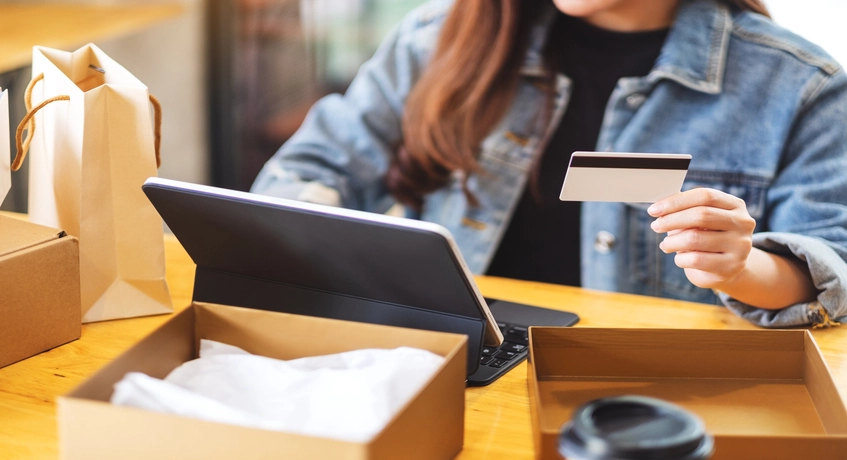
Overall, dropshipping has transformed the world of e-commerce, offering a low-collateral and accessible opportunity for future entrepreneurs. It lets the company sell without stocking products, as storage, packing, and delivery burdens are shifted to 3rd party suppliers.
As with all businesses, dropshipping also has a mixture of attractive pros and cons. These trade-offs are important, and successful retail entrepreneurs will need to understand them if they are to make a successful start in a fiercely competitive and rapidly changing industry and to ensure their business is profitable and sustainable in the long term.
However, beyond its term definition, anybody planning to start their business in retailing must know what dropshipping means.
Benefits of Dropshipping
The benefits of dropshipping are mostly provided due to its minimal entry level and flexibility. Unlike the traditional retail models, Dropshipping allows the owner of a dropshipping business to sell without ever having to hold inventory.
This significant distinction avoids large startup capital investments and great warehouse management logistical problems for aspiring business owners, which is why it is an excellent choice.
- Lower Capital/Startup Investment. One of the biggest hurdles for traditional retail is the upfront cost of buying inventory. Dropshipping eliminates this, as you only pay for a product after a customer has paid you. This allows you to start a business with minimal capital.
- Minimal Overhead Costs. Since you don’t manage inventory or a warehouse, your overhead is dramatically reduced. Operating costs are typically limited to web hosting, marketing, and a subscription to a dropshipping automation tool.
- Flexible Location. A dropshipping business can be run from virtually anywhere with an internet connection. This location independence is a major draw, allowing entrepreneurs in Singapore to manage their operations remotely.
- Easy to Test New Products. The lack of inventory commitment means you can easily test new product ideas and niches. If a product fails to sell, you simply remove it from your store without being stuck with unsold stock.
- Automated Workflows. Many aspects of the process, from order forwarding to inventory sync, can be automated using specialized software, allowing the dropshipper to focus on strategic growth rather than manual tasks.
- High Scalability. Since order fulfillment is outsourced, scaling up involves minimal logistical strain on the retailer. You can easily expand your product catalogue or process a spike in orders without needing to hire more staff or rent more storage space.
Challenges of Dropshipping
Despite the initial appeal and low barrier to entry, the dropshipping model comes with significant challenges that can profoundly impact both profitability and customer satisfaction.
Entrepreneurs are drawn to the idea of selling products without holding inventory. But they must be prepared to navigate a complex landscape of operational hurdles and competitive pressures.
Understanding these drawbacks is crucial. While the basic dropshipping meaning implies a hands-off approach, the reality is that it requires active management of supplier relationships and brand reputation.
- Low Profit Margins. Because the barrier to entry is low, competition is often fierce. To stay competitive, many dropshippers are forced to price their products aggressively, resulting in relatively thin profit margins per sale.
- Inventory Issues. You rely completely on your supplier’s stock levels. If a supplier sells out of an item before they can update their inventory feed, you may inadvertently sell a product you can’t fulfill, leading to backorders and unhappy customers.
- Shipping Complexities. If a customer orders multiple products sourced from different suppliers, they will receive multiple shipments, each with its own tracking number and shipping cost. Managing and communicating these complex shipping logistics to the customer is a constant challenge.
- Reduced Customer Service Control. The customer experience is tied directly to the supplier’s performance in packaging and shipping. Dropshippers have limited control over product quality checks, fulfillment errors, and shipping times, all of which can damage their brand reputation.
- Reliance on the Supplier’s Stock. A sudden change in a supplier’s pricing, quality, or operational status can severely disrupt your business, as you are wholly dependent on their infrastructure.
- Sustainable and Social Concerns. As many dropshipping products are sourced internationally with long shipping routes, the environmental impact can be significant. Furthermore, ensuring suppliers adhere to ethical labor practices requires diligent vetting.
How to Start a Dropshipping Business

Launching a dropshipping business in Singapore requires a methodical approach that balances strategic market entry with a strict commitment to local regulatory frameworks.
So, for those asking how to do dropshipping in Singapore effectively, the following steps outline a comprehensive roadmap for 2026:
Step 1: Choose a Profitable Niche
Your niche should ideally be profitable, low in intense competition, and align with your interests. Focus on products that solve a specific problem, appeal to a passionate hobby group, or have high perceived value, making customers less likely to price-shop.
For the dropshipping Singapore market, consider high-density living solutions, niche tech gadgets, or premium beauty/wellness products. Once you have an idea, you must verify that real demand exists by using tools like Google Trends or Exploding Topics.
Researching platforms like Etsy or engaging with communities on r/Entrepreneur and r/dropshipping could work. As it can reveal what is currently popular or where the market is underserved.
Importantly, ensure your chosen niche is actually profitable after accounting for all costs. You need enough margin between your supplier’s price and the market retail price to cover marketing and shipping. A niche might have high demand, but if the profit potential is too thin, it is not a viable business.
Step 2: Research Your Competitors
Analyzing successful competitors is a non-negotiable step in building a profitable dropshipping business. Instead of reinventing the wheel, a strategic competitive analysis allows you to reverse-engineer success by observing the established players in your chosen niche.
By closely studying their strategies, you can quickly identify winning products, effective marketing tactics, and successful operational models to emulate or improve, significantly reducing your risk and accelerating your path to market validation.
- Pricing Strategy: How are they marking up products?
- Marketing Channels: Are they using Facebook Ads, TikTok, Google Shopping, or SEO?
- Product Offerings: What are their best sellers?
- Customer Experience: Read their reviews to identify pain points you can address, such as long shipping times.
Step 3: Identify Trustworthy Suppliers
Choosing the right supplier is the most critical decision you will make for your dropshipping business. A bad supplier is a liability that can quickly erode your customers’ trust and ruin your reputation through issues like low-quality products, unreliable shipping, and poor communication.
Conversely, a strong partnership with a trustworthy supplier forms the backbone of a scalable, profitable, and stress-free operation. This is why due diligence is essential when researching how to do dropshipping in Singapore. You are entrusting the core of your customer experience, product quality, and fulfillment to a third party.
As shown in a Printful article, finding a reliable partner is the most significant hurdle in e-commerce. It reported that 84% of retailers are struggling to secure the right supplier. Because you are entrusting your entire fulfillment operation and brand reputation to a third party, deep research is non-negotiable.
Therefore, when evaluating potential partners, you must look for suppliers who offer a specific set of critical attributes:
- Fast Shipping: Crucial for Singaporean customers who expect quick delivery.
- Quality Products: Request samples to verify quality and packaging.
- Reliable Inventory Feeds: Ensure their stock levels sync with your store in real-time.
- Favorable Return Policies: Clear and easy return processes.
- Customization: Pick a supplier who can customize your items so you stand out from your competitors.
Platforms like AliExpress, Alibaba, and dedicated dropshipping apps, such as Oberlo and Printful, are common starting points, but always vet them thoroughly.
Step 4: Register your Business
In Singapore, you must follow ACRA (Accounting and Corporate Regulatory Authority) requirements. Registering your business as a Sole Proprietorship or Private Limited Company is essential for legal compliance, opening a business bank account, and building trust with customers and suppliers.
Many businesses in the dropshipping Singapore landscape also choose a Private Limited structure to provide better credibility when dealing with international wholesalers.
Step 5: Build your Online Store
Choose a reliable e-commerce platform (like Shopify, WooCommerce, or Wix) that offers seamless integration with dropshipping apps. Your store needs to be professional, mobile-friendly, and optimized for conversion. Key elements include high-quality product photos, compelling descriptions, and transparent policies (shipping, returns).
Step 6: Promote your Business
Starting with a limited budget means a broad advertising approach is inefficient and financially risky. So, to maximize your return on investment, you must employ targeted marketing.
This involves gaining a deep understanding of your ideal customer and focusing your entire budget exclusively on the high-potential channels where they spend their time, ensuring every dollar reaches the audience most likely to convert.
- Content Marketing/SEO: Create blog posts that answer customer questions (like this article!) to drive organic traffic.
- Paid Advertising: Run small, highly targeted campaigns on platforms like Facebook, Instagram, and Google Ads to test product viability.
- Social Media: Build a presence that showcases your products in a lifestyle context.
Step 7: Evaluate and Optimize your Store
Dropshipping is a continuous process of refinement because the market is dynamic and success is never static. To achieve long-term profitability and scale, you must move beyond guesswork and treat your entire operation as an ongoing, data-driven experiment.
The last step to dropshipping is using tools like Google Analytics to analyze your online store. So, by regularly analyzing your performance data provides the precise, actionable insights necessary to optimize product selection, marketing channels, and the entire customer experience.
While data analysis reveals where your business stands, true growth happens when you have the tools to act on those insights instantly. So, ScaleOcean retail software bridges the gap between seeing your performance and perfecting it by centralizing your entire operation into one powerful platform.
Tips for Running a Successful Dropshipping Business
Dropshipping success goes beyond the basics. It requires deep market research, like looking for profitable products and niches. Moreover, securing reliable, high-quality suppliers and mastering digital marketing, store optimization, and customer service are also a must.
Ultimate success hinges on operational excellence, like streamlining logistics, managing inventory and supplier performance, optimizing marketing to reduce costs, and efficiently handling returns and inquiries to build a scalable, profitable business.
Supplier Vetting and Relationships
Never rely on a single supplier. Always have backups. Negotiate better prices or services once your volume increases. For Singaporean businesses, Part of the secret of how to do dropshipping in Singapore successfully is prioritizing suppliers with APAC or local warehouses to reduce lead times and avoid high import duties for your customers.
Store Optimization for Conversions
A high-converting store is built on trust and clarity. It’s essential because customers must feel confident in your legitimacy and product quality before sharing their credit card details. To eliminate doubt, your store needs a professional design, transparent policies, and accurate, detailed product descriptions.
By prioritizing a clear user experience, you reduce friction and foster buyer confidence. significantly increase your store’s ability to turn a visitor into a paying customer.
- Use scarcity tactics: For example, “Only 3 left in stock.”
- Offer multiple payment options: Popular in Singapore (PayNow, various credit cards).
- Display social proof: customer reviews, trust badges.
- Make policies crystal clear: Explicitly state estimated shipping times on product pages to manage expectations.
Advanced Marketing Tactics
Go beyond basic ads. Experiment with different advertising platforms and formats, such as influencer marketing, video ads, or interactive campaigns, to reach a wider and more engaged audience.
- Email Marketing: Capture emails and use abandoned cart sequences to recover lost sales.
- Retargeting: Show specific ads to people who visited your store but didn’t buy.
- Influencer Marketing: Partner with local nano or micro-influencers to build brand awareness within the Singaporean community.
Operational Excellence
To maintain healthy profit margins, operational efficiency is key, making automation a top priority. Crucially, you must establish clear, documented procedures for handling returns, refunds, and damaged goods to ensure consistency, especially when dealing with multiple suppliers.
Operational excellence requires strict control over every variable that impacts your profit. You must vigilantly monitor supplier pricing and accurately track all associated logistics and transaction fees to prevent profit leakage.
Furthermore, leveraging the best order fulfillment and management software is also necessary. It’s useful to centralize order processing, automatically sync inventory across sales channels, and integrate directly with shipping carriers.
Using the Best Order Fulfillment Software
To manage the complexities of multiple suppliers, inventory tracking, and diverse customer orders, the best fulfillment software is essential. This kind of system automates the process of sending orders to the right supplier, synchronizes inventory levels across all sales channels, and ensures customers receive real-time tracking updates, minimizing manual errors and maximizing efficiency.
One of the options that you can consider is ScaleOcean. It provides comprehensive, end-to-end solutions to fully optimize the entire dropshipping process. It’s always ensuring seamless integration from the initial product sourcing to the final customer delivery.
With ScaleOcean seamlessly managing the technical complexities of inventory, fulfillment, and shipping, the operational burdens of dropshipping are reduced. So, you are free to dedicate your time, energy, and resources to your core competencies and strategic priorities.
Ultimately, it allows you to focus on what truly matters, which is accelerating the growth and success of your dropshipping Singapore business.
Improve Dropshipping Business with Scaleocean’s Retail Integrated System
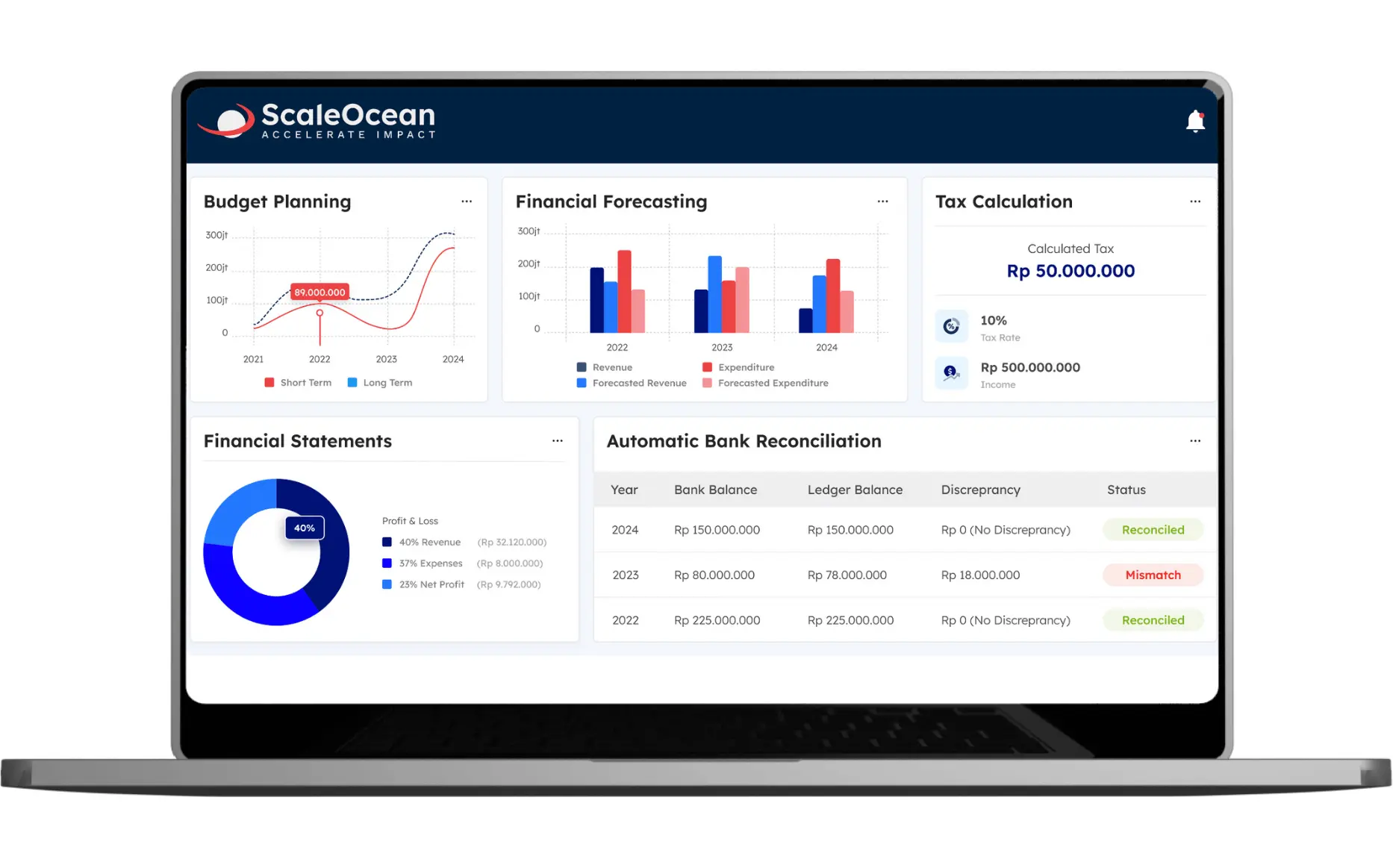
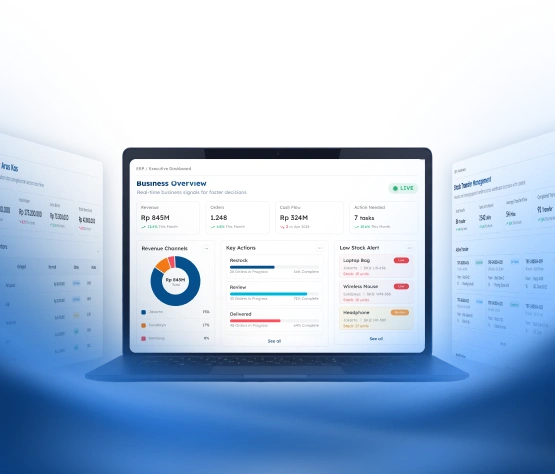
In the high-stakes world of dropshipping, marginal gains in efficiency and control can translate directly into significant increases in profit. Scaleocean’s retail ERP system is designed to provide the comprehensive solution needed to optimize every facet of your dropshipping operation, moving you from manual management to automated operational excellence.
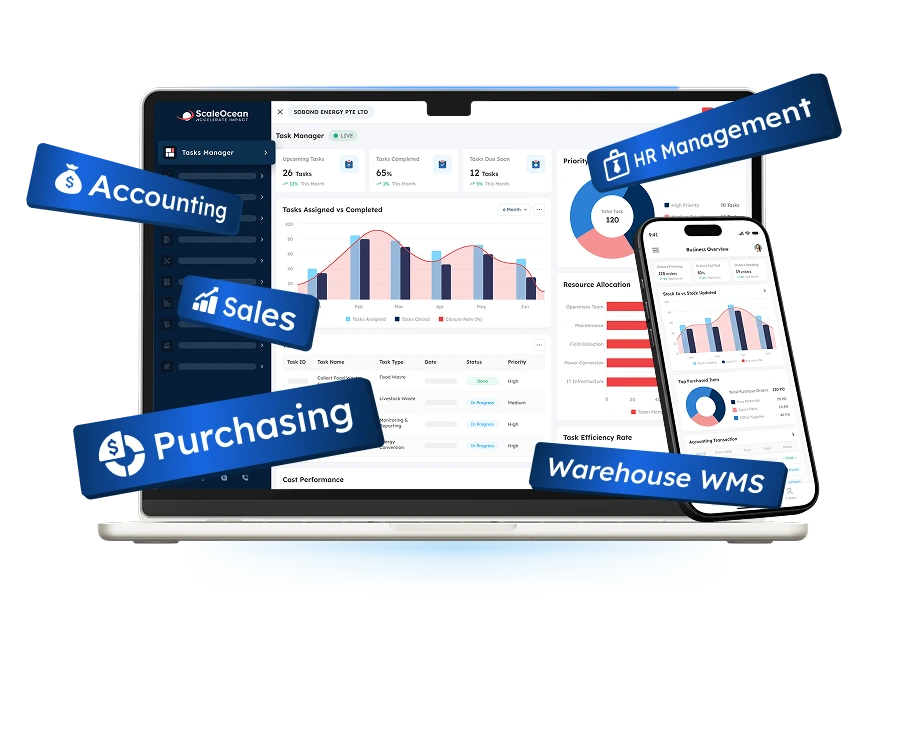
ScaleOcean’s solution is fully integrated with essential business modules. It includes inventory management, order management, logistics, CRM (Customer Relationship Management), and accounting. This integration ensures a seamless flow of data across your entire business ecosystem.
ScaleOcean also offers a highly customizable system that can be tailored to match your specific business needs and dropshipping workflow. Coupled with an easy-to-use user interface and unlimited user licenses, it ensures rapid adoption and team efficiency.
With multichannel integration, the system integrates effortlessly with major e-commerce platforms like Shopify, Amazon, Lazada, or Shopee. This allows you to manage all orders, inventory, and customer data from every sales channel within a single, centralized dashboard.
Key Features for Dropshipping Success:
- Automated Order Fulfillment: Orders received from customers are automatically processed and forwarded to the appropriate supplier for fulfillment, eliminating manual data entry, reducing processing time, and minimizing human error.
- Omnichannel Syncing: Achieve real-time synchronization of sales data, stock levels, and shipping status across all your selling channels, ensuring consistent inventory accuracy and customer experience regardless of where the purchase was made.
- Automated Shipping Management: The software connects directly with various shipping providers, enabling automated label generation, real-time tracking updates for customers, and accurate cost calculation.
- Integrated Security: The system is built with integrated security features, utilizing encryption technology and granular user access control to protect sensitive business and customer data.
- Financial Control and Payment Integration: Includes features for managing payments, integrating with various payment gateways (CC, bank transfer, online payments), and automating invoicing and reporting, providing clear financial oversight.
- Automated Invoicing and Reporting: Generate invoices automatically and access detailed, real-time reports on sales, profit margins, and supplier performance, enabling data-driven decision-making.
- Return and Refund Management: The system automates the process for customer returns and facilitates quick, transparent refund processing, improving post-sales customer satisfaction.
ScaleOcean’s system allows dropshippers to overcome the major challenges of low margins and operational complexity. By centralizing control and automating critical, error-prone tasks, it sets the standard for sustainable growth in the competitive Singaporean retail landscape.
Conclusion
Dropshipping presents a compelling, low-risk entry point into the competitive Singaporean e-commerce and retail market. Eliminating the need for inventory and warehousing, it allows entrepreneurs to focus their resources entirely on marketing and customer acquisition.
For dropshippers aiming for high profitability and efficiency, implementing a robust Retail Integrated System like ScaleOcean is the logical next step. It transforms the manual, fragmented dropshipping process into a streamlined, automated operation. It provides the control and efficiency needed to thrive in today’s fast-paced digital retail environment.
So, to get the best solution for your business, you can get a free demo and consult with Scaleocean’s professional team now to configure your specific system. Contact our team now.
FAQ:
1. Can I start dropshipping with $1000?
Absolutely. A $1,000 budget is more than enough to cover initial overhead. For example, platform subscriptions, a professional domain, and your first rounds of targeted social media ads. Since you aren’t pre-purchasing inventory, you can focus your capital entirely on branding and reaching your first customers without needing a massive network.
2. How risky is dropshipping?
The primary risk lies in your lack of control over the supply chain. You are at the mercy of your supplier’s quality control, stock levels, and pricing consistency. Shipping bottlenecks, especially with international logistics, can lead to extended wait times, resulting in refund requests and a damaged brand reputation.
3. Why do so many dropshippers fail?
Failure usually stems from a fundamental misunderstanding of market demand. Many beginners rush into oversaturated niches or pick products with low perceived value. Without a unique selling proposition or a clear grasp of what the audience actually wants, stores struggle to generate enough sales to offset their advertising costs.
4. What is an example of dropshipping?
Dropshippers are people or companies that use a simple business model where they do not keep products in stock. They buy items from a third party, like a wholesaler, who sends the product directly to the person who bought it. The seller acts as a middleman between the customer and the supplier.



















.png)