



Lead management is the structured process of capturing, tracking, nurturing, and converting potential customers into paying clients. Many businesses generate leads daily, yet without proper handling, valuable opportunities often slip away before sales teams can respond effectively.
However, scattered customer data across emails, spreadsheets, and messaging platforms often creates confusion and delays. As a result, sales teams struggle to identify qualified prospects, while marketing teams lack clear insights into which campaigns generate meaningful engagement.
Moreover, slow response times often reduce the likelihood of a successful conversion. When businesses fail to follow up promptly, potential customers often lose interest or choose competitors who respond faster and offer more consistent communication throughout the buying process.
According to the data found by our team from Persistence Market Research, the global CRM lead management market is projected to grow from USD 4.7 billion in 2026 to USD 14.1 billion by 2033, expanding at a 17% CAGR as businesses adopt systems to manage increasing digital customer interactions.
Therefore, understanding how lead management works becomes essential for businesses aiming to improve coordination and response speed. The following sections will explain its definition, importance, processes, and practical strategies used in modern operations.
 Key Takeaways
- Lead management is a structured process that helps businesses capture, organize, nurture, and convert prospects while reducing missed opportunities.
- Lead management’s importance is in improving conversion rates, aligning sales and marketing teams, enhancing customer experiences, and increasing operational efficiency.
- Lead management KPIs measure performance through scoring accuracy, conversion rates, and sales cycle duration to improve forecasting and decision-making.
- Best practices for lead management focus on fast responses, workflow alignment, data accuracy, segmentation, and consistent follow-ups across multiple channels.
- ScaleOcean Lead Management Software helps businesses automate workflows, centralize lead data, and improve conversion performance through integrated and customizable solutions.
What is Lead Management?
Lead management is the systematic approach businesses use to capture, organize, track, and nurture potential customers throughout the sales pipeline. It ensures every inquiry receives proper attention, improving visibility into customer behavior and engagement stages.
Typically, businesses collect leads from multiple channels such as websites, social media campaigns, events, and referrals. Without a good lead management process, these leads often remain disorganized, making it difficult for teams to track interactions or accurately measure marketing effectiveness.
Additionally, managing leads involves evaluating prospects against predefined criteria, enabling sales teams to prioritize high-potential opportunities. This structured evaluation process improves decision-making while ensuring resources focus on leads that show genuine interest and readiness to purchase.
Ultimately, effective lead management connects marketing and sales activities within a unified workflow. By maintaining consistent communication and accurate records, businesses create smoother customer journeys while increasing the likelihood of converting interest into confirmed sales transactions.
Why is Lead Management Important?
Understanding and managing leads is very important in generating business revenues. If there is no process, there will be potential lost opportunities, marketing dollars will be squandered, and it may be difficult to keep in touch with potential customers throughout the sales cycle.
Furthermore, companies like these are necessarily forced to manage numerous lines of communication and, in a single day, might get numerous questions. Thus, structured management allows the teams to act promptly, prioritize appropriately, and organize processes that lay the way for sustainable development, long-term use of the customer base, etc.
Increased Conversion Rates
A strong conversion rate is a way by which good lead management works hand in hand with it because it ensures a quick and permanent response to the leads. With a clear follow-up strategy, teams can further reduce response time and keep prospects who have already proven their interest in your product engaged.
Besides, with lead scoring and prioritisation, leads are allocated to the sales team instead of unverified contacts. This enables businesses to make use of their time efficiently and raises the chances of turning hot prospects into genuine sales prospects.
Sales & Marketing Alignment
The sales and marketing team shares the same data when working together to lead management, and they are able to view the effect of their sales and marketing processes on the customer. Both teams share data and share information in a centralised and coordinated repository where both teams coordinate campaigns and outreach – based on known information, not assumptions, or fragmented information.
Additionally, working with groups can help define specific requirements for qualified leads as well as tracking performance. This allows marketing to engage the right prospects and sales to qualify leads according to specific prospects, eliminating fats; not only does it make it easier to manage leads, but it also enhances sales results conversion.
Enhanced Customer Experience
By managing leads, businesses can provide customers with timely and pertinent communications, which will improve their customer journey. Teams that have a correct database of the questions asked by customers share the same info and build confidence and trust among their users during the shopping process.
Furthermore, with structured lead nurturing, businesses can send custom-made messages based on the activity and tastes of the triggers. This helps build trust in the brand and ensures strong customer loyalty and engagement, which ultimately contributes to positive business outcomes.
Enhance Efficiency and Reduce Costs
Managing leads also saves time and operational resources by automating repetitive administrative tasks. When businesses streamline lead capture, assignment, and follow-up scheduling, employees spend less time on manual data entry and more time focusing on high-value activities.
Additionally, structured workflows reduce duplication and unnecessary communication delays. Therefore, teams avoid confusion, maintain organized records, and improve productivity across departments without increasing operational costs or adding unnecessary staffing requirements to support daily activities.
Increases Profit
Managing leads increases profitability by improving the efficiency of the sales management system and reducing wasted opportunities. When businesses consistently track and nurture leads, they maximize the return on their marketing investments and convert more inquiries into revenue-generating customers.
Moreover, accurate reporting and performance tracking provide insights into which strategies produce the highest returns. As a result, organizations make informed financial decisions while optimizing budgets toward campaigns and channels that deliver measurable and sustainable business growth.
How Does Lead Management Work?
Lead management consists of a series of stages that lead a person who is interested in the product from first contact to last purchase. All stages will maintain awareness of the interactions the businesses have with customers engaged in and ensure uniform communication and informed decision-making.
Most companies begin by collecting leads on the landing page, website, social media, and even at offline events. Customer information is automatically captured and stored in central databases after data is collected, eliminating lost data and mistakes in reentering customer data.
Following that, teams earn extra points with statements of scoring based on behavior, demographics, and engagement history. The evaluation process allows sales representatives to always have prospects with an appropriate balance of the prospects they should be selling to, sorted by the prospects’ “high value” factor.
Finally, companies communicate with and touch up on their purchases, and market to the companies until they agree to buy. To track performance metrics that organizations can continuously improve their strategies and effectiveness over time, the reporting tools are used along the way.
For example, PT Bukaka Inti Aircon uses the ScaleOcean lead management system to handle its incoming leads. All leads are managed automatically, making the conversion process to sales easier. The built-in CRM function enables them to automatically generate leads via email, web forms, and social media.
These leads are then segmented based on the lead’s potential, and the sales team can then concentrate on those high-potential leads or prospects. Real-Time data and analytics individually help to give insights into individual lead behaviour, allowing PT Bukaka Inti Aircon to provide personalised follow-up activities to enhance the conversion of leads to customers.
In addition, ScaleOcean ERP is incorporated into the buying and selling procedure with PT Bukaka Inti Aircon. Leads will not fall through the cracks. Once a lead is qualified, it goes through a systematic process to keep it moving, and all reminders and follow-up actions are automatic.
The system ensures that the sales funnel is monitored by all leads and that different teams, such as sales, customer service, and others, can collaborate seamlessly to provide the customer a consistent and strong customer experience. The centralized system enables better communication, more team collaboration, and empowers PT Bukaka Inti Aircon with data to continually improve the lead management program.

Who Needs Lead Management?
Whether it is the topic, companies within diverse industries ought to have the right lead management for ever-growing customer interactions and uniformity with the method of interaction. Here are some examples of sectors that are likely to benefit from putting the technologies of systematic tracking and coordinated workflows in place.
- Small and Medium Enterprises (SMEs): Standardized workflows powered by data help teams manage leads effectively, boost their marketing efforts, or compete through an initial audience or any particular market segment, ensuring follow-ups for every lead and that no leads go unharvested that are ripe for sales and would slow down the pace of revenue.
- Multiple Teams in large enterprises: For a large hospital or enterprise with multiple teams, the challenge of coordinating sales & marketing processes increases the pressure on managing leads and demands them to have a solution that will keep their sales & marketing data accessible to all the sales people and marketers, as well as ensuring they can monitor and measure the effective levels of co-operation and performance between multiple departments and operational units.
- Service Providers and Consultant: For service businesses that have longer sales cycles, leads can be followed for continuing communication with a prospect, thereby enabling the teams to nurture relationships purposefully and increase the likelihood of having repeat sales.
- Distributors and Manufacturing Companies: Companies with longer sales cycles will greatly appreciate their lead management solution, which can accurately identify the interactions and ensure appropriate follow-up with the lead, and create trust to cultivate steady business growth and relationships.
To sum up, structured lead management is an important tool for any company that would like to streamline its lead management process to create accurate engagement with prospects, and it will be a great means to convert leads to customers by means of repeatable processes.
Organized enables businesses to create a better relationship with their clients and improve visibility of the clients’ activities, while also improving the business’s performance in a competitive market.
What are the 8 Stages of Lead Management?

When managing leads, we must follow a structured lifecycle consisting of interconnected stages that guide potential customers from initial awareness to successful purchase. Each stage ensures businesses maintain consistent engagement while improving visibility into sales performance and pipeline development.
Moreover, understanding these stages helps organizations know deeper what lead management is, standardize workflows, and minimize the risk of losing valuable prospects. When teams follow clear processes, they respond faster, nurture leads effectively, and improve overall conversion outcomes.
1. Lead Generation
Lead generation involves attracting potential customers through targeted marketing strategies designed to spark interest in products or services. Businesses typically use digital campaigns, search engines, social media promotions, and events to create consistent opportunities for customer engagement.
Additionally, successful lead generation depends on delivering valuable content that addresses customer needs and challenges. By offering informative materials such as guides or demonstrations, businesses encourage prospects to share contact details and initiate meaningful communication with sales teams.
2. Lead Capture
Lead capture focuses on collecting essential customer information once prospects express interest in products or services. Businesses usually gather details through website forms, landing pages, email subscriptions, or direct communication channels, all of which accurately record customer inquiries.
Furthermore, automated systems play an important role in securely storing captured information in centralized databases. This structured storage prevents data loss and ensures sales teams can access accurate customer details whenever follow-up actions are necessary.
3. Lead Qualification & Segmentation
Lead qualification and segmentation help businesses evaluate whether prospects meet predefined criteria for potential sales opportunities. Teams typically assess factors such as customer needs, purchasing authority, and readiness to determine whether leads require immediate or future engagement.
At the same time, segmentation groups are led based on shared characteristics or behaviors. This classification allows businesses to tailor communication strategies effectively, ensuring each prospect receives relevant messages that match their specific interests and expectations.
4. Lead Nurturing
Lead nurturing involves maintaining regular communication with prospects who have not yet made a purchase decision. Businesses often send targeted emails, promotional content, or personalized recommendations to keep potential customers engaged throughout longer buying cycles.
Moreover, nurturing activities build trust and strengthen relationships between businesses and prospects. By consistently providing helpful information, organizations guide leads toward informed decisions while increasing confidence in products, services, and overall brand credibility.
5. Lead Scoring
Lead scoring assigns numerical values to prospects based on their behavior, engagement level, and demographic characteristics. Businesses use scoring systems to determine which leads demonstrate stronger interest and a higher likelihood of converting into paying customers.
Additionally, scoring helps teams allocate resources more efficiently by focusing attention on high-priority opportunities. As a result, sales representatives spend less time pursuing unqualified contacts and more time nurturing prospects with measurable purchasing potential.
6. Lead Distribution
Lead distribution refers to assigning qualified leads to appropriate sales representatives or teams. Businesses typically use automated rules to route leads based on location, product interest, or workload distribution, helping maintain balanced operational performance across departments.
Furthermore, structured distribution ensures that no lead remains unattended for extended periods. When businesses assign leads promptly, they increase response speed while improving the chances of maintaining customer interest and progressing toward successful sales outcomes.
7. Lead Conversion
Lead conversion occurs when prospects complete desired actions, such as making purchases or signing service agreements. Businesses aim to guide leads through the final decision stage by addressing remaining concerns and providing clear value propositions that encourage commitment.
Additionally, conversion activities often involve negotiations, product demonstrations, or pricing discussions tailored to customer expectations. By supporting prospects during these final interactions, businesses strengthen trust and finalize agreements that generate measurable revenue growth.
8. Lead Tracking
Lead tracking involves monitoring customer interactions and engagement activities throughout the sales lifecycle. Businesses use the best lead management software to record communication history, behavior patterns, and progress across each stage of the pipeline to maintain accurate operational visibility.
Moreover, tracking enables organizations to analyze performance trends and identify opportunities for improvement. By reviewing collected data regularly, businesses refine strategies, optimize workflows, and strengthen decision-making processes that support consistent long-term sales success.
What are the Types of Leads?
Businesses classify leads into different categories to better understand customer readiness and engagement levels. By organizing prospects into defined types, teams prioritize actions effectively while ensuring that communication strategies align with customer expectations and buying intentions.
Additionally, identifying lead types improves decision-making across marketing and sales departments. When organizations clearly define classifications, they allocate resources efficiently while maintaining consistent workflows that support measurable growth and the development of long-term customer relationships.
Leads by Qualification
Leads by qualification categorize prospects based on their level of engagement and readiness to move forward in the purchasing journey. This classification helps teams determine which leads require nurturing, product interaction, or direct communication from sales representatives.
Furthermore, qualification-based categories allow businesses to structure lead progression logically across different pipeline stages. By clearly understanding what lead management is, its readiness levels, and its function, organizations deliver more relevant content and guide prospects toward confident purchasing decisions through targeted engagement strategies.
Information Qualified Leads (IQLs)
Information-qualified leads represent prospects who actively seek knowledge about specific topics or challenges. These individuals typically download guides or read educational materials, indicating interest in learning rather than immediate purchasing intentions.
Additionally, businesses often nurture IQLs using informative content designed to build awareness gradually. By delivering consistent educational resources, organizations strengthen credibility while guiding prospects toward deeper engagement and readiness for further marketing interactions.
Marketing Qualified Leads (MQLs)
Marketing qualified leads demonstrate stronger interest through repeated engagement with marketing campaigns or promotional content. These prospects often subscribe to newsletters or interact with advertisements, signaling readiness for more targeted communication efforts.
Moreover, businesses evaluate MQL behavior patterns to determine whether prospects match predefined audience criteria. By analyzing engagement metrics carefully, teams identify which leads require further nurturing before transitioning into direct sales interactions or advanced product discussions.
Product Qualified Leads (PQLs)
Product-qualified leads represent prospects who have interacted directly with a product through free trials or demonstrations. Their hands-on experience indicates a genuine interest in evaluating functionality and assessing potential benefits before making purchasing decisions.
Furthermore, businesses analyze product usage behavior to identify high-potential PQL opportunities. By reviewing feature interaction patterns and usage frequency, teams determine whether prospects demonstrate readiness for pricing discussions and long-term service commitments.
Sales Qualified Leads (SQLs)
Sales-qualified leads are prospects who meet specific criteria indicating strong readiness to purchase. These individuals typically request consultations, proposals, or pricing details, signaling a clear intent to proceed with formal sales engagement activities.
Additionally, SQL identification allows sales teams to focus efforts on high-priority opportunities. By concentrating on leads with confirmed interest and authority, organizations increase closing efficiency while strengthening overall revenue generation and sales pipeline performance.
Leads by Acquisition Point
Leads by acquisition point classify prospects based on how they first connect with a business. Understanding acquisition sources helps organizations evaluate marketing effectiveness while identifying which channels generate the most valuable and responsive customer inquiries.
Moreover, analyzing acquisition channels enables businesses to allocate marketing budgets strategically. By focusing on proven sources, organizations maximize campaign returns while strengthening outreach strategies that consistently generate qualified leads across different communication platforms.
Organic Leads
Organic leads originate from unpaid search results or from content discovered naturally across digital platforms. These prospects typically find businesses through search engines, blog articles, or educational materials, without direct involvement from the business.
Additionally, organic leads often demonstrate genuine interest because they actively search for solutions independently. By optimizing website content and improving search visibility, businesses increase the likelihood of attracting consistent organic inquiries over the long term.
Inbound Leads
Inbound leads occur when prospects voluntarily contact you after interacting with marketing materials. Common inbound channels include website forms, email subscriptions, and downloadable resources that encourage visitors to willingly share their contact details.
Furthermore, inbound strategies typically create stronger engagement because customers approach businesses with specific interests already defined. By responding promptly to inbound inquiries, organizations maintain a positive impression while guiding prospects smoothly through the early stages of the pipeline.
Outbound Leads
Outbound Leads: Outbound leads result from proactive outreach efforts initiated by businesses targeting potential customers directly. Sales teams often use phone calls, direct emails, or targeted advertising campaigns to introduce products and create awareness among selected audiences.
Additionally, outbound strategies help businesses reach prospects who may not actively search for solutions. By carefully identifying target demographics, organizations generate new opportunities, expand market reach, and strengthen brand visibility across competitive industries.
Referral Leads
Referral Leads: Referral leads originate from recommendations provided by existing customers, partners, or professional networks. These prospects often trust businesses more quickly because trusted sources influence their decision-making and reduce uncertainty during evaluation stages.
Moreover, referral programs encourage satisfied customers to promote the services actively. By offering incentives or recognition for successful recommendations, organizations build stronger loyalty and create a steady stream of high-quality prospects with strong potential for conversion.
Leads by Temperature
Leads by temperature categorize prospects based on their level of interest and readiness to engage in purchasing discussions. This classification helps businesses determine how urgently to respond and plan appropriate communication approaches for different engagement levels.
Furthermore, understanding lead temperature allows teams to allocate time and resources more effectively. By focusing immediate attention on highly interested prospects, organizations improve response efficiency while maintaining consistent follow-ups with less engaged contacts.
Cold Leads
Cold leads represent prospects who have little or no prior interaction with a business. These individuals typically lack familiarity with products or services, necessitating initial outreach to clearly present value propositions.
Additionally, businesses often use educational campaigns and introductory messaging to gradually engage cold leads. By providing relevant information consistently, organizations build awareness while encouraging prospects to move toward higher engagement levels over time.
Warm Leads
Warm leads represent prospects who have demonstrated moderate interest through interactions such as responding to emails or visiting websites repeatedly. These behaviors indicate awareness and growing curiosity about available products or services.
Moreover, warm leads require targeted follow-ups that provide detailed information about features and benefits. By addressing specific questions and concerns, businesses strengthen engagement while preparing prospects for more direct conversations with sales representatives.
Hot Leads
Hot leads are prospects who demonstrate strong purchase intent and readiness to make an immediate decision. These individuals typically request consultations, proposals, or pricing information, indicating a clear motivation to finalize transactions quickly.
Furthermore, businesses prioritize hot leads to maximize conversion opportunities within short timeframes. By responding promptly and addressing final requirements, organizations secure commitments efficiently while strengthening revenue generation and improving overall sales performance.
What are the Most Important Lead Management KPIs?

Lead management KPIs help businesses measure performance across different stages of the sales pipeline. By tracking relevant indicators, organizations quickly identify weaknesses and make data-driven decisions that improve operational efficiency and overall revenue outcomes.
Furthermore, monitoring key performance indicators enables teams to evaluate marketing effectiveness and sales productivity consistently. When businesses measure results accurately, they optimize strategies continuously while strengthening long-term lead conversion and customer acquisition performance.
1. Lead Score
Lead score measures the value assigned to each prospect based on behavior, engagement, and demographic characteristics. Businesses use scoring systems to determine how likely leads are to convert into paying customers within specific timeframes.
Additionally, consistent scoring improves prioritization by helping sales teams focus on high-potential opportunities. By reviewing score trends regularly, businesses can refine targeting strategies while ensuring resources support leads with measurable purchasing intent.
2. Leads to Sales Qualified Leads (SQL) Conversion Rate.
Leads-to-Sales Qualified Leads conversion rate measures how effectively marketing activities generate prospects ready for direct sales engagement. Businesses track this KPI to assess whether lead-qualification criteria align with actual customer readiness.
Moreover, improving this metric strengthens collaboration between marketing and sales teams. By consistently analyzing conversion percentages, organizations identify weak points in nurturing workflows and refine campaign strategies to attract higher-quality prospects.
3. Lead-to-Sale Conversion Rate
Lead-to-sale conversion rate measures the percentage of leads that successfully become paying customers. This KPI directly reflects the effectiveness of nurturing strategies, communication methods, and overall sales performance across the entire pipeline lifecycle.
Additionally, monitoring this metric helps businesses understand customer behavior patterns and identify barriers that prevent successful transactions. By addressing bottlenecks quickly, organizations increase closing efficiency while maximizing the return on marketing investments.
4. Sales Cycle Duration
Sales cycle duration measures the average time required to convert leads into customers from the initial contact stage. Businesses monitor this KPI to evaluate process efficiency and determine whether workflows support timely decision-making and consistent engagement.
Furthermore, shorter sales cycles often indicate effective communication and streamlined operations. By reducing unnecessary delays, organizations improve productivity while increasing the number of opportunities completed within predictable operational timeframes.
Lead vs. Customers
Businesses often confuse leads with customers, even though both represent different stages within the sales lifecycle. Understanding their differences helps organizations create targeted engagement strategies and manage expectations more effectively across marketing and sales activities.
Moreover, distinguishing between leads and customers allows teams to allocate resources appropriately. When organizations clearly identify each stage, they deliver appropriate communication while ensuring consistent relationship development throughout the customer journey.
| Aspects | Lead | Customers |
|---|---|---|
| Definition | A lead is an individual or organization that shows interest in a product or service but has not yet completed a purchase. | A customer represents an individual or organization that has completed a purchase and established a transactional relationship with the business. |
| Relationship Stage | Leads exist in the early stages of the sales pipeline, where engagement focuses on nurturing and qualification. | Customers exist in later stages where businesses focus on retention, satisfaction, and long-term relationship development. |
| Intent Level | Leads may show curiosity or interest but often require further engagement before making a purchase decision. | Customers demonstrate confirmed intent through completed transactions and continued interactions with the business. |
| Communication Approach | Businesses typically provide educational content and promotional materials to guide leads toward readiness. | Businesses deliver support services, product updates, and loyalty programs to maintain customer satisfaction. |
| Revenue Impact | Leads represent potential revenue opportunities that require nurturing before generating measurable financial outcomes. | Customers directly contribute to revenue through purchases, renewals, and repeat transactions. |
Understanding these differences allows organizations to measure performance accurately and improve both responsiveness and productivity. When businesses track both metrics together, they gain clearer insights into workflow performance and opportunities for operational optimization.
Lead Management vs. Lead Generation
Lead management and lead generation support different yet complementary roles within the sales process. Understanding what is lead management and generation and how they differ will help businesses design coordinated strategies that maximize both prospect acquisition and long-term conversion outcomes.
Furthermore, separating these concepts prevents workflow confusion across departments. When organizations clearly define responsibilities, teams execute campaigns more efficiently while maintaining structured processes that support measurable and sustainable sales growth.
| Aspects | Lead Management | Lead Generation |
|---|---|---|
| Definition | Focuses on organizing, nurturing, and converting leads throughout the sales lifecycle stages. | Lead generation focuses on attracting and capturing new prospects through marketing and promotional activities. |
| Primary Objective | The primary objective is to guide prospects through the pipeline until they become customers. | The primary objective is to raise awareness and generate interest among potential customers. |
| Process Stage | Operates after prospects enter the system and require structured engagement workflows. | Lead generation occurs at the beginning of the pipeline, bringing new leads into the system. |
| Key Activities | Activities include qualification, scoring, nurturing, tracking, and conversion management across multiple touchpoints. | Activities include advertising, content marketing, search optimization, and event promotions designed to attract inquiries. |
| Performance Focus | Performance evaluation focuses on conversion efficiency, response speed, and pipeline progress tracking. | Performance evaluation focuses on traffic generation, campaign reach, and inquiry volume growth. |
Understanding these differences allows organizations to measure performance accurately and improve both responsiveness and productivity. When businesses track both metrics together, they gain clearer insights into workflow performance and opportunities for operational optimization.
What are the 10 Best Practices for Lead Management?
Effective lead management requires the consistent execution of structured practices that improve communication speed, data accuracy, and cross-team collaboration. By implementing proven strategies, businesses strengthen operational efficiency while improving customer engagement and overall sales performance.
Additionally, best practices help organizations reduce common workflow challenges such as missed follow-ups or incomplete data tracking. When teams follow standardized methods, they maintain organized processes while ensuring every opportunity receives appropriate attention throughout the pipeline.
1. Respond Fast
Responding quickly to new inquiries significantly increases the chances of maintaining customer interest. Businesses that reply within short timeframes demonstrate reliability while reducing the risk of prospects seeking solutions from competitors with faster response capabilities.
Furthermore, fast responses create positive first impressions that strengthen early-stage relationships. By automating notifications and reminders, organizations ensure teams act promptly while maintaining consistent engagement across multiple communication channels.
2. Implement Lead Scoring
Implementing lead scoring allows businesses to prioritize prospects based on measurable behavior and engagement indicators. This structured evaluation helps teams identify leads that demonstrate strong purchasing intent while minimizing wasted efforts on unqualified contacts.
Additionally, scoring improves forecasting accuracy by providing clear insights into pipeline readiness levels. By refining scoring criteria regularly, organizations maintain consistent alignment between marketing outputs and actual sales opportunities.
3. Use Lead CRM Automation
Using CRM automation simplifies repetitive processes such as data entry, follow-up scheduling, and lead assignment workflows. Businesses benefit from reduced manual workload while maintaining consistent data accuracy across different operational systems and departments.
Moreover, automation enhances collaboration by providing real-time updates accessible to all relevant teams. By maintaining centralized records, organizations improve transparency while supporting faster decision-making across multiple sales activities.
4. Segment Leads
Segmenting leads allows businesses to categorize prospects based on shared characteristics such as industry, behavior, or demographic profiles. This classification improves targeting accuracy while ensuring communication strategies align with specific customer expectations and interests.
Additionally, segmentation strengthens campaign performance by delivering personalized content to relevant audiences. By tailoring messages carefully, organizations increase engagement rates and guide prospects more effectively toward meaningful purchasing decisions.
5. Measure and Optimize
Measuring performance consistently enables businesses to evaluate whether managing lead strategies achieves expected outcomes. Organizations monitor metrics regularly to identify inefficiencies and adjust workflows as needed.
Furthermore, optimization ensures continuous improvement across marketing and sales operations. By carefully reviewing performance data, teams strengthen decision-making processes while improving overall pipeline productivity and conversion reliability.
6. Tailor Strategies to Different Stages
Tailoring strategies to different pipeline stages helps businesses deliver appropriate communication at the right time. Prospects at early stages often require educational content, while advanced leads benefit from detailed demonstrations and pricing discussions.
Moreover, stage-specific approaches improve customer satisfaction by addressing unique needs at each step. By adapting messaging consistently, organizations maintain engagement while supporting smoother transitions toward final purchasing decisions.
7. Collect and Use Clean Data
Collecting clean data ensures businesses maintain accurate records that support reliable decision-making processes. Poor data quality often leads to duplicated entries, incorrect segmentation, and missed opportunities within complex sales pipelines.
Additionally, regular data validation improves reporting accuracy across departments. By consistently maintaining up-to-date records, companies strengthen forecasting reliability and support better strategic planning across marketing and sales activities.
8. Align Your Sales Process and Sales Cycle
Aligning sales processes with the sales cycle ensures each stage follows a logical progression from inquiry to purchase. Businesses benefit from consistent workflows that reduce confusion and improve coordination between marketing and sales departments.
Furthermore, alignment enhances visibility into pipeline performance by standardizing operational procedures. By maintaining structured sequences, organizations reduce delays and improve clarity of communication among teams responsible for different pipeline stages.
9. Support Omnichannel Management
Supporting omnichannel management allows businesses to engage prospects across multiple communication platforms simultaneously. Customers often interact with brands through websites, social media, email, and messaging apps during their evaluation and purchase journeys.
Moreover, integrated communication channels improve response consistency across different touchpoints. By maintaining unified records, organizations strengthen customer experiences while ensuring messages remain accurate across interaction platforms.
10. Follow Up Properly
Following up properly ensures that businesses maintain engagement with prospects who require additional time to make decisions. Consistent communication helps prevent missed opportunities while demonstrating commitment to supporting customer needs throughout the buying process.
Additionally, structured follow-up schedules improve reliability across long sales cycles. By tracking communication timelines carefully, organizations maintain steady interaction while increasing the likelihood of converting interested prospects into confirmed customers
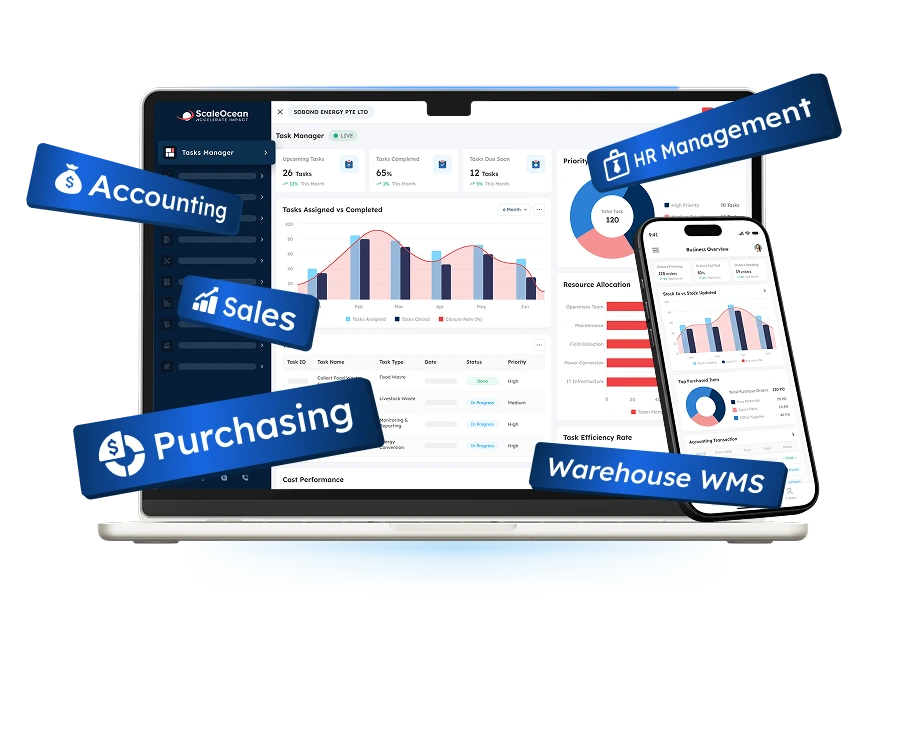
After understanding these best practices, businesses often need a lead management system to execute them consistently across teams. ScaleOcean’s Lead Management System supports structured workflows that help businesses implement scoring, follow-ups, and segmentation without relying on manual coordination.
ScaleOcean provides an all-in-one platform that automates lead tracking, workflow assignments, and performance monitoring within a centralized environment. Request a free demo today to explore how streamlined processes improve response speed and overall conversion performance.

What are the 11 Lead Management Tools and Technologies?
Lead management tools and technologies help businesses efficiently organize, track, and convert potential customers. By using integrated systems, companies streamline workflows while maintaining accurate records, strengthening communication across marketing and sales operations.
Moreover, modern technologies enable automation, analytics, and centralized data access across multiple departments. When businesses adopt the right tools, they improve response speed while enhancing visibility into customer behavior and overall pipeline performance.
1. Customer Relationship Management (CRM)
Customer Relationship Management systems serve as the foundation of a structured lead management process. Businesses use the best CRM software to store customer data, monitor interactions, and coordinate sales activities in a centralized, easily accessible environment.
Additionally, CRM systems support collaboration between teams by providing shared access to updated customer information. By maintaining unified records, organizations reduce duplication errors while improving workflow efficiency across multiple operational functions.
2. Real-Time Sales Data and Analytics Tools
Real-time sales data and analytics tools provide immediate visibility into lead performance and engagement patterns. Businesses rely on these tools to monitor ongoing activities while identifying trends that influence decision-making and pipeline optimization strategies.
Furthermore, real-time insights enable organizations to adjust strategies quickly in response to measurable results. By continuously analyzing performance, teams strengthen forecasting accuracy and improve the effectiveness of lead nurturing and sales conversion initiatives.
3. Sales Enablement Tools
Sales enablement tools support representatives by providing resources that improve communication with prospects. Businesses use these tools to deliver presentations, product materials, and structured information that guide prospects through different stages of the decision-making process.
Moreover, enablement tools enhance productivity by organizing materials into accessible formats. By ensuring sales teams have up-to-date resources readily available, organizations strengthen the quality of engagement while improving consistency across customer interactions.
4. Engagement Tools
Engagement tools help businesses maintain consistent communication with leads across multiple touchpoints. These tools support scheduling interactions, tracking engagement activities, and ensuring follow-ups occur according to predefined communication strategies.
Additionally, engagement platforms improve customer responsiveness by enabling timely communication through different channels. By maintaining consistent interaction patterns, organizations strengthen relationships while encouraging prospects to progress through pipeline stages with confidence.
5. Lead Nurturing Tools
Lead nurturing tools support ongoing communication designed to maintain interest among prospects who are not yet ready to purchase. Businesses use these tools to deliver automated messages that gradually guide leads toward informed purchasing decisions.
Furthermore, nurturing platforms help track engagement responses across different campaigns. By consistently monitoring interactions, organizations refine messaging strategies and strengthen long-term relationships that support successful sales outcomes.
6. Marketing Automation Software
Marketing automation software simplifies repetitive tasks such as sending emails, scheduling campaigns, and tracking marketing responses. Businesses rely on automation tools to maintain consistent communication without increasing manual workload across multiple operational processes.
Moreover, automation platforms improve campaign efficiency by coordinating activities across different marketing channels. By aligning workflows automatically, organizations enhance engagement accuracy and improve resource utilization across extended marketing initiatives.
7. Email Marketing Software
Email marketing software supports targeted communication designed to maintain engagement with potential customers. Businesses use email platforms to distribute newsletters, promotional content, and personalized messages that strengthen customer relationships over time.
Additionally, email tools provide tracking features that measure open rates and response behavior. By analyzing engagement metrics carefully, organizations refine messaging strategies while improving communication effectiveness across diverse customer segments.
8. Messaging Software
Messaging software enables businesses to communicate instantly with leads through chat platforms and mobile messaging applications. These tools enable real-time conversations, helping organizations address customer inquiries quickly and maintain consistent engagement levels.
Furthermore, messaging platforms enable faster responses than traditional communication methods. By providing immediate interaction channels, companies strengthen trust while reducing response delays that could negatively impact conversion opportunities.
9. VoIP Software
Voice over Internet Protocol software supports voice communication through internet-based calling systems. Businesses use VoIP tools to manage customer calls efficiently while reducing operational costs associated with traditional telecommunication services.
Additionally, VoIP platforms often include call-tracking features that automatically record call details. By maintaining accurate call histories, organizations strengthen accountability and improve the consistency of follow-up across customer-interaction processes.
10. Sales Analytics Software
Sales analytics software provides detailed insights into pipeline performance and sales activities. Businesses rely on these tools to evaluate productivity levels while identifying patterns that influence successful lead conversion and customer acquisition outcomes.
Moreover, analytics tools support data-driven planning by generating reports that highlight strengths and weaknesses. By reviewing performance trends regularly, organizations refine strategies while improving long-term operational effectiveness across sales departments.
11. Customer Engagement Software
Customer engagement software integrates communication channels to support continuous interaction throughout the customer journey. Businesses use these platforms to manage conversations across emails, messaging tools, and support channels within a unified operational framework.
Furthermore, engagement platforms enhance personalization by tracking customer preferences and behavioral patterns. By delivering tailored communication consistently, organizations strengthen relationships while improving overall satisfaction and long-term customer loyalty.
Improve Lead Management Easily Using ScaleOcean
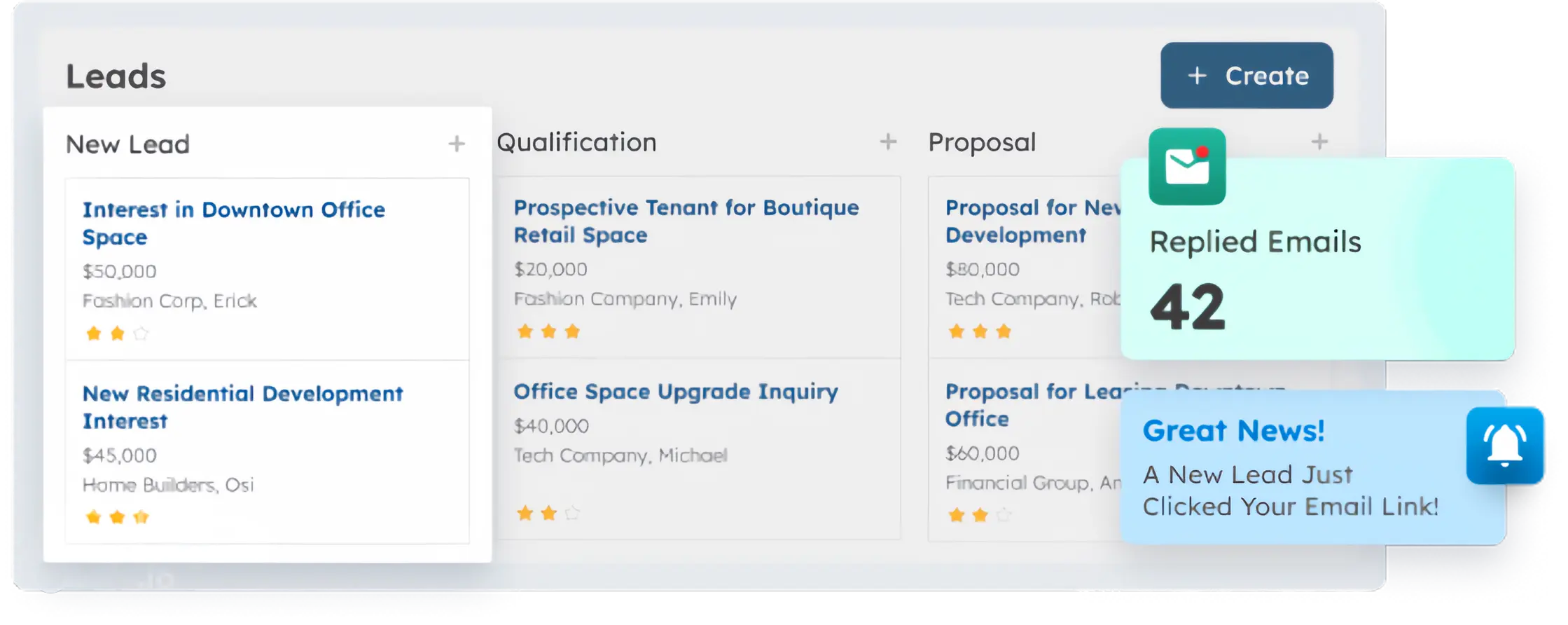
Managing leads becomes significantly easier when businesses use a unified system that enables unrestricted collaboration. ScaleOcean’s Lead Management System provides an all-in-one solution with more than 200 customizable modules designed to meet diverse operational needs.
Moreover, ScaleOcean enables unlimited users at no additional cost, allowing sales teams to coordinate activities efficiently across departments. ScaleOcean’s flexibility also allows businesses to adapt their workflows while maintaining a structured, consistent lead management process.
ScaleOcean offers flexible customization options that allow businesses to tailor dashboards, lead scoring, and follow-up scheduling. These configurable workflows help your company to adapt quickly to changing sales strategies without disrupting daily operations.
Furthermore, transparent flat pricing ensures predictable costs without additional charges for users or modules. This pricing structure enables businesses to expand their lead management operations with confidence while maintaining full control over budgets and long-term investment planning.
Additionally, ScaleOcean matches CTC grant requirements, allowing eligible businesses to receive funding support of up to 70%. This opportunity helps organizations adopt modern lead management systems faster while reducing financial barriers to digital transformation initiatives.
Key Features of ScaleOcean Lead Management System:
- CRM and Sales Management Integration: ScaleOcean enables businesses to manage lead capture, qualification, and nurturing within a unified environment that connects sales and marketing workflows, ensuring consistent data flow across departments.
- Lead Scoring and Prioritization: This feature automatically assigns values based on customer interactions, helping sales teams identify high-potential prospects and focus on leads that demonstrate measurable readiness for conversion.
- Automated Workflow Management: ScaleOcean supports automated follow-up scheduling and task assignments, ensuring leads progress through pipeline stages without delays while reducing the risk of missed communication opportunities.
- Marketing Automation Integration: Integrated marketing tools enable businesses to run structured nurturing campaigns that guide prospects toward Sales Qualified Lead status through targeted messaging and continuous engagement.
Conclusion
Lead management helps businesses capture, organize, nurture, and convert prospects through structured workflows that improve response speed and decision accuracy. By applying clear strategies, organizations strengthen collaboration while increasing consistent revenue growth.
However, manual processes and disconnected tools often slow response times and create data gaps. Luckily, ScaleOcean Lead Management System offers an all-in-one solution that integrates CRM, automation workflows, and analytics to streamline lead tracking efficiently.
Additionally, ScaleOcean supports scalable implementation and aligns with CTC grant requirements, offering up to 70% funding support. Request a free demo today to explore how integrated lead management tools can improve sales performance.
FAQ:
1. Is lead management part of CRM?
While some may see them as interchangeable, lead management and CRM serve different roles. Lead management focuses on handling potential customers before a sale, whereas CRM manages relationships throughout and after the sales process.
2. What does a lead manager do?
Lead Managers play a key role in finance by managing the IPO process for companies. They handle pricing, underwriting, marketing, and other complex aspects of initial public offerings.
3. Is lead management B2B or B2C?
B2B lead management targets lead generation through content marketing and brand awareness. In contrast, B2C lead management focuses on driving sales via advertising and direct sales calls.
4. What are the tasks of lead management?
Lead management involves attracting, qualifying, and guiding potential customers through seven stages: lead generation, qualification and segmentation, nurturing, scoring, distribution, conversion, and tracking.





















.png)