

One of the most important metrics for businesses to watch is burn rate, but many aren’t sure how to understand it. If you don’t know what is going on, they might be overspending, running out the door, and making decisions based on that in the moment that lack long omedium-termrm value. A Medium article quoted a CB Insights study that indicated that 38% of all start-ups run out of cash or are unable to effectively manage cash flow.
This helps show that having poor financial visibility and an uncontrolled burn rate can be a shoo-in. Additionally, when business pressures rise (particularly for startups in markets such as Singapore), it’s important to be aware of what a burn rate is and how that figure relates to your business.
Decisions about business growth and sustainability can be tricky when the business is in an early phase of development, especially if revenue sources remain unstable or unpredictable. This means that businesses should have a systematic strategy to track expenditures and ensure they are reflective of the strategic objectives.
In that way, they can keep a financial discipline, get more length out of their operations, and go on making better decisions, which are insightful from a data-driven perspective.
In this article, we’ll delve into the meaning of burn rate, what burn rate is in project management, how to calculate burn rate in project management, the various types of burn rate, how to accurately calculate burn rate, and some of the strategies that businesses can implement to effectively manage their burn rate.
 Key Takeaways
- Burn Rate is a calculation of how quickly businesses spend cash, making it essential for managing financial health and ensuring long-term operational sustainability.
- Burn Rate is Important because of its impact on runway, investor confidence, and overall financial stability, especially for startups navigating uncertain and competitive markets.
- A Good Burn Rate varies between startups and established businesses, depending on growth strategy, revenue stability, and desired financial runway.
- Managing Burn Rate requires balancing cost control and revenue growth while improving efficiency, reducing churn, and focusing on high-impact business activities.
- ScaleOcean Revenue Management Software helps businesses automate burn rate tracking, centralize financial data, and improve forecasting accuracy through real-time insights and analytics.

What is Burn Rate?
The time that a business takes to “burn” its cash is called burn rate, usually defined as the time, typically per month, when the business uses its cash. It is pointing out a hint for a business to use its capital prior to it becoming positive. In particular, it is relevant to start-up companies which rely heavily on external sources of capital, including start-up industries in Singapore.
But it is also monitored by businesses in order to ensure strong money utilisation and prevent any financial waste because of the unnecessary utilisation of finance. Additionally, burn rates are a good sign of a company’s financial health and sustainability.
When dolldoc business metrics data is sensitive to this, businesses can anticipate cash shortages, look back in the rearview mirror, and make sure that they are using their resources to support their long-term objectives.
Why is Burn Rate Important?
Burn rates are an important indicator when dealing with financial planning, and can affect the company’s working life and the need for more investment capital. Without tracking, companies can very quickly find themselves in unforeseen cash crunches, hampering operations and growth plans.
Moreover, investors closely watch its cash burn rate together with earnings per share to gauge its performance, especially in Singapore’s startup scene. The difference between a planned one and an overspending is discipline vs careless business practices or even unrealistic growth ambition.
Thus, companies that are proactive about their burn rate will be able to make more informed decisions on budgeting, hiring, and growth. This programmatic solution can play a role in ensuring system stability, maximising available resources, and gaining stakeholder + investor trust.
Types of Burn Rate
Typically, you will have two types of programmes – one covering high burn rates, and one covering low burn rates, with a different perspective of the company’s finances. Knowing the ‘what’ and ‘how’ of a burn rate enables businesses to clarify in their decision-making where their money has been invested.
- Gross Burn Rate: Represents the total monthly burn rate formula by calculating operating expenses without considering revenue.
- Net Burn Rate: Fuel usage ratio of revenues and expenses, reported in money.
Moreover, businesses can benchmarks its efficiency and sustainability by comparing these metrics. Net burn has to do with how fast a company is burning its cash, while gross burn has to do with how much of its cash is being burned.
Gross Burn Rate
The gross burning rates are the expenses incurred by the company in operating a business every month. These are generally the costs associated with running the business, such as salaries, rent and utilities, software subscriptions and more.
It provides insight into the overall pricing structure, but without consideration of sales. Thus, gross burn rates can help businesses pinpoint any areas with potentially high and/or mismanaged costs.
Net Burn Rate
The net burn rate formula is the actual net cash burn rate that the business is facing, after taking into account revenue. It represents the quantity of money lost that the company encounters each month; therefore, it is a much more realistic gauge of the company’s actual financial viability.
Start-ups with smaller budgets will be affected especially by the net burning rate because they spend actual money. This can be used to gauge the duration that the amount of money available for a business will take to dwindle when the business practices are not changed.
Difference Between Gross Burn Rate and Net Burn Rate
The difference between their revenues and how they’re treated is “gross burning rate” v “net burning rate. When you include gross burn with revenue, you have a true reflection of cash loss; gross burn only includes expenses, hence net burn is used.
Obviously, gross burn will provide the companies with information as far as total burn, and the net burn will provide information on their financial runway and sustainability. Businesses can narrow down on a financial plan that accounts for recovery with both metrics.
How to Calculate Burn Rate?

Understanding how to calculate burn rate in business involves analysing financial data over a specific period, typically monthly. Businesses must track both expenses and revenue accurately to ensure that calculations reflect their true financial position.
Additionally, companies should use consistent accounting methods when calculating cash burn rate to maintain accuracy over time. This consistency allows for better comparisons, improved forecasting, and more reliable financial decision-making.
To better understand how to calculate burn rate, businesses need to break it down into a burn rate calculator and a burn rate percentage
Gross Burn Calculation
To calculate the gross burn rates, businesses simply sum all operating expenses incurred in a month. This includes fixed and variable costs such as salaries, rent, marketing expenses, and administrative overhead.
Gross Burn Rate = Total Monthly Operating Expenses
Gross Burn Rate = $50,000
For example, if a company spends $50,000 monthly on operations, its gross burn rate is $50,000. This straightforward calculation helps businesses quickly assess their overall spending and identify potential cost reduction opportunities.
Net Burn Calculation
Net burn rate is calculated by subtracting total monthly revenue from total monthly expenses. This formula provides a clearer picture of how much cash the business is losing during a specific period.
Net Burn Rate = Gross Burn Rate – Monthly Revenue
Net Burn Rate = $50,000 – $30,000 = $20,000
For instance, if a company spends $50,000 but generates $30,000 in revenue, its net burn rate is $20,000. This figure helps businesses estimate their runway and determine how long they can sustain operations without additional funding. Together, these steps complete the process of calculating burn rate in a practical business context.
Examples of Burn Rate Calculation
Picture a company spending more than it earns; this gap shows up clearly through gross burn rate when revenue doesn’t cover costs; the net version reveals how fast cash drains overall. Seeing these numbers in actual business cases makes their meaning easier to grasp. So instead of theory, lived situations show how leadership tracks urgency in budget choices.
A small company pays eighty thousand Singapore dollars every month just to keep running salaries, space, and ads. That full amount? It’s what they burn through without even thinking about income. Now picture bringing in twenty grand each month from actual sales, and take that number away from the big outflow. What remains is sixty thousand lost monthly when costs outweigh earnings.
Even so, a company already operating might pull in SGD90,000 each month while spending SGD100,000. Because of this gap, the total outflow stays at SGD100,000. Still, the difference leaves a net loss of just SGD10,000. From this burn rate example, we find that a smaller shortfall means it can keep going much longer. Financial pressure? Not nearly as high.
What is a Good Burn Rate for a Startup and Businesses?
The companies’ stage, industry, and growth direction determine a good burn rate. For startups, particularly in an ecosystem such as Singapore, where there is no real need for them to go into survival mode if they have to emulate the fast-growing giants, higher burn rates need to be balanced with reasonable runways.
The goal of a startup is usually a 12- to 18-month runway, so that they get to milestones or to successive rounds of funding. For this reason, they should be matched with growth expectations without depletion of cash reserves as well.
However, a known business cares more about efficiency and profitability. They tend to operate at a lower or even no net burn and seek sustainable growth, stable cash flow, and reduced unnecessary financial risk.
How to Manage the Burn Rate?

To manage burn rates effectively within a revenue management framework, it’s crucial to take a balanced approach, and one that also helps to improve revenue management. Financial evaluations should be a habitual process undertaken by businesses to enhance the management of their resources and ensure they continue to serve strategic goals while being sustainable in the long-term.
Moreover, businesses must be more proactive in order to manage their finances rather than deal with cash-flow problems when they occur. This enables them to make the best use of their resources, reduce costs, stretch their runway, and ensure the stability of their business in the face of fluctuations in the market.
Reduce Expenditures
Controlling cash burn rate is one of the easiest ways of cutting costs. A business should regularly review what the cost of its operation is and identify any items of its budget that are not necessarily linked to its improvement or efficiency.
One of the positive aspects is that enterprises are able to re-negotiate the same contracts with the vendors, optimise resources, and avoid using the same tools. These activities lower the cost of operation overall and ensure the productivity and quality of the product/service delivery.
Increase Revenue
The more revenue one generates, the more that the interest will equal the expenses, resulting in a rate of burn. Rather than on immediate sales growth, a business should concentrate on ways in which it can develop its sales strategies, increase the number of people they are selling to, and improve the value that the product provides to customers in order to achieve steady sales revenue.
Additionally, organisations can leverage upselling, cross-selling, and price optimisation for the best rewards. The higher the revenue, the more free cash will be available to the business, thus sustaining the business over a particular time period.
Fundraising
Runway gets a boost and more money to operate and expand the activities, especially in the case of start-ups. Venture capitalists, angel investors, and even strategic partners may be sought by companies to ensure continued growth.
But, funding movements need to be done smartly to maximise the use of investment. This can lead to an “unsustainable” burn rate and pressure on investors, given the lack of financial management in relying on funds.
Reduce Churn Rate
Businesses that want to prevent their customers from leaving and want their revenue streams to stay consistent should benefit from reducing churn rate. High replacement rates will have a negative impact on revenue, leading to higher net burn rates and a shorter financial runway for the Corporation.
Therefore, companies would have to take responsibility to be aware of customer experience via value addition and relationship development. Turning profits on client retention is usually more affordable than client acquisition and should be practised if good business financial management is to be achieved.
Focus on Core Competencies
Once the priority skills are identified, the company will be able to utilise resources more effectively. Projects that a business does not value, or that are not its business strength, can be processed, while the business can concentrate on the activities that strengthen the business.
Besides, this approach may also help improve the efficiency of operations and contribute to the growth and development over time when implemented. Business owners who focus their business on the areas in which they know best are more likely to generate sustainable revenue and/or have some control over the cash burn.
Put Off or Cut Expenses
When planning your funding, you might be able to save your business from short-term cash flow headaches by either deferring expenses or reducing funding. Doing so will allow businesses to delay the inevitable investment or spread the investment cost.
In addition, businesses should make decisions regarding the necessary cost of running the business and what will be delayed. This will protect essential services from disruption and leave some reserve cash to put toward other urgent priorities.
Cut Off Products That Don’t Sell
Eliminating the bad products saves the company money and increases profitability. In situations where the product or service isn’t being sold and when the sales volume is not sufficient to generate meaningful returns, they can waste the resources without achieving the necessary returns.
So, companies need to continually test products and apply insights toward decision-making. Companies have found a chance to fine-tune resources and maintain their burn rates through “moving money first bullets” to their best products.
Factors Influencing Burn Rate
Several key factors directly influence a company’s cash burn rate, shaping how quickly it consumes cash. Therefore, businesses must understand these drivers to control spending effectively and maintain a healthy balance between growth and financial stability.
Moreover, both internal decisions and market conditions can significantly impact cash burn rates. By identifying and managing these factors, companies can improve financial planning, optimise resource allocation, and avoid unnecessary cash depletion over time.
- Operating Expenses: They represent the total cost required to run daily operations, including salaries, rent, utilities, and tools, and they directly increase burn rates when not properly controlled or aligned with business priorities.
- Revenue: It reduces the net burn rates by offsetting expenses, and consistent income streams help businesses maintain financial stability, extend runway, and avoid excessive reliance on external funding.
Consequently, effectively managing burn rates by controlling operating expenses and maintaining steady revenue is vital to a company’s financial health. This balance helps extend the business’s runway, supports sustainable growth, and enables better strategic decision-making.
How Does ScaleOcean Calculate and Manage Burn Rate Automatically?
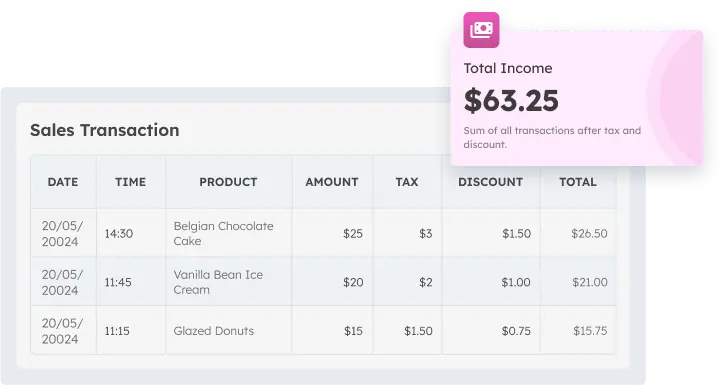
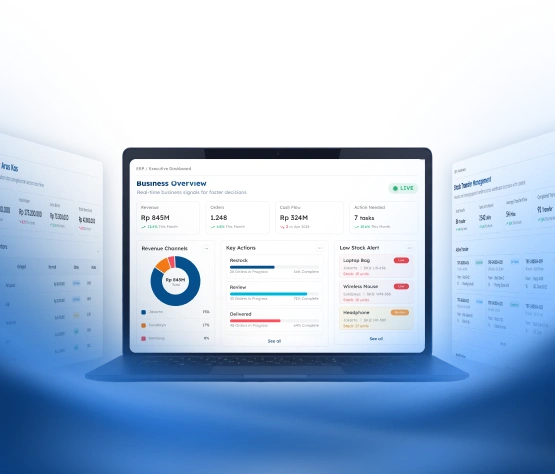
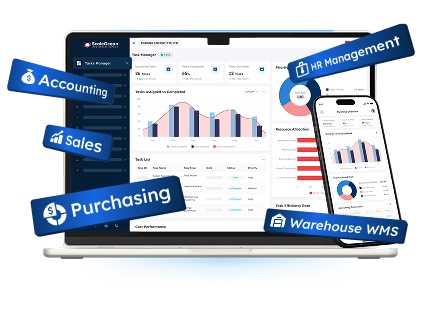
ScaleOcean revenue management software consolidates sales, inventory, HR, and operations cost and revenue data, all in one. This integral capability facilitates the business to link departmental funds and manage the burn rate effectively.
ScaleOcean helps businesses to minimise errors in data input, speed up financial analysis, and keep an eye on burn rates from a single dashboard. This capability will afford decision makers instant visibility and greater control in terms of cash flows and operating expenditures.
ScaleOcean also has a range of customizable financial reporting dashboards such as balance sheets, income statements, and cash flow reports. These dashboards agree with your workflow, and versatile modules align with your business model, business structure, and industry needs.
Moreover, ScaleOcean’s pricing structure is very simple, offering an unlimited number of users and no hidden charges. Additionally, businesses can leverage support for the 70% requirement for the CTC grants, which increases the accessibility and affordability to implement.
Main attributes of ScaleOcean’s Revenue Management Software:
- Real-time Cash Flow Monitoring: Cash flow expense software, ScaleOcean, monitors your cash flow and revenues in real time, giving you up-to-the-minute transparency of your cash burn rate to enable you to make quick financial decisions.
- Budget Planning and Cash Flow Forecasting: Allows the business to make a realistic budget plan and allocate budgets to expense categories, and also helps to keep control of financial performance.
- Forecasting & Data Analysis: ScaleOcean’s AI-powered data analysis helps your business analyse historical data, predict future revenue and expenses, and uncover spending trends that could be driving up your cash burn rate so you can take proactive financial steps.
Conclusion
Burn rate is an important financial indicator that reflects the speed of an enterprise’s cash burn and thus how long the company can sustain itself before going bankrupt. Awareness of its types, calculations, and influencing factors better enables companies to make decisions that are smarter and helps them stay financially stable.
With a goal of better burn control in mind, businesses need to have a system that brings together all financial information throughout the different business operations. ScaleOcean revenue management software includes an on-demand platform for one central location for data on revenue and cost to be tracked accurately, analysed quickly, and for assured visibility of the financial situation.
ScaleOcean offers real-time dashboards, AI-powered forecasting, and workstation-friendly modules, ensuring better management of cash flow and a more effective use of funds. Start your relationship with ScaleOcean today by requesting a free demo and find out how your financial needs and business can reap its benefits.
FAQ:
1. What is the difference between burn rate and run rate?
Burn rate indicates how quickly you are spending funds and helps gauge your financial runway, while run rate projects future performance based on current results. Simply put, burn rates show how long you can sustain operations, whereas run rate estimates potential growth if current trends continue.
2. What is a normal burn rate?
For early-stage startups, the typical burn rate is around $50,000 per month. It’s generally advisable to have enough cash reserves to cover three to six months of operating expenses.
3. Is a higher burn rate better?
No, a higher burn rate is detrimental to a business. It’s especially critical for startups relying on venture capital, as a high burn rate indicates faster cash depletion and financial risk.
4. What are strategies for reducing a high burn rate?
To reduce a high burn rate, eliminate unnecessary expenses, such as unused software and excess office space, pause hiring or outsource non-essential tasks, and focus on revenue-generating activities, such as minimizing customer churn and securing upfront payments. These steps help reduce costs quickly and extend your financial runway.






















.png)