

Order fulfillment is the structured process of accurately and efficiently receiving, processing, packing, and delivering customer orders. Many businesses rely on it daily, yet small inefficiencies quickly add up to costly operational problems.
However, fragmented data from multi-channel sales often creates confusion between warehouse records and marketplace platforms. As a result, businesses struggle to maintain accurate inventory visibility and risk overselling products to customers unexpectedly.
Moreover, rising customer expectations for faster deliveries place additional pressure on fulfillment teams to maintain speed and accuracy. When systems fail to synchronize properly, businesses struggle to keep pace with growing order volumes and increasing service demands.
According to the data that our team found from Mordor Intelligence, the global e-commerce fulfillment market is expected to grow significantly, reaching USD 267.58 billion by 2031 at an 11.62% CAGR. This growth is driven by the rapid expansion of online retail and the increasing demand for faster delivery services.
Therefore, companies increasingly seek streamlined fulfillment workflows that connect inventory, orders, and shipping processes into a single ecosystem. By improving coordination, organizations reduce delays, minimize errors, and protect their brand reputation in competitive markets.
So, in this article, we will explore how order fulfillment works, including the order fulfillment process, strategies, challenges, and performance metrics, all of which are essential for businesses aiming to stay competitive and meet growing customer expectations in increasingly fast-paced markets.
 Key Takeaways
- Order Fulfillment is the entire end-to-end process of receiving, processing, and delivering a customer’s order.
- Order Fulfillment Types and Strategies allows businesses to balance operational control, scalability, and cost efficiency based on their market demands.
- Order Fulfillment Performance Metrics helps organizations measure efficiency, identify bottlenecks, and maintain reliable service standards across growing operational volumes.
- ScaleOcean Retail ERP Software helps unify inventory, automate workflows, and optimize fulfillment operations to support scalable, accurate, and efficient order management.
What Is Order Fulfillment?
Order fulfillment is the complete workflow that moves products from warehouse shelves to customer doorsteps. It begins when inventory arrives and ends when customers receive their orders successfully and without complications.
Additionally, understanding what is order fulfillment involves recognizing several coordinated activities, including inventory storage, picking, packing, shipping, and returns management. Each step requires careful planning to maintain speed, accuracy, and consistent product handling across different fulfillment channels.
In modern business environments, companies increasingly rely on digital systems to manage fulfillment workflows. These tools integrate inventory tracking, automate order routing, and provide real-time updates that support faster decision-making and improve operational efficiency.
What Is the 8 Order Fulfillment Process?
The order fulfillment cycle consists of eight structured steps that guide products from warehouse intake to customer delivery. Each stage builds on the previous one, ensuring smooth transitions between inventory handling and shipment preparation.
Furthermore, understanding the order fulfillment meaning and each of these steps helps businesses identify delays, reduce manual errors, and optimize warehouse productivity. By refining these processes, organizations strengthen delivery performance and maintain consistent service quality across growing order volumes.
1. Receiving Inventory
Receiving inventory begins when suppliers deliver products to the warehouse for verification and documentation. Teams inspect shipments carefully to confirm quantities, product conditions, and compliance with purchase orders before accepting stock into storage systems.
After verification, warehouse staff record inventory details into tracking systems to maintain accurate stock visibility. This step ensures that incoming products integrate smoothly into storage workflows and remain ready for future order processing activities.
2. Inventory Storage
Inventory storage organizes products into designated warehouse locations to support efficient retrieval during order fulfillment process. Proper storage layouts reduce travel time, prevent misplaced goods, and improve accessibility for picking teams during high-volume operations.
Additionally, storage systems often use labeling, shelving strategies, and digital mapping tools to guide item placement. These methods help maintain consistent stock organization and support accurate inventory counts across different warehouse zones.
3. Order Processing
Order processing begins when customers place orders through websites, marketplaces, or retail channels. Systems validate payment details, confirm product availability, and generate picking instructions that guide warehouse teams through the next fulfillment steps.
Moreover, automated processing tools synchronize order data across multiple channels to prevent duplication or overselling issues. This coordination improves order accuracy and ensures that fulfillment workflows continue without unnecessary interruptions or delays.
4. Picking
Picking involves retrieving ordered items from storage locations based on digital instructions or picking lists. Workers follow optimized routes to minimize movement time and ensure that selected products match order specifications precisely and consistently.
Furthermore, warehouses often implement barcode scanning or mobile devices to confirm item selection accuracy. These technologies reduce picking errors, maintain inventory accuracy, and support faster fulfillment cycles across increasing daily order volumes.
5. Packing
Packing prepares selected items for shipment by securing them in protective packaging materials. Teams carefully arrange products to prevent damage in transit while ensuring package sizes meet shipping requirements and carrier standards.
Additionally, packing processes include labeling shipments, attaching invoices, and verifying destination information before dispatch. Accurate packaging not only protects products but also improves delivery efficiency and reduces the likelihood of return requests.
6. Shipping
Shipping transfers packed orders from warehouse facilities to transportation carriers for distribution. Coordinators select appropriate shipping methods based on delivery timelines, package size, destination, and overall transportation costs to maintain operational efficiency.
Meanwhile, tracking systems generate shipment details and notify customers about order progress in real time. These updates enhance transparency, strengthen customer trust, and support timely communication throughout the delivery journey.
7. Delivery
Delivery represents the stage where carriers transport orders directly to customer addresses. Reliable delivery schedules ensure that customers receive products within expected timelines, reinforcing satisfaction and encouraging repeat purchases across competitive markets.
Additionally, proof-of-delivery confirmation allows businesses to verify successful shipments and resolve disputes quickly. This step strengthens accountability across logistics partners and improves overall service reliability within the fulfillment network.
8. Returns Processing
Returns processing handles products that customers send back due to defects, incorrect items, or dissatisfaction. Teams inspect returned goods to determine whether items qualify for restocking, replacement, or disposal in accordance with company policies.
Moreover, efficient return workflows help businesses recover product value while maintaining customer satisfaction. By managing returns systematically, organizations reduce losses, improve inventory accuracy, and support long-term operational sustainability across fulfillment operations.
Order Fulfillment Types and Strategies

Order fulfillment types and strategies determine how businesses manage inventory, process orders, and deliver products to customers efficiently. Selecting the right strategy directly affects operational flexibility, cost management, and long-term scalability.
Moreover, each fulfillment model supports different business sizes and market demands. Therefore, companies must understand the order fulfillment meaning and evaluate order volume, warehouse capacity, and customer expectations before choosing a fulfillment approach that aligns with operational goals.
1. In-House Fulfillment
In-house fulfillment occurs when businesses manage the entire order fulfillment process within their own facilities. Companies maintain full control over inventory handling, packaging standards, and shipping operations without relying on external service providers.
Additionally, this strategy allows organizations to customize workflows and maintain direct oversight of product quality. However, companies must invest in warehouse infrastructure, workforce training, and system integration to support growing fulfillment demands.
2. Third-Party 3PL Fulfillment
Third-party logistics fulfillment involves outsourcing warehouse and delivery operations to specialized logistics providers. These providers manage storage, picking, packing, and shipping activities, allowing businesses to focus more on product development and sales growth.
Furthermore, 3PL partners offer scalable resources that adapt to seasonal demand fluctuations. This flexibility helps businesses reduce operational burdens while maintaining consistent delivery performance across expanding regional or global markets.
3. Drop Shipping Fulfillment
Dropshipping fulfillment allows businesses to sell products without storing inventory in their own warehouses. Instead, suppliers ship items directly to customers after receiving confirmed orders from online stores or marketplace platforms.
Consequently, with dropshipping, companies minimize storage costs and reduce risks related to unsold inventory. However, they must maintain strong supplier relationships to ensure consistent product quality, reliable shipping timelines, and accurate order handling.
4. Hybrid Fulfillment
Hybrid fulfillment combines multiple fulfillment models to create a flexible and adaptable logistics system. Businesses may manage high-demand products internally while outsourcing slower-moving items to third-party logistics partners to improve efficiency.
This approach allows organizations to balance operational control with cost optimization strategies. As a result, companies respond faster to market changes while maintaining service reliability across different sales channels and customer segments.
5. Crowdsourced Fulfillment
Crowdsourced fulfillment uses independent drivers or local delivery partners to complete last-mile deliveries. Companies rely on digital platforms to dynamically assign delivery tasks based on proximity, availability, and delivery urgency.
Additionally, this strategy supports faster deliveries in densely populated areas where customer expectations demand speed. However, businesses must closely monitor service consistency to maintain delivery accuracy and protect their brand reputation.
Metrics for an Effective Order Fulfillment Performance
Order fulfillment metrics help businesses measure efficiency, accuracy, and reliability across logistics operations. By tracking measurable indicators, organizations identify performance gaps and implement targeted improvements that enhance customer satisfaction and operational consistency.
Furthermore, consistent performance monitoring helps businesses evaluate what is order fulfillment efficiency in practice, enabling data-driven decisions that support long-term scalability. Businesses that regularly analyze order fulfillment meaning and metrics improve service quality and maintain competitive delivery performance.
1. Order Cycle Time
Order cycle time measures the total duration required to complete an order from placement to delivery readiness. Shorter cycle times indicate efficient coordination between inventory availability, picking operations, and shipment preparation workflows.
Additionally, monitoring this metric helps businesses identify operational bottlenecks that slow fulfillment speed. By reducing delays across processing stages, organizations improve delivery responsiveness and strengthen overall customer satisfaction levels.
2. Order Accuracy Rate
Order accuracy rate measures how often businesses deliver the correct products without errors or mismatches. High accuracy levels demonstrate effective picking processes, reliable inventory records, and consistent packaging verification procedures.
Moreover, improving order accuracy significantly reduces costly returns and customer complaints. When teams maintain strict verification standards, businesses protect brand trust and strengthen long-term customer relationships across multiple sales channels.
3. Order Fill Rate
Order fill rate measures the percentage of customer orders fulfilled completely without backorders or substitutions. High fill rates indicate strong inventory planning, accurate demand forecasting, and efficient replenishment strategies across warehouse operations.
Additionally, consistent monitoring of fill rates helps businesses maintain product availability across sales channels. This stability supports faster deliveries and prevents lost revenue from stock shortages or delayed shipments.
4. Return Rate
Return rate measures the percentage of shipped orders that customers return due to defects or dissatisfaction. A high return rate often signals issues with product quality, packaging methods, or order accuracy processes.
Furthermore, analyzing return patterns allows businesses to identify recurring problems and implement corrective actions. By improving product handling and verification workflows, companies reduce operational losses and strengthen overall fulfillment performance.
Order Fulfillment Challenges
Order fulfillment challenges arise when businesses struggle to maintain efficiency across inventory, operations, and delivery workflows. These challenges often increase operational costs and reduce customer satisfaction when organizations lack proper coordination across fulfillment activities.
Additionally, growing customer expectations highlight why understanding what is order fulfillment becomes essential for maintaining speed, accuracy, and consistent delivery performance.
Therefore, companies must identify these common fulfillment barriers early to prevent service disruptions and maintain consistent delivery performance across multiple sales channels.
1. Inventory & Visibility Hurdles
Inventory visibility hurdles arise when businesses cannot accurately track stock levels across warehouses and sales channels. Incomplete data synchronization often leads to overselling, delayed shipments, and inefficient stock allocation across multiple fulfillment locations.
Moreover, limited visibility makes forecasting demand more difficult and increases the risk of stockouts or excess inventory. Companies that lack centralized data systems often struggle to maintain balanced inventory levels and consistent order fulfillment operations.
2. Operational & Shipping Pressures
Operational and shipping pressures increase when businesses handle growing order volumes without scalable processes in place. Teams often face tight deadlines, rising delivery expectations, and higher transportation costs, all of which reduce overall operational efficiency.
Furthermore, inconsistent shipping workflows cause delays that undermine delivery performance. Businesses that fail to optimize routing strategies and packaging workflows often experience rising shipping costs and declining customer satisfaction over time.
3. Scalability & Market Volatility
Scalability challenges emerge when businesses experience sudden increases in demand during seasonal promotions or market fluctuations. Without flexible fulfillment systems, organizations struggle to process orders efficiently during peak operational periods.
Additionally, volatile market trends make inventory planning more complex and unpredictable. Companies that lack scalable infrastructure often face delayed shipments, resource shortages, and operational bottlenecks that significantly disrupt customer service performance.
4. Reverse Logistics (Returns)
Reverse logistics challenges occur when businesses manage returned items inefficiently across multiple warehouses. Improper return handling increases operational costs and delays restocking or refund processing.
Moreover, high return volumes often reveal underlying problems with packaging quality or order accuracy. Companies that fail to optimize return workflows risk financial losses and reduced customer trust due to slow or inaccurate refund resolutions.
Order Fulfillment Best Practices

Order fulfillment best practices help organizations maintain efficiency and reliability across logistics workflows. By implementing structured processes, businesses improve coordination between inventory management, shipping operations, and customer service performance across multiple distribution channels.
Furthermore, adopting proven fulfillment strategies supports long-term scalability and reduces operational risks. Companies that follow standardized best practices create consistent workflows that enhance productivity, accuracy, and overall customer satisfaction across growing business environments.
1. Ensure Data Integrity and Organization
Ensuring data integrity requires maintaining accurate and consistent records across inventory, orders, and shipping details. Organized data structures allow teams to access reliable information quickly and support faster decision-making during daily fulfillment operations.
Additionally, businesses should implement validation rules and regular data audits to prevent inconsistencies. Clean data improves reporting accuracy and strengthens coordination between warehouse operations and sales platforms across multiple distribution channels.
2. Implement Automation Where Possible
Implementing automation improves operational efficiency by reducing repetitive manual tasks within fulfillment workflows. Automated systems handle order routing, inventory updates, and shipping documentation, allowing teams to focus on higher-value operational responsibilities.
Furthermore, automation increases processing speed and minimizes human error across daily operations. Businesses that adopt automated tools often achieve faster fulfillment cycles and maintain consistent service performance even during high-volume demand periods.
3. Collaborate with Dependable Suppliers
Collaborating with dependable suppliers strengthens fulfillment reliability and ensures consistent inventory availability. Reliable supplier relationships help businesses maintain stable stock levels and reduce disruptions caused by delayed shipments or incomplete deliveries.
Moreover, strong communication channels enable faster response times during unexpected demand changes. Businesses that build long-term supplier partnerships improve supply chain stability and maintain consistent product availability across multiple fulfillment locations.
4. Unify Your Fulfillment Operations
Unifying fulfillment operations involves connecting inventory, order management, and shipping workflows into a centralized system. Integrated operations improve data visibility and allow teams to coordinate tasks efficiently across different departments and warehouse locations.
Additionally, centralized workflows reduce communication gaps and prevent task duplication. Businesses that unify operations create smoother fulfillment processes, supporting faster order processing and consistent delivery performance across growing distribution networks.
5. Standardize Quality and Precision Checks
Standardizing quality checks ensures that teams verify product accuracy before packing and shipping activities begin. Structured verification procedures help reduce errors that lead to returns, refunds, and customer dissatisfaction during fulfillment operations.
Furthermore, consistent quality inspections maintain product standards across different warehouse teams. Businesses that enforce standardized checks improve accuracy and strengthen customer trust through reliable delivery.
6. Optimize Your Inventory Management
Optimizing inventory management improves product availability and reduces storage inefficiencies across warehouse facilities. Businesses that analyze demand patterns regularly maintain balanced stock levels and prevent unnecessary accumulation of excess inventory.
Additionally, proper inventory optimization reduces operational costs related to storage and handling. Companies that maintain efficient stock rotation improve warehouse productivity and support faster order processing across high-demand periods.
7. Select the Appropriate Tech Stack
Selecting the appropriate technology stack supports seamless coordination between fulfillment tools and operational workflows. Selecting the best order fulfillment software platforms helps businesses monitor inventory movements, automate reporting, and maintain accurate shipment tracking systems.
Moreover, compatible technologies reduce manual intervention and improve data synchronization across multiple platforms. Businesses that invest in suitable technology solutions enhance productivity and maintain reliable fulfillment performance across expanding operations.
8. Maintain a Customer-Centric Approach
Maintaining a customer-centric approach ensures that fulfillment processes align with customer expectations and service standards. Businesses that prioritize transparency provide clear updates and accurate delivery timelines throughout the order journey.
Furthermore, customer-focused fulfillment strategies improve loyalty and encourage repeat purchases. Organizations that respond quickly to customer concerns strengthen relationships and maintain competitive advantages in fast-paced market environments.
9. Audit Fulfillment Performance Metrics
Auditing fulfillment performance metrics allows businesses to consistently evaluate operational efficiency. Regular performance reviews help identify workflow inefficiencies and support continuous improvement across daily logistics and shipping operations.
Additionally, performance audits provide actionable insights that guide strategic planning decisions. Businesses that analyze fulfillment metrics systematically improve delivery reliability and maintain consistent service standards across growing operational demands.
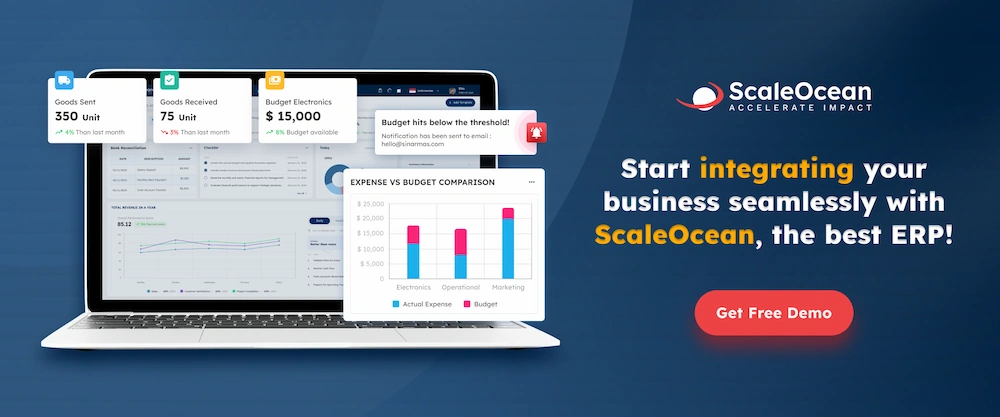
However, implementing best practices becomes easier when businesses use integrated systems that automate fulfillment workflows. Like ScaleOcean Retail ERP Software, which streamlines order processing through centralized operations, reducing manual work and improving coordination across departments.
With real-time inventory visibility, automated workflows, and seamless logistics integration, ScaleOcean enables faster, more accurate fulfillment. Schedule a free demo today to see how ScaleOcean can efficiently optimize your order fulfillment operations.

Benefits of Having an Effective Order Fulfillment Process
An effective order fulfillment process delivers measurable advantages across logistics, inventory, and customer service operations. When businesses structure workflows carefully, they reduce delays, improve coordination, and maintain consistent delivery performance across multiple sales channels.
Moreover, streamlined fulfillment processes strengthen operational resilience amid fluctuating demand. Organizations that maintain structured workflows respond faster to customer requests while protecting profit margins through efficient resource allocation and reduced operational waste.
1. Ensure On-Time Shipments
Ensuring on-time shipments improves customer satisfaction by consistently meeting promised delivery timelines. Efficient coordination among inventory availability, picking operations, and shipping schedules reduces delays that undermine overall fulfillment performance.
Additionally, reliable shipping timelines strengthen brand credibility across competitive markets. Businesses that maintain punctual deliveries reduce customer complaints and increase repeat purchases, creating stable long-term relationships with both individual buyers and business clients.
2. Provide Deliveries That Meet Customers’ Needs
Providing deliveries that meet customer needs requires accurate order handling and careful packaging processes. Businesses that verify product details before shipping reduce the risk of incorrect deliveries and prevent costly returns or customer dissatisfaction.
Furthermore, fulfillment systems that track shipment progress improve transparency throughout the delivery process. Customers value clear communication and reliable updates, which encourage trust and reinforce confidence in the business’s overall service reliability.
3. Gains a Competitive Advantage for Your Business
Gaining a competitive advantage becomes easier when fulfillment operations consistently deliver speed and accuracy. Businesses that optimize logistics workflows respond faster to market demands and outperform competitors that struggle with inefficient operational structures.
Additionally, strong fulfillment performance supports scalability during periods of growth. Companies that maintain efficient processes adapt to increasing order volumes without sacrificing service quality, allowing them to expand market reach while sustaining operational stability.
Optimize Order Fulfillment with ScaleOcean
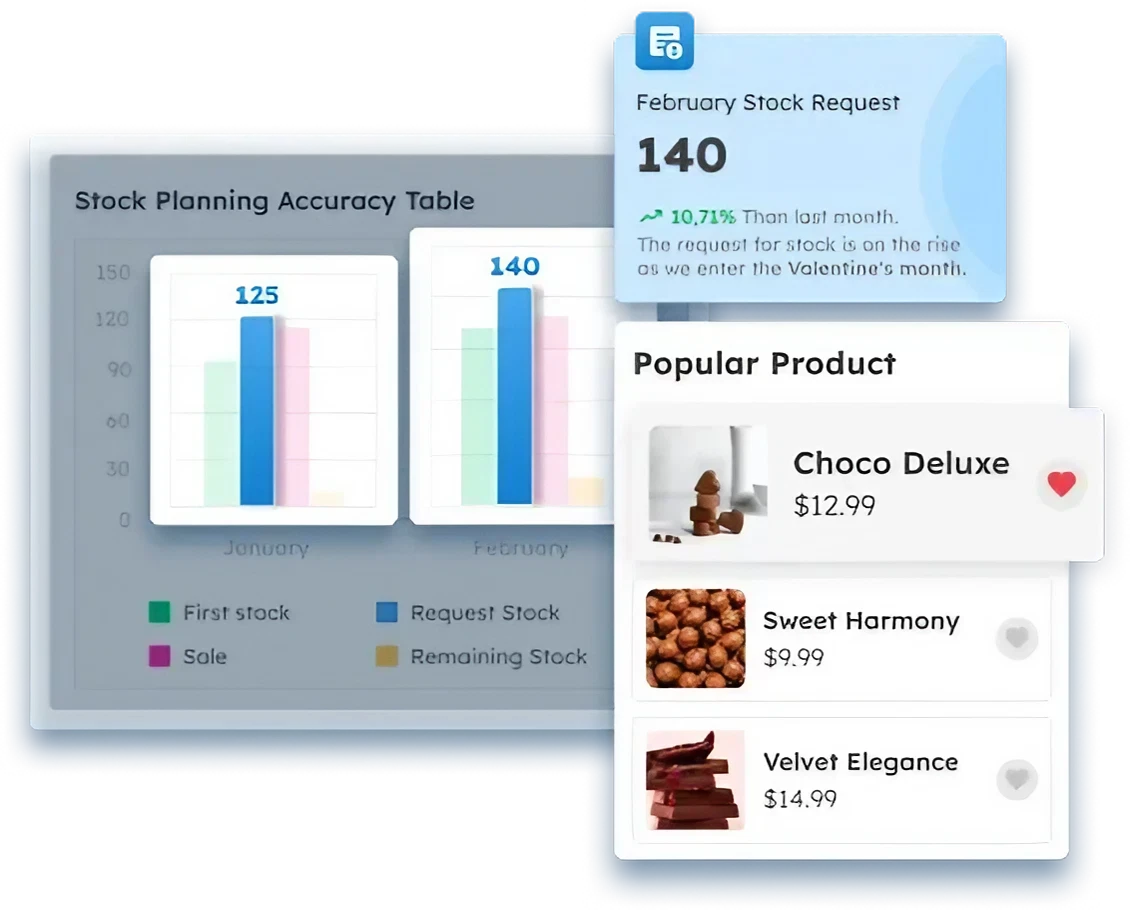
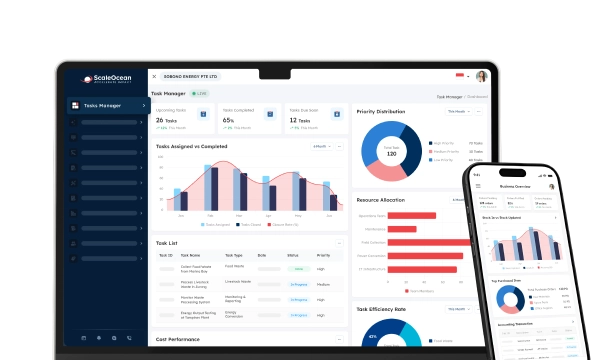
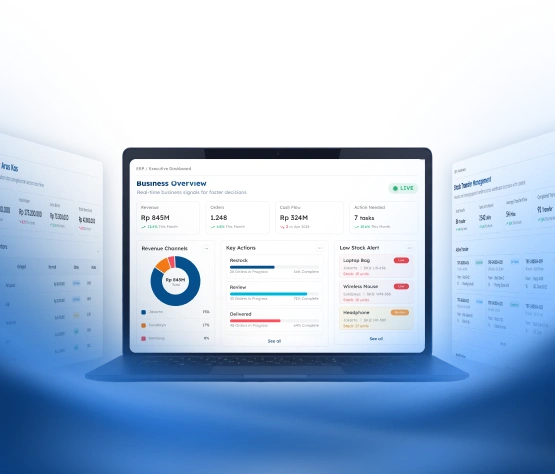
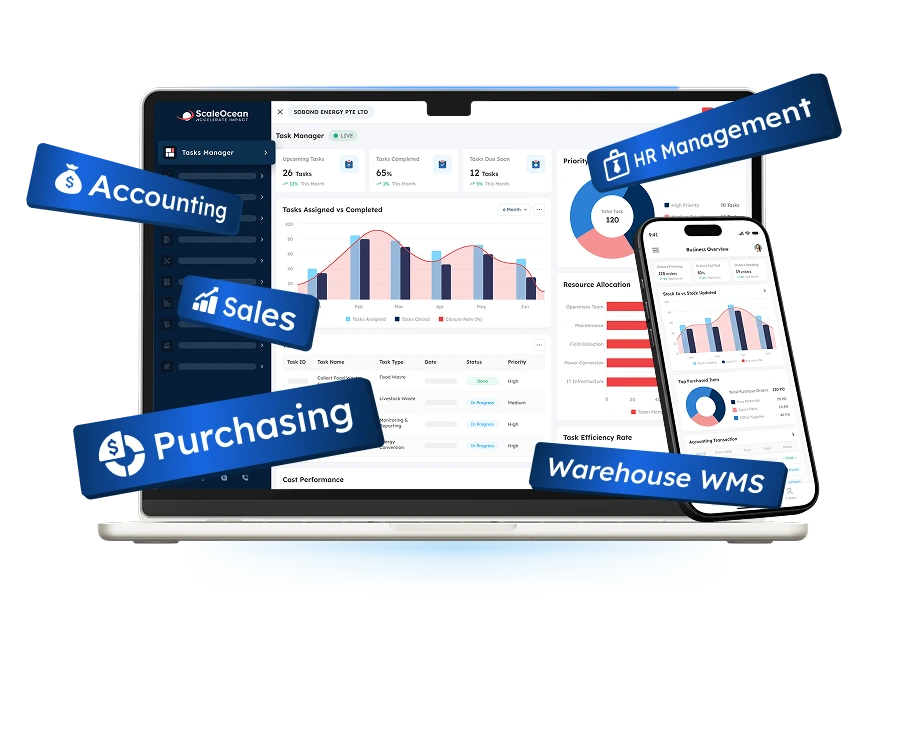
Optimizing order fulfillment requires systems that connect inventory, sales, and logistics into a unified workflow. ScaleOcean’s Retail ERP Software supports this need through integrated modules that automate order processing from receipt to shipment with minimal manual intervention.
Moreover, its all-in-one platform connects inventory, sales, and logistics functions within a single environment. This integration provides real-time stock visibility and prevents overselling, ensuring teams respond quickly to incoming orders without relying on manual confirmations between departments.
Additionally, ScaleOcean enables seamless integration across warehouses and sales channels, including popular e-commerce platforms. Businesses can synchronize multi-location inventory and fulfill orders from the nearest warehouse, reducing delivery times and supporting same-day fulfillment expectations.
Furthermore, automated workflows and advanced analytics dashboards help teams instantly monitor order status, shipping performance, and operational bottlenecks. These insights enable faster decision-making and help businesses maintain consistent fulfillment accuracy amid growing transaction volumes.
Importantly, ScaleOcean solutions align with CTC grant requirements, enabling eligible businesses to receive up to 70% in funding support. This opportunity allows organizations to modernize fulfillment operations, manage investment costs effectively, and accelerate digital transformation initiatives.
Key Features of ScaleOcean Retail ERP Software:
- Smart Picking & Packing Routes: Smart routing algorithms recommend the fastest picking paths across warehouse zones, significantly reducing processing time and improving productivity during high-volume fulfillment periods without increasing labor requirements.
- Real-Time Automated Stock Adjustment: The system automatically updates inventory levels across multiple sales channels whenever orders are processed, preventing backorders and ensuring accurate stock availability without requiring manual inventory reconciliation tasks.
- AI-Powered Demand Forecasting: Advanced forecasting tools analyze historical sales data and demand patterns, enabling businesses to accurately predict inventory needs and maintain optimal stock levels amid seasonal demand fluctuations.
- Seamless Logistics Integration: Integrated logistics modules connect directly with freight forwarding systems and external courier services, enabling real-time shipment tracking and improving delivery transparency across every stage of the fulfillment lifecycle.
- Automated Reorder System: The platform automatically generates purchase requests when inventory falls below predefined thresholds, ensuring continuous stock replenishment and reducing the risk of fulfillment delays due to unexpected stock shortages.
Conclusion
Order fulfillment is the complete process of receiving, packaging, and shipping customer orders, from inventory storage to final delivery. By understanding the order fulfillment process, challenges, strategies, and performance metrics, businesses can streamline operations and maintain reliable service quality as order volumes grow.
However, maintaining efficient workflows requires centralized systems that integrate inventory, logistics, and operational data into a single platform. ScaleOcean helps automate processes, unify operations, and improve visibility across fulfillment stages with reduced manual effort.
Additionally, businesses can benefit from ScaleOcean’s eligibility for CTC grant support, which provides up to 70% funding for qualified companies. So schedule a free demo of ScaleOcean Retail ERP Software today to explore how integrated fulfillment solutions can support scalable growth.
FAQ:
1. What are the specific software tools to automate these steps of order fulfillment?
Streamline your process by integrating an Order Management System to sync sales, a Warehouse Management System to guide picking, and shipping software to automatically generate labels. These tools reduce manual input and errors, speeding up the path from checkout to delivery.
2. What does an order fulfillment do?
Order fulfillment encompasses all processes a business uses to deliver products from its warehouse to the customer’s door, including picking items, packing them properly, and shipping via a reliable carrier.
3. Who handles order fulfillment?
Order fulfillment can be managed in three ways: Merchant Fulfillment, where you handle storage, packing, and shipping; Dropshipping, where the supplier ships directly to customers; and Third-Party Fulfillment (3PL), where a logistics company manages storage, packing, and shipping.
4. How long does order fulfillment usually take?
Order fulfillment typically takes three to five days, though this varies based on product type, availability, and shipping method. For many U.S. businesses shipping domestically, this is the common timeframe.





















.png)