

Running a restaurant’s POS systems today is no easy feat. From rushing to get orders right to making sure payments go through smoothly, it’s easy to hit snags that hurt your service and your profits. Finding a way to fix these bottlenecks is key to staying ahead.
According to The Restaurant Times, in 2025, the Singapore foodservice market is estimated to be worth US$28.92 billion, with forecasts predicting continued growth. As businesses expand to meet this demand, optimizing restaurant operations becomes more critical to staying competitive and delivering a superior customer experience.
We’ll explore how a great POS system can change your business and look at top restaurant POS software Singapore picks like ScaleOcean, Infrasys, Toast, and Square. Discover the best tools to help you manage your restaurant better and keep everything running like clockwork.
 Key Takeaways
- A restaurant POS system is a vital tool designed to simplify key restaurant operations. It makes everything from taking orders and tracking stock to taking payments much easier
- Discover the best POS Systems for Restaurants in Singapore, including ScaleOcean, Infrasys, Toast, Square, TouchBistro, and more.
- Features of a restaurant POS system streamline operations by managing orders, processing payments, tracking inventory, and handling staff scheduling, enhancing service and efficiency.
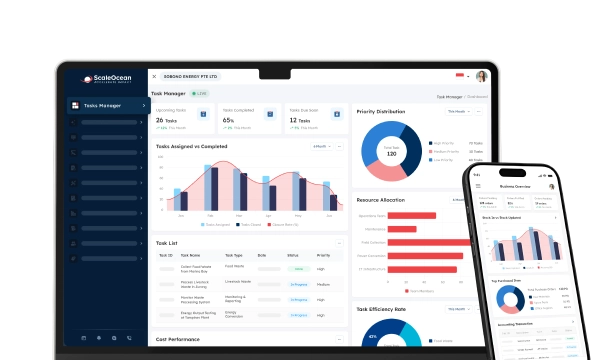
- ScaleOcean’s restaurant POS system offers an all-in-one restaurant POS that works smoothly on any device. It links everything from orders to payroll.
What is a Restaurant POS System?
A restaurant POS (Point of Sale) system is a vital tool designed to simplify key restaurant operations. It makes everything from taking orders and tracking stock to taking payments much easier, so you can keep your customers happy and your shop running smoothly every day.
Whether you run a bar, cafe, or diner, a good POS system is a real game-changer. Automating tasks like billing and order processing lets you and your team focus on delivering a great experience for your guests, rather than stressing over the small details.
Best POS System for Restaurant
Picking the right POS is a huge step toward making your restaurant run smoothly and growing your business. The best system should handle the heavy lifting, from tracking orders and stock to taking payments, so you can focus on your customers.
Top-tier options like ScaleOcean, Infrasys, Toast, Square, and TouchBistro really stand out. Each one brings something special to the table, helping you sharpen your daily operations and give your guests the great service they deserve.
Here’s a table comparing the key differences between these top restaurant POS systems:
| Vendor | Advantages | Best For |
|---|---|---|
| ScaleOcean | All-device compatibility, integrates food delivery, offline mode support, seamless financial integration and reporting, and table management available | Restaurants of all sizes, from small cafes to large multi-location chains |
| Infrasys POS | Mobile access, delivery management integration, multi-location support, limited offline mode, basic table management integration | Restaurants with diverse operational needs and delivery-focused businesses |
| Toast | Cloud-based with online ordering integration, loyalty program, and tips management. Lacks offline mode, integrates with payments and reporting | Restaurants with both dine-in and take-out services |
| Square for Restaurant | All-device compatibility, online ordering integration, delivery management, and financial integration. Lacks offline mode and table management features | Small to medium-sized restaurants, especially those with high-traffic environments |
| TouchBistro | All-device compatibility, online ordering integration, delivery management, tips management, no offline mode, and limited table management | Restaurants focusing on ease of use and quick service, especially group dining |
| Clover | Mobile and online ordering integration, offline mode, delivery management, secure payments, and lacks table management integration | Restaurants of all sizes that need flexibility and simplicity, including group dining |
| LightSpeed | Online ordering integration, delivery management, multi-location support, no offline mode, lacks full table management integration | Multi-location restaurants, especially chains, need consistency across locations |
| Revel System | Online ordering, delivery management, real-time reporting, secure payments, no offline mode, separate checks feature | Large-volume restaurants and businesses with complex operations need customizable solutions |
After seeing the brief comparison in the table above, you might be curious about the detailed features and capabilities of each system. To help with your decision, we’ve provided a comprehensive review and comparison of each software vendor. Here’s an in-depth look at the top restaurant POS systems:
1. ScaleOcean’s Restaurant POS System
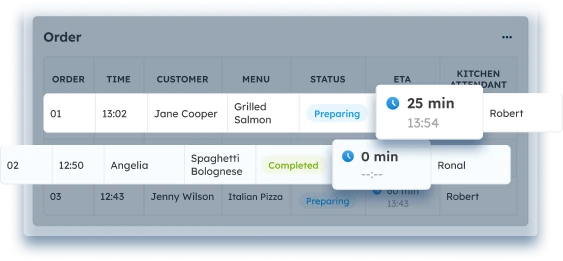
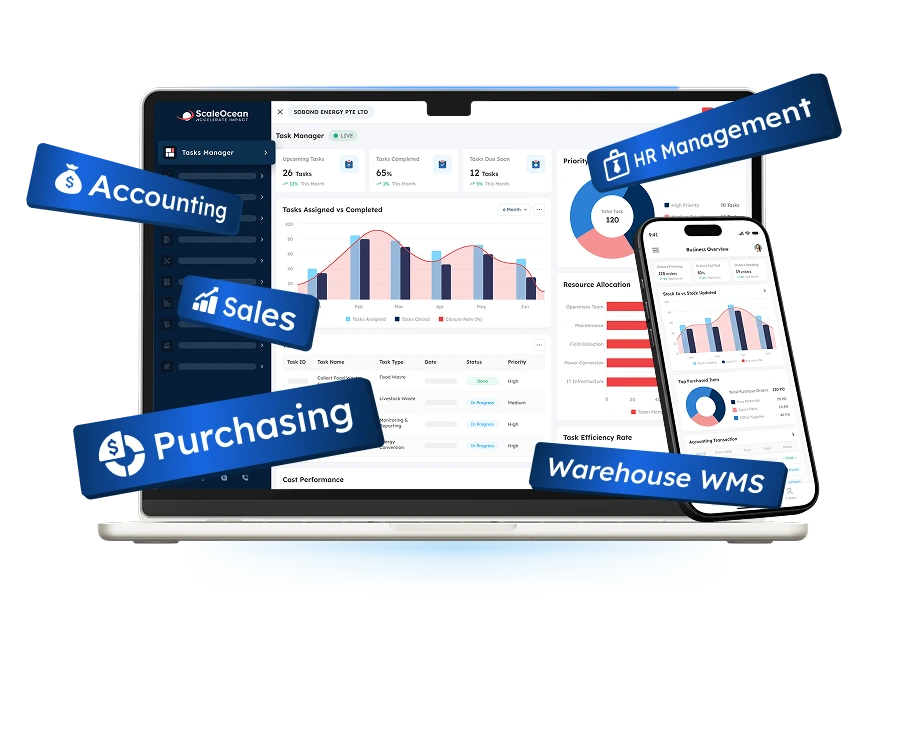
ScaleOcean’s best restaurant POS system offers an all-in-one restaurant POS that works smoothly on any device. It links everything from orders to payroll, giving you a custom setup that fits your business perfectly and keeps your daily operations running without a hitch.
Also, ScaleOcean is eligible for the CTC grant, which is great for your budget. Plus, they offer a free demo so you can check out all the cool features for yourself and see exactly how it can make your restaurant more efficient and easier to manage.
Key Features:
- Automated Promotion Management: Automatically applies the best promotions to orders, ensuring customers get the best deals.
- Employee Meal Management: Manages employee meal budgets, automatically deducting meal costs and tracking real-time expenses.
- Integration With Food Delivery Platforms: Syncs orders and inventory with food delivery platforms for seamless service.
- Self-Ordering Kiosk: Reduces wait times by allowing customers to place orders via self-service kiosks, improving efficiency.
- Real-Time Product Tracking: Tracks products with barcodes, ensuring accurate inventory updates from receiving to sale.
| Pros | Cons |
|---|---|
|
|
Best For: ScaleOcean POS restaurant system suits all restaurant sizes, from small cafes to large chains. Integrated with ScaleOcean ERP, it streamlines operations by connecting POS data with inventory, purchasing, and finance, ensuring seamless management across your business.

2. Infrasys POS Software
Infrasys POS provides flexibility and customization to suit a wide range of restaurant operations. It supports mobile access, allowing staff to manage operations from virtually anywhere. The system also integrates delivery management features, making it a useful option for both dine-in and delivery-focused restaurants.
Additionally, Infrasys includes a built-in loyalty program that encourages customer retention and rewards repeat business. Its multi-location feature ensures a consistent experience across different restaurant sites.
Key Features:
- Integrated loyalty programs
- Mobile access for flexible management
- Delivery management capabilities
- Multi-location support
- Inventory control features
| Pros | Cons |
|---|---|
|
|
Best For: Infrasys POS is well-suited for restaurants with diverse operational needs. Its mobile access, multi-location support, and integration with delivery management tools make it a solid option for businesses that require flexibility and customer loyalty features across different sites.
3. Toast Cloud-Based Restaurant System
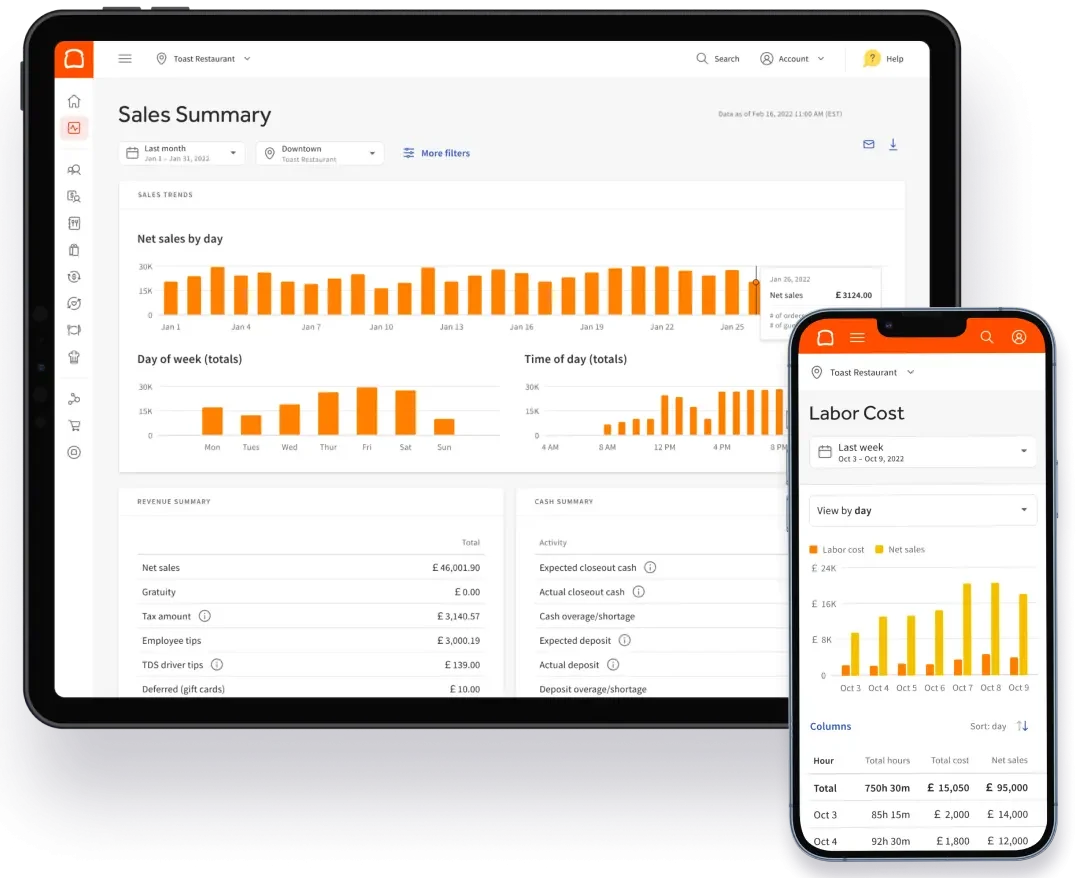
Toast is a cloud-based system designed to simplify restaurant operations, offering seamless online ordering and loyalty program integrations. It streamlines tips management, helping restaurants efficiently track and distribute tips to employees. Additionally, Toast’s user-friendly system enhances both customer and staff experiences.
The system also supports various payment methods, ensuring transactions are quick and secure. Its flexibility makes it suitable for restaurants of all sizes, adapting to both dine-in and take-out needs.
Key Features:
- Online ordering integration
- Built-in loyalty program
- Tips management functionality
- Easy order entry
- Multi-location support
| Pros | Cons |
|---|---|
|
|
Best For: Toast is perfect for restaurants that rely on a cloud-based system to manage operations efficiently. Its integration with online ordering, loyalty programs, and tips management makes it well-suited for restaurants of all sizes, offering robust tools for both in-house and off-site orders.
4. Square for Restaurant POS system
Square for Restaurants offers a simple, streamlined POS system suitable for small to medium-sized restaurants. It supports online orders and delivery management, ensuring a smooth customer experience. The platform’s intuitive interface makes it easy for staff to quickly complete transactions, even during busy hours.
Square’s flexibility allows for easy order entry, which helps reduce wait times and improve service. It also supports multiple locations, providing consistency across all restaurant branches.
Key Features:
- Online ordering integration
- Delivery management tools
- Tips management functionality
- Efficient order entry
- Multi-location support
| Pros | Cons |
|---|---|
|
|
Best For: Square for Restaurant works well for small to medium-sized restaurants looking for an intuitive POS system. With its simple interface and multi-location support, it’s a good fit for businesses that need a flexible solution for managing orders, payments, and tips, especially during peak hours.
5. TouchBistro POS System
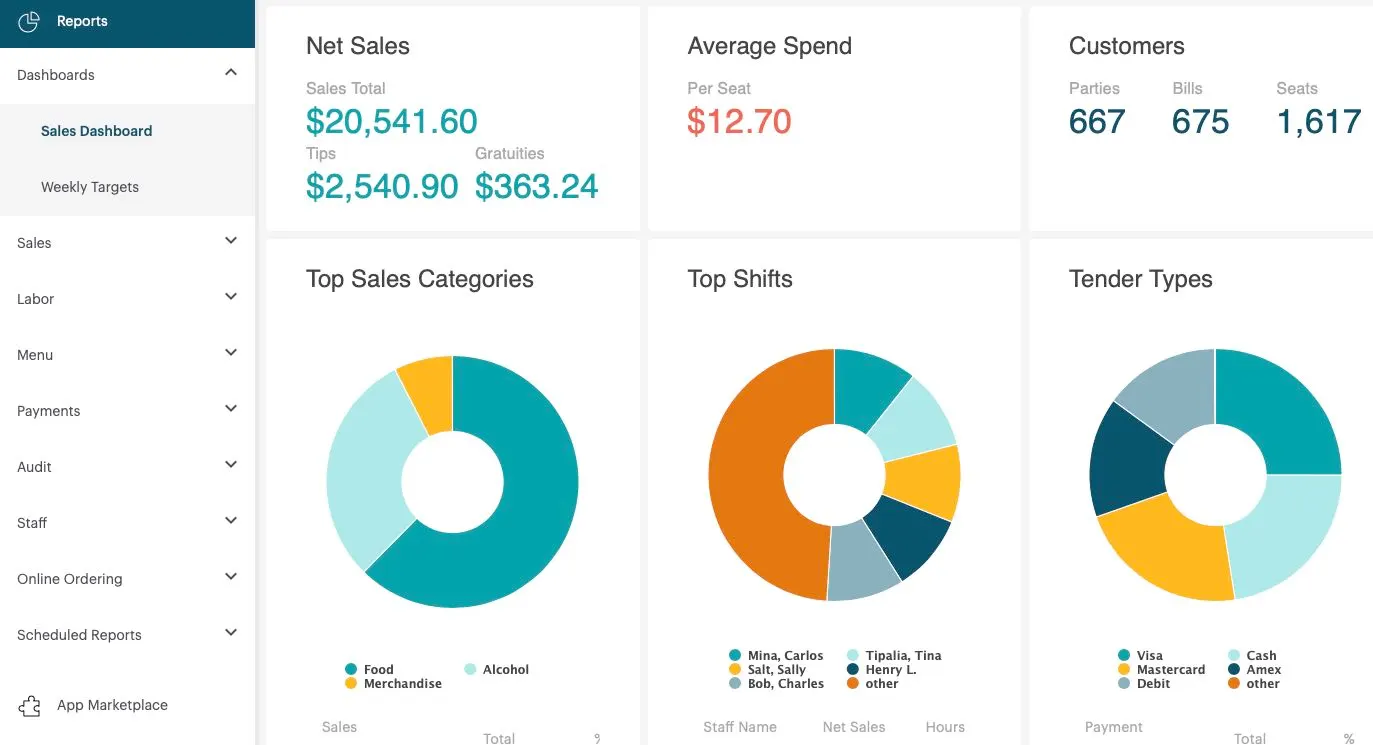
TouchBistro offers an intuitive POS system designed for restaurants. It provides essential features like online ordering and delivery management, enabling restaurants to stay competitive in today’s market. Additionally, it includes tips management functionality, ensuring proper tracking and distribution of staff tips.
TouchBistro’s separate checks feature is helpful for group dining, allowing customers to split bills easily. The system also integrates with inventory management tools, providing real-time stock level updates.
Key Features:
- Online ordering functionality
- Delivery management tools
- Tips for management integration
- Separate checks option
- Streamlined order entry
| Pros | Cons |
|---|---|
|
|
Best For: TouchBistro is a strong choice for restaurants that value ease of use and streamlined service. It’s particularly beneficial for businesses requiring quick order entry, delivery management, and the ability to handle group dining scenarios with features like separate checks and integrated inventory.
6. Clover POS Software
Clover’s POS system is designed to accommodate restaurants of all sizes, offering a comprehensive solution for order management, delivery, and tips tracking. It integrates mobile ordering and payment processing, making it a flexible choice for both in-house and delivery-based services.
The system also includes a separate checks feature, which makes it easier for restaurants to handle group dining scenarios. Clover’s easy-to-use interface ensures fast processing and enhances overall customer satisfaction.
Key Features:
- Online ordering integration
- Delivery management tools
- Tips management functionality
- Secure electronic payments
- Separate checks option
| Pros | Cons |
|---|---|
|
|
Best For: Clover is designed for restaurants of any size that need a flexible and easy-to-use POS system. Its ability to manage mobile orders, payments, and delivery, alongside a feature for group dining, makes it an excellent choice for restaurants looking for simplicity and versatility in their operations.
7. LightSpeed POS System Software
LightSpeed is a flexible POS system that offers effective order management and payment processing tools. It supports online ordering, delivery management, and tips management, making it suitable for restaurants that handle both in-house and off-site orders. It also supports separate checks, improving the dining experience for large groups.
Ideal for multi-location businesses, LightSpeed ensures that restaurant chains can maintain consistency across locations. Its integration with various payment platforms ensures fast and secure transactions.
Key Features:
- Online ordering features
- Delivery management tools
- Tips for management integration
- Secure electronic payments
- Separate checks functionality
| Pros | Cons |
|---|---|
|
|
Best For: LightSpeed is ideal for multi-location restaurants that need a reliable POS system to handle order management, payments, and tips processing. Its flexibility, integration with various payment platforms, and ability to manage large volumes of orders make it suitable for restaurant chains and busy establishments.
8. Revel System POS Solution for Restaurants
Revel Systems is a highly customizable POS solution for restaurants of various sizes. It integrates online ordering and delivery management, allowing restaurants to stay ahead in a competitive market. The system also tracks tips and integrates with secure electronic payment methods, ensuring a smooth financial transaction process.
Revel’s ability to manage separate checks makes it a great option for restaurants with large groups. It also offers real-time reporting to help restaurant managers track performance and make data-driven decisions.
Key Features:
- Online ordering functionality
- Delivery management tools
- Tips for management integration
- Secure electronic payments
- Separate checks capability
| Pros | Cons |
|---|---|
|
|
Best For: Revel Systems is well-suited for restaurants that need a customizable POS system capable of managing complex operations. Its ability to handle online orders, delivery management, and separate checks makes it a good choice for restaurants with high customer volumes and diverse service offerings.
Key Features of a Restaurant POS System
When selecting a POS system for your restaurant, consider the features that will most benefit your business. From managing orders to tracking inventory, the right POS system should streamline operations and enhance your ability to provide excellent customer service.
In fact, according to Food & Hospitality Asia, 68% of respondents reported seeking cloud-based POS solutions for their agility and scalability, indicating a growing preference for systems that adapt to changing business needs. This flexibility is key to keeping up with evolving customer demands and operational requirements.
Below are the most important features to look for in a restaurant POS system:
- Order Management: Order management ensures efficient handling of requests. Real-time processing minimizes errors and ensures a smooth service. Syncing front and back-end staff ensures fast dish preparation, resulting in better customer satisfaction and smoother operations.
- Real-Time Payment Processing: A modern POS handles all payment methods, ensuring quick and secure transactions. Instant payment processing maintains a steady cash flow and reduces errors during busy shifts, thereby improving the customer experience and streamlining day-to-day operations.
- Staff Management: A POS with staff management tools simplifies tracking hours and tips, allowing for efficient scheduling. Analyzing performance data helps address issues and maintain productivity, ensuring your team is satisfied and operations run smoothly.
- Online Ordering: Online ordering features allow customers to place pickup or delivery orders. Integrating online orders with your POS ensures everything stays organized, reducing mistakes and speeding up service, helping your restaurant reach a broader audience efficiently.
- Inventory Management: Real-time inventory tracking updates stock automatically as items are sold. This prevents shortages, reduces waste, and helps with smarter purchasing decisions, lowering costs while maintaining an optimized and well-stocked kitchen, which also utilizes the best central kitchen management software.
- Reporting & Analytics: Reporting tools provide insights into sales, stock, and employee performance. These data points help managers make informed decisions, spot trends, and improve efficiency, ultimately boosting revenue, customer satisfaction, and overall business growth.
Key Considerations to Choose the Best Restaurant POS System
Choosing the best POS system for your restaurant is a strategic decision that should align with your business goals. The right system will improve operations, enhance customer service, and provide valuable data for business growth.
Here are the key factors to consider when selecting a restaurant POS system:
- Consider Your Restaurant’s Size: The size of your restaurant plays a key role in choosing a POS. Small cafes may require a simple, budget-friendly option, while larger locations with multiple branches need a more robust system that can handle complex operations and scale with growth.
- Service Style: Your restaurant’s service style, whether full-service, quick-service, delivery, or hybrid, affects the POS features you need. Full-service requires table management, while quick-service focuses on speed. Delivery and hybrid models need systems that streamline both in-house and remote orders.
- Budget: Your budget is crucial in selecting the right POS system. While affordable options are available, it’s important to balance cost with necessary features. Consider both upfront costs and long-term maintenance, as investing in a feature-rich system can save you time and reduce operational headaches.
- Essential Features: Look for a POS with essential features like order management, quick payment processing, and inventory tracking. These are key tools for ensuring smooth daily operations and maintaining efficiency, so your system should be equipped to handle your restaurant’s core functions.
- Integrated Platform: An integrated POS system links your accounting, online orders, and inventory, making operations more efficient. Choose a system that integrates well with your existing tools to avoid manual data entry, reduce errors, and provide clearer insights to support better decision-making.
Conclusion
A Restaurant POS system is a must-have for making daily life easier, from taking orders to handling payments. Keeping track of your stock and customers in one place helps your business run smoothly and gives you more room to grow.
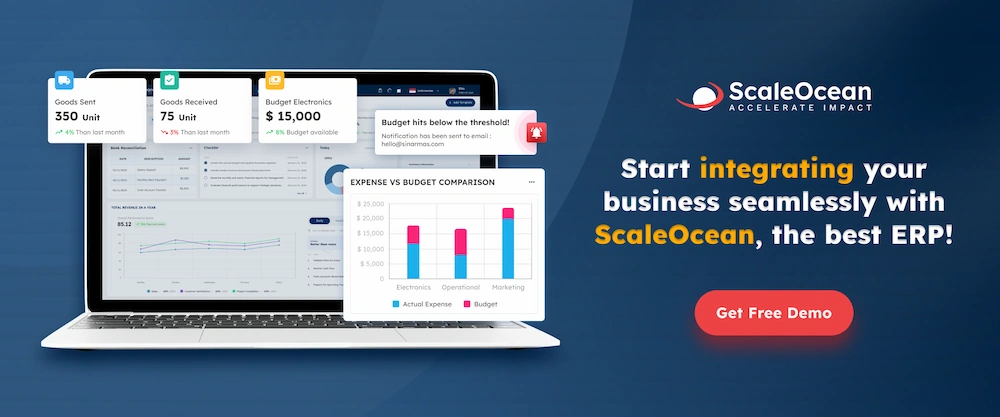
Vendor ScaleOcean offers an all-in-one restaurant POS that sharpens your efficiency with real-time insights. They even provide a free demo, so you can test out all the cool features and see how it helps your restaurant succeed before you decide to sign up.
FAQ:
1. What is the average cost of a restaurant POS system?
The cost of a restaurant POS system depends on several factors. Typically, small to medium-sized restaurants spend $69–$250 per month on software, while hardware can range from $600 to $1,500, with high-end setups costing more depending on devices and configuration.
2. Which POS hardware is best for restaurants?
The best POS hardware for restaurants includes a touchscreen monitor, payment reader, receipt printers, kitchen printers, cash drawer, and customer-facing display. Tablets (iPads or Android devices) are increasingly popular for their flexibility and mobility.
3. What is the average cost of a restaurant POS system?
On average, restaurant POS systems cost $69–$250 per month for software. Hardware, including terminals and other devices, ranges from $600 to $1,500, but more complex setups for large restaurants can be priced higher depending on configuration.
4. What software do most restaurants use?
Big names like Square, Toast, and Clover are great for basics like payments and orders. But ScaleOcean really steps it up with its seamless all-in-one setup, making your whole workflow much smoother and more efficient than typical systems can manage.





















.png)