

Talent management software helps companies manage recruitment, employee development, performance evaluation, and workforce planning through one centralized digital platform. Today, many Singapore businesses adopt these systems because talent competition continues to increase across technology-driven industries.
Our team found that, according to Fortune Business Insights, the global market size for talent management software is valued at $11.30 billion in 2025, driven by rising demand for cloud-based platforms and AI-driven analytics to manage remote workforces and improve retention. This steady growth is supported by increasing investments in digital infrastructure.
Many organizations still struggle to recruit qualified employees efficiently because manual hiring workflows slow communication, candidate screening, and internal coordination. Consequently, HR teams often lose strong candidates before completing evaluations or delivering competitive employment offers.
Additionally, disconnected HR systems create fragmented employee records, inconsistent reporting, and inaccurate workforce analytics across departments. Without integrated visibility, managers face difficulties tracking employee performance, identifying leadership potential, and planning long-term workforce development strategies effectively.
Therefore, businesses increasingly implement talent management software to automate recruitment processes, improve workforce visibility, and strengthen employee retention initiatives. So, in this article, we will be exploring the best talent management system available today.
Some recommended systems include ScaleOcean, BambooHR, and Workday. These platforms facilitate better collaboration between HR, payroll, learning, and performance management activities throughout organizational operations.
 Key Takeaways
- Comparing talent management software should be based on scalability, integrations, analytics, pricing structures, operational flexibility, and workforce requirements.
- Talent management software trends increasingly focus on artificial intelligence, workforce analytics, employee engagement, and personalized learning development capabilities.
- Talent management software is a platform that centralizes recruitment, onboarding, performance tracking, and workforce planning to improve operational efficiency and employee development.
- Talent management software benefits include unified workforce visibility, employee retention strategies, and more effective, data-driven decision-making across business operations.
- ScaleOcean Talent Management Software helps businesses centralize workforce management, improve scalability, and support long-term HR digital transformation efficiently.
Comparison of the Best Talent Management Software
Businesses should compare talent management software carefully because every platform offers different strengths, implementation complexity, and scalability. Therefore, companies must evaluate recruitment automation, performance tracking, analytics, integration flexibility, and long-term operational efficiency before selecting a solution.
Additionally, pricing structures and onboarding support vary significantly between vendors across different business sizes. Some platforms focus on enterprise-level complexity, while others prioritize user-friendly workflows, faster deployment, and simplified employee management experiences.
| Tools | Best For | Free Demo Info | Price |
|---|---|---|---|
| ScaleOcean | Medium to large enterprises needing an integrated talent management system with customizable workflows. | Free demo available | Unlimited users with no hidden cost and flat pricing based on business size and modules |
| Workday | Large enterprises requiring unified HCM and workforce analytics | Available upon request | Custom enterprise pricing |
| SAP SuccessFactors | Global organizations with technical compliance and workforce structures | Available upon request | Custom enterprise pricing |
| Cornerstone Galaxy | Companies prioritizing learning, upskilling, and workforce development | Available upon request | Custom pricing |
| Dayforce | Businesses managing payroll, workforce scheduling, and HR operations together | Available upon request | Custom pricing |
| HiBob | Hybrid and remote-first companies focusing on employee engagement | Available upon request | Custom pricing |
| Lark | Teams seeking collaboration tools with lightweight HR management support | Free trial available | Free plan available, paid plans start from around $12/user/month |
| BambooHR | Small and medium businesses that need simple HR and onboarding management | Free demo available | Starts from around $10/user/month |
| Betterworks | Enterprises emphasizing continuous performance management and employee alignment | Available upon request | Custom pricing |
| Lattice | Mid-sized companies building feedback-driven workplace cultures | Available upon request | Starts from around $11/user/month |
Top Talent Management Software Reviews (2026)
Choosing suitable talent management software requires more than comparing features because every business has different operational priorities and workforce challenges. Consequently, companies should evaluate usability, scalability, integration capabilities, analytics, and long-term flexibility before making implementation decisions.
The following reviews explain the main functions, key features, and advantages of popular talent management system software available in 2026. Additionally, this comparison highlights how different systems support recruitment, performance management, employee development, and workforce planning processes efficiently.
1. ScaleOcean
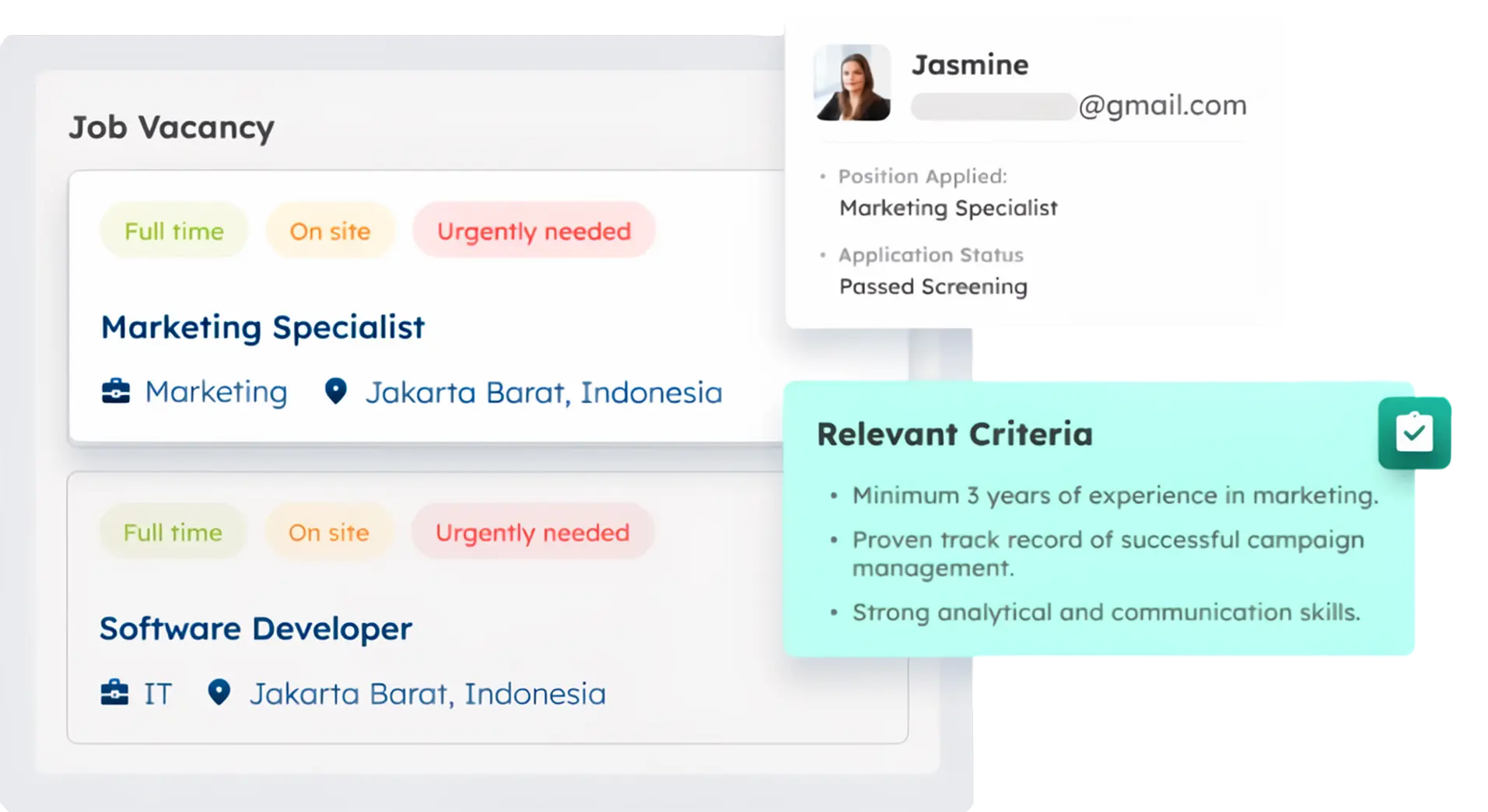
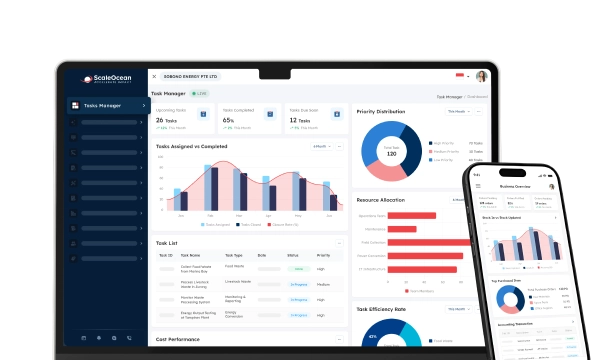
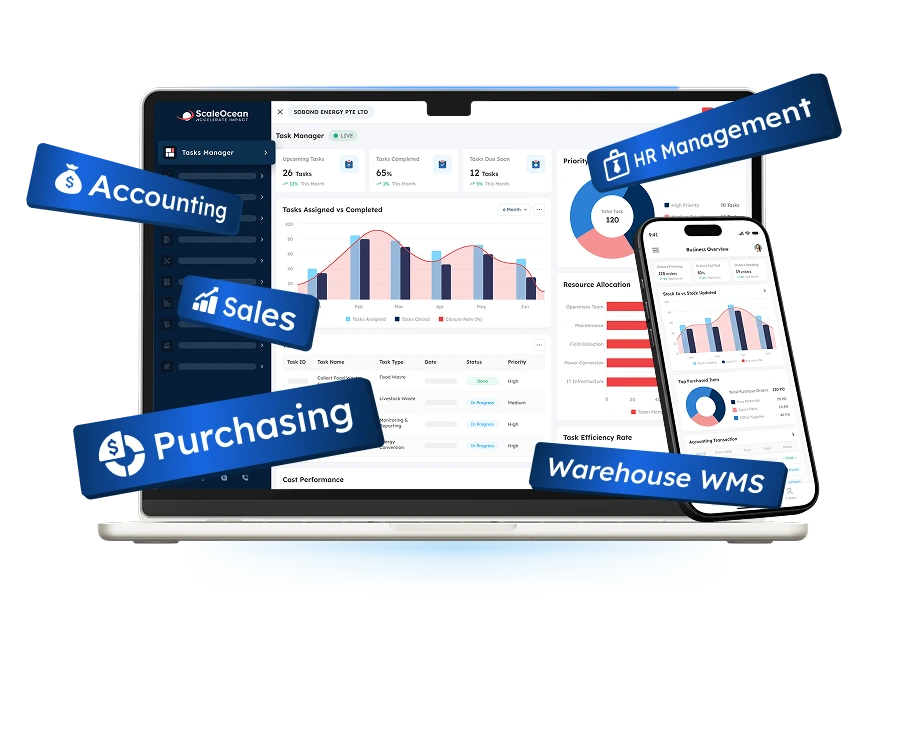
ScaleOcean’s talent management software is designed for businesses requiring scalable workforce management, centralized HR operations, and flexible business customization. Additionally, the platform supports unlimited users without additional licensing costs, making expansion more predictable for growing businesses in Singapore.
Furthermore, ScaleOcean streamlines workforce processes through customizable workflows, centralized visibility, and integrated management within a single ERP ecosystem. The system also supports Singapore GST compliance and eligibility for digitalization grants, such as the PSG or CTC Grant, with subsidies of 50-70%.
Key Features of ScaleOcean Talent Management Software:
- CPF & IR8A Integration: Automates CPF calculations and tax reporting to enhance payroll compliance and reduce errors.
- MyCareersFuture Integration: Simplifies job posting on government portals to support compliance with the Fair Consideration Framework.
- Background Verification Management: Verifies identities and employment history while adhering to PDPA standards for data protection.
- Real-time KPI & OKR Tracking: Offers performance monitoring through dashboards for consistent productivity evaluation.
| Pros | Cons |
|---|---|
|
|
Best For: Medium to large enterprises requiring integrated talent management, flexible workflow customization, Singapore compliance support, and scalable HR operations within one connected business management ecosystem.
2. Workday
Workday talent management software helps businesses manage recruitment, workforce planning, employee performance, and learning management within one cloud-based HR platform. The system mainly supports organizations requiring centralized workforce visibility across multiple departments and business locations.
Additionally, Workday offers workforce analytics and reporting tools that help HR teams monitor employee performance, hiring trends, and talent development activities more efficiently across enterprise-level operations.
Key Features of Workday:
- Workforce planning and analytics
- Employee performance tracking
- Recruitment and onboarding tools
- Learning management system
| Pros | Cons |
|---|---|
|
|
Best For: Large enterprises requiring centralized HR management, workforce analytics, and scalable talent management system operations across multiple departments or international business locations.
3. SAP SuccessFactors
SAP SuccessFactors talent management software supports employee recruitment, onboarding, learning management, and workforce performance monitoring through cloud-based HR management tools. Many global companies use the platform to manage workforce operations across complex organizational structures.
Furthermore, the system provides integrated reporting and workforce planning that help HR departments improve employee engagement, manage compliance, and support long-term workforce development in enterprise environments.
Key Features of SAP SuccessFactors:
- Recruitment and onboarding management
- Workforce analytics dashboards
- Employee learning management
- Performance and goal tracking
| Pros | Cons |
|---|---|
|
|
Best For: Large enterprises managing global workforce operations, compliance requirements, and structured employee development processes across multiple organizational divisions.
4. Cornerstone Galaxy
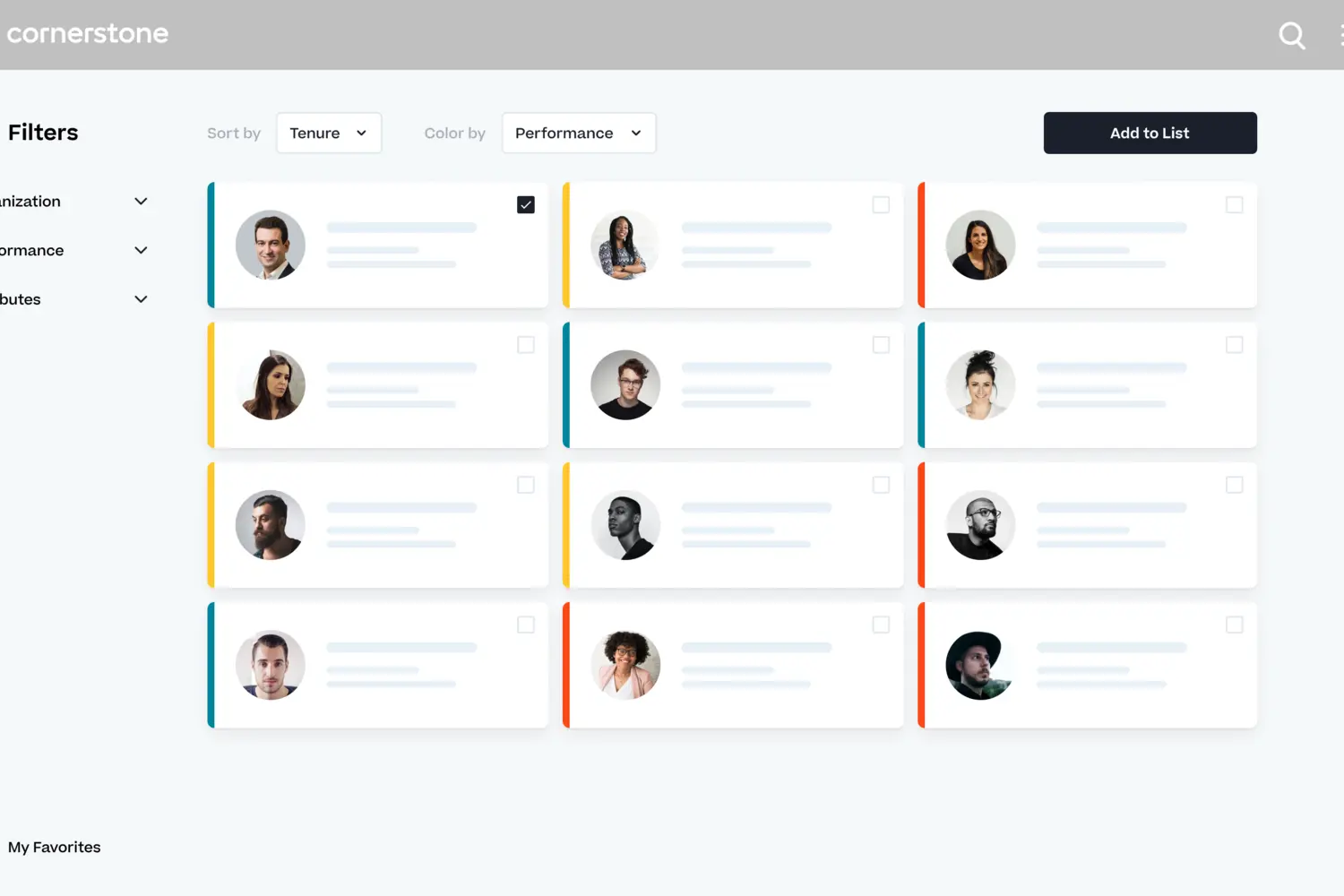
Cornerstone Galaxy talent management software focuses on employee learning, workforce development, and performance management through integrated cloud-based HR solutions. Businesses often use the platform to improve employee training programs and long-term talent retention strategies.
Additionally, the software supports workforce analytics and skill development tracking, helping organizations identify employee capabilities while improving internal learning and leadership development initiatives efficiently.
Key Features of Cornerstone Galaxy:
- Employee learning management
- Skills and competency tracking
- Workforce performance monitoring
- Career development planning
| Pros | Cons |
|---|---|
|
|
Best For: Mid-sized to large organizations prioritizing employee learning, workforce development, and long-term internal talent growth initiatives.
5. Dayforce
Dayforce talent management software combines workforce management, payroll, employee scheduling, and HR administration within one integrated cloud-based platform. Many businesses use the system to simplify daily workforce operations and improve employee management efficiency.
Moreover, the platform provides real-time workforce data visibility, helping managers monitor attendance, scheduling, and employee performance through centralized operational dashboards and reporting systems.
Key Features of Dayforce:
- Payroll and workforce management
- Employee scheduling tools
- Attendance tracking system
- HR reporting dashboards
| Pros | Cons |
|---|---|
|
|
Best For: Mid-sized to large businesses requiring integrated payroll, workforce scheduling, and centralized employee management operations.
6. HiBob
HiBob talent management software helps businesses manage employee engagement, performance evaluation, and HR administration through a modern cloud-based workforce platform. Many hybrid and remote-first companies use the system to support employee communication and collaboration activities.
Additionally, the platform provides workforce analytics and employee feedback tools that help organizations strengthen company culture and improve employee experience management.
Key Features of HiBob:
- Employee engagement tools
- Performance review management
- Workforce analytics dashboards
- Employee onboarding system
| Pros | Cons |
|---|---|
|
|
Best For: Small to mid-sized hybrid companies focusing on employee engagement, performance management, and collaborative workforce communication processes.
7. Lark
Lark talent management software combines team collaboration, communication, and lightweight HR management tools within one integrated digital workspace platform. Businesses commonly use the system to support internal communication and employee coordination activities efficiently.
Furthermore, the platform includes meeting management, document collaboration, and workflow tools that help teams improve operational productivity while keeping workplace communication centralized.
Key Features of Lark:
- Team messaging and meetings
- Shared document collaboration
- Workflow management tools
- Basic employee management support
| Pros | Cons |
|---|---|
|
|
Best For: Small to mid-sized businesses seeking simple collaboration tools with lightweight workforce management and internal communication support.
8. BambooHR
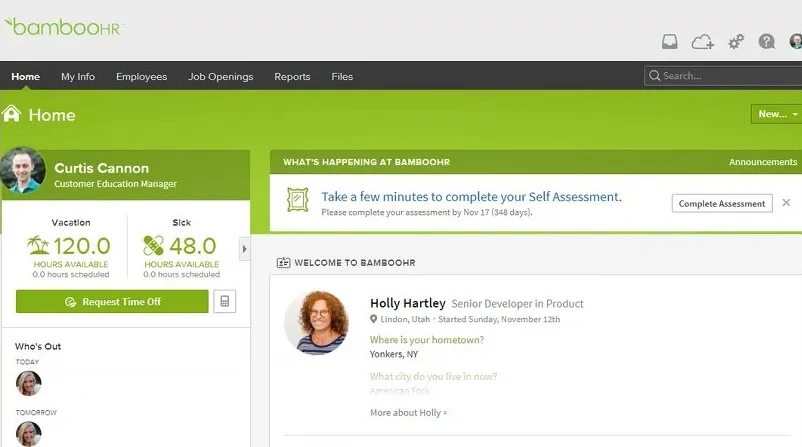
BambooHR talent management software helps businesses manage employee records, onboarding, recruitment, and workforce administration through an easy-to-use cloud-based HR platform. Many growing businesses use the system to simplify daily HR management processes.
Additionally, the software provides reporting and employee self-service features that help organizations improve workforce visibility while reducing manual administrative tasks within HR operations.
Key Features of BambooHR:
- Employee record management
- Recruitment and onboarding tools
- Time-off management
- HR reporting dashboards
| Pros | Cons |
|---|---|
|
|
Best For: Small to mid-sized businesses requiring simple HR administration, onboarding management, and centralized employee record organization.
9. Betterworks
Betterworks talent management software helps organizations manage employee performance, goal alignment, and continuous feedback processes through cloud-based workforce management tools. Many companies use the platform to strengthen employee engagement and improve performance visibility across teams.
Additionally, the system supports performance conversations and workforce analytics that help managers monitor employee progress while encouraging more consistent communication between leadership teams and employees throughout daily operations.
Key Features of Betterworks:
- Goal and OKR management
- Continuous employee feedback
- Performance review tracking
- Workforce analytics dashboards
| Pros | Cons |
|---|---|
|
|
Best For: Mid-sized to large businesses focusing on employee performance management, goal alignment, and continuous workforce feedback processes.
10. Lattice
Lattice talent management software supports employee performance reviews, engagement tracking, and career development through cloud-based workforce management solutions. Many growing businesses use the platform to improve workplace communication and employee development initiatives effectively.
Furthermore, the software provides employee feedback and performance analytics that help managers monitor workforce engagement and support long-term employee growth and retention in modern work environments.
Key Features of Lattice:
- Employee performance reviews
- Engagement survey tools
- Career development tracking
- Goal management system
| Pros | Cons |
|---|---|
|
|
Best For: Mid-sized businesses prioritizing employee engagement, performance reviews, and structured workforce development programs within collaborative workplace environments.
Businesses should carefully evaluate the software, as each platform varies in scalability, workforce management, and operational flexibility based on organizational needs. ScaleOcean Talent Management Software helps enterprises centralize workforce management and supports long-term operational efficiency and scalable HR digital transformation initiatives.
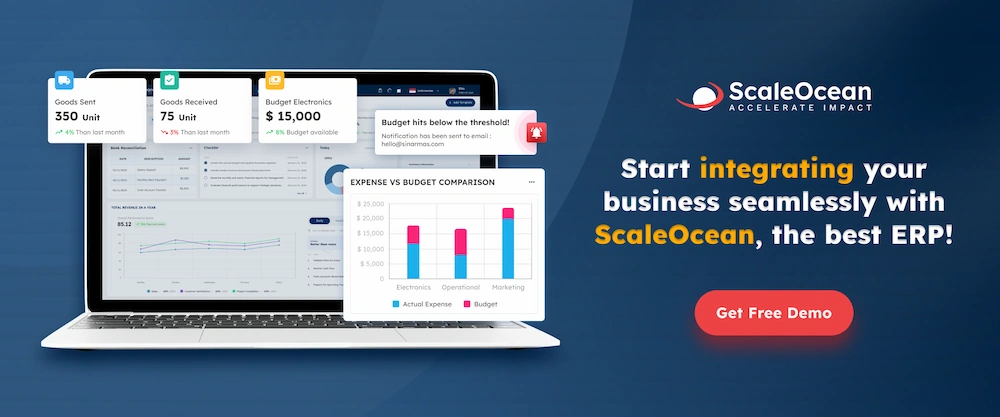
Furthermore, ScaleOcean helps businesses manage recruitment, onboarding, workforce performance, employee development, and HR operations within one integrated ecosystem. If you are interested in improving workforce visibility and operational scalability, you can request a free demo to explore ScaleOcean’s capabilities further.

Selection Criteria for Talent Management Software
Choosing talent management system software demands careful consideration of the needs of the business, the complexity of the workforce, and the software’s scalability. So, before selecting a platform, companies need to evaluate their platform’s functionality, how well it integrates with other platforms, its analytics, and its implementation support.
Further, businesses need to evaluate if the system allows employee development, recruitment, workforce planning, and performance management to be done in one integrated system. Evaluation will help businesses eliminate inefficiencies and make the workforce management system more efficient in the long run.
1. Pillars and Functional Scope
Ideally, talent management system software solutions should encompass recruitment, onboarding, employee performance management, learning development, workforce analytics, and succession planning to be integrated into a single system. Businesses want to look for platforms that can effectively address the entire employee lifecycle.
Furthermore, companies need to determine if the software can automate repetitive tasks with HR processes and enhance employee visibility. Effective functional coverage helps departments oversee employee growth, retention, and workforce planning more efficiently.
2. Strategic & Technical Criteria
Before choosing talent management system, companies should consider integration features, security methods, levels of scalability, reporting options, and implementation assistance. Good technical foundations enable organizations to ensure they can continue to meet their workforce development needs as well as their operational efficiency.
In addition, the company needs to evaluate the platform’s integration capabilities with payroll, ERP, accounting, and third-party systems. Good implementation support and vendor support over time are also key to the success of a digital transformation effort.
3. Business Fit (SMB vs. Enterprise)
Talent management system should be tailored to the needs of a company based on its size, complexity, and future expansion. Enterprise organizations tend to need more scalability and more wide-ranging features when it comes to workforce management, whereas smaller businesses frequently focus on simplicity.
For instance, smaller businesses that need simple HR management tools tend to favor BambooHR, HiBob, and Lark. On the other hand, ScaleOcean, Workday, and SAP SuccessFactors tend to be more suitable for enterprise organizations with more complicated workforce structures and multi-department operations.
How to Choose Talent Management Software

Businesses must first determine their workforce challenges, priorities, and scalability needs before they start comparing platforms to choose talent management software in Singapore. Effective workforce management systems can be avoided through proper evaluation, which will help organizations avoid these systems that do not support their long-term goals for workforce management.
In addition, HR, management, finance, and IT should be included in the selection process. Involving various departments in the process, it allows businesses to ensure that the software will integrate seamlessly into their workflows and broader plans.
1. Define Your Core Problem
The first step for businesses is to understand the main issues they are facing when it comes to workforce management that are affecting the efficiency of operations, before they start exploring software. Having clear priorities allows organizations to target platforms that directly address recruitment, performance management, or employee engagement problems.
In addition, companies need to determine if manual HR processes, disjointed systems, or a lack of visibility of the workforce are causing operational challenges. Knowing what these challenges are enables a business to select the most relevant and scalable talent management software in Singapore.
2. Evaluate the One-Stop-Shop vs. Best-of-Breed
Whether it is better to have an integrated platform or dedicated tools for different HR tasks should be determined by the organization. Integrated systems collect workforce management processes in one place, and there are more specialized platforms that offer more functionality for particular operational requirements.
Businesses will also need to consider scalability, integration needs, and operational complexity before deciding. Choosing the right solution, such as capacity management software, helps organisations improve workforce visibility, optimise resource allocation, and reduce system fragmentation between departments.
3. Check for Modern Talent Management Must-Haves
Contemporary talent management software in Singapore need to be mobile-enabled, cloud based, real time and have self-service capabilities for employees. Operational systems that enhance flexibility, automation, and workforce visibility in various operational scenarios are becoming a priority for businesses.
Furthermore, several companies are looking for AI analytics to provide workforce insights and automation of reporting for better strategic HR decision-making. These contemporary amenities help businesses enhance the employee experience and boost productivity.
4. Demo Checking
When considering software demos, businesses should go beyond marketing presentations and feature overviews and take a critical look. Businesses can see how the platform supports their everyday workforce management practices and workflows through practical demonstrations.
Furthermore, companies need to evaluate usability, reporting flexibility, customization options, and integration options during this process. A well-done, comprehensive demo review will help companies avoid implementation issues and ensure the software will be adopted long term.
5. Implementation & Support
The quality of implementation has a significant impact on the adoption of the software in the long term and the efficiency of managing the workforce. As a result, companies should consider support for their onboarding, expected deployment time, training options, and after-deployment support when choosing a software provider.
Also, look for vendors that can provide realistic planning and technical support. Consistent support is essential to help companies reduce downtime and increase system adoption across departments and tiers of their workforce.
Trends in Talent Management Software for 2026
As companies look for a more flexible workforce, a better employee experience, and data-driven HR decision-making, talent management system software is continually evolving to meet their needs. As a result, companies are increasingly turning to platforms that better facilitate automation, workforce analytics, and employee development initiatives.
Moreover, companies today are looking for the best talent management software that offers greater integration power, cloud access, and smart workforce data. The trends are helping businesses to work more efficiently and bolstering staff retention and workforce planning efforts.
1. Integration of AI and Machine Learning
AI and machine learning are increasingly being integrated into many talent management platforms to enhance workforce analytics and automate operations. These features streamline and make the recruitment, planning, and performance assessment process more efficient.
Furthermore, AI-powered systems help organizations identify workforce trends, predict employee turnover risks, and automate repetitive HR tasks. These technologies are becoming more common in businesses as they look to make better decisions and to remain efficient in their operations.
2. Focus on Employee Well-being and Engagement
With employee satisfaction having a profound impact on productivity and retention, it’s no wonder that businesses are prioritizing employee well-being and engagement more and more. Hence, various talent management systems now come with communication, feedback, and employee recognition features integrated into a single HR system.
Organizations also implement engagement analytics and employee feedback platforms to support their work culture and enhance employee collaboration. These efforts support businesses to sustain better worker relations and long-term stability.
3. Enhanced Learning and Development Platforms
Businesses invest in employee learning and workforce development to build their people and strengthen long-term competitiveness. Today, the best talent management software offers more individual training experiences and learning management flexibility.
Furthermore, digital learning platforms are increasingly being utilized by businesses to complement leadership development, skills tracking, and upskilling efforts. Effective employee retention and future workforce readiness can be achieved by having strong learning management capabilities.
4. Advanced Workforce Analytics
Businesses increasingly rely on workforce analytics to support strategic HR decision-making and operational planning activities. Advanced reporting tools help organizations monitor employee productivity, retention trends, and workforce performance more effectively across departments.
Additionally, predictive analytics capabilities help companies identify potential workforce risks and improve long-term talent planning strategies. Data-driven workforce insights allow management teams to make faster and more informed operational decisions.
What is Talent Management Software?
Talent management software is a platform that enables businesses to track, collaborate on, and streamline recruitment, onboarding, training, performance assessment, and workforce planning in a single platform. These systems are employed by companies in order to boost the productivity of the employees and to ensure that HR work is carried out effectively.
Furthermore, talent management software assists companies in tracking work performance, boosting employee engagement, and enabling long-term talent management plans. Integrated systems also provide greater visibility of data, enable less manual administration, and ease decision-making throughout HR processes.
Features of Talent Management Software
Talent Management Software offers a suite of tools that enable companies to manage their employees from end to end more efficiently. All of these features facilitate recruitment, employee development, performance evaluation, and workforce planning in a centralized digital environment.
Besides, today’s talent management systems can help companies take care of their operations better, relieve administrative load, and enhance employee engagement campaigns. When choosing software that aligns with the operational needs and workforce management objectives of a business, it is crucial to consider the essential features carefully.
1. Applicant Tracking System (ATS)
Applicant Tracking System (ATS) facilitates businesses to track applicants, schedule interviews, and conduct hires more efficiently. Having a centralized recruitment management increases hiring visibility and decreases manual coordination between HR departments and department managers.
Furthermore, ATS integration streamlines candidate databases, keeps a track of recruiting processes, and makes it easier to communicate with candidates. Automated tracking processes also allow businesses to minimize hiring delays and ensure hiring accuracy.
2. Onboarding Tools
During the initial steps of a worker’s employment, onboarding tools can be utilized to track employee documents, task allocations, training sessions, and more. Organized onboarding procedures help new hires get ready faster and alleviate HR burden.
In addition, digital onboarding software in Singapore allows companies to provide a uniform employee experience across departments and business locations. Automated onboarding also increases the efficiency of the operations and eliminates repetitive tasks related to paperwork management.
3. Performance Management
Performance management features enable firms to keep track of worker productivity, track objectives, and monitor employee assessments via a digital system. These tools enhance the visibility of performance and support managers in delivering consistent and structured employee feedback.
Further, performance management systems help monitor KPIs, conduct performance reviews, and plan for employee development within different departments of the organization. Real-time tracking also aids companies in better determining their workforce strengths and operational improvement opportunities.
4. Learning & Development
Learners and development enable companies to handle training, abilities enhancement, and workforce growth plans with integrated electronic learning platforms. These systems help to keep the staff informed and engaged in continuous growth, thereby enhancing the organization’s long-term competitiveness.
In addition, companies can use learning management tools to keep track of employee progress, provide training resources, and manage certification completion in an efficient manner. Robust workforce development capabilities also contribute to stronger employee retention, leadership development programs, and similar initiatives.
5. Succession Planning
Succession planning includes features that assist organizations with preparing their future leaders and decreasing operational risks associated with employee transitions. These are used by businesses to determine who they have in their organization with the greatest future skill set and as a basis for long-term workforce planning.
Also, succession planning processes enable businesses to track employee readiness, leadership development progression, and internal career routes. Organized planning helps to create organizational stability and effective long-term talent retention plans.
6. Analytics & Reporting
Businesses use centralized dashboards to closely track workforce trends, employee performance, recruitment effectiveness, and operational productivity through analytics and reporting. Data-driven insights streamline and speed up HR decision-making processes in departments.
Additionally, workforce reporting tools enable organizations to effectively determine the workforce gaps and trends in employee turnover and areas for improvement. Real-time analysis also enhances the transparency of operations and the planning of long-term human resource activities.
7. Talent Acquisition
The talent acquisition features help in recruiting, assessing, and hiring potential employees who have the right skills for the business. These tools improve the hiring process and help organizations build talent retention strategies and workforce quality.
Also, built-in talent acquisition solutions support the management of candidate sourcing, coordinating interviews, and communicating with candidates in a centralized digital environment. A recruitment management system also vastly enhances operational consistency.
8. Compensation Management
Compensation management is an aspect of the business that involves compensation, bonuses, incentives, and employee compensation systems, which integrated workforce management systems can manage. There are advantages to having centralized compensation visibility, including more accurate payroll and fairer practices in managing the workforce.
Furthermore, compensation management tools enable companies to effectively track employee compensation programs, workforce budgeting, and salary planning. Structured compensation systems also help companies reinforce their employee satisfaction and long-term workforce retention strategies.
Benefits of Talent Management Software

Talent management software helps businesses manage their workforce more efficiently, providing a streamlined process for visibility, workforce development, and overall business efficiency. These systems are becoming more popular to support recruitment, retention, and long-term workforce planning.
Further, the best talent management systems reduce manual HR work and improve staff analytics and employee engagement plans. Decision-making is improved, operational coordination is enhanced, and workforce management is consistent across departments.
1. Unified Data
Talent management software brings together recruitment, onboarding, employee performance, training records, payroll, and workforce analytics in a unified system. Businesses can minimize the risk of data duplication and ensure consistency in HR operations with centralized data visibility.
Moreover, consolidated workforce data enables HR specialists to track their employee growth, workforce patterns, and function more effectively. Additionally, businesses can gain better insights into their workforce by having access to accurate data on their employees in real time and real space, via centralized dashboards and reporting tools.
2. Improved Retention
By driving improved employee engagement, performance management, and career development, businesses can expect to see a boost in employee retention rates. Through improved employee engagement, performance management, and career development, businesses can expect to see a boost in employee retention rates.
Moreover, by incorporating workforce analytics into existing systems, businesses can predict potential turnover issues and employee dissatisfaction patterns before they escalate into larger problems. Employee experience and communication, as well as long-term workforce development planning, can help organizations enhance their retention strategies.
3. Data-Driven Decision
Talent management system offers workforce analytics and reporting capabilities that allow organizations to make quicker and more accurate HR decisions. Centralized data visibility allows businesses to track recruitment success, productivity of their teams, staff satisfaction, and business trends.
Furthermore, data-driven workforce insights enable management teams to detect skills shortages, predict staffing requirements, and make workforce planning strategies more efficient. Through advanced analytics, departments can also optimize resources and make future operational decisions.
Costs & Pricing for Talent Management Software
Talent management software pricing varies depending on workforce size, implementation complexity, deployment scope, and included modules. Most vendors use subscription-based pricing models, while enterprise-focused platforms commonly provide customized quotations based on operational requirements and workforce scale.
Additionally, businesses should consider implementation services, onboarding support, customization, integration requirements, and long-term maintenance costs before selecting a platform. Organizations managing complex workforce operations often require higher investments because enterprise systems typically include broader functionality.
Smaller businesses generally use lower-cost subscription plans with limited workforce management functionality and fewer integrations. Meanwhile, enterprise organizations often prioritize scalability, advanced analytics, compliance support, and multi-department integration over lower initial software pricing.
Therefore, businesses should evaluate total long-term operational value instead of focusing only on subscription costs. Choosing scalable and the best talent management software helps organizations reduce future operational limitations and support sustainable workforce growth and digital transformation initiatives.
Conclusion
Talent management software helps businesses improve recruitment, workforce visibility, employee development, and operational efficiency through centralized HR management systems. Therefore, companies should evaluate scalability, integration capabilities, analytics, and business fit carefully before selecting suitable workforce management platforms.
ScaleOcean Talent Management Software helps businesses manage recruitment, onboarding, workforce performance, and employee development within one integrated ecosystem. Additionally, the platform offers customizable workflows, enterprise scalability, compliance with Singapore regulations, and centralized visibility across departments.
Furthermore, ScaleOcean provides consultative implementation support tailored to operational requirements, rather than using generic software deployment approaches. If you are looking for scalable workforce management solutions, you can request a free demo of ScaleOcean to see how it supports long-term HR digital transformation initiatives effectively.
FAQ:
1. What are the talent management tools product recommendations for a specific company size?
1. Small Businesses: BambooHR, HiBob.
2. Mid-sized Businesses: ScaleOcean, Dayforce, Lattice.
3. Large Enterprises: ScaleOcean, Workday, SAP SuccessFactors.
2. What are the details and specific modules of talent management software, like succession planning and many others?
Talent management software includes modules such as Applicant Tracking System (ATS), onboarding, performance management, learning & development, succession planning, compensation management, career development, workforce analytics, talent acquisition, and goal management.
3. What does talent management software do?
Talent management software (TMS) is an integrated platform that streamlines key talent processes such as recruitment, onboarding, performance management, learning, compensation, and succession planning.
4. What is the talent management system?
A talent management system (TMS) is a unified software solution designed to support essential talent processes, including hiring, onboarding, performance tracking, employee development, compensation, and succession planning.












.png)