

Onboarding is the process of inducting new employees into an organisation. This includes induction and opportunities for new staff to understand the company’s structure, culture, vision, mission, and values.
According to MOM, the Onboard Programme at the Onboard Centre introduces workers in the CMP industries to Singapore’s social norms and laws, as well as dormitory and communal living, via the Settling-in Programme (SIP). This organized method guarantees that personnel are well-prepared and meet local standards.
This article defines employee onboarding, why it is critical for business growth, and how to optimize the process to improve retention, engagement, and overall organizational performance for long-term success.
 Key Takeaways
- Onboarding is the process of incorporating a new person into your company’s culture. It goes beyond a simple meet-and-greet to make the new employee feel welcomed, prepared, and supported
- The key phases of onboarding, pre-boarding, orientation, training, and development provide a structured pathway for new hires from offer acceptance to full integration.
- Tips for optimizing your process are preparing new hires for their role, setting clear expectations, and establishing a system for regular feedback and follow-up.
- With ScaleOcean’s HRIS software, you can automate and streamline these critical onboarding tasks, ensuring a consistent and impactful experience for every new employee.
What Is Onboarding?
Onboarding means how you welcome a new employee to your organisation. It’s more than just a welcome to ensure the new hire feels comfortable, ready, and supported, which is important for talent management and smooth transitions.
An effective onboarding process orients employees to their role, expectations, and how they can succeed in the firm. Likewise, an effective offboarding process makes sure employees leave on a positive note, enhancing performance and job satisfaction.
This process is important for improving performance and job satisfaction, and is a win-win for the individual and the organisation.
Why Effective Onboarding is Critical
What is the onboarding process? An effective onboarding process plays a pivotal role in a new hire’s experience and perceptions. Good onboarding helps retain talent; poor onboarding leads to disengagement and attrition. Onboarding is critical for business. If you’ve got the definition of onboarding down, here’s why it matters:
1. Boosts Employee Retention
If new employees feel welcomed and supported from their very first day on the job, they’re more likely to stay. When new employees have a positive onboarding experience, this speaks to them that the company is committed to their success, which in turn fosters loyalty and a sense of purpose in their job and the mission of the company.
Let’s face it, turnover is a huge waste of time and money for any talent management team, so retention rates are always a priority for HR. So a proper onboarding program is certainly one of the best ways to reduce initial attrition by making new hires feel welcome and confident in their decision to join the company.
2. Increases Productivity
When you have a well-designed onboarding process, such as employee crossboarding, it does help new hires get up to speed much quicker. By providing them with clear guidance, providing all the tools they need, and providing job-specific training, it speeds up the process of getting them up and running and contributing to the team.
Without some structure to follow, it’s easy for new employees to waste weeks trying to figure it out on their own, which is not only inefficient but also incredibly frustrating. A good onboarding program gives them that guidance and allows them to get down to learning the work and making a meaningful contribution as soon as possible.
3. Improves Engagement
Engagement really starts on day one, and a great onboarding experience is critical to its development. If employees understand their role and how it relates to the larger goals of the organisation, they will be more motivated to do their job, and this is what drives engagement and discretionary effort.
Onboarding is also an opportunity to help new employees get to know each other, so they can begin to build the social connections that are so important. We know that social networks are a significant predictor of engagement and make the work environment a much warmer place.
4. Sets Clear Expectations
It’s easy for new employees to stumble or even fail if there is any confusion about exactly what their job entails. A robust onboarding process really clarifies expectations around job roles, performance expectations, and company policies from the beginning, so that there’s no confusion.
This is a huge help to eliminate anxiety for the new hire and prevent problems with performance in the future. Well-defined expectations allow new employees to focus on hitting and exceeding expectations, which is key to long-term success.
5. Strengthens Company Culture
Onboarding is an opportunity to introduce your new hires to your company’s culture. You can explain your purpose, goals, and principles to them, so they understand what it means to be on the team, much as knowing key concepts like corporate tax in Singapore.
By consistently communicating and exemplifying your culture throughout the onboarding process, you’re essentially reinforcing your company’s culture. This method usually guarantees that new hires not only understand and fit in but also embrace and promote your culture, creating a team that’s closely aligned with your values.
Example: A lack of effective onboarding is a leading cause of attrition in the first 90 days; it could cost 50-200% of the employee’s salary to replace them.
A poor onboarding at a fintech company in Marina Bay could lead to losing a senior developer after just 6 weeks because they fail to provide access to systems and a job description. The hiring cost of that senior developer (SGD $15,000+) is just wasted. This is why effective onboarding is critical for businesses in Singapore.
Key Phases of Employee Onboarding

A successful onboarding program unfolds in clear, structured phases, each with specific goals that guide new employees from job acceptance to full integration. What is the onboarding process? This approach ensures nothing important is overlooked and allows HR to track progress effectively. Key phases of onboarding include:
1. Pre-Boarding
So really, the pre-boarding phase starts from the time that the candidate accepts the offer of employment, right through to their first day. And the key objective of this phase is to keep the new hire interested and excited about the new job they’re taking on. Provide a welcome package, all necessary paperwork, and details on what to expect.
That phase of the process is really important because it really lowers the risk of a new hire actually having cold feet and perhaps reconsidering before they’ve even begun. Good communication is important to get new hires integrated.
2. Orientation
That first day or first week, it’s usually all about orientation, and this phase is about introducing the new hire to the company, the team that they’ll be working with, and also their new physical or virtual office space. It goes over policies, benefits, company culture, and history.
An effective orientation definitely helps in making new employees feel more included and helps them get familiar with their new surroundings, which is really important. It must be interactive; it shouldn’t be a bunch of presentations that are just going on and on, and that’s not helpful.
3. Training and Integration
After orientation, focus shifts to role-specific training and team integration, ensuring new hires gain the necessary skills and knowledge. According to SkillsFuture, with support from NACE centres, businesses can earn the Workplace Learning: Ready (WPL: READY) Mark to enhance training programs.
Beyond just the skills, integration also truly means helping the new hire build those crucial relationships with their colleagues and really get a grasp of the team dynamics. It’s a practical choice in most scenarios to assign a mentor or a buddy, which can be incredibly helpful during this particular phase, aiding the overall onboarding process.
4. Ongoing Development
Onboarding should not end simply after those first couple of weeks; it should be ongoing. This last period is really about continuing to nurture individuals, to sort of develop them, and it can go right on through their first year, if not beyond.
So, by taking this longer approach, it really does show the company is committed to the whole career development of an individual, rather than just their initial onboarding, which is great for talent management. It keeps individuals motivated and engaged in their jobs, which is a big part of success.
Efficient onboarding is crucial for smooth operations, and with HRIS software, you can streamline the entire onboarding process from employee training to system integration.
Our solution ensures that every step is seamless and automated, allowing your team to quickly adapt and get up to speed. ScaleOcean HRIS Software, it can help you simplify and optimize the company onboarding experience, making it easier for new employees to settle down and get going. Try our free demo below!

Tips to Optimize Your Onboarding Process
Even a solid onboarding process may be enhanced by frequently analyzing what works and making adjustments based on feedback. Small changes can have a significant impact, making the process more effective and interesting. Here are some tips for optimizing your onboarding process:
1. Prepare Them For the Role
Before your new hire even steps through the door, it’s crucial to have everything ready to go. This means their workstation should be set up, all technology and accounts created, and a clear plan laid out for their first week, which really just shows you’re organized and genuinely value their time.
When a new person walks into a space that’s already prepared for them, it immediately makes them feel both expected and genuinely welcomed. This act reduces frustration and wasted time, allowing new hires to focus on learning and integrating from the start, which is the goal of effective onboarding.
2. Prepare a Detailed Job Description
A truly detailed job description is, honestly, the bedrock for anyone to clearly understand their role. Onboarding should be more than a task list. It must define key responsibilities and set performance expectations. It should also show how the role aligns with team and company goals, serving as a reliable reference throughout their journey.
Reviewing the job description during onboarding reinforces expectations and invites questions from new hires. Using the best onboarding software can help streamline this process, ensuring that the information is easily accessible. This prevents confusion about responsibilities, builds confidence, and supports strong early performance in their role.
3. Establish Performance Metrics
Right from the start, new hires ought to grasp how their performance will be measured. By setting clear, realistic performance metrics during the HR onboarding process, you’re giving them a concrete target. Using an HRMS (Human Resources Management System) helps define success in their specific role.
Establishing 30, 60, and 90-day goals is a pretty effective way to structure this whole thing. It gives them achievable short-term milestones, which really helps build momentum, and these metrics provide a clear framework for both the employee and their manager when evaluating progress.
4. Plan a Progressive Training Schedule
You really want to avoid just drowning new hires in too much information all at once; it’s just not effective. A progressive training schedule, which introduces new concepts and tasks gradually, allows them to build knowledge and skills over time, a much more effective approach than just a one-time information dump, you know?
Ideally, the schedule itself should mix different learning methods, like online courses, hands-on practice, or even mentorship opportunities. This variety caters to different learning styles and keeps training engaging. A well-paced approach improves retention and deepens understanding for everyone.
5. Regularly Follow Up
Regular check-ins are, without a doubt, essential for any truly successful onboarding experience. Schedule regular follow-up meetings with the new hire, their manager, and HR to review progress and address questions. Provide timely feedback to show your ongoing support and commitment.
These kinds of conversations also offer really valuable feedback on the overall onboarding process, feedback that can definitely be used for future improvements down the line. Consistent communication helps address issues early, ensuring new hires feel heard and valued.
The Five Cs of Effective Onboarding
The “Five Cs” model is a popular approach to improving onboarding. This approach divides onboarding into five parts, crucial for bringing a new person into the organisation. It provides a holistic onboarding experience, resulting in success and growth. The Five Cs of Onboarding are:
1. Compliance
Compliance is the starting point for onboarding. This includes important legal and policy regulations of the company. This involves signing documents, training on safety, and policies. The idea is to get all the basics covered up front.
This is actually a pretty important stage to ensure there’s protection for the new hire and the organisation. It deals with all the HR compliance that must be adhered to, and while it may seem like a lot of paperwork, it’s simply a necessary part of the talent management process.
2. Clarification
Clarification is about ensuring the new employee understands their new role and responsibilities. This is more than the job description; it’s about performance objectives and how the team works. It also highlights how their role fits in the organisation. A clear understanding of the role is essential.
By understanding the expectations and requirements, employees can carry out their roles more efficiently and effectively. This stage alleviates stress and encourages empowerment. It also boosts the team’s productivity early on.
3. Confidence
The confidence component of onboarding really is about making new hires feel 100% confident in their job. It’s about providing training, resources, and support to help them feel confident. This motivates and inspires them to go the extra mile.
Confident new hires are more likely to ask questions and take risks. They also express their opinions more freely. This phase is about helping them to be productive and independent team members.
4. Connection
Connection is helping new hires build connections and a network within the organisation. This may include introducing them to their team, stakeholders, and even other parts of the organisation. Being connected is important for feeling included and for effective onboarding.
One way to enhance these relationships is to assign a buddy or mentor; this can be very effective. These provide an essential safety net to ease new employees into the social dynamics of the organisation, and a sense of belonging is a key driver of job satisfaction and engagement.
5. Culture
The final C, culture, is about helping newcomers truly understand and feel part of the company’s culture – the values, norms, and practices. It’s where you effectively teach them “how we do things around here”, and really get them into the culture of the organisation from the beginning, an important aspect of onboarding.
This stage supports new employees in understanding the company’s purpose and how they fit into it. Cultural fit helps long-term success and retention. It helps employees go the extra mile, helping to create a positive and productive workplace culture.
Improve Onboarding Efficiency with ScaleOcean’s HRIS Software
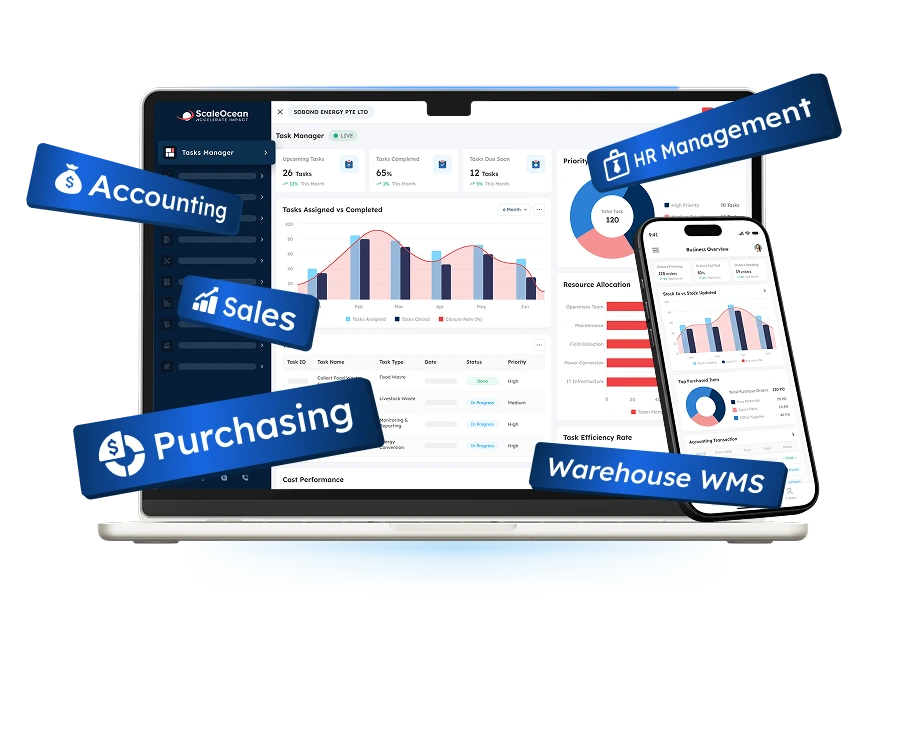
ScaleOcean’s HRIS software provides limitless user access without additional fees or hidden charges, and it is tailored to industry-specific requirements. It offers rapid technical assistance, optimal installation guidance, and a flexible, scalable system, resulting in immediate ROI and AI-powered business projections.
ScaleOcean’s HRIS improves onboarding efficiency, resulting in faster employee success and increased productivity. With the added benefit of being eligible for the CTC grant, ScaleOcean provides an even more compelling solution. Here are the main characteristics of ScaleOcean software:
- Electronic Employment Contract Creation & Signing: E-signs employment contracts, including Key Employment Terms (KETs), in compliance with Singapore’s Employment Act.
- Automated Pre-boarding & Onboarding: Automates form-filling, account setup, and administrative tasks for new hires via the ESS portal before day one.
- Digital Onboarding Roadmap & Checklist: Provides a digital checklist with clear onboarding tasks like team introductions and office tours.
- Automated Feedback Collection: Collects feedback after each onboarding phase to improve the experience based on new hire input.
- Role-Specific Training Integration: Assigns and tracks mandatory role-specific training to ensure all onboarding tasks are completed efficiently.
Conclusion
Onboarding is more than simply a checklist. It’s an important aspect of talent management that influences retention, productivity, and business culture. A faulty onboarding process can lead to disengagement and turnover, whereas a great one prepares staff for long-term success.
ScaleOcean provides an HRIS software solution that automates administrative chores, allowing you to focus on onboarding new staff. A free demo allows you to see firsthand how ScaleOcean improves your onboarding process and drives sustainable business growth.
FAQ:
1. What is another word for onboarding?
Another word for onboarding is “employee integration.” It refers to the process of introducing new hires to the company, its culture, and their specific roles. Other terms include “employee orientation,” “induction,” or “employee assimilation,” all focusing on welcoming and training new employees.
2. Are there onboarding templates Singapore businesses can use?
Yes, companies can use onboarding templates such as first-day checklists, role briefing plans, IT setup forms, training schedules, and 30-60-90 day plans. These templates help HR teams create a consistent experience for every new hire.
3. How do you prepare for onboarding?
1. Complete all required paperwork and documents.
2. Set up necessary tools, such as email and system access.
3. Review the company’s mission, vision, and values.
4. Prepare a clear outline of the job role and expectations.
5. Schedule introductory meetings with team members.
4. How should a new hire prepare for their first day?
A new hire should review the offer details, prepare required documents, understand the company’s basic information, confirm reporting time, and be ready to meet the team. This makes the onboarding experience smoother and less stressful.





















.png)