

Loyalty program software is computer software developed to manage customer loyalty, loyalty points, loyalty levels, loyalty rewards, loyalty redemption, loyalty engagement, and more. More advanced systems also incorporate loyalty data into transactions, customer profiles, and analytics to understand over time the way customers are interacting with the company.
A Singapore business won’t need to deal with problems that are restricted to points and discounts in Singapore. The major issues encountered include: fragmentation of customer profiles, incorrect point balances, duplicate records, redeemed points across entities, and lack of visibility. The greater the number of stores, brands, campaigns, and millions of transactions a company has, the more difficult it would be to deal with them.
A loyalty program software system that allows for customer identity, transactions, reward points, loyalty tiers, campaigns, and financial records to all be integrated and managed by one process can solve these issues. A single customer profile can also remove any discrepancies between the point of sale, internet, the customer relationship management system, and customer service a clearer picture of customer retention and liabilities for a customer programme.
Based on the information we have gathered from YouGov, 29% of Singapore consumers had participated in one or more customer reward programmes in the past three months. Loyalty schedules also had a significant portion of customers in generational cohorts, as 36% did use them, meaning that a large proportion of Gen Zers and Baby Boomers are already using loyalty schedules.
To understand more about loyalty program software, its operation, suitable software architecture for different business sectors, its required features, evaluation factors, and the top 10 Loyalty Program Software Vendors to look at in Singapore for 2026.
 Key Takeaways
- Loyalty program software helps businesses manage customer profiles, memberships, points, rewards, tiers, redemptions, and engagement across physical and digital channels.
- A comparison of loyalty program software vendors helps companies evaluate each platform based on programme flexibility, integrations, pricing model, analytics, scalability, and business fit.
- Top loyalty program software recommendations include ScaleOcean, Talon One, Antavo, Open Loyalty, Smile.io, Yotpo Loyalty, LoyaltyLion, Boomerang Me, Poket, and Loopy Loyalty.
- ScaleOcean CRM loyalty program software supports connected customer data, configurable loyalty rules, omnichannel transactions, customer segmentation, and loyalty analytics for medium to large enterprises.
What Is Loyalty Program Software?
Loyalty program software is a collection of software that companies use to help automate their customer retention strategies. The programmes monitor customer purchases, provide points or digital stamps, control VIP levels, and offer tailored rewards. Can deal with points, rewards, tiers, memberships, vouchers, referrals, eligibility requirements, customer profiles, and redemption history.
It may be a simple digital stamp card for a single store or an enterprise-based solution to enable customers’ loyalty programs in multiple countries, channels, brands, and millions of customers. Normally, enterprise platforms will demand more complicated rule development, customer data management, financial tracking, security, administration, and integrations.
The software also allows the company to have structured documentation of the customers’ engagement with the programme. Managers can look at and concentrate on all the active members, repeat purchases, rewards used, member tier movement, dormant customers, the costs of the loyalty program, and far more than just the number of registered members.
Loyalty information could also relate to personal information under the PDPA and be relevant to Singapore businesses. As part of the PDPA requirements, the collection, use, and disclosure of personal data, along with its protection, are key considerations when designing a loyalty program.
How Loyalty Program Software Works

Typically, a loyalty program starts with the establishment or identification of a customer profile. The transaction data is sent from the point of sale, e-commerce store, mobile application, CRM, or other connected channel to the loyalty engine when the customer purchases a product and completes an activity that earns them a loyalty benefit.
The system has a rulebook comparing the activity to the rules of the loyalty system. It has the capability to award points, advance the customer, award a reward, unlock a voucher, or implement a custom campaign. After the customer has cashed in a benefit, the loyalty balance is adjusted, and the appropriate records of the transaction are maintained.
Advanced programs are used to correlate these activities to one customer identity. That allows one customer to purchase online, visit a physical store, contact customer service, and redeem rewards through a mobile app while remaining under the same profile. Using the best CRM software can further help businesses centralize these interactions and maintain a more consistent view of each customer.
Finances are another important factor too. Rewards, such as loyalty points, vouchers, discounts, and redemptions, can have economic implications, and organizations should be aware of the link between programme activity, redemption, rewards, and liabilities and costs. IRAS says that vouchers can be considered GST-exempt, depending on their nature and issue conditions in Singapore.
According to the data our team got from The Straits Times, Grab introduced Partner Apps in Singapore in 2025, allowing users to access third-party services directly through the Grab app and earn GrabRewards Points from related transactions without creating separate accounts. The integration brings services from partners such as Firsty, redBus, and Drive lah into the same customer experience.
Customer data integration is an example of the kind of services that can be integrated with each other, including customer identity, Partner transactions, payments, and loyalty rewards. Keeping these interactions in a single ecosystem helps to reduce the number of times customers have to move between the ecosystem and ensure the same perception of activity from customers throughout channels.
Quick Options for Choosing the Best Loyalty Program Software Vendor
The best loyalty program software depends on the company’s operating model, customer volume, channel strategy, and technology architecture. Enterprises may prioritize headless integration, loyalty rules, customer-data governance, and cross-brand programmes, while smaller businesses may need straightforward digital cards, e-commerce integration, and easy campaign management.
The following matrix compares loyalty program software according to starting price and the business environment each platform is most closely suited to. Pricing, transaction or member limits, integrations, support, implementation, and enterprise functionality may vary by subscription plan, geography, contract terms, and programme scope.
Quick recommendations by business category:
- Enterprise & Headless Businesses: ScaleOcean, Talon One, Antavo, and Open Loyalty are relevant when companies need configurable rules, broader integrations, API-driven architecture, or complex multi-channel programmes. ScaleOcean is particularly relevant when loyalty also needs to connect with CRM, transactions, finance, branches, and other business processes.
- Brick-and-Mortar & Wallet-Based Businesses: ScaleOcean, Boomerang Me, Poket, and Loopy Loyalty can be considered when physical locations, customer identification, digital memberships, wallet cards, and in-store redemption are important. ScaleOcean becomes more relevant as multiple branches, brands, entities, or financial workflows are added.
- E-Commerce & SMB Businesses: Smile.io, Yotpo Loyalty, LoyaltyLion, Poket, and Loopy Loyalty provide options for businesses that prioritize e-commerce rewards, referrals, digital membership experiences, or simpler loyalty deployment.
| Top Vendors | Starting Price | Best Match For |
|---|---|---|
| ScaleOcean | Custom quotation based on modules, integrations, entities, locations, configuration, and implementation scope, with unlimited-user options. | Medium and large enterprises requiring loyalty, CRM, transactions, finance, multi-branch operations, customer service, and analytics within one configurable platform. |
| Talon One | Custom pricing based primarily on data volume and programme requirements. | Large enterprises and developer-led businesses requiring headless loyalty, promotions, referrals, and complex incentive rules. |
| Antavo | Custom pricing based on customer activity and programme scope. | Medium and large brands operating sophisticated loyalty, membership, promotion, gamification, and omnichannel programmes. |
| Open Loyalty | Custom Platform Fee and Allowance Fee based on monthly active members. | Medium and large organizations requiring an API-first, composable loyalty engine for custom digital products and experiences. |
| Smile.io | Free plan available; paid plans currently start from US$15/month. | Small and growing Shopify stores requiring points, referrals, rewards, and accessible e-commerce loyalty features. |
| Yotpo Loyalty | Free options are available for eligible Shopify use cases; commercial pricing varies by programme and order volume. | E-commerce and Shopify brands requiring loyalty, referrals, VIP tiers, wallet experiences, and retention tools. |
| LoyaltyLion | From US$199/month for the Classic plan at the published base order level. | Growing and established e-commerce brands prioritizing loyalty, segmentation, VIP programmes, integrations, and omnichannel rewards. |
| Boomerang Me | From US$199/month on monthly billing for the Business plan. | Local businesses, multi-location retailers, franchises, agencies, and service businesses using digital loyalty cards and wallet-based engagement. |
| Poket | Entry plans vary by region and channel; published physical-store and e-commerce plans are available alongside custom enterprise pricing. | Small to medium retailers, F&B companies, malls, and omnichannel businesses operating physical and online customer loyalty programmes. |
| Loopy Loyalty | From US$25/month for the Starter plan. | Small businesses that primarily need digital stamp cards, Apple Wallet or Google Wallet access, customer enrolment, messaging, and basic reporting. |
The 10 Best Enterprise Loyalty Platforms in Singapore for 2026
In 2026, enterprises require more than just a points tally to oversee their client base and customer retention throughout stores, online, via a mobile channel, customer service, and even across brands. An appropriate loyalty program software must match the company’s customer size, programme design, tech stack, organization, data governance, and future growth.
Here are the loyalty program software vendors for the various segments of the market, ranging from configurable enterprise loyalty ecosystems, headless loyalty engines, e-commerce application software, and wallet-based loyalty programmes.
1. ScaleOcean
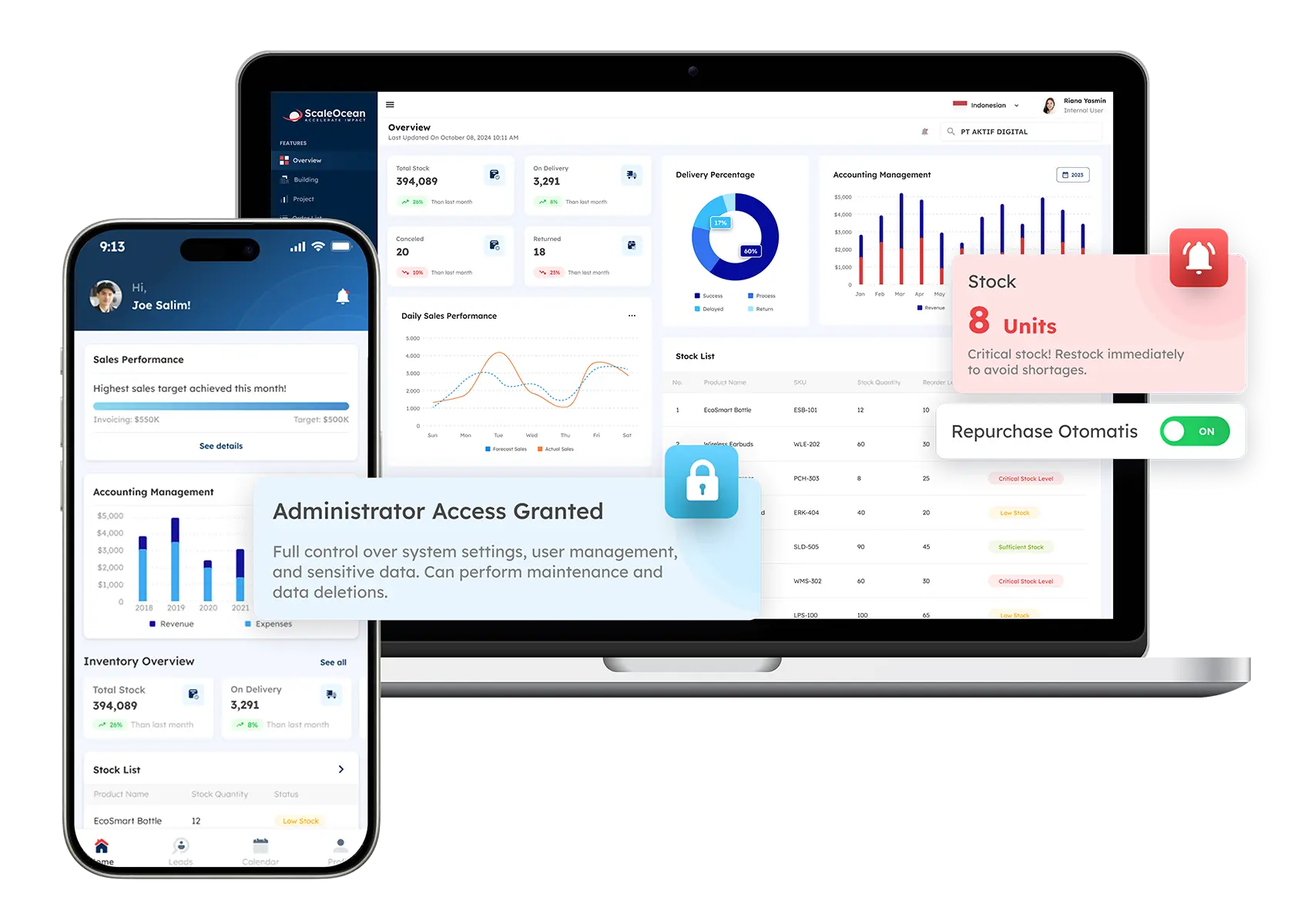
ScaleOcean is a fully featured CRM and loyalty management system for medium- to large-sized enterprises that require customer profiles, transactions, memberships, rewards, tiers, redemptions, customer service, and financial activity to be kept connected. It’s meant for organizations with more complicated loyalty programs in multiple branches, brands, departments, entities, sales channels, and customer segments.
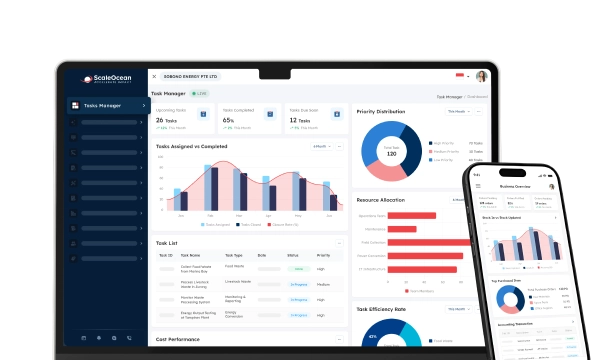
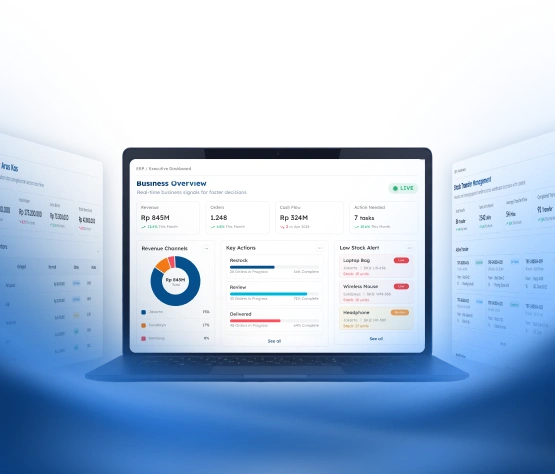
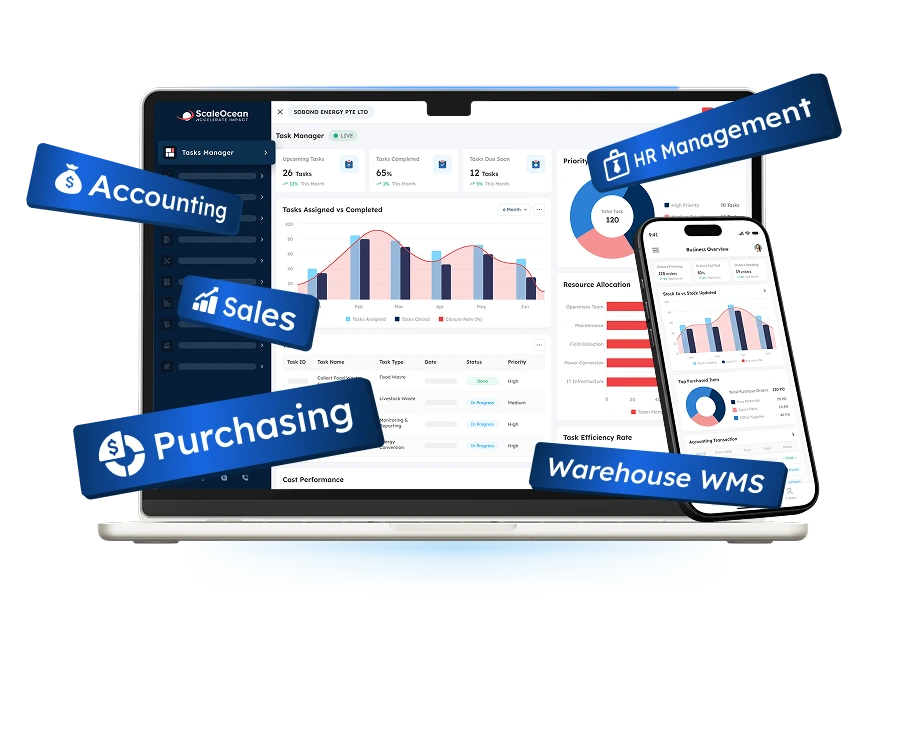
ScaleOcean CRM loyalty program software forms part of one platform, ScaleOcean Atlas, rather than operating as a separate rewards application. Customer, transaction, membership, reward, and redemption information can remain connected with sales, POS, finance, customer service, and other operational records, while ScaleMind acts as an intelligence layer for segmentation and engagement analysis.
With ScaleMind working from connected Atlas data, teams can identify dormant customers, review behavioural patterns, and understand loyalty activity alongside actual transactions. This helps companies move beyond simply measuring the number of issued points or vouchers toward understanding how loyalty behaviour relates to repeat purchasing and customer value.
In addition, ScaleOcean is also built to support enterprise operations across Singapore, where PDPA compliance is a top priority, with customer-data controls via consent management, role-based access, approval workflows and audit trails.
Accounting procedures and financial data relating to loyalty can be linked to loyalty, such as data required for assessing the GST implications of vouchers, discounts and redemption transactions. PDPC requirements and IRAS treatment can be reflected more consistently when customer and financial workflows remain connected within the same platform. Schedule a consultation to assess how this software can support loyalty management, customer-data governance, and financial processes across your enterprise.
Key features:
- Unified Customer Profile
- Omnichannel Loyalty Integration
- Points, Tier & Reward Rule Engine
- Customer Segmentation & Personalisation
- Multi-Branch & Multi-Entity Loyalty Management
- Consent, Role-Based Access & Audit Trail
- Loyalty Financial & Liability Tracking
- Loyalty Analytics & Customer Behaviour Insights
| Pros | Cons |
|---|---|
| Implementation begins with analysis of customer journeys, programme mechanics, organizational responsibilities, and existing systems instead of applying one generic loyalty template. | Its enterprise-level depth may be unnecessary for small businesses that only need a basic points, stamp-card, or single-store loyalty programme. |
| Scope-based pricing allows the investment to reflect the modules, integrations, and implementation requirements that the company actually needs. | Final pricing requires an initial consultation because programme rules, customer volume, integrations, branches, entities, and implementation complexity influence the scope. |
| Modules can be activated gradually according to business priorities, allowing companies to expand their CRM and loyalty environment as adoption develops. | Implementation prioritizes accurate customer-data mapping, loyalty-rule configuration, system stability, and long-term scalability rather than an immediate generic loyalty setup. |
| Timeline estimates are based on the actual programme architecture and business readiness, giving internal teams a more realistic basis for planning the rollout. |
Best for: Medium and large enterprises, multi-brand retailers, distributors with customer programmes, hospitality groups, F&B chains, malls, multi-branch businesses, and companies that need loyalty activity connected with broader CRM and operational processes.
ℹ️Why choose ScaleOcean?
ScaleOcean supports enterprise loyalty programmes that need customer data, transactions, rewards, financial records, branches, and customer-service activities to remain connected within a configurable business platform.
2. Talon One
Talon One is an enterprise incentives platform used to manage loyalty programmes, promotions, referrals, discounts, and other incentive logic. Its architecture is designed around a central rule engine that can connect with existing commerce, CRM, CDP, POS, and digital systems rather than requiring the customer-facing experience to be built directly inside Talon One.
The platform is particularly relevant when businesses need loyalty rules to work consistently across several channels or products. Talon One currently uses personalized pricing based on data volume rather than publishing a fixed entry subscription.
Key features:
- Loyalty and promotion engine
- Configurable incentive rules
- Referral programmes
- Tier and point logic
- API-driven integrations
- Real-time offer decisioning
| Pros | Cons |
|---|---|
| Flexible rules can support sophisticated loyalty and promotion mechanics. | Implementation can require stronger technical resources than plug-and-play loyalty applications. |
| Headless architecture works with different customer-facing channels and applications. | Companies seeking a complete CRM or ERP system will still need connected source platforms. |
| Supports enterprise-scale loyalty, promotions, referrals, and pricing logic within one incentives engine. | Pricing is not published as a simple fixed monthly entry package. |
Best for: Large enterprises, digital platforms, retailers, QSR brands, travel companies, and organizations with developer resources and complex incentive requirements.
ℹ️Why choose Talon One?
Talon One provides an API-driven loyalty and incentives engine for enterprises that need complex rules to operate consistently across multiple channels and customer experiences.
3. Antavo
Antavo is a loyalty and promotion platform designed for brands that want to create points, tiers, rewards, memberships, gamification, challenges, promotions, and other engagement mechanics. Its current offering includes no-code workflows, AI-supported loyalty capabilities, integrations, and API-first architecture.
Antavo positions its plans around different levels of programme maturity, from brands beginning with relatively simple loyalty initiatives to enterprises operating programmes across markets, brands, and channels. Pricing is based on customer activity rather than inactive customer records.
Key features:
- Points and reward economy
- Tier management
- Loyalty memberships
- Gamification and challenges
- Promotions and incentives
- No-code workflows
| Pros | Cons |
|---|---|
| Designed to expand as programmes move from basic loyalty toward more sophisticated multi-market operations. | Pricing requires consultation because it varies according to programme activity and scope. |
| Supports a wide variety of loyalty and gamification mechanics. | Advanced programmes may require a more involved design and implementation phase. |
| Allows marketing teams to manage many day-to-day loyalty activities without developer involvement. | Integration support is still needed during more complex enterprise implementations. |
Best for: Medium and large retailers, F&B groups, fashion brands, shopping malls, CPG businesses, and international companies operating advanced loyalty programmes.
ℹ️Why choose Antavo?
Antavo supports brands that need flexible loyalty mechanics, gamification, memberships, promotions, and omnichannel programme management that can expand as loyalty programme complexity grows.
4. Open Loyalty
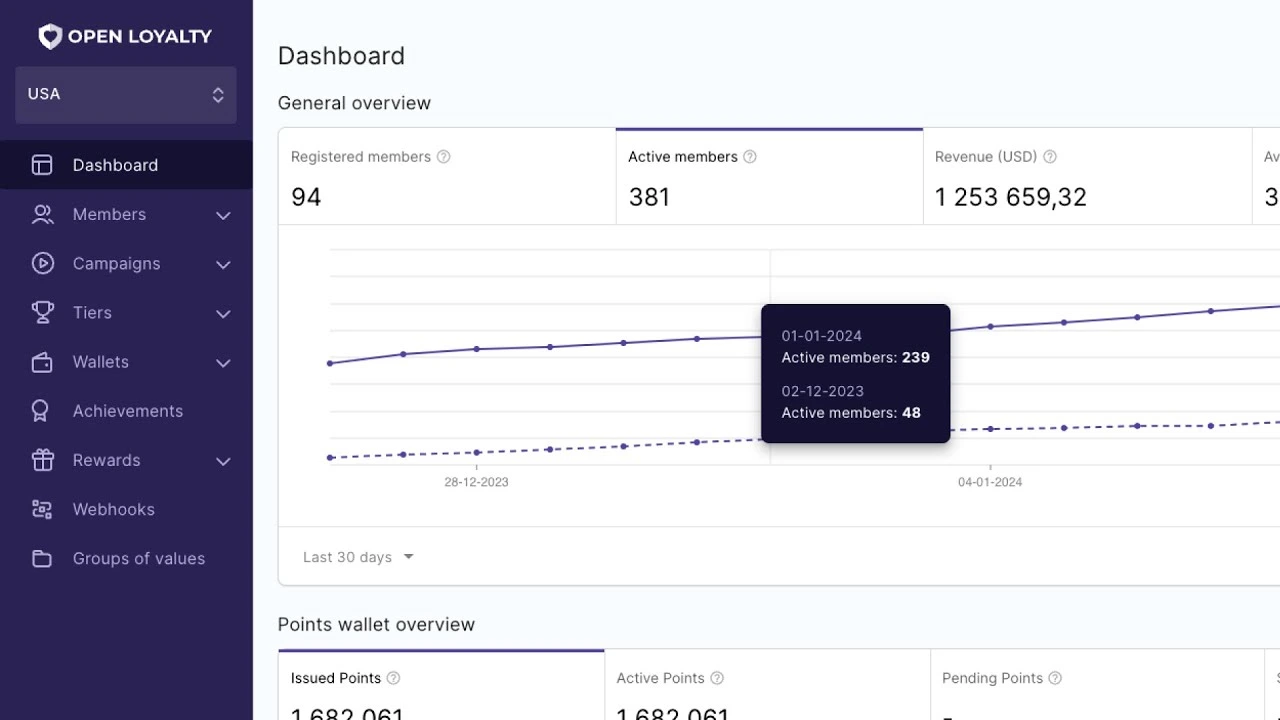
Open Loyalty is an API-first loyalty and gamification engine designed to let companies add loyalty capabilities to their existing products, applications, and technology stacks. It provides points, tiers, rewards, referrals, wallets, badges, coupons, challenges, and other programme mechanics through API access and an administrative interface.
The platform charges based on monthly active members through a combination of a platform fee and allowance fee. Its architecture can support multiple programmes or tenants, helping businesses manage loyalty across different countries, products, or customer groups while strengthening customer retention through more consistent customer experiences.
Key features:
- API-first loyalty engine
- Points and tiers
- Rewards and coupons
- Referrals
- Wallets and badges
- Gamification and challenges
| Pros | Cons |
|---|---|
| Multi-tenant capabilities can support several programmes within one installation. | Businesses need development capability to take full advantage of the composable architecture. |
| API-first design provides flexibility when loyalty needs to be embedded into an existing digital product. | Pricing depends on active-member volume rather than a simple published flat subscription. |
| Supports a wide range of loyalty and gamification mechanics. | It is a loyalty engine rather than a complete CRM, accounting, or operational platform. |
Best for: Medium companies, fintech products, retailers, sports organizations, QSR businesses, and developer-led companies building custom loyalty experiences.
ℹ️Why choose Open Loyalty?
Open Loyalty gives businesses an API-first loyalty engine that can be embedded into existing products while supporting configurable rewards, tiers, referrals, wallets, and gamification.
5. Smile.io
Smile.io is an e-commerce loyalty platform focused primarily on Shopify brands. Businesses can create points programmes, referrals, VIP structures, loyalty pages, rewards, and customer-facing loyalty experiences without building a complete loyalty system internally.
Its pricing currently includes a free plan for stores processing up to the stated order threshold, followed by an essential plan from US$15 per month and higher tiers for growing brands. More advanced plans introduce additional integrations, VIP programmes, analytics, and support.
Key features:
- Points programmes
- Customer referrals
- VIP programmes
- Loyalty pages
- Free product and shipping rewards
- Shopify integrations
| Pros | Cons |
|---|---|
| Higher tiers introduce deeper analytics, integrations, and VIP capabilities. | Companies with complex multi-entity financial and operational requirements may need additional systems. |
| Accessible starting point for Shopify merchants, including a free plan. | Order and feature limits vary according to plan. |
| Straightforward points and referral programmes can be configured without a large technical team. | The strongest fit is within the Shopify ecosystem rather than highly customized enterprise architectures. |
Best for: Startups, small companies, and growing Shopify or Shopify Plus e-commerce brands.
ℹ️Why choose Smile.io?
Smile.io provides Shopify businesses with an accessible way to launch and expand points, referrals, rewards, VIP programmes, and customer loyalty experiences.
6. Yotpo Loyalty
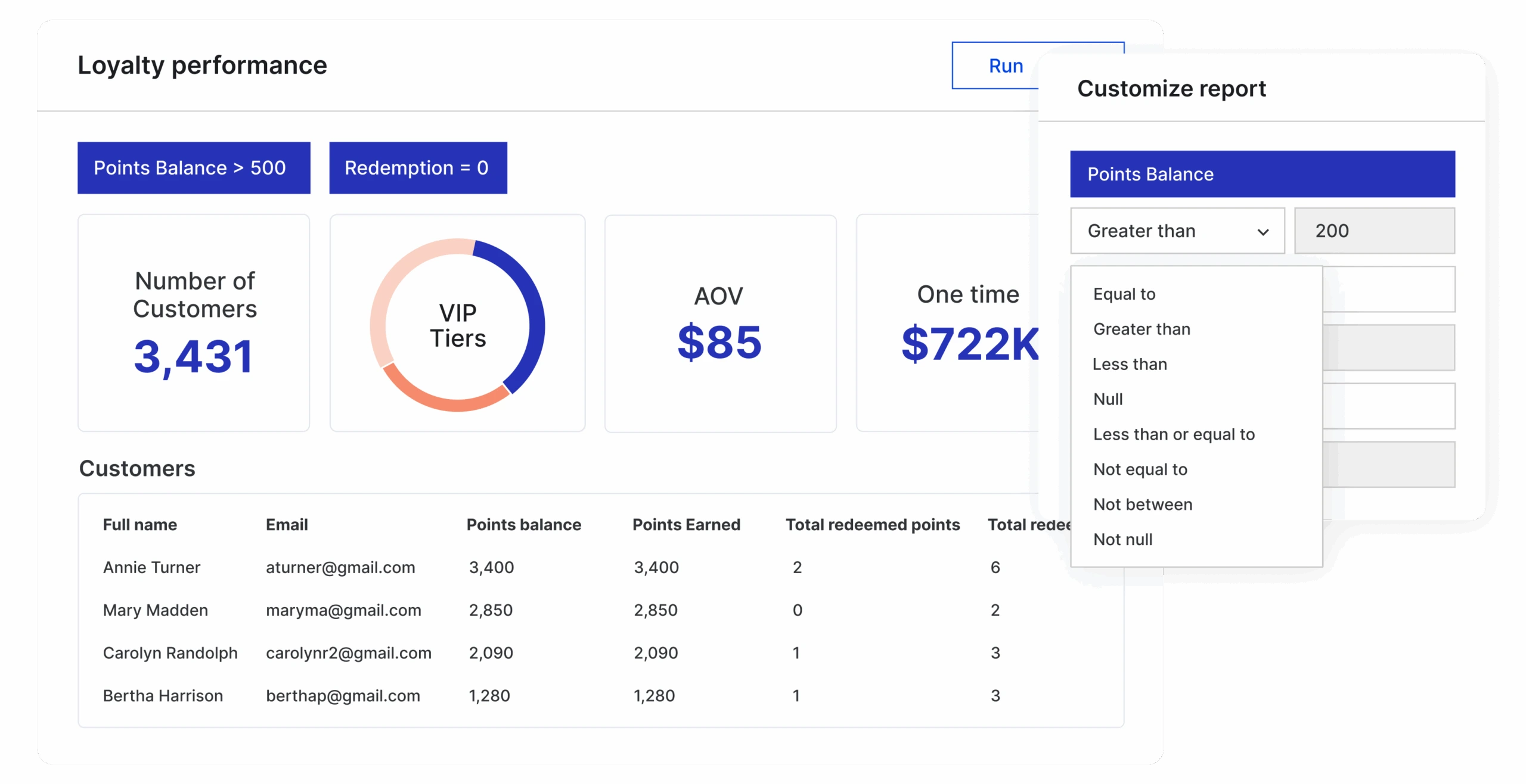
Yotpo Loyalty is an e-commerce loyalty and referral platform that helps brands create points, rewards, tiers, referrals, experiential benefits, wallet experiences, and personalized retention programmes. It also integrates with major e-commerce, marketing, CRM, helpdesk, and POS environments.
For Shopify businesses, Yotpo provides support for Shopify POS, mobile wallet passes, receipt scanning, rewards, referral activity, and loyalty campaigns. Yotpo currently indicates that a free option is available for eligible growing Shopify stores, while wider commercial pricing varies according to programme requirements.
Key features:
- Points and rewards
- VIP tiers
- Referral programmes
- Mobile wallet passes
- Receipt scanning
- POS integrations
- Loyalty analytics
| Pros | Cons |
|---|---|
| Strong loyalty and referral functionality for e-commerce brands. | Businesses outside its strongest e-commerce ecosystems may require additional integration work. |
| Supports online and in-store loyalty use cases through POS and wallet functionality. | Companies should verify which capabilities are included in each commercial package. |
| Can connect loyalty with other customer-engagement tools and applications. | Enterprise programme pricing generally requires discussion rather than a simple published entry rate. |
Best for: Small, medium, and larger e-commerce brands, particularly Shopify businesses developing loyalty and referral programmes.
ℹ️Why choose Yotpo Loyalty?
Yotpo Loyalty combines points, rewards, referrals, VIP programmes, wallet experiences, and e-commerce integrations for brands focused on repeat purchasing and customer retention.
7. LoyaltyLion
LoyaltyLion is an e-commerce customer loyalty and engagement platform used to manage rewards, points, referrals, customer segmentation, VIP tiers, and personalized loyalty experiences. Its platform can support both online and in-person earning and redemption, including businesses operating multiple physical locations.
Published pricing currently starts at US$199 per month for the Classic plan at the stated base order volume. Higher tiers add capabilities such as VIP programmes, greater Shopify POS support, multilingual functionality, additional integrations, and broader enterprise support.
Key features:
- Points and rewards
- Referral programmes
- Customer segmentation
- VIP tiers
- Shopify POS loyalty
- Mobile wallet cards
| Pros | Cons |
|---|---|
| Supports earning and redemption across online and physical locations. | Companies should review order-volume pricing as programme activity grows. |
| Integrates with a broad range of e-commerce and communication tools. | Advanced features may require higher plans or add-ons. |
| Combines loyalty mechanics with customer segmentation and retention-focused reporting. | Highly regulated businesses may need to evaluate additional quality, compliance, and enterprise integration requirements. |
Best for: Medium-sized and larger e-commerce brands, Shopify merchants, and omnichannel retailers with established customer volumes.
ℹ️Why choose LoyaltyLion?
LoyaltyLion combines loyalty rewards, referrals, segmentation, VIP programmes, integrations, and omnichannel functionality for growing e-commerce brands.
8. Boomerang Me
Boomerang Me is a digital loyalty platform centered on mobile loyalty cards, customer engagement, CRM, promotions, and wallet-based experiences. Businesses can create stamp cards, reward cards, cashback programmes, membership cards, and other digital formats for customers.
Its Business plan currently starts at US$199 per month on monthly billing, with separate offerings for agencies and franchise organizations. Features can include multiple promotions, manager access, CRM, API and webhooks, reports, geofencing, and POS integration depending on the selected package.
Key features:
- Digital loyalty cards
- Stamp and reward cards
- Cashback programmes
- Membership cards
- Built-in CRM
- API and webhooks
| Pros | Cons |
|---|---|
| Small and medium businesses, franchises, multi-location retailers, salons, restaurants, service businesses, and agencies managing loyalty programmes. | It is primarily a loyalty and engagement platform rather than a broader enterprise operating system. |
| Offers dedicated structures for businesses, agencies, and franchises. | Pricing can be substantial for a very small single-location business with basic needs. |
| Can help growing teams move away from manually coordinated technician activities. | Highly customized enterprise programme architecture may require additional systems or integration work. |
Best for: Small and medium businesses, franchises, multi-location retailers, salons, restaurants, service businesses, and agencies managing loyalty programmes.
ℹ️Why choose Boomerang Me?
Boomerang Me provides wallet-based digital loyalty cards, customer engagement, CRM, promotions, and multi-location tools for physical and service-oriented businesses.
9. Poket
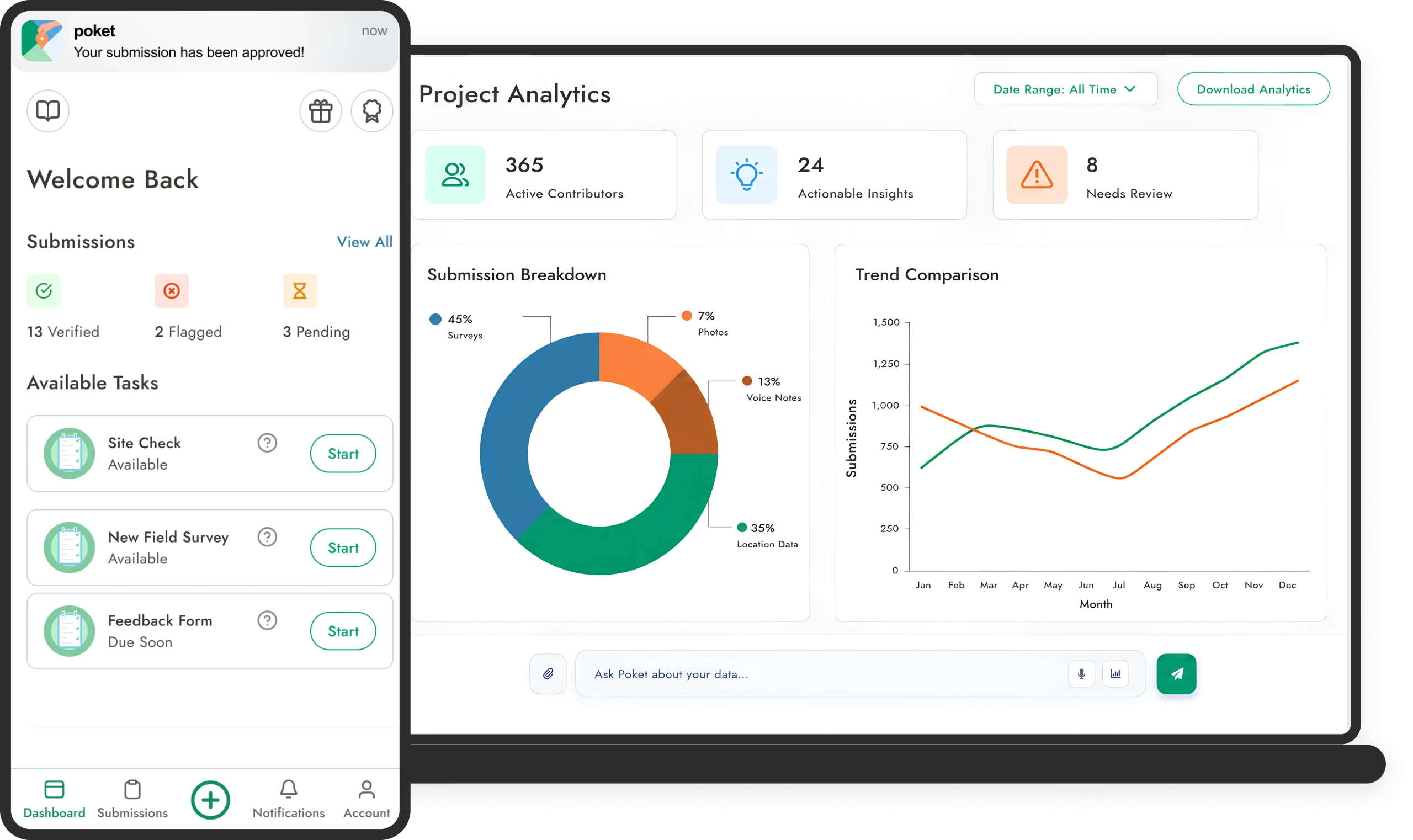
Poket is a loyalty platform that combines rewards, digital membership, CRM, marketing automation, referrals, gamification, analytics, and multi-channel engagement. It offers solutions for physical stores, e-commerce, shopping malls, FMCG businesses, and enterprise programmes.
Its pricing differs according to channel, billing frequency, and region. Published plans include entry options for physical stores and e-commerce businesses, while enterprise programmes and API-heavy implementations are handled through sales consultation. Poket also supports online and physical stores under unified loyalty programmes.
Key features:
- Points and tiers
- Cashback and rewards
- Digital memberships
- Referral programmes
- Marketing automation
- Gamification
- Customer CRM
| Pros | Cons |
|---|---|
| Provides scalable options from smaller programmes to enterprise implementations. | Businesses need to assess whether member or order limits in entry plans match expected programme growth. |
| Offers programmes for both physical stores and e-commerce businesses. | Pricing structures differ according to region and deployment type, so companies should confirm the applicable Singapore package. |
| Includes loyalty, CRM, engagement, rewards, and marketing functionality. | More advanced API or enterprise requirements move into customized plans. |
Best for: Small and medium retailers, F&B businesses, shopping malls, e-commerce companies, and growing omnichannel brands.
ℹ️Why choose Poket?
Poket combines loyalty, CRM, digital rewards, engagement, and marketing tools for businesses operating physical stores, e-commerce, or both.
10. Loopy Loyalty
Loopy Loyalty is a digital loyalty-card platform focused on Apple Wallet and Google Wallet experiences. Businesses can create digital stamp cards, enrol customers through links or QR codes, issue stamps and rewards, send messages, and review programme activity from one dashboard.
The Starter plan currently begins at US$25 per month and supports one location, unlimited customers, one card design, and several sub-users. Higher plans increase the number of locations and other programme capabilities.
Key features:
- Digital stamp cards
- Apple Wallet and Google Wallet support
- QR customer enrollment
- Customer database
- Messaging
- Reward issuance
| Pros | Cons |
|---|---|
| Straightforward digital replacement for physical stamp cards. | The Starter plan is designed around one location and one card design. |
| Entry pricing is accessible for small single-location businesses. | Feature depth is more appropriate for a straightforward loyalty program than complex enterprise programmes. |
| Customers can use existing mobile wallets without installing a separate loyalty application. | Advanced CRM, cross-entity finance, or sophisticated reward engines may require other applications. |
Best for: Small businesses, cafés, salons, independent retailers, restaurants, and local service companies seeking a straightforward digital stamp-card programme.
ℹ️Why choose Loopy Loyalty?
Loopy Loyalty provides a straightforward way for small businesses to replace physical stamp cards with digital loyalty cards stored in customers’ mobile wallets.
Core Features to Look For in Loyalty Management Software
The top loyalty software will be able to track points and so much more. Businesses should seek features that enable them to create relevant rewards, ensure consistency of rewards between channels, be able to communicate with various groups of customers, and whether the programme actually leads to better retention.
1. Flexible Reward Structure
Businesses need to be able to establish the rules of the game as to how customers can redeem and get value. Can be points, cash back, tiers, vouchers, free products, memberships, referrals, experiential benefits for non-purchasing actions.
Flexibility in particular is important in the development of the programme. The company will set the rule for each dollar spent by customers, and then add additional rules based on customer tiers, category-level earning rules, birthday benefits, multipliers, partner benefits, or exclusive experiences.
2. Omnichannel Integration
Customers may communicate with a business in their physical stores, on their website, on marketplaces, through their apps, in their customer service, or through social media. The balance of loyalty and identities of members on these touchpoints should be consistent.
Other systems that integrate with the point-of-sale system, e-commerce, CDP, customer service, and marketing systems reduce double entry of data. Businesses can connect transactions and engagement with one customer profile, not multiple customer profiles.
3. Automated Engagement
An automatic engagement allows the loyalty system to respond to customer actions based on conditions. This can be achieved by sending a welcome message to a new member or reminding the requirement to the next tier to the members of a tier.
Sentiment can also be employed to create win-back marketing campaigns, birthday rewards, point expiry alerts, milestone rewards, referral reminders, and targeted marketing campaigns based on purchase history or engagement history.
4. Analytics Dashboard
A loyalty analytics dashboard needs to be more than the registered-members. Some of the most useful are: active members, repeat purchase rates, redemption rates, tier distribution, points issued, outstanding points, customer value, dormant membership, referral activity, and more.
Furthermore, there must be a way to link customer behaviour by geography, segment, campaign, channel, and time. This can be used to establish whether there is an increase in programme engagement or an additional cost of rewards.
Important Evaluation Criteria for Choosing Loyalty Program Software

The number of rewards is not the only factor to consider when selecting customer loyalty program software. There is a need to understand how the loyalty program mechanics, technology stack, total ownership cost, and customer communication channels work once the programme is implemented for the decision-maker.
1. Program Mechanics
Firstly, establish precisely how the loyalty program will perform. Work out how much you have to earn to claim, what grades you require to get rewards, how long they last, who can get them, who can’t, who can double their rewards, etc., and what happens if you cancel your order.
Exceptions should be taken into account by enterprise companies too. Reward rules can vary per country, brand, outlet, product group, customer segment, and even per entity without having to completely differ in the loyalty program.
2. Tech Stack Integration
Build an application map of the existing applications handling the management of customer identity, orders, POS transactions, e-commerce, payments, marketing, finance, and customer service. The loyalty platform must have the capability to connect with systems that are still going to be authoritative for these records.
Educate vendors on what happens when transactions fail, duplicate records appear, customers are working offline, customers return, customers are deleted, customers are merged with others, points are adjusted, and data is synced. Note that a logo on an integration page does not necessarily indicate the amount of information that is shared between the two.
3. Total Cost of Ownership
But the price of a subscription is only a portion of investing in a loyalty program. Businesses also need to take into account the implementation, integrations, data migration, programme design, communication, reward costs, training, internal administration, support, and future expansion.
Also, there is a big difference in pricing strategies. Some software companies for loyalty programs charge fees based on the number of orders, number of members, number of active members, number of locations, number of programmes, data volume, and scope. Understanding the pricing metric is key since loyalty program growth may make a big difference in the longer-term cost.
4. Communication Channel
Determine the preferred approach for delivering offers, balance updates, reminders, and loyalty information to members. This may include SMS, mobile push notifications, WhatsApp, websites, or in-app messaging. Insights from demand forecasting can also help businesses anticipate customer demand and plan more relevant campaigns or rewards.
The channel will be decided based on customer behaviour and consent. Personal and communications information consistency along the customer lifecycle is another key factor for businesses not to use a different customer list for each campaign tool.
How to Choose the Right Loyalty Program Software for Your Workflow
Choosing loyalty program software should begin with the real travel process that your customers go through, not the features that a vendor provides. This gives decision-makers the freedom to determine what facets of customer identity, loyalty rules, financial data, and other aspects of the business process should continue to be connected.
Step 1: Audit Your Current Sales Workflow
Demonstrate the existing way customers are buying from the business. Take into account the physical outlets, e-commerce, mobile apps, marketplaces, telephone sales, distributors, and more.
Then determine where information on customers is collected. Check for duplicate customers, lost customer IDs, discrepancies in transactions, point balances in different points, and discrepancies between sales and loyalty manual matching.
Step 2: Match Software Architecture to Your Tech Stack
An application that is directly connected with their commerce platform might be preferable for businesses with relatively simple ecommerce stores. But for larger businesses, they might require API-first, headless, or enterprise software, which can be connected to a range of systems from POS to CRM to commerce to finance to customer service.
It doesn’t need to concern itself with replacing any of the existing apps. The loyalty architecture must understand who owns the customer’s identity, transactions, rewards, communications, and financial information.
Step 3: Evaluate Operational Workflows
Test the effect of what can happen in actual operating conditions. They should include returns, cancellations, reversals, expired rewards, cross-store redemption, manual adjustments, customer-profile merging, and membership upgrades.
In the case of enterprises, test workflows between branches and entities as well. Rewards can be a complicated arrangement in one store and have to be redeemed in another, with another currency, in another store, or even in another legal entity.
Step 4: Assess Admin and Marketing Workflows
Marketing teams should be able to launch appropriate campaigns without relying on developers for every minor change, while administrators need governance over who can change reward rules, member balances, campaign eligibility, or financial settings.
Review role-based access, approval requirements, audit trails, campaign histories, and reporting. This is particularly important for large programmes where an incorrect reward rule can affect thousands of transactions before the issue is noticed.
Businesses with more complex member structures can also consider membership management software in Singapore to centralize member records, permissions, renewals, transactions, and engagement workflows within a more structured system. ScaleOcean supports configurable workflows, role-based access, audit trails, and multi-branch operations for enterprises that need stronger governance as membership and loyalty activities scale.
Conclusion
Loyalty program software is a digital system used to manage customer profiles, memberships, points, rewards, tiers, referrals, redemptions, and engagement activities. Depending on business complexity, it can range from a simple digital stamp-card application to an enterprise platform connecting millions of customer interactions across brands, branches, and sales channels.
Without a structured platform, companies may struggle with fragmented customer profiles, duplicate members, incorrect balances, inconsistent redemption rules, and financial records. Loyalty software addresses these gaps by connecting customer identity, transactions, programme rules, engagement, analytics, and governance within a more consistent environment.
ScaleOcean CRM software connects loyalty activities with customer data, sales, customer service, transactions, finance, and multi-branch operations within One Platform. With ScaleMind supporting segmentation and customer-behaviour analysis, configurable enterprise workflows, phased implementation, and scope-based configuration, ScaleOcean is designed for medium and large organizations that need loyalty to remain connected with the way their businesses actually operate. Schedule a consultation to assess how the platform fits your loyalty programme requirements.
FAQ Loyalty Program Software:
1. Does the type of industry affect which loyalty software I should choose?
Yes. Retail and F&B companies may prioritize POS integration and cross-store redemption, while e-commerce brands may focus on Shopify, referrals, and digital engagement. Enterprise groups may require multi-brand governance, integrations, customer-data management, and financial tracking.
2. How many active members can loyalty program software support?
Capacity varies by platform and plan. Entry-level products may set limits on customers, orders, or locations, whereas enterprise platforms can support much larger member and transaction volumes. Companies should evaluate expected active members rather than only current registrations.
3. Can loyalty program software integrate with existing POS systems?
Yes, many loyalty platforms provide POS integrations, APIs, webhooks, or connectors. Compatibility varies by vendor, so businesses should confirm whether earning, redemption, returns, point reversals, customer identification, and offline transactions are supported by their particular POS environment.
4. Can loyalty program software support multiple stores or brands?
Yes. Some platforms support multiple locations, brands, programmes, or tenants, but the depth varies significantly. Enterprise businesses should assess whether customer profiles, balances, redemption, reporting, permissions, and financial reconciliation can remain consistent across the entire organization.




















.png)