

Sage X3 is an enterprise resource planning (ERP) system that helps businesses manage finance, manufacturing, supply chain, and distribution within one integrated platform. However, many companies discover operational challenges after implementation despite its broad capabilities.
Moreover, businesses expecting flexible customization often encounter the “4GL Code Trap,” where workflow changes require specialized developers and lengthy testing. Consequently, routine upgrades become expensive, delaying innovation while increasing long-term maintenance costs.
Additionally, organizations frequently struggle with Sage X3’s complex interface, which slows employee adoption and increases reporting errors. As a result, teams rely heavily on IT specialists for routine tasks rather than focusing on operational efficiency.
Therefore, this Sage X3 review explores its features, pricing, advantages, limitations, and practical alternatives. Furthermore, businesses seeking greater flexibility can compare whether modern ERP platforms like ScaleOcean better support evolving operational requirements.
 Key Takeaways
- Sage X3 is an enterprise resource planning system that unifies finance, supply chain, and production management into one scalable platform to streamline complex corporate workflows globally.
- Sage X3 reviews have an overall rating of 3.9 out of 5 on G2, based on more than 50 verified customer reviews. Overall, users describe it as a capable ERP for manufacturing and distribution businesses.
- Evaluating Sage X3’s strengths and weaknesses helps businesses determine whether it meets their operational requirements.
- Sage X3’s features include AI-powered insights, configurable workflows, and flexible deployment options for growing organizations.
- ScaleOcean ERP stands out as an alternative that offers flexible deployment, customizable workflows, and integrated business management, making digital transformation easier.
What is Sage X3 ERP?
Sage X3 is an enterprise resource planning system built for mid-market businesses. It unifies finance, supply chain, and production management into one scalable platform to streamline complex corporate workflows globally.
The software simplifies international business operations. It natively manages multi-currency transactions, diverse language setups, multi-site distribution logistics, and varying country-specific compliance regulations from a single secure interface.
Manufacturers and distributors benefit heavily from its specialized modules. The system tracks real-time inventory levels, automates shop-floor scheduling, optimizes formula recipes, and ensures strict compliance with quality control standards.
Deployable in the cloud or on-premises, Sage X3 provides flexibility. Furthermore, web-based HTML5 technology allows users to access critical operational data securely from any mobile device, desktop, or tablet, anywhere.
How Are the Reviews and What Real Users Say About Sage X3 ERP?
Sage X3 ERP has an overall rating of 3.9 out of 5 on G2, based on more than 50 verified customer reviews. Overall, users describe it as a capable ERP for manufacturing and distribution businesses, although they frequently note a learning curve and complex customization requirements.
Based on G2 user reviews of Sage X3, many reviewers praise it for centralizing finance, inventory, manufacturing, purchasing, and supply chain management on a single platform. They also appreciate its flexibility, reporting capabilities, and real-time operational visibility, which help improve business decision-making and reduce disconnected workflows.
However, several users consistently mention challenges with the software’s complexity, especially during implementation and customization. Reviews also note that onboarding new users can take considerable time, while maintaining workflows, dashboards, and custom configurations often requires ongoing technical expertise.
Overall, user feedback suggests that Sage X3 suits organizations that require extensive customization and comprehensive ERP functionality. Nevertheless, businesses prioritizing faster deployment, simpler user experiences, and lower maintenance effort may benefit from evaluating modern alternatives like ScaleOcean before making a decision.
Strengths & Limitations of Sage X3 ERP
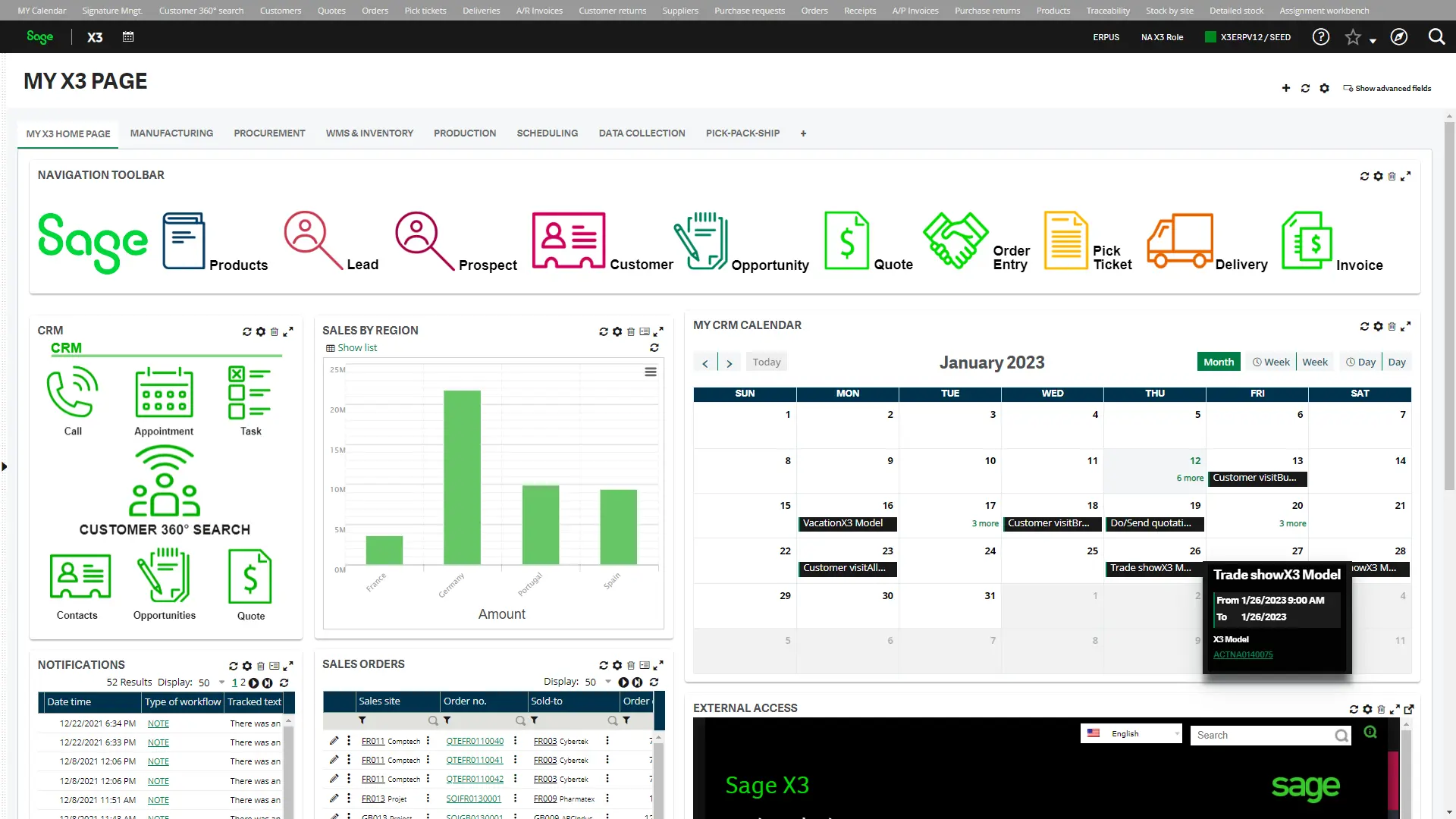
Sage X3 ERP review offers comprehensive ERP functionality that supports finance, manufacturing, supply chain, and multi-entity operations. However, independent analysts also note usability, implementation, and customization challenges that businesses should evaluate before investing.
The table below summarizes Sage X3’s most notable strengths and limitations based on independent software review platforms such as the Technology Evaluation Center (TEC), rather than on vendor claims.
| Strengths | Limitations |
|---|---|
| Strong global financial management with multi-company, multi-currency, and multi-legislation support. | The user interface can feel dated and less intuitive than newer cloud ERP solutions. |
| Deep industry functionality for manufacturing, distribution, process manufacturing, batch traceability, and quality control. | Steep learning curve, especially for occasional users and organizations without dedicated ERP specialists. |
| Flexible deployment across cloud, on-premises, or hybrid environments to meet different business requirements. | Customization and implementation often require significant technical expertise, increasing project cost and maintenance effort. |
| Highly configurable workflows and scalable architecture for growing multinational businesses. | Upgrades and heavily customized environments may require additional testing and consulting services, extending project timelines. |
Key Strengths of Sage X3 ERP Software
Sage X3 stands out for its comprehensive business management capabilities, particularly for organizations operating across multiple entities or managing complex manufacturing and distribution processes. Independent reviewers also highlight its financial management, industry-specific functionality, and flexible deployment as key advantages.
- Global Financials: Sage X3 supports multi-company, multi-currency, and multi-legislation accounting while providing centralized financial reporting. Consequently, multinational businesses can standardize finance operations and maintain regulatory compliance across different regions.
- Industry-Depth: The platform includes specialized capabilities for manufacturing, distribution, food and beverage, chemicals, and other process industries. Additionally, features such as batch traceability, quality management, and production planning help businesses manage industry-specific requirements more efficiently.
- Deployment Flexibility: Organizations can implement Sage X3 through cloud, on-premise, or hybrid environments based on operational and security requirements. Therefore, businesses can scale the ERP while preserving existing infrastructure and integration strategies.
Primary Limitations of Sage X3 ERP
Despite its extensive functionality, Sage X3 presents several challenges that organizations should evaluate before implementation. Independent reviews frequently mention usability concerns, longer onboarding periods, and higher customization costs than many modern ERP platforms.
- Usability & Interface: Many reviewers describe Sage X3’s interface as functional but less intuitive than newer cloud ERP solutions. As a result, users may require additional training to navigate menus, dashboards, and advanced reporting features effectively.
- Steep Learning Curve: Sage X3’s broad functionality and configuration options often require structured training for administrators and end users. Consequently, organizations without experienced ERP specialists may face slower user adoption and greater reliance on consultants.
- Customization Cost: Although Sage X3 supports extensive customization, advanced modifications frequently require technical developers and ongoing maintenance. Furthermore, heavily customized environments can increase implementation expenses and complicate future software upgrades.
Many organizations shortlist Sage X3 alongside SAP ERP because both offer comprehensive financial, manufacturing, and supply chain capabilities. To better understand their differences, you can explore an SAP ERP reviews. to better compare the best options for your company.
What Features Does Sage X3 ERP Offer?

Sage X3 provides an integrated ERP platform that connects finance, supply chain, manufacturing, and business operations within one system. Additionally, the software includes AI-powered insights, configurable workflows, and flexible deployment options for growing organizations.
- Financial Management: Sage X3 centralizes accounting, budgeting, fixed assets, financial reporting, and multi-company, multi-currency management. Consequently, finance teams gain real-time visibility while maintaining compliance across multiple entities and countries.
- Supply Chain Management: The platform manages purchasing, inventory, sales, customer service, and warehouse operations through a single interface. Furthermore, real-time inventory visibility helps businesses reduce stock shortages while improving order fulfillment accuracy.
- Production Management: Sage X3 supports BOM planning, shop floor control, quality management, project management, and manufacturing planning. As a result, manufacturers can improve production efficiency while maintaining product quality and traceability.
- Business Intelligence & AI: Built-in dashboards, analytics, and Sage Copilot deliver real-time insights and operational alerts across finance, production, and supply chain. Therefore, decision-makers can identify issues sooner and respond with greater confidence.
- Customization & Integration: Sage X3 enables organizations to configure workflows, business rules, and user screens, and to integrate with third-party applications via APIs. This flexibility enables businesses to adapt the ERP without replacing their existing technology ecosystem.
What Industries Can Sage X3 Be Used For?
Sage X3 is designed primarily for organizations with complex operations that require integrated financial, manufacturing, and supply chain management. Although it supports many sectors, professional services, manufacturing, and pharmaceuticals are among its strongest industry use cases.
1. Professional & Project-Based Services
Professional service firms use Sage X3 to manage project finances, purchasing, resource allocation, and operational reporting on a single platform. Additionally, centralized financial visibility helps organizations monitor project profitability while improving cost control across multiple engagements.
Furthermore, configurable workflows and multi-entity financial management support consulting firms and service providers operating across different regions. Consequently, businesses can standardize operations while maintaining flexibility for unique project requirements.
2. Manufacturing
Manufacturers use Sage X3 to streamline production planning, bill of materials management, shop floor control, quality assurance, and inventory management. As a result, businesses gain better visibility throughout the entire manufacturing lifecycle while reducing operational inefficiencies.
Moreover, the system supports discrete, process, and mixed-mode manufacturing through features such as lot traceability and production scheduling. As also discussed in Odoo ERP review, these capabilities help manufacturers maintain product quality while meeting customer demand efficiently.
3. Pharmaceuticals
Pharmaceutical companies benefit from Sage X3’s quality management, batch traceability, inventory control, and regulatory compliance capabilities. Therefore, organizations can maintain accurate production records while improving product safety throughout the supply chain.
Additionally, Sage X3 supports complex manufacturing environments requiring strict documentation, quality controls, and product traceability. Consequently, pharmaceutical manufacturers can better comply with industry regulations while improving operational efficiency.
ScaleOcean as a Sage X3 Alternative for Flexible ERP in Singapore
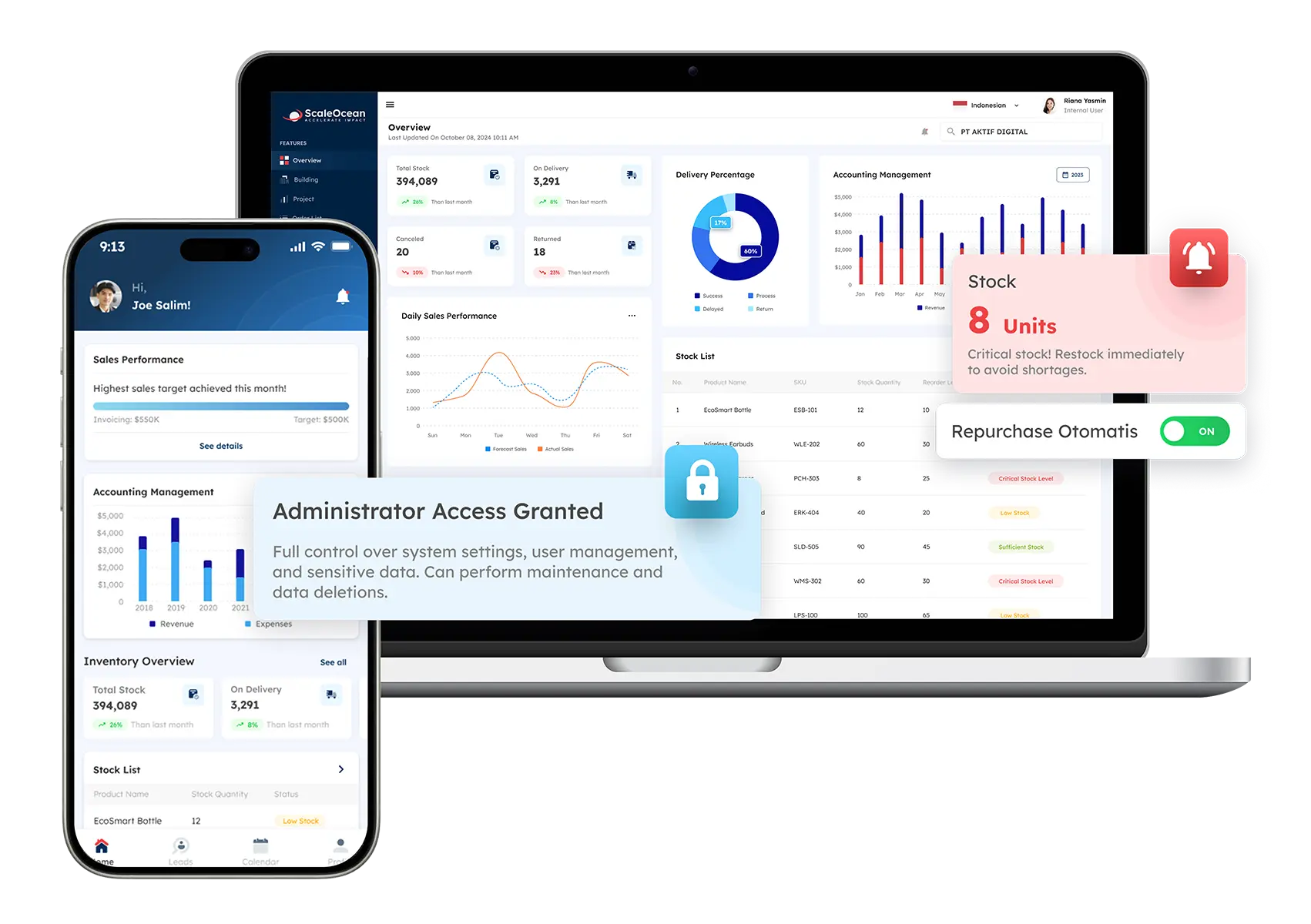
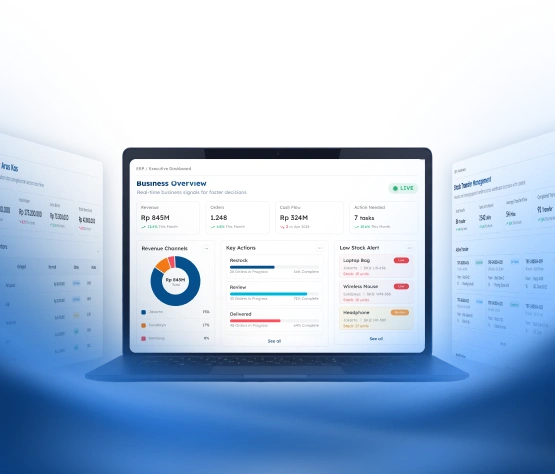
While Sage X3 serves medium and large enterprises with complex operations, some Singaporean businesses require an ERP that adapts more easily to local workflows and changing operational needs. Therefore, ScaleOcean provides a configurable platform that simplifies digital transformation without sacrificing enterprise-grade functionality.
Moreover, ScaleOcean supports businesses through transparent implementation, unlimited users, and flat pricing without hidden licensing costs. As a result, companies can scale operations confidently while reducing long-term ownership expenses and accelerating return on investment.
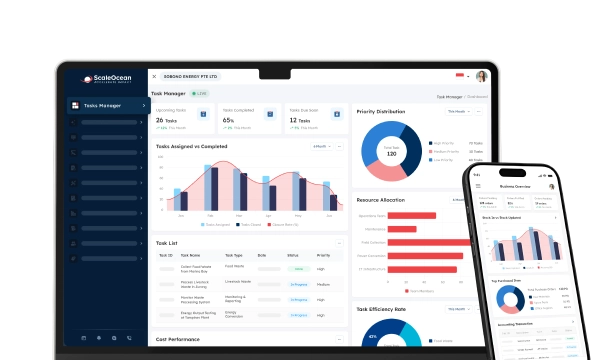
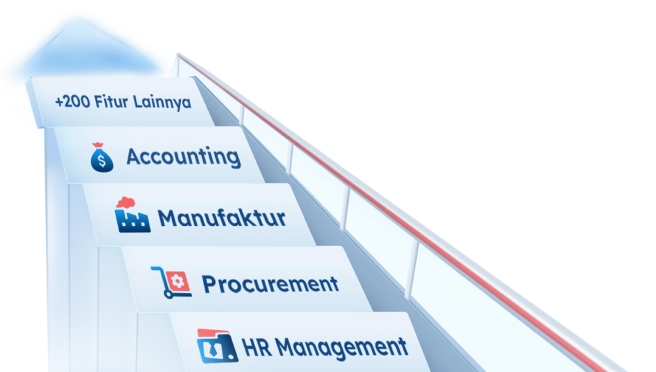
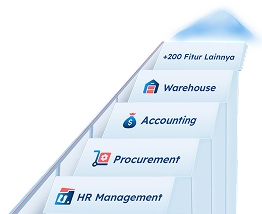
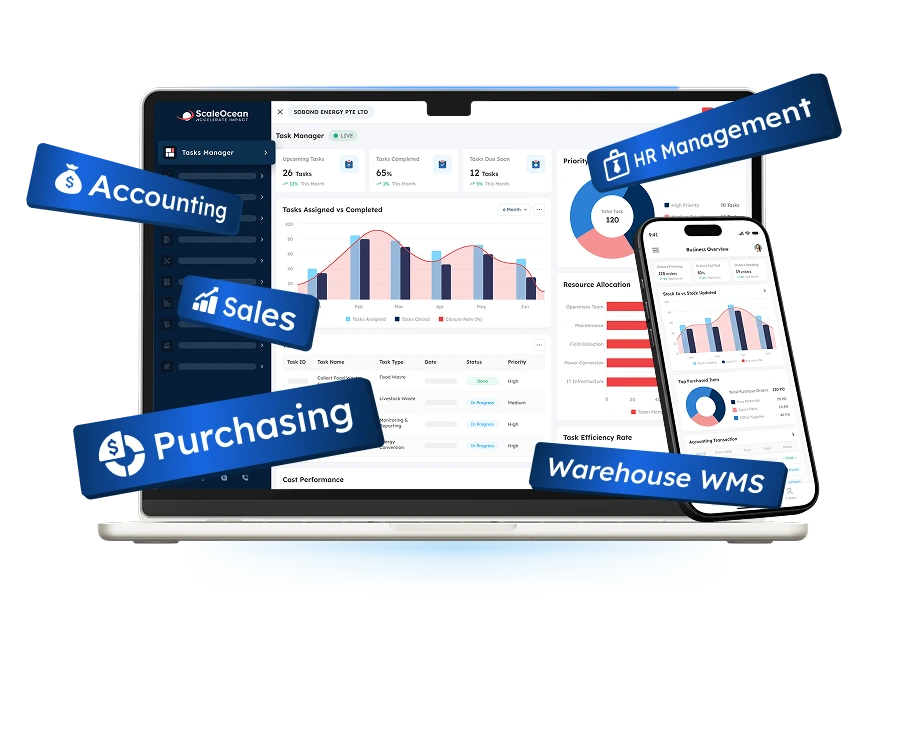
Additionally, ScaleOcean delivers over 200 integrated modules and 1,000+ business features across finance, procurement, inventory, manufacturing, sales, CRM, HR, and more. ScaleOcean also supports unlimited users at no extra licensing cost and may qualify for up to 50% in support through the Enterprise Development Grant (EDG) or the CTC Grant.
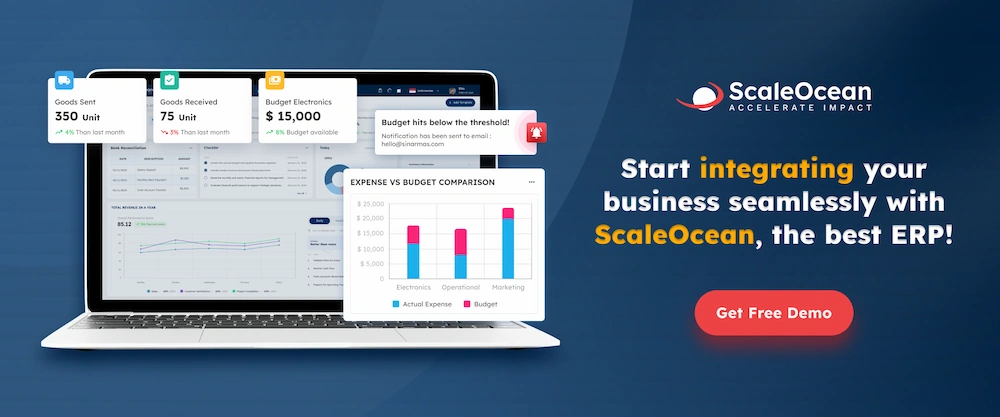
So, request a free demo today to discover how ScaleOcean can streamline your operations with an ERP tailored to your business requirements.
Key Features of ScaleOcean ERP:
- End-to-End Business Ecosystem: Unify finance, procurement, inventory, warehousing, manufacturing, sales, CRM, HR, asset management, and project management into a single integrated platform.
- AI-Powered Business Intelligence: Monitor KPIs via real-time dashboards, predictive analytics, and intelligent recommendations to enable faster, data-driven decision-making.
- Workflow Automation: Automate approvals, document routing, notifications, and repetitive business processes to improve productivity while minimizing manual errors.
- Singapore-Ready Compliance: Meet local GST requirements, financial reporting standards, and regulatory obligations through built-in localization designed for Singaporean businesses.
- Industry-Specific Solutions: Adapt the ERP using preconfigured workflows and best practices tailored for manufacturing, distribution, retail, construction, healthcare, F&B, and professional services.
Conclusion
Sage X3 is a capable ERP for medium and large businesses seeking integrated finance, manufacturing, and supply chain management. However, its complexity, learning curve, and customization requirements make it important to evaluate whether it aligns with your operational goals and available resources.
If your business needs a more flexible ERP with transparent pricing, unlimited users, and industry-specific workflows, ScaleOcean is a strong alternative. Request a free demo today to see how its configurable platform can streamline operations and support sustainable business growth.
FAQ:
1. Is ScaleOcean a good alternative to Sage X3 ERP?
Yes. ScaleOcean is a strong alternative for businesses seeking a flexible ERP with transparent pricing, unlimited users, and industry-specific workflows. It also offers over 200 modules and 1,000+ features, making it suitable for companies that want an integrated, scalable business platform.
2. What should I consider before choosing Sage X3 ERP?
Evaluate your business size, operational complexity, implementation budget, and internal IT resources. Also consider the software’s learning curve, customization requirements, deployment options, long-term maintenance costs, and whether its capabilities align with your future growth plans.
3. Which is better, Sage X3 or ScaleOcean?
It depends on your requirements. Sage X3 suits organizations with complex global operations, while ScaleOcean is ideal for businesses wanting configurable workflows, unlimited users, transparent pricing, and an ERP tailored for Singapore’s regulatory and operational environment.
4. What is the best Sage X3 ERP alternative for businesses in Singapore?
ScaleOcean is one of the best Sage X3 alternatives for Singapore businesses because it combines finance, inventory, manufacturing, procurement, CRM, HR, and other functions in one ERP. It also supports local GST compliance, industry-specific workflows, and flexible deployment options.



















.png)