



ESG software is a software program that allows organizations to gather, store, report, and analyze ESG metrics from a single source. With more comprehensive sustainability standards emerging in Singapore, companies need to ensure more reliable and transparent ESG reporting processes.
Several of these organizations maintain all their ESG data across various business functions, spreadsheets, and numerous system islands. It becomes a process for sustainability teams to gather information from various functions, spreadsheets, and systems, bringing all data into a single reliable reporting system.
Furthermore, investors, regulators, and customers are now demanding greater transparency in sustainability performance. Companies using manual calculations experience delays in reporting, lesser uniformity in metrics, and an elevated risk of compliance and standards audits.
As a result, it is more than just convenient. With limited automation in data collection, validation, and reporting, it can serve as a strategic business tool while reducing operational complexity and easing the regulatory burden.
 Key Takeaways
- ESG software is a platform that centralizes sustainability data, automates reporting, and helps organizations improve compliance, governance, transparency, and operational decision-making efficiency.
- ESG software delivers benefits, such as automation, compliance management, improved reporting accuracy, operational efficiency, and stronger stakeholder confidence.
- Comparing leading ESG software platforms helps organizations identify solutions that best align with their operational complexity, compliance needs, and sustainability strategies.
- ScaleOcean ERP Software unifies ESG reporting with enterprise operations, helping organizations simplify compliance, improve sustainability performance, and accelerate digital transformation.
What is ESG Software?
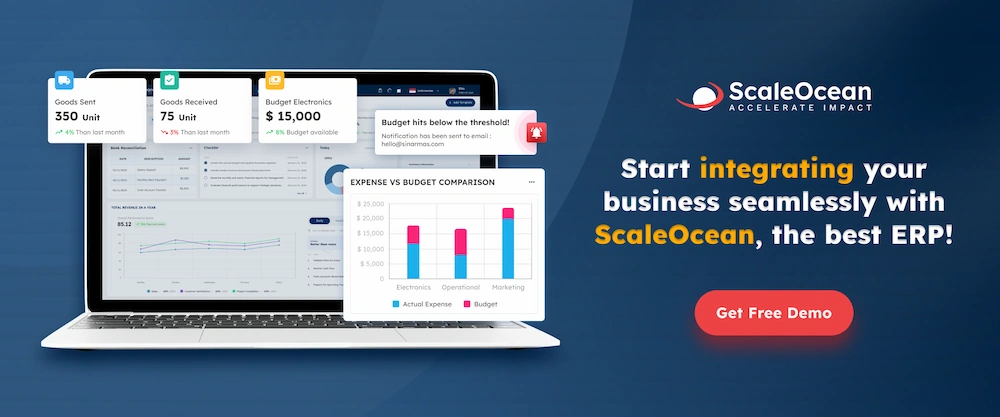
ESG software is a dedicated platform for managing sustainability information, overseeing ESG achievements, and generating required regulatory reports. It provides end-to-end aggregation, analysis, and reporting of data from all business functions.
Furthermore, ESG service software streamlines the calculation of sustainability metrics by automating data processing, producing reports in consistent, comparable formats, and providing data in line with established standards. Hence, companies can promote data integrity, enhance governance procedures, and run corporate sustainability programs more effectively.
Many organizations also leverage available business grants to accelerate ESG initiatives, reduce digital transformation costs, and improve long-term sustainability investments.
What is the Size of the ESG Software Market in Singapore Recently?
The ESG software market in Singapore is also expanding, as businesses enhance their ability to report on sustainability and comply with regulations. Increased investor demands for transparency and regional sustainability programs further drive the deployment of technology in a range of sectors.
The overall global market for ESG reporting software has grown rapidly due to rising reporting and disclosure demands and increased stakeholder oversight. This has led Singapore companies to adopt ESG service software that enables data transparency, better compliance management, and sustainable practices over the long term.
Singapore’s regulatory landscape has accelerated the adoption of ESG reporting software, particularly among listed companies. An EY study found that 96% of Singapore-listed companies had already commenced climate-related reporting for FY2023, compared with only 65% the previous year, reflecting the growing urgency to digitize sustainability reporting processes.
However, readiness remains a challenge. According to a joint study by PwC, SGX RegCo, and ISCA, 57% of Straits Times Index (STI) companies have adopted dedicated ESG service platforms, while many smaller listed companies still rely on manual spreadsheets for sustainability reporting.
Organizations using ESG software platforms generally collect data more frequently and establish stronger governance procedures, improving reporting accuracy and audit readiness.
Core Benefits of Using ESG Software for Singapore Businesses

More and more organizations in Singapore are embracing ESG software platforms to meet compliance requirements and expectations. This software not only streamlines reporting processes but also offers tangible operational, financial, and strategic benefits, ultimately boosting sustainable business success.
1. Mitigate Legal Risks
Environmental Social Governance (ESG) software enables organizations to adhere to evolving sustainability standards and reporting requirements. As a result, companies face a lower risk of breaching regulations and of being scrutinized by regulatory bodies, governmental agencies, and external watchdogs.
Automated validation processes also flag problems early, before reports get to regulators or investors. This enhances accountability, leading to greater confidence in the information companies provide and in their internal governance processes.
2. Accelerate Capital Access
Increasingly, investors consider ESG performance in funding and investment decisions. Hence, organizations with sound sustainability data can be transparent and credible in financial assessments.
Organizations implementing ESG initiatives should also establish effective grant management processes to maximize available funding opportunities and ensure compliance with grant requirements.
Additionally, ESG software platforms provide organized reports that quickly meet investor due diligence needs. As a result, companies can communicate their sustainability efforts effectively and increase their access to loans and sustainable investments.
3. Drastically Save Time
Manual ESG reporting can involve time-consuming coordination between team members, other internal groups, and even outside organizations. ESG software automatically pulls together and synthesizes data, and manages the reporting process, eliminating much of that admin work.
When central information repositories are available, teams don’t need to go back and forth collecting data from different sources. Consequently, sustainability professionals can focus more on improving performance rather than on handling spreadsheets or documentation issues.
4. Optimize Value Chains
ESG reporting software offers a clear view of sustainability performance by all suppliers, logistics companies, and processes involved in the company’s operations. This enables companies to pinpoint risks, inefficiencies, and areas for improvement throughout the value chain.
Furthermore, supplier ESG monitoring exclusively supports responsible sourcing programs and increases stakeholder confidence. As a result, businesses will be able to improve their resilience while meeting sustainability targets throughout their intricate supply chains.
Top 10 Market-Leading ESG Software Platforms in 2026
The ESG software market continues to evolve as organizations face stricter sustainability reporting requirements and increasing stakeholder expectations. Consequently, businesses should compare platforms based on compliance capabilities, automation, integrations, scalability, and long-term strategic value rather than pricing alone.
The best ESG software now extends beyond sustainability reporting to support carbon accounting, supplier engagement, governance, audit readiness, and business intelligence. Therefore, the following comparison highlights the ten best ESG software solutions based on their primary strengths and ideal business use cases.
| Software | Best For | Key Strengths |
|---|---|---|
| ScaleOcean ESG Software | Enterprises seeking an all-in-one ESG and business management platform | Integrated ESG, ERP, procurement, finance, HR, and operations in one platform, AI-powered workflow automation, customizable dashboards, unlimited scalability. |
| Workiva | Finance-driven enterprise reporting | Connected reporting environment, document collaboration, and support for common sustainability reporting frameworks. |
| IBM Envizi ESG Suite | Large organizations managing environmental data | Enterprise ESG data management, emissions monitoring, and analytics for complex operational environments. |
| Persefoni | Carbon accounting initiatives | Carbon emissions calculations and climate disclosure capabilities to support sustainability reporting requirements. |
| Watershed | Climate and decarbonization programs | Carbon measurement, sustainability reporting, and emissions reduction planning for organizations pursuing climate goals. |
| SAP Sustainability Control Tower | Companies using SAP solutions | Sustainability monitoring with native SAP connectivity and operational performance visibility. |
| Sweep | Organizations improving ESG collaboration | Sustainability data collection, supplier collaboration, and reporting workflows across business units. |
| EcoActive ESG | Businesses beginning ESG reporting | General ESG monitoring, compliance support, and sustainability reporting for growing organizations. |
| Greenview Portal | Hospitality businesses | Sustainability benchmarking and ESG performance monitoring tailored to hospitality portfolios. |
| ESGpedia | Asia-Pacific organizations | ESG reporting ecosystem supporting sustainability disclosures and regional collaboration initiatives. |
This comparison provides a high-level overview of each platform’s primary positioning and competitive strengths. However, the best ESG software ultimately depends on your organization’s reporting obligations, industry requirements, existing technology ecosystem, and sustainability maturity.
1. ScaleOcean ESG Software
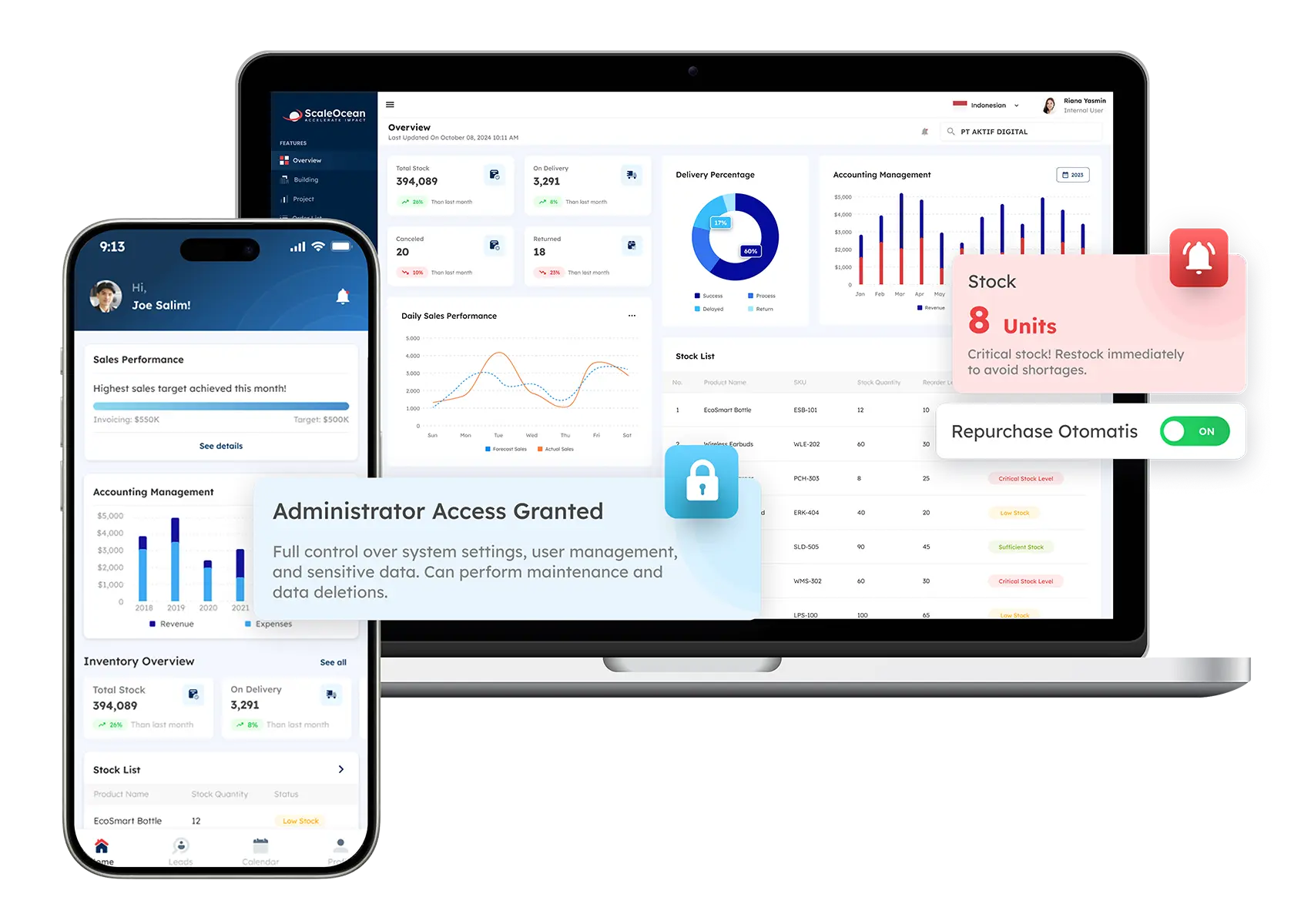
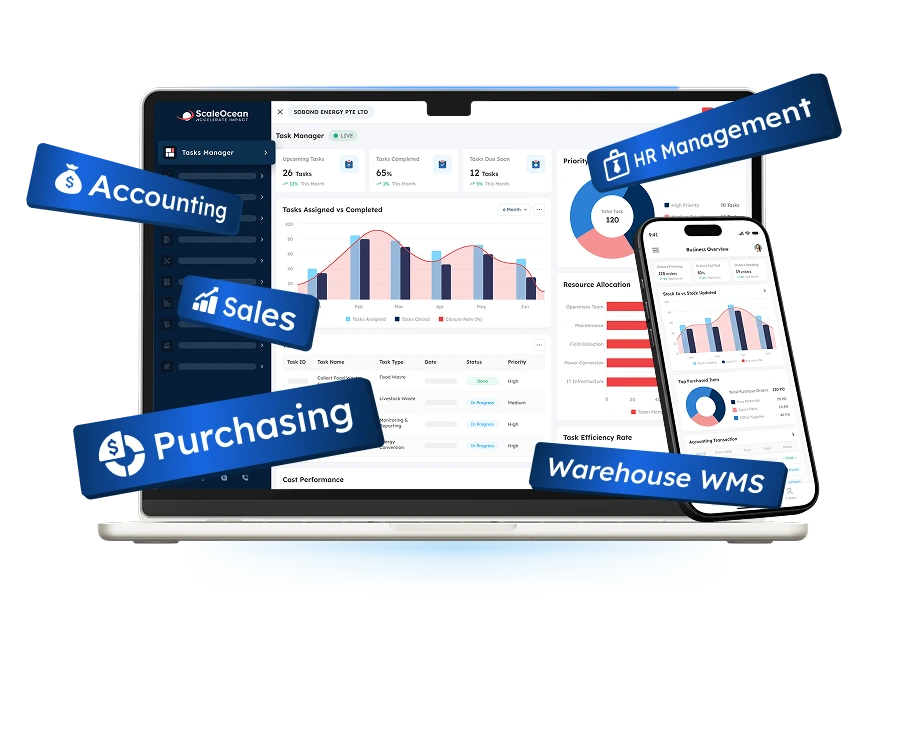
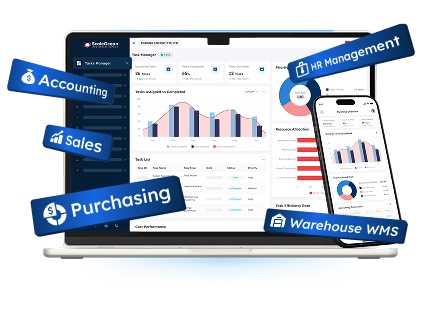
ScaleOcean ERP Software unifies ESG reporting, finance, procurement, HR, and operational data within a single platform, eliminating fragmented sustainability information across departments. Furthermore, Unlimited users, role-based approvals, dashboards, and flexible deployment enable secure collaboration with full ESG visibility.
Beyond ESG management, ScaleOcean is optimized for Singapore businesses through GST compliance and local financial reporting standards. Additionally, the platform supports organizations through the Enterprise Development Grant (EDG) and the CTC Grant, offering consulting, training, and transparent pricing to drive digital transformation.
Request a free demo of ScaleOcean today and discover how an integrated ESG platform can support your sustainability goals and business growth.
Key Features of ScaleOcean ESG Software:
- Automatic Carbon Calculator (Scope 1, 2, & 3): Calculates emissions automatically using operational data to simplify carbon reporting and improve accuracy.
- Carbon Tax Financial Management: Integrates carbon tax calculations with financial records to support budgeting and regulatory compliance.
- Energy and Resource Efficiency Monitoring: Tracks energy, resource consumption, and waste performance through real-time sustainability dashboards.
- Health, Safety, and Incident Management (HSE): Records workplace safety incidents and compliance metrics in a centralized management system.
- Multi-Framework ESG Reporting: Generates reports aligned with ISSB, GRI, SGX, and other major ESG reporting frameworks.
| Pros | Cons |
|---|---|
|
|
Best For: Medium to large enterprises seeking an integrated ESG platform that connects sustainability reporting with finance, operations, procurement, and compliance management. It is particularly suitable for Singapore organizations requiring scalable ESG governance alongside enterprise-wide digital transformation.
2. Workiva
Workiva ESG software helps organizations manage ESG disclosures alongside financial and governance reporting within a connected reporting environment. It primarily supports document collaboration, regulatory reporting, and centralized data management.
The platform also simplifies report preparation by connecting data across different business functions. However, organizations may require additional tools for broader operational sustainability management.
Key Features:
- ESG reporting workflows
- Collaborative document management
- Multi-framework reporting support
- Data linking and validation
| Pros | Cons |
|---|---|
|
|
Best For: Large enterprises that need to coordinate ESG, financial, and governance reporting across multiple departments. It is suitable for organizations seeking collaborative reporting workflows and standardized disclosures under multiple reporting frameworks.
3. IBM Envizi ESG Suite
IBM Envizi ESG software enables organizations to collect, analyze, and manage sustainability information from multiple operational sources. It focuses on emissions management, environmental performance, and enterprise ESG reporting.
The platform also helps businesses consolidate large datasets into centralized dashboards for monitoring sustainability performance. Therefore, it is commonly used by organizations with complex reporting requirements.
Key Features:
- Carbon emissions tracking
- ESG data management
- Sustainability dashboards
- Reporting automation
| Pros | Cons |
|---|---|
|
|
Best For: Large enterprises with complex operational structures that need to consolidate environmental and sustainability data from multiple business units. It is appropriate for organizations that manage large volumes of reporting across multiple locations or regions.
4. Persefoni
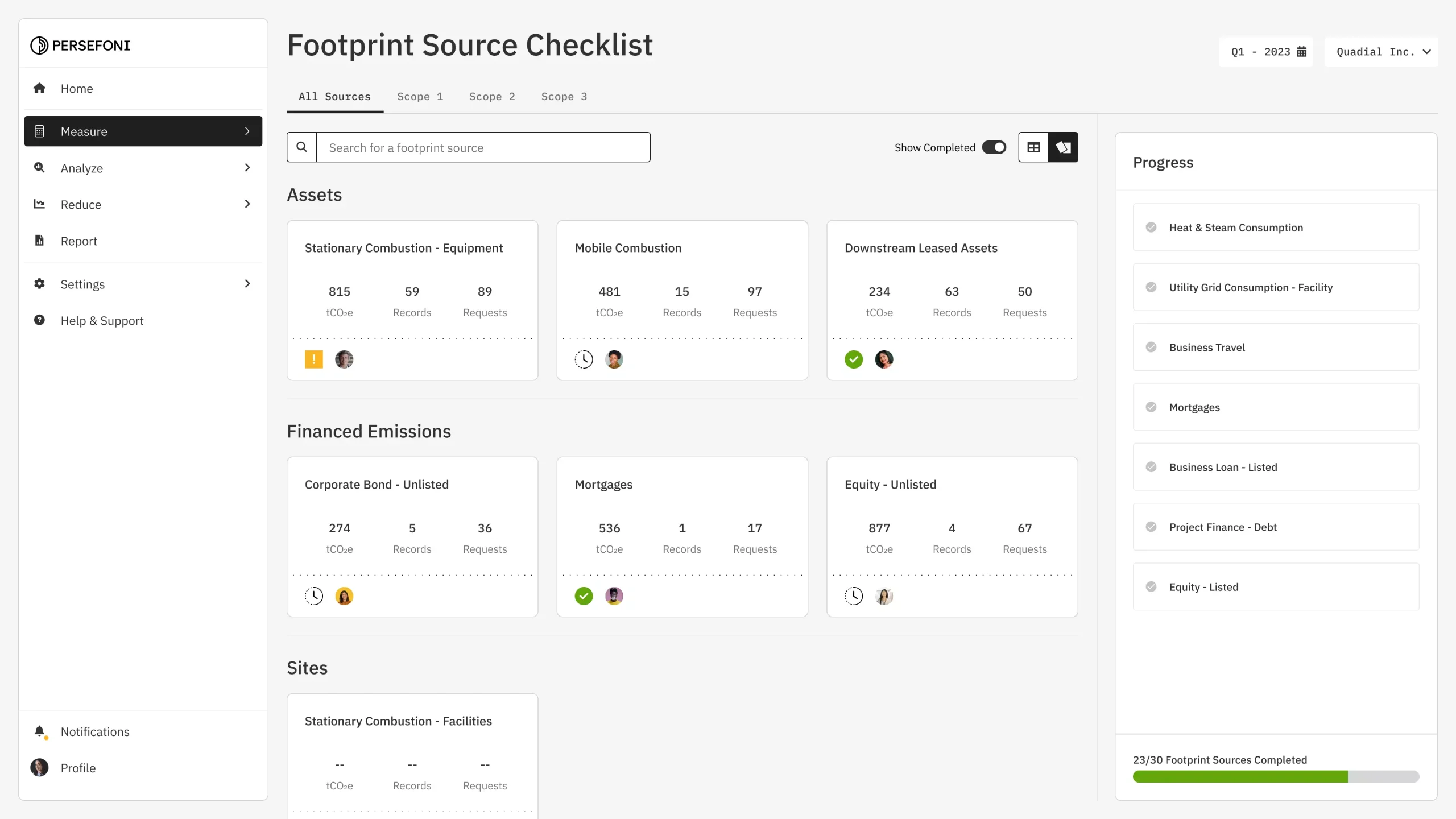
Persefoni ESG software specializes in carbon accounting and climate disclosure management for corporate sustainability reporting. It helps organizations calculate emissions and prepare standardized climate reports.
Additionally, the platform provides visibility into emissions across business operations and value chains. Its primary focus remains carbon management rather than broader enterprise resource planning.
Key Features:
- Carbon accounting
- Scope 1–3 emissions tracking
- Climate disclosure support
- Emissions analytics
| Pros | Cons |
|---|---|
|
|
Best For: Medium to large organizations that primarily focus on carbon accounting and greenhouse gas reporting. It is suitable for businesses looking to measure emissions accurately while supporting climate disclosure and decarbonization initiatives.
5. Watershed
Watershed ESG software helps organizations measure emissions, monitor sustainability performance, and support decarbonization initiatives. It emphasizes climate reporting and operational visibility into emissions.
The platform also enables businesses to collect supplier emissions data and monitor sustainability progress over time. However, its primary focus remains climate management rather than enterprise-wide business processes.
Key Features:
- Carbon footprint tracking
- Scope 3 management
- Sustainability reporting
- Supplier emissions monitoring
| Pros | Cons |
|---|---|
|
|
Best For: Medium to large businesses aiming to improve carbon management and monitor sustainability performance across their operations. It is suitable for organizations prioritizing emissions reduction and supplier sustainability engagement.
6. SAP Sustainability Control Tower
SAP Sustainability Control Tower ESG software extends sustainability management for organizations already operating within the SAP ecosystem. It centralizes ESG information and supports operational sustainability monitoring.
The platform integrates sustainability metrics with business processes to improve reporting consistency. Consequently, existing SAP customers can leverage familiar enterprise data across ESG initiatives.
Key Features:
- ESG performance monitoring
- Sustainability dashboards
- SAP data integration
- Compliance reporting
| Pros | Cons |
|---|---|
|
|
Best For: Large enterprises already operating within the SAP ecosystem that want to incorporate ESG monitoring into their existing business processes. It is suitable for organizations seeking centralized sustainability reporting alongside operational data management.
7. Sweep
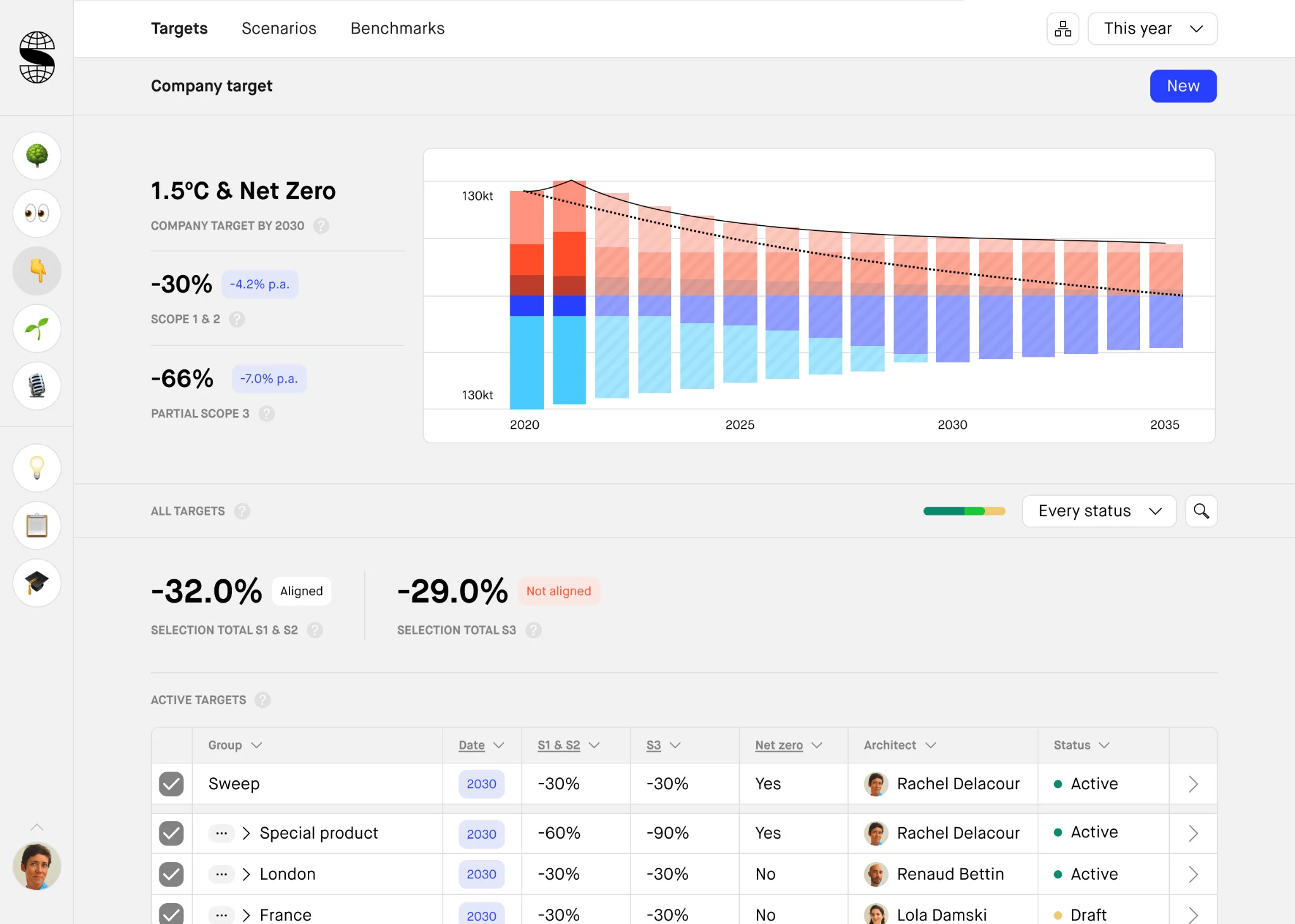
Sweep ESG software helps organizations collect sustainability data and monitor carbon emissions through collaborative reporting workflows. It focuses on emissions tracking, supplier engagement, and sustainability planning across business operations.
The platform also centralizes ESG information to improve reporting consistency and visibility. However, its capabilities primarily focus on carbon management rather than broader enterprise business processes.
Key Features:
- Carbon emissions tracking
- Supplier collaboration
- Sustainability reporting
- ESG performance dashboards
| Pros | Cons |
|---|---|
|
|
Best For: Medium to large organizations seeking a collaborative platform for carbon management and sustainability reporting. It is suitable for businesses that work closely with suppliers to improve ESG performance across their value chains.
8. EcoActive ESG
EcoActive ESG software helps businesses organize sustainability information and support ESG compliance through centralized reporting tools. It focuses on simplifying ESG data management and performance monitoring for growing organizations.
The platform also provides basic reporting capabilities that help businesses track sustainability initiatives more efficiently. Therefore, it can support organizations beginning or expanding their ESG reporting programs.
Key Features:
- ESG data management
- Compliance reporting
- Sustainability dashboards
- Performance tracking
| Pros | Cons |
|---|---|
|
|
Best For: Small to medium-sized organizations beginning their ESG reporting journey or improving sustainability compliance processes. It is suitable for businesses looking for straightforward ESG management without extensive enterprise-level complexity.
9. Greenview Portal
Greenview Portal ESG software supports sustainability management and benchmarking for hospitality and real estate organizations. It helps businesses monitor environmental performance and compare sustainability metrics across multiple properties.
The platform also provides reporting tools that improve visibility into resource consumption and operational sustainability. As a result, organizations can better evaluate ESG performance within property portfolios.
Key Features:
- Sustainability benchmarking
- Portfolio performance tracking
- Resource monitoring
- ESG reporting tools
| Pros | Cons |
|---|---|
|
|
Best For: Hospitality groups, hotels, and real estate companies that need to monitor sustainability performance across multiple locations. It is suitable for organizations seeking industry-specific ESG benchmarking and portfolio reporting capabilities.
10. ESGpedia
ESGpedia ESG software provides a digital platform for managing sustainability disclosures and ESG information across organizations and supply chains. It helps businesses organize ESG data and meet regional reporting requirements.
The platform also facilitates collaboration between companies and stakeholders through a shared sustainability ecosystem. Consequently, organizations can streamline ESG disclosures while improving information transparency.
Key Features:
- ESG disclosure management
- Supply chain collaboration
- Sustainability data platform
- Regional reporting support
| Pros | Cons |
|---|---|
|
|
Best For: Medium to large organizations operating across the Asia-Pacific region that need structured ESG disclosure management. It is suitable for businesses seeking to improve sustainability transparency and collaborate with supply chain partners.
Following the comparison of top ESG software tools, you can consider ScaleOcean for companies interested in both sustainability management and enterprise process integration. Instead of being a standalone ESG software, it integrates sustainability with business operations.
ScaleOcean ESG Software combines finance, procurement, HR, and operational systems into a single system to simplify ESG reporting and enhance data consistency. Book a free demo to learn how ScaleOcean can support your sustainability strategy and rapid digital transformation.

Key Capabilities and Features of a Modern ESG Software Platform
Contemporary ESG software integrates automatically analytical, reporting, and governance controls into a single platform. In this way, organizations can gain full control over their sustainability commitments while complying with continually evolving requirements.
1. ESG Data Collection and Validation Automation
Automation of ESG data collection reduces reliance on manual spreadsheets and disconnected reporting sources. ESG data can be collected directly from operational systems, business divisions, and external entities.
Validation mechanisms improve data quality by automatically uncovering missing and inconsistent data. As a result, businesses can have more confidence in their metrics and relieve the administrative burden of reporting delays.
2. Analytics Dashboard and ESG Performance Insights
Analytics dashboards are visual displays of data that firms use to represent key performance indicators and their performance context. Management teams can thus use this data to track the company’s sustainability performance by visualizing trends, historical comparisons, and key performance indicators.
In addition, continuous reporting helps the organization recognize new risks and opportunities for improvement sooner, enabling it to make better-informed decisions and ensuring that sustainable endeavors align with broader goals.
3. Multi-Framework ESG Reporting Support
Organizations often need to comply with multiple sustainability reporting frameworks simultaneously. So, the best ESG software facilitates reporting by translating an established set of data into various other framework specification rules.
This reduces duplication of efforts and ensures greater consistency across disclosures and across stakeholders. It also makes companies more flexible as their reporting requirements change over time.
4. Audit Trail, Data Governance, and Compliance Reporting
An extensive audit trail records all data submissions, updates, approvals, and reports. As a result, the department can track its operations and ensure transparency and accountability during audits.
Robust governance controls effectively enforce user access controls, permissions, and duties around reporting. From there, organizations lower operational risk and reinforce confidence among regulators, investors, and other stakeholders.
5. ESG Action Planning Beyond Reporting
Contemporary ESG software has gone far past just disclosure management to enabling ongoing programs of performance improvement. This has led to the turning of sustainability reporting into a strategic action plan for businesses with measurable results.
Teams can set and evaluate goals, delegate tasks, and track progress through one common platform. This makes sustainability programs more organized, more transparent, and consistent with the company’s goals.
6. Flexible and Scalable ESG Metrics Management
ESG criteria vary across different industries, business models, and organizations. Hence, the software platform should be flexible enough to align with individual sustainability factors and reporting.
Scalable systems enable a variety of expansion plans without requiring platform reconfigurations and do not impose new reporting requirements due to operational growth or changing regulations.
7. Integration with Existing Enterprise Systems
Integration features enable the best ESG reporting software to integrate with ERP, HR, procurement, finance, and operational systems. This helps organizations to reduce duplication of effort with data entry and enhance reporting.
Furthermore, interconnectivity enhances the overall view of sustainability performance, enabling decision-makers to receive trustworthy information to plan and manage the compliance process.
8. Data Security and GDPR Compliance
ESG platforms contain a large amount of critical operational, workforce, and supplier data. High levels of security controls must be in place to safeguard the data and maintain a high degree of stakeholder confidence.
The use of encryption, access controls, and other logging and auditing controls can enhance information security. In contrast, compliance with GDPR and other regulations can help organizations manage and limit their legal liabilities.
9. ESG Onboarding, Expert Support, and Customer Service
Efficient ESG implementation is not only about the software features. That is why onboarding processes and consultation allow organizations to fast-track and optimize the platform.
Responsive customer support can even help your team solve technical problems and report issues more easily. This way, companies protect reporting continuity while enhancing their internal sustainability capabilities.
10. Supply Chain ESG Data Management
Supply chain emissions and sustainability impacts often constitute a large component of an organization’s ESG footprint. As a result, companies need a structured approach to collecting and validating supplier sustainability data.
ESG software facilitates supplier engagement, data verification, and ongoing performance monitoring within a centralized environment. It allows companies to gain better visibility of their supply chains while enabling responsible sourcing and compliance programs.
How to Choose the Best ESG Software for Your Company?
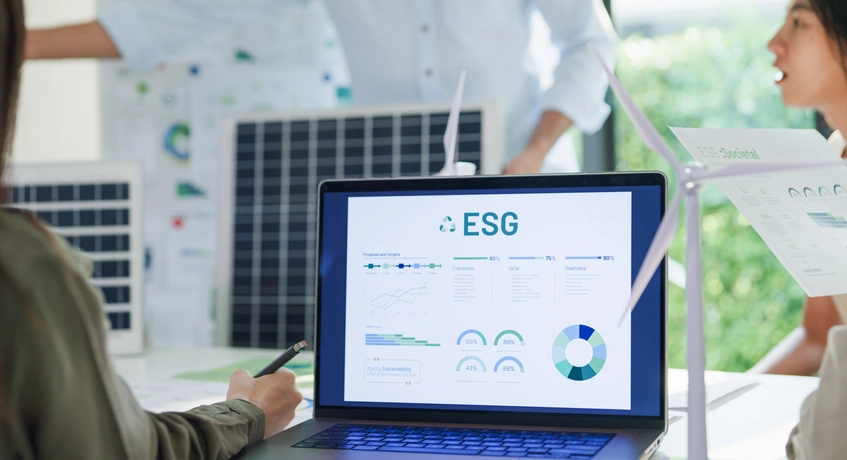
When choosing the best ESG reporting software, comparing features and price models is not the best approach. The focus should be on assessing a platform’s ability to enable compliance, manage data, deliver a scalable solution, and support sustainability goals in the long run.
A careful selection process enables companies to avoid costly implementation processes or reporting shortcomings down the road. Hence, they need to evaluate the best ESG reporting software on operational needs, stakeholder requirements, and upcoming regulations.
1. Define Your Reporting Frameworks and Compliance Needs
In the initial step, organizations should discover their obligated ESG criteria, rules, and disclosure platform. They can then find software that is easy to use and meets all their stipulated reporting requirements.
Additionally, companies should consider future compliance requirements rather than only current obligations. The underlying platform should enable organizations to easily comply with future regulations without requiring a platform overhaul.
2. Assess Data Ingestion and Integration Capabilities
The success of ESG reporting relies heavily upon data collected from various business systems and departments. Hence, businesses need to determine whether the software under consideration can integrate with ERP, HR, procurement, financial, and operational platforms.
Powerful integration features also minimize data entry and facilitate reporting consolidation across the company, enabling more efficient ESG management and greater confidence in the uniformity of sustainability data.
3. Verify Auditability and Financial-Grade Governance
ESG disclosures are beginning to come under the same level of scrutiny as financial reporting and compliance documentation. As such, companies should focus on systems with robust governance controls and comprehensive audit trails.
The software needs to automatically capture data modifications, approval logs, user activities, and evidence for records. This would enable the business to enhance transparency while minimizing the requirements for internal audit, external assurance engagements, and regulatory reviews.
4. Evaluate Scope 3 and Value Chain Mapping
Few companies find it difficult to track emissions and sustainability information from third parties and suppliers. So, evaluate whether ESG software provides for supplier engagement, verification mechanisms, and end-to-end supply chain transparency.
Sophisticated systems enable organizations to measure indirect emissions and monitor suppliers’ sustainability practices accurately. This optimization enhances Scope 3 reporting and responsible sourcing.
5. Compare Platform Specialisations
It is important to remember that not all ESG software reporting solutions address the same business issues or quantification requirements. Therefore, an organization should evaluate software providers based on industry applicability, compliance, and management functionality.
Certain solutions focus on disclosure reporting, while others prefer more comprehensive ESG performance management strategies. In turn, choosing a platform that fits the organization’s purposes can provide greater long-term and operational value.
6. Consider Usability & Scalability
Easy-to-use software adoption is ensured at the department level through efficient training that enables users to contribute to ESG data reports, helping the workforce maintain report consistency and productivity.
Singapore businesses should also evaluate whether an implementation may qualify under the Enterprise Development Grant (EDG) to reduce digital transformation costs while adopting enterprise ESG solutions.
Furthermore, they should also consider whether the platform can scale with their future business growth. As the drive for sustainability increases, expandable ESG software will enable companies to avoid limitations in their software systems and costly platform replacements.
Conclusion
ESG software enables organizations to automate sustainability reporting, improve regulatory compliance, and gain actionable insights from centralized ESG data. Choosing the right platform helps businesses strengthen governance while supporting long-term operational and sustainability objectives.
ScaleOcean ESG Software combines ESG management with finance, procurement, HR, and operational processes in one integrated enterprise platform. Furthermore, configurable workflows, enterprise scalability, and Singapore compliance support help organizations streamline reporting while improving business efficiency.
Book a free ScaleOcean demo to explore how the platform simplifies ESG reporting and supports your sustainability transformation. Our team will assess your business needs and recommend the best solution for your organization.
FAQ:
1. Which sustainability frameworks should ESG software support?
ESG software must support ISSB (IFRS S1 & S2), GRI, and SASB for global markets. European operations require ESRS under CSRD. US-focused firms need SEC climate rules and TCFD for climate risks. Support for the GHG Protocol is mandatory to compute Scope 1, 2, and 3 carbon footprints accurately.
2. Can ESG software help companies comply with CSRD, SEC, and GRI?
Yes, software automates compliance. It manages double materiality for CSRD, tracks mandatory carbon data for the SEC, and maps metrics to GRI indexes. Built-in audit trails secure data for third-party verification, while automated report builders eliminate manual errors to ensure strict regulatory alignment.
3. How do I choose ESG software based on company size and sector?
SMEs need simple, turnkey tools with automated GHG calculators. Enterprises require advanced platforms with API integration, audit trails, and multi-entity consolidation. Heavy industries (manufacturing, energy) need deep Scope 3 supply chain tracking, while financial firms must have robust portfolio analytics
4. Which sustainability frameworks should ESG software support?
1. GHG Protocol: Tracks Scope 1, 2, 3 carbon data.
2. GRI Standards: Focuses on global stakeholder impact.
3. ISSB (IFRS S1/S2): Delivers investor-grade financial data.
4. SASB & TCFD: Covers sector-specific climate risk.



















.png)