


Overseeing the operational, guest service, and staff functions within the hotel, resort, restaurant, or event planning industries is known as hospitality management.
The goals are to achieve the highest possible level of guest satisfaction and profitability, which is a field that combines operational and business skills. Hospitality management is an international field with numerous opportunities within sales, operations, and management.
There are still a lot of hospitality companies that are grappling with silo operations and inconsistent services. Hotels suffer from reservation inaccuracies, restaurants have trouble with staffing coordination, and tourism companies are always on their toes to accommodate the changing needs of tourists and the high demand of the season.
If you are not accustomed to the hospitality management industry, you will understand the importance of understanding the industry’s workings, so that you can better realize the benefits of structured coordination to minimize errors and ensure service consistency.
With a significant industry comes the need for good management. Also, we found data from MarketResearch that estimates the value of the hospitality market at $4.7T by 2025, expanding at a 7.7% compound annual growth rate (CAGR) to $9.1T by 2034.
In today’s competitive environment, companies need to improve the way they conduct their businesses, the performance of their employees, and the experiences of their customers.
So in this article, we’ll be looking at the definition of hospitality management and the main industries that drive the hospitality ecosystem.
 Key Takeaways
- Hospitality Management is the organising, planning, and supervising of services in accommodation, travel, and leisure, ensuring that these are both effective and satisfying for guests.
- Hospitality Management Responsibilities encompass the management of staff, finances, logistics, security, and service quality to provide efficient and quality service in a fast-paced environment.
- To be successful in Hospitality Management, you must have leadership ability, Communication Skills, Operational Discipline, Skills in utilizing technology, and an ongoing learning ability to respond to industry and Customer requirements.
- With integrated solutions, ScaleOcean Hospitality ERP Software assists companies to streamline their operation, enhance coordination, and provide uniform service in intricate hospitality settings.

What is Hospitality Management?
Hospitality management is the process of planning, organizing, and supervising services that provide accommodation, food, travel, entertainment, and leisure experiences while ensuring high levels of customer satisfaction.
Hospitality management answers the oft-repeated question, ‘What is hospitality management?’ which relies on arranging guests, processes, and services together to the customer’s satisfaction.
The concept of Hospitality management comprises the way of handling a few different operational regions in a way that guarantees a seamless, balanced hospitality rendering service.
The manager’s job is to ensure that employees work and that the service quality standards are maintained and guests’ needs are met, whilst ensuring the day-to-day activities are completed efficiently.
Throughout the business world, including in the hotel/hospitality field, there are systems and procedures that need to be structured to ensure consistency.
Programming complications, housekeeping coordination, dining services, and guest engagement must be carefully planned and managed for appropriate reservations management.
Core Industries and Sectors of Hospitality Management
Hospitality management refers to several interconnected industries dealing with the service and experience provided to customers. Each of the aspects plays a considerable role in shaping the hospitality environment.
- Lodging: Lodging is the main business in the hotel and tourism management business, which offers accommodation services such as hotels, resorts, hostels, serviced apartments, and more around the globe. The managers book accommodations, prepare the hospitality and housekeeping, and have people who can take care of the facilities and make guests feel comfortable and at home.
- Food and Beverage: The restaurant, coffee house, bar, catering, and hotel food and beverage business sector. The Hospitality Manager is responsible for coordinating the kitchen, scheduling staff, ensuring there is an adequate quality of the meals, and the service quality, such that guests have the same service quality whenever they dine at the hotel.
- Travel and Tourism: Includes travel agencies, airlines, cruise operators, and tour companies. The traveler’s trip is planned, coordinated with service, and communicated to the traveler by hospitality management.
- Events and Entertainment: Conference, concerts, exhibitions, and festivals. Their job is to allay all nerves, organize the event, get vendors, and handle guests to make events smooth.
- Wellness: The business of spiraling health and wellness, spas, wellness resorts, fitness retreats, and health-related hospitality. The treatments and activities are arranged, and guests’ experience is looked after by managers who help them to relax.
These areas highlight the integration and symbiosis among the different sectors that are all involved in services, comfort, and exceptional experiences for guests. The overarching hospitality management is the support they provide a business with coordinating affairs on various aspects of hospitality.
Hospitality Management Responsibilities

When it comes to hospitality management, there are four main areas a person would be involved in, which are overseeing the day-to-day operations of the hospitality business, ensuring that employees’ performance remains controlled, making a profit from the business, and improving the quality of customer service offered.
Both managers and coordinators are required to watch over and coordinate different departments, and departments must be in a position to provide the same level of quality service in all of the different operations occurring in the hospitality business.
All of the decisions leadership makes are directly associated with employee performance and customer satisfaction. It offers a tangible example of how leadership contributes to hospitality management at an operational level.
Because of the very dynamic environment within the hospitality industry, managers have to maintain a level of balance between the operations being efficient while maintaining customer quality service. Because of this, they manage the logistical, safety, market, and financial preparation required to provide that smooth service.
Staff Management
Staff management is the process of recruiting, training, scheduling, and managing staff within a hospitality organization to achieve the required service levels, procedures, and correct service etiquette.
All staff will be educated on the standards and procedures required and be knowledgeable in all customer service aspects, which will, in turn, streamline the entire establishment.
We found a survey from the Singapore National Employers Federation in 2025, almost 58% of employers had to limit their headcount, an increase from 50% in 2024. Smaller organizations (63%) are more likely to limit the headcount. Therefore, management is now more important to the industry.
It is very important to monitor staff performance, handle staff complaint issues as efficiently, and to promote strong internal communication. Consistent training and communication would contribute to guest experience consistency and resolve any staff problems early.
Customer Service
Service must also strive to provide a great experience when guests either visit or stay in a place. Ensuring staff respond quickly to guests, providing appropriate service that guests would like, and handling requests in the hospitality business gracefully.
In hospitality, managers must provide adequate training on guest dealing methods and service issues within the hotel, which must be resolved in the first place.
Furthermore, the organization gathers and reviews customer feedback to improve, and this ensures it is focused on customer experience while also improving performance and ensuring guests’ return.
Financial Oversight
Financial oversight refers to all revenue and costs being analyzed, as well as the business’s financial condition, and managers must monitor all financial key performance indicators to help the business remain profitable with consistent quality service.
Like making checks on financial situations and ensuring all costs and revenues are identified and tracked. Managers in hospitality can establish price strategies, discuss investment in resources, and consider operational developments.
Operations and Logistics
Higher-level functions and logistics, such as operational activities, which involve coordinating work across multiple areas of a hospitality business, require a plan that guarantees efficient operations and ensures that supply management, stock delivery, and coordination between departments will create great quality service by meeting guests’ demands.
This is achieved by planning what has to be delivered and when to the required department, and managing any other logistical demands.
Managers must be ready to manage the entire delivery of services for an excellent experience by supplying stock, equipment, and any other necessities at the correct time.
Safety & Compliance
Safety and compliance are legal requirements that relate to the provision of safety in hospitality through meeting legislation on food safety, ‘safe’ working environments, and business licensing laws and regulations.
A health and safety policy exists to guarantee the safety of employees and customers alike in the business. It ensures all legal and practical concerns regarding a business are complied with to reduce legal risks.
Budgeting
In terms of budgeting, an organization should take into account the various activities and actions that will form the basis of their finances being planned and monitored in hospitality.
Allocations are then put into different costs such as wages, maintenance, and other necessities used for operating the hospitality business.
Managers analyze actual spend to ensure they are meeting their budgets and also search for alternative ways to either increase profit or reduce spend as much as possible.
Spending management, otherwise known as budgeting, can therefore be considered the most crucial element of planning. The ability to successfully manage money is an important aspect in providing good service and making profitable progress in a hospitality-based organization.
Risk Assessment
A risk assessment is the process of identifying the threats that could affect the hospitality business. Threats range from operations, finances, seasonal demands, and many more, to anything affecting the business.
After the assessment of the potential threats in the organization is complete, the appropriate personnel will be instructed on measures that could prevent potential risks.
A proactive stance to managing threats greatly helps to make any organization resilient, especially in times when unforeseen risks can emerge.
Enforcing Health and Safety Standards
Managers are expected to set health and safety controls in the hospitality industry. For example, they would ensure standards in terms of food safety as well as proper cleanliness standards and room conditions.
Managers also train staff on how to make sure customers receive these levels of service on an ongoing basis, which then further contributes to lowering risks to health. This enhances its hygiene benefits and reduces threats.
Developing Marketing Strategies
Businesses within the hospitality industry can improve their performance by developing strategies to increase interest among customers and maintain satisfaction levels. With business data analysis, market trend examination, and examination of seasonal demand, managers will formulate promotions that have the best success rate for a hospitality business.
Use these assignments to generate attention for the hospital business or build relationships on social media with digital marketing. Create promotional efforts to get seen, as well as boost hotel occupancy. Failure to implement these correctly can cause hotels’ operations to shift off balance.
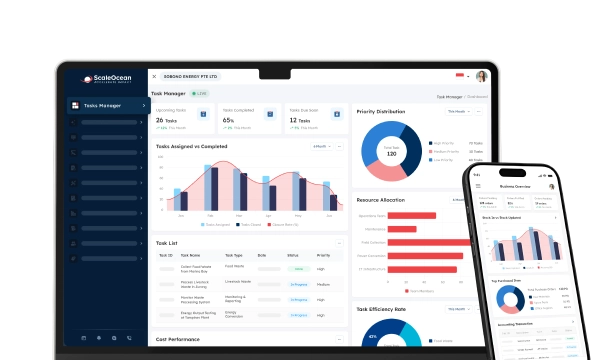
ScaleOcean’s Hospitality management software will automate all assignments and cover the different areas of this particular business with high efficiency, as shown with the ScaleOcean hospitality management software.
Smart features on ScaleOcean software will empower managers to simplify processes, detect bottlenecks, and deliver real-time visibility into scheduling, operations, and performance, helping guarantee that operations are running smoothly and the service quality is high.

What Essential Skills for Hospitality Management?
Hospitality management calls for the combined application of interpersonal, business, and technical competencies to successfully oversee operations and provide premium guest services.
Individuals pursuing hospitality careers will need to balance interpersonal skills with operational and strategic understanding.
Such skill sets enable managers to lead teams, preserve the standards of service, and adjust to evolving guest demands. Since the hospitality industry accommodates clients from all over the world, managers will need effective communication while effectively managing their operational activities.
- Interpersonal Skills: Developed and utilized emotional intelligence, listening intently and cross-culturally to interact with diverse guests and business partners. Problem-solving the diverse types of complaints and issues will allow professionals to provide an enjoyable experience that fosters customer loyalty and satisfaction even during high-stress environments.
- Business Management Skills: Namely, financial acumen, marketing knowledge, and critical reasoning are critical for analyzing performance trends, reducing expenditures, and developing viable promotional activities. These attributes play a vital role in establishing viable strategies and maintaining competitiveness in a rapidly globalizing and thriving industry.
- Technical Skills: Refer to competence in managing and using sector-specific instruments, for example, reservation systems, hotel management programs, and property management software. These devices assist businesses in organizing bookings and information regarding guests and managing operational procedures efficiently.
Human capability is essential when managing hospitality, but without an effective system for interconnectedness and coordination, not all processes can be achieved. This is where many hospitality companies are today, integrating platforms for the reduction of manual labor and errors.
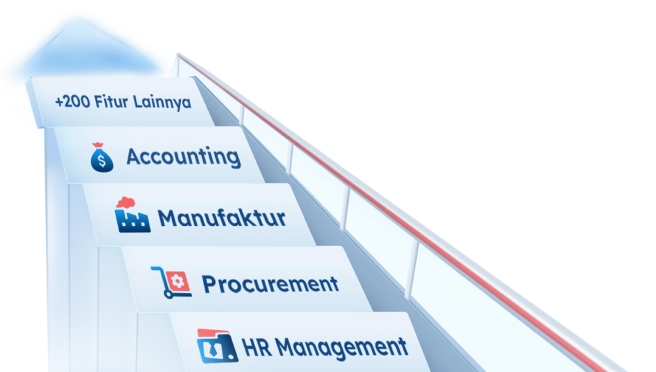
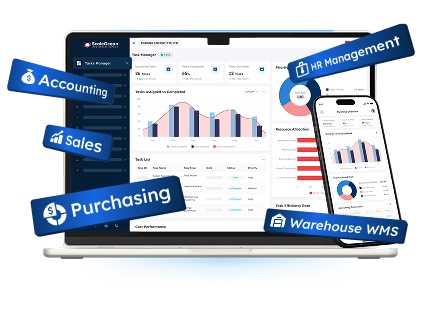
ScaleOcean hospitality ERP software offers customizable functionalities that you can adapt according to the needs of your industry. The ERP system provides central reservation management, inventory control, automated financial reporting, management over multiple branches, and workflow automation to increase speed while allowing you to focus on making smart decisions as a manager.
What is the Difference Between Hospitality Management and Hotel Management?
Hospitality management and hotel management differ from one another since hospitality management pertains to the larger service industry, while hotel management pertains to operational processes associated with hotel properties and lodging businesses.
Hospitality management is related to the sectors of travel, leisure, dining, events, and wellness services, whereas hotel management is tied to bookings, guest amenities, and cleaning, and uses the best hotel management software systems to coordinate tasks.
Due to the vast reach of sectors addressed by hospitality management professionals often find themselves managing many and various experiences from customers.
Hotel management professionals will instead find that they are more centered on a given accommodation’s operational flow and the comfort it offers the guest.
Both sectors aim for efficiency in their respective operational endeavors and the achievement of pleasant guest experiences, yet often hospitality professionals begin in the more specific field of hotel management before extending to the wider scope of hospitality management.
5 Must-Know Tips for Success in Hospitality Management

In the hospitality industry, it is vital to balance the high quality of service provided, the efficiency of the business operation, and how effectively it is being managed. It’s the job of a Hospitality Career Professional to know what is trending in the market and to keep updated with continuing training on soft skills.
Business enterprises providing hospitality services are in a rapidly changing environment with swift changes in customers’ desires and demands.
For this reason, professionals working in the hotel and hospitality sectors should be flexible about their management styles in order to consistently provide excellent quality service and maintain a business operation as effectively as possible.
Consequently, strong managers, those who manage in a controlled manner and who are proficient in technology, will always have an advantage over the long term. The accounts below will provide tips that will achieve the highest standard of development in the hospitality management sector:
1. Master Soft Skills
Every profession within the hospitality sector should have a high level of soft skills, as people working within this trade should ideally be equipped for close interaction regularly with guests, fellow colleagues, and partners.
Employees and supervisors must maintain clear communication, pay adequate attention, and show empathy when dealing with guests’ concerns.
The positive influence of emotional intelligence is also highlighted in how the management of stressful scenarios and the quality of service provision are maintained.
Through the mastery of soft skills, hospitality managers foster excellent relationships between workers that enable efficient operations and higher guest satisfaction.
2. Lead by Example and Empower Your Team
As a leader, you need to set a high standard of service in the whole organization by being a good role model to your staff. When you demonstrate discipline, a strong work ethic, and professionalism, your employees will eventually be motivated to follow your example.
By the same token, operational improvement can also be achieved through employee empowerment. Managers who empower employees to initiate actions and trust their ability and knowledge would have well-motivated employees and be able to produce great guest experiences.
3. Embrace Technology as a Strategic Tool
Technology has been a significant part of modern hospitality management. Businesses use digital tools to efficiently manage reservations, customer data, inventory, and service coordination.
Improving operations, businesses are looking for hospitality software to support the entire operation, especially in reservations, property management, and guest services, all in one unified system.
Nowadays, most hospitality businesses adopt these systems to minimize manual effort and errors. Therefore, hospitality management companies must choose the right software that will streamline the entire operation process.
ScaleOcean is one of the leading vendors that offers all-inclusive software for increasing operational efficiency, ensuring data privacy, and enhancing guest experience through unique functionalities.
ScaleOcean hospitality ERP system supports end-to-end process management and ensures PDPA compliance with strict data encryption & “right to be forgotten” capabilities.
Its features of AI-driven dynamic pricing and STB EVA integration allow for rapid electronic passport authentication through a direct immigration channel.
4. Implement SOPs
Standard operating procedures (SOPs) enable businesses to run day-to-day operations consistently. Procedures in hospitality organizations provide employees with clear instructions on handling the reservations, service process, guest complaints and procedures on security and safety issues.
By developing and implementing standard operating procedures, managers reduce confusion in operational processes and raise the consistency level of services offered to guests. The well-defined procedures also ensure clarity for the employees in carrying out their tasks.
5. Commit to Continuous Learning
As the industry constantly evolves, continuous learning enables hospitality professionals to remain competent and adaptable in an increasingly competitive environment. Continuous learning helps them keep abreast of changing customer demands, new technologies, and developing service standards.
This continuous learning comes in various forms, such as further professional training, industry certification, and reflecting and learning from their operational experiences.
By continuously improving knowledge and skills, the hospitality managers will gain more competence in leading a successful hospitality business operation.
Conclusion
The practice of hospitality management is very important to ensuring the quality of service, efficiency of operation, and satisfaction of guests in a hospitality business.
By carefully managing staff, operations, finances, and guest relationships, professionals in hospitality careers can also help a business maintain a competitive advantage in today’s global market and rapidly developing hospitality industry.
As the complexity in the operations grows, hospitality businesses today are adopting all-inclusive systems for greater coordination and reduced errors.
A hospitality management solution like ScaleOcean hospitality software has been employed to simplify and streamline the operations process, including reservations, service management, and operational workflows within the sector.
Find out more and request your free demo now to explore how ScaleOcean hospitality software can help to elevate your hospitality management and transform the daily operation to new levels of efficiency and guest satisfaction.
FAQ:
1. What is a specific degree program in hospitality management?
A hospitality management degree is a business-focused program that prepares students to manage hotels, restaurants, tourism, and events. It combines courses in operations, marketing, finance, and customer service with practical training or internships.
2. What is the main work of hospitality management?
The main work of hospitality management is overseeing daily operations while ensuring guests receive excellent service. Managers supervise staff, manage budgets, coordinate departments, handle complaints, and maintain service quality across facilities.
3. What is the main focus of hospitality management?
The main focus of hospitality management is delivering outstanding customer experiences while maintaining efficient and profitable operations. It balances guest satisfaction with staffing, finances, and service coordination across hospitality businesses.
4. What are the 7 rules of hospitality?
1. Self-awareness: Know your strengths to serve confidently.
2. Guest awareness: Notice and understand guest needs.
3. Connection: Build genuine bonds.
4. Authenticity: Be honest and caring.
5. Anticipation: Meet needs before they’re voiced.
6. Alignment: Match actions with values.
7. Presence: Stay fully engaged with guests.























.png)