



AI in Procurement involves leveraging artificial intelligence to streamline, evaluate, and enhance procurement processes. Currently, many companies face time-consuming and inefficient manual processes.
Further, procurement departments can spend an excessive amount of time manually managing approvals, invoice verification, and vendor communications. As a result, efficiency plummets and turnaround times lengthen, leading to delays across operations, finance, and supply chain management.
What’s more, siloed procurement data results in poor visibility into spending patterns. These affect the ability to cut costs, avoid overspending, and make timely decisions that prioritize supplier relationships and strategic sourcing.
Moreover, procurement teams face increasing pressure to modernize operations and reduce manual workloads. According to the data found by our team from Market.us, the global AI in procurement market is expected to reach USD 22.6 billion by 2033, growing from USD 1.9 billion in 2023 at a 28.1% CAGR, showing strong investment in automation.
Thus, implementing AI in procurement allows companies to automate routine processes and enhance data-driven strategies. To fully realize these advantages, in this article, we will understand what AI in procurement is, why it matters, and how it supports modern purchasing operations.
 Key Takeaways
- AI in procurement is the use of smart algorithms and automation technologies to streamline purchasing activities.
- AI in procurement is important because it improves visibility, strengthens supplier relationships, reduces operational risks, and supports faster purchasing cycle completion.
- Types of AI in procurement include machine learning, natural language processing, and automation tools that enhance operational accuracy.
- AI in procurement provides benefits such as improved efficiency, cost optimization, better risk management, and stronger data-driven supplier relationships.
- ScaleOcean’s AI in procurement helps organizations automate sourcing, improve visibility, reduce risks, and streamline purchasing workflows through an integrated intelligent platform.
What is AI in Procurement
AI in procurement is the use of smart algorithms and automation technologies to streamline purchasing activities. The solutions crunch data, identify trends, and help make quick decisions across sourcing, purchasing, and vendor management.
Also, AI systems integrate with other enterprise systems to automate approvals, categorize transactions, and detect anomalies in spending patterns. This gives procurement teams real-time visibility while eliminating time-consuming activities that involve human verification and coordination.
Why is AI in Procurement Important?
AI in procurement is important because it helps increase speed and eliminate human error. Companies with extensive manual processes tend to experience bottlenecks, redundant tasks, and data inconsistencies in their procurement processes.
Moreover, AI improves financial control with reliable spending and supplier insights. This enables better decision-making, allowing for negotiations on better contracts, risk management, and supplier relationships over longer procurement life cycles.
How is AI used in the Procurement Process Today?
Currently, procurement professionals leverage AI to automate approval processes and manage purchase orders. This helps speed up requests, providing quicker responses while remaining compliant with company policies and approval levels.
What’s more, AI analytics systems track supplier performance and purchasing patterns. As a result, risks are detected more quickly, sourcing strategies are fine-tuned, and procurement decisions are made with greater confidence based on insights derived from operational data.
Furthermore, AI-based communication systems aid in vendor interactions with automated replies and request management. It enhances responsiveness and reduces communication errors, enabling procurement teams to build stronger vendor relationships without overwhelming them with administrative tasks.
What are the Types of AI in Procurement?
Various types of AI procurement technologies support procurement processes in overcoming specific challenges. These technologies target specific activities, allowing businesses to increase the efficiency, accuracy, and effectiveness of their procurement strategy execution across different departments.
Here are the key types of AI technologies currently employed in procurement. This knowledge helps organizations choose appropriate technologies to fit their operational requirements, budget, and long-term digital transformation goals.
1. Machine Learning (ML)
Machine Learning enables procurement systems to learn from past purchase patterns automatically. Over time, these systems improve accuracy, enabling businesses to forecast demand and manage inventory purchasing processes effectively.
Further, ML algorithms identify anomalies in spending patterns and supplier performance. As a result, procurement professionals can proactively manage risks and detect savings opportunities that simultaneously enhance their bottom line and supplier relationships.
2. Natural Language Processing (NLP)
Natural Language Processing enables procurement software to process human language in emails, contracts, and supplier correspondence. This feature streamlines document processing while enhancing the accuracy of extracting important contractual and operational data.
In addition, NLP enables automated vendor communications via chatbots and chat responses. This allows procurement teams to communicate more quickly and efficiently with vendors while delivering standardized responses to questions, enhancing communication between procurement and vendors.
3. Robotic Process Automation (RPA)
Robotic Process Automation (RPA) automates routine procurement tasks such as invoice management, data entry, and purchase order creation. Automating manual tasks allows companies to speed up processes and eliminate errors.
Furthermore, RPA enhances process consistency by performing tasks according to rules without tiring or slowing down. As a result, procurement professionals have more time and energy to focus on innovative sourcing and supplier relationship management.
4. Deep Learning (DL)
Deep Learning (DL) improves procurement analytics by analyzing large volumes of data and discovering intricate patterns. These models enhance forecasting accuracy, enabling businesses to predict demand fluctuations better and prepare accordingly.
Further, DL enhances risk management by simultaneously examining supplier and transactional patterns. As a result, procurement teams can detect potential risks early and ensure supply chain continuity and operational efficiency by reducing unexpected disruptions.
5. Agentic AI
Agentic AI systems are intelligent systems that can perform tasks automatically and make context-aware decisions. This type of AI orchestrates procurement processes such as supplier selection, negotiation support, and order modifications without human intervention.
Moreover, Agentic AI procurement enhances responsiveness by responding to dynamic circumstances in real time. As a result, procurement managers benefit from accelerated decision-making support while maintaining steady control over workflows, resource planning, and supplier relationship management strategy.
6. Robotic Process Automation (RPA)
In extended procurement, RPA also facilitates interdepartmental processes, including financial reconciliation and compliance checks. Through system integration, companies achieve seamless data exchange between the purchase and accounting departments.
Furthermore, RPA improves reporting by automatically generating procurement data in a consistent format. Thus, decision-makers receive information promptly while reducing inconsistencies that may affect the accuracy of financial reporting and transparency across departments.
7. Optical Character Recognition (OCR)
Optical Character Recognition automatically digitizes printed or scanned procurement documents. It speeds up invoice processing and contract digitization, and minimizes the need for manual data entry and verification.
Further, OCR facilitates data integration with analytics platforms by making data searchable and accessible. Thus, procurement teams stay organized, and compliance, audit trail, and documentation accuracy are enhanced.
Generative AI in Procurement

Generative AI for procurement is a type of artificial intelligence that automatically generates content, recommendations, and procurement insights. These models don’t just automate processes, but generate replies, write documents, and make procurement decisions based on historical procurement and supplier data.
And procurement teams are increasingly using generative AI procurement to speed up documentation and enhance sourcing initiatives. As a result, teams can create messages to suppliers, create sourcing scenarios, and assess procurement needs without investing too much time writing.
Further, generative AI fosters collaboration between procurement, finance, and suppliers with consistent documentation generated at speed. This feature ensures consistent communication and prevents misinterpretations that may arise when procurement teams manually prepare procurement documents across departments.
So, companies use generative AI procurement and the best e-procurement software to boost efficiency and accelerate procurement processes. Through automation and intelligent document generation, companies can ensure operational accuracy while adapting to market dynamics and supplier needs.
How Does it Work?
Generative AI operates by processing large datasets, such as procurement data, supplier agreements, and historical transaction data. These models can identify patterns and connections, allowing them to automatically generate procurement recommendations, summaries, and insights when prompted by users.
Moreover, the system uses sophisticated models that learn and refine their procurement recommendations as additional data becomes available. This ensures that procurement professionals receive better suggestions over time while allowing them to adjust procurement strategies to operational needs.
AI in Procurement Use Cases
AI enhances procurement operations in several areas, providing visibility and supporting decision-making. These AI in procurement use cases show how companies use smart technologies to streamline procurement processes and ensure compliance and accountability with suppliers.
AI in procurement use cases is growing as procurement teams seek opportunities to improve efficiency and reduce costs. Using AI to automate routine processes can help companies streamline their operations and enhance strategic sourcing programs and procurement performance.
1. Spend Classification and Analysis
AI-powered spend classification classifies procurement expenditures. This removes the need for manual coding and ensures the appropriate classification of expenditure across the business, enabling faster financial reporting and consistent insights into procurement trends.
Moreover, analytics platforms detect anomalies and reveal areas for cost savings. As a result, procurement managers have insights that aid in supplier negotiations, and budgets are managed to align with the company’s financial goals.
2. Risk & ESG Monitoring
AI improves risk and environmental, social, and governance monitoring through ongoing analysis of supplier performance metrics. This enables businesses to identify potential compliance risks, ethical issues, or sustainability breaches that may impact supplier relationships in the long term.
Moreover, real-time monitoring systems monitor supplier certifications and regulatory developments. This ensures procurement teams stay compliant and responsible throughout the sourcing process, in line with corporate sustainability objectives and industry standards.
3. Contract Management
AI contract management systems interpret legal documents and extract key clauses. This eliminates the need for manual contract review and provides a clearer understanding of renewal dates, terms, and risks for supplier contracts.
Additionally, procurement teams receive notifications on contract milestones and performance targets. As a result, businesses eliminate missed deadlines, enhance supplier accountability, and ensure contracts align with operational and financial targets at all times.
4. Global Sourcing Strategy
AI enhances global sourcing strategies by assessing supplier markets and comparing price variations across regions. These insights inform supplier selection and minimize risks related to sourcing materials from new regions.
Moreover, predictive analytics simulate supplier scenarios and assess potential risk factors in global markets. Consequently, procurement managers build robust sourcing strategies to ensure continuity of supply despite varying economic conditions or geopolitical risks that affect supplier availability.
5. Guided Buying
Guided buying solutions leverage AI to suggest preferred suppliers and purchasing channels. This guidance helps ensure compliance with procurement policies and minimizes rogue purchases that can increase risk and waste.
Further, AI-based recommendations make purchasing easier by suggesting appropriate product alternatives based on criteria. As a result, procurement managers ensure compliance while enhancing end-user experience by streamlining procurement workflows and approvals.
6. Intelligent Sourcing & Supplier Management
AI enables intelligent sourcing by assessing supplier capabilities, past performance, and pricing. This assessment allows procurement professionals to identify trusted partners and avoid the risk of sourcing from inefficient suppliers in strategic sourcing efforts.
In addition, AI is used by supplier management systems to track communication and service levels. Consequently, companies build strong supplier relationships and detect potential issues in supplier performance before they become major operational problems.
7. RFX Creation
AI streamlines the generation of the request-for-information, request-for-quotation, and request-for-proposal documents. This software creates standardized templates based on procurement requirements, saving time spent drafting sourcing documents manually, while maintaining consistency across sourcing documentation processes.
Further, AI systems suggest criteria and questions for suppliers based on procurement goals. Thus, procurement managers expedite vendor selection while ensuring fairness, transparency, and adherence to procurement practices.
8. Supplier Risk Management
AI enhances supplier risk management through continuous monitoring of financial, operational, and compliance factors. This enables early detection of risks, thereby reducing potential disruptions in procurement schedules and supply chain stability.
Moreover, predictive analytics systems forecast supplier failures using historical data and market signals. As a result, procurement managers develop risk mitigation strategies and ensure business continuity while containing costs arising from supplier risks.
9. Procurement Compliance
AI enhances procurement compliance by automatically tracking transactions against policies and regulations. This strengthens procurement risk management by ensuring that purchasing activities align with corporate rules while significantly reducing the risk of fraud.
Moreover, AI-powered compliance reporting systems automatically create audit trails. As a result, procurement teams remain transparent while streamlining audit processes and ensuring consistent compliance with regulatory requirements.
10. Data Extraction
AI-driven data extraction extracts data from invoices, purchase orders, and supplier documents with precision. This eliminates data-entry tasks, accelerates document processing, and reduces errors caused by repetitive transcription.
Further, data extraction enables seamless integration with reporting and corporate systems. This enables procurement professionals to retrieve accurate data more quickly while maintaining records that support accurate financial reporting and analysis.
11. Autonomous Sourcing
Autonomous sourcing leverages AI to source suppliers, evaluate bids, and make purchasing recommendations. This frees up time to focus on other assessment activities, accelerates sourcing processes, and enhances procurement agility in responding to business needs.
Additionally, autonomous solutions continually learn to improve sourcing decisions based on past experiences and outcomes. As a result, procurement teams enjoy better supplier selection while retaining the agility to respond to operational changes in sourcing strategies over time.
Examples of AI in Procurement
AI in procurement is deployed in specific AI in procurement use cases that address common procurement problems. These AI in procurement examples show how smart technologies convert manual procurement processes into automated ones and enhance procurement by improving efficiency, accuracy, and transparency.
Additionally, the examples demonstrate how procurement leaders can envision integrating AI into existing systems without disrupting processes. Through practical AI in procurement examples, organizations can better understand the expected improvements and outcomes from their structured approach to implementing AI.
1. Machine Learning in Spend Classification
Machine learning aids in spend classification by automatically categorizing procurement data into a standardized classification based on past procurement history. It reduces manual classification and enhances consistency in procurement reporting between departments and financial management practices.
Also, procurement professionals leverage these insights to understand spending patterns and spot wasteful purchasing practices. As a result, companies negotiate supplier contracts and pool procurement volumes to secure competitive pricing and enhance cost control measures within procurement processes.
2. Capturing Supplier and Market Data with AI
Automated data capture via AI scans websites, databases, and public sources for supplier and market information. This ongoing data capture enhances supplier identification while enabling procurement teams to better track market dynamics and price trends over time.
Also, real-time data capture allows companies to react swiftly to supply chain disruptions or opportunities. This allows procurement leaders to develop sourcing strategies and adapt supplier relations based on timely and accurate market intelligence.
3. Anomaly Detection
AI-based anomaly detection systems identify procurement anomalies that deviate from expected spending patterns. They track invoices, purchase orders, and prices in real time, ensuring that anomalies are promptly detected before they become substantial financial risks.
Additionally, anomaly detection systems enhance data integrity by automatically identifying duplicate invoices or price fluctuations. As a result, procurement teams avoid financial losses, ensure transparency in procurement transactions, and strengthen internal controls to mitigate operational risks and inefficiencies.
What are the Benefits of AI in Procurement?
AI offers tangible gains in procurement performance through greater operational and financial transparency. Companies adopting AI solutions can accelerate processes while consistently ensuring compliance with procurement policies and supplier contracts.
Moreover, these value propositions go beyond cost savings to strategic value. Enhanced supplier relationships and risk management enable procurement teams to spend more time on strategic sourcing, supporting effective growth and sustainability across the business.
1. Efficiency & Automation
AI boosts productivity by automating routine procurement processes such as invoice processing, order verification, and supplier communication. This relieves manual burden and enables procurement professionals to consistently engage in strategic sourcing and supplier relationship-building activities.
Also, automation enhances the speed and efficiency of procurement processes. As a result, businesses expedite procurement cycles while ensuring consistency in approval processes, documentation, and supplier engagement across different departments.
2. Cost Savings & Optimization
AI enables cost savings by detecting purchasing inefficiencies and suggesting purchasing optimizations. This enables procurement to successfully negotiate contracts with suppliers and avoid high costs across operational purchasing activities.
Moreover, optimization tools monitor supplier pricing and historical purchasing volumes. This way, companies can keep procurement costs competitive and ensure that procurement resources are optimally distributed across departments and projects.
3. Risk Mitigation & Management
AI enhances risk mitigation and management by detecting early signs of supplier default and compliance breaches. Real-time monitoring provides procurement teams with early warnings about unusual activities that could lead to expensive operational disruptions impacting supply continuity.
Further, predictive analytics aids in proactive decision-making by analyzing supplier performance trends. As a result, businesses have resilient supply chains and mitigate financial risks linked to supplier performance variability and market uncertainty.
4. Fact-Based Supplier Relationships
AI enhances supplier relationships with objective performance metrics and communication metrics. Procurement professionals work with objective, measurable data, not speculation, to evaluate suppliers fairly, objectively, and contractually over time.
Moreover, evidence-based relationships motivate suppliers to perform well consistently. In turn, businesses collaborate and develop trust with partners who consistently meet delivery schedules, agreed-upon pricing, and quality criteria in procurement engagements.
5. Enhanced Decision-Making
AI supports decision-making by converting procurement data into insights using predictive analytics and reporting. These tools enable quicker supplier assessments and mitigate risks associated with procurement decisions.
What’s more, predictive analytics models simulate procurement scenarios and predict outcomes. As a result, procurement leaders make better decisions while consistently aligning procurement strategies with financial goals and business priorities.
Turning procurement benefits into measurable operational results requires the right software to support it. Solutions like ScaleOcean’s AI help organizations translate AI insights into streamlined workflows, enabling faster adoption while maintaining consistent procurement visibility across departments.
With ScaleOcean’s AI in Procurement, businesses gain integrated spend analysis, automated sourcing workflows, and structured implementation aligned with CTC grant eligibility of up to 70%. Request a free demo today to explore how your procurement team can accelerate results.
Steps for Adopting AI in Procurement
Businesses implement AI in procurement through strategic plans that integrate technology with procurement objectives. These approaches limit risks of disruption and ensure seamless integration with procurement processes and enterprise systems.
Moreover, a structured approach helps ensure AI projects achieve results without adding complexity. Through structured steps, companies ensure maximum return on investment, enhance procurement performance, and sustain stakeholder trust in their change management processes.
1. Map & Audit
This includes careful mapping and auditing of procurement processes. Teams identify routine tasks, manual processes, and data silos that hinder efficiency, providing a basis for effective planning of AI implementation projects.
In addition, procurement data audits identify inconsistencies that need to be addressed before automation. As a result, companies enhance the quality of their data while ensuring that AI is trained and fed reliable data that supports uniform decision-making within procurement processes.
2. Identify Areas for Automation
With process mappings, procurement teams identify the best areas for automation. It often includes invoice processing, purchase order (PO) approvals, and supplier communications that usually take too much time to manage.
Moreover, focusing on processes with high return on investment (ROI) yields quicker gains during the initial implementation phases. This enables a quick return on investment and builds momentum among stakeholders to support continued digital transformation in procurement departments.
3. Select Tools
The choice of AI tools must consider integration with existing enterprise systems and business processes. Companies compare functionality, integration, and scalability to ensure chosen technologies align with ongoing procurement performance goals.
Further, decision-makers should seek vendor management software and deployment advice when selecting technology providers. As a result, procurement teams mitigate implementation risks and ensure seamless integration with departments responsible for procurement activities.
4. Implement & Measure
The implementation phase involves the progressive rollout of selected AI solutions while tracking key performance metrics. Procurement teams monitor gains in speed, accuracy, and procurement cycle times to assess how effectively their automation efforts deliver operational improvements.
Further, ongoing measurement allows for process and system tuning to improve performance over time. This way, procurement teams achieve long-term efficiency gains while ensuring AI solutions align with evolving business needs and operational objectives.
Best Practices for AI in Procurement

Companies benefit from better outcomes from AI projects by adopting best practices that align with procurement goals. These reduce implementation risk and ensure that technology investments continually improve procurement performance.
And adoption success hinges on more than software. Teams need to ensure processes, people, and data governance are properly aligned to realize the full potential of AI while ensuring the stability and sustainability of procurement transformation programs.
1. Set Clear Goals
Companies should establish objectives when implementing AI in procurement processes. Defining targets around cycle time reduction or spend visibility, for example, allows teams to track progress and stay focused on procurement priorities.
Moreover, well-defined goals help select and plan technology implementation. As a result, procurement teams remain free of complexity and can invest their efforts in initiatives that effectively add value to sourcing, supplier, and purchasing processes.
2. Foster Cross-Functional Teamwork
Cross-functional teamwork enhances AI implementation by engaging procurement, finance, and IT together. This collaboration ensures system requirements align with operational needs and avoids misalignment between procurement processes and enterprise technologies.
Further, teamwork enhances communication during implementation and other optimization activities. This ensures teams solve operational problems more quickly and hold each other accountable for achieving procurement performance gains with AI technologies.
3. Work with AI Experts
Collaborating with AI experts ensures the design of effective procurement solutions that meet operational needs. Specialists advise on system design, algorithm choices, and process optimization to ensure technology meets procurement objectives.
Further, expert assistance minimizes risks of misconfiguring systems or setting unrealistic expectations. As a result, procurement professionals expedite implementation and ensure AI systems produce reliable results and deliver long-term operational improvements in procurement processes.
4. Ensure Data Quality
The key to successful AI deployment in procurement is high-quality data. Companies need to harmonize supplier data, eliminate duplicates, and verify transaction information to ensure AI systems consistently produce accurate insights and recommendations.
In addition, reliable data avoids inaccurate analytics outcomes and operational issues. In turn, procurement professionals gain confidence in AI-based insights while ensuring decisions are based on reliable information throughout the purchasing and supplier management cycles.
5. Prioritize Change Management
Change management facilitates smooth transitions when companies adopt AI in procurement processes. Staff need effective communication, training, and support to comprehend process changes and learn how to work in a technology-enabled operating environment.
Further, change management minimizes uncertainty among procurement stakeholders. As a result, businesses remain productive during implementation and foster the sustained adoption of AI-powered processes and digital procurement practices over time.
6. Monitor Continuously
Regular monitoring of AI systems guarantees their functionality and compatibility with procurement goals. Procurement teams should monitor performance indicators, such as speed, accuracy, and supplier responsiveness, to assess system performance regularly.
Additionally, system reviews facilitate process enhancements and continuous improvement. Therefore, procurement teams sustain long-term productivity while ensuring AI technologies remain continually aligned with procurement needs and business goals.
Risk and Challenges to the Adoption of AI in Procurement
While beneficial, AI implementation in procurement presents risks that need to be managed. Awareness of these risks helps procurement leaders develop risk mitigation plans and build trust in the technology-enabled procurement transformation programs.
Moreover, risk mitigation strategies enable organizational stability during procurement transformation projects. Identifying potential risks and challenges early helps procurement teams maintain operational stability while ensuring a long-term return on investment in AI for procurement operations across all functions.
1. Data Quality Issues
Data quality is a frequent issue in implementing AI in procurement functions. This can include incorrect supplier information or missing transaction details, leading to a less reliable system and adversely impacting the effectiveness of predictive analytics.
Moreover, the lack of standardization across different departments hinders data integration and analysis. As a result, procurement teams need to establish good data governance policies to maintain quality information and ensure reliable decision-making in procurement processes.
2. Integration Challenges
The integration of AI systems with existing procurement and enterprise-wide systems may require strategic planning and technical skills. Legacy systems may not have compatibility features, leading to delays and making implementation projects more complex.
Furthermore, integration issues can disrupt procurement processes and reduce system performance in the short term. Therefore, procurement systems should be assessed early to ensure compatibility between AI systems and existing procurement processes and to avoid connectivity issues.
3. Security Risks
AI systems pose new security challenges for data storage and access control. Procurement systems may store confidential supplier and financial data that must be consistently protected from breaches and unauthorized access.
Furthermore, weak security protocols increase the risk of cyberattacks on procurement data. As such, companies need to adopt encryption and access control strategies to protect procurement data and ensure regulatory compliance.
4. Validating AI Results
Continued verification of AI results is crucial to maintaining the accuracy of procurement decision-making. AI recommendations can sometimes yield unexpected outcomes, and human intervention is necessary to ensure data integrity and relevancy.
Moreover, regular validation enhances procurement professionals’ confidence in AI. With this approach, businesses can have confidence in automated processes and ensure that decisions are still backed by validated insights throughout procurement.
5. Resistance to Change
Employees may resist change if they are unsure how to implement new technologies in procurement processes. Fears of automation or unfamiliarity with new tools may diminish engagement and adoption rates among operational teams.
Additionally, through communication and training, concerns are addressed, improving acceptance of AI. As such, procurement leaders promote engagement, team confidence, and productivity during technology transformation projects.
6. Skills Shortages
Lack of skills can be an issue when there are insufficient employees with expertise in data analytics and AI technologies. A lack of expertise may cause difficulties with system configuration and the interpretation of analytical results in procurement processes.
Moreover, training initiatives help address knowledge gaps and enhance technical readiness. This ensures that procurement teams become self-sustaining in AI adoption and improvement in procurement processes.
7. Adoption Gap
Adoption gaps arise when users do not engage with AI solutions, even when they are successfully implemented. Low adoption rates substantially hinder expected performance gains from procurement automation.
Furthermore, organizations need to promote continuous system use through training and performance monitoring. As a result, procurement leaders increase user engagement and ensure that AI tools regularly deliver significant value to procurement processes and strategic sourcing practices.
Emerging and Future AI in Procurement
Future procurement systems will leverage emerging AI tools that go beyond automation to predictive and autonomous decision-making. These technologies assist firms in planning for supply risks, enhancing sourcing strategies, and building procurement agility in competitive environments.
Further, future procurement systems will increasingly leverage adaptive intelligence that learns through data. As a result, procurement professionals will transition from reactive to proactive to ensure long-term operational sustainability and sourcing success.
Moreover, technology improvements will facilitate greater integration between procurement systems and suppliers worldwide. This enhances visibility and enables enterprises to adapt readily to fluctuations in demand and supplier issues in multi-tiered supply chain networks.
As a result, businesses that invest in new AI technologies will have a long-term competitive edge in procurement. Early adoption of these technologies enables companies to scale their operations while ensuring procurement accuracy and alignment with business strategy.
1. AI Agents and Virtual Procurement Advisors
AI agents and virtual procurement advisors are intelligent advisors that assist procurement teams in their day-to-day decision-making. They automatically process procurement data and make recommendations on supplier choices, price-setting strategies, and contract modifications.
In addition, virtual advisors boost efficiency by providing insights during procurement planning. Consequently, procurement specialists expedite decision-making while ensuring that sourcing, purchasing, and supplier management are consistent and efficient throughout the business cycle.
2. Autonomous End-to-End Sourcing
Autonomous sourcing systems enable procurement systems to automate sourcing. The technology automatically identifies suppliers, reviews bids, negotiates prices, and completes contracts in accordance with defined business objectives.
Moreover, full automation increases procurement cycle efficiency and eliminates reliance on manual review. As a result, companies maintain procurement processes while ensuring that supplier selection aligns with cost, quality, and delivery performance expectations.
3. Cognitive Supplier Intelligence
Cognitive supplier intelligence is about gaining supplier insights through cognitive analysis and reasoning. These technologies assess procurement activity, communication patterns, and financial metrics to deliver holistic supplier intelligence across procurement networks.
In addition, cognitive analysis enhances supplier relationship management by recognizing opportunities and risks for collaboration. Hence, procurement professionals build supplier relationships while ensuring supply continuity and minimizing potential operational disruptions from supplier performance variability.
4. Hyper-Personalized Market and Price Intelligence
Hyper-personalized market intelligence solutions provide price intelligence specific to procurement patterns. They consider historical supplier pricing data and market intelligence to make recommendations tailored to procurement needs.
In addition, tailored insights help procurement professionals negotiate contracts more effectively. As a result, companies consistently achieve competitive prices while remaining agile to adjust sourcing strategies in response to supplier and market dynamics.
5. Embedded Ethical and Sustainable Procurement
Emerging AI technologies increasingly embed sustainable and ethical considerations into procurement processes. Such technologies automatically assess suppliers’ adherence to environmental, social, and governance (ESG) criteria during sourcing and in regular supplier assessments.
Also, embedded sustainability tracking enables sustainable procurement practices across the global supply chain. As a result, businesses remain compliant with regulatory requirements while enhancing their reputation through sustainable, ethical sourcing practices aligned with corporate sustainability and ethical business goals.
Easy AI procurement implementation with ScaleOcean’s Smart AI
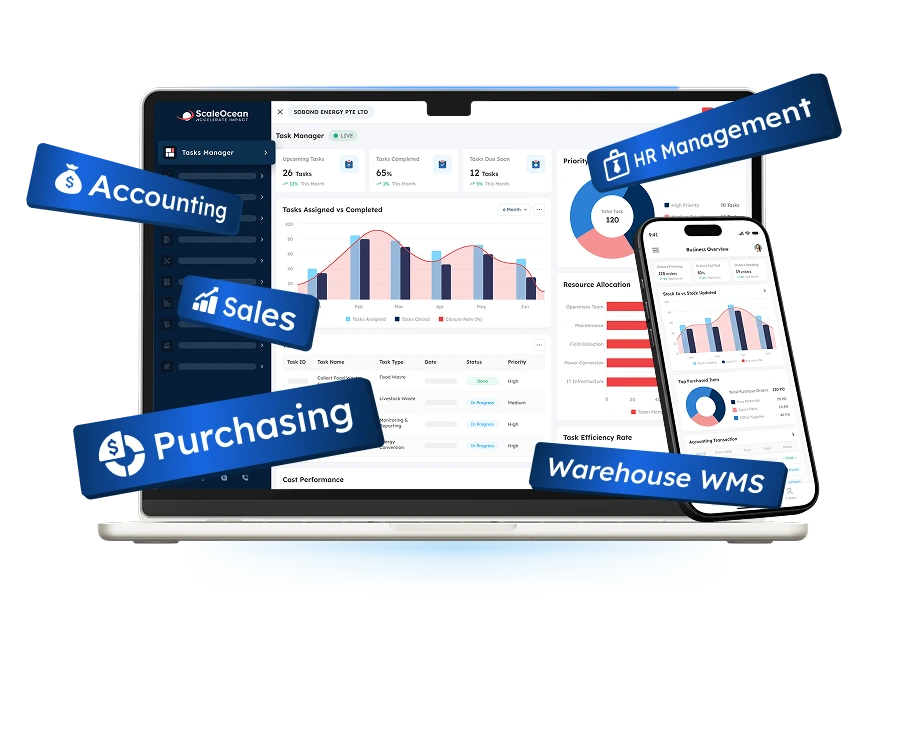
Organizations can easily implement AI in procurement with ScaleOcean as a unified solution. ScaleOcean’s AI e-Procurement model integrates procurement, finance, and vendor processes without requiring separate tools or systems.
Furthermore, ScaleOcean offers advanced procurement modules that automate vendor management, approval processes, and spend analysis. Such integration helps businesses improve their efficiency while providing seamless data integration between procurement and finance operations.
In addition, ScaleOcean offers an unlimited user base at no extra cost, enabling multiple departments to work together without additional fees. This capability enables procurement teams across multiple branches to share a common system, ensuring efficient and cost-effective procurement and financial operations.
ScaleOcean’s customizable features enable companies to adapt procurement processes to industry-specific requirements and complexity. Enterprise can tailor automation features to support forecasting, vendor management, and spend analysis according to business needs.
Additionally, ScaleOcean facilitates integration with multiple business sites and other systems to maintain real-time procurement data. This enhances cross-location visibility while allowing procurement decision-makers to maintain control over procurement operations across the enterprise.
Crucially, ScaleOcean solutions comply with the CTC grant guidelines, allowing qualifying companies to receive up to 70% financial grant. This support eliminates barriers to implementing technology solutions and enables companies to drive AI-based procurement transformation with reduced risk. Let’s request a free demo to get this solution for your specific business.
Key Features of ScaleOcean’s AI for Procurement:
- AI-Powered Spend Analysis: Categorizes procurement transactions and examines procurement spending trends to detect inefficiencies, identify cost savings, and inform sourcing strategies that enhance cost transparency in procurement processes regularly.
- Contract Management Automation: Leverage AI to identify key clauses, compliance obligations, and risks in supplier contracts, enabling procurement teams to automate contract review and significantly speed up contract processing and lifecycle management.
- Supplier Risk Mitigation: Uses AI-powered analytics to track supplier performance, financial stability, and market trends, enabling procurement teams to identify potential risks ahead of time and ensure supply chain continuity across operational procurement networks effectively.
- AI-Based Demand Forecasting: Leverages predictive analytics to assess procurement trends and predict future demand, enabling procurement teams to streamline inventory management and reduce the likelihood of overstocking or stock-outs effectively.
- Autonomous Sourcing Capabilities: Automates sourcing processes by creating requests for proposals, assessing supplier bids, and suggesting vendor choices, allowing procurement teams to streamline sourcing operations while enhancing sourcing accuracy with data-driven insights and decision-making.
Conclusion
AI in procurement transforms traditional purchasing into a faster, data-driven function that improves efficiency, reduces risks, and strengthens supplier collaboration. By automating repetitive tasks and enabling predictive insights, organizations gain greater visibility, control, and long-term procurement resilience.
To unlock these advantages, businesses need a platform that combines intelligent automation with reliable system integration. ScaleOcean’s AI e-Procurement in Procurement helps businesses streamline sourcing, improve spend visibility, and automate contract and supplier workflows within a scalable environment for growth.
Moreover, adopting ScaleOcean’s AI in Procurement becomes more accessible with solutions aligned to practical implementation needs and supported by expert guidance. Request a free demo of ScaleOcean to see how AI-driven procurement can enhance efficiency, cut costs, and strengthen your procurement strategy.
FAQ:
1. How will AI affect procurement jobs?
AI agents are designed to support procurement teams by automating repetitive tasks, allowing professionals to focus on strategic sourcing, supplier collaboration, and risk management, rather than replacing jobs.
2. Can procurement be replaced by AI?
Procurement professionals are unlikely to be fully replaced by AI, but those who leverage AI tools will have a competitive edge over those who don’t.
3. How is AI used in procurement?
AI applies machine learning and automation to analyze data, optimize spending, and manage supplier risks. It automates tasks like invoice processing, demand forecasting, and contract analysis, boosting efficiency and cutting costs.
4. Is procurement at risk of AI?
Many procurement leaders see AI transforming their roles soon, with 42% already investing in generative AI. KPMG estimates AI could automate 50–80% of procurement tasks in the near future.




















.png)