


The Personal Data Protection Act (PDPA) is the main legislation in Singapore that governs the collection, use, disclosure, and care of personal data. This legislation helps businesses manage employee data effectively and underscores the importance of trust, regulation, and accountability.
Employers tend to have large employee data sets spread across multiple HR systems, payroll platforms, and cloud applications. Without common standards for privacy, compliance risks are higher, employee trust is lowered, and HR operations are affected.
Generally, the hard part for enterprise organizations isn’t writing privacy policies but ensuring that they are applied across multiple business divisions. In addition, governance often becomes an even greater difficulty due to disconnected HR systems, outsourcing relationships, and the transnational transfer of data.
Our team found that, according to the official PDPC report, there has been a massive 41% increase in large-scale data breaches reported within a single year. Consequently, organizations must strengthen personal data governance to protect employee information and comply with the PDPA.
Organizations should integrate the PDPA into their daily operations instead of treating it as a one-time legal checkbox. This approach reduces operational risks, safeguards employees’ information security, and promotes better governance and organizational resilience over time.
 Key Takeaways
- The Personal Data Protection Act (PDPA) is Singapore’s comprehensive law governing how organizations handle personal data.
- PDPA compliance matters because it strengthens employee privacy, regulatory compliance, operational resilience, and organizational accountability while supporting secure business growth.
- Mandatory steps for PDPA, including DPO appointment, security controls, training, and audits, help organizations maintain sustainable PDPA compliance.
- The PDPA 11 data protection obligations govern consent, security, retention, transfers, breach reporting, and individual rights management.
- ScaleOcean streamlines PDPA compliance through centralized data governance, configurable workflows, audit trails, and PDPA-ready capabilities tailored for Singapore organizations.
What Is the Personal Data Protection Act (PDPA)?
The Personal Data Protection Act (PDPA) is Singapore’s comprehensive law governing how organizations handle personal data. It establishes clear rules to ensure consistent obligations and protect individuals’ privacy rights, while also permitting legitimate use for business activities.
The law was implemented in 2012 and has been reinforced through ongoing regulation updates. The PDPA currently regulates most Singaporean private-sector firms. The legislation, also known as the PDPA, aims to promote good data management practices by regulating data use without overly constraining innovation, productivity, or trade.
Why the PDPA Matters for Business?
Throughout the entire employment cycle from pre-employment to off-boarding, companies will be processing employee data for recruitment, on-boarding, payroll, performance management, and off-boarding purposes. Complying with the PDPA would minimize regulatory exposure for companies and safeguard employee data from unwarranted use and access.
A high level of PDPA compliance further contributes to enhancing employee confidence/trust in an organization, as it brings accountability in protecting sensitive information in the workplace. Additionally, consistent privacy practices aid consistent operations across various units, subsidiaries, and outsourced service providers in performing HR activities.
Scope and Application of PDPA
The PDPA applies to any private organization that processes personal data in Singapore, regardless of the industry or size of the business. Some government organizations are, however, not covered by the PDPA but by the public sector privacy policy.
Organizations are obligated to adhere to privacy requirements whenever they collect, use, disclose, retain, or dispose of employee personal information through the course of business. As a result, HR teams ought to develop governance procedures throughout each phase of the employee data lifecycle.
What is Personal Data Under the PDPA?
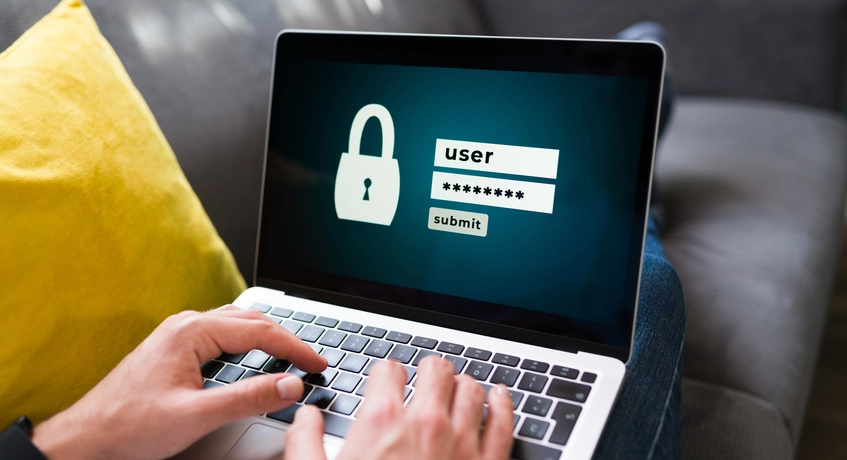
Personal data means any data, whether true or false, that, when combined with other data, can lead to the identification of a person. Employee records that contain identifiable data are subject to the PDPA’s protection obligations.
- Employee Identification Data: Personal information comprises employee names, aliases, Employee ID, photographs, employee addresses, email addresses, telephone numbers, and the details of the Employee ID that you maintain during your employment.
- Employment and Payroll Records: Salary details, employment contracts, attendance records, leave balances, tax documents, and performance reviews are also classified as protected personal data.
- Digital Employment Data: Any information included in login credentials, system access logs, identifiers on employer-issued devices, attendance biometric records, or workplace communication metadata (email, work-related outgoing web traffic) may be personal data, contingent on identifying scenarios.
- Recruitment Information: Applications, resumes, interview notes, educational records, reference checks, and candidate evaluation forms are still protected in the event organizations store identifiable applicant information.
Who is Considered a Data Subject in Singapore’s PDPA Framework?
Data subject means any individual who can be identified whose personal data is being collected, held, or disclosed by an organization under the PDPA. Employees in the HR practitioners’ function area can be classified as one of the most protected categories of the data subject.
Companies also need to take steps to protect the personal information of job applicants, interns, contractors, consultants, former employees, and temporary workers. Instead, they should manage these employee relations in the same way as they do for their current employees.
Why the PDPA Matters?
Proper PDPA adherence ensures sensitive employee data is kept confidential and oversees day-to-day personnel activities that may have the effect of exposing information unwarrantedly.
- Minimize Regulatory Risk: When an organization enforces structured controls over personal data, they reduce the risk of financial penalties and lawsuits, operational disruptions, and potential damage to their reputation.
- Improving overall HR Governance: Using standardized consent management, access controls, retention policies, and audit trails can make HR more accountable and make it easier to understand employees’ data across multiple business functions.
- Providing support for Digital HR Transformation: Cloud HR systems integration with compliance controls means that even as automation, third-party vendors, and remote working come to the workplace, employee data remains safe.
Who is Required to Comply with the PDPA?
Companies dealing with personal data in Singapore fall under the PDPA umbrella in most cases, regardless of their industry and business activity. Only certain categories of firms are subject to specific requirements.
1. All Private Businesses in Singapore
Private sector businesses may not collect, use or disclose personal data in a commercial transaction without first obtaining the individuals’ consent. This applies to employee data, customer data, supplier data and data during recruitment.
This is true for companies of any size because the PDPA is about the processing of personal data, not the size of the business, so there are many similar data protection obligations for start-ups, SMEs and multinationals.
2. Non-Profit Organizations
Charity organizations are also subject to the PDPA when using information of any employees, volunteers, donors, and members, as well as others in need of assistance. Therefore, charitable purposes are not a blanket guarantee of exemption from the law.
These agencies can implement suitable privacy controls if they are running on a modest amount of operational resources or administrative power. Furthermore, clarity over data management boosts stakeholder credibility and reduces compliance risk.
3. Foreign Businesses Handling Personal Data in Singapore
Even if it is processing personal data of residents, any foreign company may be bound by the Singapore PDPA if it handles personal data relating to a local organization or individual. Employers should then consider the extent of local compliance requirements.
Numerous multinational companies handle employee information through different regional HRIS and shared service centers. Therefore, cross-border business operations demand unified governance to ensure proper ownership of personal information while using the best HRIS system in Singapore.
4. Businesses Using Third-Party Service Providers
Responsibility for protecting personal data still rests with the companies themselves who employ outsiders to handle the data. So leasing out payroll, recruitment, or cloud HR Services is no get-out.
Companies should put contractual protections in place, while continuously evaluating vendor security and privacy practices. In addition, strong vendor management practices can control the operational risk of vendor data processing.
5. Individuals Acting as Businesses
Business persons, such as sole traders or self-employed practitioners, are required to handle personal data for commercial purposes. Therefore, it is the nature of the business that determines the obligations, not its legal form.
Our operators often process employee, contractor, or customer data using various electronic media or business applications. This is why good privacy controls should also apply even if the operation is small.
Who’s Not Covered by the PDPA?
While the PDPA is relatively inclusive, there are only a few exemptions for certain organizations and situations as laid down by the legislation. These exemptions are, however, interpreted strictly.
1. Government Agencies
The PDPA does not cover most government institutions. This is because they are covered by their own set of public-sector data protection laws and regulations. This is also the reason why official institutions have to comply with different rules on personal data.
Nonetheless, organizations working in conjunction with a government body are still bound by their own valid obligations under the PDPA. Partnership does not, therefore, mean a complete transfer or the absolution from all compliance obligations.
2. Individuals Acting in a Personal Capacity
The PDPA usually isn’t relevant if someone gathers or uses personal information for just personal or domestic reasons. For instance, keeping private contact lists normally isn’t regulated commercially.
This exemption applies when personal data is used to support business and professional interests aimed at making a profit. It no longer applies once the data supports commercial activities or professional services. After that point, any business-related processing remains subject to the obligations under the PDPA.
3. Employee Acting for an Employer
Employees who operate within the scope of their employment and duties are not personally liable for the organization’s processing operations under the PDPA. Still, only the employer can be held liable.
Regardless of the circumstances, employees must adhere to the internal privacy policies. Furthermore, employees’ regular training can improve their interpretation of the policies and promote operational compliance.
4. Media Organization
Only certain activities that facilitate the publication of news and the functioning of journalism are exempt from certain legal requirements for media companies, although these exemptions only go so far, as they don’t eliminate all obligations related to personal data.
However, the media business would need to assess processing beyond journalistic purposes to see if there were other applicable obligations. This means that proper systems and controls would also cover the standard employment records.
Mandatory Steps for PDPA Compliance in Singapore

Organizations should implement a structured governance approach rather than viewing PDPA compliance as a one-time legal task. The following strategies enhance employee data protection and promote ongoing regulatory compliance in daily HR activities.
1. Appointment of a Data Protection Officer (DPO)
Every organization must designate at least one Data Protection Officer responsible for overseeing PDPA compliance activities. The DPO coordinates privacy governance while serving as the organization’s primary data protection contact.
The appointed officer should monitor compliance, advise management, and respond to employee privacy inquiries effectively. Furthermore, strong leadership encourages consistent implementation of organization-wide data protection practices.
2. Implementation of Policies and Procedures
Organizations should establish documented privacy policies covering personal data collection, usage, retention, disclosure, and disposal processes. These procedures create consistent standards across HR departments and business operations.
Clear documentation also improves employee understanding while supporting regulatory accountability during compliance reviews. Consequently, standardized procedures reduce operational inconsistencies and unnecessary privacy risks.
3. Conducting a Data Protection Impact Assessment (DPIA)
Organizations should perform Data Protection Impact Assessments before introducing high-risk systems processing sensitive employee information. This assessment identifies privacy risks while supporting informed operational decision-making.
Conducting DPIAs early enables businesses to implement safeguards before significant compliance issues emerge during operations. Additionally, proactive risk management strengthens long-term employee data protection strategies.
4. Scheduling Employee Data Protection Training
Regular employee training ensures staff understands their responsibilities when handling personal information throughout workplace activities. Therefore, organizations should provide continuous education instead of one-time compliance sessions.
Training should consistently address phishing awareness, secure data handling, reporting procedures, and organizational privacy requirements. Consequently, informed employees significantly reduce preventable compliance failures and security incidents.
5. Implementing Technical and Organizational Measures
Organizations should combine technical safeguards with organizational controls to protect employee information against unauthorized access or disclosure. Effective protection requires security technology alongside clearly defined governance processes.
Common measures include encryption, access controls, authentication mechanisms, audit logs, and data retention management practices. Moreover, layered security reduces vulnerabilities across increasingly digital HR environments.
6. Establishing a Data Breach Response Mechanism
Organizations need documented procedures for detecting, investigating, containing, and reporting personal data breaches promptly. Prepared response plans minimize operational disruption while supporting regulatory compliance requirements.
Internal teams should understand reporting responsibilities before incidents occur to improve response efficiency significantly. Furthermore, rapid incident management helps reduce employee impact and organizational reputational damage.
7. Periodic Compliance Audits and Reviews
Organizations should regularly review privacy controls to ensure policies remain effective as regulations and business operations evolve. Continuous monitoring identifies weaknesses before they develop into significant compliance problems.
Periodic audits also strengthen governance by validating internal practices against current organizational requirements and regulatory expectations. Consequently, businesses maintain sustainable compliance while continuously improving employee data protection.
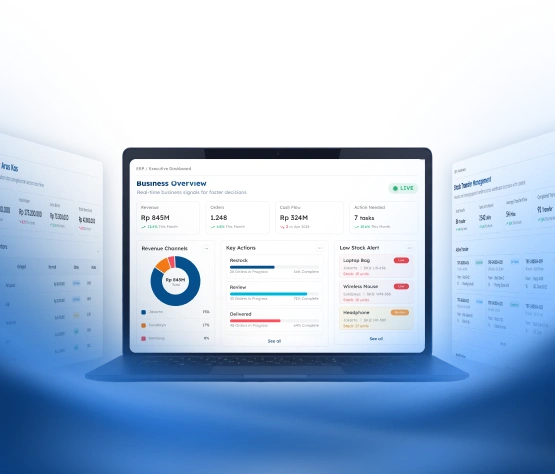
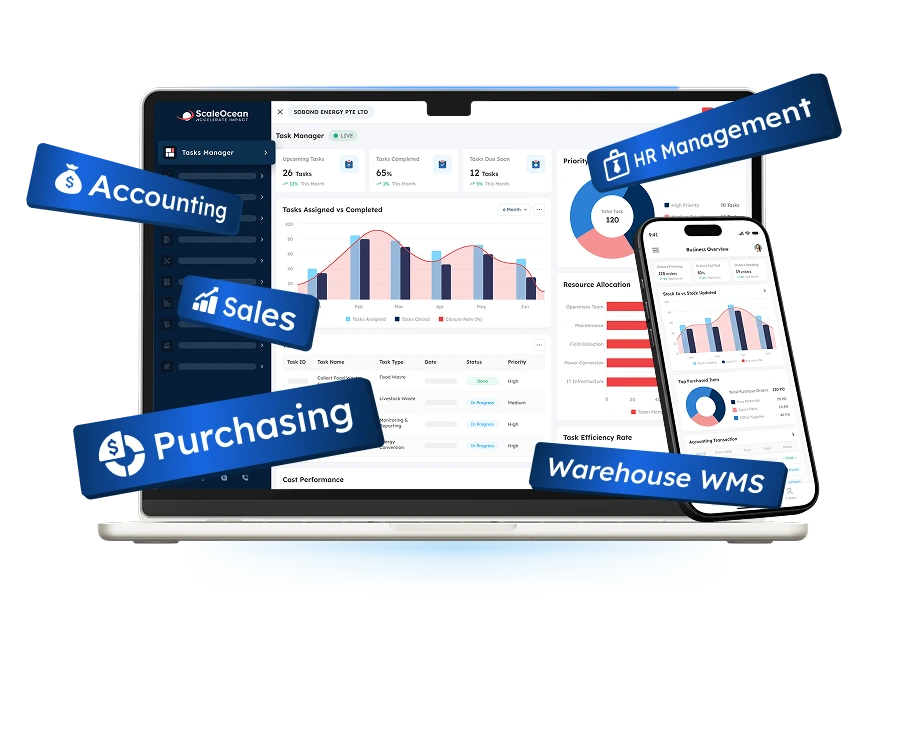
Managing PDPA compliance becomes more practical when organizations centralize governance across HR, finance, document management, and other business functions. ScaleOcean supports this approach through integrated data governance, configurable workflows, and centralized access management.
ScaleOcean’s flagship platform, ScaleOcean Atlas, provides role-based access, encryption, audit trails, automatic backups, flexible API integration, unlimited users, plus cloud and on-premises deployment. Additionally, it is optimized for PDPA compliance, local financial standards, and supports EDG and CTC Grant requirements. Schedule a consultation to see how ScaleOcean can support your compliance needs.
11 Checklists of Data Protection Responsibilities Organizations Must Meet Under the PDPA
Organizations may need to meet multiple of the following data protection obligations under Singapore’s Personal Data Protection Act (PDPA) for the effective utilization of personal data. These three rules help protect employee privacy while enhancing governance and sustaining regulatory compliance.
1. Accountability
Enterprises should set up policies, governance frameworks, and internal controls ensuring that all relevant obligations under the PDPA are met. Accountability involves management’s engagement in day-to-day managerial practices, not only in artifacts.
Companies should designate responsible persons and document their day-to-day compliance tasks. In this way, demonstrating clear responsibility enhances readiness and transparency during audits.
2. Notification
Businesses are required to notify individuals about collecting, using, or disclosing their personal data for business purposes. So, staff should have a clear explanation of the purpose of requesting particular information and the organization’s intentions to processing the data.
In addition, employers should ensure privacy notices are kept accessible, easily understandable, and up-to-date when a processing activity changes substantially over time. Moreover, transparent information can boost employee confidence and organizational integrity.
3. Consent
Unless legal exceptions apply, an organization will normally need a valid consent before collecting, using, or disclosing personal information. Consent should be given freely, be informed and documented across the range of business processes.
Employees should be provided with adequate and reasonable opportunities to refuse consent, where practicable, in accordance with organizational policies. Businesses should implement systems and processes that facilitate consent management and operational changes.
4. Purpose Limitation
Personal data should be collected and used only for specified, specific, and legitimate purposes related to the purpose informed to the data subject. As a result, data controllers should not use the employee data collected for other purposes without having adequate reasons to do so.
It also reduces extraneous data collection within HR and administrative processes of the enterprise. In addition, it improves privacy management, reducing compliance exposures by having more targeted processing.
5. Accuracy
Businesses are required to take reasonable steps to verify that the information they are using to make important decisions is accurate and complete. Accurate and up-to-date employee files support smooth employment relationships and minimize administrative errors.
More frequent checks are also crucial for payroll, taxation, benefits processing, and employment record procedures. Consequently, organizations should create lean processes to enable data validation.
6. Protection
Each organization must have reasonable measures in place to ensure the security of personal data against loss, unauthorized access, disclosure, or modification. Good controls extend beyond technology to organizational governance and staff awareness.
Security controls will need to adapt as new and emerging technologies, threats, and business requirements emerge across the business environment. As a result, security controls enable proactive protection of the business while eliminating many privacy and cybersecurity incidents that might otherwise have been preventable.
7. Retention Limitation
Organizations are advised to keep personal data for only as long as it is required for a legitimate business or legal purpose. Organizations must ensure that personal data is either securely destroyed, securely anonymized, or otherwise disposed of appropriately.
Well-implemented retention schedules reduce storage needs and lower long-term compliance and security risk. Systematic disposal also enhances responsible management of the employee information lifecycle.
8. Transfer Limitation
When personal data is transferred outside of Singapore, organizations must make sure there is protection available internationally for the transfer. As such, it is wise to scrutinize foreign companies, affiliates and cloud computing providers.
Suitable contractual protections and governance measures ensure that compliance is preserved in cross-border processing arrangements. In addition, sound supervision safeguards employee information used in international business transactions.
9. Access and Correction
Most individuals have the right to access personal information about themselves held by organizations, subject to certain conditions. They have the right to request correction of personal data held if it is inaccurate or misleading.
Employers ought to develop effective means for assessing and addressing such requests on time. Thus, responsive procedures not only promote transparency but also uphold employee privacy rights.
10. Data Breach Notification
If a Notifiable Breach occurs, organizations that are subject to the PDPA are required to notify the breach in line with the PDPA requirements. This will allow the authorities and individuals who may be affected to take the necessary remedial steps.
Internal response procedures should be established in advance to assign various responsibilities such as investigation, containment, communication, and documentation. In addition, readiness enables a firm to lessen the burdens greatly.
11. Data Portability
Under the PDPA, there is a requirement for data portability that benefits people by giving them the ability to request data to be transferred between organizations. The information transfer obligation fosters accountability and responsible data handling.
Proactively establish systems to efficiently process qualifying portability requests as needed when the applicable implementation date occurs. As such, companies should review their current data management processes ahead of time.
Meeting every PDPA obligation requires consistent governance instead of isolated compliance activities across departments. ScaleOcean Atlas helps enterprises operationalize data protection through centralized governance, approval workflows, comprehensive audit trails, and structured access controls.
Furthermore, ScaleMind supports operational execution by identifying pending actions, retrieving authorized information, guiding approved workflows, and monitoring exceptions. Organizations efficiently maintain compliance processes and keep legal decisions under internal control. You can schedule a consultation to explore the most suitable implementation for your organization.
How Are PDPA Violations Enforced and Penalized?
The PDPC, as the administrator of the PDPA, oversees organizations that violate the statutory obligations imposed on them by conducting investigations and inspections. Such violations can disrupt organizations’ performance, tarnish their reputation, and lead to costly legal proceedings.
When violations are discovered, the PDPC can issue corrective directions requiring organizations to enhance their privacy practices and security controls, or the processing activities which are in breach. Enforcement actions help prompt organizations to undertake remedial action to rectify their failings before more breaches occur.
The penalty is likely to be significant in respect of significant breaches of customer or employee personal data. For example, companies earning in excess of S$10 million annually in Singapore will face a maximum financial penalty of 10% of annual turnover in Singapore or S$1 million (as the case may be).
Reported by Channel News Asia, in October 2025, the PDPC imposed a SGD $315,000 financial penalty on Marina Bay Sands after a cyberattack exposed the personal information of 665,495 patrons. The incident demonstrates how inadequate data protection can result in significant regulatory and reputational consequences.
In addition to the monetary penalty for privacy breaches, organizations have to deal with issues caused by such privacy breaches, including loss of reputation, breakdown in employee confidence in the organization, as well as business interruption and heavy oversight or investigation into the organization by the regulators.
Conclusion
The PDPA helps organizations protect employee personal data through clear governance, compliance obligations, and security measures. Following these requirements reduces regulatory risks while strengthening trust and operational resilience.
Managing compliance becomes easier with integrated business systems instead of disconnected applications. ScaleOcean centralizes data governance through configurable workflows, audit trails, role-based access, and a PDPA-ready architecture that supports local financial standards, EDG, and CTC Grant requirements.
Additionally, ScaleMind streamlines daily operations by retrieving authorized information, monitoring workflows, and supporting compliance activities efficiently. Schedule a consultation with our experts to discover how ScaleOcean Atlas can strengthen your organization’s PDPA compliance and governance.
FAQ Personal Data Protection Act (PDPA):
1. Can an individual withdraw consent under the PDPA?
Yes. Individuals may withdraw consent by giving the organization reasonable notice. The organization must explain the likely consequences and stop collecting, using, or disclosing the data unless another legal basis or exception applies.
2. Does every organization need to appoint a Data Protection Officer?
Yes. Every organization subject to Singapore’s PDPA must designate at least one Data Protection Officer (DPO). The DPO oversees compliance, and the organization’s business contact information for the DPO must be made publicly available.
3. Can businesses transfer personal data outside Singapore?
Yes. Businesses may transfer personal data overseas if they ensure the receiving party provides a standard of protection comparable to Singapore’s PDPA, unless a specific exemption applies under the regulations.
4. When must a business report a personal data breach?
A business must notify the PDPC and affected individuals when a breach is notifiable, such as when it is likely to cause significant harm or is of significant scale. Organizations should report it as soon as practicable after assessment.





















.png)