

European food traders involved in secure supply chains are under great concern as what they have lost recently, just before Easter, was a dramatic cargo theft of KitKat, this time the cargo theft statistics covering 12 tons of newly introduced chocolate products, which is the equivalent of about 413,739 products.
The crankshaft was reported to have gone missing in multiple reports, in one of which, quoted in The Straits Times, it was being shipped from central Italy to Poland. Also confirmed were the loss of the truck and the cargo, and an ongoing cargo theft investigation.
The stolen products formed part of a package of new products that were meant for sale to customers in Europe in the peak buying season. This could impinge on the availability of KitKat, Nestlé warned, and could result in a possible shortage period during Easter.
Furthermore, the firm said that the theft of cargo may allow it to end up in “unauthorized sales channels which can make it vastly more difficult to recover.” Each product, however, will have a batch code that can be traced if you see the item in the marketplace.
In turn, Kit Kat has responded to the incident publicly, including via social media. However, a spokesperson for KitKat said, “We applaud the criminals for excellent taste, but at the same time, it is a problem that is growing in businesses and becomes an issue in the supply chain worldwide.”
Thus, this incident is not a one-off case but also a symptom of a logistics risk. This article will delve into the growing prevalence of cargo theft, how incidents are usually committed, and the preventative measures that businesses need to take to effectively deter theft.
 Key Takeaways
- Rising Cargo Theft is driven by complex logistics networks, increased e-commerce demand, and sophisticated criminal strategies that exploit weak visibility and fragmented systems.
- Proactive Security Strategies to Protect Your Cargo include combining physical safeguards and digital tools to prevent cargo theft and effectively strengthen overall logistics resilience.
- Types of Cargo Theft, including direct, strategic, and cyber-enabled methods, require targeted prevention strategies to address varying levels of risk and sophistication.
- ScaleOcean Logistics ERP Software enhances cargo security through advanced controls, real-time visibility, and tracking capabilities, helping businesses closely monitor shipments and effectively prevent cargo theft.

Why is Cargo Theft on the Rise?
Cargo theft is on the rise, with weakly visible, disjointed systems and poor practices in security making high-dollar shipments more susceptible to crime rings operating poorly throughout the business’s complex logistics processes.
Moreover, the rise of e-commerce and the change in demand throughout the year resulted in more frequent and faster deliveries. Consequently, the companies take speed over security, which results in unnoticed advantages for organized theft networks to discover.
Further, cargo theft organisations have developed a more sophisticated approach to their operations with advanced coordination. These groups tend to be more synchronous, have information first-hand, and use digital tools to track packages, set up fake drivers,s and make it easier to evict thieves with more precision and less risk.
Insufficient end-to-end monitoring on the transportation routes plays a big role in the problem, too. Lacking centralized tracking systems, businesses not only have to wait longer to fix things, but also have more financial losses and disruption to their operations as a result.
Proactive Steps to Protect Your Cargo from Thieves
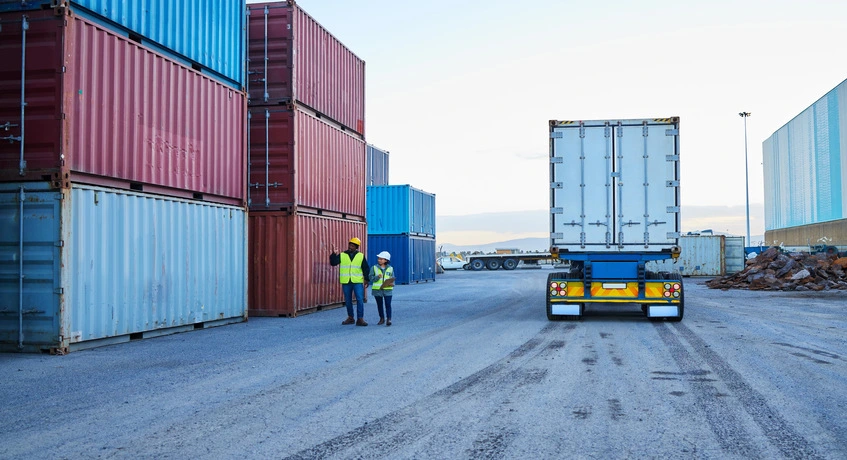
Nothing is more effective at cargo theft prevention than taking preventive action. Rather than being reactive, companies need to embrace being proactive in responding to the threat of cargo theft. More visibility, more coordination, and solutions that are powered by technology help companies to keep shipments more secure throughout the cargo theft in the logistics process
Besides, multi-layered protection will ensure that if one level fails, there will be one there to protect against any unauthorized access. This helps to ensure asset protection and boosts customer trust in the operation and confidence in the business.
Equally as important is when companies implement all kinds of measures both in the physical and digital world, so as to ensure their logistics process. These measures can be combined to create a solid supply chain that can cope with variations in threat and threats.
Real-Time Vehicle Tracking and Monitoring
Immediate Vehicle Tracking gives Companies a way to track their deliveries in real time and promptly act whenever suspicious activity is perceived. GPS-based systems give companies 100% visibility, and if they detect that a route is not on its regular route, they receive an alert and do whatever is required, immediately, to remedy the situation.
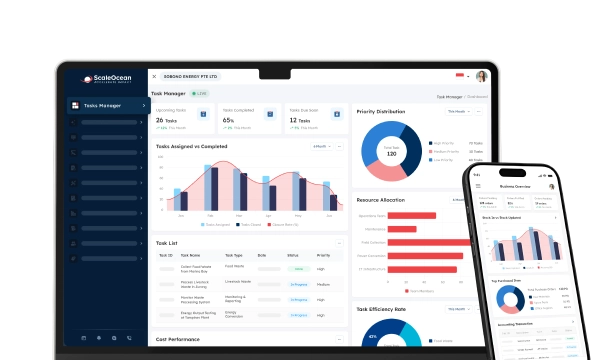
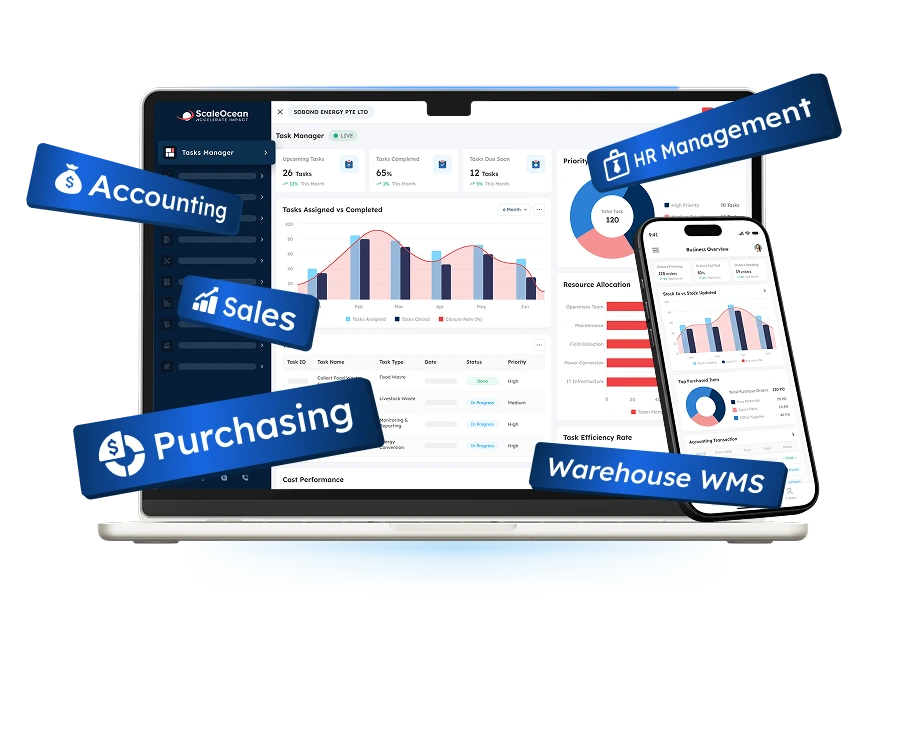
In addition, companies can benefit from integrated logistics solutions such as ScaleOcean Logistics ERP Software that streamline data tracking and monitoring efforts in different fleets and provide teams with real-time data mapping on a single dashboard. This will include the benefit of better coordination, faster response times, and prevention of ‘straight out the back’ theft from the backseat driver.
Enhanced Security Measure
The vehicles are fitted with other security measures too to ensure the safety of goods, such as tamper-proof seal locks and smart locks. These will make it harder for the shipment to be accessed, as well as provide a concrete mark on the shipment if it is accessed without authorization.
Also, organisations can have their security events monitored in real time when they combine physical and digital systems, like the ERP-enabled security systems ScaleOcean. This synergy can be beneficial in identifying a threat earlier and making more measured decisions in response.
Empowering Driver
Empowering drivers plays a critical role in preventing cargo theft, as they are the first line of defense during transportation. Providing proper training helps them recognize suspicious behavior and respond effectively to potential security threats on the road.
In addition, clear communication protocols and emergency procedures enable drivers to act quickly when risks arise. This ensures they do not hesitate in reporting incidents, which can significantly reduce the impact of attempted or ongoing theft.
Warehouse Security
Cargo protection in warehouses is also a key component of preventing cargo theft, as goods are exposed before and after transit. On-site access control systems give you the peace of mind that access to storage areas is limited to just those who have been granted access, which also helps to prevent internal theft.
In addition, inventory tracking systems and surveillance cameras like EnForeus improve the visibility inside the warehouse. The tools can identify irregularities early, allowing for prompt action and reducing the risk of losses caused by unauthorized access or handling.
Cybersecurity Awareness
Ensuring cybersecurity awareness is crucial as logistics operations increasingly rely on digital systems. Weak security measures can expose businesses to cyber threats, including targeted cargo theft risks during processes such as transshipment. Strengthening digital protection helps safeguard operational data and maintain supply chain reliability.
Thus, businesses must have robust cyber security measures such as data encryption and access controls in place. Simple personnel training is another important part of phishing prevention with the aim of keeping logistics information secure to avoid illegal leaks of sensitive data.
Route Optimization
Route optimization cuts down the risk of exposure to hazard zones and determines better and more efficient routes for delivery, particularly to last-mile locations. This six-point planning process helps businesses reduce unearth movement exits, delays, or stops during deliveries by leveraging traffic, crime, and delivery analysis.
Also, the optimized routes ensure overall efficiency and greater security. Logistics software has become widely adopted in many countries around the world to optimize routes, track potential hazards, and reduce the likelihood of heading into a bad area while in transit.
Performing a number of the aforementioned steps with the aid of advanced systems like ScaleOcean logistics ERP software can be the optimal solution to stop cargo theft. It offers real-time, data-driven, dynamic route planning. This boosts the effectiveness of the delivery process, as well as helps prevent cargo theft by steering clear of risky delivery routes and shipment control.
Types of Cargo Theft
Cargo theft can manifest in several different ways, with each one being detrimental to the business, especially in industries like cold chain logistics. These variations can be understood to determine vulnerabilities so that targeted strategies can be developed by the company.
Additionally, criminals keep finding new ways to exploit weak spots in the industry and new technology. Consequently, companies need to be aware of both the old and new ways in which businesses are getting stolen, from one stakeholder to the next in the supply chain.
Here are the most prevalent types of cargo theft that businesses should be familiar with, each type expresses a different degree of planning, coordination, and sophistication, and is therefore addressed in diverse ways with preventive measures.
Straight Theft
As perhaps the most obvious way for cargo theft to occur, straight theft refers to the case in which trucks, warehouses, or parking areas are directly robbed of their merchandise. Usually, when vehicles are not attended to or are left in insecure places while travelling.
In addition, thieves tend to be very quick and opportunistic. This is a very easy technique, but it can lead to considerable losses, particularly when a firm is transporting valuable and/or popular commodities
Strategic Theft
Thefts are strategic to a greater degree when they are more organized and planned; usually, thieves are interested in sending off certain packages because of their worth, mode of transportation, or schedule. These thefts frequently call for the involvement of several people and can have inside information.
Moreover, the criminals can monitor shipments beforehand and await the most susceptible time to hit. Strategic theft will be more challenging to detect and stop without effective monitoring and intelligence.
- Double-Brokering Scams: These are when a shipper’s shipment contracts are legally booked to unauthorized carriers without the shipper’s knowledge. Consequently, products are passed to legitimate-appearing logistics firms, sometimes seemingly unknowingly, where they have the potential to be sold to criminals. However, this can lead to products being delivered to what seem to be legitimate logistics companies, often without suspicion, and then sold to criminals.
- Impersonation and Document Forgery: Engage criminals posing as proper drivers or Logistics staff with fake documents. They are taking advantage of the lax verification measures in place and are able to intercept shipments legally and make the exchange look like a legit shipment at first glance.
- Cyber-Enabled Theft: Levers of ships’ information, such as routes and schedules, using digital systems, are called Cyber-Enabled Theft. This information then allows criminals to launch very specific acts of theft, improve their chances of success, and diminish the chances for early detection.
Conclusion
Although cargo theft has been discussed for a long time, it remains a serious risk to the modern supply chain, as can be observed in the recent incident, “KitKat theft”, and recent developments of loss of 12 tons of product in the supply chain of KitKat. With more advanced theft techniques, businesses need to have greater visibility, security, and coordinating mechanisms throughout all aspects of their logistics.
The more risks companies encounter in the world, the more imperative it is to have an integrated system at their disposal, such as ScaleOcean logistics ERP software, to keep a check on their operations. This integration, along with real-time tracking, warehouse management, and route optimization, can mitigate business risks and enhance efficiency and decision-making.
Businesses must have more on board, beyond reaction, to comply with growing threats. In this sense, ScaleOcean provides a complete dive into their world, offering the solution to safeguard the goods, optimise logisticsprocedures,s and improve the full operational resilience. Learn how it works by trying our free demo and taking the first step into the secure supply chain.
FAQ:
1. What key market statistics show the impact of cargo theft in Singapore?
Public cargo theft data in Singapore is limited, but theft and related crimes remain relevant to business security. For logistics companies, the real impact often appears through stock loss, shipment delays, claims, and higher operational costs.
2. Which types of cargo are most frequently targeted by thieves in Singapore?
High-value, fast-moving, and easy-to-resell goods are usually the most attractive targets. These include electronics, food and beverages, pharmaceuticals, luxury goods, spare parts, and consumer products moving through warehouses or transit points.
3. How to stop cargo theft?
To reduce cargo theft, consider implementing policies such as:
1. Avoid leaving loaded trailers unattended, especially in high-risk areas.
2. Use high-security locks on rear doors and air cuffs.
3. When staging or dropping loads is unavoidable, install landing gear locks for added security.
4. What technology can help businesses prevent cargo theft in Singapore?
Businesses can use GPS tracking, warehouse management systems, barcode or RFID scanning, digital proof of delivery, access control, and automated alerts. These tools improve visibility across storage, picking, loading, and delivery activities.





















.png)