



Many companies invest considerable time in getting the recruitment process right. But what about when they leave? Many companies neglect offboarding and consider it little more than a paperwork exercise.
This is a missed opportunity, since a well-planned offboarding process is important for security, reputation, and even hiring. An important offboarding process is the timely cancellation of an employee’s Employment Pass.
Based on a statement we found from MoM tells, you can request to cancel an Employment Pass up to 14 days before the final notice day, but you need to do it no later than one week after the final notice day to ensure compliance and security.
In this article, we share how to build a strategic and seamless offboarding process that’s compliant and can even enhance your company’s reputation. It emphasises security and positive employee relations for future opportunities.
 Key Takeaways
- Offboarding is the structured, formal procedure for an employee’s separation from a company. It encompasses all necessary steps beyond the final payment
- A step-by-step offboarding process includes announcing the departure, completing HR administrative tasks, conducting an exit interview, transferring responsibilities, and more.
- Conducting offboarding involves transferring knowledge, recovering assets, finalizing pay, preparing documents, communicating changes, and conducting an exit interview.
- With ScaleOcean’s HRIS, you can automate the entire process, from task assignments to document management, ensuring a secure and efficient transition.
What Is Offboarding?
Offboarding is the structured, formal procedure for an employee’s separation from a company. It encompasses all necessary steps beyond the final payment, ensuring a professional, compliant, and seamless conclusion to their tenure with the organisation.
As the strategic counterpart to the onboarding process, such as employee crossboarding, offboarding is essential for a smooth employee exit. This crucial process manages all logistical, administrative, and legal requirements, ensuring a seamless and professional transition for both the departing individual and the company.
Why Offboarding is Important
Proper offboarding is vital for businesses, as it safeguards data, manages risk, and maintains positive relationships. This process is essential for smooth transitions and long-term success, protecting the company while keeping future talent doors open.
Here are the key reasons why offboarding matters:
1. Mitigates Security Risks
When a staff member leaves, they often still have access to a wealth of sensitive data, like customer databases or other company software. Failing to revoke this access promptly is, frankly, a huge security risk. A well-planned offboarding process ensures all access is shut down immediately.
That means disabling e-mail accounts, ensuring that passwords are changed, and removing access to internal systems and all those cloud solutions. In fact, this is the only way to ensure there’s no data breach or other kind of mischief after an employee’s last day.
2. Protects the Employer Brand
How you handle an offboarding really reflects on your company culture and values. An offboarding process that’s anything but smooth and respectful can certainly damage your brand.
Unhappy ex-employees can poison your employer brand by posting bad reviews on sites such as Glassdoor. Conversely, a great and supportive offboarding experience is memorable.
It demonstrates that you recognise and value someone’s work and can actually make former employees your greatest advocates. This can help you to attract future employees, demonstrating that your company is a good place to work, even if an employee doesn’t stay there forever.
3. Preserves Institutional Knowledge
People will often leave the company with a lot of valuable knowledge, from details of current projects to the “unofficial” processes that people just know about. If this knowledge isn’t handed over, it can be lost forever. One of the critical components of offboarding is knowledge handover.
This involves documenting all of the key responsibilities, projects in flight, and contacts. This process really helps the next person in the role get up to speed as quickly as possible, really limiting the impact and ensuring business continuity for the team and the organisation.
4. Gathers Valuable Feedback
Offboarding, including an exit interview, is a great opportunity to get feedback. You’ll find that employees leaving are more open about their work experience, and can provide feedback on culture, leadership, and even those pesky processes.
If you listen to this feedback, you can identify common themes and begin to make some significant improvements. It can help you better understand why employees are leaving, and what you can do to boost retention and engagement with those who are still there (and that’s always a good thing).
5. Support Compliance
Let’s be honest, offboarding involves a lot of admin and legal stuff that must be done right. This includes calculating final pay, continuing benefits, and executing separation agreements. Having a process is important here, so you can be sure you’re compliant with all laws and regulations.
To be honest, you really don’t want to mess this up, or you could end up in court or facing fines. An offboarding checklist helps ensure all the boxes are checked, including returning company assets and supplying the necessary paperwork. It keeps the company compliant and avoids legal issues.
6. Encourages “Boomerang” Employees
A good offboarding experience opens the possibility for excellent employees to be “boomerangs”. “Boomerang” employees are a gold mine because they know your company culture and don’t require as much training. And they come with fresh skills and knowledge.
If you treat employees who are resigning well, you, of course, stay in good standing. This just increases the likelihood of them wanting to return in the future. So, having a positive offboarding experience is good for recruiting in the future.
A Step-by-Step Offboarding Process Checklist

A step-by-step offboarding checklist guarantees a consistent and thorough process, aligning HR, managers, and the departing staff member. It offers essential clarity and structure, ensuring all critical tasks are covered, thus making the transition smoother for everyone.
Here’s a breakdown of the essential steps in the offboarding process:
1. Announce the Departure
Once a departure is confirmed, it’s really important to communicate that news to the relevant team members and departments. The announcement itself should be professional, positive, and super clear about the employee’s last day, because this helps manage team morale and genuinely prevents rumors from spreading.
It’s also, you know, pretty critical to outline the transition plan. Letting the team know who will actually be taking over the departing employee’s responsibilities, at least in the interim, provides that necessary reassurance and ensures work continues smoothly.
2. Complete HR and Administrative Tasks
From an HR perspective, there are a few key things that need to be addressed, including preparing the final pay cheque, clarifying the continuation of benefits, and any legal documentation, such as a separation agreement, all of which need to be done carefully.
This is also the time to ensure company records and payroll systems are updated to reflect the change. According to a statement we found from MyCareersFuture, make sure to pay the last month’s CPF contribution on time, as prescribed by Singapore, to ensure all loose ends are tied up.
3. Conduct an Exit Interview
Having an exit interview is a great way to get feedback, and this interview must take place in a safe space. The purpose here is to really find out why the employee is leaving, and of course, what they think of the company.
This is a great time to inquire about their job, supervisor, and culture. This is a rare opportunity. It’s important to stress that this is confidential and will be used in a positive way, as this can be a very useful source of information for the organisation.
4. Transfer Knowledge and Responsibilities
The employee needs to work with the outgoing employee to develop a knowledge transfer plan, where this plan should include documenting their roles and responsibilities, project statuses, and contact information.
This type of documentation is really important for the continuity of business and avoiding some potential headaches.
If it’s possible, try to get them to train their replacement, or perhaps other employees who will be taking on some of their responsibilities. This handover will be seamless and allow the team to be all set to begin working in their new role after they leave, which is the primary objective.
5. Reclaim Company Assets
You should create a list of all the items you need to return to the company, which can include laptops, smartphones, ID badges, and credit cards. The process for returning these should be clear and simple, so no surprises.
There should be a sign-off procedure to confirm that all property is returned. This is quite important for safeguarding the assets of the company, and, well, avoiding possible financial loss.
6. Revoke System Access
On the final day of employment, it is essential to terminate access to all of the company’s systems, such as email, networks, software accounts, and any other electronic accounts. This needs to be done as soon as possible to avoid any potential security vulnerabilities.
Working in conjunction with IT will ensure all passwords are promptly and thoroughly disabled. This is, indeed, a crucial step in safeguarding company and client data, just in case.
7. Hold a Proper Farewell
Planning a send-off for the employee, whether it be a lunch for the team, a small party, or even just a card, is a nice idea. Recognising their hard work is a gesture of thanks, and it makes the parting on good terms, lifting the mood of the remaining team.
This gesture of goodwill actually helps to embed a positive culture. It shows existing employees that the company values its employees, even if they choose to leave, and is a key element of a positive work culture.
8. Stay Connected
Post-employment, it can be worth considering adding them to an alumni network, perhaps on LinkedIn. Staying in touch with ex-employees can help you get referrals, knowledge of industry trends, or even rehires.
Staying connected really demonstrates that you value the relationship beyond the job. It turns what might be a passing relationship into the chance to build a sustainable professional network, which is cool.
Offboarding is essential for a seamless departure and fostering a positive culture. Using software such as ScaleOcean ERP, companies can automate processes like asset tracking, knowledge sharing, and access removal to make the offboarding process smooth.

How to Conduct Offboarding
Offboarding is a process that requires efficiency, compassion, and accuracy. It’s a dignified and fair process for the employee, but also a safe process for the organisation, which demands the cooperation of HR, managers, and IT to ensure it’s a seamless, person-focused offboarding.
How to do offboarding right:
1. Transfer knowledge
I mean, this is more than just handing over a stack of documents and saying, “Here you go,” which is what managers really need to have a process in place to ensure a proper handover for any offboarding employee.
This can include shadowing, project reviews, and making sure all important documents are kept together for easy access. It’s important that the outgoing person documents not only what they do, but why they do it in a particular way, because that knowledge is so valuable.
So that the next person can get a good understanding of how things work and not make the same mistakes, which is always beneficial for the business.
2. Asset Recovery
You’ll want to have a very clear and straightforward process for returning company assets when an employee is leaving. Providing the employee with a list of all the items they’ve been issued and a clear return date just avoids any ambiguity and makes the process as efficient as possible.
And on their final day, it’s best practice to have a named person (either HR or their manager) take the items and sign off on an offboarding form. This final bit really does confirm everything is checked, and that’s important for inventory and security.
3. Finalizing Employee Details
HR really needs to be diligent when finalising an employee’s details when they’re offboarding. This means final pay and entitlements, and this should be in writing to prevent confusion.
It’s also useful to provide details of their final tax documents and any ongoing benefits. Having this information up front helps the employee to move on and certainly demonstrates the professionalism of the organisation.
4. Create a company checklist
For any effective employee offboarding, having a standardized checklist is genuinely your best bet for keeping things consistent.
This checklist really ought to be shared across HR, the manager, and IT, making sure specific tasks are assigned to each department with clear deadlines, so everyone knows their role and what needs to be done.
This checklist should be a dynamic document, and it should be revised as processes and even laws change. Using an electronic checklist, particularly in an HRIS, can actually notify and track progress, which often leads to better efficiency and accountability in the offboarding process.
5. Communicate Change
The manager holds the key here. They’re the ones responsible for letting the team know about the employee’s departure. This message should always be delivered professionally and on time, really focusing on the transition plan to help maintain team stability and morale during offboarding.
It’s also pretty crucial to loop in any important external contacts, like clients or partners, who worked closely with the person leaving, and make sure to introduce them to their new point of contact. Doing this helps ensure that vital business relationships remain strong and don’t get interrupted.
6. Prepare Documents
HR should really have all the required separation documents prepared well before the employee’s last day (as part of an offboarding process). This includes a final letter, pay slips, and other signed documentation, so the last day is less chaotic for all parties.
Be sure to provide the employee with copies of all the signed documents, as this is a clear sign that the HR team is professional and compliant.
7. Conduct an Exit Interview
An exit interview should be more than a casual chat. It should be a formal conversation, particularly when it comes to employee offboarding.
It’s worth asking a consistent list of questions to ensure you’re getting the necessary information, such as job satisfaction, management, company culture, and so on, and this will allow you to track trends.
And probably most importantly, you need to do more listening than speaking. It’s about getting the employee’s point of view. Be sure to thank them for their feedback and assure them that their input will be taken into account, which leaves a positive impression on the employee.
ScaleOcean’s talent management with an onboarding software module can help organisations manage the onboarding-offboarding process, end-to-end, within a single system.
This enables HR to standardise forms, eliminate manual handover between departments, and ensure every employee has a smooth and well-documented employee lifecycle experience.
What’s the Difference Between Onboarding and Offboarding?
Onboarding and offboarding are critical employee lifecycle phases with distinct goals. The onboarding process focuses on integrating new hires, connecting them with the culture, and providing the necessary resources for them to become productive team members right away.
Whereas onboarding is concerned with bringing the employee aboard, offboarding entails ensuring a safe and professional exit process for the employee, one that also serves to protect the interests of the business. This crucial step requires taking into account a number of administrative tasks.
The Impact of Offboarding on Company Culture
Offboarding of an employee has a profound effect on those left behind by the company. An offboarding process done well and in a considerate way is a sign of genuine care for people in the workplace, which helps in building a culture based on trust and psychological safety in the workplace.
However, when offboarding is done poorly or without concern, it brings about fear and mistrust among the remaining employees. This implies that there is a purely transactional culture in the firm, making offboarding important as it mirrors an enabling workplace culture.
Automate the Offboarding Process from Start to Finish with ScaleOcean
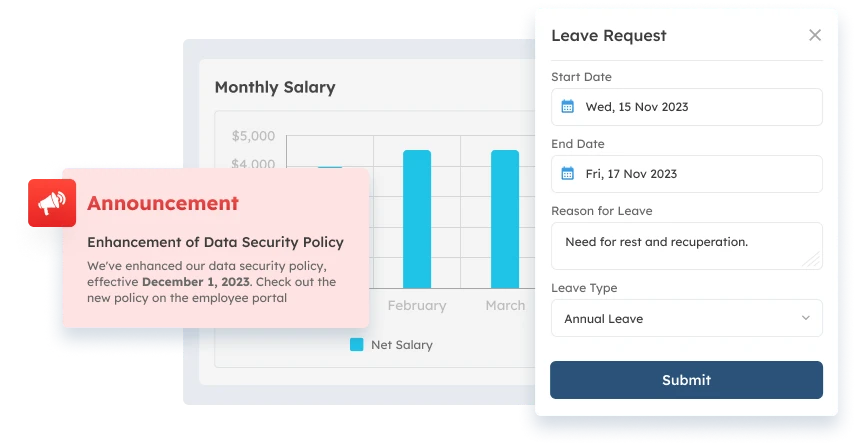
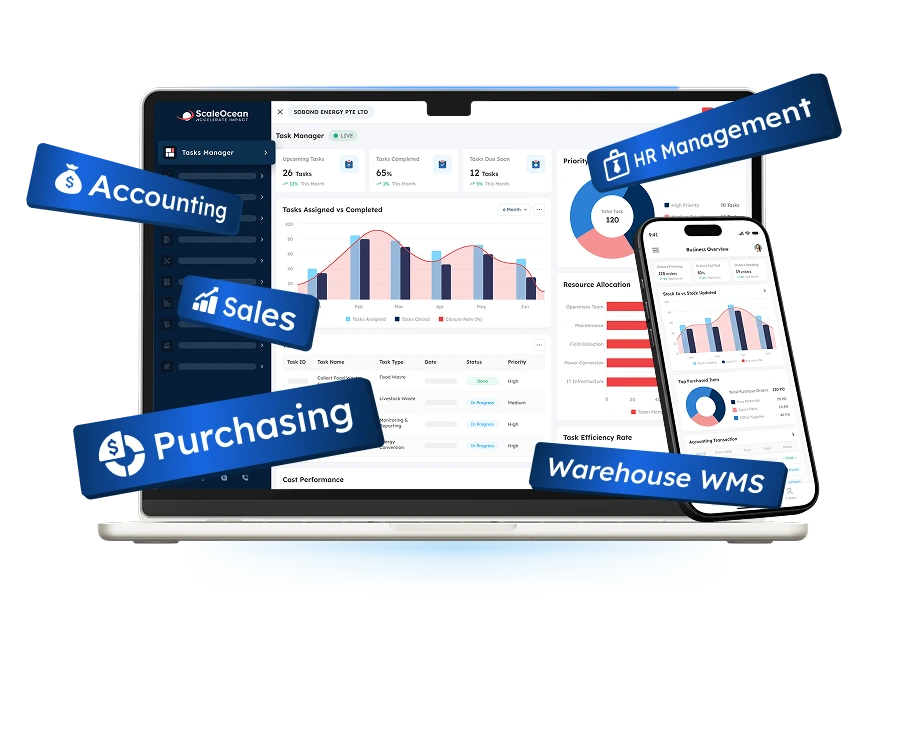
ScaleOcean’s talent management automates offboarding, streamlining tasks and ensuring completeness. Features include unlimited users, transparent costs, customized configurations, and responsive support. The system is scalable, utilizing AI-driven analytics to optimize all HR operations efficiently.
ScaleOcean’s HRIS simplifies offboarding by automating essential tasks, enhancing both security and efficiency. The CTC grant makes implementation affordable. And below here, ScaleOcean HRIS software has some key features that you must see first:
- Centralized Platform for Seamless Integration: All offboarding steps are integrated into one platform, automating tasks for smooth transitions.
- Automated Notifications and Approvals: Automates notifications and approvals for tasks like account deactivation and exit interviews.
- Efficient Asset Retrieval and Payroll Finalization: Automates asset retrieval and payroll finalization, ensuring smooth financial transitions.
- Real-Time Updates to Employee Records: Automatically updates employee records in real time, eliminating manual data entry errors.
- AI-Powered Analytics for Optimization: AI optimizes the offboarding process by analyzing data to suggest improvements for efficiency.
Conclusion
Offboarding is a strategic process, not just a farewell. It significantly impacts security, reputation, and company culture. A well-executed offboarding protects vital data, retains valuable knowledge, and offers crucial feedback, fully reflecting the organization’s core values.
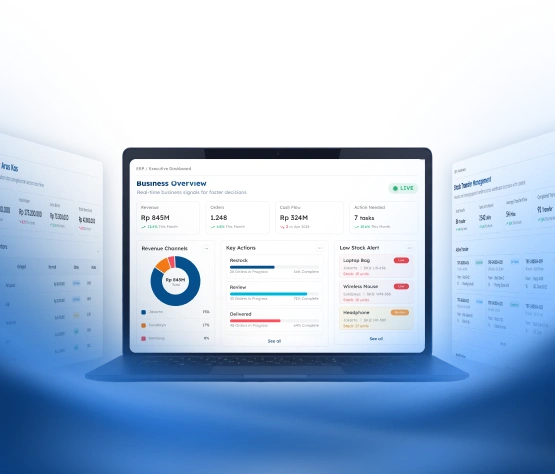
Adopting a structured, human-centric offboarding approach mitigates risk and can build brand ambassadors. Solutions like ScaleOcean’s HRIS software streamline this process for maximum efficiency. ScaleOcean also offers a free demo to experience these beneficial features firsthand.
Offboarding FAQ:
1. Is offboarding the same as termination?
Offboarding differs from termination. While termination marks the end of employment, offboarding covers the entire process, including final administrative tasks, access control, and gathering feedback from the departing employee.
2. Who is responsible for offboarding?
The offboarding process is managed by HR, with input from managers, IT, and other relevant departments. HR ensures the smooth flow of the process, managers conduct exit interviews, and IT handles security and asset retrieval.
3. What are the risks of offboarding?
Risks associated with offboarding include potential security breaches, loss of key knowledge, and strained employee relations. Inadequate offboarding can result in mishandled data, insufficient knowledge transfer, or negative impacts on the company’s reputation.
4. What is an offboarding checklist?
An offboarding checklist is a detailed list of tasks to complete when an employee leaves. It ensures that all necessary steps, from asset return to updating records and conducting interviews, are handled properly for a smooth transition.




















.png)