

Singapore’s global logistics reputation extends beyond its ports to the sophisticated network that facilitates the movement of products. Warehouse logistics is an important component of this network, since it helps manage inventories, fulfill orders, and ensure effective operations.
According to EDB Singapore, foreign investors are increasingly supporting logistics facilities in Singapore as shippers restructure supply chains to deal with trade tensions and geopolitical threats, emphasizing the city’s important role in global trade and efficient warehouse operations.
In this post, we will look in depth at warehouse logistics and how important it is for Singapore firms. We’ll talk about how efficient warehouse management affects supply chain operations and why mastering logistics is critical for growth and staying competitive in the market.
 Key Takeaways
- Warehouse logistics is the strategic planning, operating, and managing of all goods moving through a storage facility.
- Warehouse logistics core components consist of warehouse management, daily operations, and WMS integration that keep inventory accurate, workflows efficient, and logistics activities more connected.
- Different types of warehouse logistics, including automated warehouse logistics, traditional warehouse logistics, cold storage logistics, and external storage warehouse logistics, cater to diverse business needs.
- ScaleOcean’s logistics software improves warehouse management by providing visibility, control, and automation, boosting efficiency and addressing challenges like cost accuracy.

What is Warehouse Logistics?
Warehouse logistics is the strategic planning, operating, and managing of all goods moving through a storage facility. It focuses on streamlining complex internal operations and supporting broader types of logistics strategies to ensure that business goals and delivery timelines are met.
This process is the organization of physical inventory flow from the moment it arrives until it is dispatched. By implementing effective procedures, companies can optimize space and maintain high levels of stock accuracy.
Efficient logistics is the driver behind enhanced tasks like order picking, secure packaging, and rapid shipping. This organized approach reduces operational delays and ensures that customers receive their correct orders on time.
Warehouse Logistics Core Components
The core components of warehouse logistics are the building blocks of a successful supply chain. Together, they ensure that every item is accounted for and moved efficiently from your facility to the customer. To build a high-performing logistics strategy, you must focus on these three essential pillars:
Warehouse Management
Effective warehouse management helps companies keep inventory organized, visible, and under control inside the facility. It covers storage planning, stock monitoring, and movement coordination so goods can flow smoothly across every warehouse area.
When warehouse management runs well, daily work becomes faster and more accurate. It also helps teams keep stock at the right level, reduce handling mistakes, and make better decisions for broader logistics and supply chain activities.
By implementing a structured management approach, businesses can unlock these critical operational advantages:
- Improved inventory accuracy
- Better space utilization
- Faster order fulfillment
Daily Warehouse Operations
Daily warehouse operations include the routine tasks that keep goods moving from one step to the next. These activities cover receiving, storing, picking, packing, and shipping, so customer orders can be processed correctly and delivered on time.
When these daily tasks are handled consistently, operations become more stable and easier to manage. Teams can work in better sync, delays can be reduced, and the warehouse can maintain a smoother flow across all logistics activities.
To maintain a stable and efficient workflow, these core functions must be executed with precision:
- Receiving and inspection of goods
- Order picking and packing
- Shipping and dispatch management
Advanced Warehouse Management System (WMS)
An advanced Warehouse Management System helps businesses manage warehouse activities in a more connected and efficient way. It brings together inventory tracking, process control, and integration with freight forwarding software so teams can work with better accuracy.
With a WMS in place, companies can reduce manual work and gain clearer visibility across warehouse operations. This makes planning easier, improves coordination between teams, and helps the warehouse perform more efficiently each day.
Implementing this technology provides several key advantages for your storage operations:
- Real-time inventory tracking
- Reduced manual errors
- Improved operational efficiency
Key Advantages of Warehouse Logistics
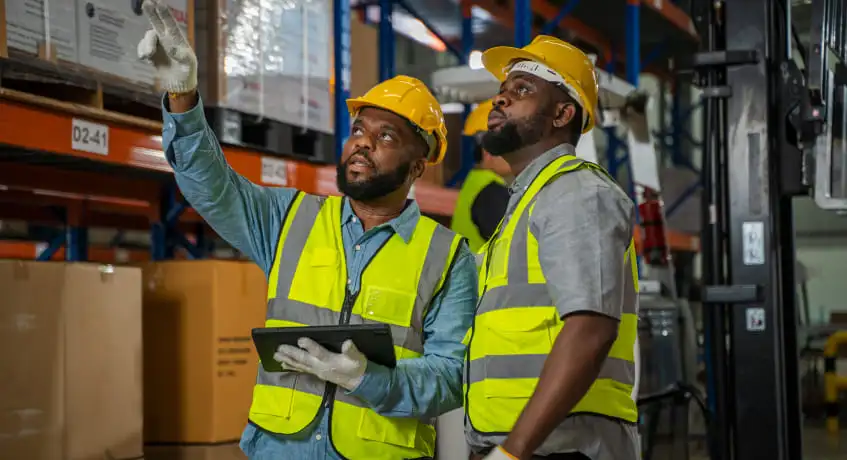 Implementing a robust logistics strategy that is supported by logistics management software provides the foundation for a scalable and profitable business. These advantages streamline your internal workflows and directly enhance the service quality provided to your customers. To maximize your operational potential, focus on leveraging these core benefits within your facility:
Better Inventory Accuracy
Better inventory accuracy helps businesses track stock levels more precisely across all storage locations. With clear data, teams can avoid discrepancies and ensure that inventory records match actual physical stock conditions.
This accuracy supports faster decision-making and reduces the risk of stock shortages or overstocking. It also improves order fulfillment, as teams can confidently pick and ship the correct items without delays or errors.
Optimized Warehouse Space
Optimized warehouse space allows companies to use available storage more efficiently. By organizing layouts and using proper slotting strategies, businesses can store more goods without expanding physical warehouse capacity.
Better space usage also improves workflow and reduces congestion within the warehouse. This makes it easier for staff to move goods, speeds up operations, and helps maintain a more organized and productive environment.
Lower Return Rates
Lower return rates can be achieved when warehouse processes are handled accurately from receiving to shipping. Proper handling ensures that customers receive the right products in good condition and on time.
By minimizing picking and packing errors, businesses can reduce costly returns and improve customer satisfaction. This also helps maintain brand reputation and lowers operational costs related to reverse logistics.
Structured Labor Allocation
Structured labor allocation ensures that warehouse staff are assigned tasks based on priorities and workload. This helps distribute responsibilities evenly and prevents bottlenecks in critical operational areas.
With clear task management, teams can work more efficiently and maintain consistent performance. It also improves productivity, reduces idle time, and supports better coordination across different warehouse functions.
Centralized Goods Consolidation
Centralized goods consolidation allows businesses to combine products from multiple sources into one location. This approach is also common in 3PL services, where shipments are grouped efficiently to simplify distribution and improve delivery planning.
It also helps reduce transportation costs and improve delivery coordination. By managing consolidation in one hub, companies can streamline logistics processes and maintain better control over outgoing shipments.
Added Value Services
Added-value services enhance warehouse operations beyond basic storage and handling. These services may include labeling, packaging, or product customization before items are shipped to customers.
Providing these services helps businesses meet specific customer requirements and improve overall satisfaction. It also creates additional revenue opportunities while strengthening the company’s competitive advantage.
Easier System Use
Easier system use allows warehouse teams to operate technology with minimal complexity. Simple interfaces and clear workflows help staff quickly adapt to systems without requiring extensive training.
When systems are easy to use, errors can be reduced, and productivity can increase. It also ensures smoother operations, as employees can focus more on execution rather than struggling with complicated tools.
Quicker Order Fulfillment
Quicker order fulfillment helps businesses process and deliver orders in a shorter time. Efficient warehouse workflows ensure that picking, packing, and shipping can be completed faster without sacrificing accuracy.
This speed improves operational efficiency and allows companies to meet customer expectations more consistently. Faster fulfillment also supports higher order volumes and reduces delays across the distribution process.
Improved Customer Satisfaction
Improved customer satisfaction comes from accurate and timely order delivery. When warehouse processes run smoothly, customers receive the right products in good condition and within the expected timeframe.
Consistent service quality builds trust and encourages repeat purchases. It also strengthens brand reputation, as customers are more likely to choose businesses that deliver reliable and seamless fulfillment experiences.
What are the Warehouse Logistics Main Types?
Warehouse logistics is not a one-size-fits-all solution as different industries require specific storage and handling methods. Understanding these types is key to selecting the right model for your business goals. To optimize your supply chain, you should evaluate which of these specialized logistics categories best fits your operational needs:
Traditional Warehouse Logistics
Traditional warehouse logistics relies on manual processes for handling inventory, storage, and movement of goods. Workers perform tasks such as picking, packing, and tracking stock using basic tools and standard operating procedures.
This approach is suitable for smaller operations with limited complexity. However, it may lead to slower processing times and higher error rates, especially when demand increases and manual coordination becomes harder to manage.
Automated Warehouse Logistics
Automated warehouse logistics uses technology such as robotics, conveyors, and software systems to manage inventory and operations. These tools help streamline processes and reduce reliance on manual labor across warehouse activities.
By automating tasks, businesses can improve accuracy and speed while lowering operational costs. This setup is ideal for companies handling large volumes, as it supports scalability and consistent performance in daily operations.
Cold Storage Warehouse Logistics
Cold storage warehouse logistics is designed to store temperature-sensitive goods such as food, pharmaceuticals, and chemicals. It ensures that products remain in controlled environments to maintain quality and safety standards.
Managing cold storage requires strict monitoring and specialized equipment. Businesses must ensure proper handling, temperature control, and compliance with regulations to avoid spoilage and maintain product integrity.
High-Volume Warehouse Logistics
High-volume warehouse logistics focuses on handling large quantities of goods within a short time. It emphasizes fast processing, efficient layout design, and streamlined workflows to support rapid inventory movement.
This type of logistics is common in industries with high demand, such as retail and e-commerce. Companies must maintain speed and accuracy to fulfill orders quickly while preventing delays and operational bottlenecks.
External Storage Warehouse Logistics
External storage warehouse logistics involves outsourcing storage to third-party facilities. This approach helps businesses manage overflow inventory, expand capacity, and evaluate options such as the bonded warehouse benefit when planning more flexible storage strategies.
By using external storage, companies gain flexibility and reduce capital expenses. It also allows businesses to scale operations based on demand while maintaining focus on their core activities and operations.
By understanding each warehouse logistics type, businesses can choose a model that fits their operations more precisely. ScaleOcean logistics software helps connect these processes, improve visibility, and support faster, more accurate warehouse decisions.
Ways to Improve Warehouse Logistics
Warehouse logistics optimization entails optimizing procedures to make them faster, more accurate, and cost-effective. This includes smart layout design, incorporating new technologies, and constantly refining procedures to create smoother, more efficient workflows.
In the competitive Singapore market, even minor improvements can have a huge impact on the bottom line. The goal is to build a lean, agile, and responsive warehouse operation that can react to changing customer needs and market conditions, ensuring business success. So, we’ve got six critical strategies to assist you in making that happen.
Deliver Proper Training
Deliver proper training to help warehouse staff understand procedures, tools, and safety standards more clearly. When guidance is easy to follow, teams can handle goods more accurately and work more smoothly in daily operations.
Well-trained teams usually make fewer mistakes and work more productively each day. They also adjust more easily to system updates or process changes, which helps the warehouse maintain stable performance and reliable service quality.
Improve Supplier Coordination
Improving supplier coordination helps align inbound delivery schedules with actual warehouse capacity. When communication runs well, goods can arrive on time, which reduces delays and prevents congestion during receiving and storage activities.
Better coordination also makes inventory planning more accurate and dependable. It helps businesses maintain a steadier stock flow while creating smoother collaboration with suppliers and other partners across the supply chain.
Apply Operational Changes
Apply operational changes to improve efficiency and keep up with changing business needs. Adjusting workflows, processes, or task allocation can help reduce bottlenecks and support smoother warehouse performance over time.
Ongoing improvement helps operations stay effective as demands continue to shift. By reviewing processes regularly, companies can spot weak points earlier and apply practical solutions that improve productivity and service quality.
Optimize Your Warehouse Layout
Optimize your warehouse layout to make better use of space and improve movement inside the facility. A well-planned setup reduces travel time, supports faster picking, and keeps goods in locations that are easier to access.
A stronger layout also helps reduce congestion and keeps workflows more organized. This allows teams to move more efficiently, avoid unnecessary delays, and support higher throughput across daily warehouse activities.
Track Warehouse Logistics
Track warehouse logistics to gain clearer visibility into inventory movement and daily operational performance. With proper monitoring, businesses can spot delays, errors, and weak points that may reduce overall efficiency.
When tracking is accurate, companies can make quicker and better decisions. It also helps teams respond to issues sooner while keeping warehouse operations aligned with business targets and customer service expectations.
Adopt Automation and Technology
Adopt automation and technology to make warehouse processes faster and less dependent on manual work. Tools like barcode systems, robotics, and software platforms help teams improve speed, accuracy, and consistency in operations.
Technology also gives businesses better visibility into data and planning needs. By reducing manual steps, companies can improve efficiency, support growth, and manage warehouse operations in a more effective way.
Focus on Data-Driven Inventory Management
Focus on data-driven inventory management to keep stock levels accurate and planning more reliable. Real-time data helps businesses understand demand patterns better and avoid excess stock or unexpected shortages.
This method supports stronger decisions and helps reduce unnecessary waste. It also improves coordination across supply chain activities, making sure inventory stays aligned with actual business needs and customer demand.
Implement Cross-Docking Where Possible
Implement cross-docking where possible to reduce storage time and speed up product movement. Goods move directly from inbound shipments to outbound delivery, which lowers handling time and limits warehouse storage needs.
This method helps improve efficiency while keeping costs under better control. It also allows businesses to respond faster to customer demand and support a quicker, more reliable supply chain process overall.
Key Challenges of Warehouse Logistics
Managing a warehouse involves navigating various obstacles that can impact the entire supply chain. Identifying these challenges early is crucial for maintaining a competitive, efficient, and profitable operation.
To ensure long-term success, businesses must address these critical logistical hurdles:
- Warehouse security control: Protecting high-value stock from theft requires constant monitoring. Without robust protocols, businesses risk major financial losses.
- Stock management challenges: Balancing inventory levels is difficult without accurate data. Poor tracking leads to expired goods or missed sales opportunities.
- Limited storage space: Physical capacity often becomes a bottleneck as businesses grow. Inefficient space usage increases overhead and operational costs.
- Temperature control needs: Handling sensitive items like medicine requires strict climate control. Maintaining the cold chain is vital to prevent product spoilage.
- Storage compliance requirements: Navigating regulations for hazardous goods is demanding. Failure to comply can result in heavy fines and significant legal complications.
- Different handling requirements: Fragile or bulky items need specialized equipment. Managing these diverse needs often creates friction and slows down daily workflows.
- Uneven shipping cycles: Seasonal demand fluctuations create unpredictable workloads. These peaks make it difficult to maintain steady labor and shipping speeds.
- Rising operational costs: Increasing wages and energy prices put pressure on margins. Remaining profitable while maintaining quality is a constant struggle.
- Process redundancies: Overlapping tasks and manual paperwork slow down the movement of goods. Removing these steps is vital for creating a lean environment.
- Accuracy and efficiency issues: Manual data entry leads to picking errors and costly returns. High accuracy is crucial for maintaining strong customer satisfaction.
- Ineffective warehouse layout: A poorly planned floor map leads to excessive travel time. Optimizing the flow is necessary to reduce congestion and speed up tasks.
The Future of Warehousing: Automation and Sustainability
In Singapore, automation, such as AMR robots and ASRS systems, directly solves the constraints of high labor costs and limited space. These technologies optimize warehouse operations, lowering the need for manual labor and increasing productivity, making businesses more competitive.
Smart warehouses will utilize AI and IoT to optimize inventory and workforce scheduling. Sustainability, which includes solar panels and energy management systems, is becoming increasingly important. This is consistent with the Singapore Green Plan 2030, ensuring revenue while promoting environmental aims.
Manage and Automate Your Warehouse with ScaleOcean’s Logistics Software

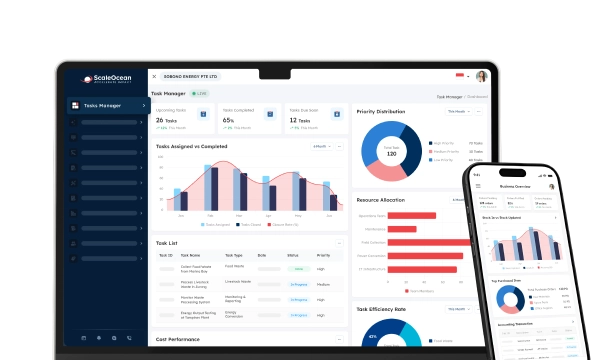
Navigating modern warehouse logistics in Singapore involves more than just hard work. It also necessitates sophisticated technology. ScaleOcean’s logistics software delivers visibility, control, and automation to address costs, speed pressures, and accuracy, thereby streamlining workflows and increasing performance.
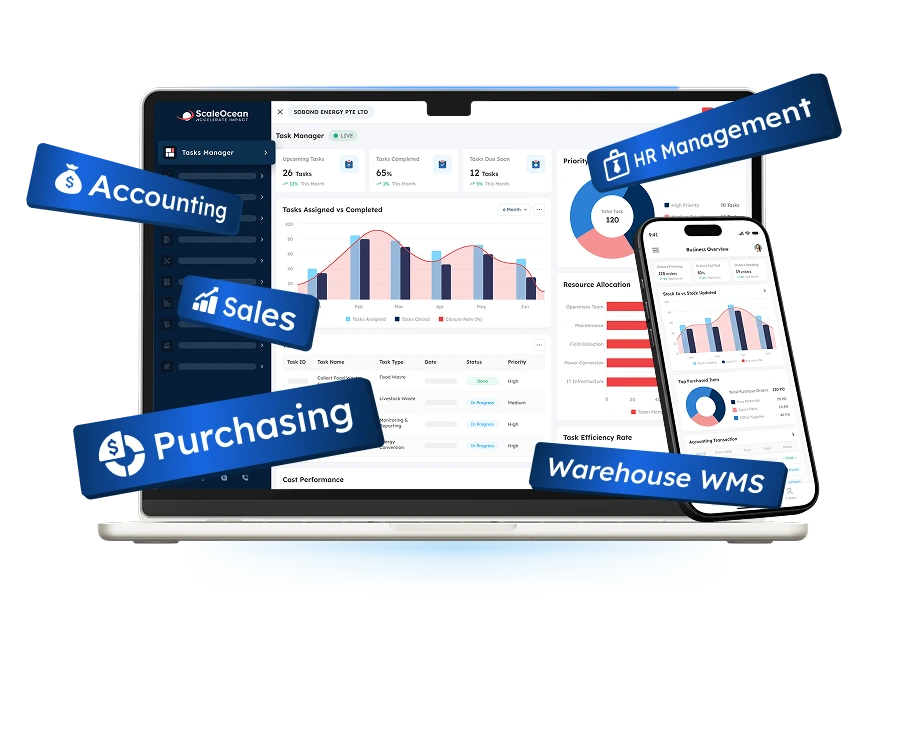
ScaleOcean’s logistics software is eligible for CTC grant funding to decrease adoption costs. It enables firms to streamline supply chain operations, manage inventory efficiently, and increase overall efficiency. The following are the primary features of ScaleOcean’s software:
- Integrated Warehouse Management: Optimizes inventory and automates warehouse workflows for efficiency and accuracy.
- Transportation Management System: Enhances route planning and provides real-time shipment tracking for cost-effective deliveries.
- End-to-End Visibility: Offers complete transparency from warehouse to customer delivery, crucial for complex logistics in Singapore.
- Seamless Integration: Easily integrates with other business systems, improving coordination and decision-making.
- Automation and Cost Reduction: Automates logistics processes to improve efficiency, reduce costs, and minimize errors.
Conclusion
Warehouse logistics in Singapore are more than just storage. It’s the engine of the supply chain, directly impacting profitability, customer satisfaction, and competitiveness. Every element, from inventory placement to picking, packing, and shipping, plays a crucial role.
The future of warehouse logistics lies in automation and sustainability. By embracing technology as a core strategy, businesses can build smarter, faster operations. ScaleOcean’s logistics software supports this transformation, optimizing operations and ensuring long-term success in a competitive market.
FAQ:
1. What are the 7 rules of logistics?
The 7 rules of logistics, as defined by the Chartered Institute of Logistics & Transport UK, focus on delivering the right product in the correct quantity and condition, at the right place and time, to the right customer, with the right cost applied.
2. What is the role of a warehouse in logistics?
A warehouse serves a critical function in logistics by storing goods and ensuring they’re readily available for distribution. It also facilitates order processing, consolidates shipments, and supports efficient inventory management, all vital for smooth supply chain operations.
3. Are warehousing and logistics the same?
No, warehousing and logistics are closely related but not identical. Warehousing refers to the storage of goods, whereas logistics involves the broader supply chain process, including transportation, inventory management, and the overall movement of goods.
4. What is an example of logistics in a warehouse?
An example of logistics in a warehouse is managing stock rotation. This involves organizing goods to ensure that products are accessible for picking, efficiently packed, and shipped according to customer demand, helping streamline order fulfillment and reduce delays.





















.png)