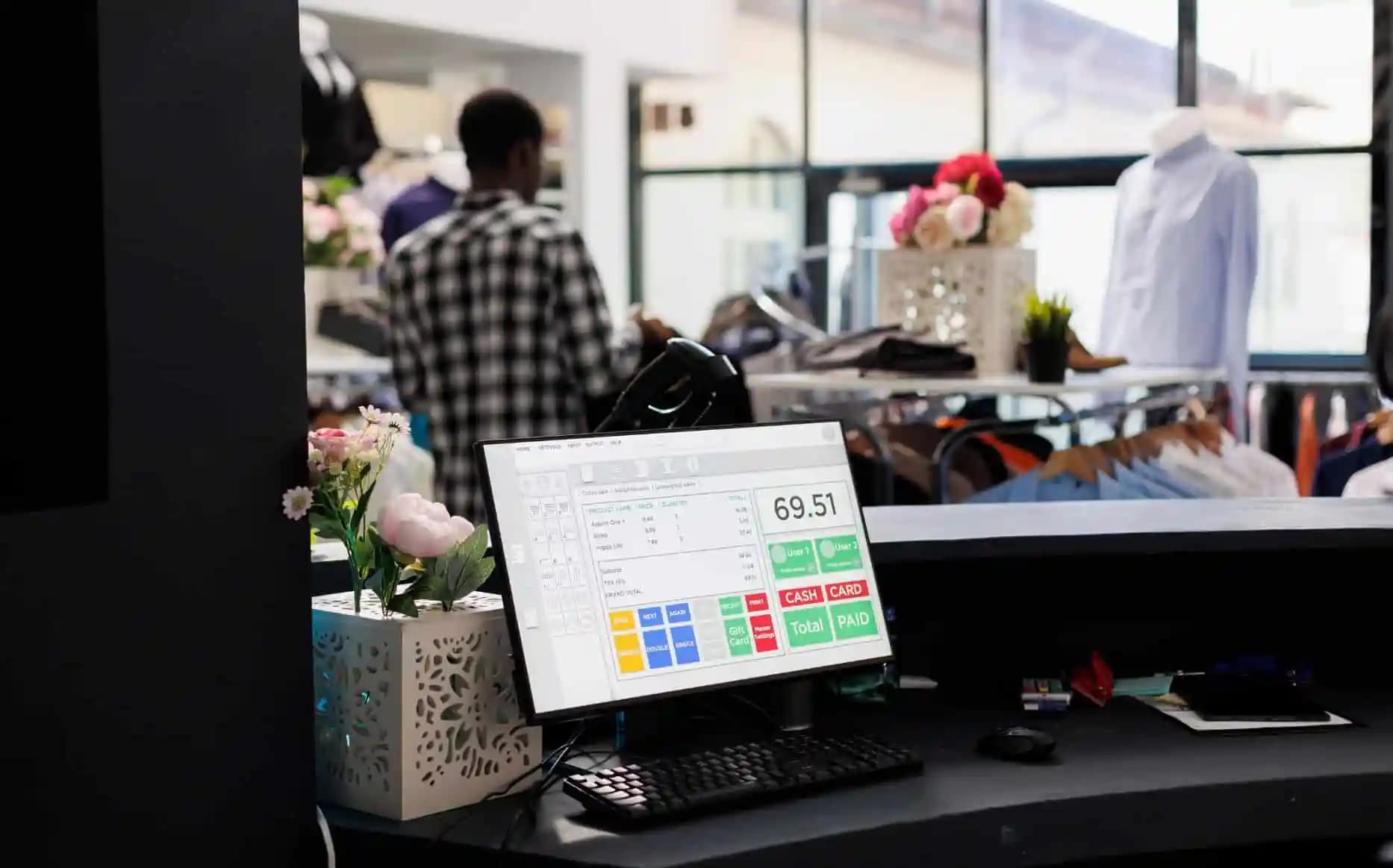







Inventory management software is a tool that assists companies in tracking inventory and controlling operations. For retail or manufacturing industries, complete inventory visibility is important to maintain healthy cash flow and support business growth.
Manual tracking is not relevant with market demands, making businesses adopt inventory management software. For the Philippines, a country with many suppliers, the software implementation plays a significant role for boosting productivity.
 Key Takeaways
Inventory management software is a business solution that is developed to manage inventory flow. The software allows stock to be automatically updated when products are received or shipped, rather than record them manually.
In simple terms, inventory software is a system that allows companies to have a full view of product inventory. Additionally, the employees can easily view and keep track of the inventory from various locations.
Therefore, inventory management software Philippines solutions are important. Many platforms that also connect to purchasing and sales, as well as accounting and warehouse management, enabling businesses to efficiently run from a single platform.
A study done in the International Journal of Innovative Science and Research Technology found that automated inventory systems resulted in real-time data, accuracy, and lower operating costs compared to manual inventory systems.
The study also highlighted that employees experienced greater job satisfaction, better teamwork and more proactive control of the inventory items as a result of the change from manual workload.
Therefore, applciation inventory management software in the Philippines are important. Many platforms also connect to purchasing and sales, as well as accounting and warehouse management, enabling businesses to efficiently run from a single platform.
Understanding how inventory management software works is easier when looking at how inventory moves through a business. This provides better visibility of stock levels and increases inventory accuracy. Here’s how the software works:
This software helps businesses comply with regulations by keeping accurate, complete inventory records, making it much easier to making BIR Inventory Lists and meet Philippine tax requirements.
As businesses grow, businesses that rely on manual inventory management becomes more difficult and increases the risk of costly mistakes. This software helps address the challenges, here are some of the common issues it can solve include:
 Also Read: Top 11 Fashion Inventory Management Software in 2026
The best inventory management software offers more than basic stock monitoring. It enables businesses to boost their productivity within the warehouse. To help maximize efficiency, here are some of the features you should seek:
Choosing the best inventory management software depends on your business size, industry, and complexity. Here are the top inventory management software solutions that are available in the Philippines.
| Software | Key Strength | Best For |
|---|---|---|
|
ScaleOcean Atlas |
ScaleMind AI-powered inventory, warehouse, and ERP management in one platform. |
Enterprises managing multiple warehouses and complex workflows. |
|
SiteGiant |
Keeps inventory synchronized across online sales channels. |
Small and medium e-commerce businesses selling across marketplaces. |
|
Cin7 |
Combines inventory, orders, purchasing, and warehouse management. |
Growing retailers, wholesalers, and distributors. |
|
QuickBooks |
Connects basic inventory tracking directly with accounting. |
Small businesses needing inventory and accounting in one system. |
|
Zoho Inventory |
Simplifies inventory, order, warehouse, and shipping management. |
SMEs, wholesalers, distributors, and online retailers. |
|
Unicommerce |
Automates inventory synchronization and order fulfillment across channels. |
e-commerce businesses and retailers managing multiple sales channels. |
|
Odoo |
Flexible ERP with inventory, manufacturing, sales, and procurement modules. |
Growing businesses seeking a customizable all-in-one ERP. |
|
Square |
Easy inventory management integrated with POS transactions. |
Retail stores and restaurants using Square POS. |
|
Katana |
Connects inventory management directly with manufacturing and MRP. |
Small to medium manufacturers managing production and materials. |
|
QnE Cloud |
Combines inventory, accounting, purchasing, and sales on one dashboard. |
SMEs seeking integrated inventory and accounting. |
|
Oracle NetSuite |
Enterprise-grade inventory, warehouse, and supply chain management. |
Medium to large businesses with complex, multi-location operations. |
|
ShipBob |
Combines inventory visibility with warehousing and e-commerce fulfillment. |
E-commerce businesses outsourcing fulfillment and shipping. |
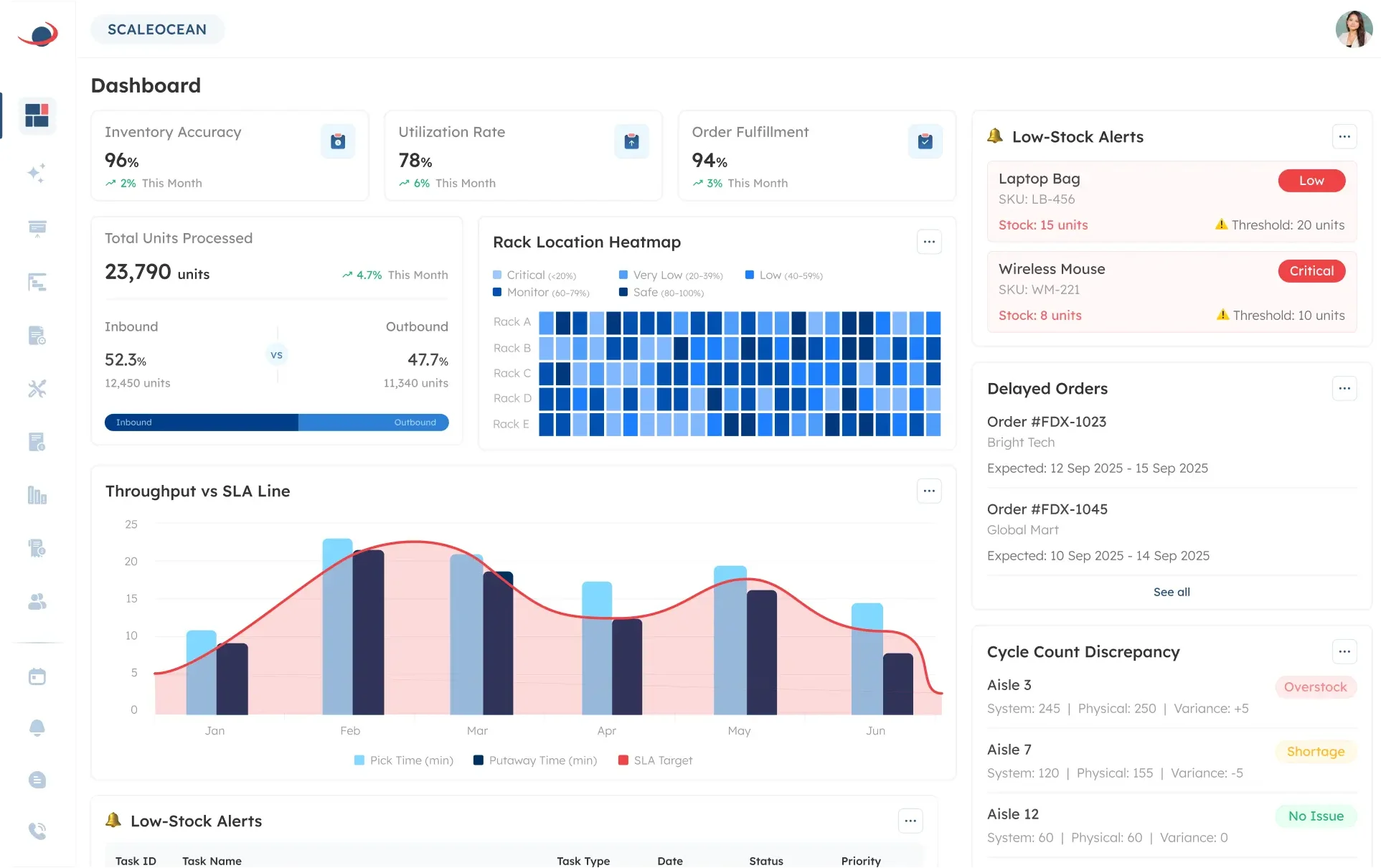
ScaleOcean Atlas for Inventory Management is an AI-based Warehouse ERP solution that unifies inventory management, warehouse management and sales within a single platform. It streamlines inventory management and enhances stock visibility for businesses.
Furthermore, ScaleOcean Atlas can offer real-time inventory visibility for monitoring inventory movements and automating stock availability with AI solutions. It’s ideal for enterprises with many warehouses in need of a scalable solution.
This feature generates analytical reports on inventory flows, helping businesses boost operational efficiency around 25-55%. By providing full visibility into performance, it empowers better decision-making and ensures accurate inventory management.
Additionally, companies can request a free demo to understand how the platform can enhance their inventory operations. Key features include:
| Pros | Cons |
|---|---|
|
|

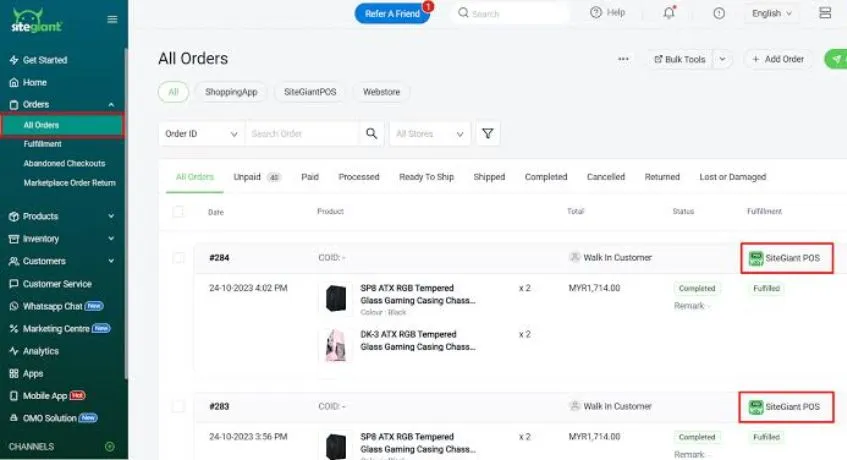
SiteGiant is an eCommerce platform that contains stocks management devices for companies selling online. It helps companies keep their stock in sync with the various sites and minimizes the risk of over-selling.
SiteGiant is ideal for small and medium retailers or eCommerce companies, especially for those who are selling on online marketplaces. The software is especially beneficial for businesses that are seeking to centralize systems, here are some of its features:
| Pros | Cons |
|---|---|
|
|
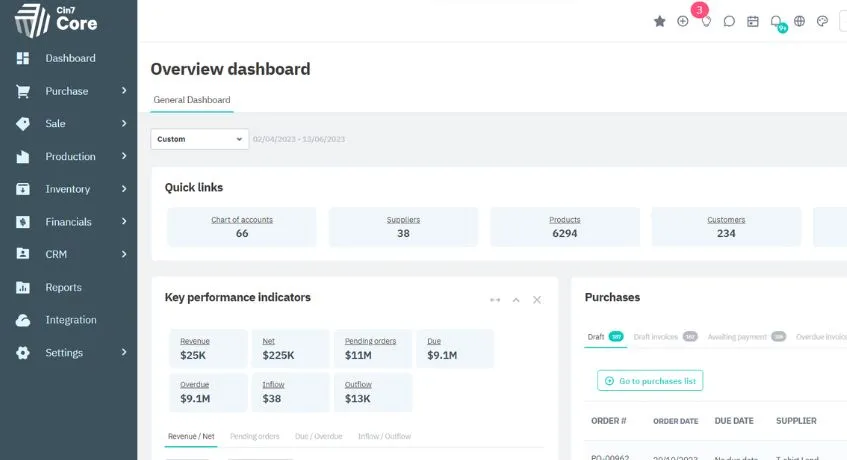
Cin7 is a cloud-based inventory management software that enables businesses to control inventory, orders, buying, and warehouses in a single system. It is created for enterprises that have various sales channels.
It integrates inventory, online marketplaces, warehouses and accounting systems. Hence, wholesale distributors, wholesalers, and retailers can use Cin7 to facilitate automating management. Some of the features are:
| Pros | Cons |
|---|---|
|
|
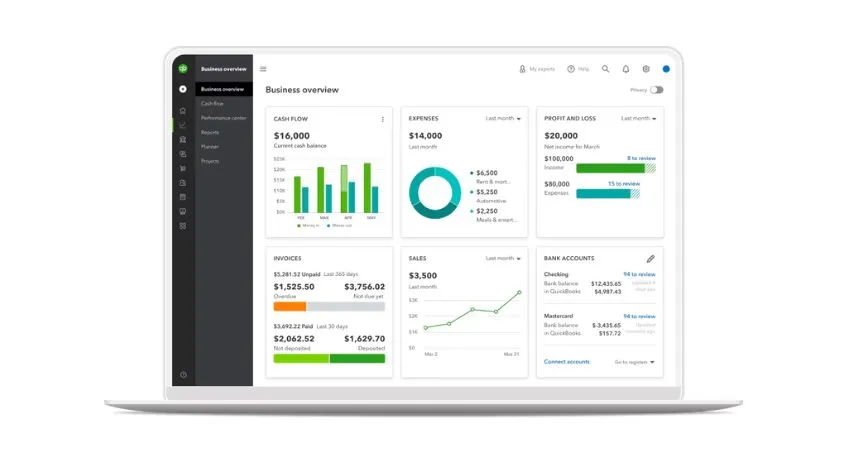
QuickBooks is a popular and widely-used accounting software with inventory management capabilities. It assists companies track stock levels and keeps stock records linked to financial information.
The software automatically updates stock quantities after purchases and sales. Besides, QuickBooks is suitable for small businesses that require some fundamental inventory management alongside accounting tasks. Here are some features include:
| Pros | Cons |
|---|---|
|
|
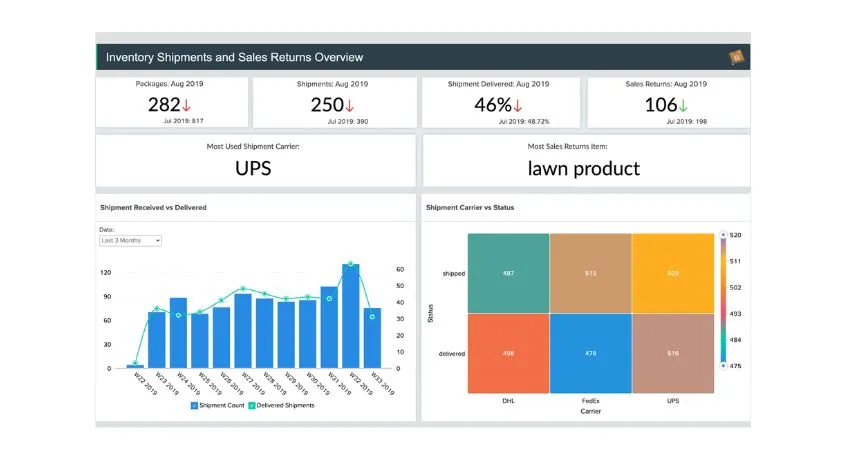
Zoho Inventory is a cloud-based inventory management solution that helps businesses manage stock, warehouses, and shipping from one platform. It is designed to simplify inventory operations while integrating with the Zoho ecosystem.
The software syncs inventory to web stores and marketplaces, and manages inventory from a single dashboard. It’s an ideal solution for SMEs, wholesalers, distributors and online retailers who need an affordable option. Some features are:
| Pros | Cons |
|---|---|
|
|
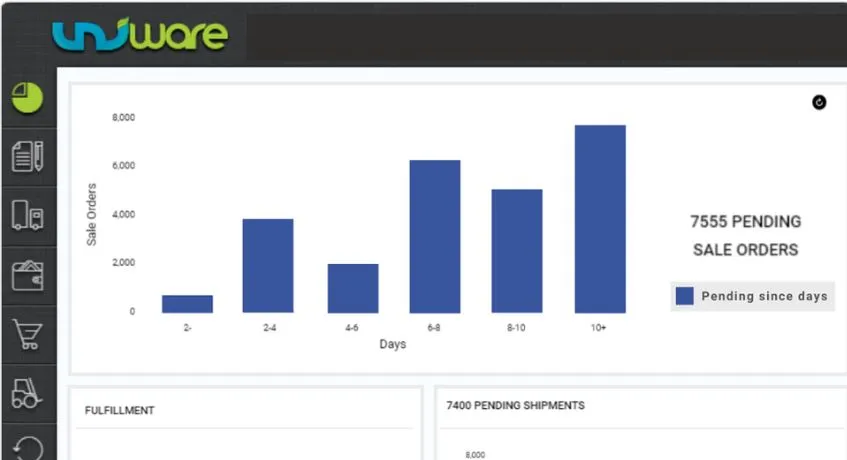
Unicommerce is a comprehensive inventory and order management system that can be used by retailers, brands and eCommerce businesses. It consolidates inventory in warehouses and various online sales channels to increase the inventory accuracy.
It simplifies inventory and order management, along with warehouse operations. Additionally, it is ideal for enterprises that have web-commerce from different sites. It has some of the following features:
| Pros | Cons |
|---|---|
|
|
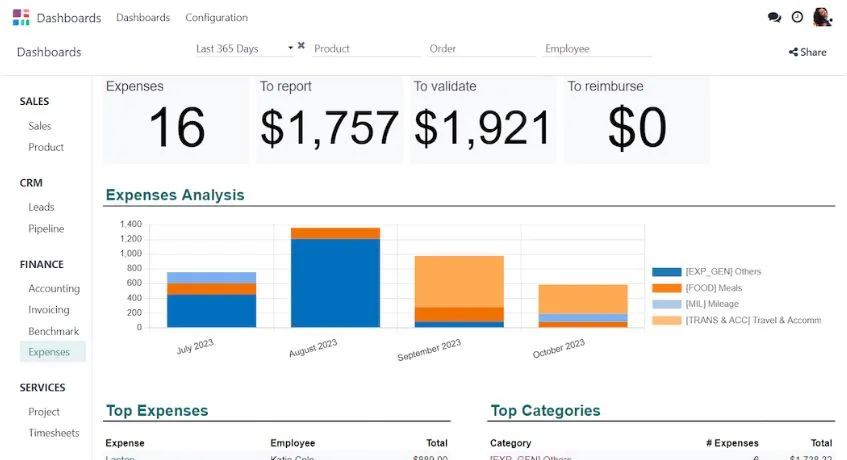
Odoo is an open-source ERP system that comes with inventory management, as well as accounting, CRM, manufacturing, procurement and sales modules. The businesses can adopt those modules that they require and can grow their operations.
It can automate and integrate all processes of warehouse management, inventory and purchasing under a single entity. Perfect for businesses that want an ERP solution that offers flexibility and has a variety of inventory choices. Key features include:
| Pros | Cons |
|---|---|
|
|
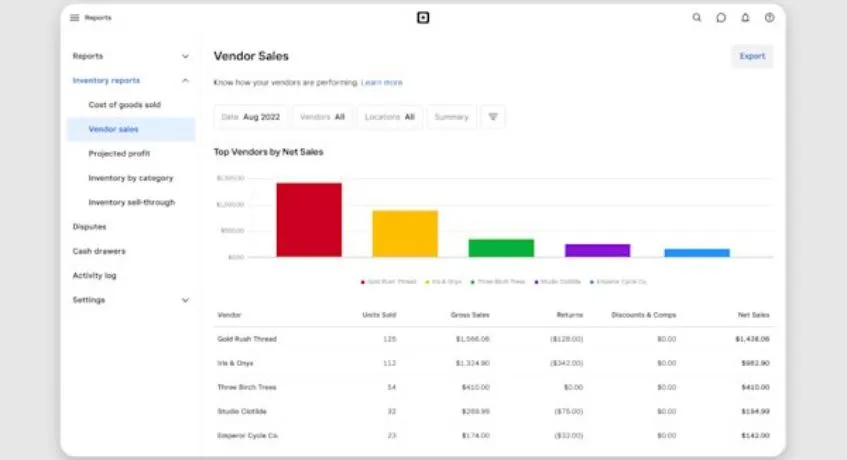
Square offers inventory management functions with its POS system for retailers and small businesses. Moreover, this software automatically updates the inventory after each sale for accurate management of stocks.
It also allows companies to track inventory at various retail sites and to streamline products. The Square is best suited for retail stores, restaurants, and companies that operate with the POS system. Here are some features include:
| Pros | Cons |
|---|---|
|
|
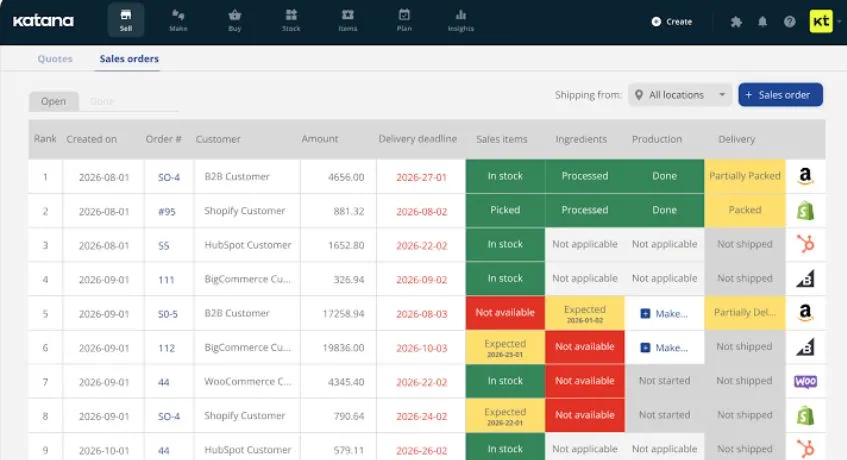
Katana is cloud-based software for inventory management and manufacturing for small to medium manufacturers. It enables enterprises to control raw material, finished product and sales orders from a single console.
The software gives an up-to-date inventory snapshot by automatically tracking inventory as materials are bought, used in production, or sold. This aids in keeping the record of the manufacturer correct. These are a few of the features:
| Pros | Cons |
|---|---|
|
|
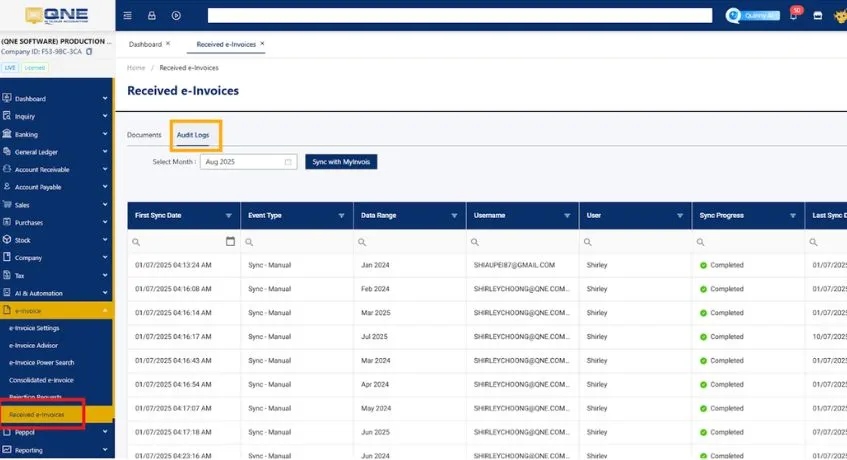
QnE Cloud is an all in one cloud ERP solution that combines inventory management, accounting, purchasing and sales management. It helps keep the business organized with the purchasing of the right stock and will help the business’s accounting.
The software provides real-time inventory visibility and enables users to run a number of business functions from a single dashboard. It’s right for SMEs that are looking for integrated stock and accounting answers. Some features are:
| Pros | Cons |
|---|---|
|
|
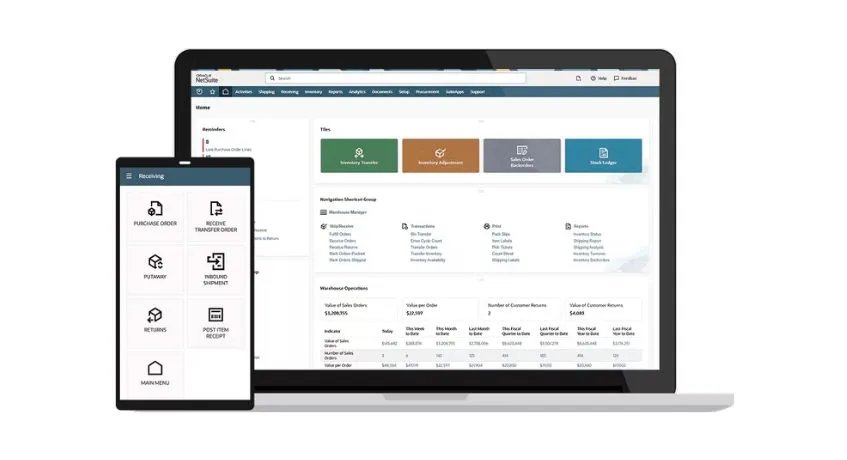
Oracle NetSuite is an enterprise Cloud ERP system which offers high tech inventory management, warehouse management, and supply chain planning. It is helpful for companies who have several warehouses and operate globally.
In addition, the platform provides demand planning, real-time inventory visibility and automation for increased efficiencies in inventory management. It can be implemented for enterprises of medium to large-scale with complex requirements.
| Pros | Cons |
|---|---|
|
|
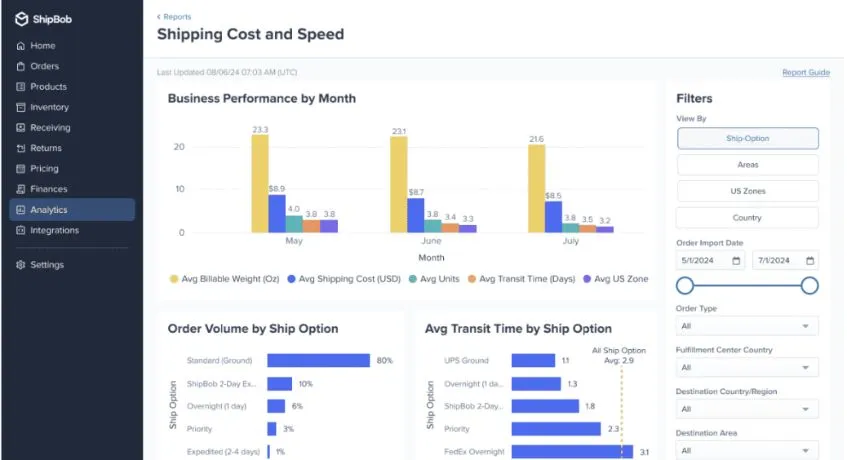
ShipBob is an eCommerce fulfillment service that offers inventory management, warehousing, and shipping. It helps businesses monitor products in their fulfillment centers as well as order fulfillment.
The software ensures that the inventory is always in sync with online stores and automatically updates after orders. Ideal for eCommerce companies seeking fulfillment without compromising visibility of their stock. Here features include:
| Pros | Cons |
|---|---|
|
|
Also Read: 33 Inventory Management KPIs: Complete Guide 2026
An inventory management software will help to improve the accuracy of stock, optimise warehouse functions and keep a good control of inventory at multiple locations. Thus the objective of software is essential for promoting business growth.
ScaleOcean Atlas for Inventory Management combines inventory management, warehouse operations, purchasing, and reporting in one integrated platform, making it an ideal choice for businesses in the Philippines seeking a comprehensive solution.
Moreover, it provides businesses with AI features such as helping real-time inventory visibility, automated workflows, and scalability, making it easier for them to operate as businesses expand.
You can sign up for a free demo and get a glimpse of how the solution can meet your business requirements.
The best inventory management software depends on your business size, industry, budget, and operational needs. Compare features, scalability, integrations, reporting, and ease of use to find the solution that best supports your inventory operations.
Yes. Excel is suitable for basic inventory management and stock tracking. However, as your business grows, inventory management software becomes non-negotiable as it provides real-time updates, automation, and greater accuracy than manual spreadsheets.
Choose inventory management software based on your business size, inventory complexity, and budget. Look for features such as real-time inventory tracking, warehouse management, system integrations, scalability, and reporting capabilities.