Logistics management software facilitates the coordination, management and delivery of goods throughout the warehouse, transport network, suppliers, distributors and customers.
In the Philippines, this is even more applicable because it may include a number of warehouses, carriers, and transportation modes that traverse the archipelagic nation. Delays, limited shipment visibility and poor coordination can take their toll on a day-to-day basis without adequate cooperation.
When it comes to selecting the best logistics management software, it isn’t just about a transportation tracker. Warehouse connectivity, inventory visibility, route planning and compliance with Philippine standards are all factors that need to be consider. This guide covers the essential features to consider and 14 software solutions to consider in 2026.
Key Takeaways
The logistics management software helps in the centralization of the transportation, inventory, warehousing, shipment and delivery activities in one integrated system.
Logistics management software is a digital solution intended to help plan, implement, track, and analyze the movement of goods from their source (usually a supplier or warehouse) to their end destination.
The logistics management system software is a practical software that links various stages of the logistics process in practice. For instance, an order may initiate inventory allocation, picking operations in the warehouse, shipment planning, carrier assignment, inventory tracking, and updating the order status in a connected workflow.
Several challenges continue to affect logistics performance in the Philippines, including weak infrastructure, inefficient customs, and port management issues, according to a Philippine Institute for Development Studies (PIDS) policy study. These challenges highlight the need for better coordination and logistics efficiency.
As logistics activity grows, businesses are also turning to digital tools to manage increasingly complex operations. The Philippine Freight and Logistics Market is projected to grow from $16.20 billion in 2026 to $21.60 billion by 2031, at a 5.93% CAGR. This growth may increase the need for connected systems that support more efficient logistics.
The Benefits of Logistics Management System Software for Philippine Businesses
As mentioned earlier, logistics software is a modern distribution technology that streamlines moving goods to clients. These are some of its advantages to make your logistics and distribution more efficient:
Connects Disconnected Supply Chain Systems: Links procurement, inventory, warehousing, transportation, sales and delivery data for teams to work off a more consistent source of information.
Provides Real-Time Logistics Visibility: Provides teams with real-time data on inventory, shipments, vehicles and deliveries, so they can identify delays or exceptions before they turn into bigger problems.
Reduces Manual Reconciliation: Automates order, inventory, and shipment data so that relevant data is synced and repetitive spreadsheet comparisons and manual data checking is minimized.
Supports Data-Driven Inventory Decisions: Integrates inventory data, order history, and demand analysis for informed replenishment and stock allocation.
Improves End-to-End Traceability: Records inventory movements, shipment activities, carrier updates, and delivery events, making it easier to trace products when delays, damages, or discrepancies occur.
Connects Multiple Sites and Entities: Offers a centralized warehouse, branch, subsidiary, and distribution point view is beneficial for enterprises engaged in operations in Luzon, Visayas and Mindanao.
What Are the Must-have Features of Logistics Management Software?
Before implementing logistics management software, there are several key features to consider; such as integrations, traceability, and analytical reporting. Here are the biggest features to consider:
1. Warehouse and Inventory Integration
Firstly, within the software, integration between logistics and warehouse management is directly linking real-time inventory to picking, packing and dispatch. This provides complete visibility to multi-warehouse operations to route orders from the optimal source and streamline fulfilment.
2. Real-time Stock Tracking
Real-time tracking keeps inventory through all stages with tools such as batch tracking, serial tracking, and barcode scanning and RFID. Also, this real-time visibility means logistics teams are always aware of the exact stock levels and their location.
3. Fleet Management
Fleet management is crucial for companies that own their own vehicles, consolidating vehicle assignments, driver scheduling, maintenance, and GPS tracking. It enables dispatchers to optimize routes and provide managers with full visibility of the operating cost and fleet performance.
4. Inventory Forecasting
Inventory forecasting is a technique for predicting the quantity of inventory required in the future using historical sales, seasonal patterns, and market trends. This is very important with regard to handling a surge of demand during major shopping events or during the “Ber” months in order to keep the inventory balanced.
5. 3PL and Distributor Data Sharing
Smooth logistics is dependent on the smooth interaction between shippers, 3PLs, carriers, and distributors. In addition, Modern platforms allow for the automation of document exchange and shipment updates via APIs, EDI and secure portals, and eliminating slow manual check-ins.
6. Local Philippine Compliance
Logistics platforms operating in the Philippines should support local customs workflows, such as the electronic lodgment of import declarations under the the Bureau of Customs E2M Customs System (CMO No. 27-2009). Features like comprehensive audit and tax integrations help businesses stay aligned with local regulations.
7. Route Optimization
The route optimization module determines the most optimal sequence of deliveries, taking into account the vehicle’s capacity, drop-off times, traffic conditions, etc. This is especially useful when travelling through city bottlenecks in Metro Manila, or for a complex multi-stop regional distribution.
8. Analytics & Reporting
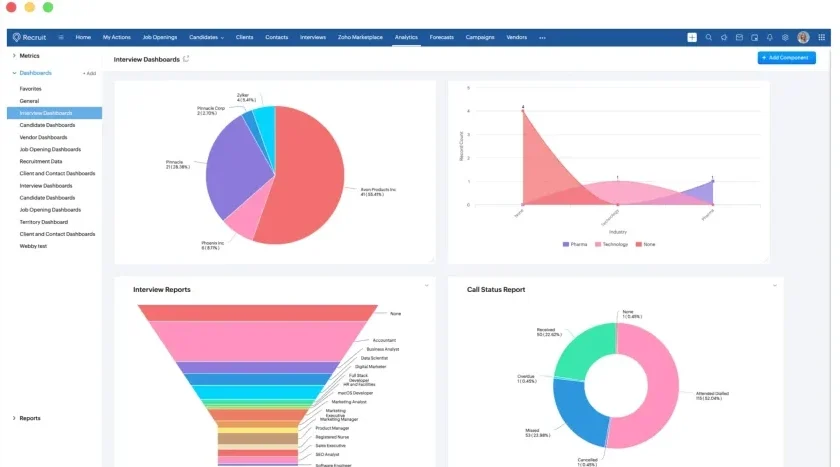
Logistics analytics convert raw operational data into information that can be displayed on dashboards to monitor important metrics such as on-time delivery percentage, fleet utilization, and carrier expenses. These insights enable managers to identify trends that may be causing delays and make informed operational decisions.
The 14 Best Logistics Management Software in the Philippines 2026
The best software for logistics management depends on the company’s size, logistics model, and requirements. The following platforms represent different approaches, from ERP-based logistics management to dedicated TMS, here are the options:
Software
Key Strength
Best For
ScaleOcean Atlas
Integrated logistics, inventory, warehouse, and ERP workflows
Businesses managing carriers and freight operations
Zoho Inventory
Inventory, order fulfillment, and shipping
Retailers, e-commerce businesses, and distributors
Descartes Systems
Customs, transportation, and global logistics
Businesses handling international and cross-border logistics
AscendTMS
Load, dispatch, and transportation management
Carriers, brokers, and logistics providers
Wise Systems
Route optimization and last-mile delivery
Businesses managing high-volume delivery routes
Trimble Transportation
Transportation, fleet, routing, and asset management
Carriers and shippers with complex fleet operations
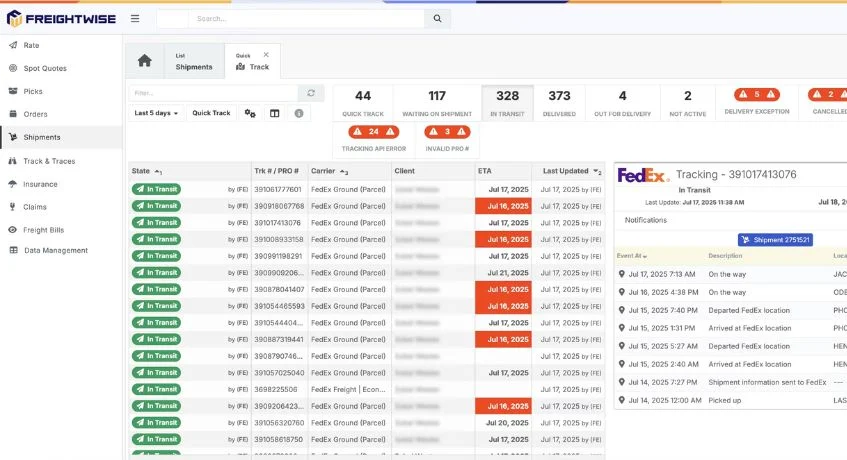
FreightWise/Kuebix TMS
Freight management and transportation planning
Businesses managing multiple carriers and freight workflows
Freightview
Freight rates, booking, and shipment tracking
Businesses seeking focused freight management
BluJay Logistics
Transportation, global trade, and supply chain visibility
Businesses handling international logistics
Logiwa WMS
Warehouse automation and high-volume fulfillment
E-commerce and 3PL businesses with large order volumes
1. ScaleOcean Atlas for Logistics Management
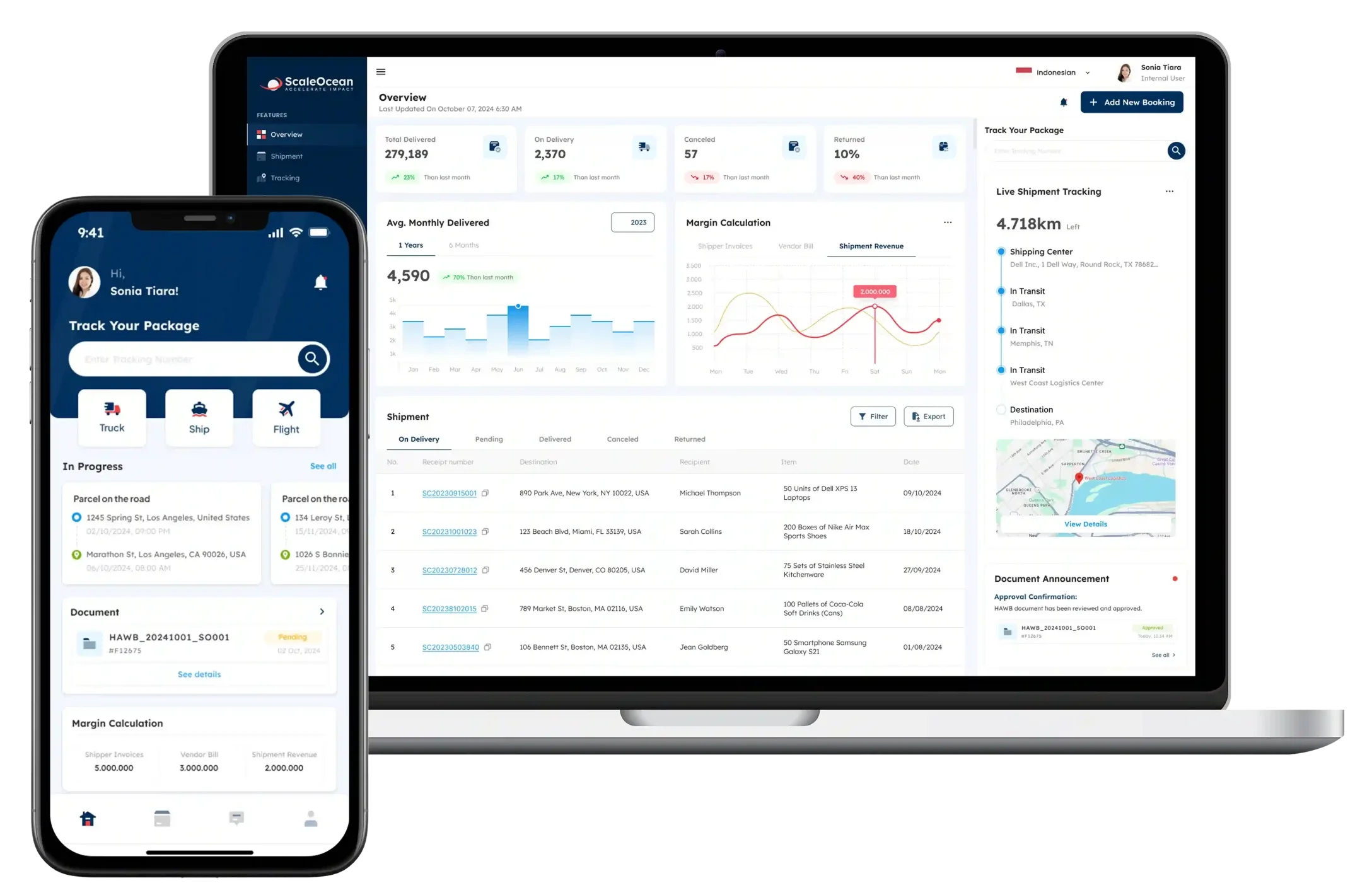
ScaleOcean Atlas for logistics management is an integrated ERP and warehouse management platform designed to connect logistics with inventory, sales, warehouse operations, accounting, and reporting. Instead of managing as separate functions, businesses can coordinate these activities within a connected system.
For Philippine businesses, this approach can be useful when multiple warehouses, suppliers, carriers, and delivery points need to work from the same operational data. Instead of relying on separate spreadsheets, teams can manage key supply chain activities through a centralized platform.
Moreover, ScaleOcean also incorporates ScaleMind AI to support data analysis and operational decision-making. Its modular approach allows businesses to configure the system around their workflows instead of forcing logistics teams to work with a fixed setup.
Schedule a consultation with our experts to explore how ScaleOcean can support your logistics operations. Here’s how ScaleOcean Atlas’s features enhance logistics process:
Integrated Logistics and Inventory: Connects logistics activities with inventory, warehouse, procurement, sales, and other business processes.
Warehouse and Order Fulfillment: Helps teams manage receiving, storage, picking, packing, stock movement, and order fulfillment from a centralized system.
Multi-Location Management: Supports centralized visibility across warehouses and distribution locations, helping businesses coordinate inventory and logistics activities across their network.
ScaleMind AI: Provides AI-powered support for data analysis, operational insights, and more informed logistics decision-making.
Flexible Configuration: Allows businesses to adapt modules and workflows according to their operational requirements rather than relying on a generic setup.
Localized Philippine Support: The Philippine version supports localized workflows and documentation, including BIR-compliant inventory and transaction documents.
Pros
Cons
Connects logistics with inventory, warehouse, procurement, sales, accounting, and other ERP processes.
Supports centralized management for businesses with multiple warehouses and distribution points.
Uses ScaleMind AI to support analysis and operational decision-making.
Can be configured around different business workflows and requirements.
May be more suitable for businesses looking for an integrated ERP and logistics environment rather than a standalone transportation management system.
ScaleOcean Atlas Pricing: Pricing is quote-based and depends on the modules, users, integrations, and business requirements. You can contact the ScaleOcean team for pricing details.
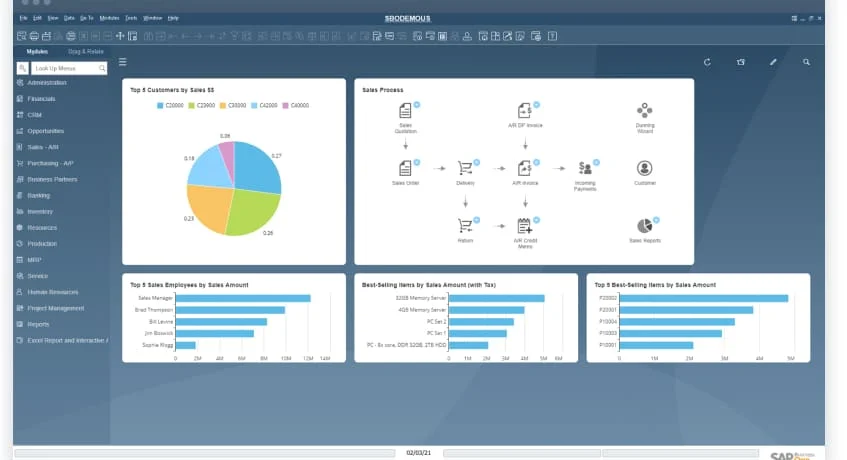
SAP Logistics Management is a cloud-based logistics solution that combines warehouse and transportation management. It supports warehouse execution, transportation dispatching, network collaboration, and real-time execution visibility.
For larger Philippine businesses, SAP can be useful when logistics needs to connect with broader enterprise processes and supply chain partners. Its ecosystem can support more structured logistics workflows across warehouses and transportation operations. Here are some of the features:
Warehouse Execution: Supports warehouse activities within a connected logistics environment.
Transportation Dispatching: Helps coordinate transportation activities and dispatch operations.
Network Collaboration: Connects logistics operations with carriers and supply chain partners.
Real-Time Visibility: Provides current execution status to improve shipment and logistics monitoring.
Pros
Cons
Strong integration with the broader SAP ecosystem.
Combines warehouse and transportation capabilities.
Suitable for businesses with structured enterprise logistics processes.
May require more implementation resources than simpler logistics platforms.
SAP Logistics Management Pricing: Price based on business’s complexity, contact the vendor for pricing details.
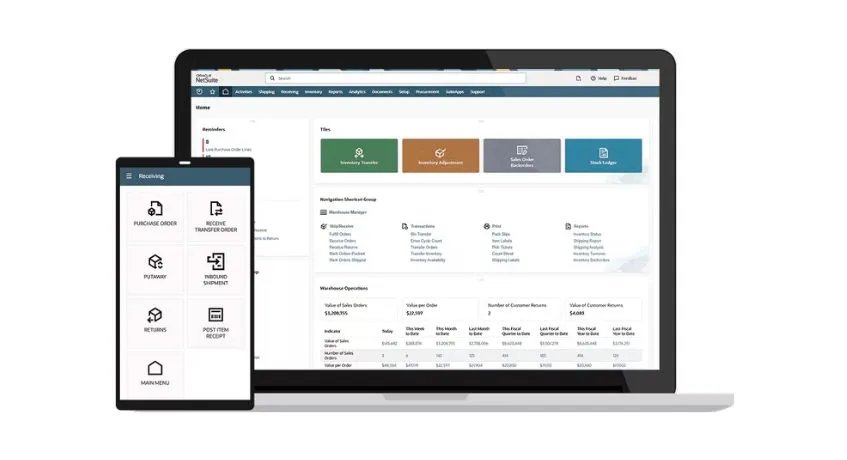
Oracle Transportation Management is a transportation management solution designed to help businesses plan, execute, and optimize the movement of goods. Furthermore, it highlights capabilities for shipment planning, carrier selection, transportation execution, and multi-leg transportation.
Also, it can be relevant for Philippine companies managing complex transportation networks, particularly when shipments involve multiple carriers, transportation modes, or delivery stages. Here are some of Oracle’s main features:
Transportation Planning: Helps plan shipments based on factors such as cost, distance, and transportation requirements.
Carrier Management: Supports carrier selection and transportation coordination.
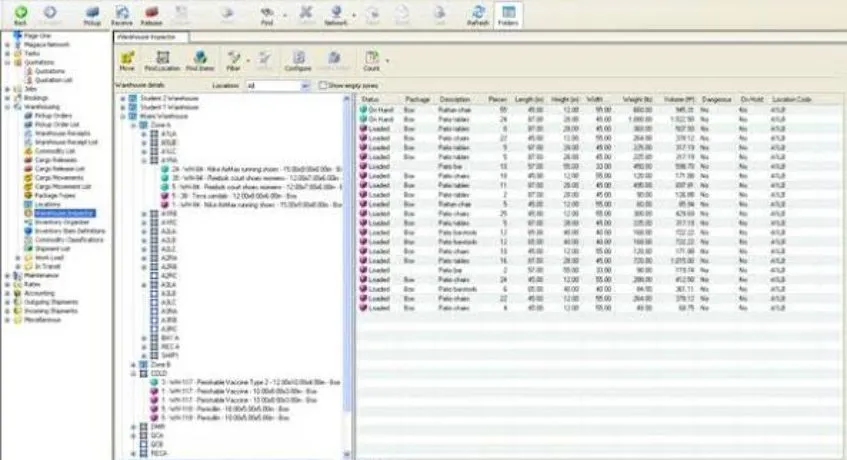
Another logistics management software that supports local regulations in the Philippines is Magaya Supply Chain. It is a logistics and supply chain platform built around freight forwarding, shipping, warehousing, accounting, and related workflows.
In addition, it provides a single environment for managing logistics processes and offers real-time visibility across operations. This can be useful for Philippine freight forwarders, logistics providers, and businesses that need to coordinate warehouse and shipping activities within the same system. The features are:
Freight Forwarding: Manages bookings, shipments, warehouse receipts, and related freight workflows.
Warehouse Management: Supports receiving, put-away, inventory, picking, packing, and shipping.
Accounting: Connects logistics operations with built-in accounting workflows.
Open API: Allows businesses to connect Magaya with other applications and systems.
Pros
Cons
Combines freight forwarding and warehouse management.
Provides real-time logistics visibility.
Offers built-in accounting capabilities.
Its feature set may be more specialized toward freight and logistics service providers.
Magaya Supply Chain Pricing: Quote-based pricing. The vendor does not publicly disclose a starting price.
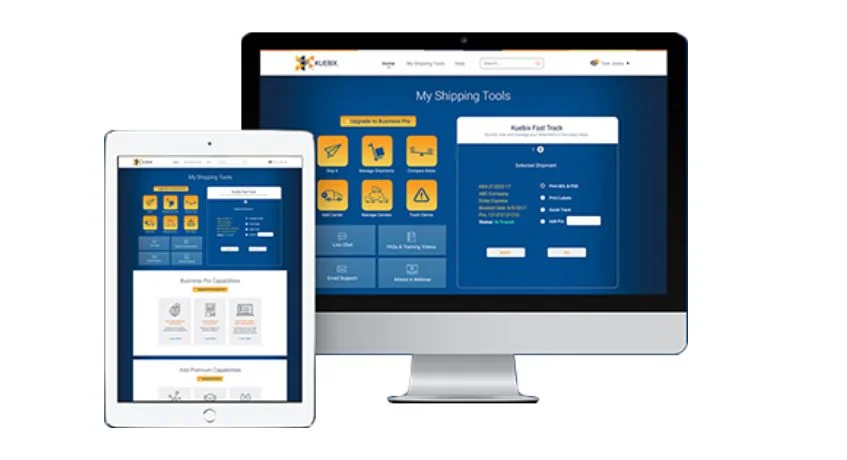
Kuebix TMS is a transportation management solution within the Trimble transportation portfolio. It is designed to help businesses manage transportation planning, freight processes, and shipment visibility.
For Philippine businesses, a TMS approach can be useful when transportation costs, carrier coordination, and shipment planning become difficult to manage manually. Below here are the features to optimize logistics process:
Transportation Planning: Helps businesses organize and plan freight movements.
Carrier Management: Supports coordination with transportation providers.
Freight Management: Helps manage transportation costs and shipment information.
Shipment Visibility: Provides greater visibility into transportation activities.
Pros
Cons
Focuses specifically on transportation management.
Part of Trimble’s broader transportation technology ecosystem.
Businesses looking for broader ERP capabilities may need additional systems.
Kuebix TMS Pricing: Starts at ₱4.319,12 ($69) per month for the entry-level OnKue plan. It also provides more advanced features and API-integrated solutions.
Zoho Inventory is an inventory and order management platform with capabilities covering multi-warehouse operations, order fulfillment, shipping, inventory tracking, and integrations. It can connect with shipping carriers and provide shipment updates.
For Philippine retailers, e-commerce businesses, and distributors, Zoho Inventory can be useful when logistics management is closely tied to inventory and order fulfillment rather than complex fleet operations. Here are the features:
Multi-Warehouse Management: Tracks stock across multiple warehouse locations.
Order Fulfillment: Supports packing, shipping, and post-shipment tracking.
Carrier Integration: Connects with shipping carriers for rates, labels, and shipment management.
Inventory Tracking: Supports barcode, batch, serial number, and stock-level tracking.
Pros
Cons
Combines inventory and order management with shipping workflows.
Supports multiple warehouses and sales channels.
Offers a broad integration ecosystem.
More focused on inventory and order fulfillment than full-scale transportation management
Zoho Inventory Pricing: Paid plans start at ₱2.441,91 ($39) per month for the Standard plan. A free plan is also available.
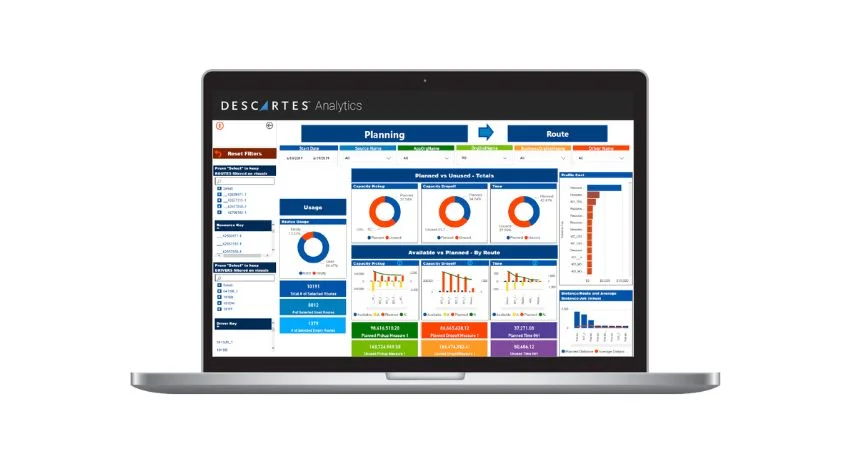
Descartes Systems provides logistics and supply chain applications supported by the Descartes Global Logistics Network. Its solutions cover transportation, customs, shipment visibility, last-mile delivery, and other logistics processes.
This can be relevant for Philippine companies involved in international trade or cross-border logistics, where customs documentation and collaboration with external logistics partners are important. The key features includes:
Transportation Management: Supports transportation planning and execution.
Customs Compliance: Helps automate customs preparation, filing, and compliance processes.
Shipment Visibility: Connects shipment events and logistics data across supply chain participants.
Strong focus on customs and cross-border operations.
Connects multiple supply chain participants.
Its broad global capabilities may be more complex than needed for domestic logistics operations.
Descartes Systems Pricing: Pricing is quote-based and depends on the specific Descartes solutions, modules, transaction volume, and business requirements.
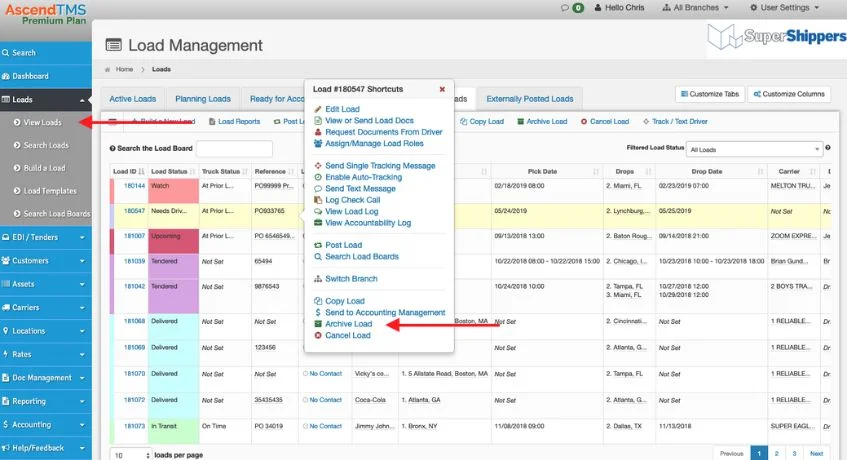
AscendTMS is a transportation management platform designed to help carriers, brokers, and logistics businesses manage loads, dispatching, documents, and transportation workflows.
For Philippine logistics providers, a TMS such as AscendTMS can help centralize dispatch and shipment information instead of relying on separate spreadsheets, emails, and messaging channels. The features includes:
Load Management: Organizes loads and shipment information.
Dispatch Management: Helps dispatchers coordinate drivers, equipment, and loads.
Carrier Management: Supports transportation provider and carrier workflows.
Document Management: Centralizes documents associated with transportation operations.
Pros
Cons
Designed specifically for transportation operations.
Helps centralize dispatch and load information.
Suitable for carriers and logistics providers.
Businesses needing comprehensive ERP and warehouse management may require additional software.
AscendTMS Pricing: The Premium plan starts at ₱6.193,29 ($99) per user per month. A free Basic plan is available for up to two users.
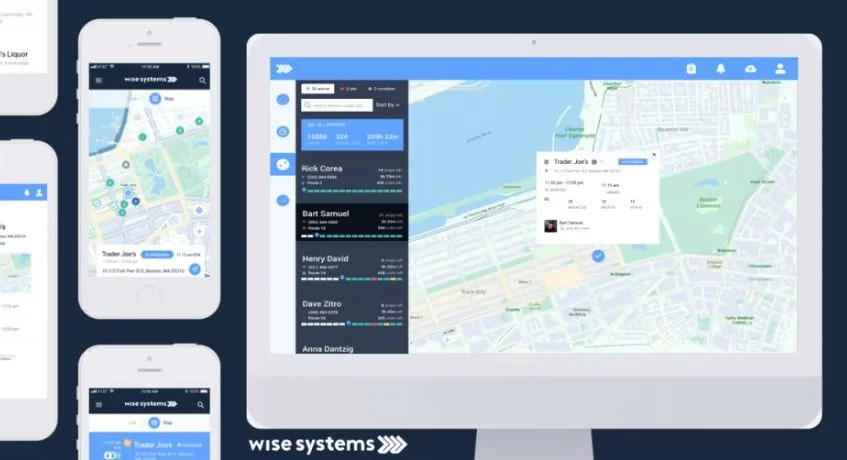
Wise Systems focuses on last-mile transportation and route optimization. The platform is designed to help businesses plan delivery routes, coordinate drivers, and improve visibility across last-mile operations.
This can be useful for Philippine businesses managing high volumes of deliveries across urban areas, where route planning and delivery efficiency can directly affect operating costs. Here are the features of Wise Systems for logistics process:
Dynamic Route Optimization: Helps adjust delivery routes based on operational conditions.
Dispatch Management: Supports coordination between dispatch teams and drivers.
Driver Management: Connects drivers with delivery information and workflows.
Delivery Visibility: Helps teams monitor deliveries and estimated arrival times.
Pros
Cons
Strong focus on last-mile delivery.
Useful for businesses managing multiple delivery routes.
Helps coordinate dispatch and driver activities.
More specialized toward last-mile operations than end-to-end ERP management.
Wise Systems Pricing: Pricing is quote-based. The final cost depends on the business requirements, fleet size, delivery volume, and solutions selected.
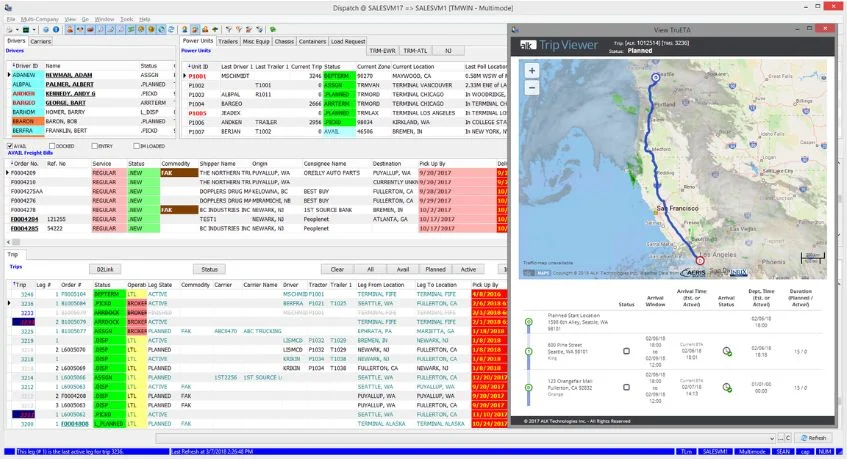
Trimble Transportation provides transportation management, routing, fleet, asset maintenance, planning, execution, and visibility solutions for carriers and shippers. Its current portfolio includes TMS solutions with AI-supported transportation management capabilities.
For businesses managing fleets or complex transportation operations, Trimble can provide a more comprehensive transportation technology environment. Below here are the features of Trimble:
Transportation Management: Supports planning, dispatch, execution, and settlement workflows.
Fleet and Asset Management: Helps monitor vehicles, equipment, and fleet operations.
Route Optimization: Uses transportation data and routing technology to improve trip planning.
Real-Time Visibility: Provides shipment, driver, and ETA information across transportation operations.
Pros
Cons
Broad transportation management capabilities.
Supports both carriers and shippers.
Offers fleet, routing, and asset management solutions.
Its extensive transportation portfolio may require more planning during implementation.
Trimble Pricing: Pricing is quote-based and depends on the specific transportation solutions, users, fleet size, and business requirements.
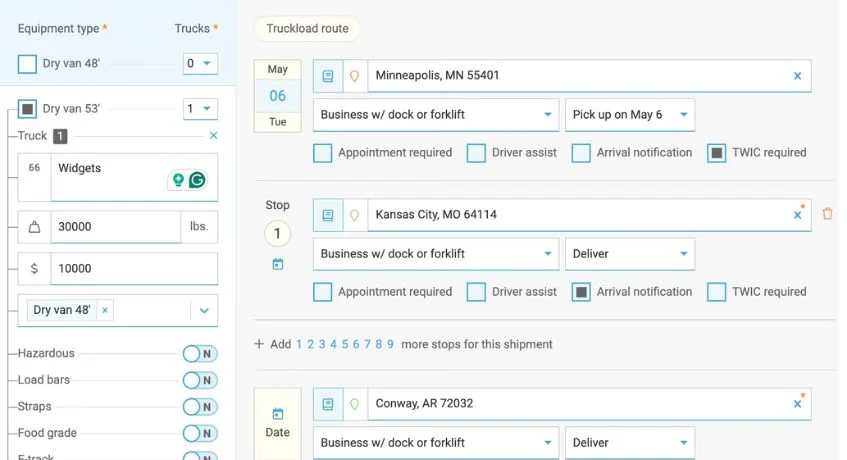
FreightWise and Kuebix TMS focus on different parts of freight management but can complement each other. FreightWise is centered on freight management and transportation services, while Kuebix TMS focuses more on transportation planning, carrier management, and shipment execution.
Together, they can help businesses connect freight operations with transportation planning and visibility. This can be useful for companies managing multiple carriers, shipment volumes, and transportation workflows across different locations.
Freight Management: Helps organize freight movements and transportation activities.
Carrier Management: Supports coordination with carriers and transportation providers.
Shipment Visibility: Helps teams monitor freight status and transportation events.
Transportation Analytics: Provides information for evaluating transportation performance and costs.
Pros
Cons
Focuses on freight and transportation management.
Suitable for businesses with recurring freight operations.
Companies looking for warehouse, inventory, and accounting functions may need additional platforms.
FreightWise/Kuebix TMS Pricing: Pricing is customized based on your required solutions, transaction volume, and operational needs. Contact the provider for a quote.
Freightview is freight management software that helps businesses compare rates, book shipments, track freight, communicate with carriers, and manage transportation documentation. Its current platform supports truckload, LTL, and parcel workflows.
For businesses that primarily need better control over freight booking and carrier coordination, Freightview can provide a focused transportation workflow. Here are the features of shipment process:
Rate Management: Compares available freight rates and transportation options.
Shipment Booking: Supports booking with selected carriers.
Shipment Tracking: Provides tracking and status updates for shipments.
Freight Analytics: Provides analytics around transportation activity and costs.
Pros
Cons
Focused on freight management.
Supports multiple transportation shipment types.
Combines booking, tracking, and analytics.
Its focus is primarily freight management rather than broader ERP operations.
Freightview Pricing: Starts at ₱9.321,74 ($149) per month for the 0-50 shipments plan. Higher-volume plans use custom pricing.
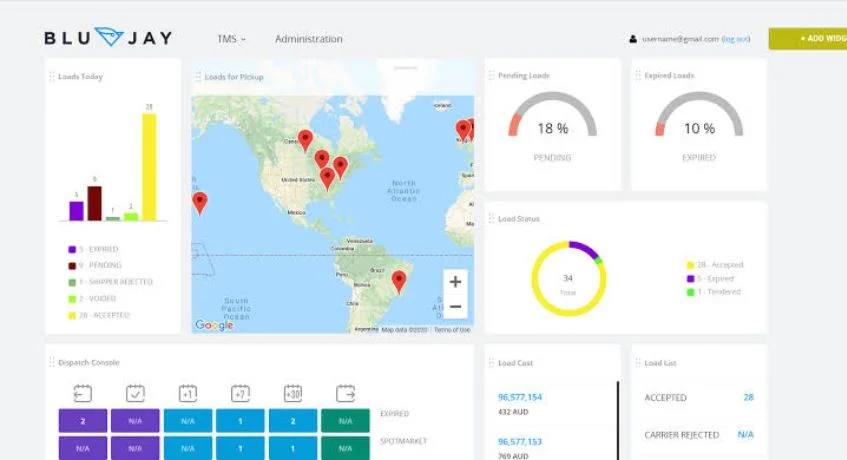
BluJay Logistics is a logistics management platform, now part of E2open, designed to help businesses coordinate transportation, global trade, freight, and supply chain activities in a connected environment.
The platform also supports transportation management, global trade management, and supply chain visibility, making it relevant for companies that manage logistics across different countries and transportation modes. Here are the features:
Transportation Management: Supports transportation planning and execution workflows.
Global Trade Management: Helps businesses manage international trade processes.
Supply Chain Visibility: Connects logistics information across supply chain participants.
Network Collaboration: Supports data exchange and collaboration between trading partners.
Pros
Cons
Combines transportation, trade, and logistics management capabilities.
Suitable for businesses handling international and multi-party logistics operations.
Its broader international logistics capabilities may be more complex for businesses focused only on domestic transportation.
BluJay Logistics Pricing: Businesses need to contact the provider for a customized quote based on the solutions, transaction volume, and operational requirements.
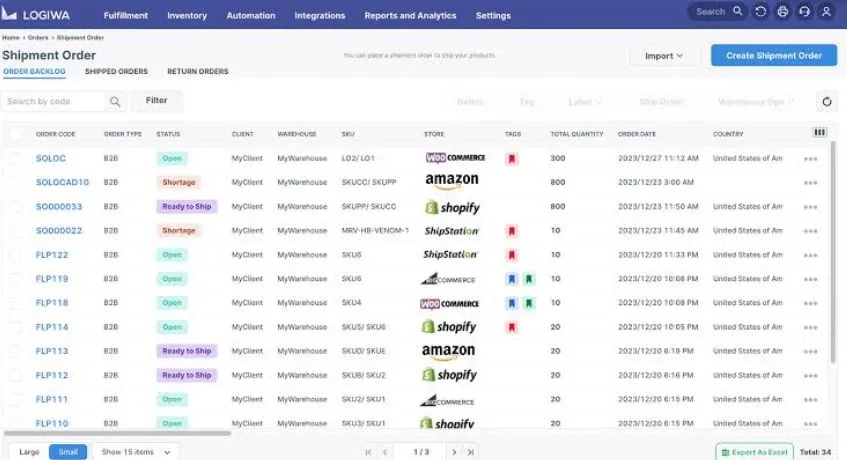
Logiwa WMS is a cloud-based warehouse management platform focused on high-volume order fulfillment, inventory management, warehouse automation, and multi-warehouse operations.
Additionally, Logiwa supports workflows ranging from order routing and inventory management to fulfillment and shipping. E-commerce businesses or 3PLs handling large order volumes in the Philippines, Logiwa can be relevant when warehouse execution and fulfillment are central to logistics operations.
Warehouse Automation: Automates warehouse workflows such as picking, packing, put-away, and shipment processing.
Multi-Warehouse Management: Supports inventory and order routing across multiple warehouse locations.
Order Fulfillment: Manages fulfillment workflows from order routing through shipping.
Inventory Management: Provides tools for inventory, locations, transfers, receiving, and stock counting.
Pros
Cons
Strong focus on warehouse and fulfillment operations.
Designed for high-volume order environments.
Supports multi-warehouse inventory and order routing.
More focused on warehouse execution than full transportation and ERP management.
Logiwa Pricing: Quote-based pricing. It uses a fulfillment-based pricing model and does not publish a fixed starting price.
How To Know Whether You’ve Got he Right Logistics Software
When considering a new logistics management platform, it is essential to ensure it aligns with your specific operational workflows and business requirements. Here are the key factors to evaluate before making your decision:
Fit for Your Logistics Model: Make sure the software matches your business type, whether you operate as a 3PL, manufacturer, distributor, retailer, or e-commerce seller.
Transportation Network Support: Check whether it supports the transportation modes you use, including road, sea, air, or multimodal shipping.
Inventory Integration: Choose a system that connects logistics with inventory data, so teams can align transportation plans with available stock and order requirements.
Multi-Location Support: Consider whether the software can manage multiple warehouses, branches, and distribution points across different locations.
Scalability: Look for a system that can accommodate growing order volumes, warehouses, vehicles, users, and business locations without requiring a complete system change.
System Integration: Check whether it can connect with your existing ERP, WMS, accounting software, e-commerce platforms, marketplaces, carriers, and other business systems.
Reporting and Analytics: Make sure the software provides useful dashboards and reports for monitoring logistics costs, delivery performance, inventory movement, and operational exceptions.
Philippine Operations: Consider support for local workflows, customs documentation, tax and accounting requirements, and inter-island distribution across Luzon, Visayas, and Mindanao.
In Conclusion
The right logistics management software should do more than show where a shipment is. It should help connect inventory, warehouses, transportation, fleets, carriers, distributors, and business data into a workflow that teams can actually use.
For Philippine businesses, this is particularly important when operations span multiple islands, transportation modes, warehouses, and external logistics partners. Therefore, businesses in the Philippines should consider adapting new logistics management software.
Among the options discussed, ScaleOcean Atlas for logistics can be considered when a business wants logistics capabilities connected with broader ERP functions. Its Philippine solutions cover warehouse and inventory visibility, fleet management, route planning, purchasing, sales, and other business processes within an integrated environment.
If you want to see how an integrated system could fit your logistics workflow, you can schedule a consultation with ScaleOcean Atlas to discuss your business requirements, existing processes, and potential implementation approach.
FAQ:
1. What is an ERP in logistics?
A logistics ERP is a centralized software platform that automates and connects core supply chain processes, including inventory control, warehouse management, and transport operations.
2. What are the benefits of logistics management software?
It boosts supply chain visibility, cuts manual effort, improves inventory planning, connects multi-site operations, and speeds up responses to delivery delays or issues.
3. Can logistics management software manage multiple warehouses?
Yes. Modern platforms centralize inventory, orders, stock transfers, and shipments across multiple warehouses and distribution hubs within a single unified system.
4. What is the difference between logistics management software and TMS?
A TMS strictly targets freight and transportation execution, whereas logistics management software covers broader operations like warehousing, order fulfillment, and inventory control.













 Key Takeaways