




Barcode inventory management software has become an essential solution for businesses that want to improve inventory accuracy. Businesses no longer need to record their inventory using spreadsheets when they can switch to barcode technology.
A 2025 study in the IJRISS found that a company that replaced manual stock keeping with an automated barcoded warehouse management system got 80% more accurate inventories and reduced their operating costs by 20%.
In an era where businesses in the Philippines are expanding, using a digital solution, such as barcode inventory systems, is more valuable. Through this technology, companies can track the movement of stocks and avoid discrepancies in stocks.
 Key Takeaways
- Barcode inventory management software uses barcode labels and scanners to automate stock tracking, improve inventory accuracy, and provide real-time visibility.
- Barcode inventory software features include flexible hardware scanning, label generation, batch monitoring, real-time tracking, and centralized SKU management.
- ScaleOcean Atlas integrates barcode inventory management with warehouse operations, procurement, sales, accounting, and AI-powered insights to optimize inventory management.
What is Barcode Inventory Management Software?
Barcode inventory management software is a digital system that utilizes barcode labels and scanners to automate inventory control through the receiving, picking, and shipping process. Also known as inventory barcode software, this solution helps businesses record stock movements and maintain more accurate inventory records.
Each product receives a unique barcode with identification information, and is then scanned with a barcode scanner to capture the inventory information instantly. It automatically updates the stock quantity on receipt and dispatch of items.
Most of these barcodes follow standards set by GS1 Philippines, the local branch of the global nonprofit organization that issues the numbering system (like GTINs) behind the barcodes on products. This ensures that a code scanned in one warehouse means the same thing everywhere else.
Faster processing times were identified as the main driver behind these improvements. Businesses in the Philippines that implement a system with a built-in barcode feature have found such a system to be a great help in enhancing their warehouse productivity.
The Core Features of Barcode Inventory Software
Modern inventory management software with barcode will provide you with more than just barcode scanning. Warehouse inventory management software with barcode scanner can help businesses automate stock tracking. These are some of the essential features of the barcode inventory software for better warehouse management:
- Flexible Hardware Scanning: Barcode inventory software is flexible enough to accommodate handheld scanners, smartphones, and tablets. This flexibility enables enterprises to leverage current equipment.
- Label Generation: The inventory management software generates labels for products automatically. It can be used to print labels in various formats such as Code 128, Code 39 and QR Codes for a consistent product identification.
- Batch Monitoring: Barcode inventory management software keeps records of the product via batch number, expiry date, and manufacture date. This facilitates the better tracking of products in business and maintains product accuracy.
- Real-time Tracking: This provides updates in real-time, providing businesses with real-time stock visibility. It can also support a perpetual inventory system by continuously updating inventory records as products are received, moved, or sold which minimize inventory inaccuracies, enhance replenishment processes, and streamline product management.
- Centralized SKU View: A Barcode system which brings all of the Stock Keeping Units (SKUs) into one central database. Users can easily search products, check product inventories, review transaction history, and analyze product inventories.
The 9 Best Barcode Inventory Management Software in the Philippines
Businesses across the Philippines are adopting barcode inventory management software to automate stock tracking, improve inventory accuracy, and streamline warehouse operations.
For businesses managing larger stock volumes, warehouse software with barcode scanning can also help simplify receiving, inventory tracking, and stock movement. Here are the top barcode inventory software for businesses:
| Software | Key Strength | Best For |
|---|---|---|
| ScaleOcean Atlas | Comprehensive ERP with barcode/QR scanning, real-time inventory tracking, and AI-powered recommendations. | Medium to large businesses. |
| Sortly | Easy-to-use mobile barcode and QR scanning. | Small warehouse management requirements. |
| Zoho Inventory | Provides integration with e-commerce and other Zoho applications | SMEs and e-commerce businesses. |
| Fishbowl Inventory | Combines barcode inventory management and warehouse workflows. | Manufacturers and distributors. |
| Orca Scan | Turns smartphones into barcode scanners with cloud synchronization. | Businesses need simple mobile tracking. |
| inFlow Inventory | Centralizes barcode inventory, purchasing, and reporting. | Wholesalers, retailers, and distributors. |
| Cin7 | Omnichannel inventory synchronization with automation. | Retailers, wholesalers, and distributors. |
| Wasp Barcode Technologies | Specialized barcode inventory solutions. | Businesses focused on barcode management. |
| Katana | Manufacturing-focused barcode inventory management. | Small and medium-sized manufacturers. |
1. Inventory Management Powered by ScaleOcean Atlas
Managing inventory manually becomes increasingly difficult as product movement grows across warehouses and multiple business locations. Businesses often encounter inaccurate stock records, misplaced inventory, and inefficient warehouse processes.
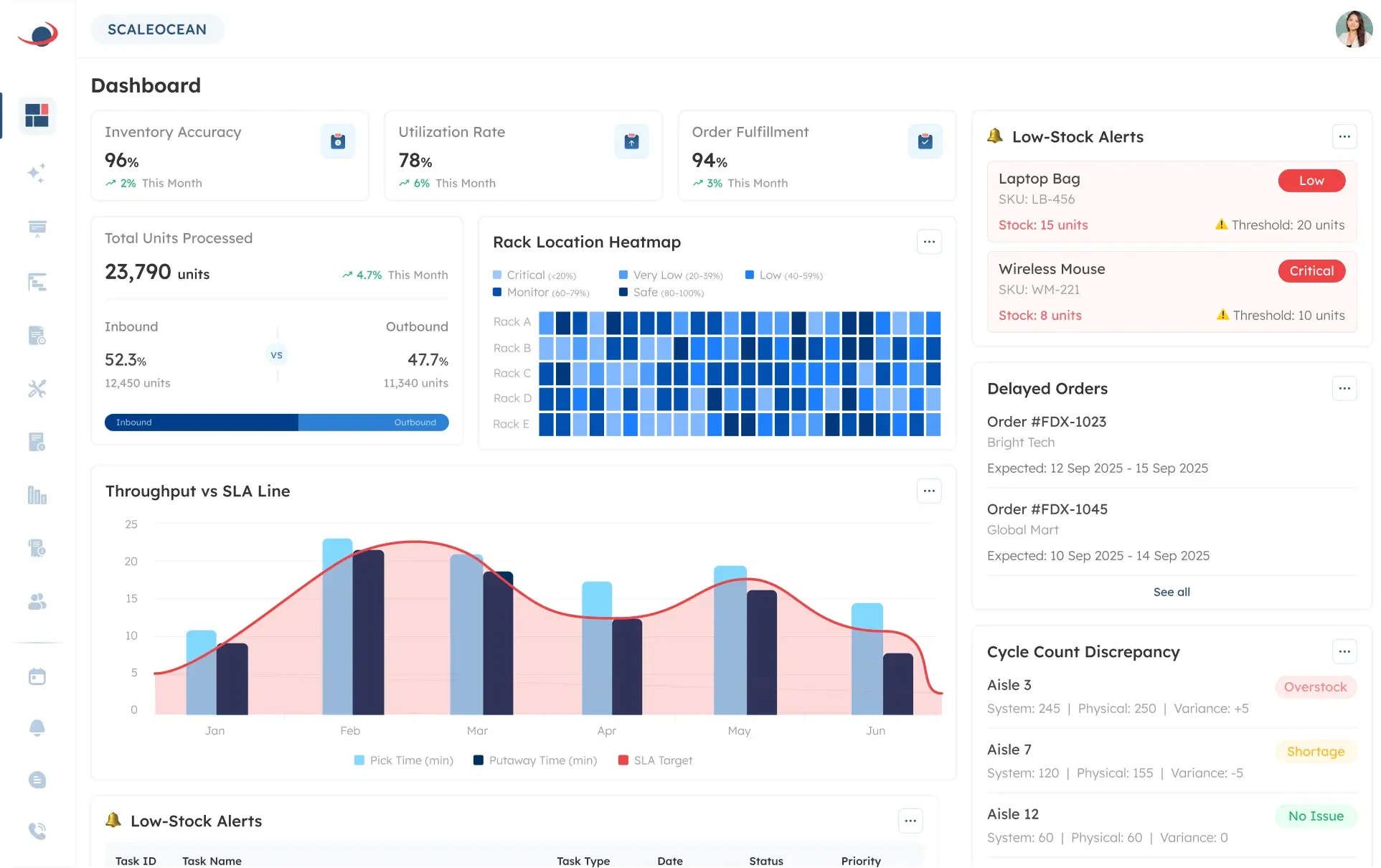
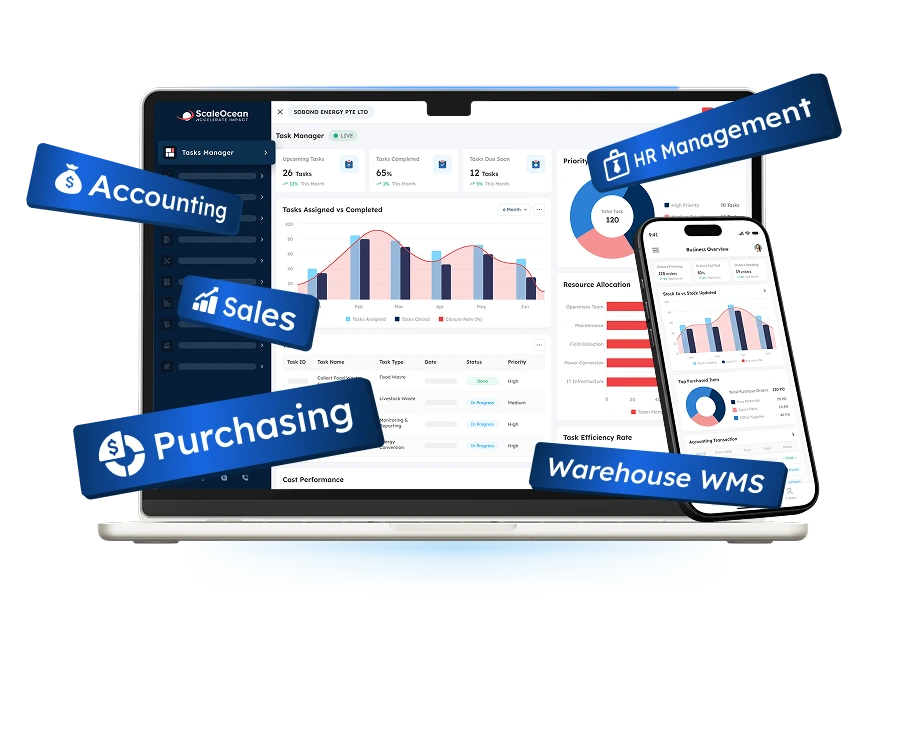
To solve these challenges, the inventory module of ScaleOcean Atlas automates inventory tracking through barcode technology, enabling real-time inventory updates, faster stock movement, and improved warehouse productivity.
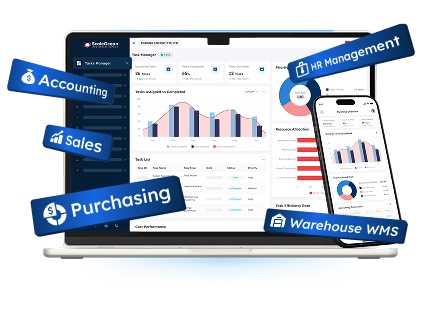
As part of the ScaleOcean Atlas, it seamlessly integrates inventory management with warehouse operations, procurement, purchasing, sales, accounting, and reporting. This ensures inventory information remains accurate across every department.
Additionally, ScaleOcean Atlas is embedded with ScaleMind, an AI assistant that provides intelligent recommendations to optimize operations. For example, it can recommend storage locations and identify inventory based on historical movements.
Businesses looking to modernize warehouse operations can also schedule consultation to discover how ScaleOcean Atlas simplifies barcode-based inventory management. Some of the features include:
- Barcode & QR Code Integration: Supports barcode and QR code scanning for faster receiving, putaway, stock transfers, and shipping.
- Real-Time Inventory Tracking: Automatically updates stock quantities and warehouse locations after every barcode scan.
- Warehouse Location Management: Organizes inventory by warehouse, zone, shelf, or bin for easier product retrieval.
- Batch and Serial Number Tracking: Improves traceability by monitoring lot numbers, manufacturing dates, and expiry dates.
- Inventory Forecasting: Uses historical inventory data to predict replenishment needs and prevent stock shortages.
- Inventory Dashboard: Displays inventory KPIs, stock ageing, inventory valuation, and warehouse performance in real time.
- AI-Powered Inventory Recommendations: ScaleMind analyses inventory movement to recommend replenishment strategies and warehouse improvements.
| Pros | Cons |
|---|---|
|
|
- Pricing ScaleOcean Atlas: Final pricing depends on the solution and project requirements, contact ScaleOcean for pricing.
- Rating Capterra ScaleOcean Atlas: 5.0/5
2. Sortly
Many small businesses find it hard to manage inventories on spreadsheet products which are prone to be lost. As stock levels increase, it can be time-consuming to manage inventory at multiple locations.
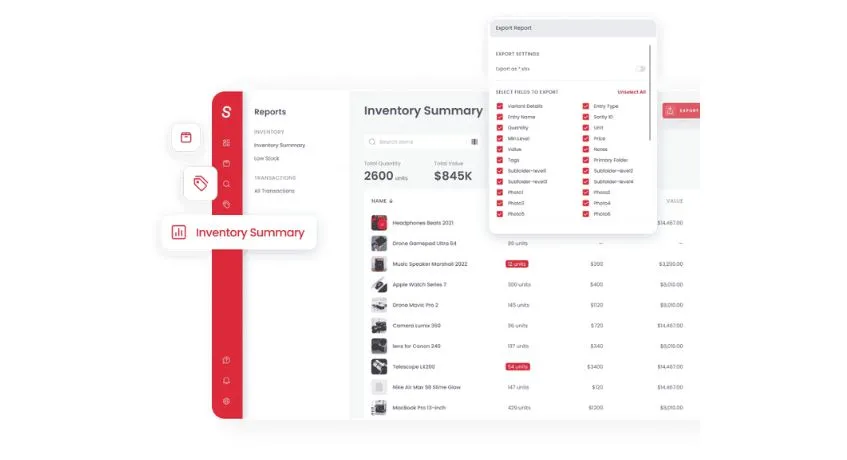
Sortly provides an easy to use cloud inventory management system that makes it simple to manage inventory using barcodes. Users can scan QR codes and barcodes with their mobile phone or tablet, and inventory updates can be done much quicker.
It is especially good for small retailers, offices, contractors and businesses who are seeking a simple inventory solution that does not require extensive training. Some of the features include:
- Mobile Barcode & QR Code Scanning: Scan inventory without any dedicated barcode scanners, using smartphones or tablets.
- Custom Inventory Fields: Create custom categories and product information based on business needs.
- Photo-Based Inventory Records: Store product images with inventory data for easy identification.
- Low Stock Alerts: Get alerts when stock is below a pre-defined reorder point.
- Inventory Reporting: Create reports to track inventory and inventory movement.
| Pros | Cons |
|---|---|
|
|
- Pricing Sortly: Starts at $49 (₱3.002,60)/month; final pricing depends on the plan and business requirements.
- Rating Capterra Sortly: 4.5/5
3. Zoho Inventory
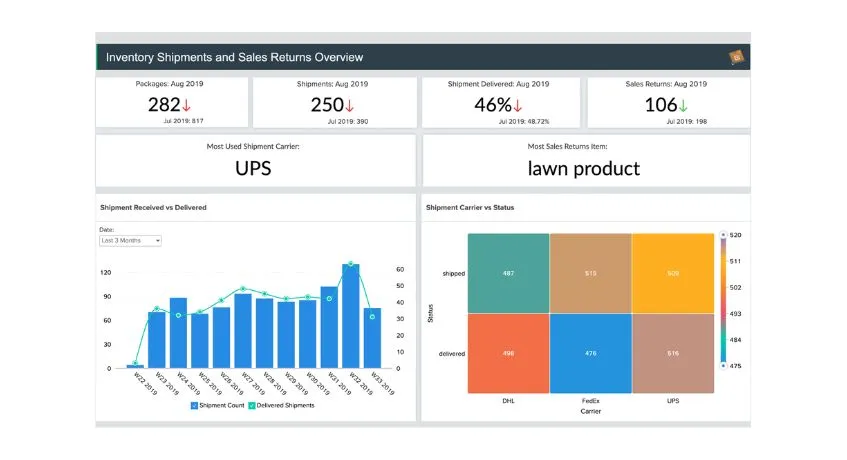
Managing inventory across warehouses, online stores, and sales channels can become challenging when inventory information is spread across different systems. It’s possible that businesses can also experience problems with synchronizing stocks.
Zoho Inventory automates barcode inventory management, as well as integrates inventory with sales orders, purchases, shipping, and e-commerce websites. This enables businesses to keep up to date inventory across a number of channels.
As part of the Zoho ecosystem, it seamlessly integrates with Zoho Books, Zoho CRM, and other business applications making it suitable for SMEs who are in need of a cloud-based solution that is integrated with their business applications.
- Barcode Scanning: Records inventory transactions automatically with barcode technology.
- Order Management: Monitors sales orders, purchase orders and fulfilment.
- Multi-Warehouse Management: Monitors inventory across multiple warehouse locations.
- Shipping Integration: Integrates orders with major shipping companies.
- Inventory Reporting: Give stock value and stock performance reports.
| Pros | Cons |
|---|---|
|
|
- Pricing Zoho: Starts at $39 (₱2.389,82)/month; final pricing depends on the plan, users, and business requirements.
- Rating Capterra Zoho: 4.5/5
4. Fishbowl Inventory
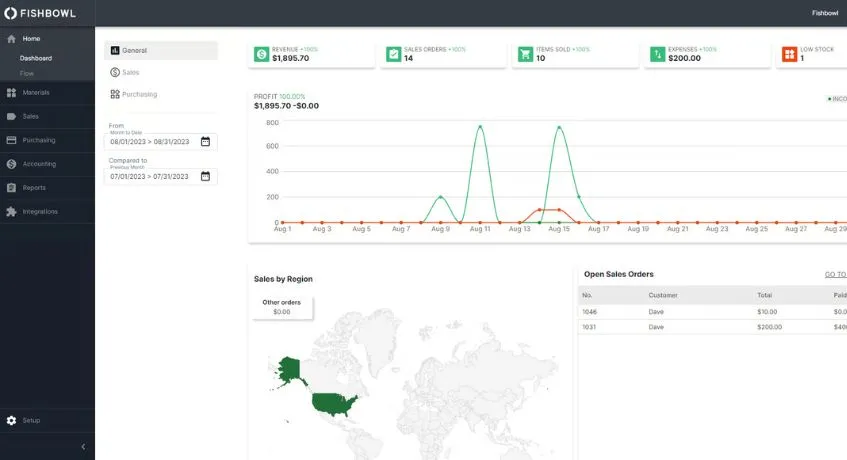
Manufacturers and distributors often require more than simple barcode scanning. They need inventory software that connects warehouse operations with purchasing, production, and inventory planning.
Fishbowl Inventory is a combination of bar code inventory and manufacturing workflow, enabling businesses to track inventory throughout the procurement, manufacturing, and distribution processes.
The software is particularly popular among manufacturers looking for better visibility of their stock along with the ability to integrate with accounting software such as QuickBooks. The following is a list of features that are included:
- Barcode Inventory Tracking: Document movement of inventory with barcode.
- Manufacturing Management: Assists with work order and production scheduling.
- Warehouse Management: Enhances the way inventory is organized and managed in the warehouse.
- Asset Tracking: Monitors business assets alongside inventory.
- Purchasing Management: Streamlines the supplier purchasing and replenishment process.
| Pros | Cons |
|---|---|
|
|
- Pricing Fishbowl Inventory: Pricing depends on the solution and business requirements.
- Rating Capterra Fishbowl: 4.2/5
5. Orca Scan
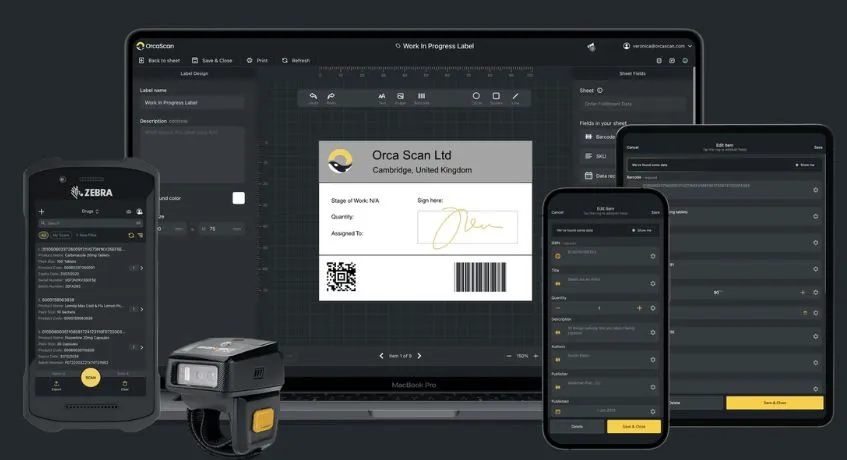
Many businesses want barcode inventory management without investing in expensive scanning hardware. However, manual inventory record, warehouse activities can still be slowed and there is a chance of errors.
Orca Scan transforms smartphones into barcode scanners, allowing employees to receive inventory data directly from mobile devices while synchronizing information through the cloud.
The lightweight deployment options make it ideal for businesses that need to move their inventory from place to place, whether that’s from warehouses, to field operations, or to remote locations. It offers a range of features such as:
- Smartphone Barcode Scanning: Provides the smartphone as a barcode scanner.
- Cloud Database: It is used to synchronize the inventory information between users.
- Inventory Tracking: Records stock movement in real time.
- Custom Forms: Creates customized inventory data fields.
- Offline Scanning: Continues scanning even without internet connectivity.
| Pros | Cons |
|---|---|
|
|
- Pricing Orcan Scan: Starts at $20 (₱1.225,41)/month; final pricing depends on the plan and business requirements.
- Rating Capterra Orca Scan: 3.0/5
6. inFlow Inventory
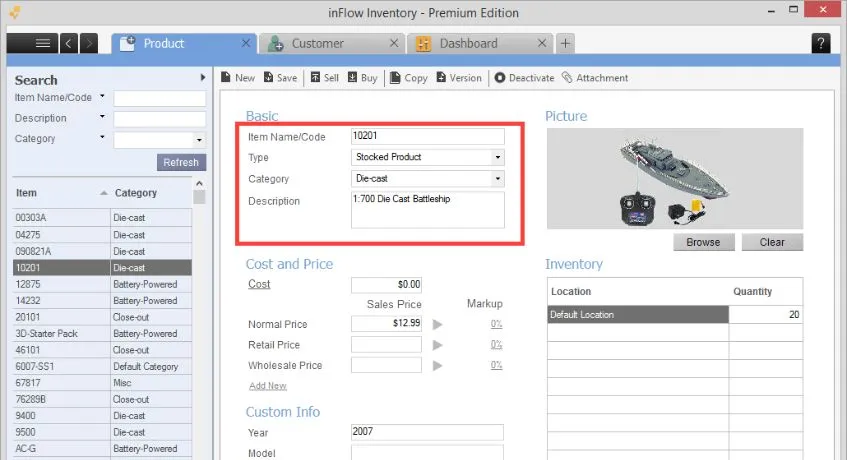
inFlow Inventory integrates barcode inventory management, purchasing, warehouse management, sales and reporting, to help centralize inventory operations in one place.
It is commonly used by wholesalers, distributors, and retailers looking for an easy-to-use inventory management solution with barcode functionality. Here are the features include:
- Barcode Inventory Control: Automatically updates inventory after barcode scan.
- Purchase Order Management: Simplifies supplier purchasing workflows.
- Sales Order Management: Monitors sales orders from their initiation to their delivery.
- Warehouse Management: Manages stock on various warehouse sites.
- Inventory Analytics: Monitors inventory trends and stock performance.
| Pros | Cons |
|---|---|
|
|
- Pricing inFlow Inventory: Starts at $186 (₱11.396,31)/month; final pricing depends on the plan and inventory requirements.
- Rating Capterra inFlow: 4.6/5
7. Cin7
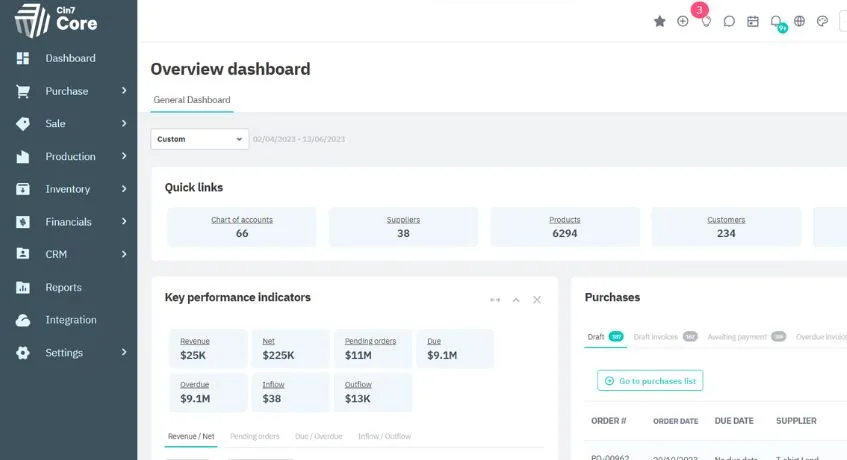
Many businesses have a challenge in keeping their inventory accurate in both store, warehouse, marketplace and online sales channels. Cin7 offers barcode inventory management and syncs inventory, sales, purchasing and warehouse operations.
Moreover, it is also ideal for retailers, wholesalers or distributors who have inventory in various locations, with its automation features. It has a number of key functions, such as:
- Barcode Scanning: Automates inventory transactions using barcode technology.
- Inventory Synchronization: Updates stock across multiple channels in real time.
- POS Integration: Integrates inventory with point of sale systems.
- Warehouse Management: Supports inventory control across warehouses.
- Demand Forecasting: Forecasts the amount of items that need to be purchased.
| Pros | Cons |
|---|---|
|
|
- Pricing Wasp Inventory: Starts at $349 (₱21.383,40)/month; final pricing depends on the plan and business requirements.
- Rating Capterra Wasp Inventory: 4.3/5
8. Wasp Barcode Technologies
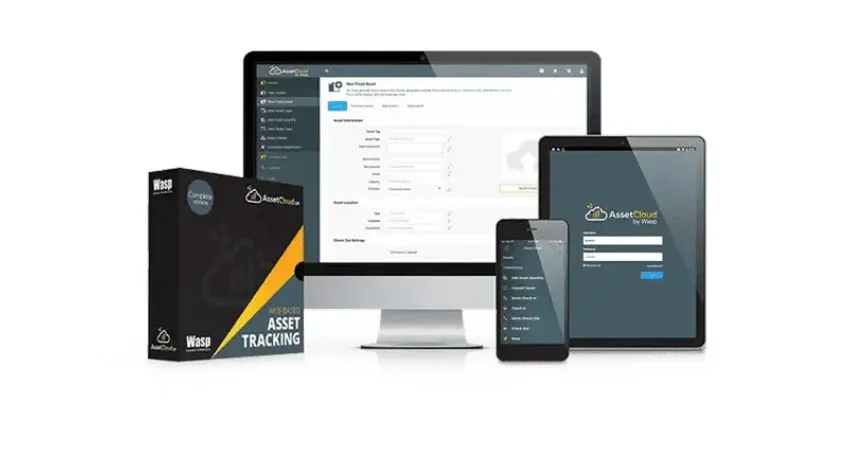
The eight recommendations is Wasp Barcode Technologies, which this software helps improve inventory organization. For businesses that have large inventories, it’s common to need specific barcode software and hardware.
Wasp Barcode Technologies provides warehouse barcode inventory management solutions with barcode scanners and asset tracking software. This system is ideal for organizations that make barcode control a top priority.
- Barcode Inventory Management: Keeps track of inventory through the use of barcode technology.
- Asset Tracking: Monitors fixed assets and inventory together.
- Barcode Label Printing: Generate barcode labels for products and storage locations.
- Inventory Reporting: Creates reports of stock and inventory performance.
- Warehouse Management: Assists in the proper storage and retrieval of inventory.
| Pros | Cons |
|---|---|
|
|
- Pricing Wasp Inventory: Starts at $108 (₱6.617,21)/month; final pricing depends on the plan and inventory requirements.
- Rating Capterra Wasp Inventory: 4.3/5
9. Katana
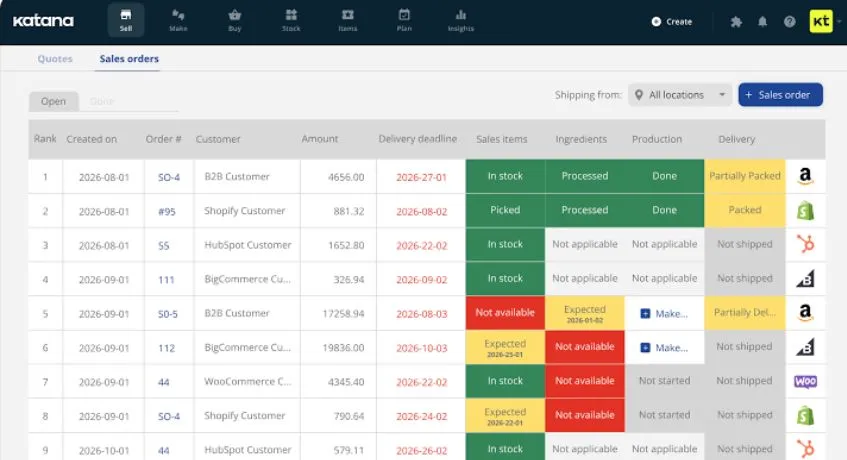
The next software is Katana, which is a combination of barcode inventory management and manufacturing planning. It helps businesses to track inventory at every stage of the manufacturing process and enhance material availability.
Its manufacturing-first approach makes it particularly suitable for small and medium-sized manufacturers seeking better production visibility. Below here are some of the features to boost inventory operational:
- Barcode Inventory Management: Automates inventory tracking through barcode scanning.
- Production Planning: Schedules manufacturing activities efficiently.
- Material Tracking: Tracks raw materials and finished products.
- Warehouse Management: Organizes inventory across warehouse locations.
- Manufacturing Analytics: Provides production and inventory performance insights.
| Pros | Cons |
|---|---|
|
|
- Pricing Katana: Starts at $299 (₱18.321,08)/month; final pricing depends on the plan and inventory requirements.
- Rating Capterra Katana: 4.6/5
 Also Read: 12 Top Inventory Management Software in the Philippines 2026
In Conclusion
Barcode inventory management software enables companies to streamline inventory tracking, increase stock precision, and achieve real-time insights into their warehouse functioning.
To stay competitive in the growing Philippine market, businesses need more than standalone tracking tools. The inventory module in ScaleOcean Atlas provides a comprehensive ecosystem that includes stock monitoring and centralized dashboard.
Whether you’re managing one warehouse or multiple locations, inventory modules of ScaleOcean Atlas help optimize inventory management regardless of the number of warehouses and enhance the efficiency of different branches.
Schedule consultation with our experts and discovering how ScaleOcean Atlas can transform your warehouse management processes.
FAQ:
1. How to manage inventory with a barcode?
Manage inventory by assigning barcodes to every SKU, selecting barcode inventory software, generating and printing barcode labels, linking them to your inventory database, and scanning items whenever stock is received, moved, or shipped.
2. Which barcode software is best?
The best barcode inventory software depends on your business size, budget, and operational needs. Consider features such as real-time tracking, barcode scanning, reporting, integrations, and warehouse management when comparing solutions.
3. How to create barcodes for inventory management?
To create inventory barcodes, choose a barcode format such as EAN-13, UPC-A, or Code 39, enter the product information, generate the barcode, and print labels. Then, link each barcode to its corresponding inventory record for accurate tracking.















.png)