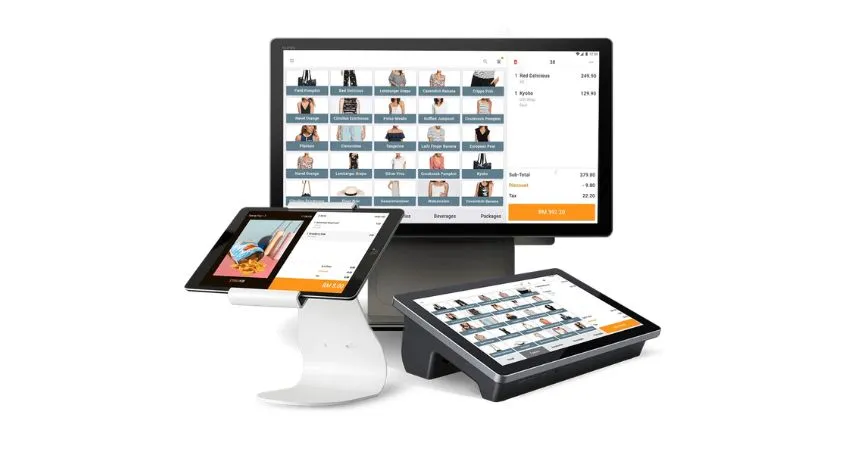
Retail software in the Philippines brings everyday activities together into one place. It automates fundamental processes like sales, inventory, suppliers, customers, and multi-channel finances, not only POS in the Philippines.
The right retail software can also become increasingly important as businesses expand from a single physical store to multiple branches. Here’s a comparison of 9 leading retail software to level up your Philippine business in 2026.
Key Takeaways
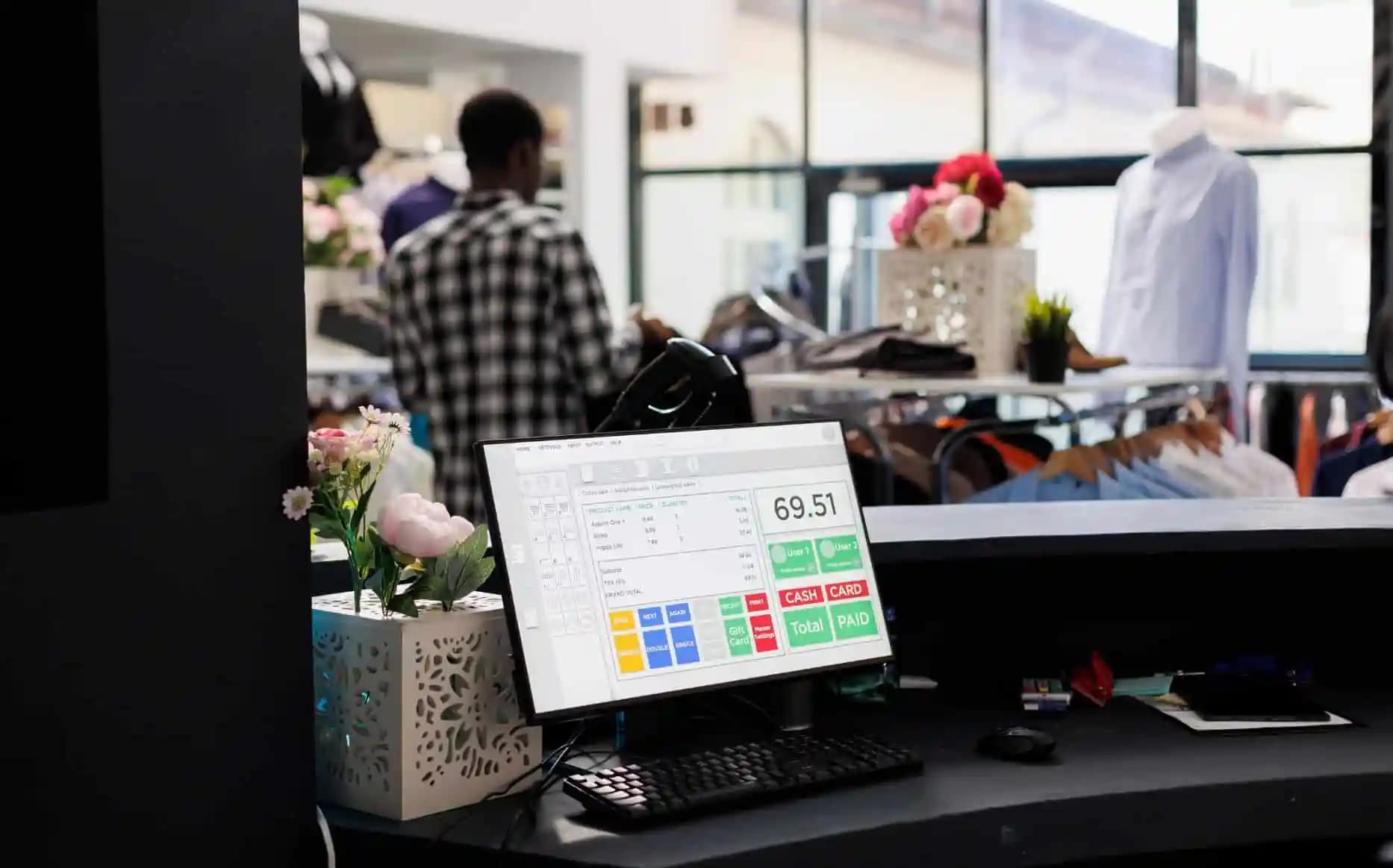
Retail software manages a point of sale, inventory management, purchasing, customers, payments, and reporting in one integrated system.
POS and retail software integration allows Philippine retailers to keep tracking of transactions, inventory, and sales information across their store and online channels.
ScaleOcean Atlas for Retail connects POS, inventory, ordering and accounting and helps those operating multiple stores.
Retail management software refers to a digital solution that enables businesses to oversee their daily retail operations remotely from a single platform. The software can handle point of sale (POS), accounting, reporting, inventory, and e-commerce integration.
For example, when a customer purchases an item at a physical store, an integrated system can record the sale and automatically update the available stock. There’s no need to log the transaction in a spreadsheet, inventory system and accounting program separately.
In addition, for retailers that operate in the Philippines, they should comply with their local requirements BIR Revenue Regulations No. 7-2024. It shall provide guidelines and requirements on registration and invoicing under the Ease of Paying Taxes Act, which shall include cash register machines, POS machines, and electronic invoicing software.
The Importance of POS and Retail Software Integration in the Philippines
A POS (Point of Sale) system isn’t just a modern cash register, it is the hub of a retail business. If you integrate it seamlessly with your inventory, purchasing, accounting and customer management software, your sales data will be transmitted into your entire business in real time.
This is invaluable to any Philippines retailer who has multi channel sales. A clothing store, for instance, may sell products through a physical branch, website, Facebook page, Shopee, or Lazada. Without multichannel integration each channel will produce an individual stock record and sales report.
The Philippine Statistics Authority revealed that the wholesale and retail trade accounted for ₱43.24 billion in e-commerce sales in 2022. Meanwhile, retail trade not in stores, stalls or markets accounted for ₱37.34 billion or 86.4% of the sector’s e-commerce sales.
This growing mix of physical and online selling makes connected retail software in Philippines more valuable. A POS integrated with inventory and e-commerce tools can help businesses maintain more consistent stock information, reduce manual data entry, and get a clearer view of sales performance.
The 9 Best Retail Software in the Philippines 2026
Furthermore, no discussion about retail software would be complete without highlighting the top solutions for Philippine businesses in 2026. Below is a list of the top retail software in Philippines worth considering to propel your retail enterprise toward growth in 2026.
Software
Key Strength
Best for
ScaleOcean Atlas
Integrated retail ERP with POS, inventory, purchasing, accounting, and ScaleMind AI
Retailers managing multiple branches, warehouses, and sales channels
Loyverse POS
Easy-to-use POS with inventory tracking and customer loyalty tools
Small retailers and growing businesses seeking an affordable POS
StoreHub
Combines POS, inventory, customer management, and omnichannel selling
Philippine retailers connecting in-store and online sales
UTAK POS
Local POS solution with sales tracking, inventory management, and business reporting
Filipino retailers needing POS tools and local support
N3 AI Accounting Software
Accounting, inventory, sales, and purchasing in one platform
SMEs seeking integrated accounting and business management
QuickBooks
Financial reporting, cash flow tracking, and accounting integrations
Small and growing retailers focused on financial management
KwikPOS
Retail checkout, barcode scanning, inventory tracking, and sales reports
Retail stores needing straightforward POS and inventory tools
Oracle NetSuite
Cloud ERP with financial, inventory, order, and supply chain management
Established retailers with complex operations and expansion plans
Xero
Cloud accounting with invoicing, cash flow monitoring, and third-party integrations
Retail businesses needing accessible accounting and financial visibility
1. ScaleOcean Atlas for Retail
ScaleOcean Atlas for Retail is one of the best retail software in Philippines that offers integrated retail ERP solution, designed to connect point of sale (POS), inventory, purchasing, sales, customer management, accounting, and reporting.
For Philippine retailers, this approach can be particularly useful when managing multiple branches, warehouses, and online sales channels. By connecting POS transactions with inventory records, businesses can monitor stock movements, track sales performance, and coordinate replenishment with less manual data entry.
In addition, the ScaleOcean also includes the ScaleMind AI for data analysis and operational decision-making. With a modular set-up, companies can set up the system around their own retail operation, ranging from single location through to an established retail network.
Schedule a consultation with our experts to explore how ScaleOcean can support your retail operations. Here’s how ScaleOcean Atlas’s features can enhance retail management:
Integrated Retail ERP: Unifies POS, purchasing, inventory, sales, accounting, and other business operations into one system.
Real-Time Inventory Management: Assists your team in managing stock levels, tracking inventory movements, and managing reordering between locations.
POS Management: Facilitates retail sales, processes payments, offers discounts and enters sales while linking each POS transaction back to your inventory.
Multi-Branch Management: Offers centralized insight into sales and inventory levels at multiple warehouses and stores.
Omnichannel Retail: Provides companies with a way to coordinate product and inventory data for stores and other supported online sales channels.
ScaleMind AI: Offers AI assistance for data analysis and operational insights to empower retailers with smarter decision making.
Flexible Configuration: Businesses can easily tailor modules and workflows to fit their operational requirements instead of one-size-fits-all setup.
Pros
Cons
Integrates retail sales, POS, inventory, purchasing, and accounting in a seamless ERP environment.
Facilitates centralized visibility and control for retailers with multiple stores and stock points.
Combines retail operations with ScaleMind AI to support data analysis and decision-making.
May be more suitable for retailers seeking an integrated ERP solution than for businesses that only need a basic standalone POS system.
ScaleOcean Atlas Pricing: Pricing is quote-based and depends on the selected modules, number of users, integrations, and business requirements. Contact the ScaleOcean team for a customized quotation.
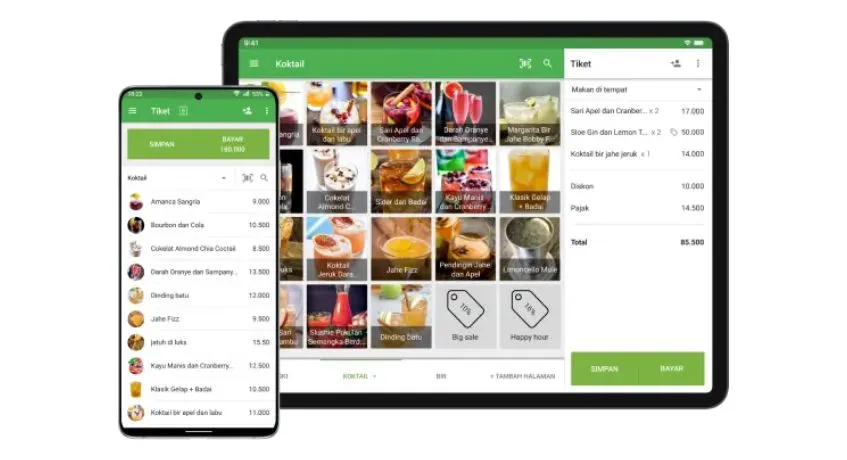
Loyverse POS is a cloud-based point of sale platform for small and growing retailers. It merges checkout, sales monitoring and inventory management, to enable retailers to run the key functions of their store from a single platform.
As a retail software in Philippines, Loyverse can be appropriate for companies that require a simple POS and not look at an ERP system right away. Hence, the system can accommodate multi-store locations under a single account. Here’s how Loyverse POS can support retail operations:
POS Management: Handles sales, discounts, refunds, as well as various payment options via the supported devices.
Inventory Tracking: Keeps track of inventory quantity and gives alerts for low stock to facilitate restocking.
Multi-Store Management: Enables business to run multiple stores from their single account.
Employee Management: Records employees’ sales data, work hours, and authorization levels.
Pros
Cons
Provides an easy-to-use POS and inventory system for small businesses.
Supports multiple stores from a centralized account.
Includes customer loyalty and employee management tools.
Businesses with complex accounting, procurement, or broader ERP requirements may need additional integrations or systems.
Loyverse POS Pricing: The essential POS features are free and some of the advanced capabilities and integrations need to be purchased. Get in touch with the team to see the pricing.
StoreHub provides an all-in-one POS platform for Philippine retailers, covering checkout, inventory, and online selling. Its retail solution can synchronize inventory between physical and online channels, helping businesses reduce discrepancies between storefront and e-commerce stock.
Moreover, the platform also supports multi-location inventory management, low-stock alerts, product variants, and sales reporting. For Philippine retailers, StoreHub also highlights BIR-related capabilities on its local retail offering.
Cloud-Based POS: Processes transactions and gives teams access to retail data across supported devices.
Inventory Management: Tracks stock across products, variants, and multiple locations in real time.
Marketplace Integration: Synchronizes inventory and sales information between physical and online channels.
E-Commerce Store: Provides tools for businesses to establish and manage an online storefront.
Pros
Cons
Combines POS, inventory, e-commerce, and customer management in one platform.
Provides multi-location inventory visibility.
Businesses looking primarily for accounting or full ERP functionality may need to connect StoreHub with additional systems.
StoreHub Pricing: Pricing depends on the selected solution, number of locations, and business requirements. Retailers should contact StoreHub for the latest quotation.
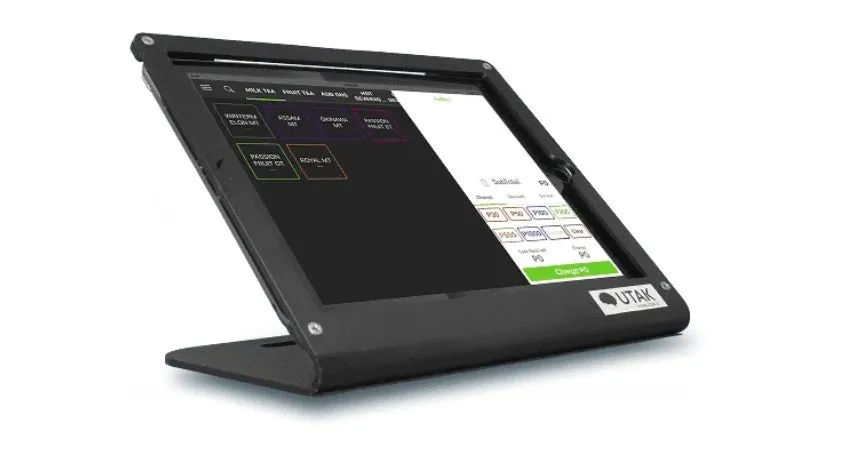
UTAK POS is a retail software Philippine that focus on point-of-sale solution designed to help businesses manage sales, inventory, and store operations through a centralized system. Its focus on local businesses makes it better for SMEs that want to transition to manual transactions.
For retailers, a POS system such as UTAK can provide a more organized way to record daily transactions and monitor inventory. This can be particularly useful for businesses that are still relying on spreadsheets. Here’s how UTAK POS can support retail businesses:
POS Transactions: Helps businesses record and manage day-to-day sales transactions.
Inventory Management: Provides visibility into available products and stock movements.
Sales Monitoring: Gives business owners access to sales information for operational tracking.
Local Business Focus: Designed with Philippine SMEs and local retail operations in mind.
Pros
Cons
Provides a more focused POS environment for Philippine SMEs.
Combines sales and inventory management in one system.
Can be suitable for businesses transitioning from manual retail processes.
Retailers with complex accounting, supply chain, or enterprise-level requirements may need a broader ERP platform.
UTAK POS Pricing: Pricing depends on the selected package, hardware requirements, and business setup. Businesses should contact UTAK for the latest pricing information.
UTAK POS Capterra Rating: No reviews available.
5. N3 AI Accounting Software (Previously QNE Cloud)
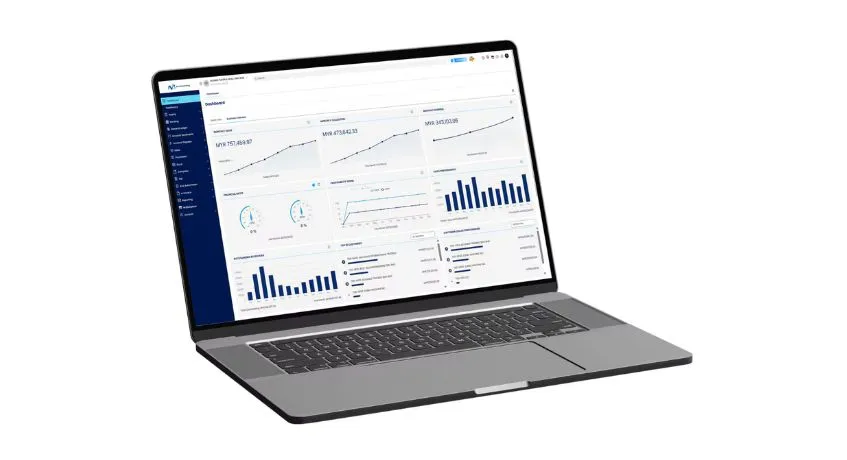
Rebranded from QNE AI Cloud Accounting, the software is primarily built for accounting rather than standalone retail POS. It is designed specifically for Philippine SMEs that handles everything from bookkeeping, sales, and purchasing to inventory management and BIR compliance.
For businesses prioritizing local tax reporting and inventory tracking in one place, N3 stands out with its built-in BIR compliance tools tailored for the Philippine market. Here’s how N3 AI Accounting can support retail businesses:
Accounting Management: Handles core bookkeeping and financial management processes.
Inventory Module: Tracks stock in, stock out, inventory balances, and adjustments.
BIR-Ready Features: Provides BIR-related reports and accounting records for Philippine businesses.
Pros
Cons
Designed specifically for Philippine accounting and compliance requirements.
Combines accounting with sales, purchasing, and inventory management.
Its primary strength is accounting and financial management rather than front-counter retail POS operations.
N3 AI Accounting Pricing: Plans start from ₱1,080/month for Basic on monthly billing, with higher plans offering additional inventory, reporting, multi-location, and AI capabilities. Prices are VAT-exclusive and may change based on the selected plan.
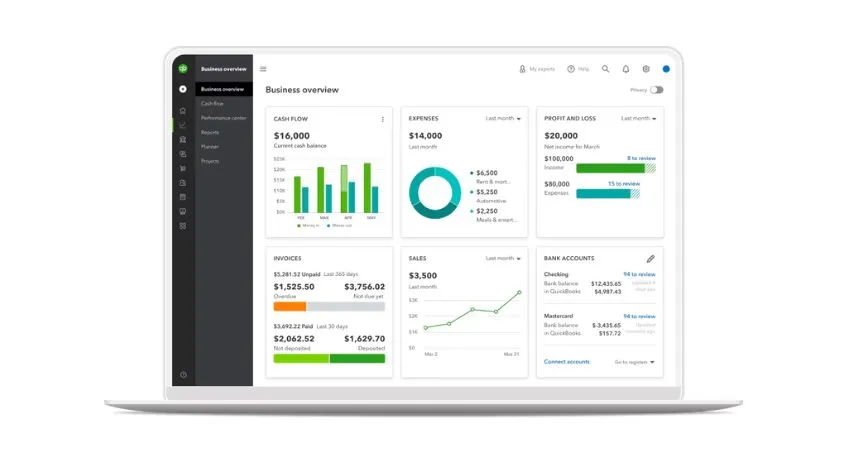
QuickBooks is a cloud-based accounting system that enables retailers to oversee transactions, inventory, expenses, and cash flow. By integration with e-commerce and POS systems, it seamlessly pulls sales data directly into financial reports.
For Philippine retailers already using a point-of-sale setup, QuickBooks offers enhanced financial control without requiring a total software overhaul. Here’s how QuickBooks can support retail businesses:
Retail Accounting: Manages income, expenses, invoices, and other financial transactions.
Inventory Tracking: Helps monitor products and stock levels through supported features and integrations.
Cash Flow Management: Provides visibility into income, expenses, and cash position.
Retail Integrations: Connects with selected POS, e-commerce, and other business applications.
Pros
Cons
Strong accounting and financial management capabilities.
Can connect with various retail and e-commerce applications.
Retailers looking for an integrated POS, warehouse, procurement, and ERP environment may need additional applications.
QuickBooks Pricing: Pricing depends on the selected QuickBooks Online plan and available Philippine promotions. Businesses should check the latest plan details before subscribing.
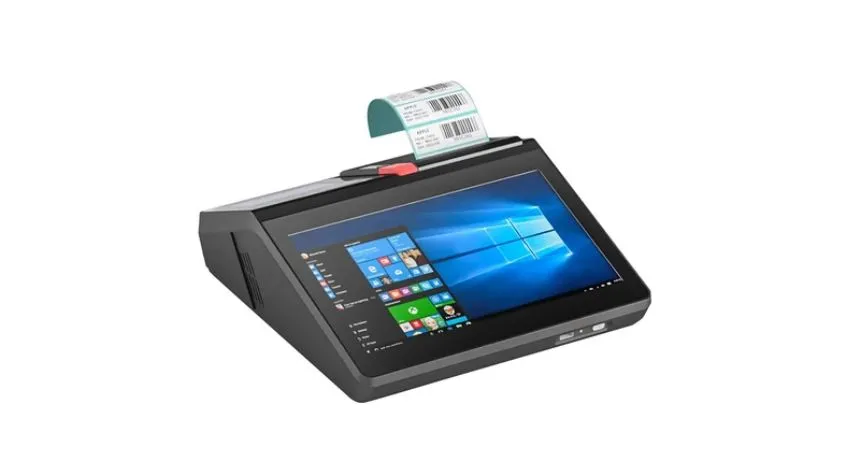
KwikPOS is a Philippine POS solution designed around retail checkout and store management. It provides tools for sales transactions, inventory, barcode scanning, reporting, and multi-location operations.
The platform is particularly focused on practical store-level management. Retailers can organize products, scan items during checkout, monitor inventory across branches, and review sales and profitability information from one system. Here’s the features:
Retail POS: Processes store transactions and supports everyday checkout activities.
Inventory Management: Tracks stock levels and inventory movements across locations.
Barcode Scanning: Speeds up product identification and checkout.
Sales Reporting: Provides sales, profit, and operational reports for business monitoring.
Pros
Cons
Built specifically around retail POS and store operations.
Supports barcode scanning and inventory management.
Can accommodate multi-location businesses.
Provides reporting tools for retail performance monitoring.
Businesses looking for a comprehensive ERP covering broader procurement, manufacturing, and financial processes may need another platform.
KwikPOS Pricing: Pricing depends on the selected POS package, hardware, and business requirements. Contact KwikPOS for the latest quotation.
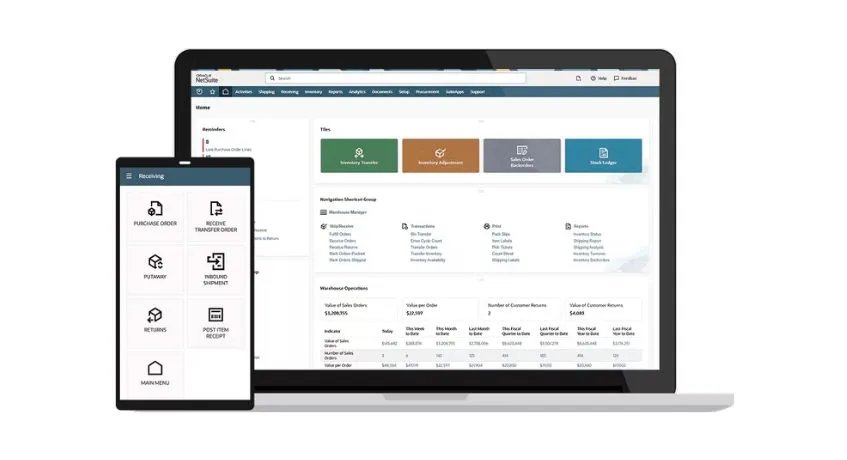
Oracle NetSuite is a cloud ERP platform designed for businesses with more complex financial, inventory, supply chain, and operational requirements. Rather than focusing solely on checkout, it connects multiple business functions within a broader ERP environment.
However, its enterprise-level capabilities also mean that implementation can require more planning and resources than a lightweight POS. Retailers should therefore consider whether their current scale justifies a broader ERP investment. The key features includes:
Cloud ERP: Connects financial and operational processes through one centralized platform.
Inventory Management: Provides visibility into inventory levels and stock-related activities.
Order Management: Helps coordinate orders and fulfillment across business operations.
Financial Management: Connects retail activities with accounting and financial reporting.
Pros
Cons
Provides a comprehensive ERP environment beyond basic POS.
Suitable for businesses with complex operational requirements.
May be excessive for small retailers that only need POS and basic inventory management.
Oracle NetSuite Pricing: Pricing is quote-based and depends on modules, users, implementation requirements, and business configuration.
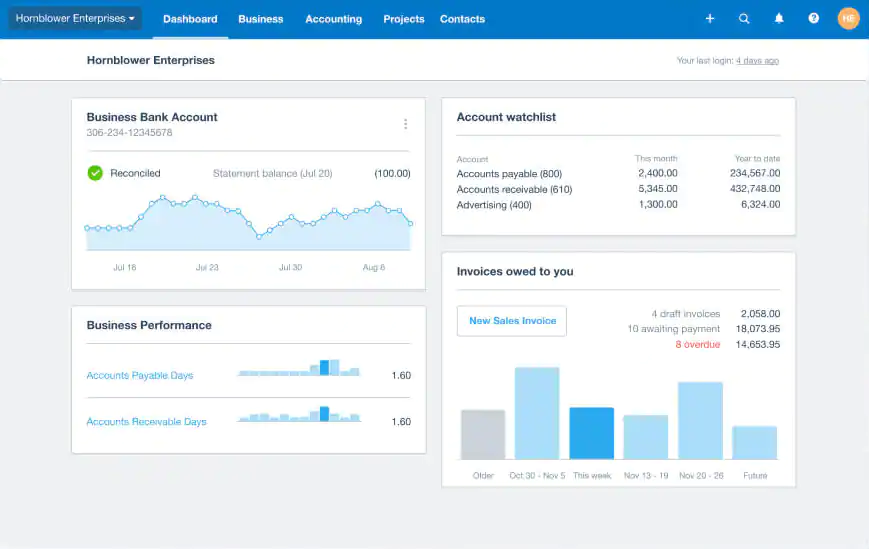
Xero is a cloud accounting platform that helps retailers manage financial transactions, cash flow, invoicing, and reporting. It also connects with POS, inventory, payment, and e-commerce applications through its broader integration ecosystem.
Rather than replacing a dedicated retail POS, Xero can work alongside one. A retailer can process transactions through a POS system while using Xero to manage accounting and financial reporting. Here’s how Xero can support retail businesses:
Cloud Accounting: Manages income, expenses, invoices, bills, and financial records.
Cash Flow Management: Helps retailers monitor incoming and outgoing cash.
POS Integrations: Connects with selected POS and retail applications.
E-Commerce Connections: Supports integrations with online selling and business platforms.
Pros
Cons
Provides a flexible cloud accounting environment.
Connects with POS, inventory, payment, and e-commerce applications.
Helps retailers monitor cash flow and financial performance.
Xero is primarily an accounting platform, so retailers may need separate POS and advanced inventory systems.
Xero Pricing: Pricing depends on the selected plan and current Philippine promotions. Businesses should check Xero’s latest pricing before subscribing.
Selecting retail software isn’t about discovering the one with the most extensive features, but one that covers how your business actually functions. A small shop might just need a point of sale and inventory tracking, while a multi-branch retailer might have more complex needs.
Yet, the local country should also be considered in the decision for the Philippine companies. The system must complement the invoicing and the recordkeeping processes of the retailer while minimizing the manual effort.
If you are looking for a more connected approach, ScaleOcean Atlas for Retail brings retail POS, inventory, purchasing, sales, customer management, and online selling into an integrated ERP environment.
Therefore, ScaleOcean Atlas can give retailers a better insight into their business and removes the burden of running disparate systems for each process. You can also schedule a consultation with the ScaleOcean team to discuss your business requirements and identify the modules that best fit your business operations.
FAQ:
1. Which retail software is the best in the Philippines?
The best POS system in the Philippines depends on your business size, budget, and operational needs. For businesses seeking an integrated solution, ScaleOcean Atlas connects POS with inventory, sales, purchasing, and accounting.
2. What software is commonly used in Philippine retail stores?
Retail stores commonly use POS, inventory management, accounting, and ERP software. Some platforms combine these functions, while others focus on specific areas such as checkout or financial management.
3. Can retail software manage multiple branches?
Yes. Many retail platforms support multi-branch management by centralizing sales, inventory, and reporting. This allows businesses to monitor operations across different stores from one system.
4. Does retail software support e-commerce?
Many retail platforms can connect with e-commerce channels, marketplaces, or online stores. This helps businesses synchronize sales and inventory between physical and online retail operations.











 Key Takeaways