




Fashion inventory software is a tool that is designed to better manage inventory or goods. It is one of the most valuable tools for apparel industries particularly for those businesses who expand their businesses from different branches.
Many apparel or fashion industries have grown a lot in the Philippines, and this software can help in growing the business. In this article, you will discover the proper ways to optimize and manage inventory systems for the fashion industry.
 Key Takeaways
- Fashion inventory software streamlines the management of the clothing business, inventory, product variants, and the movement of inventory
- Some of the features of fashion inventory software are real-time tracking, barcode scanning, variant management, replenishment automation, and POS integration.
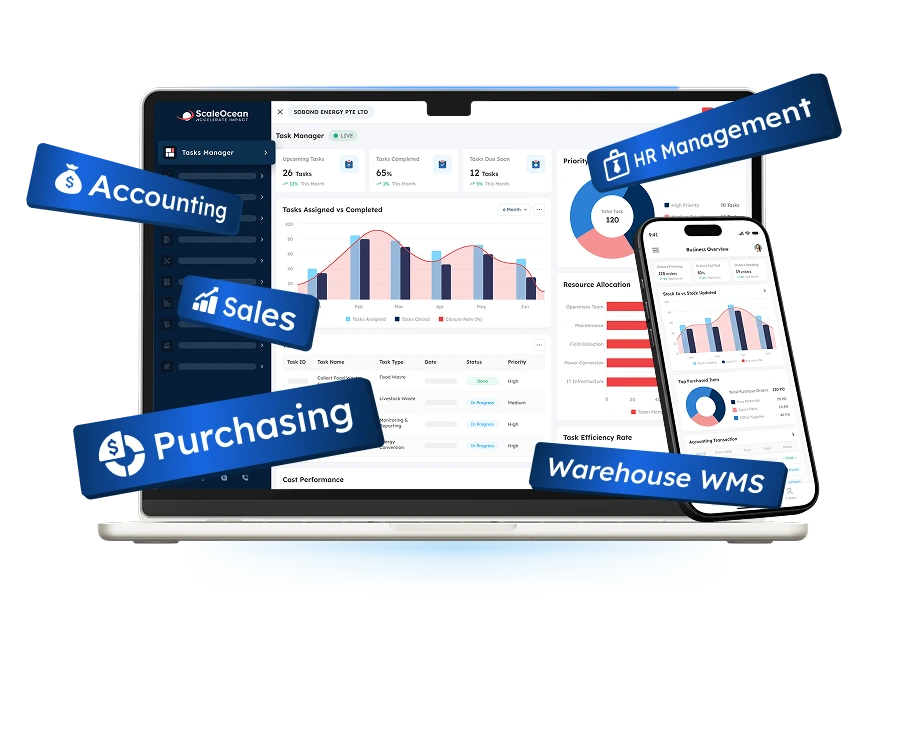
- ScaleOcean Atlas offers a fashion inventory optimization tool that includes inventory, warehouse management, procurement, sales, accounting, and AI-powered insights.

What is Fashion Inventory Management Software?
Fashion inventory management software is a tool for inventory management that specializes in managing inventories for fashion retailers, clothing manufacturers, and fashion distributors.
Unlike general inventory systems, fashion software is built to handle product variants of apparel products such as size, colour, style, and collection, which these selections are essential in the apparel industry.
A modern clothing inventory system tracks every inventory movement, including receiving, storing, selling, transferring, returning, and replenishing the stock. This will make inventory management much easier.
With the software, instead of relying on spreadsheets or manual stock counting, businesses can monitor inventory in real time across multiple stores. This can be very helpful for the businesses in the Philippines that use Shopee or Lazada.
Moreover, consumer demand changes also become the reason why this software is important. It can be reliable to analyze historical sales data to predict future demand and prepare for peak seasons sales.
The importance of inventory management is also supported by research in the Philippines. A study published in IJAEMS conducted a study on the apparel industry owners in the Philippines regarding their daily business operations.
The study reported that out of everything measured, keeping inventory levels synced across wholesale, retail, and online channels came out as the single most important factor to the owners.
They also noted that Point of Sale and inventory software are essential to keeping things running smoothly. The use of inventory management software is recommended to have a better control over the stock and demand.
The Key Features You Need in a Fashion Inventory Software
Choosing the right fashion inventory software involves more than comparing prices. The ideal solution should support inventory accuracy and provide complete visibility. Below are the essential features every fashion retailer should consider:
- Real-Time Inventory Tracking: Monitor stock status in real-time in the warehouse, retail stores, and online. It automatically updates when products are being moved, to avoid overselling.
- Product Variant Management: Support multiple product variants (such as sizes or materials) all within one catalogue. A modern clothes inventory system assigns SKUs to every variant, which makes it easier to organise.
- Barcode and QR Code Integration: Speed up receiving, stocktaking, transfers, and checkout with barcode or QR code scanning. This helps to save manual data entry, enhances operational efficiency, and decreases human error.
- Multi-Store Inventory Management: Synchronize stock in various stores and online sales channels. A reliable inventory software will give firms an opportunity to know what is available at any particular location.
- Sales and POS Integration: Integrate the inventory system with Point of Sale (POS) software to keep inventory automatically updated. This ensures that your stock is correct in both your physical store and ecommerce channels.
Top 11 Best Fashion Inventory Software in the Philippines
Whether you run a clothing boutique or fashion brand, the right solution can help to achieve inventory accuracy. Here are some of the best apparel inventory management software solutions available for fashion businesses in the Philippines:
1. ScaleOcean Atlas for Clothing Inventory
Managing fashion inventory manually becomes increasingly difficult as businesses expand across multiple stores, warehouses, and online sales channels. Clothing retailers often struggle with inaccurate stock records and managing product variants.
For example, a fashion brand might have a T-shirt in five sizes and five colors, which means that a single item actually has 25 distinct SKUs. If order volumes are low, this is still manageable, but when orders reach to double and triple digits everyday, then the fulfillment process becomes increasingly complex.
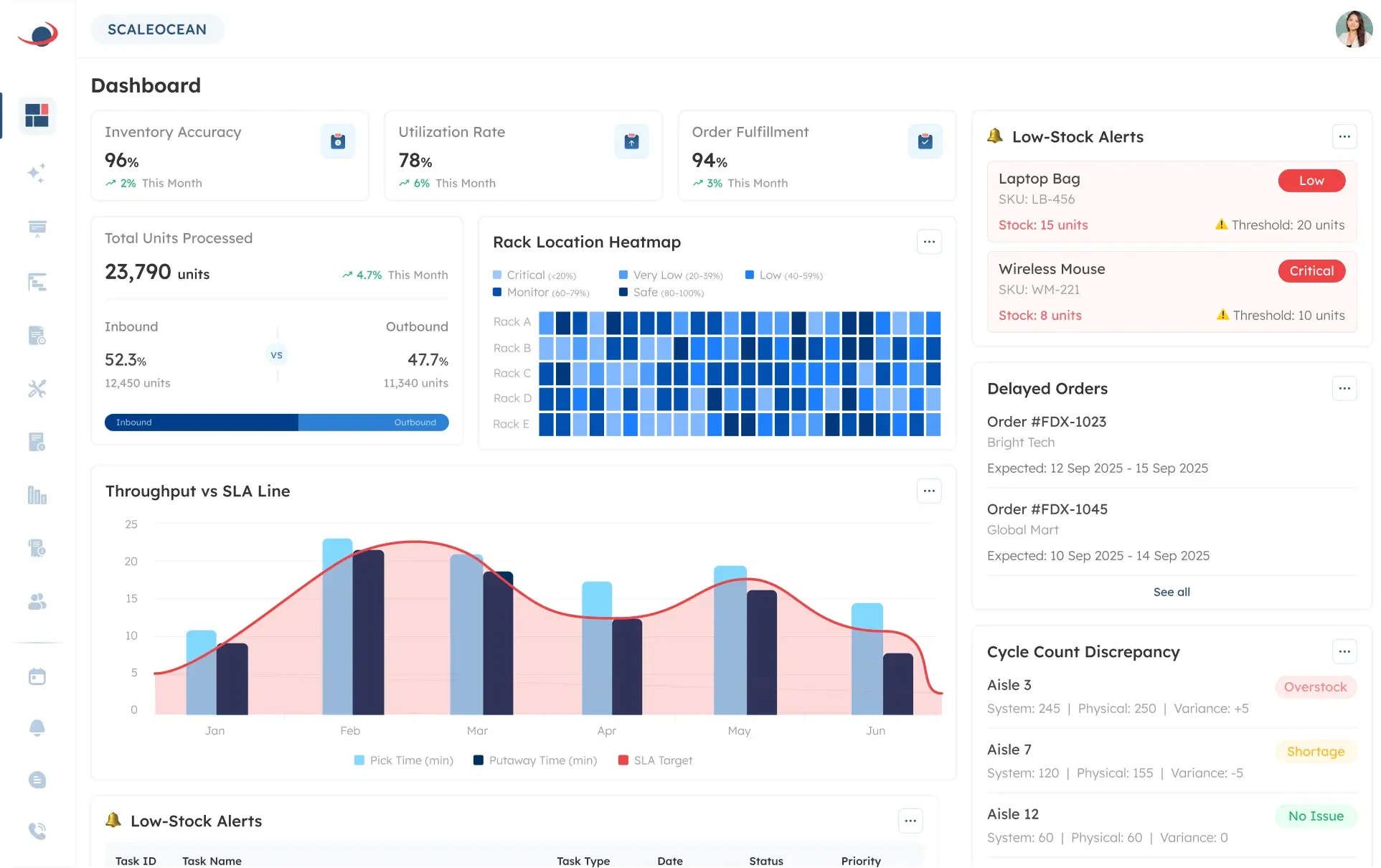
To address these challenges, the inventory module of ScaleOcean Atlas automates inventory management with barcode and QR code technology, providing real-time stock visibility, faster inventory movement, and improved warehouse efficiency.
As part of ScaleOcean Atlas, the solution seamlessly integrates inventory management with warehouse operations, procurement, purchasing, sales, accounting, and reporting.
Additionally, ScaleOcean Atlas is embedded with ScaleMind, an AI assistant that delivers intelligent recommendations to optimize inventory operations. For example, it can identify fast-moving clothing items and forecast seasonal demand.
Businesses looking to optimize their apparel inventory management system can also schedule a consultation to discover how ScaleOcean Atlas simplifies fashion inventory management. Some of the features include:
- Product Variant Management: Easily manage clothing products by size, color, style, material, and SKU while maintaining accurate inventory records for every variant.
- Barcode & QR Code Integration: Accelerate receiving, stocktaking, transfers, and order fulfilment using barcode and QR code scanning.
- Real-Time Inventory Tracking: Automatically update inventory levels and warehouse locations after every stock movement across stores and warehouses.
- Multi-Warehouse & Multi-Store Management: Monitor inventory across multiple warehouses, retail branches, and online sales channels from a single dashboard.
- Batch and Serial Number Tracking: Improve product traceability by tracking production batches, lot numbers, and supplier information where applicable.
- AI-Powered Inventory Recommendations: ScaleMind analyses inventory movement and customer demand to recommend replenishment strategies, warehouse improvements, and inventory optimization opportunities.
| Pros | Cons |
|---|---|
|
|
2. Cin7 Core
As fashion companies grow, keeping inventory in various retail stores, online marketplaces, and warehouses can become complex. If not managed centralized, retailers can experience discrepancies in inventory or longer order fulfilment.
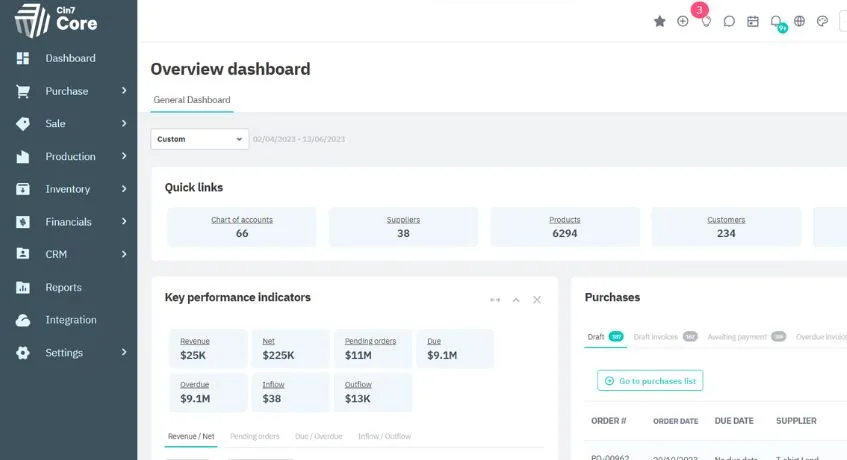
Cin7 Core is a cloud-based apparel inventory management software that enables fashion enterprises to consolidate inventory, purchasing, manufacturing and order management in a single application. Here are some of the features of Cin7:
- Multi-Channel Inventory Management: Integrate inventory data with online marketplaces, retail stores, and warehouses to ensure real-time accurate stock levels.
- Product Variant Management: Track clothing items based on size, color, and style using unique SKUs for easier inventory control.
- Purchase Order Management: Efficiently manage purchase orders and supplier relationships to ensure timely inventory restocking.
- Barcode Scanning: Improve receiving, stocktaking, and fulfillment by updating inventory instantly through barcode scanning.
| Pros | Cons |
|---|---|
|
|
3. Lightspeed Retail
E-commerce brands or fashion retailers require a solution that maintains inventory synchronization. Without the integrated system, businesses can end up overselling, having incorrect inventory counts, and taking longer to check out.
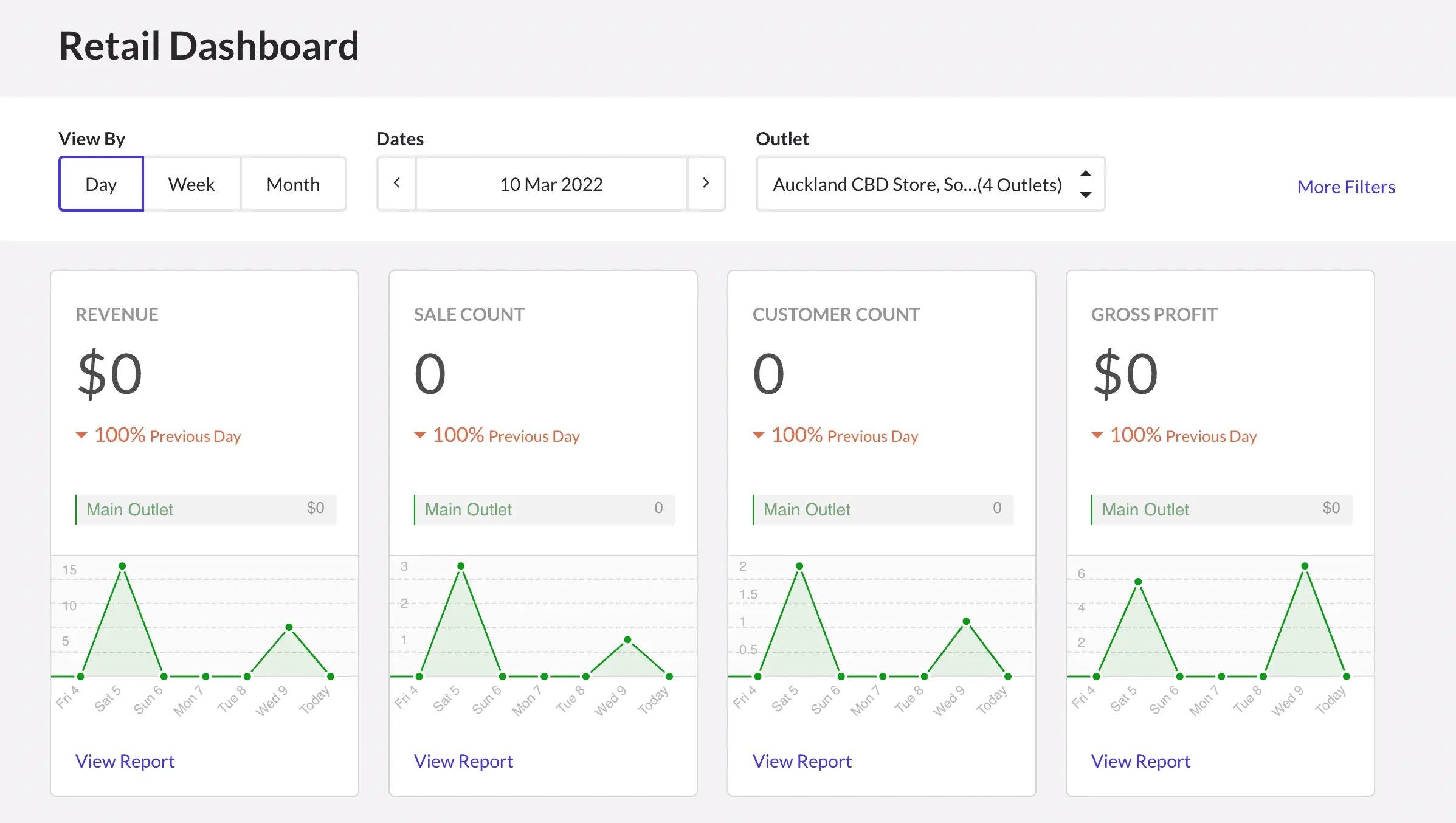
It is especially ideal for boutiques and expanding retail chains. The software also integrates inventory data with customer management and ordering, assisting retailers in elevating the shopping experience. The features include:
- Retail POS Integration: Link inventory to the POS system for automatic inventory updates after each retail transaction.
- Real-Time Inventory Tracking: Monitor inventory across physical stores and online channels from one central dashboard.
- Product Variant Management: Organized fashion products based on color, size and collections to keep accurate stock records.
| Pros | Cons |
|---|---|
|
|
4. ApparelMagic
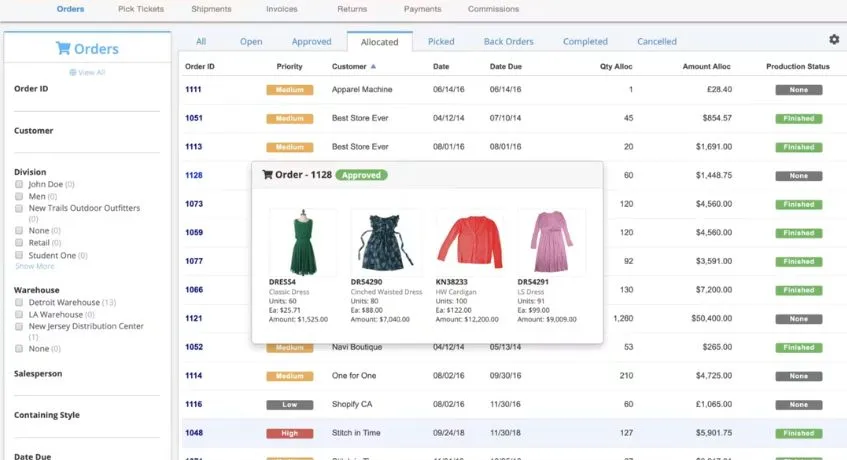
Fashion brands usually manage thousands of combinations of size, color, and collection. It becomes more complex to keep the inventory accurate and coordinate production when businesses expand and grow.
ApparelMagic is a specialized clothing inventory system built specifically for the fashion industry. It integrates inventory management, wholesale operations, production planning, purchasing, and order management. Here are the features:
- Style, Size & Colour Matrix: Organize your fashion products with multiple variants in one, clear, and simple inventory catalogue.
- Inventory Management: Track the movement of inventory between warehouses and ensure accurate inventory records are kept.
- Production Planning: Schedule apparel production while monitoring material availability and manufacturing progress.
| Pros | Cons |
|---|---|
|
|
5. Easyreplenish
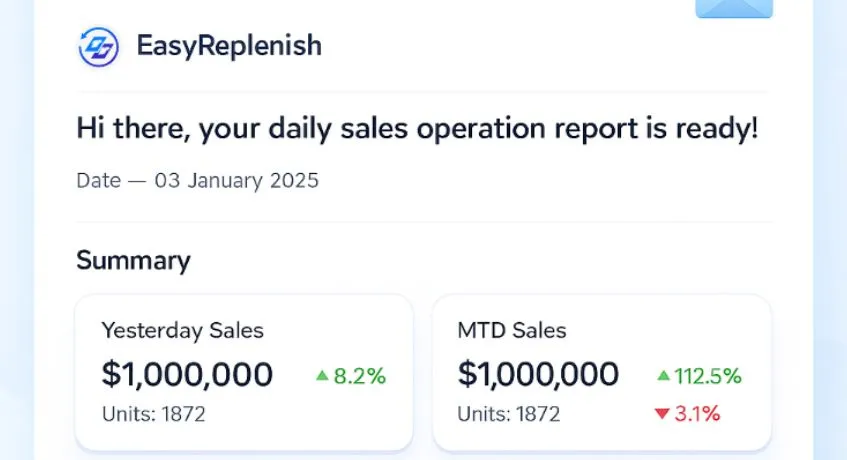
Maintaining the right inventory levels is one of the biggest challenges for fashion retailers, particularly when customer demand increases. Overstocking seasonal collections or running out of popular products can significantly affect profitability.
Easyreplenish is a solution that puts attention to inventory forecasting and automated replenishment. This solution analyzes historical sales data and inventory trends, it recommends when products should be reordered.
- Automated Stock Replenishment: Receive intelligent recommendations on when and how much inventory should be reordered.
- Demand Forecasting: Forecast future demand for inventory based on past sales and buying patterns.
- Inventory Analytics: Track inventory performance with once centralized dashboards to keep track of stock levels and inventory turnover.
| Pros | Cons |
|---|---|
|
|
6. Oracle NetSuite Apparel ERP
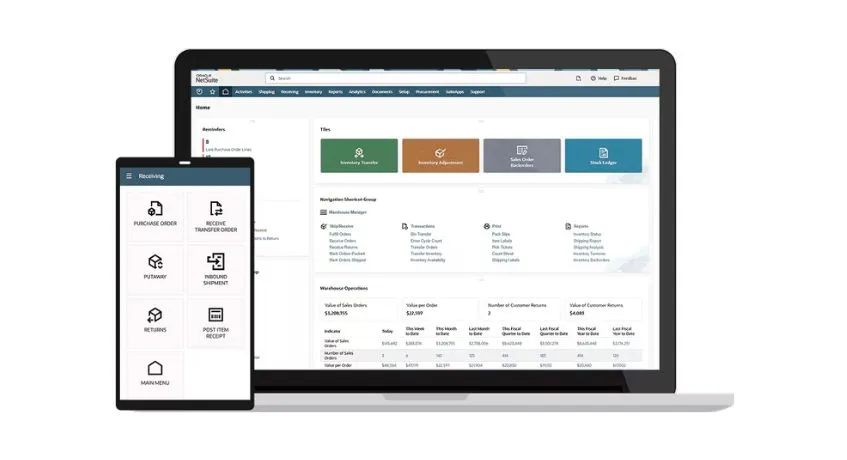
Oracle NetSuite Apparel ERP integrates inventory management, financial management, supply chain management, and customer relationship management (CRM) into a single platform for an enterprise resource planning solution.
Moreover, Oracle NetSuite’s scalability makes it ideal for large, fast-growing eCommerce businesses, such as apparel retailers, wholesalers, and manufacturers, that require complex operations. Some of the features of Oracle NetSuite include are:
- Enterprise Inventory Management: Control inventory at various locations including domestic stores, warehouses, and overseas businesses.
- Demand Planning: Predict customer demand for better ordering and “just in time” control over stocks.
- Warehouse Management: Automating inventory tracking, picking, and fulfilment to boost warehouse efficiency.
| Pros | Cons |
|---|---|
|
|
7. Shopify POS
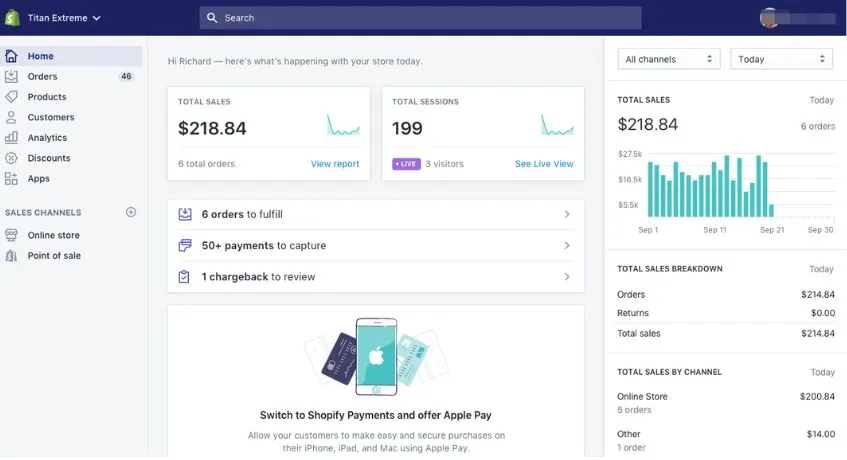
Online and in-store fashion retailers require inventory that is always in sync with all of their sales channels. Without the synchronization system, enterprises could end up overselling products and provide incoherent customer experiences.
Shopify POS is the e-commerce platform of Shopify’s extension to physical retail, with the ability to link inventory, sales, and customer data in a single system. It helps retailers to keep an accurate inventory. These are some of the characteristics:
- Inventory Synchronization: Synchronize inventory after each sale to all physical stores and Shopify online stores.
- Product Variant Management: Manage apparel products based on size, color, material and style.
- Mobile POS: Process sales anywhere in-store using smartphones or tablets while updating inventory instantly.
| Pros | Cons |
|---|---|
|
|
8. Zoho Inventory
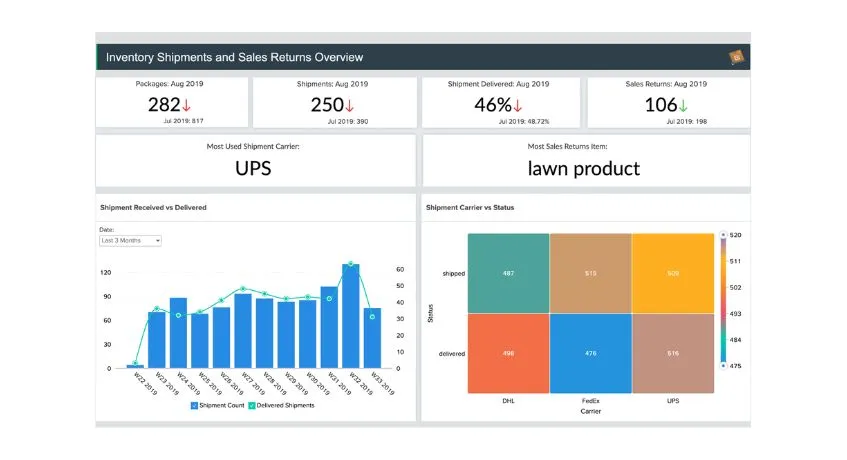
As fashion businesses grow, manually tracking inventory across warehouses and sales channels becomes increasingly inefficient. Inaccurate stock information may lead to delayed deliveries, inventory shortages, and reduced customer satisfaction.
Zoho Inventory is an online apparel inventory management software that facilitates businesses to manage their inventory, order, warehouses and shipping from a single platform. Its ability to integrate with other Zoho apps. Some of the features include:
- Inventory Tracking: Keep track of inventory and availability in real-time in the various warehouses and sales channels.
- Barcode Support: Manage inventory receiving, stock taking, and shipping with ease using barcode scanning technology.
- Warehouse Management: Organize warehouse inventory by storage location for faster inventory handling.
| Pros | Cons |
|---|---|
|
|
9. Katana
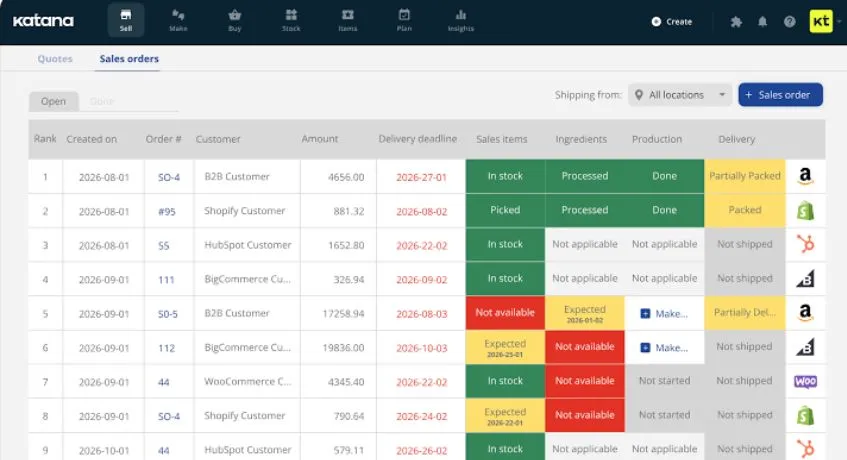
Fashion manufacturers need greater visibility into both production schedules and inventory availability to ensure products are delivered on time. Without proper coordination, businesses may experience production delays or material shortages.
Katana integrates manufacturing planning and inventory management, making it easier for fashion brands to keep track of raw materials, production progress, and finished products in real time. Here are some of the features of Katana:
- Manufacturing Planning: Monitor manufacturing capacity and work orders and schedule clothing production.
- Raw Material Tracking: Track fabrics, accessories, and production materials throughout the manufacturing process.
- Inventory Management: Keep track of finished goods and raw material items in real-time stock updates.
| Pros | Cons |
|---|---|
|
|
10. MageStore
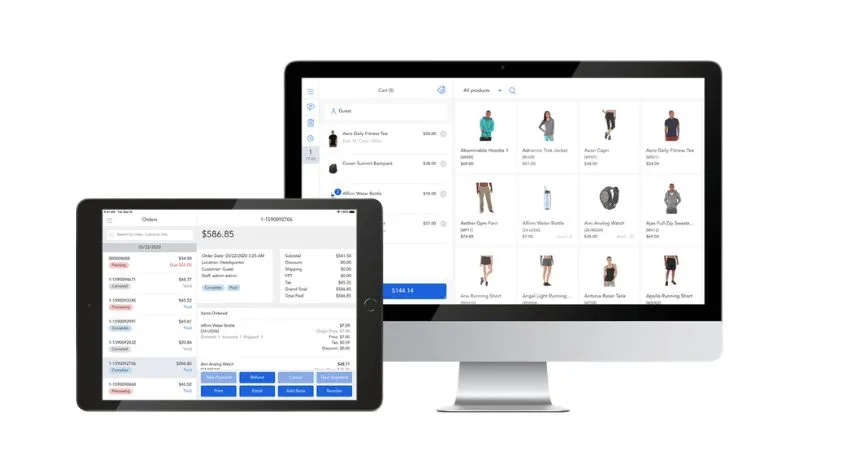
Retailers operating Magento-based online stores often require inventory software that connects e-commerce and physical retail operations. Managing stock separately across different sales channels can lead to inconsistencies and additional work.
Therefore, MageStore provides inventory and POS solutions designed specifically for Magento users. It synchronizes inventory between online stores and retail locations while supporting stock transfers, barcode scanning, and centralized management.
- Magento POS Integration: Integrate Magento stores with the physical retail store with the same inventory.
- Multi-Store Inventory: Keep track of inventory levels in multiple retail stores and warehouses from one place.
- Barcode Scanning: Speed up receiving, stocktaking, and checkout using barcode technology.
| Pros | Cons |
|---|---|
|
|
11. Fishbowl Inventory
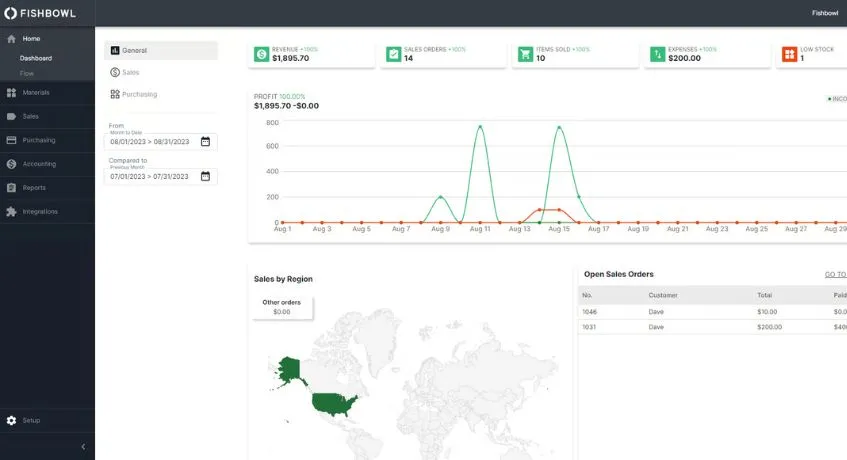
Growing fashion wholesalers and distributors require accurate inventory tracking to manage warehouse operations efficiently. There is a possibility of losing products, late deliveries, and incorrect stock records in manual inventory.
Fishbowl Inventory is a warehouse inventory management application that enables fashion businesses to manage their stock better using inventory tracking, warehouse management, inventory purchasing, and manufacturing support. This is a list of features:
- Inventory Tracking: Keep the track of stock movement and levels in and around warehouses.
- Barcode Management: Ensure inventory accuracy by receiving, taking inventory and shipping with barcode.
- QuickBooks Integration: Sync inventory with QuickBooks for easy accounting & financial reporting.
| Pros | Cons |
|---|---|
|
|
 Also Read: 12 Top Inventory Management Software in The Philippines 2026
In Conclusion
Choosing the right fashion inventory software is essential for clothing retailers, wholesalers, and manufacturers looking to improve inventory accuracy and streamline daily operations.
Whether small boutique shops or a growing fashion business in the Philippines, it’s important to invest in an effective apparel stock management software to boost the efficiency of your operations and ensure your business’s growth.
If you’re looking for an apparel inventory management system that goes beyond basic inventory tracking, the inventory module of ScaleOcean Atlas is a powerful solution to consider.
It integrates inventory management with warehouse management, procurement, sales, accounting, and reporting on a single platform. Moreover, ScaleOcean Atlas enables fashion businesses to manage inventory more efficiently.
You can schedule consultation with our experts and discover how its integrated inventory can help your fashion business improve inventory accuracy.
FAQ:
1. What is the inventory software for clothing store?
Fashion retailers need software that can manage product variants such as sizes, colors, and styles. ScaleOcean Atlas is a suitable option, offering real-time inventory tracking, barcode support, warehouse management, and integrated business operations.
2. What is the best software for clothing stores?
If you are looking to use clothing store software, consider the following features: inventory management, product variant, POS integration, barcode scanning, multi-store support, and scalability. It also depends on your business requirements.
3. Can fashion inventory software manage multiple stores?
Yes. Most fashion inventory software can synchronize inventory across multiple stores, warehouses, and online sales channels, giving businesses real-time stock visibility from one central system.















.png)