




Construction inventory software is a digital tool designed to track materials, tools, and equipment. It simplifies the construction process for teams that still manage inventory manually using spreadsheets.
Therefore, construction inventory management software helps businesses to monitor stock movement and improve planning. The right solution ensures materials are on hand when needed and helps keep costs under control.
 Key Takeaways
- Construction inventory software is a digital system that helps contractors manage materials, tools, equipment, and stock movement across construction projects.
- The features of construction inventory management software include tracking, material management, monitoring, order management, and reports.
- ScaleOcean Construction ERP Software helps construction businesses manage inventory, procurement, budgeting, and project tracking within one ERP platform.
What is Construction Inventory Software?
Construction inventory software is a digital solution designed to help construction companies manage inventory, materials, and equipment. This construction materials management software also helps centralizes inventory data, allowing project managers, and teams to monitor stock accurately.
Moreover, inventory software is also designed to automatically update whenever materials are purchased, transferred, or used on-site. This is to improve inventory accuracy and minimize the risk of shortages or overstocking.
In the Philippines, construction firms who are handling multiple projects often face challenges such as delayed deliveries or scattered records. Also, inventory and procurement management also involve strict regulatory compliance requirements.
Under Republic Act No. 9184, construction procurement activities in the Philippines must follow standardized purchasing processes. Therefore, many companies use construction inventory software to improve material tracking and documentation.
Key Features of Construction Inventory Software
As construction companies work with multiple projects, they need tools to manage them easily. Moreover, inventory software is designed to solve this problem and maintain productivity. Here are some features that can help projects run smoothly:
- Real-Time Tracking: One of the features that is useful is inventory tracking. The software allows teams to monitor stock availability instantly across multiple locations. This helps prevent material shortages during ongoing construction activities.
- Material Request Management: Second, this software also provides project teams to submit and approve material requests digitally. This process reduces paperwork and helps ensure faster coordination between field workers.
- Equipment and Tool Monitoring: The third feature of this software is to help construction businesses track equipment usage, maintenance schedules, and tool availability effectively. This is specifically designed to reduce the risk of missing assets.
- Purchase Order Management: This system helps manage supplier purchases, track incoming materials, and monitor procurement expenses on a single platform. Therefore, this function optimizes purchase records to prevent delayed payments.
- Reporting and Analytics: Last but not least features from construction inventory management software are analytic reports. This feature presents detailed inventory reports to help management analyze stock movement and project costs.
Top 8 Best Construction Inventory Management Software
Before adopting software for construction projects, team leaders must understand the various options available in the market. Choosing the right inventory software for construction companies can help ensure that the selected platform aligns with specific business needs. Here are the best eight construction management software recommendations:
| Software | Key Strength | Best For |
|---|---|---|
| ScaleOcean Atlas | Integrated construction ERP with inventory, procurement, accounting, and project management | Medium to large construction companies. |
| Sortly | Simple inventory tracking with QR/barcode scanning. | Small teams and field workers. |
| Xero | Combines inventory tracking with financial management. | Small to medium businesses. |
| ProCore | Comprehensive construction project management and documentation. | Complex construction projects. |
| Foundation Software | Comprehensive job costing and accounting. | Contractors managing project costs. |
| HCSS | Equipment and real-time operational tracking. | Heavy civil and infrastructure contractors. |
| Tenna | Offers asset and telematics tracking. | Companies managing construction equipment. |
| Jonas | Construction and financial management. | Contractors looking for integrated systems. |
1. ScaleOcean Atlas for Construction Inventory
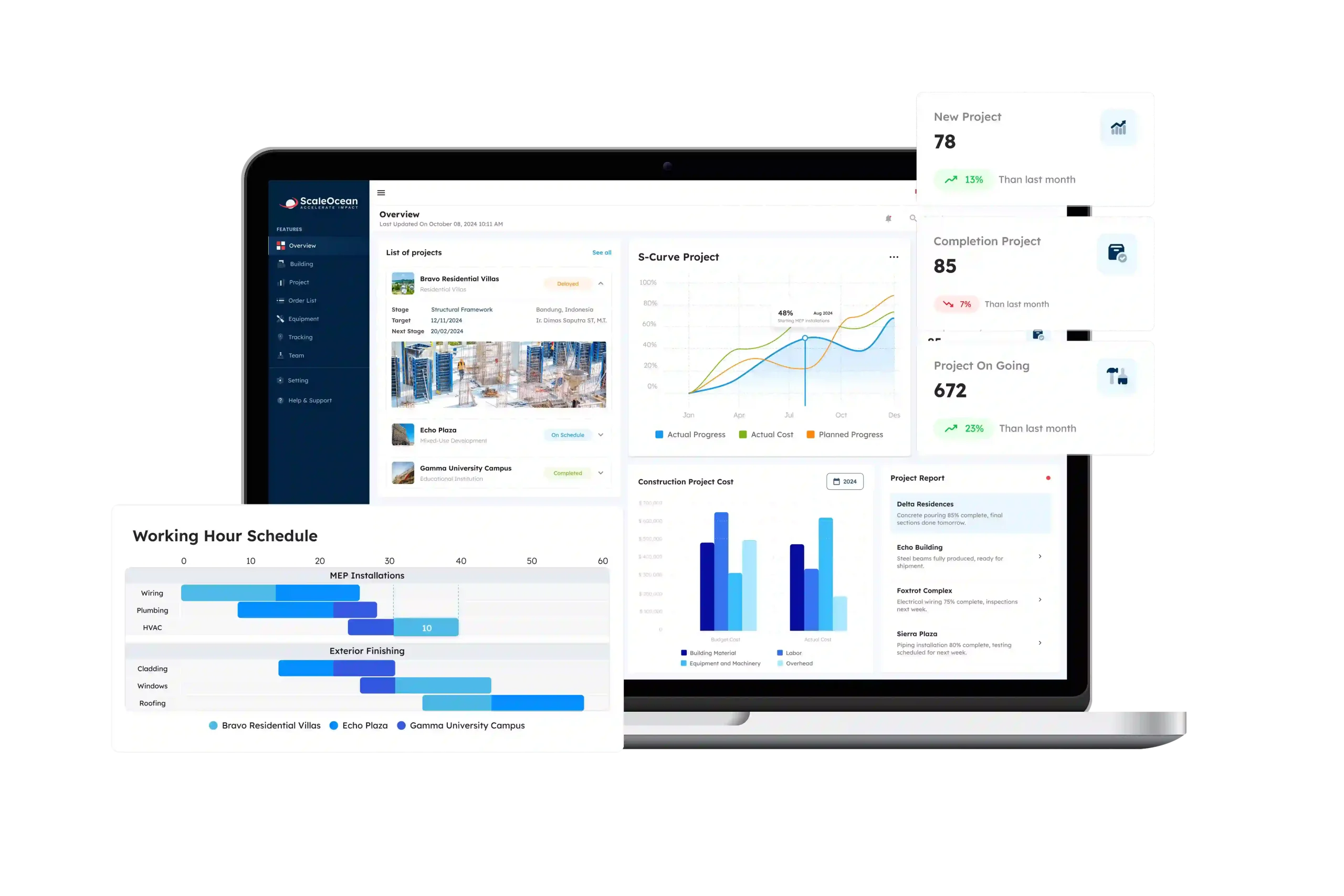
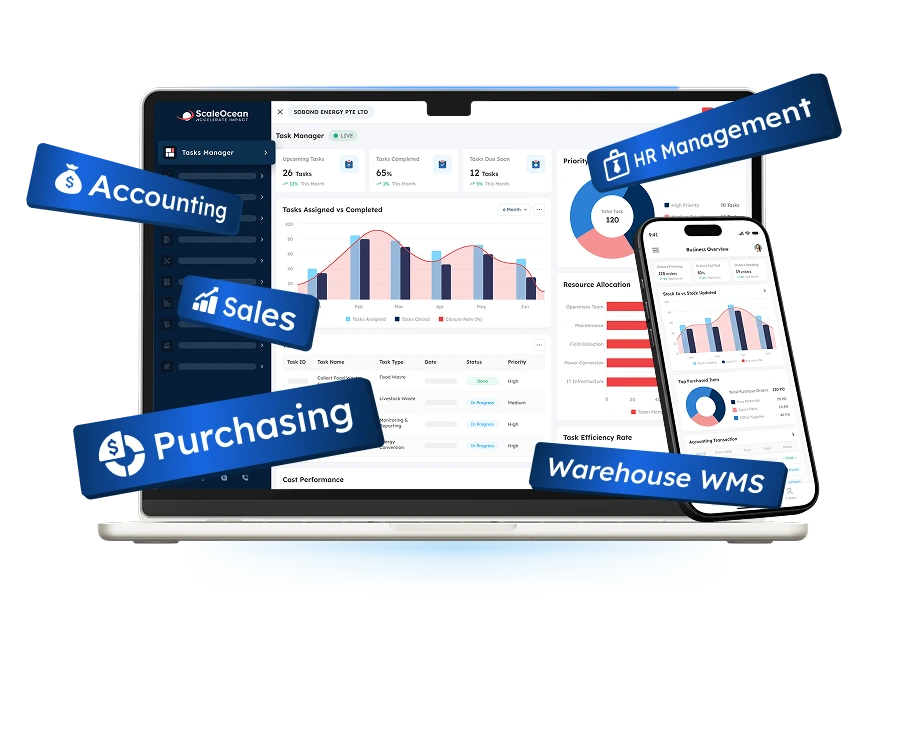
ScaleOcean Atlas for Construction ERP is a cloud-based construction inventory software designed for construction companies. The system helps businesses manage projects through integrated systems such as inventory, procurement, & budgeting.
To support construction operations more efficiently, ScaleOcean Atlas centralizes important processes such as project contracts, material management, and project monitoring. This allows contractors and project managers to improve visibility of ongoing projects.
Moreover, the software integrates with other ERP functions including accounting, asset management, inventory, and sales management. This integration helps construction companies maintain accurate operational data.
Construction companies can also schedule a consultation to better understand how the software supports inventory management, procurement automation, and long-term construction project operations. Some of its features include:
- Inventory Management: Additionally, ScaleOcean Atlas helps companies monitor material availability, stock movement, warehouse management, and inventory usage across multiple construction projects.
- Budget and Material Tracking: Not only monitoring material, ScaleOcean Atlas also tracks material usage and inventory costs to help companies control operational budgets accurately.
- Automated Procurement: Therefore, ScaleOcean Atlas also automates procurement processes for construction materials and equipment to reduce operational delays.
- Warehouse Management: In addition, ScaleOcean Atlas’s system also helps organize warehouse operations by tracking incoming and outgoing materials within one platform
- Resource Management: Last but not least, ScaleOcean Atlas helps optimize labor allocation, equipment usage, and project resources to improve operational efficiency.
- Integrated ERP System: Moreover, as an ERP software, ScaleOcean Atlas connects inventory, procurement, accounting, and project management data into one integrated system to reduce manual coordination.
| Pros | Cons |
|---|---|
|
|
- ScaleOcean Atlas Pricing: Varies depending on the scope and requirements of the business
- ScaleOcean Atlas Capterra Rating: 5.0/5
2. Sortly
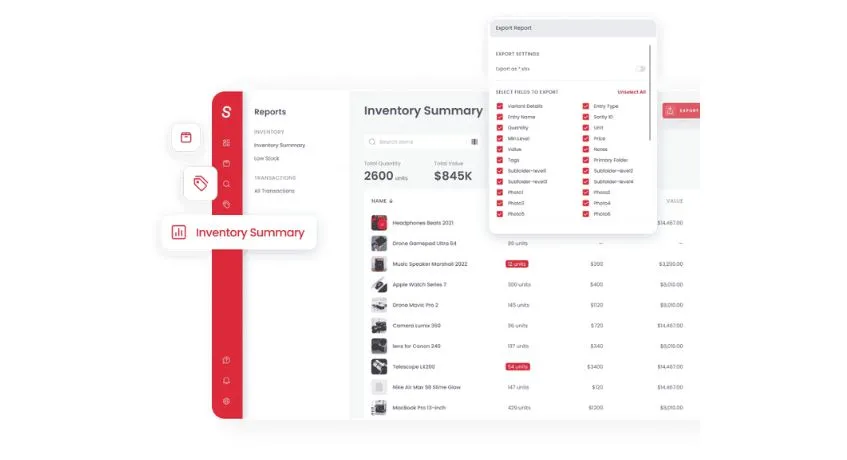
Sortly is an inventory management software that helps construction companies organize tools and equipment efficiently. The system is designed with a simple interface, making it suitable for businesses that need easy inventory tracking.
Therefore, to improve inventory visibility, Sortly centralizes stock management through mobile devices and QR code tracking. This feature allows construction teams to monitor inventory movement and equipment usage across project locations.
- Inventory Tracking: Additionally, Sortly helps monitor stock availability, inventory movement, and equipment tracking within one platform.
- QR Code and Barcode Scanning: Not only simplifying inventory records, Sortly also supports barcode and QR code scanning for faster stock updates.
- Mobile Accessibility: Therefore, construction teams also can manage inventory directly from smartphones or tablets during field operations.
| Pros | Cons |
|---|---|
|
|
- Sortly Pricing: Starts at $49 (₱3.005,88)/month for the Advanced plan; a free plan is also available.
- Sortly Capterra Rating: 4.5/5
3. Xero
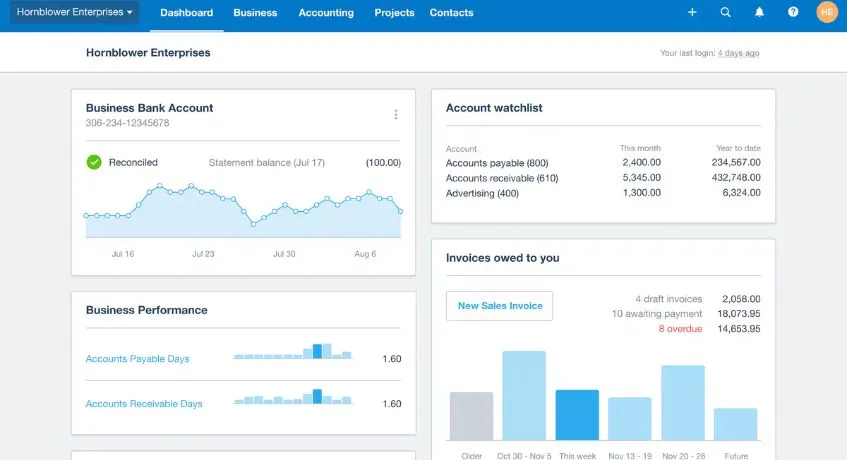
The third platform that should be considered is Xero. The system helps companies manage purchasing, stock monitoring, invoicing, and financial operations within one platform. It also centralizes inventory and accounting data in real time.
This allows contractors and finance teams to monitor inventory costs alongside project expenses accurately. Moreover, the software integrates with multiple third-party business applications to improve financial visibility. Here are some of the features:
- Inventory Tracking: First Xero provides inventory tracking. This feature helps businesses monitor stock quantities, inventory value, and material usage efficiently.
- Financial and Budget Monitoring: Not only managing inventory, Xero also tracks project expenses, invoices, and cash flow within one system.
- Purchase Order Management: Third, Xero enables construction companies to manage supplier purchases and procurement activities digitally.
- Cloud-Based Accounting: In addition, Xero also centralizes accounting and inventory data for easier financial reporting.
| Pros | Cons |
|---|---|
|
|
- Xero Pricing: Starts at $25(₱1.533,75)/month; pricing varies by plan and features.
- Xero Capterra Rating: 4.4/5
4. ProCore
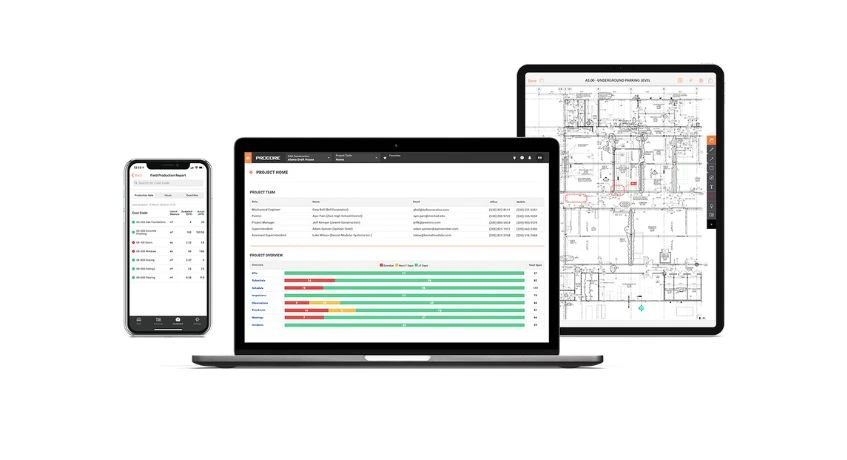
The fourth software recommendation is ProCore. It is a construction management software designed to help contractors manage projects, inventory, & procurement. The platform is usually used by medium to large construction companies.
Moreover to improve operational control, ProCore centralizes project communication, inventory monitoring, and project documentation within one system. This helps teams maintain better coordination between project sites and office operations.
- Inventory and Material Tracking: First, ProCore can help companies monitor construction material usage, inventory availability, and stock allocation across projects.
- Procurement Management: In addition, ProCore also supports procurement workflows and supplier coordination.
- Project Documentation: Therefore, companies can organize contracts, reports, drawings, and project files digitally through ProCore.
| Pros | Cons |
|---|---|
|
|
- ProCore Pricing: Starts at $10,000(₱613.500,00)/year; final pricing depends on the solution and project requirements.
- ProCore Capterra Rating: 4.5/5
5. Foundation Software
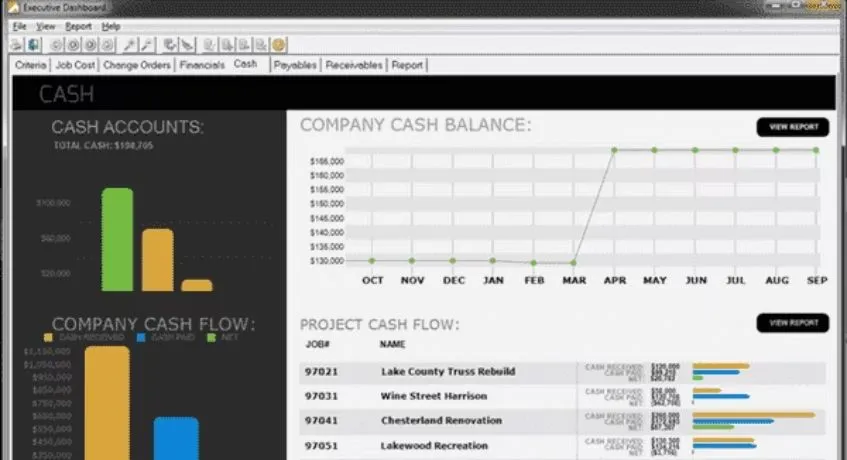
Foundation Software is a construction accounting and project management software that also supports inventory and equipment tracking. The platform is designed for contractors to manage multiple construction projects.
To support inventory operations, Foundation Software centralizes accounting, inventory tracking, and equipment management in one platform. This allows businesses to improve cost monitoring and inventory visibility. Here are some of the features:
- Inventory Management: First Foundation Software enables companies to manage inventory easily. It helps monitor material stock levels and inventory movement across projects.
- Equipment Tracking: Not only tracking inventory, this software also monitors construction equipment usage and maintenance schedules.
- Job Costing: Therefore, contractors can track project expenses and operational budgets more accurately.
| Pros | Cons |
|---|---|
|
|
- Foundation Software Pricing: Custom pricing; depends on the selected solution contact Foundation Software for more information.
- Foundation Software Capterra Rating: 4.3/5
6. HCSS
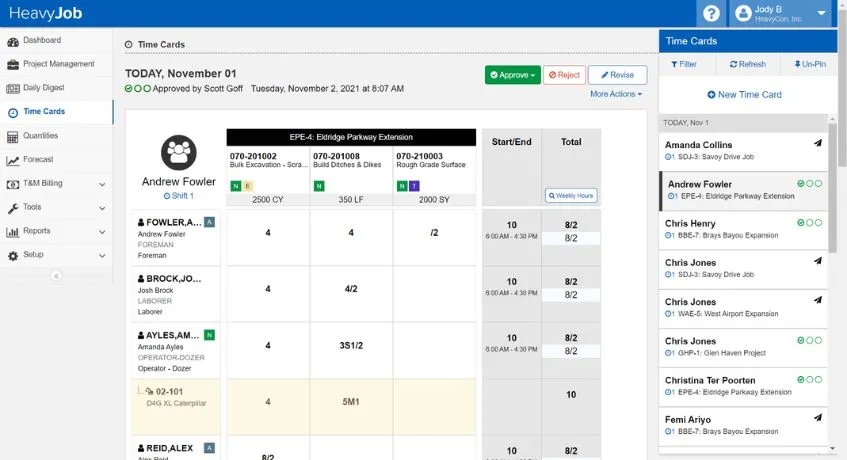
HCSS is a construction management software designed for heavy civil and infrastructure contractors. This software helps to manage inventory, equipment, fleet operations, and project workflows efficiently.
Moreover, HCSS centralizes project tracking , inventory monitoring, and procurement coordination through one platform to improve visibility. This software also supports real-time reporting. Here are some of the features:
- Inventory Monitoring: HCSS helps track construction materials, equipment inventory, and stock movement efficiently.
- Equipment and Fleet Management: In addition, HCSS also monitors vehicle and heavy equipment usage in real time.
- Procurement Coordination: Therefore, contractors can improve purchasing and supplier management processes.
| Pros | Cons |
|---|---|
|
|
- HCSS Pricing : Custom pricing; contact HCSS for pricing information.
- HCSS Capterra Rating: 4.4/5
7. Tenna
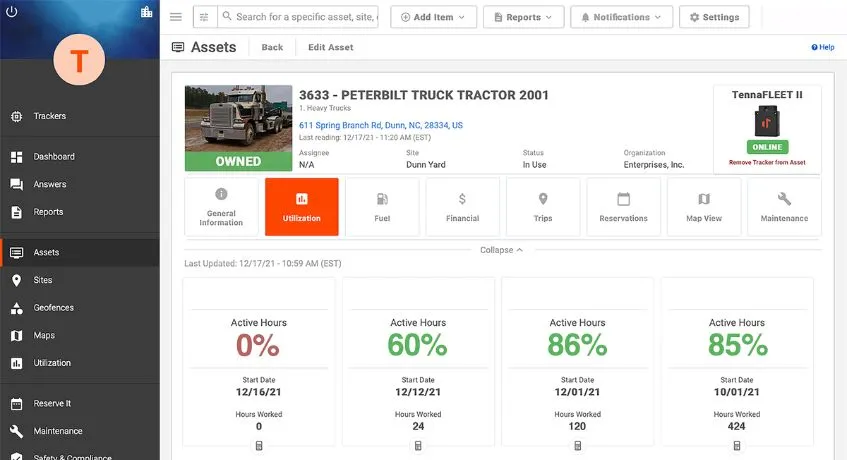
Another software that is recommended is Tenna. It is a construction asset and inventory management software designed to help contractors track tools and fleet operations. The system focuses on improving visibility of assets in project sites.
Therefore, Tenna also centralizes equipment tracking, maintenance monitoring, and operational reporting through cloud-based technology. This software also uses GPS and telematics systems to help businesses monitor equipment location.
- Asset and Inventory Tracking: First, Tenna helps monitor tools, construction equipment, and inventory movement across project sites.
- GPS Equipment Monitoring: Not only tracking inventory, Tenna also provides real-time equipment location visibility.
- Maintenance Scheduling: Therefore, companies can schedule equipment servicing and reduce operational downtime.
| Pros | Cons |
|---|---|
|
|
- Tenna Pricing: Depend on selected features, contact Tenna for pricing.
- Tenna Capterra Rating: 4.6/5
8. Jonas
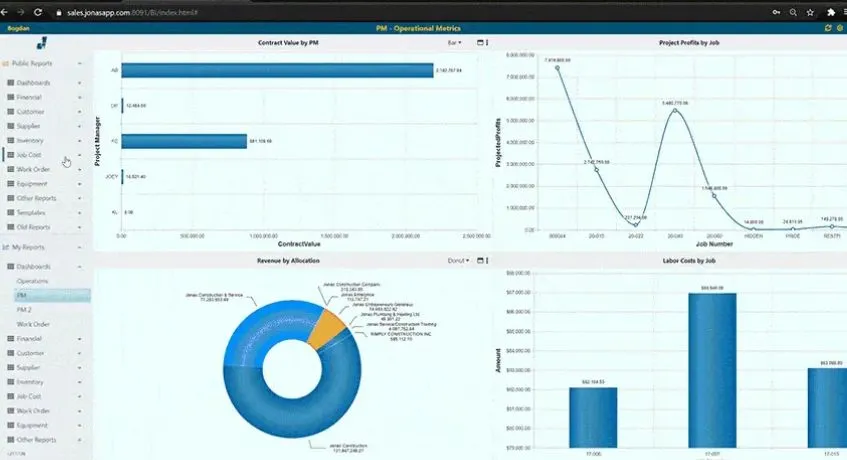
The final recommendation of construction inventory software is Jonas. The software integrates inventory, accounting, procurement, and project into one system for easier management.
Moreover, Jonas supports multiple operational workflows including service management, accounting, and inventory management. Additionally, it also centralizes inventory monitoring, project budgeting, procurement, and financial reporting.
- Inventory Management: With the features, Jonas helps companies monitor stock availability, inventory movement, and warehouse operations efficiently.
- Procurement and Purchasing: Additionally, Jonas also supports supplier purchasing and procurement coordination.
- Project Budget Tracking: Therefore, construction businesses can monitor project expenses and operational budgets in real time.
| Pros | Cons |
|---|---|
|
|
- Jonas Pricing : Custom pricing based on business requirement, contact Jonas for more information about pricing.
- Jonas Capterra Rating: 4.1/5
In Conclusion
Inventory software for construction plays an important role in helping contractors manage materials and equipment efficiently. Therefore, this software helps contractors to have better inventory visibility, avoid unnecessary costs, and improve project timelines.
For construction businesses in the Philippines, using the right construction inventory management software can also improve coordination across multiple project locations while supporting better financial and operational control.
If your company is looking for a more integrated and reliable solution, ScaleOcean Atlas for Construction can help streamline inventory management, procurement, project budgeting, and overall construction operations.
You can also schedule a consultation to see how the system supports your construction business needs.
FAQ:
1. How does construction inventory software work?
Construction inventory software tracks materials, tools, and equipment digitally. The system updates stock levels automatically whenever inventory is purchased, transferred, or used on-site.
2. Why do contractors use inventory software?
Contractors use construction inventory software to reduce material shortages, monitor inventory usage, control procurement costs, and improve coordination between warehouses and project sites.
3. What features should inventory software have?
Construction inventory software should include inventory tracking, procurement management, warehouse monitoring, reporting analytics, equipment tracking, and real-time stock updates.















.png)