




Inventory tracking is an essential process of warehouse management to make sure the stocks are stored in the right location and being moved correctly. This process is to maintain stock level and remove stock discrepancies.
As businesses in the Philippines continue adopting digital technologies, tracking management has become increasingly important. This article will explore the importance of inventory tracking and optimize the organization using digital technology.
 Key Takeaways
- Inventory tracking monitors stock levels, product movements, and inventory data in real time to improve accuracy and support efficient warehouse operations.
- Effective inventory tracking important to increases stock visibility, speeds up order fulfillment, reduces inventory costs, and improves customer satisfaction.
- Common methods for tracking inventory is using manual spreadsheets, barcode scanning, RFID technology, or inventory management software.
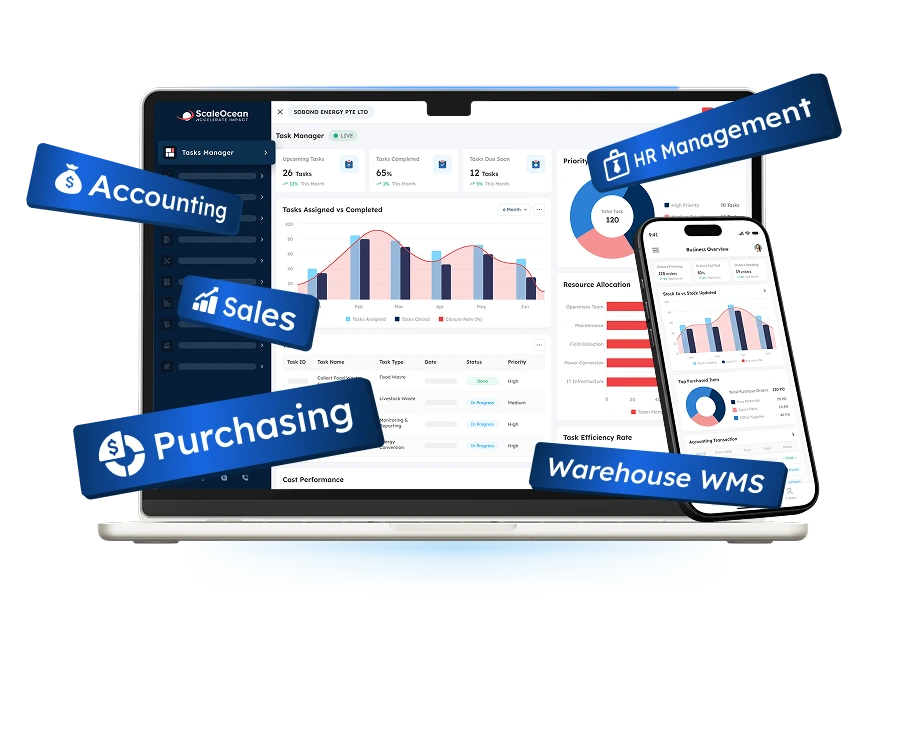
- ScaleOcean Atlas simplifies inventory tracking with real-time stock monitoring, multi-warehouse management, automated inventory updates, and AI-powered inventory reporting.

1. What is Inventory Tracking?
Inventory tracking is the process of monitoring the quantity, location, movement, and status of inventory throughout its lifecycle; from receiving goods from suppliers to storing, transferring, selling, or disposing of products.
The primary objective of tracking management is to ensure businesses always know what inventory they have, where it is located, and how quickly it moves. This helps reduce inventory errors, prevent stock shortages, and minimize overstocking.
Modern tracking systems combines technologies such as barcode scanners, QR codes, RFID, and cloud-based inventory management software to automate stock updates and provide real-time inventory visibility.
These benefits also strengthen based on study from the RFID Research Center at the University of Arkansas, which shows that shifting from barcode-based counting to RFID-enabled tracking improved inventory accuracy by more than 27%.
Furthermore, for businesses in the Philippines, effective tracking management is particularly valuable due to growing e-commerce demand, expanding retail operations, and increasingly complex supply chains.
2. Why is Inventory Tracking Management Important?

Inventory is one of the largest business assets which without accurate tracking, companies may experience delayed deliveries. That’s why, optimizing tracking systems is important, here are the benefits of inventory tracking management:
a. Better Cost Efficiency
The most significant benefit from inventory tracking is having better efficient cost. It’s because accurate inventory records help businesses avoid excessive purchasing, emergency replenishment, and unnecessary storage costs.
Combined with inventory valuation, businesses can also gain a clearer view of their stock value and make more informed decisions about purchasing and inventory costs.
b. Increased Stock Visibility
Secondly, tracking systems is enhanced to instantly monitor across warehouses, retail branches, or distribution centers. This visibility allows employees to quickly determine current stock levels and product locations.
c. Faster Order Fulfillment
Not only increased stock visibility, this tracking system is to optimize faster order fulfillment in which customers will receive the orders faster. When inventory locations are accurately recorded, warehouse staff spend less time looking for products.
d. Enhanced Inventory Forecasting
Another benefit of this process is gaining enhanced forecasting inventory that can optimize market demands. Moreover, reliable tracking ensures all official records, including the Inventory List for BIR Submission, remain accurate, enabling companies to predict future inventory needs and reduce excess inventory.
e. Improved Customer Satisfaction
Efficient inventory management directly enhances customer satisfaction. By accelerating order fulfillment, businesses ensure products are always available when customers want to buy them.
3. What is Monitored in Inventory Tracking?

Inventory tracking involves more than simply counting products. Businesses monitor multiple inventory data points to maintain accurate records and support better decision-making. Here are the key aspects monitored in tracking systems:
- Real-time stock visibility: Businesses monitor current inventory levels across warehouses, retail stores, and distribution centers to know exactly what products are available at any given time.
- Movement tracking: Every inventory transaction is recorded, including receiving, putaway, stock transfers, and inventory adjustments. Tracking these movements creates a complete history and improves inventory accuracy.
- Item-level Identifiers: Each product is assigned a unique identifier, such as an SKU, QR code, RFID tag, batch number, or serial number. These identifiers make products easier to locate, trace, and manage throughout the supply chain.
- Performance KPIs: Businesses monitor key inventory metrics, including inventory turnover, order fulfillment rate, and inventory accuracy. These inventory management KPIs help evaluate warehouse performance and identify areas for improvement.
- Cost & Valuation: It also records financial data, such as unit costs, cost of goods sold (COGS), and inventory carrying costs. This information supports accurate financial reporting, budgeting, and profitability analysis, particularly when determining inventory balances under a periodic inventory system.

4. The Common Methods of Inventory Tracking
For companies in the Philippines that expand across islands, there are several methods to use for maximizing tracking management. Here are some of the most common inventory tracking methods:
a. Manual Spreadsheets
Many small businesses use spreadsheets such as Microsoft Excel or Google Sheets to record inventory quantities. This method is easy to set up but requires manual updates. However, as inventory grows, spreadsheets become more difficult to manage.
b. Barcode Scanning
Barcode scanning assigns a unique barcode to each product, allowing warehouse staff to update inventory simply by scanning items during picking or shipping. This method reduces manual input and speeds up warehouse operations.
c. QR Codes
The third method is using QR codes. Similar to barcodes, they store significant data such as product specifications and batch numbers. QR codes can easily be scanned via smartphones or handheld devices, offering flexible and cost-effective traceability.
d. RFID Tags
The next method is using RFID or Radio Frequency Identification which utilizes radio waves to identify and track inventory without requiring direct line-of-sight scanning. It can scan multiple tagged items simultaneously and count inventory much faster.
e. Inventory Management Software
Another most common method is applying management software, it combines inventory tracking with automation and real-time reporting through one platform. Moreover, it can support perpetual inventory by automatically recording stock movements and integrate with other business systems.
5. Manual vs. Automated Inventory Tracking
Manual inventory tracking using Google Sheets or MS Excel can be helpful, but it is best suited for smaller operations or lower inventory complexity. To optimize your inventory tracking, consider the following key aspects:
| Aspect | Manual Tracking | Automated Tracking |
|---|---|---|
| Data Updates | Manually entered. | Updated automatically in real time. |
| Inventory Accuracy | More prone to human error | Higher accuracy through automation. |
| Stock Visibility | Limited and often delayed | Real-time visibility across locations. |
| Order Processing | Slower due to manual recording | Faster with automatic updates. |
| Reporting | Created manually | Generated instantly with dashboards. |
| Multi-warehouse Support | Difficult to manage | Easily tracks inventory across locations. |
| Scalability | Best for small inventories. | Suitable for growing and large businesses. |
Overall, automated inventory tracking helps businesses reduce manual work and make faster decisions. As operations expand, investing in automation with digital software can more improve productivity while minimizing inventory-related errors.
6. The Challenges in Inventory Tracking
Although inventory tracking helps businesses maintain accurate stock records, several challenges can reduce its effectiveness if not managed properly. Understanding these issues allows businesses to improve inventory processes, here are the solutions:
a. Inconsistent Tracking
Inconsistent inventory tracking occurs when stock movements are not recorded accurately. This can result in inventory discrepancies between, and the common causes are manual data entry errors, delayed updates, and inconsistent warehouse processes.
b. Lack of Multi-Warehouse Visibility
Businesses with multiple warehouses, retail branches, or distribution centers often struggle to monitor inventory across all locations. This lack of visibility may lead to duplicate purchases, delayed order fulfillment, and inefficient inventory allocation.
c. Stockouts and Dead Stocks
Another problem that commonly appears in inventory management is poor stockouts and dead stocks. Stockouts can lead to missed sales opportunities and dissatisfied customers, while dead stocks increase storage costs and tie up working capital.
 Also Read: What is Inventory Audit? Definition and Procedures
7. When Should You Consider Inventory Tracking Software?
As businesses grow, manual inventory tracking often becomes more time-consuming and difficult to manage. If your company frequently experiences inventory discrepancies or delayed stock updates, it may be time to adopt inventory tracking software.
- Frequent Inventory Discrepancies: Differences between physical stock and system records occur regularly, making it difficult to maintain accurate inventory data and reliable reporting.
- Growing Inventory Volumes: As your product catalog expands, managing inventory manually becomes more time-consuming, increasing the risk of errors and inefficient inventory stock control.
- Multiple Storage Locations: Managing inventory across several warehouses, retail stores, or distribution centers requires centralized visibility to track stock accurately and coordinate inventory transfers.
- Increasing Order Volumes: Higher sales and order volumes demand faster inventory updates and more accurate order fulfillment to meet customer expectations.
- Time-consuming Stock Counts: Manual stocktaking and inventory updates consume valuable time and resources, reducing overall warehouse productivity.
Modern software automates stock updates and provides real-time visibility across the supply chain. To help you choose the right fit for your operations, exploring the top inventory management software allows you to compare features, scale, and integration capabilities before committing.
8. In Conclusion
Inventory tracking is more than simply recording stock levels, it provides businesses with the visibility needed to control inventory, improve operational efficiency, and make informed decisions.
As businesses in the Philippines continue to grow and expand across multiple sales channels and warehouse locations, investing in modern inventory management solutions becomes increasingly valuable.
The inventory module of ScaleOcean Atlas offers an integrated inventory module that automates inventory tracking, supports barcode scanning, manages multiple warehouses, and provides real-time reporting.
Schedule consultation with us to see how ScaleOcean Atlas can help your business improve inventory accuracy, optimize stock management, and enhance overall operational performance.
FAQ:
1. How do you track your inventory?
Effective tracking management starts with a centralized system, such as ScaleOcean Atlas, to organize and count your stock, then consistently log every item that comes in and goes out.
2. What is an inventory tracking system?
It’s a system covers the methods a company uses to monitor raw materials and finished goods as they move through the supply chain, ensuring the right stock is on hand to meet demand.
3. What are the two main methods for tracking inventory?
Businesses track inventory manually with spreadsheets and logbooks, or automatically with software like ScaleOcean Atlas, which delivers accurate data for smarter decisions and lower operating costs.
















.png)