




Dock scheduling software is becoming increasingly important for businesses as supply chains grow more complex, and customer expectations remain high, dock scheduling software is gaining importance for businesses in the Philippines.
In the Philippines, warehouses are facing problems such as traffic congestion, seasonal demand fluctuation, and limited number of docks. These are problems that can be solved using this software which can organize appointments.
 Key Takeaways
- Dock scheduling software helps warehouses reduce truck waiting times and improve dock utilization, through automated appointment scheduling.
- Features of dock scheduling software include real-time appointment scheduling, centralized dashboards, and integration with WMS, ERP, and TMS platforms.
- ScaleOcean Dock Scheduling Software combines dock scheduling, inventory control, and ERP capabilities in one integrated platform.
What is Dock Scheduling Software?
Also known as warehouse dock scheduling software or loading dock scheduling software, making them more efficient and improving coordination between the loading and unloading teams and carriers within the warehouse.
This solution brings less conflicts, faster truck waiting time and optimizes use of docks. The appointments are given based on the availability of the dock, thus enabling the warehouses to operate more efficiently on a daily basis.
The value of dock scheduling increases with the volume of logistics operations, with increasing numbers of connections to docks in different cities. This is to ensure that the warehouses have less congestion and delivery becomes easier.
In a 2022 review published in Transport Reviews, researchers looked at research conducted over the last few decades on the impact of truck appointment systems on facility operations.
The review identified a method of structured scheduling that yielded fewer vehicles queuing at the facility, used the gate, and reduced the facility’s turn-around-time when compared with first come first served arrivals.
The Philippine government has also been focused on logistics modernization in the regulatory aspect. In PDP 2023-2028, transport and logistics has been identified as a priority sector with the aim to ensure smooth regulatory procedures for 24/7 operations.
This also requires an increase in investment of infrastructure that reduces the expenses for transporting goods between the archipelagos. It is a sign of the continued support of the government for technologies, such as dock scheduling systems.
The Core Features of Dock Scheduling Software
Reliable dock scheduling software provides so more than simply scheduling appointments. Through the platforms, warehouse managers can optimize resources and remove bottlenecks. There are certain features that you should consider:
- Real-Time Dock Appointment Scheduling: Allows dock workforce, carriers and suppliers to schedule available dock time through an integrated scheduling system.
- Automated Notifications: Reminds and notifies teams in the warehouse and transport partners about reminders and appointments automatically.
- Capacity Management: Assigns dock appointments based on dock availability, workforce capacity and equipment readiness to prevent congestion in busy times.
- Calendar and Dashboard Visibility: Provides a single dashboard to monitor upcoming appointments, truck arrival and daily warehouse activities, in real time.
- Reporting and Performance Analytics: Tracks critical performance metrics (KPIs) such as dock operations, and completed appointments for operations.
- Integration with Warehouse Systems: The software can be integrated with warehouse systems, ERP, and TMS for seamless data sharing and better warehouse efficiency. This also allows companies to schedule loading dock activities and make shipments.
The 8 Best Dock Scheduling Software in the Philippines
The right dock scheduling software can help businesses enhance dock utilization, minimize truck waiting times, and streamline warehouse operations. Here are some of the top dock scheduling software to consider in the Philippines:
1. ScaleOcean Atlas for Dock Scheduling Software
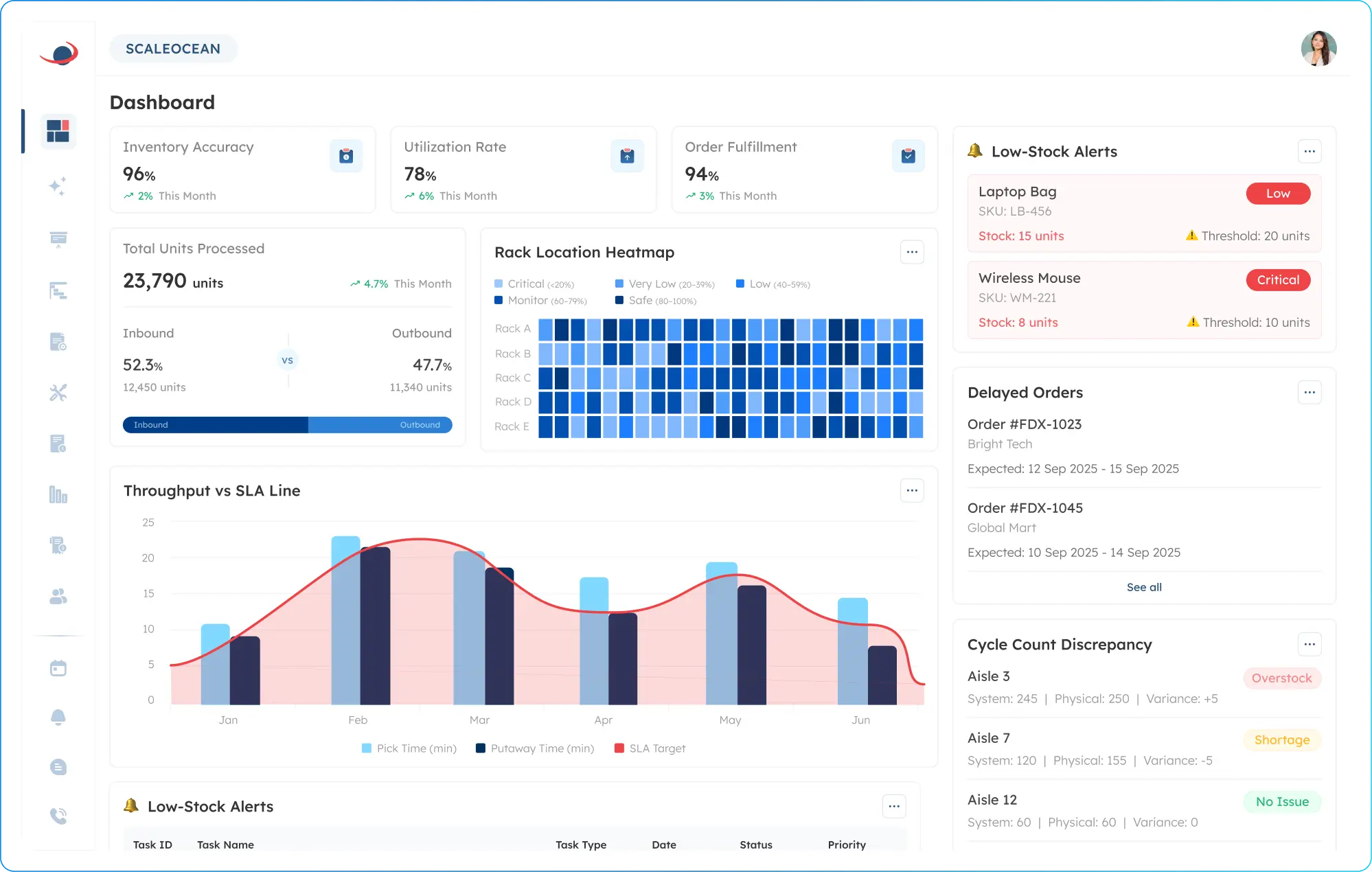
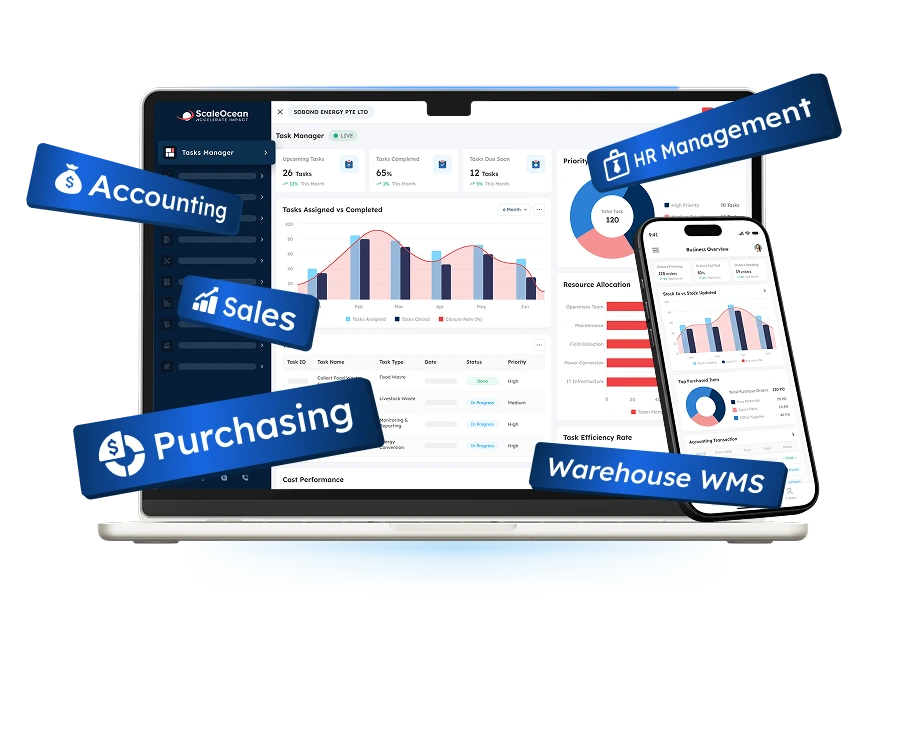
ScaleOcean Atlas is an AI-powered Warehouse ERP platform that combines dock scheduling, warehouse management, and inventory control in one system. It helps businesses automate dock appointments and streamline warehouse operations.
Unlike standalone scheduling software, ScaleOcean Atlas integrates warehouse operations with ScaleMind AI. Its AI-powered ETA feature uses real-time GPS data to estimate truck arrival times, helping businesses reduce waiting times and lower detention fees by up to 30%.
The platform also connects dock scheduling with inventory and warehouse processes. Businesses gain real-time visibility into inbound and outbound shipments, improve inventory accuracy, and optimize loading and unloading activities.
ScaleOcean Atlas is suitable for manufacturers, distributors, logistics providers, and businesses with busy warehouse operations. Companies can also request a free demo to explore the software works, and the features include:
- Dock Appointment Scheduling: Schedule dock inbound/outbound appointments, minimize dock scheduling conflicts and maximize dock utilization.
- Warehouse Management System (WMS): This system can be used with barcodes, put away management, cycle counting, stock transfers and warehouse optimization.
- Real-Time Inventory Management: Provides real-time inventory visibility in various warehouse locations, enabling improved inventory accuracy.
- Inbound & Outbound Logistics: Oversees all inbound & outbound logistics, picking, packing, shipping & dispatching in one platform.
- AI-Enhanced Analytics & Reporting: Provides real-time dashboards and warehouse performance reports, enabling operational decision-making.
- ERP Integration: Integrates warehouse management and purchase/sales, finance, manufacture and inventory system in the same system without using multiple systems.
| Pros | Cons |
|---|---|
|
|
2. GoRamp
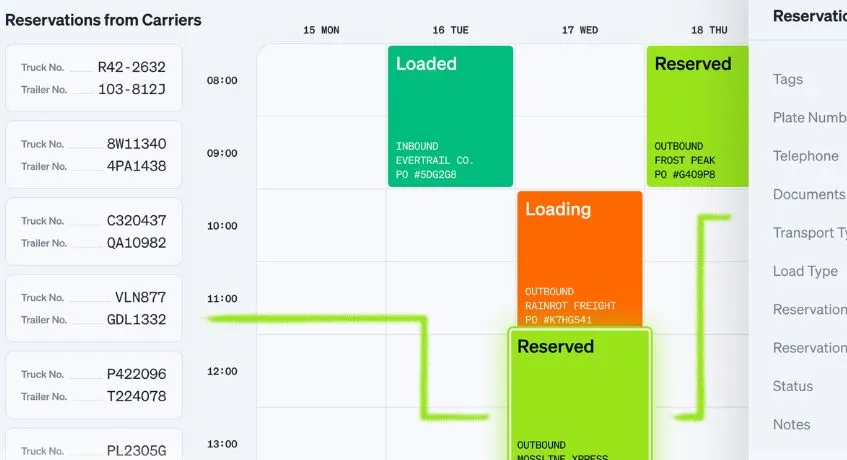
GoRamp is a cloud-based dock scheduling software solution for warehouses, manufacturers and logistics providers to better manage truck appointments. The platform makes it easy for carriers to book online, minimizing manual coordination.
Moreover, GoRamp provides live visibility of docks, automatic notifications and collaboration functions for carriers, along with appointment scheduling. These attributes minimize warehouses’ congestion, here are some of the features:
- Dock Appointment Scheduling: Provides a web-based booking system for docks to book loading and unloading dates with cooperators and warehouse teams.
- Carrier Self-Service Portal: Provides the transportation partners with the ability to book, modify and monitor appointments without manual coordination.
- Real-Time Dock Visibility: It offers a single point of view to track the availability of docks, appointments and warehouse movement.
| Pros | Cons |
|---|---|
|
|
3. C3 Reservations
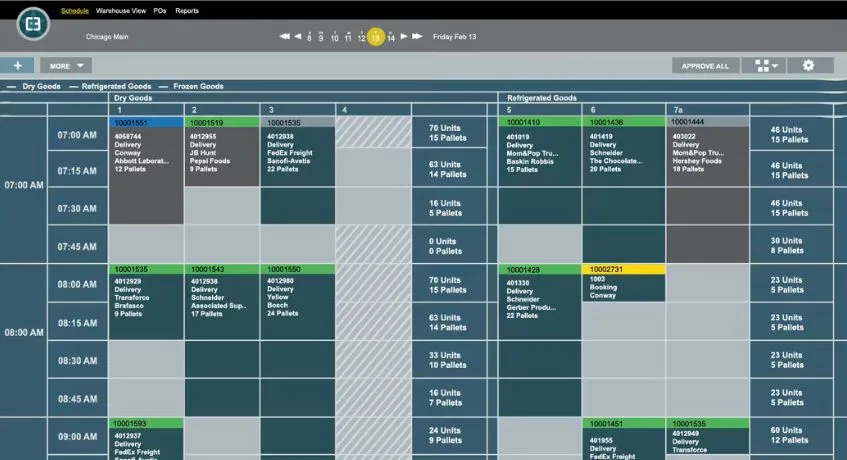
C3 Reservations is an appointment scheduling solution for docks designed for warehouses, distribution centers and manufacturing operations with high volume shipments. The platform provides the solution to manage inbound and outbound trucks.
The software offers configurable scheduling rules, automated appointment management, and real-time visibility into dock availability. This reduces delivery times and boosts warehouse efficiency. Below are some of the C3 Reservations features:
- Appointment Reservation Management: Reservations of inbound and outbound truck appointments on multiple loading docks.
- Configurable Scheduling Rules: Warehouses can set up booking rules according to dock capacities, operating hours and shipment priorities.
- Operational Reporting: To get a glimpse of the appointment scheduling, dock utilization, and performance history of dock booking history.
| Pros | Cons |
|---|---|
|
|
4. Opendock
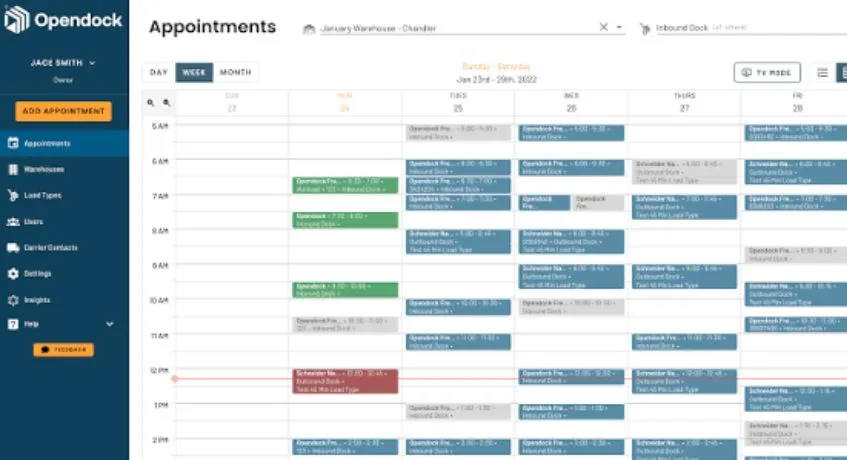
Opendock is a Software-as-a-Service (SaaS) application made to make dock appointment scheduling easier for warehouses, carriers and suppliers. Through a centralized system, partners can schedule appointments based on real-time availability.
The platform also provides automated notifications, appointment tracking, and reporting features that help warehouses improve operational visibility. It can be deployed in the cloud, here are some of the features included in Opendock:
- Online Dock Scheduling: Allows carriers and suppliers to use a cloud-based platform to schedule dock slots.
- Automated Notifications: Sends appointment confirmations and reminders to warehouse teams and transportation partners.
- Scheduling Dashboard: Provides up-to-the-minute appointment schedules and dock availability for better warehouse collaboration.
| Pros | Cons |
|---|---|
|
|
5. DataDocks
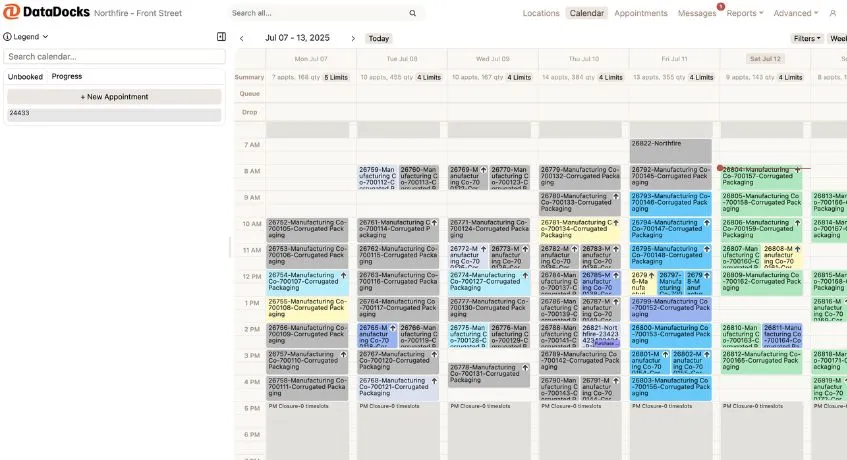
DataDocks is a dock scheduling solution that optimizes loading dock operations with digital scheduling. The platform can be used for scheduling truck arrivals, monitoring docks and allocating availability.
In addition to scheduling, DataDocks offers reporting dashboards that allow managers to analyze dock utilization and operational trends. These insights can help make better planning and ongoing improvements in the warehouse. Here are some of the features:
- Dock Appointment Scheduling: Makes truck appointment scheduling simple to aid warehouses with their in-bound and out-bound operations.
- Capacity Planning: Supports warehouse managers in managing docks efficiently and prevents scheduling conflicts.
- Performance Reporting: Measures utilization of the docks, appointment activity, and general trends using reporting dashboards.
| Pros | Cons |
|---|---|
|
|
6. Alpega Smart Booking
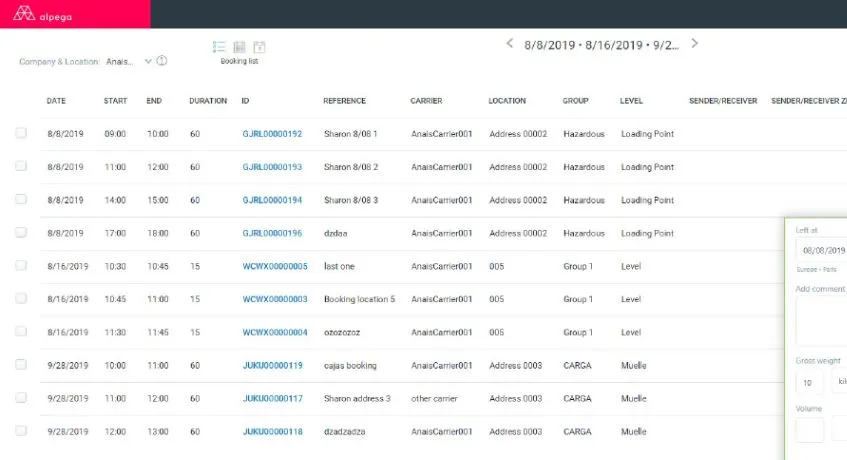
Alpega Smart Booking is a dock scheduling solution with the purpose of helping warehouses and transportation companies to schedule appointments. The platform is meant to help enhance collaboration between the carriers and warehouse teams.
The solution is integrated with Alpega logistics ecosystem for transportation planning through a centralized platform. Moreover, businesses can benefit with Alpega products for enhancing integrations, and here’s an overview of some of the features:
- Smart Appointment Scheduling: Coordinates trucks to arrive and depart based on available dock space and operational requirements.
- Carrier Collaboration: Improves communication between the warehouse and the transport companies with a single booking tool.
- Transportation Integration: Enables integration of dock scheduling with the wider transportation planning process.
| Pros | Cons |
|---|---|
|
|
7. Loading Calendar
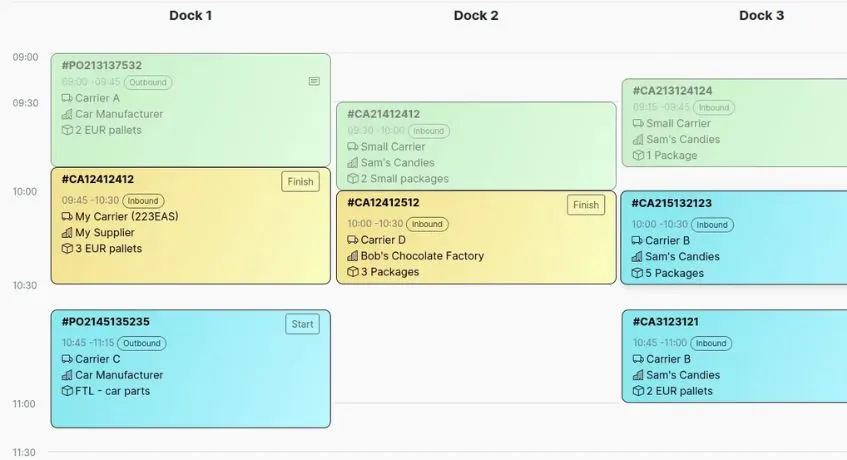
Loading Calendar is an online dock scheduling solution which helps warehouses to schedule appointments on a calendar interface. This way, appointments are easier to schedule and helps warehouse staff avoid scheduling conflicts as well.
The platform is offering a simple experience for scheduling, such as booking online, calendars and a capability to view appointments. It’s generally a great choice for companies that require a docking solution. The following are features:
- Calendar-Based Appointment Booking: Interactive calendar, which displays loading/unloading activities.
- Online Reservation Management: Allows warehouse staff and carriers to make appointments online.
- Dock Availability Monitoring: Shows free dock slots to minimise booking conflicts and enhance planning.
| Pros | Cons |
|---|---|
|
|
8. Velostics
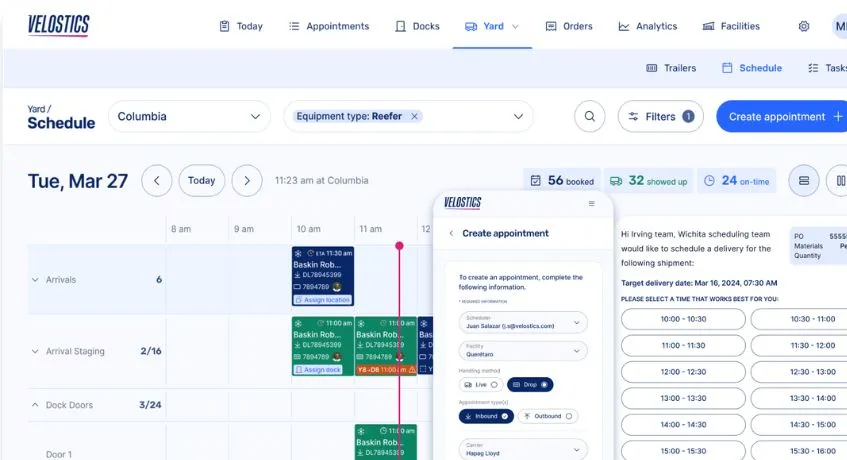
Velostics is a cloud-based dock scheduling solution that increases warehouse dock productivity via improved appointment scheduling, carrier collaboration, and dock analytics. The software enables transportation partners to book appointments online.
The platform also offers reporting features, enabling businesses to monitor appointment rate, truck turnaround time and dock productivity. Having this data helps to identify issues in the warehouse. Here are some of Velostics features:
- Dock Appointment Management: Helps warehouses keep track of actual truck arrivals and departures.
- Carrier Communication Tools: Offers multiple tools including electronic order entry, order validation, and order tracking to help simplify the scheduling process.
- Analytics and Reporting: Operation insights of dock utilization, appointment performance and truck turnaround.
| Pros | Cons |
|---|---|
|
|
Choosing the Right Dock Scheduling Software for You
The price and familiarity with the provider are two factors that should not be the only factors to consider when choosing the best dock scheduling software. Consider the following when selecting software that will help with day-to-day operations:
1. Clarify Your Needs First
The first step is understanding the operational challenges your warehouse faces. For example, some facilities experience frequent truck queues due to limited dock availability.
There are still a lot of warehouses in use that are using manual scheduling and poor coordination. This early detection of such problems, in turn, assists companies in picking the most suitable answer to their requirements.
2. Consider the Features Offered by Each Provider
Different software providers offer different capabilities, so it is important to compare features according to your inventory needs. In this step, you can do research and an evaluation of the features of each platform available in the market.
At this stage, seek out solutions that offer appointment scheduling, real-time updates and resource planning. Choosing software with the appropriate mix of attributes can help streamline processes without causing undue complexity.
3. Utilize Free Demo and Trials (If Applicable)
Warehouse teams can evaluate the performance of the solution in actual operational situations by requesting a product demonstration or a free trial from many software vendors prior to implementation.
During the demo, watch how easy it is to use, the user interface and appointment scheduling process and reporting options. It can be helpful to test it out in practice to see if it will suit your workflow.
If you are looking for a solution that involves dock scheduling for a comprehensive warehouse management system, you may also request a free demo of ScaleOcean Atlas for Warehouse Management.
You can view how its dock scheduling functionality can improve dock efficiency, maximize the use of your docks and optimize your warehouse operations before you commit to a purchase.
4. Consider Integration Capabilities
Dock scheduling software delivers greater value when it connects to other systems within the business, like Warehouse Management Systems (WMS), Enterprise Resource Planning (ERP) and Transportation Management Systems (TMS).
For warehouses that implement cross docking, seamless integration becomes even more important because inbound and outbound shipments must be carefully synchronized.
5. The Provider’s Background (Global or Local?)
Finally, evaluate the software provider’s background, industry experience, and implementation capabilities. Beyond the software itself, consider whether the provider offers user training and regular system updates to help ensure successful adoption.
Also do look at customer case studies, product scalability, and after sale services. These factors can give you an idea of how successful the provider has been and if the solution can keep helping your business as it expands warehouse operations.
In Conclusion
As businesses in the Philippines continue to grow, dock schedulingn software helps reduce truck waiting times, increase the utilization of the docks, optimize loading and unloading procedures, and maximize warehouse operation efficiency.
If you’re looking for a solution that handles more than dock scheduling, ScaleOcean Atlas for Warehouse Management can handle warehouse management and inventory control along with real-time operational reporting
With ScaleOcean Atlas, businesses can benefit from enhanced inventory accuracy, improved visibility of the warehouse, and more control over daily operations while supporting future growth.
Request a free demo of ScaleOcean Atlas for Warehouse Management to learn how dock scheduling and warehouse management features can help optimize warehouse operations, making it more efficient to run your logistics.
FAQ:
1. What is Dock scheduling software?
Dock scheduling software is a cloud-based tool that lets carriers book appointment slots online for loading and unloading at a warehouse dock, replacing manual coordination with a streamlined booking system.
2. What is the best scheduling software?
There’s no single “best” option, the right choice depends on your warehouse size, carrier volume, and existing systems. Look for features like real-time dock visibility, carrier self-scheduling, and integration with your WMS or ERP.
3. What can you do with dock appointment scheduling?
Dock appointment scheduling lets carriers, operators, or shippers reserve specific time slots for loading or unloading goods, helping warehouses manage dock traffic and avoid overlapping arrivals.
















.png)