




Construction scheduling software is a digital platform designed to help construction companies manage project timeline, resources, and daily activities. As projects become more complex, maintaining accuracy is important to keep work progressing on time.
Moreover, construction scheduling software usually helps increase productivity and provide better visibility into project milestones and resource allocation. For construction companies in the Philippines, this can simplify planning and reduce delaying risks.
 Key Takeaways
- Construction scheduling software is software tool to help construction companies manage timelines and project progress while reducing the risk of delays.
- Important features to consider include chart scheduling, resource management, procurement, financial tracking, cloud accessibility, and project monitoring capabilities.
- ScaleOcean Construction ERP Software can help businesses connect scheduling, procurement, accounting, and inventory within a single platform.
What is Construction Scheduling Software?
Construction scheduling software is a digital solution to plan, organize, and monitor project schedules throughout the construction lifecycle. Within this platform, project managers can create timelines, assign tasks, and track project progress in real time.
Moreover, construction scheduling software provides clear visibility into construction activities and maintains project work remains on schedule. With this platform, teams can easily identify potential delays and adjust schedules to project timelines.
Therefore, other solutions that are also available as cloud based construction scheduling software which enables project teams to access schedules and updates anywhere. This is useful for projects spread across multiple sites like in the Philippines.
Additionally, a study published in journal Buildings found that scheduling software integrated with ERP systems can support cost reduction and revenue growth while improving operational sustainability in architecture & construction organizations.
Features of Construction Scheduling Software
Some features can improve project scheduling and timelines management. However, not all solutions provide the features required to support various business needs. Here are some important features to look for when selecting construction software:
- Gantt Chart: The first important feature is the ability to visualize project schedules, task dependencies, and milestones throughout the construction process.
- Resource Management: Another feature that is essential is the ability to optimize resource allocation such as the use of labor, equipment, and material in order to minimize resource conflicts.
- Procurement: Next, the software should provide material purchasing and supplier coordination features to make sure resources are available when needed and prevent project delays.
- Finance & accounting: Regarding financial and administration terms, the software also should help contractors track costs, budgets, and invoices to enhance financial visibility and improve cost control.
- CPM Analysis: Another important feature to consider is the use of Critical Patch Method (CPM) analysis to identify critical tasks, optimize schedules, and reduce project delays.
- Cloud-based Access: Further, the scheduling software should make sure project data remains updated across teams and locations through real-time cloud connectivity.
- Deadline & Notifications: Another important feature is the ability to provide automated reminders, alerts, and task notifications to help them stay on schedule.
Top 10 Construction Scheduling Software in the Philippines
In order to optimize construction project management and tracking, companies should use construction scheduling software. Here are some of the best options for construction companies in the Philippines:
| Software | Key Strength | Best For |
|---|---|---|
|
ScaleOcean Atlas |
Integrated construction ERP that connects scheduling with project management, accounting, procurement, inventory, HR, and budgeting |
Medium to large construction companies |
|
GanttPro |
Easy-to-use visual Gantt charts, task dependencies, and resource planning |
Teams that need easy project scheduling |
|
Oracle Primavera P6 |
Advanced scheduling and resource management |
Large and complex construction projects |
|
Procore |
Integrated construction project management and collaboration |
Large contractors and multi-stakeholder projects |
|
CoConstruct |
Residential scheduling, budgeting, and client communication |
Home builders and remodeling contractors |
|
Smartsheet |
Flexible scheduling, automation, and reporting |
Teams needing customizable project management |
|
Jobber |
Job scheduling and mobile workforce management |
Small construction service businesses |
|
Autodesk Build |
Office-field collaboration and construction management |
Companies using the Autodesk ecosystem |
|
Planera |
Collaborative and visual construction scheduling |
Teams focused on real-time schedule coordination |
|
Buildxact |
Scheduling combined with estimating and project tracking |
Small to medium-sized residential contractors |
1. ScaleOcean Construction Scheduling Software
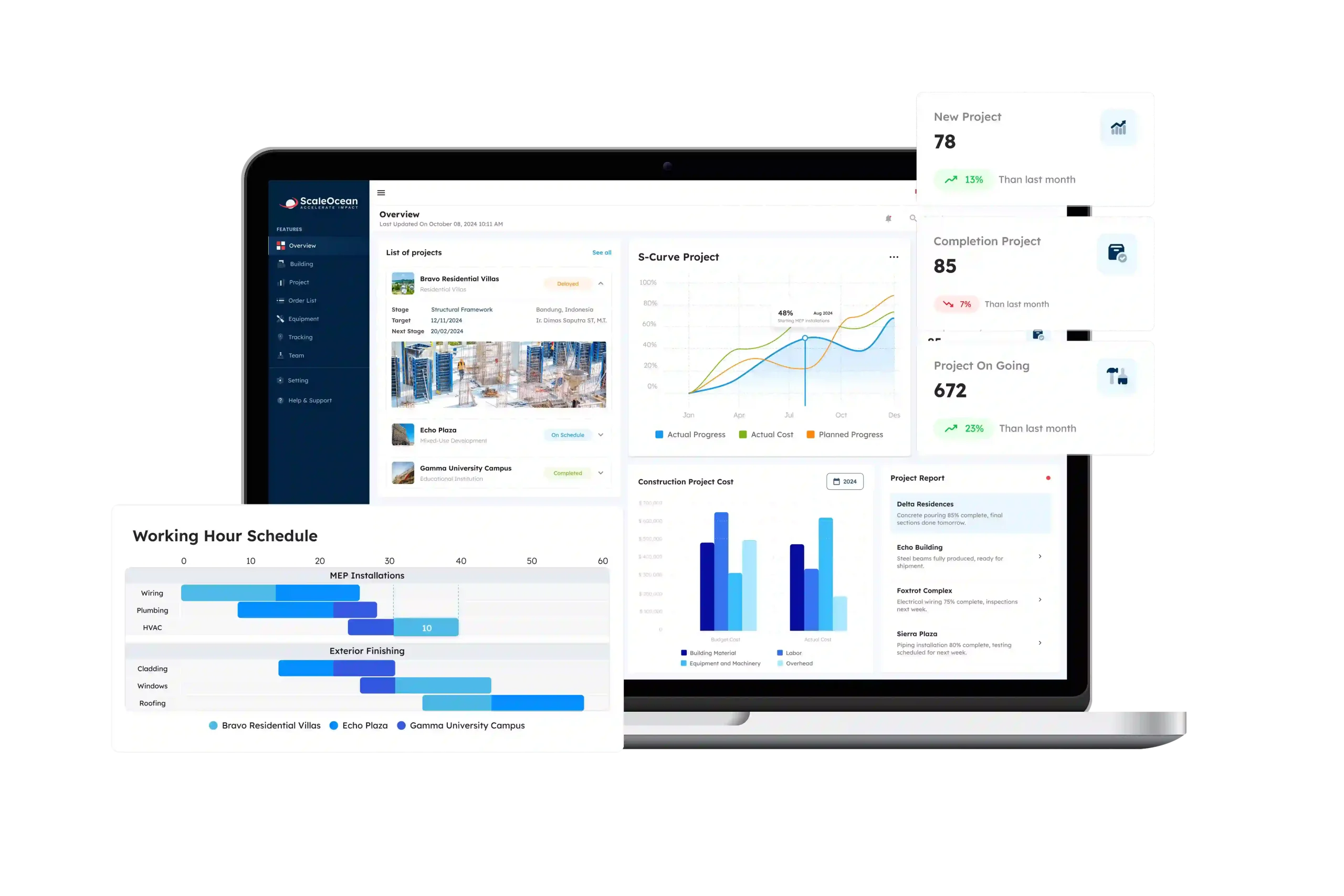
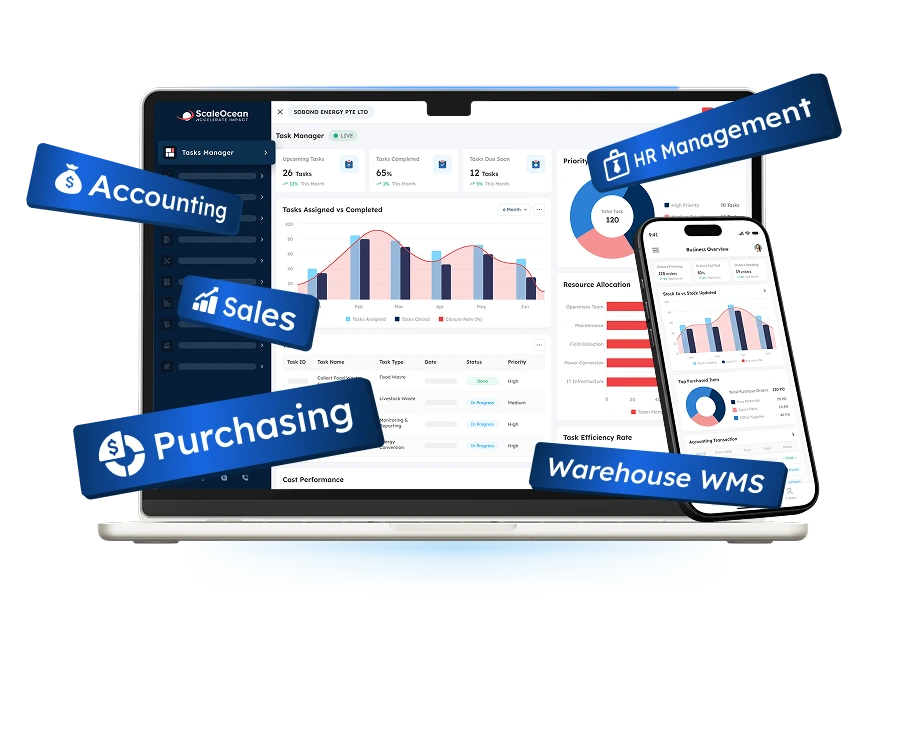
ScaleOcean is a cloud-based construction software and ERP solutions designed to help construction companies manage project timelines, resources, tracking and scheduling progress more efficiently.
One of the ScaleOcean’s key advantages is its integrated construction ERP system. The software connects the scheduling process with project management, accounting, procurement, and budgeting.
This integration helps construction companies streamline operations and manage projects from a single platform. Companies can also request a free demo to see how ScaleOcean supports construction progress. Here are some of the features:
- Scheduling and Timeline Management: First, ScaleOcean can create project schedules, assign tasks, manage dependencies, and monitor milestones throughout the project lifecycle.
- Resource Planning and Allocation: Another important feature of ScaleOcean is its ability to optimize labor, equipment, and material scheduling across multiple construction projects.
- Real-Time Project Monitoring: The third important feature is its ability to track project progress, identify delays, and provide up-to-date project status information.
- Procurement Management: Moreover, the fourth essential feature is to streamline material purchasing and supplier coordination to reduce project delays.
- Construction ERP Integration: Another essential feature of ScaleOcean is to connect scheduling, accounting, procurement, inventory, HR, and project management within one platform.
- Cloud-Based Data Synchronization: Another important feature is cloud-based data synchronization, it is to make sure data remains updated across teams and locations in real-time through cloud connectivity.
| Pros | Cons |
|---|---|
|
|
- ScaleOcean Pricing: Can be vary based on the modules, customization, users, and implementation requirements. Contact ScaleOcean’s team for more pricing details.
- ScaleOcean Capterra Rating: 5.0/5.
2. GanttPro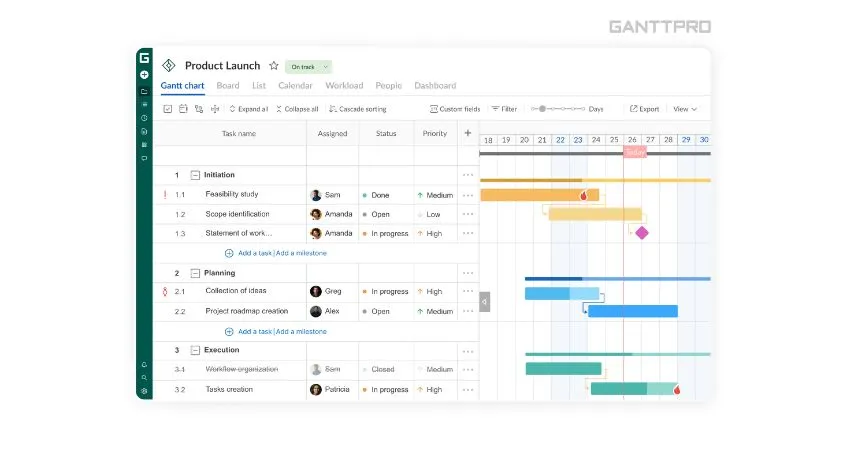
GanttPro is a construction project scheduling software designed to help construction teams plan, schedule, and monitor project activities through visual Gantt charts. The platform is suitable for contractors and project managers who need a simple solution.
Besides task scheduling, GanttPro supports team collaboration, progress tracking, and resource planning. Moreover, the software is a cloud-based platform that allows users to access project schedules and updates from anywhere.
- Gantt Chart Scheduling: GanttPro is well-known for its visual timeline management. The software helps users create project schedules, assign tasks, and monitor deadlines efficiently.
- Task Dependency Management: Additionally, GanttPro allows teams to define task relationships and dependencies to improve project coordination.
- Resource Planning: In addition, the platform helps allocate resources and workloads across multiple project activities.
| Pros | Cons |
|---|---|
|
|
- GanttPRO Pricing: Starts at approximately ₱417 ($7) per user per month, billed annually. Higher plans are available at $10 and $17 per user per month, with a free trial available.
- GanttPRO Capterra Rating: 4.8/5.
3. Oracle Primavera P6
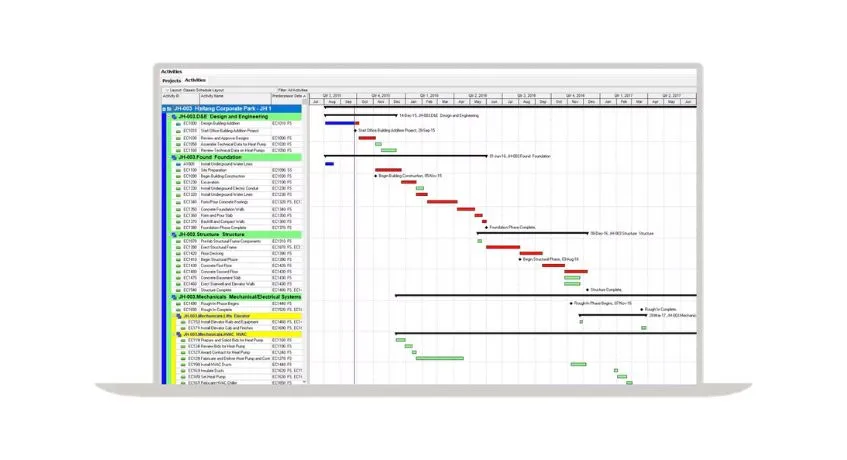
Oracle Primavera P6 is a construction planning and scheduling software for large-scale construction and infrastructure projects. The software is designed to handle complex project schedules, resource allocation, and risk management requirements.
Further, Primavera P6 also offers portfolio management, forecasting, and performance tracking features. Furthermore, it helps organizations manage multiple projects simultaneously while maintaining schedule accuracy.
- Advanced Project Scheduling: One of Primavera P6’s key features is its ability to create highly detailed project schedules with complex dependencies.
- Resource Management: Also, the software helps optimize labor, equipment, and material allocation throughout project lifecycles.
- Risk Analysis and Forecasting: In addition, Primavera P6 supports project forecasting and schedule risk assessment to improve planning accuracy.
| Pros | Cons |
|---|---|
|
|
- Oracle Primavera P6 Pricing: Starts at approximately ₱5,950 ($100) per year.
- Oracle Primavera Cloud Capterra Rating: 4.4/5.
4. Procore
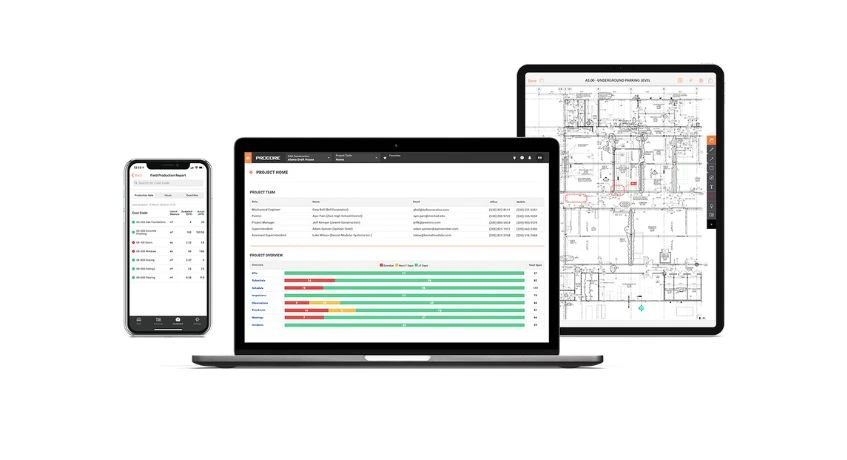
Procore is a construction management platform for contractors handling large-scale projects. The software is designed to improve coordination between project teams, subcontractors, and stakeholders.
Procore also supports document control, financial tracking, scheduling, and communication processes within one cloud-based system. Moreover, its cloud-based accessibility allows teams to monitor projects in real time.
- Documentation Management: One of the most important features of Procore is document control. This software helps organize documents, contracts, and reports to improve accessibility.
- Budget and Financial Monitoring: Also, Procore provides real-time visibility into project costs, expenses, and financial performance to help contractors control budgets more effectively.
- Real-Time Collaboration: In addition to project tracking, Procore also supports communication and collaboration between field teams, office staff, and subcontractors through cloud-based access.
| Pros | Cons |
|---|---|
|
|
- Procore Pricing: Pricing depends on business requirements, you can contact Procore’s team for more detail information.
- Procore Capterra Rating: 4.5/5.
5. CoConstruct
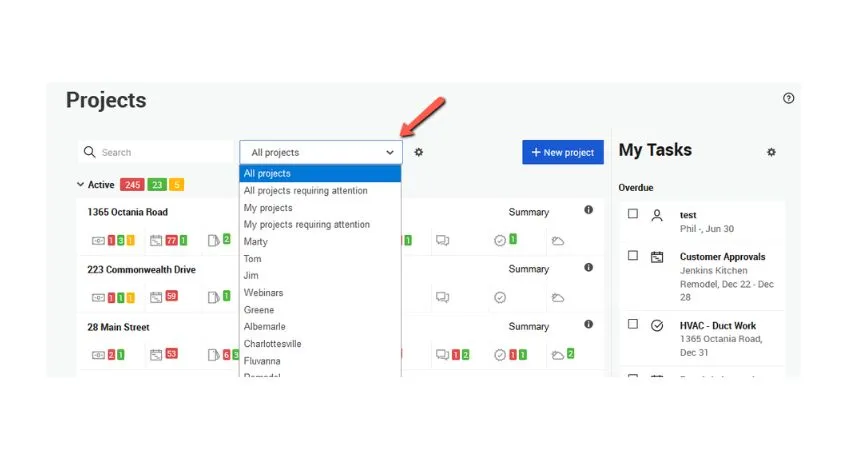
CoConstruct is a construction management and scheduling platform designed for home builders and remodeling contractors. The software helps manage project schedules, budgets, client communication, and project workflows within one system.
Therefore, CoConstruct also provides customer management and project financial tracking features. As a result, contractors can improve project visibility and client satisfaction.
- Project Scheduling: CoConstruct’s core features is schedule management, helping teams coordinate project activities and deadlines.
- Client Communication Portal: Also, the platform provides a centralized communication hub for contractors and clients.
- Budget Management: In addition, CoConstruct helps track project expenses and budget performance throughout construction projects.
| Pros | Cons |
|---|---|
|
|
- CoConstruct Pricing: Contact the team for pricing to align with your business needs and organization’s size.
6. Smartsheet
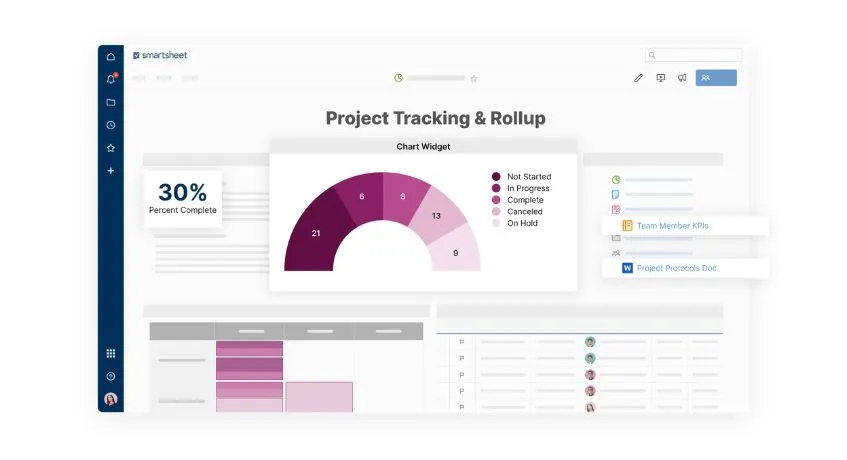
Smartsheet is a cloud-based project management platform that can be used as construction scheduling software to plan and track project activities. The software combines spreadsheet functionality with project management.
Not only scheduling and tracking project progress, Smartsheet supports workflow automation, reporting, and project monitoring. Furthermore, it can integrate with various third-party applications. Here are some of Smartsheet features:
- Project Planning and Scheduling: Smartsheet’s primary function is helping teams organize project schedules and task assignments.
- Workflow Automation: This platform also automates repetitive project processes to improve efficiency.
- Custom Reporting: In addition, users can generate reports and dashboards to monitor project performance.
| Pros | Cons |
|---|---|
|
|
- Smartsheet Pricing: Starts at approximately ₱536 ($9) per user per month. The Business plan starts at $19 per user per month, while Enterprise pricing is quote-based. A free trial is available.
- Smartsheet Capterra Rating: 4.5/5.
7. Jobber
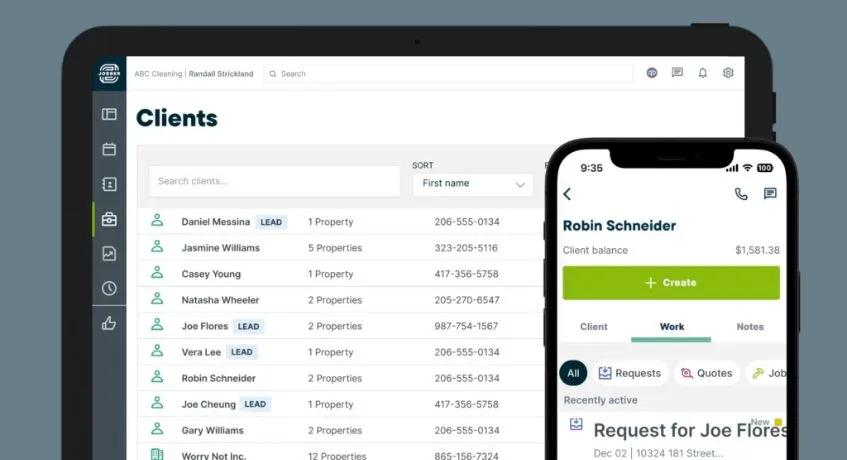
Jobber is a field service management and scheduling solution designed for businesses that manage mobile workforces. The software helps construction service providers schedule jobs, assign crews, and manage customer interactions.
Moreover, Jobber also offers invoicing, client management, and job tracking features. The features within Jobbers improve operational efficiency for smaller construction businesses.
- Job Scheduling: Jobber has a feature that is to assign and track jobs for field teams.
- Client Management: Not only scheduling, this platform also helps manage customer information and communication.
- Mobile Workforce Support: In addition, Jobber allows field workers to receive updates and manage tasks from mobile devices.
| Pros | Cons |
|---|---|
|
|
- Jobber Pricing: Starts at approximately ₱2,321 ($39) per month for the Core plan, pricing varying according to features and team requirements.
- Jobber Capterra Rating: 4.6/5.
8. Autodesk Build
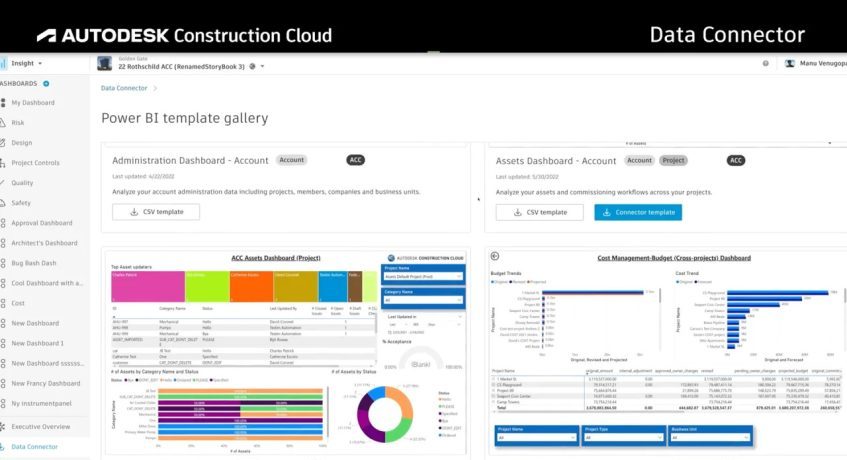
Autodesk Build is a cloud-based construction management solution that combines scheduling, project tracking, quality management, and collaboration tools. The platform is designed to connect office and field teams throughout the construction process.
Autodesk Build supports document management, issue tracking, and field reporting capabilities. Further, this platform is also beneficial for companies who are already using Autodesk products.
- Construction Schedule Management: First feature from Autodesk Build that is important are project planning and scheduling. This helps tracking construction progress.
- Field Collaboration: Therefore, the software also helps teams share project updates and communicate in real time.
- Issue Tracking and Reporting: Autodesk Build allows users to identify, assign, and resolve project issues efficiently as well.
| Pros | Cons |
|---|---|
|
|
- Autodesk Build Pricing: Starts at approximately ₱9,818 ($165) per user per month. An unlimited-user plan is available with custom pricing, and a free trial is offered.
- Autodesk Build Capterra Rating: 4.5/5.
9. Planera
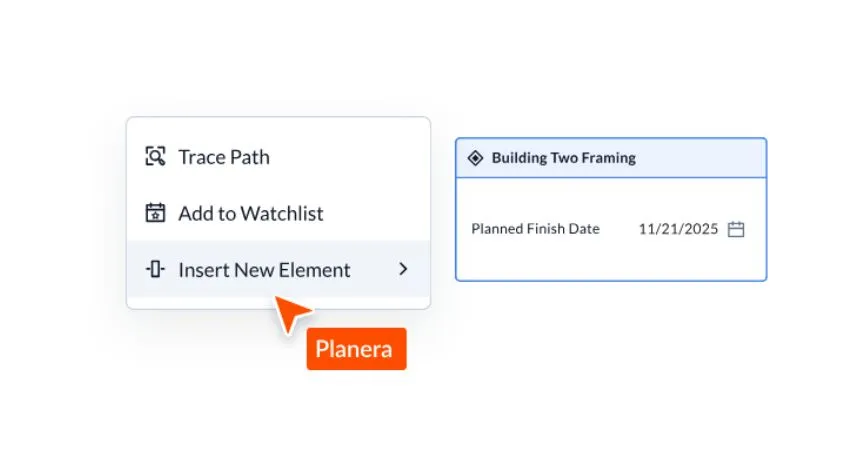
Planera is a cloud based construction scheduling software that is designed to improve project planning and collaboration. The platform focuses on simplifying schedule management through an intuitive interface and real-time updates.
Planera supports collaborative planning and project visibility features that help teams respond quickly to project changes. Here are some of the feature of Planera that helps construction progress:
- Collaborative Scheduling: Planera is allowing multiple stakeholders to participate in schedule planning.
- Real-Time Project Updates: Planera provides instant schedule updates across teams.
- Visual Planning Tools: With this platform, users can create and manage project timelines through interactive visual workflows.
| Pros | Cons |
|---|---|
|
|
- Planera Pricing: Pricing can be vary based on company’s size and business requirements.
10. Buildxact
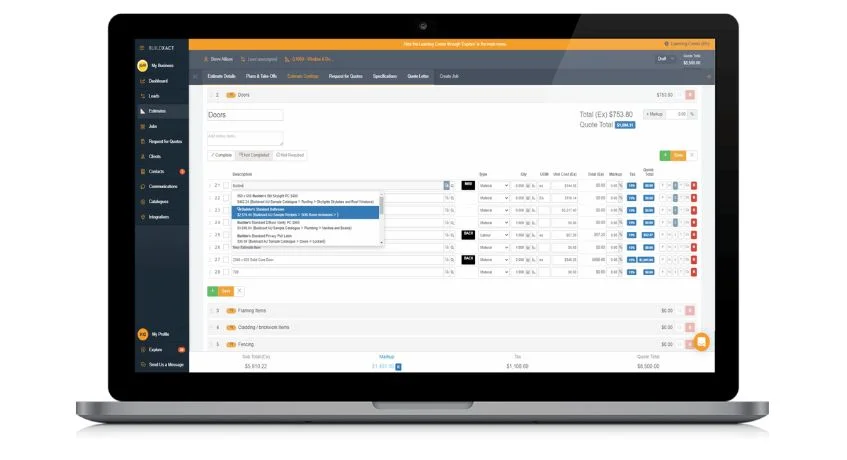
Buildxact is a construction management software solution designed for residential builders, contractors, and tradespeople. The platform combines scheduling, estimating, project tracking, and communication tools in one system.
Buildxact helps contractors improve estimating accuracy and project organization. This makes it suitable for small to medium-sized construction businesses. Here are some of features of Buildxact that improve construction schedule:
- Project Scheduling: Buildxact’s important feature is organizing project timelines and construction activities.
- Estimating and Quoting: This software also helps create estimates and project quotations more efficiently.
- Project Tracking: In addition, Buildxact allows contractors to monitor project progress and costs throughout construction.
| Pros | Cons |
|---|---|
|
|
- Buildxact Pricing: Starts at approximately ₱11,841 ($199) per month for the Foundation plan.
- Buildxact Capterra Rating: 4.6/5.
Selecting the Best Construction Scheduling Software
Choosing the right construction job scheduling software depends on the company’s specific requirements. Therefore, it is important to evaluate several factors to make sure the solutions can support operations. Here are some things to consider:
- Project Scope: The first thing to consider when selecting scheduling software is considering the size and complexity of the projects. Some solutions might provide advanced features for managing large-scale projects while the others don’t.
- Ease of Use: Secondly, the software should have an intuitive interface that is easy to use for users such as project managers or field workers. It is to make sure the feature can be used for all users to maintain good project performance.
- Integration Capabilities: The third thing to consider is the integration ability; which is to simplify business systems and reduce silos data with all departments such as accounting, project management, payroll, and ERP platforms.
- Cost per User: Another important factor is pricing of the software’s pricing structure. In this regard, businesses should evaluate subscription fees, user licenses, implementation costs, and additional charges.
- Customizability: Furthermore, the software should support customization to accommodate unique business processes and requirements. This allows organizations to tailor workflows and features to match their operational needs.
- Scalability: Finally, it is important to consider the software’s scalability before implementation. This to make sure the solutions can support increasing project demands or evolving business requirements.
In Conclusion
Construction scheduling software helps construction companies plan projects, track progress, and reduce delays. With the increasing construction projects, adopting the right scheduling solution can improve project visibility and strengthen collaboration.
If you are looking for a comprehensive solution that combines scheduling, project management, procurement, inventory, and financial control, consider ScaleOcean Construction ERP Software.
The platform helps construction businesses streamline operations, improve project efficiency, and achieve greater control over project performance. Request a free demo to evaluate how ScaleOcean can support your project management process.
FAQ:
1. What is the best scheduling software for construction?
The best construction scheduling software depends on project size, complexity, budget, and business requirements. Companies should evaluate scheduling features, resource management, integration capabilities, and ease of use before making a decision.
2. What is the best construction scheduling form?
Chart visualization is one of the most widely used construction scheduling formats. It should provide a visual timeline of tasks, milestones, deadlines, and dependencies, helping teams track progress and manage project schedules effectively.
3. Can you make a construction schedule in Excel?
Yes, construction schedules can be created in Excel using templates. Excel can organize tasks, deadlines, milestones, and dependencies, making it suitable for project planning.
4. What is the simplest type of scheduling in construction?
Calendar scheduling is one of the simplest construction scheduling methods. It assigns tasks to specific dates using calendars or spreadsheets, making it easier for teams to visualize daily and weekly project activities.















.png)