






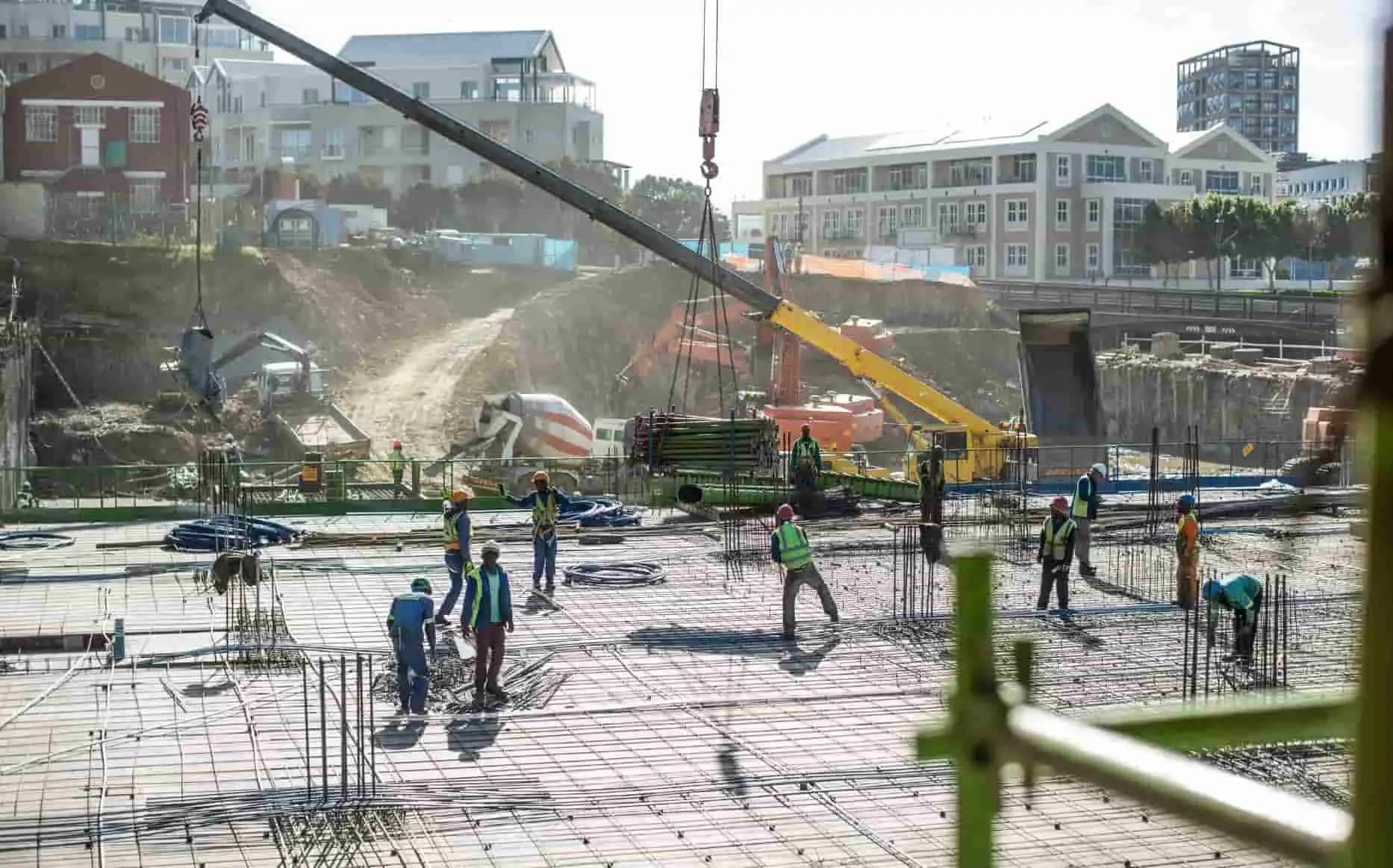
Slab-on-grade is concrete poured directly on the ground. Because of this design structure, this provides a stable and durable base for structures. This type of foundation is widely used because of its simplicity, cost-efficiency, and suitability for certain soil conditions.
Additionally, slab-on-grade foundation is often chosen for projects that require fast construction and lower costs. However, understanding how it works, its thickness, and its pros and cons is essential before deciding if it’s the right choice.
 Key Takeaways
A slab-on-grade foundation is a solid concrete slab poured directly onto a leveled and compacted soil surface. Unlike raised foundations, this system sits right on the ground and does not have a basement or crawl space.
Often called a slab foundation, this method is popular for its simplicity and efficiency. It is an ideal for budget-friendly projects. In the Philippines, it is widely used for building on flat land, while alternatives like slab-on-fill are considered when additional support is required.
In the Philippines, slab thickness and construction must comply with Presidential Decree No. 1096 or the 1977 National Building Code of the Philippines / NBCP. This regulation sets general requirements for structural safety, material strength, and load-bearing capacity.
However, NBCP does not prescribe a single fixed thickness for slab-on-grade floors, it requires that:
Ultimately, the ideal thickness depends on the specific building type, expected weight loads, and local soil conditions. Here are some breakdowns of slab thickness that usually apply for construction projects:
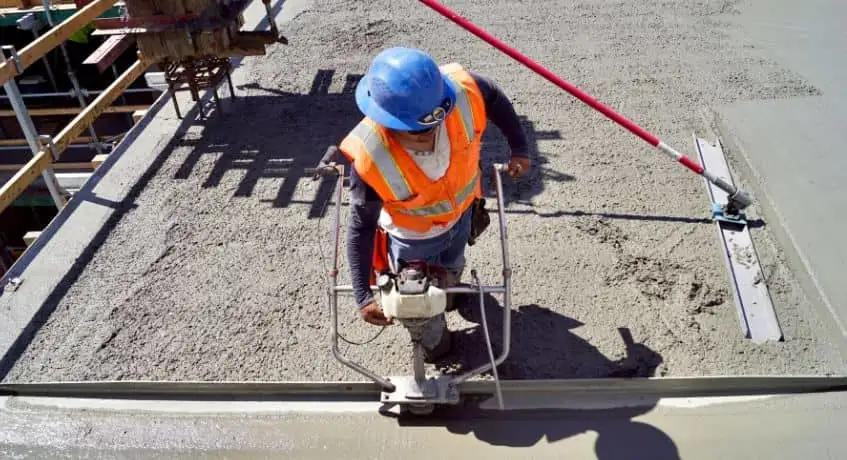
Slab-on-grade offers several benefits that make it a popular choice in construction. It is widely used because it is simple to build, cost-efficient, and suitable for many types of projects.
One of the biggest advantages is affordability. Since it requires less excavation and fewer materials, thus it significantly reduces construction costs. There is no need to build additional structures like beams, crawl spaces, or basements.
The second advantage is that it is faster to build. It’s because the slab is poured directly onto the ground. Once the soil is prepared and compacted, the concrete can be poured and finished in a short time.
A properly constructed slab creates a strong and stable base. Because the slab sits directly on the ground, it evenly distributes the building load and reduces the risk of uneven settlement.
The fourth advantage is that there is no crawl space, so there is less room for pests like termites to thrive. This helps protect the structure from damage and is especially important in tropical climates to maintain better hygiene.
Even with its benefits, this construction foundation type has some drawbacks. It’s important to understand these before deciding on slab-on-grade for your project. Here are some common disadvantages to consider:
The first drawback is slab-on-grade is not suitable for flood-prone areas. Because it sits close to the ground, heavy rains can make it easier for water to enter. In such cases, extra elevation or fill material may be needed to reduce the risk.
In the Philippines, where heavy rains and typhoons are common, slab foundations can be at risk if proper drainage systems are not in place. Without good site planning, water can collect around the slab and weaken the foundation over time.
While frost is not a major issue in the Philippines, this can be a concern in colder regions globally. However, moisture-related soil expansion can still affect slab integrity. For example, when soil becomes too wet, it can expand and create pressure on the slab.
Repairs can be challenging because plumbing and utilities are embedded within the slab. If there is a leak or damage, the concrete may need to be cut open. Advanced systems like post-tension slab designs may improve strength, but they can make repairs even more complicated.
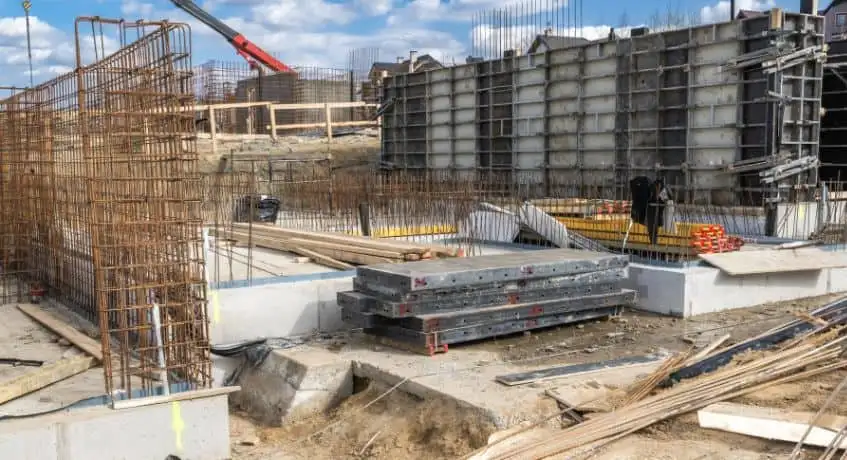
Slab-on-grade is widely used in various construction projects because of its simplicity and efficiency. It is a type of concrete slab foundation that is constructed directly on the ground, making it suitable for areas with stable soil and minimal risk of flooding. Common applications include:
In the Philippines, it is popular in low-rise housing developments and cost-efficient projects. Developers often choose this method because it allows faster construction while maintaining acceptable structural performance.
A Slab-on-grade foundation is a practical and efficient solution for construction projects. Because it is built directly on the ground, the construction process is simpler and faster. Furthermore, it provides a strong and durable base that can support buildings.
However, proper planning is still important. Factors like drainage, soil condition, and design must be carefully considered to avoid issues such as flooding or costly repairs later on. Hence, to ensure your construction projects run smoothly using the right tools is essential.
Managing budgets, materials, and timelines manually can be challenging and may lead to delays or errors. To address this, software like ScaleOcean Construction Software provides a more efficient way to manage budgeting, procurement, and timelines.
If you want to streamline your construction operations and improve project outcomes, you can request a free demo today and manage your construction project easily.
Slab-on-grade is poured directly onto leveled & stable soil. In contrast, slab on fill uses an added layer of gravel or sand to stabilize weak soil. While slab-on-grade is more efficient, slab on fill is better for uneven or less stable sites.
Slab-on-grade and slab on ground both refer to concrete foundations poured directly on the earth. The difference is that slab-on-grade refers to a more engineered system with layers, while slab-on-ground is a broader term that may not always include these elements.
Rebar isn’t always required, but it’s highly recommended to strengthen the slab and prevent cracks. Engineers often suggest rebar or wire mesh to improve durability and load-bearing capacity. A well-compacted base is even more critical for long-term stability.