



Human Resource Management (HRM) is crucial in any organisation, ensuring that employees are managed and operate efficiently in contributing to the organisation’s success. The need for good HR strategies is more imperative than ever as the markets become competitive and dynamic.
Meanwhile, 75% of industries are experiencing a growing number of voluntary “high-potential” exits per enterprise, according to the latest Workday Global Workforce report. This demonstrates the need for HRM to create effective retention strategies and to have a strong impact on the prevention of disruptions to business operations.
Human resource management contributes to a business acquiring and keeping the best employees available, and it also increases engagement and continual growth. Businesses face new challenges, and expanding their human resources will introduce added complexities, including managing remote workers, complying with legal requirements, and building a positive culture in the workplace.
This article examines the concept of HRM, its HR roles, its objectives, and the HR skills required to use this in every HR process of a firm to maximise its growth and success in the long run.
 Key Takeaways
- Human Resource Management (HRM) is the strategic approach to managing employees, aligning workforce goals with business objectives to enhance productivity and success.
- HRM involves critical functions like recruitment, performance management, and employee relations to create a productive and motivated workforce.
- An HR manager’s responsibilities include recruitment, conflict resolution, performance management, and ensuring compliance with labor laws to align staff with company goals.
- ScaleOcean’s HRM software simplifies recruitment, onboarding, and performance tracking to optimize HR operations and boost efficiency.

What is Human Resource Management (HRM)?
Human Resource Management (HRM) comes from a strategic perspective for managing employees in an organisation. It has a broader scope of activities such as recruitment, employee training, performance management, salary, employee relations, etc.
Human resource management is all about connecting the human resources to the human needs and establishing a productive work environment at its base. Human resource management is more than just managing personnel. It’s also about the creation of an organisational culture and the training, motivation, and engagement of workers.
Human resource management has a positive impact on a company’s success and growth, with its focus on employee well-being and development. Let’s now consider the role of human resource management in an organisation.
The Importance of Human Resource Management for Business
Human Resource Management (HRM) is a vital element in achieving any business’s success. It ensures the right people in the right positions and creates a positive and productive work environment. HRM ensures that workers are in line with the company’s objectives, which in turn leads to improved performance of the company and the maintenance of proper functioning of the company.
Let’s look at the main areas in which HRM impacts your business:
- Fosters Business Growth: HRM plays a vital role in business growth. It helps to hire the right talent, motivate them, and get them working to achieve company objectives for increased productivity and profitability.
- Cultivates a Resilient Culture: Effective HRM supports and fosters a healthy and robust company culture that inspires and motivates employees to do their best. This helps to ensure overtime growth aan nd excellent work environment.
- Mitigates Risks: HRM is significant because it helps lower risks, ensuring that the company is in accordance with labour laws and is a safe workplace. It is helpful in reducing issues regarding potential litigation, which may have a negative effect on the business enterprise.
- Optimizes Human Resources: HRM ensures efficient human resource management that uses human resources effectively and helps maximise human potential. This makes sure that staff deliver strong performance and achieve business results and growth.
- Enhances Employee Retention: HRM is not just about attracting and retaining the right employees, but it also entails ensuring that they remain happy and motivated to stay with the company. It helps to lower turnover and build a loyal, productive team that is committed to the company.
 Also Read: What is an HRIS Software and the Top 10 Recommendations
Key Principles of Human Resource Management

Human Resource Management (HRM) is an essential approach to creating a conducive and productive workplace, and key principles play a major role in this. The principles emphasise the recruitment of good talent, the development of that talent, and the retention of that talent, but more importantly, it emphasizes the development of an environment that nurtures employee and investment growth.
The key principles of HRM are:
1. Dedication
HRM emphasises the importance of employee and organisational commitment. A committed workforce helps to foster a positive culture among employees. The company recognises benefits and trains its staff accordingly and, in the process, supports its people through the overarching HR strategy.
Fostering commitment translates to more content workers who are committed to their ambition. They believe they have value in the company; as a result, they are committed to the success of the company. This will not only lower the rate of employee turnover but will also improve overall performance.
2. Expertise
The role of the expertise principle is to ensure that the employees are equipped to excel in HR KPIs. HR teams should concentrate on offering room for improvement, training, and mentorship to improve employees’ professional growth. Productivity and innovation are bolstered by a skilled workforce.
HRM is vital in ensuring that a firm’s employees maintain their knowledge, skills, and abilities to ensure that the firm can remain competitive and respond to the marketplace’s challenges and opportunities.
What Are the Main Functions of Human Resource Management (HRM)?
HRM cannot be underestimated in the functioning of an organisation in getting the maximum productivity from the employees. The main purpose of HRM is the recruitment, induction, and nurturing of employees to be able to contribute to an effective work environment with the help of a leave management system. HRM aims to achieve the following:
1. Recruiting Employees
Recruitment is an essential aspect of HR, aimed at hiring suitable employees. It includes several processes ranging from job analysis to the selection of the most suitable candidates. The aim is to attract and retain distinctive talent to help the business move forward. When recruiting employees, these actions are undertaken:
- Job Analysis: Helps HR to know the exact requirements of a job. It is useful in clearly articulating the job responsibilities and skills required in the job, and helps identify the right candidate for the job.
- Talent Sourcing: Talent sourcing is a process that involves the proactive identification of prospects across the multitude of resources available, such as job boards, social media, and recruiting agencies. This process builds a talent bench from which they might be able to select the right candidate for the firm’s needs.
- Screening and Evaluation: Screening and evaluation are important in examining resumes and doing interviews. By doing so, HR can check if applicants possess the qualifications, skills, and experience needed to move forward in the hiring process.
- Choosing the Best Candidates: Choosing the best candidates goes beyond matching qualifications. It is about hiring candidates who will be the right fit for the company and who have the potential to excel in the long run. This is done through hiring interviews, references, and careful consideration of their fit.
2. Onboarding New Employees
Onboarding will welcome new employees and provide them with information about their tasks. It covers defining the company’s values, policies, and job responsibilities, providing the tools and support for workers to excel from the first day. When employees are on board, they feel part of the family and more at ease in their position.
Hiring employees who know what’s required and how to get it done will help them stay more engaged and productive, and more likely to stay. Building a sense of belonging is an important component of onboarding and is a key element in retention.
According to the Randstad 2025 Workmonitor survey, 62% of respondents in Singapore would leave their jobs if they didn’t feel connected at work. Therefore, effective onboarding is key to ensuring long-term engagement and satisfaction.
3. Employee Growth and Development
Employee growth and development are done to improve an employee’s skills and career development. HR provides training, mentoring, and career development that allow employees to reach their potential and achieve business goals.
HR can facilitate growth opportunities, helping to retain employees and boost their motivation. This development effort can help not only employees advance their own careers but also the company’s overall performance, making it a culture of continuous learning and business success.
Also Read: Best 15 HR Software in Singapore 2024
Objectives of Human Resource Management
The aims of Human Resource Management (HRM) are crucial in bringing employees together with the goals of the organisation. HRM is essential to ensure that the company utilises the employee’s abilities to the fullest and promotes the company’s growth, and for HR practices themselves to lead to the success of the business.
These goals are crucial to the direction of achieving long-term goals and sustainability. Now let’s examine the specific objectives in each HRM category:
HRM Strategic Objectives
HRM’s strategic objectives are focused on harmonizing human resources with long-term business goals. These objectives extend beyond day-to-day operations and are intended to drive the organization’s overall success and sustainability.
Strategic human resource management assists firms in developing a strong workforce that is adaptable, engaged, and capable of meeting future objectives. HRM helps businesses thrive, improves organizational flexibility, and fosters innovation by concentrating on strategic goals.
The following are some of the important strategic goals of HRM:
- Employee Training and Upskilling: HRM creates training programs to help employees stay updated on industry trends and new technologies. Upskilling, like training in contract management, boosts efficiency and supports strategic company goals.
- Leadership Development: HRM, Organisations, and the HRM function focus on identifying and mentoring those who have the potential to be promoted to a leadership position. Leadership Programs increase the performance of organizations, create a positive culture, and equip the organization for the challenges they would encounter in the future.
- Knowledge Sharing: HRM initiative that fosters collaboration and knowledge sharing via peer mentorship and workshops. This enhances creativity, addresses problems, and enables the enterprise to remain competitive via the exchange of knowledge.
- Career Advancement: HRM offers career progression through job rotations, coaching, and promotions. When employees see growth opportunities, they remain motivated, leading to higher retention and loyalty to the organization.
HRM Tactical Objectives
HRM’s tactical goals focus on making a strategy actionable, viable, and immediate in taking action for the organization. These objectives should ensure that HR processes are managed effectively purposeful to the overall business plan.
Tactical goal-setting for HR focuses on the everyday aspects of HR and is often quite specific. These include goals such as workforce optimization, employee engagement, and adapting HR processes to better align with the changing dynamics of the business. The following are HRM’s primary tactical goals:
- Workforce Optimization: HRM used effective absence management, which allowed all employees to be productive and work in an efficient manner. This helps to boost productivity, lower expenses, and optimize the resource allocation process for a more efficient operation.
- Employee Engagement: Provides work-life balance, recognition, proper feedback to employee/employee motivation and commitment. However, working staff who are engaged will be more productive, more loyal, and more driven in the direction of the business goals, which will result in improved performance and retention.
HRM Organizational Objectives
The primary concern of HRM in organizational objectives is to work towards alignment of the HR function with the overall business goals. These goals guarantee that the staff is competent, driven, and in line with the strategic direction of the business. Therefore, a company’s goals are aimed at enhancing team collaboration and fostering a positive company culture, which can help to boost overall business performance.
These objectives help to create an environment where employees’ expectations and company objectives are met, resulting in higher productivity and employee satisfaction. Some of the primary objectives of HRM are given below:
- Building Organizational Culture: HRM creates a good organizational culture through teamwork, rewards,d and communication. Routine engagement surveys help to identify improvement points within the organization, so that the organization demonstrates confidence, employee satisfaction, commitment, and congruence with business objectives.
- Aligning HR with Business Strategy: HRM ensures HR activities go hand-in-hand with the objectives set for the success of the business. HR supports attaining top talent and prepares for future growth by emphasizing innovation and proactive planning, such as Resource Planning (HRP).
- Optimizing Workforce Productivity and Performance: HRM enhances productivity through a means of periodic evaluations, fee,dbacgoal-settingetting methodologies. Performance management systems acknowledge high achievers, identify weak performers, and respond to underachievement to enhance company performance continuously. Skills and Responsibilities of an HR Manager.

An HR manager has a crucial role to play in supporting staff and connecting them with the business objectives. They settle disagreements, foster a positive work culture, and ensure HR compliance and regulation, including foreign worker levy issues.
They should be taught about problem-solving, leadership, and communication skills. Human Resource Managers are responsible for the hiring process, human resource compliance and regulation, and labour laws. They are not only involved in routine activities but also involved in coordinating HR-related activities with the overall goals of the business to ensure that it functions properly.
Responsibilities of an HR Manager
Incorporate HR managers are critical in hiring, handling personnel files, and certain activities in Singapore’s labour law, and also corporate tax in Singapore.
They are effective in improving employee retention, employee motivation, and employee productivity, which matches the long-term objectives of the company. HR managers also manage employees’ performance, resolve conflicts, and sync their HR policies with company goals.
They ensure that employees are supported, issues are taken care of, and resources are made available to help improve productivity and corporate performance. The key roles of the HR Manager are:
- Employee Relations and Conflict Resolution: HR managers build positive relationships by creating a healthy workplace and by resolving conflicts. They keep these employees informed about their rights, benefits, and workplace policies, which can increase employee morale, satisfaction, and retention.
- Training and Development: HR managers oversee training initiatives to match skill requirements and boost employees’ careers. They offer growth opportunities which enhance job performance, leadership, and employees’ satisfaction, and hence create corporate accomplishments.
- Recruitment and Staffing: HR managers are responsible for recruitment, ranging from drafting job descriptions to hiring the best candidates. They recruit in ways that meet company values to ensure that the teams they create meet their needs. Keeping pace with emerging HR trends in Singapore is essential for addressing staffing requirements and fostering growth.
- Managing Compensation and Benefits: HR managers manage compensation and ensure that you’re getting a competitive salary and industry-leading compensation packages. For businesses in Singapore and similar regions, utilizing Singapore’s payroll management solutions can simplify their operations, curb errors, and boost employee satisfaction.
- Ensuring Workplace Safety: HR managers are crucial in ensuring workplace safety by ensuring adherence to safety regulations. They carry out safety programs and keep track of potential dangers while responding to any issues to ensure the safety of employees.
Skills of an HR Manager
An HR manager should have both technical and interpersonal skills to be able to work on different tasks. Along with knowledge of HR legislation and best practices, they must be capable of managing people, settling problems, and guaranteeing clear communication within the firm.
HR managers need to have not only technical abilities, but also be good leaders, able to lead the team, create a wonderful work atmosphere, and make decisions in difficult situations. HR managers who cultivate these skills will find it easier to cultivate employee engagement, boost productivity, and contribute to the success of the organization.
Here are some important capabilities that HR professionals need to possess:
- Communication Skills: HR managers should have excellent communication abilities, as they must be able to communicate with their employees, leadership, and external stakeholders. Good communication helps to establish trust, move employees through the onboarding process, and resolve issues and policy matters.
- Problem-Solving and Decision-Making: HR managers face challenges like conflicts, performance issues, and regulatory concerns. They address these issues by making informed decisions and formulating policies that address recurring issues; they foster a partnership for a productive work environment.
- Leadership Skills: HR managers take on all HR-related tasks with a view to company objectives, work on trust, and drive change. They guide and inspire others to teamwork and professionalism. Effective HR practices are a direct result of good leadership, which adds to their overall success.
- Organizational and Time Management Skills: HR professionals perform a range of activities, such as recruiting, training, compliance requirements, and more, within tight timelines. Time management, tools such as timesheets, are crucial to help HR activities operate smoothly and fulfill both the immediate with long term goals.
Is HRM Suitable for Small and Medium Businesses
Small businesses can definitely benefit from using Human Resource Management (HRM) practices, even without the large resources that bigger companies have. HRM helps small businesses manage their employees, stay compliant with labor laws, and build a great work culture.
For small businesses aiming to simplify their HR processes, ScaleOcean HRIS software is an excellent option. Although it’s primarily designed for medium and large businesses, its flexible features can help smaller companies manage everything from payroll to recruitment. The software is intuitive and makes handling HR tasks much easier.
On top of that, ScaleOcean’s CTC grant provides financial assistance to small businesses for HR-related expenses. This grant helps cover the costs of adopting HR software like ScaleOcean, making it more accessible and lessening the financial strain for businesses looking to enhance their HR management.
Conclusion
Human Resource Management (HRM) is essential for the success of any organization, focusing on managing people effectively to achieve business goals. From recruitment to performance management, HRM helps optimize workforce productivity, foster engagement, and align employees with the company’s strategic objectives.
A well-rounded HR manager, equipped with the right skills and responsibilities, can create a positive work culture and drive growth.
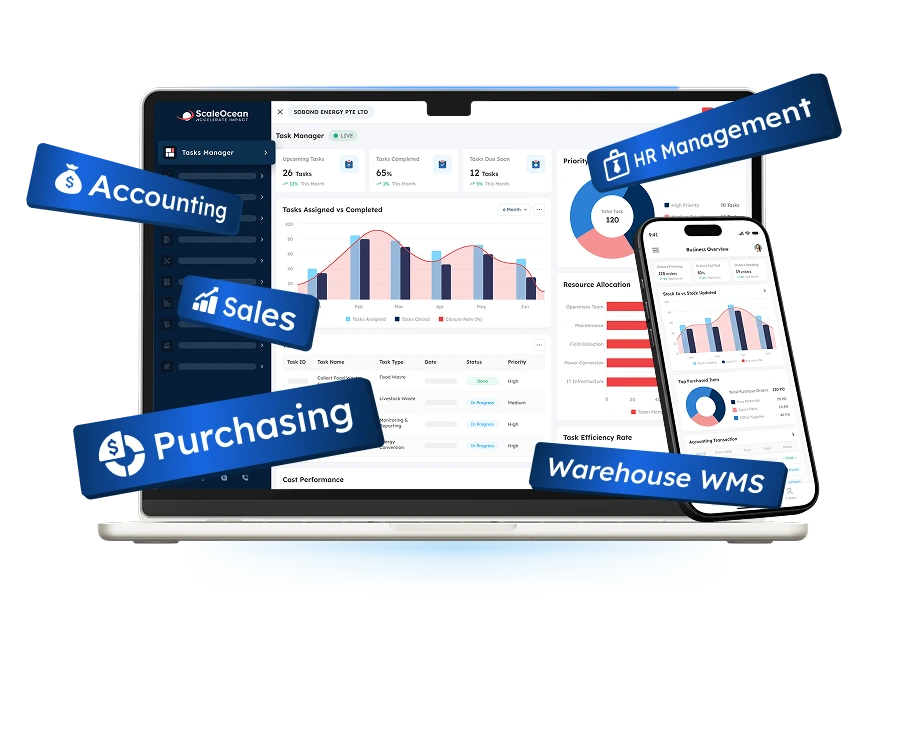
For businesses looking to enhance HR operations, ScaleOcean HRM offers an advanced platform to streamline HR tasks such as recruitment, onboarding, and performance tracking. With a free demo available, you can explore how ScaleOcean can improve HR management and help your organization stay competitive and efficient.
FAQ:
1. What qualifications do I need for HR?
You can pursue a foundation degree, a higher national diploma, or a degree in any field. Afterward, you can apply for a graduate HR training program. If you study an HR-related subject like human resources management, it may give you an edge.
2. Is HR higher than the CEO?
HR reports directly to the CEO, ensuring that workforce strategy aligns with top leadership. This structure establishes HR as a vital strategic function, empowering HR to influence high-level decisions that affect human capital management.
3. How to get a human resources job?
1. Obtain relevant qualifications.
2. Emphasize transferable skills.
3. Customize your CV for HR positions.
4. Seek HR experience in your current job.
5. Pursue industry certifications.
6. Apply for internship opportunities.
4. What is the hardest part of working in HR?
One of the toughest challenges for HR professionals is balancing the needs of employees with the organization’s goals. HR must walk the line between advocating for staff and driving performance that benefits the company’s overall success.






















.png)